Browse by time · decade

1970s

1970 – 1979

Showing 98 books from the 1970s

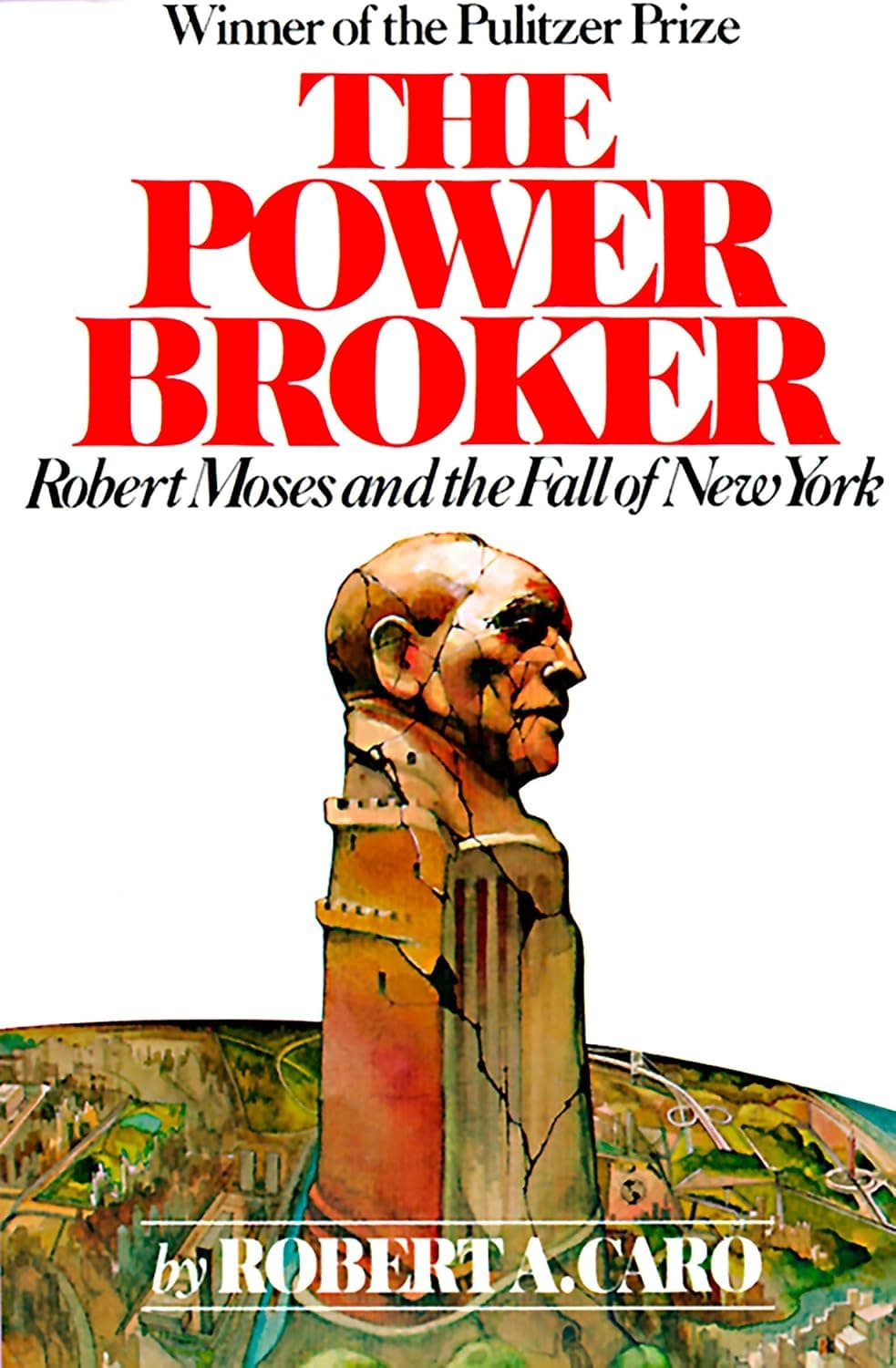
The Power Broker

Robert Moses and the Fall of New York
1974 · 1246 pages

Robert Moses was never elected to anything and remade New York for forty years, throwing up bridges and expressways and flattening the neighborhoods in their way. Caro shows exactly how it was done.

★ 8.9

Gravity's Rainbow

1973 · 784 pages

In London in 1944 the army notices that an American officer's sexual conquests keep predicting where German rockets fall. What follows is the filthiest, funniest chase ever run across a ruined continent.

★ 8.7

Discipline and Punish

The Birth of the Prison
1975 · 333 pages

Punishment stopped tearing bodies apart in public and became timetables and cells. Foucault explains why: constant watching disciplines better than pain, and the same technique now runs schools and factories.

★ 7.8

Poems

1979 · 352 pages

Bishop looks at a fish, a filling station, a moose in the road, and never tells you what to feel. In "One Art" she calls losing things an art you can master.

★ 7.8

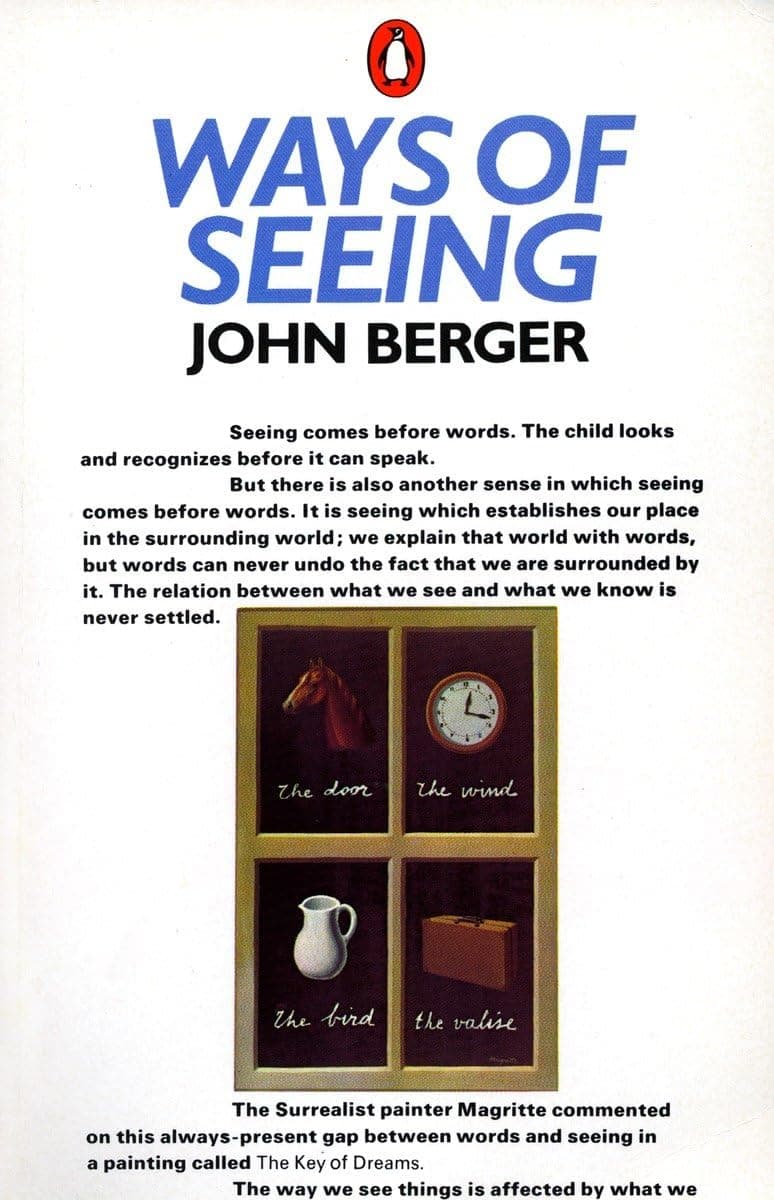
Ways of Seeing

1972 · 166 pages

Oil paintings advertised what their owners owned, Berger argues, and the nude was arranged for a man looking on. Men act and women appear, he writes, and advertising took the habit over intact.

★ 7.2

On Photography

1977 · 224 pages

Taking a picture is a form of acquisition, close to aggression, Sontag argues, and a world drowning in images loses the power to feel them. You will not photograph casually again.

★ 7.1

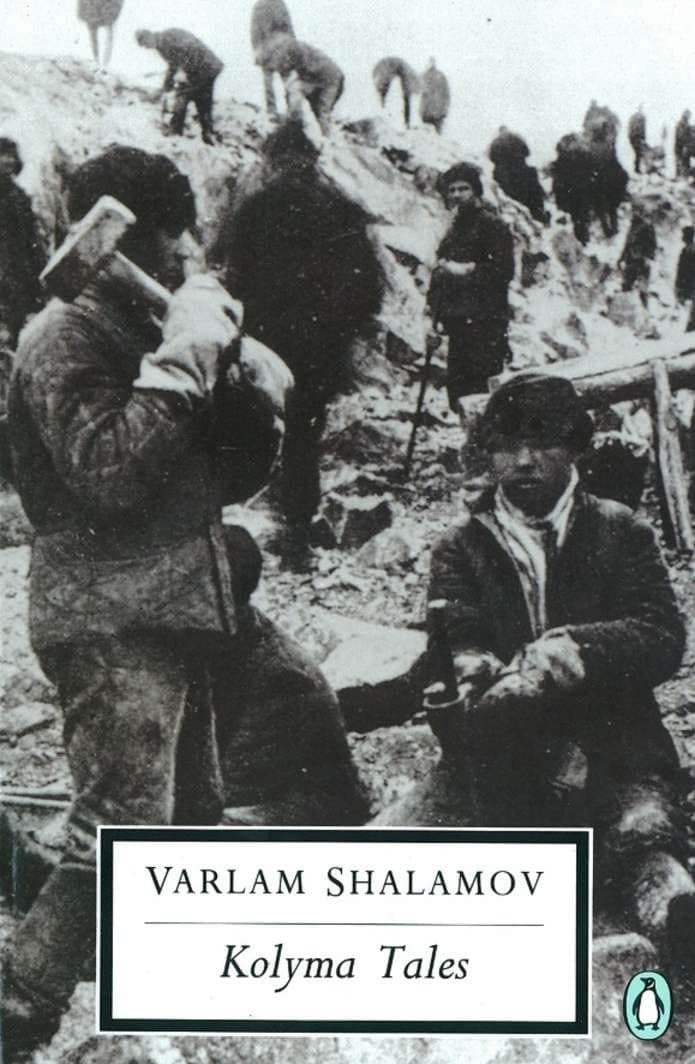
Kolyma Tales

1978 · 508 pages

Shalamov spent seventeen years in the Kolyma camps. His stories are short, about frostbite and stolen bread and men too weak to lift a shovel, and he insists that suffering teaches nothing.

★ 7.1

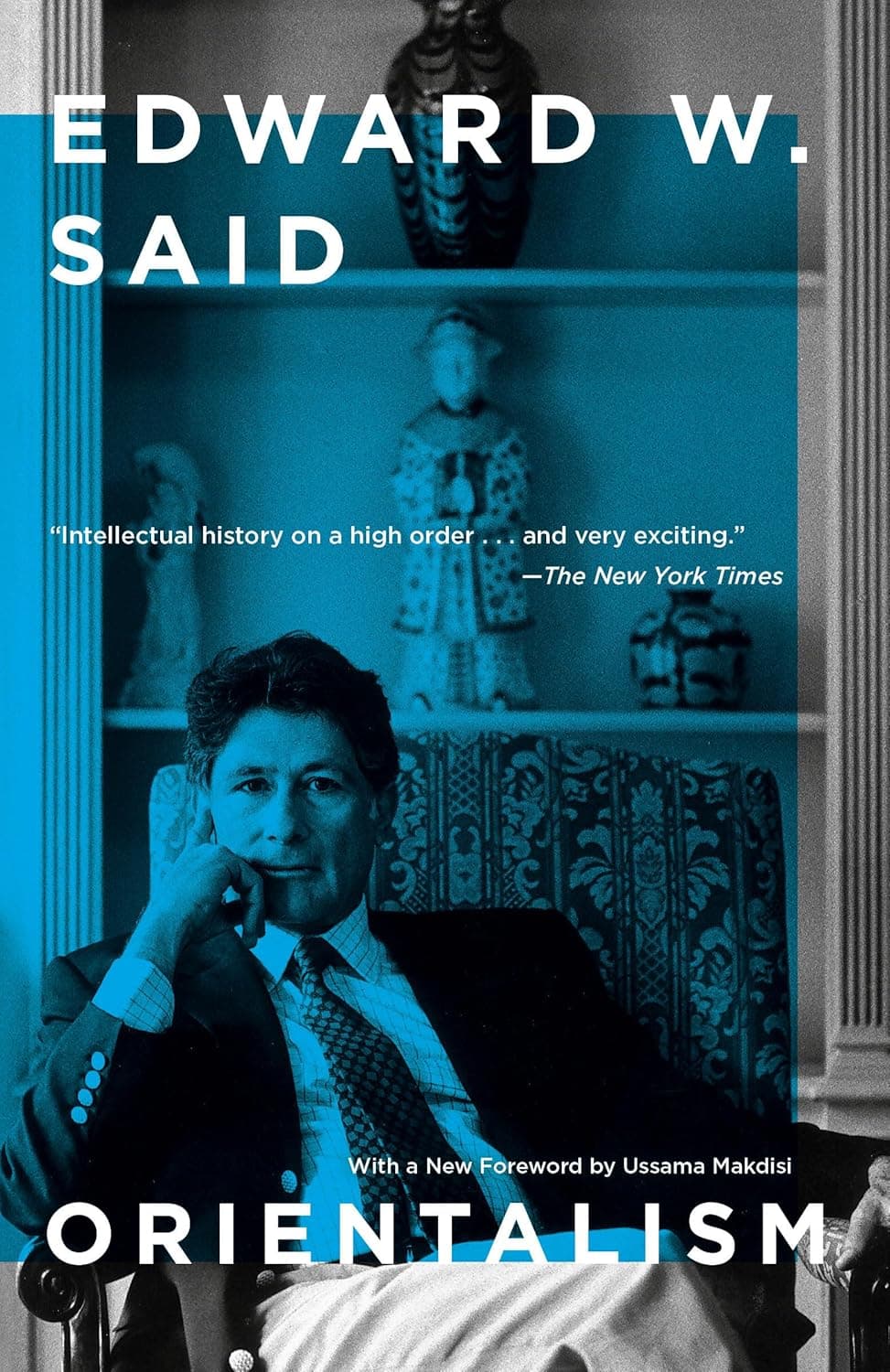
Orientalism

1978 · 394 pages

Western scholarship on the East was never neutral, Said argues: scholars and novelists built an exotic, backward Orient that empire could claim to govern. He upended how the West studies everyone it ruled.

★ 7.0

Godel, Escher, Bach

An Eternal Golden Braid
1979 · 824 pages

How does a self arise from parts that have none? Hofstadter answers by braiding Godel's proof that no system can prove all its truths with Escher's staircases and Bach's canons into strange loops.

★ 6.9

The Culture of Narcissism

American Life in An Age of Diminishing Expectations
1979 · 320 pages
Americans stopped building selves and started managing images, Lasch argued in 1979: competence and civic obligation traded away for therapy, celebrity, and a permanent hunger to be admired by strangers.

★ 6.9

The Face of Battle

1976 · 364 pages

Keegan asked what a battle feels like to the man standing in it, and answered through Agincourt, Waterloo, and the Somme. He put the reader inside the ranks and remade military history.

★ 6.9

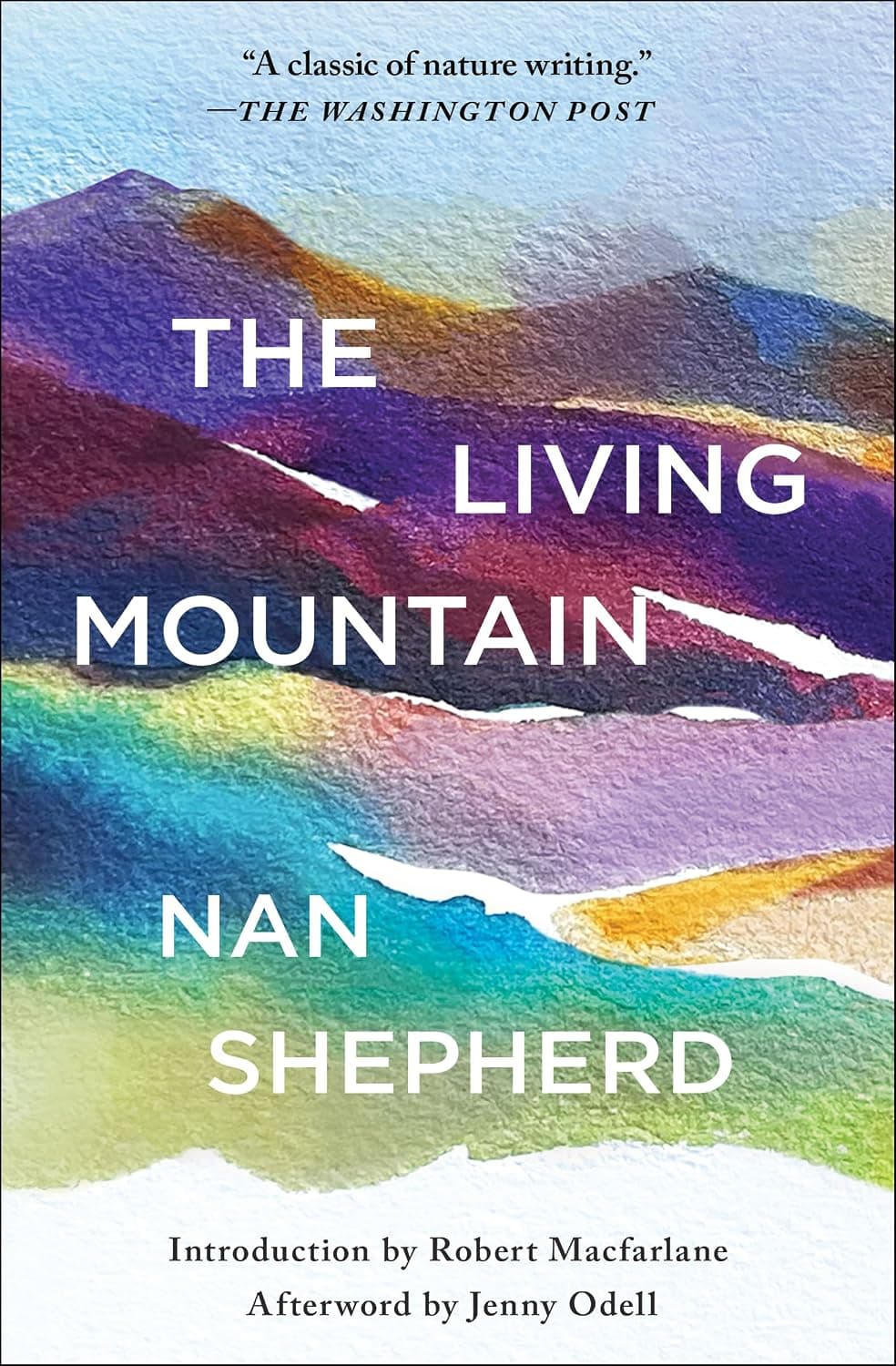
The Living Mountain

1977 · 176 pages

Summits barely register. Shepherd spent a lifetime in the Scottish Cairngorms and writes about going into the mountain rather than up it, attending to water and frost until the seeing becomes the point.

★ 6.9

The Cheese and the Worms

1976 · 224 pages

A sixteenth-century Italian miller told the Inquisition that the world formed as cheese forms from milk, and the angels were worms in it. From that file Ginzburg reconstructs an entire peasant mind.

★ 6.8

Tinker Tailor Soldier Spy

1974 · 400 pages

Pulled out of retirement, George Smiley hunts a Soviet mole at the top of British intelligence, working from old files and older grudges. Le Carré makes treason a matter of friendship and marriage.

★ 6.8

American Slavery, American Freedom

The Ordeal of Colonial Virginia
1975 · 480 pages

Virginia's planters learned from the uprising of 1676 that poor whites and enslaved Africans might combine against them, and answered by writing racial contempt into law. Morgan makes freedom and slavery one story.

★ 6.8

A Distant Mirror

The Calamitous 14th Century
1978 · 704 pages

Tuchman holds the fourteenth century up as a mirror to our own: plague killing a third of Europe, a war without end, and one French nobleman whose life ran through all of it.

★ 6.8

Bury My Heart at Wounded Knee

An Indian History of the American West
1970 · 487 pages

Thirty years of broken treaties, forced marches, and massacres, told from inside the Cheyenne, Navajo, Apache, and Lakota camps. Dee Brown ended the frontier myth for a generation of American readers.

★ 6.8

The Hour of the Star

1977 · 81 pages

Macabéa is a half-starved typist from Brazil's Northeast, and the writer narrating her keeps stopping to ask what right he has to her poverty. Lispector makes that discomfort the whole book.

★ 6.8

Life

A User's Manual
1978 · 661 pages

Take the facade off a Paris apartment house: Perec fills every room with a life and threads them around an Englishman whose fifty-year project is designed to leave no trace on the world.

★ 6.8

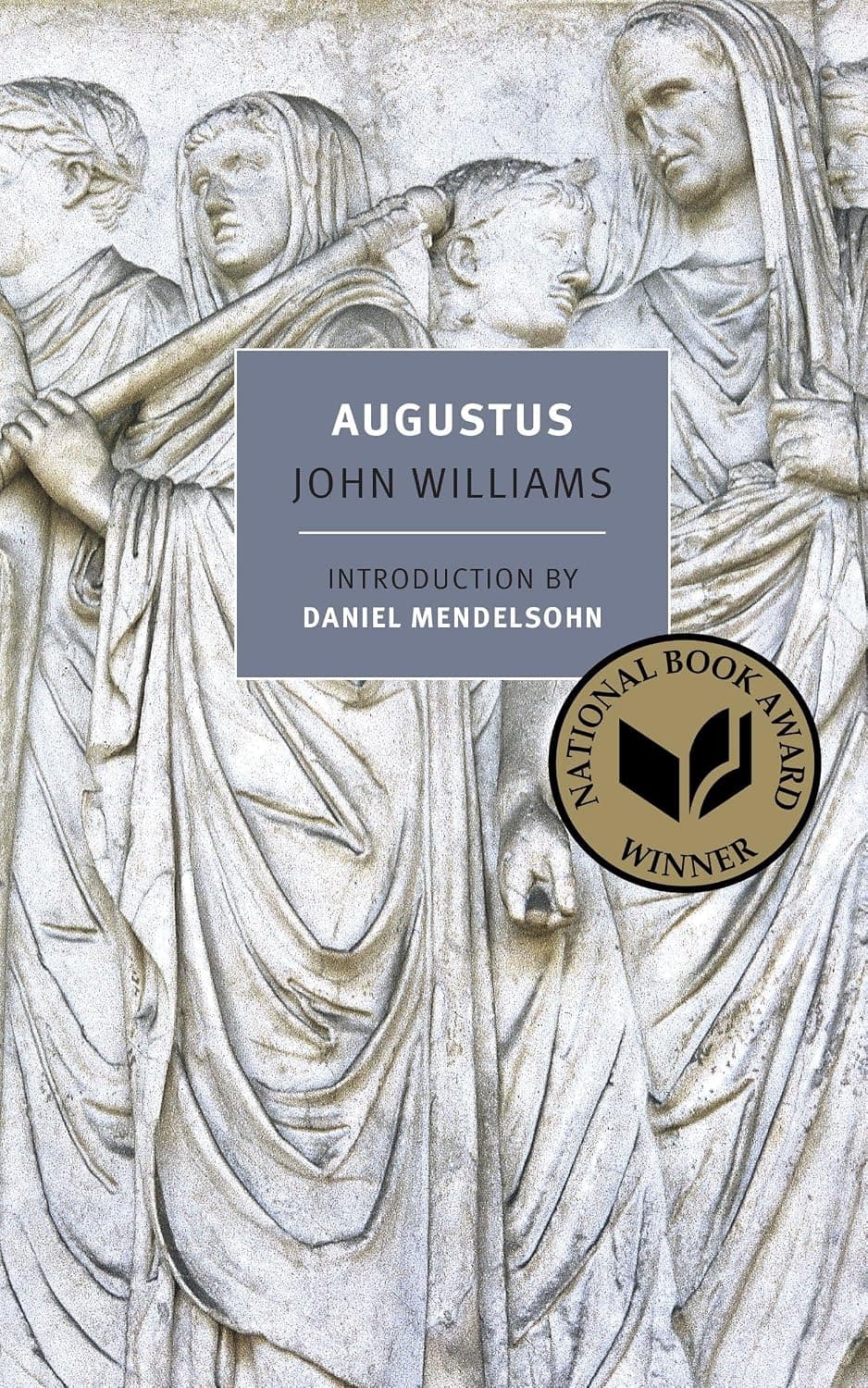
Augustus

1972 · 305 pages

Rome's first emperor assembled from other people's letters: soldiers, poets, conspirators, and the daughter he sends into exile. Williams shows how a sickly boy became master of the world and what it cost.

★ 6.8

Sophie's Choice

1979 · 562 pages

In a Brooklyn rooming house in 1947, a Southern writer falls in with Sophie, a Polish Catholic who survived Auschwitz, and her violent lover. The title is now English for an impossible decision.

★ 6.8

Anti-Oedipus

Capitalism and Schizophrenia
1972 · 432 pages

Desire is not lack but production, and psychoanalysis crushes it into the triangle of daddy, mommy and me. Foucault proposed retitling Deleuze and Guattari's book Introduction to the Non-Fascist Life.

★ 6.7

The Postmodern Condition

A Report on Knowledge
1979 · 110 pages

Grand stories that once justified science, progress, and human emancipation have lost their credibility, Lyotard argues. His phrase for the condition, incredulity toward metanarratives, carried postmodernism from the arts into philosophy.

★ 6.6

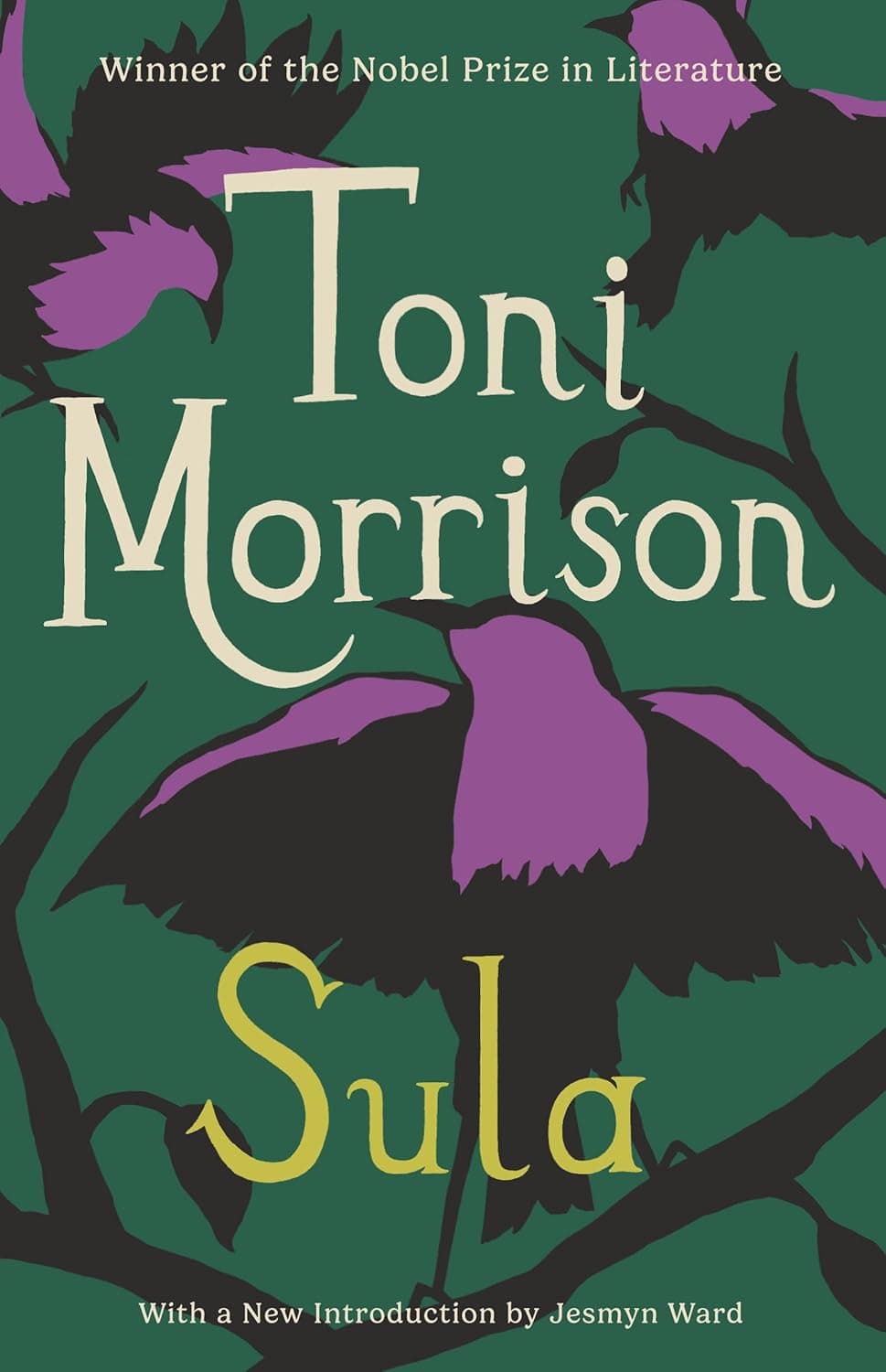
Sula

1973 · 174 pages

Nel stays in her Ohio town and marries. Sula leaves for ten years, returns, and the town settles on her as its evil. Morrison makes their friendship the deepest bond either will know.

★ 6.5

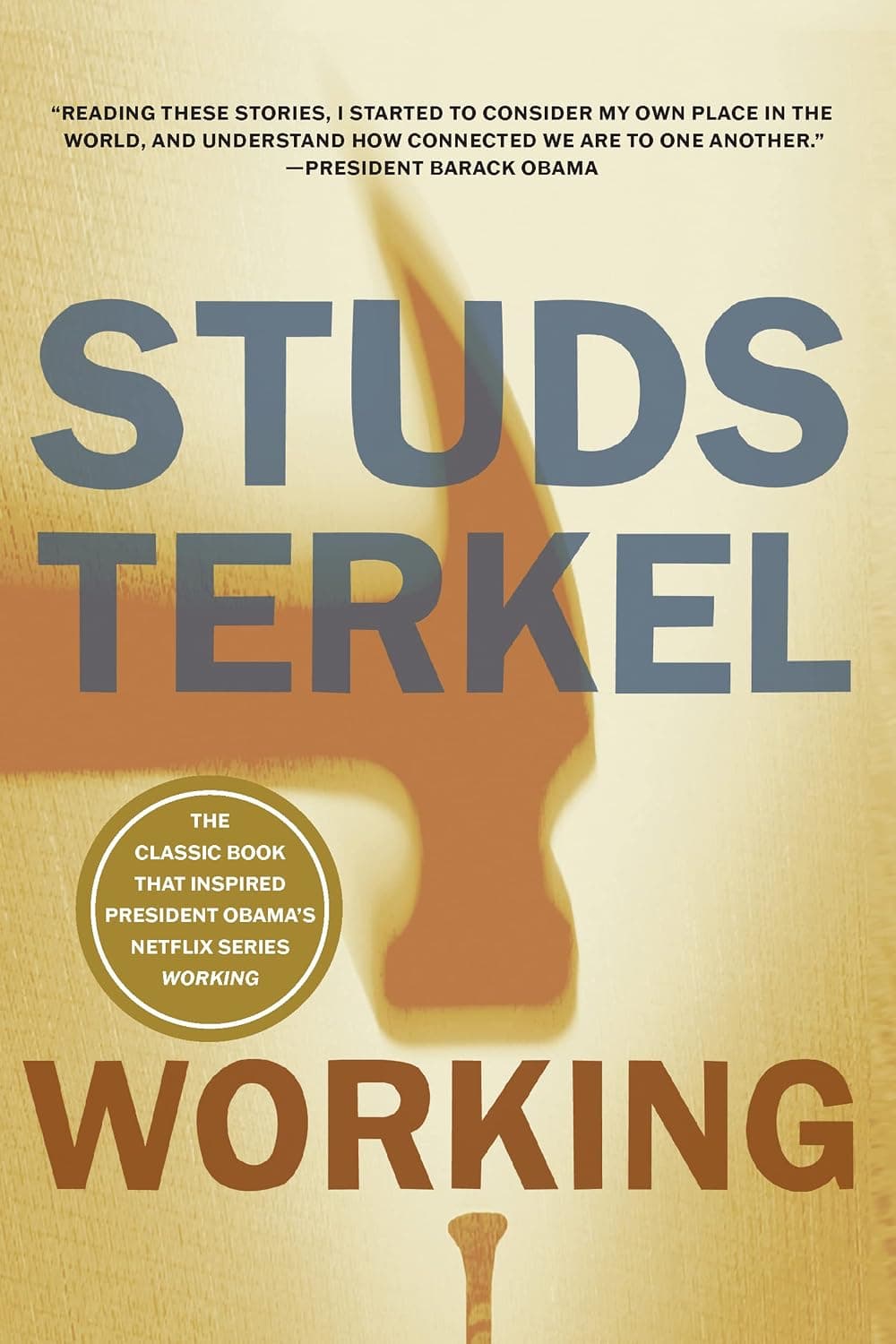
Working

1974 · 589 pages

Terkel put a tape recorder before a gravedigger, a receptionist, a steelworker, and asked what the day costs them. Work is violence to the spirit as well as the body, he writes.

★ 6.5

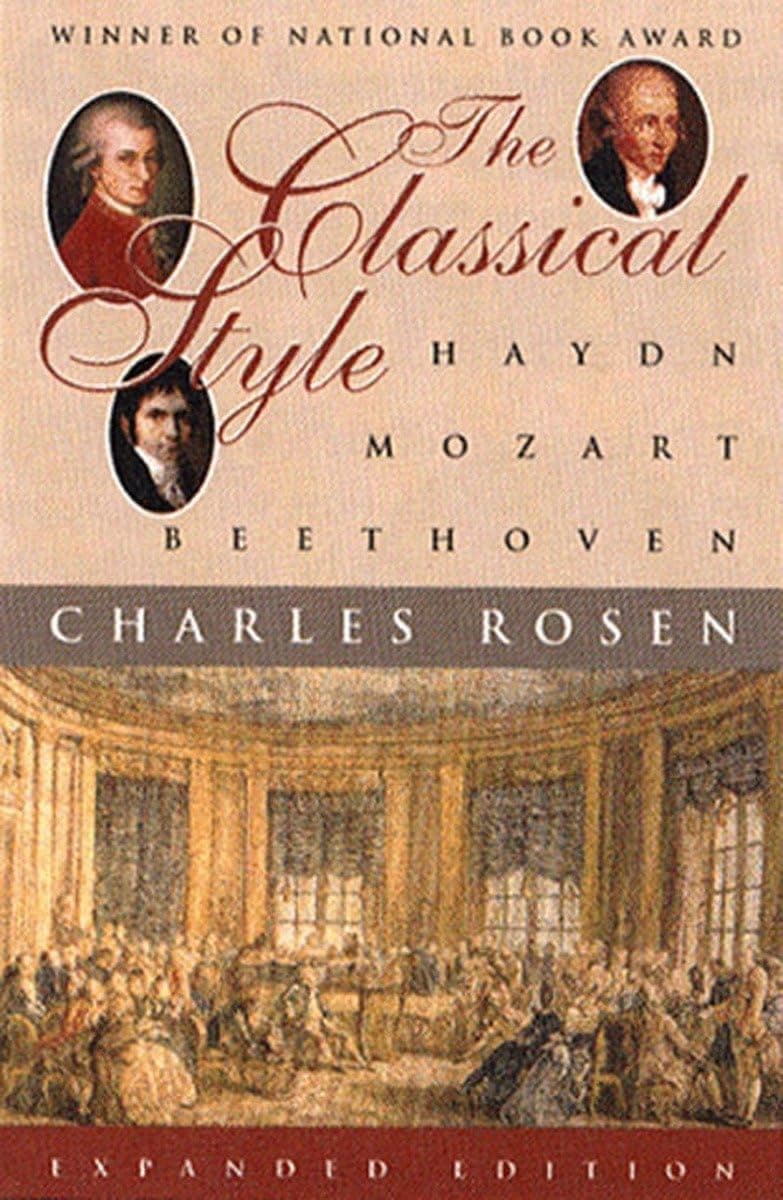
The Classical Style

1971 · 533 pages

Haydn, Mozart, and Beethoven made drama out of harmony itself, Rosen shows, with tension and resolution shaping every movement. A concert pianist wrote it, and it changed how musicians hear the whole period.

★ 6.5

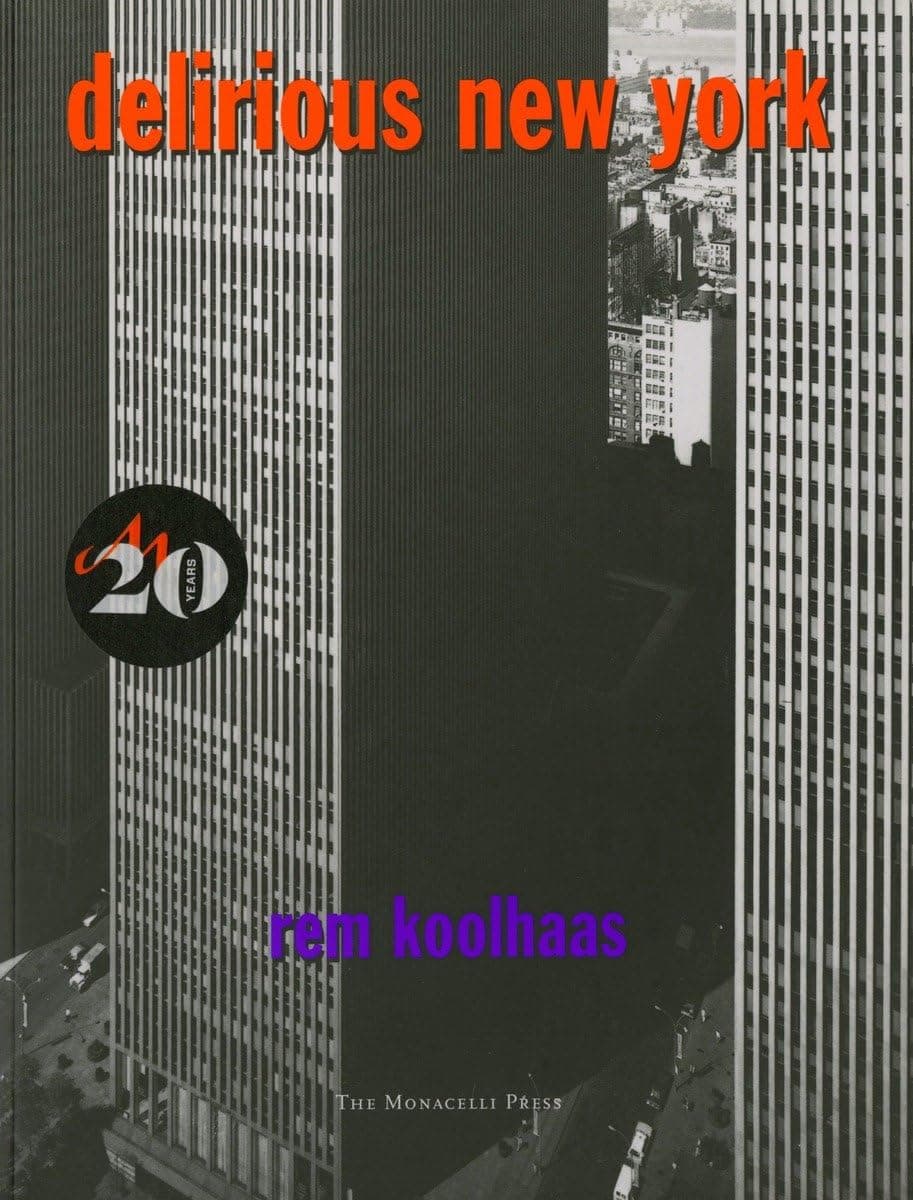
Delirious New York

1978 · 320 pages

Manhattan built itself without a theory, so Koolhaas supplied one afterward: the grid, the skyscraper, and Coney Island as a culture of congestion. He turned density from planning's disease into architecture's ambition.

★ 6.5

William Eggleston's Guide

1976 · 110 pages

Eggleston shot a child's tricycle from ground level and suburban Memphis in dye-transfer color. The critic Hilton Kramer called the 1976 exhibition perfectly boring, and color photography has been art ever since.

★ 6.4

The Boys of Summer

1972 · 474 pages

Two decades after covering the Brooklyn Dodgers for a newspaper, Kahn found the same men in middle age, one paralyzed. What began as a baseball book becomes an elegy for everyone's youth.

★ 6.4

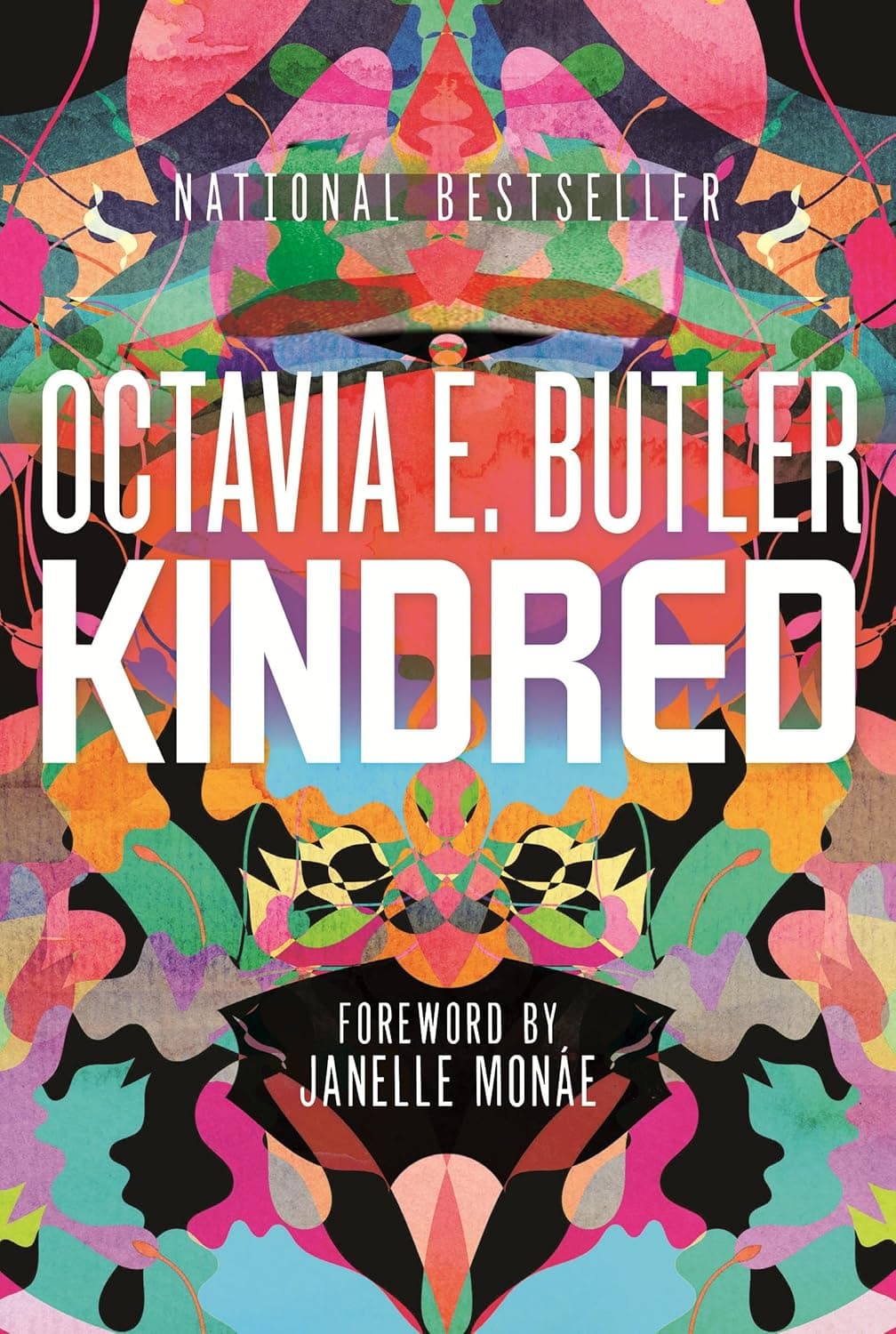
Kindred

1979 · 287 pages

Dana, a Black writer in 1976 Los Angeles, is pulled to a Maryland plantation and made to keep alive the white boy who will father her line. Each return costs her more.

★ 6.4

Distinction

1979 · 640 pages

Taste is class in disguise, Bourdieu argues, and his survey of French preferences in music, food, and interiors proves it. The pure aesthetic judgment Kant called universal is a privilege of the comfortable.

★ 6.4

The Lost Honor of Katharina Blum

1974 · 103 pages

The tabloid Bild-Zeitung had branded Böll a terrorist sympathizer, so he answered with this: a quiet housekeeper spends one night with a wanted man and the papers take her honor apart.

★ 6.3

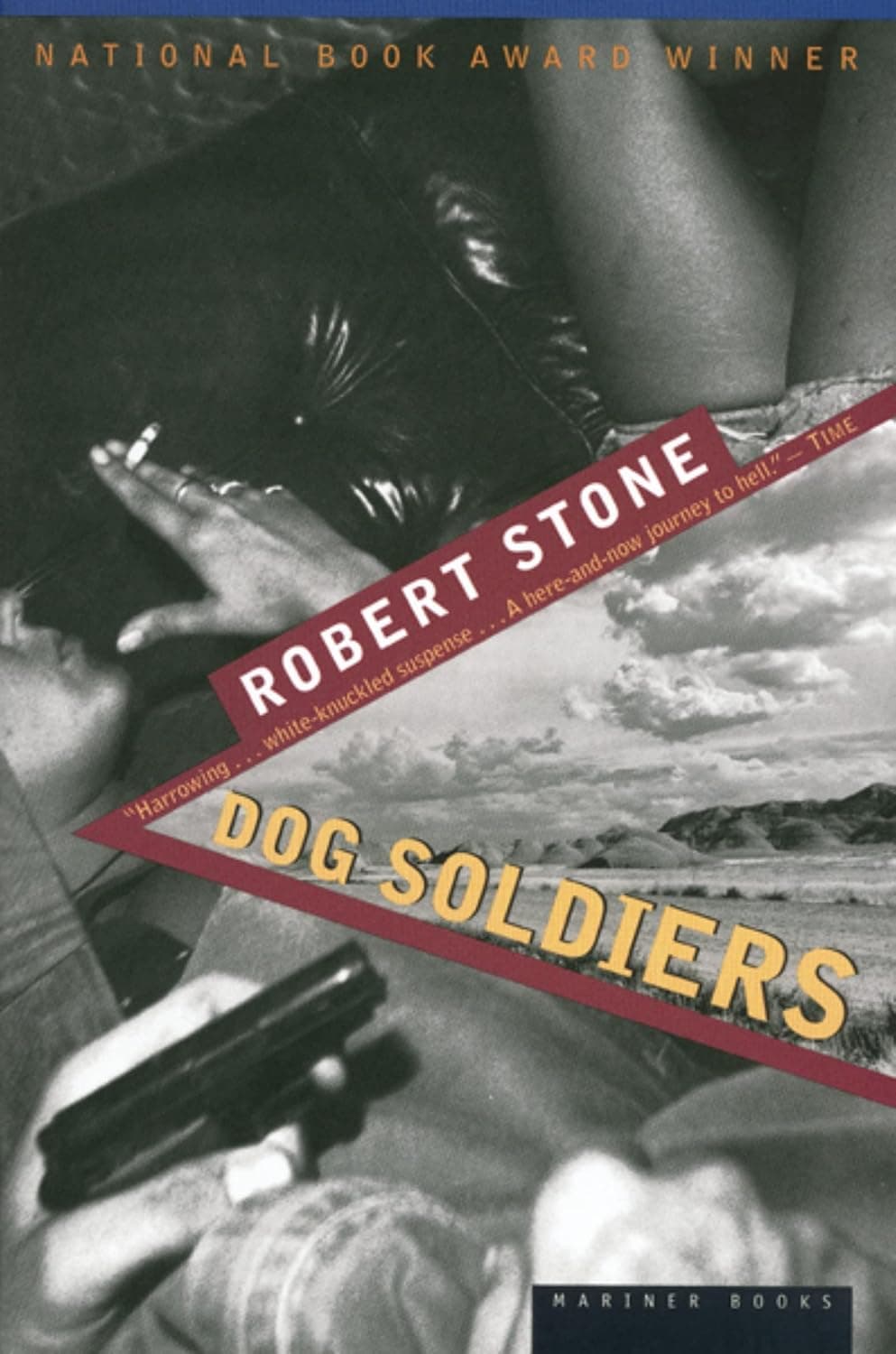
Dog Soldiers

1974 · 352 pages

Vietnam comes home in a suitcase. A correspondent buys heroin in Saigon and ships it to his wife in California, where the deal collapses into a chase through a country the war broke.

★ 6.3

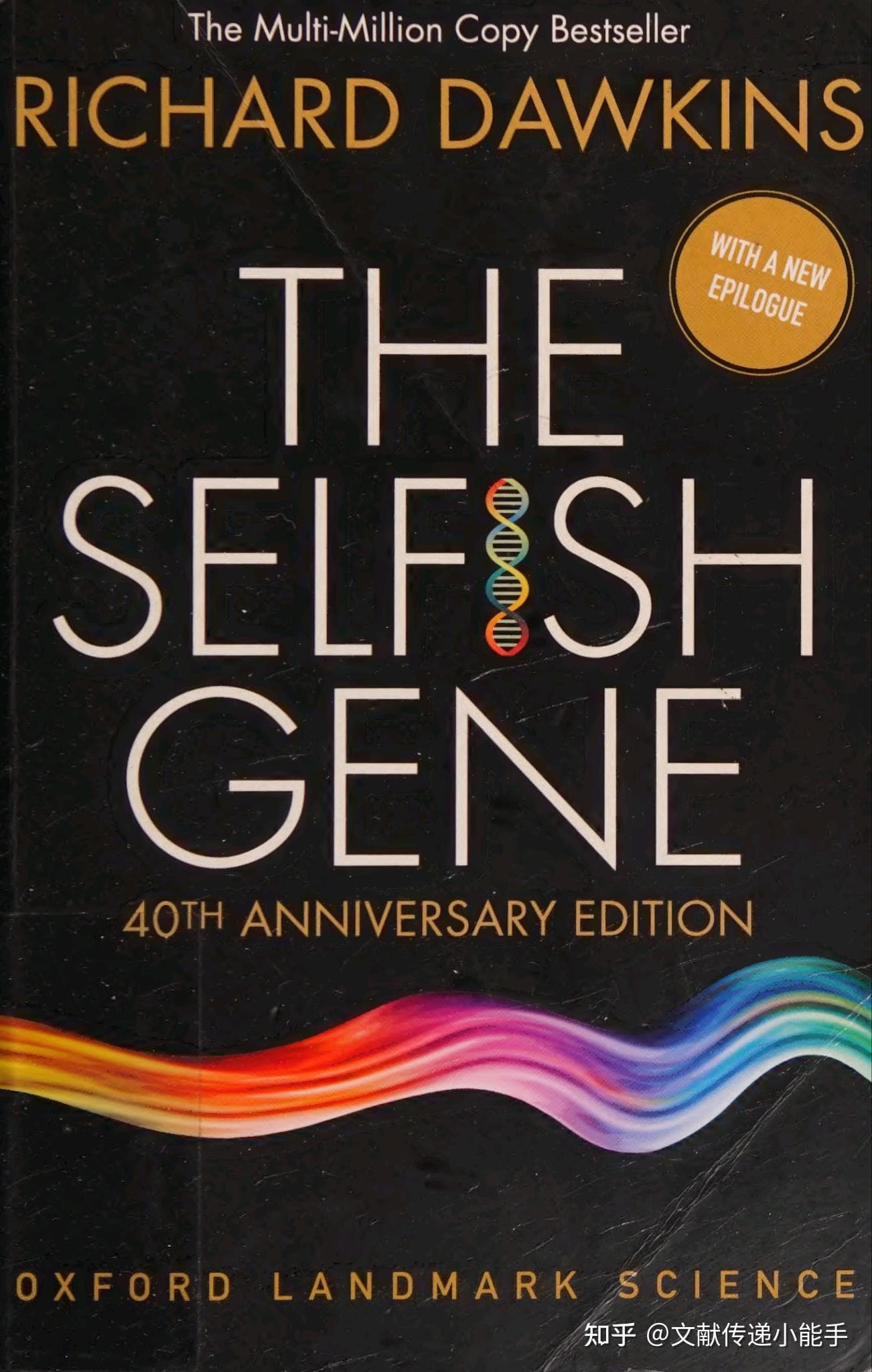
The Selfish Gene

1976 · 496 pages

Genes, not organisms, are what selection acts on, and bodies are the machines genes build to carry themselves forward. Dawkins turned that inversion into how biologists think, and gave us the word meme.

★ 6.2

Roll, Jordan, Roll

The World the Slaves Made
1974 · 823 pages

Life on the plantation seen from the slave quarters outward: Genovese shows how the enslaved turned the master's claim of paternal care into leverage and made Christianity mean what the master never intended.

★ 6.2

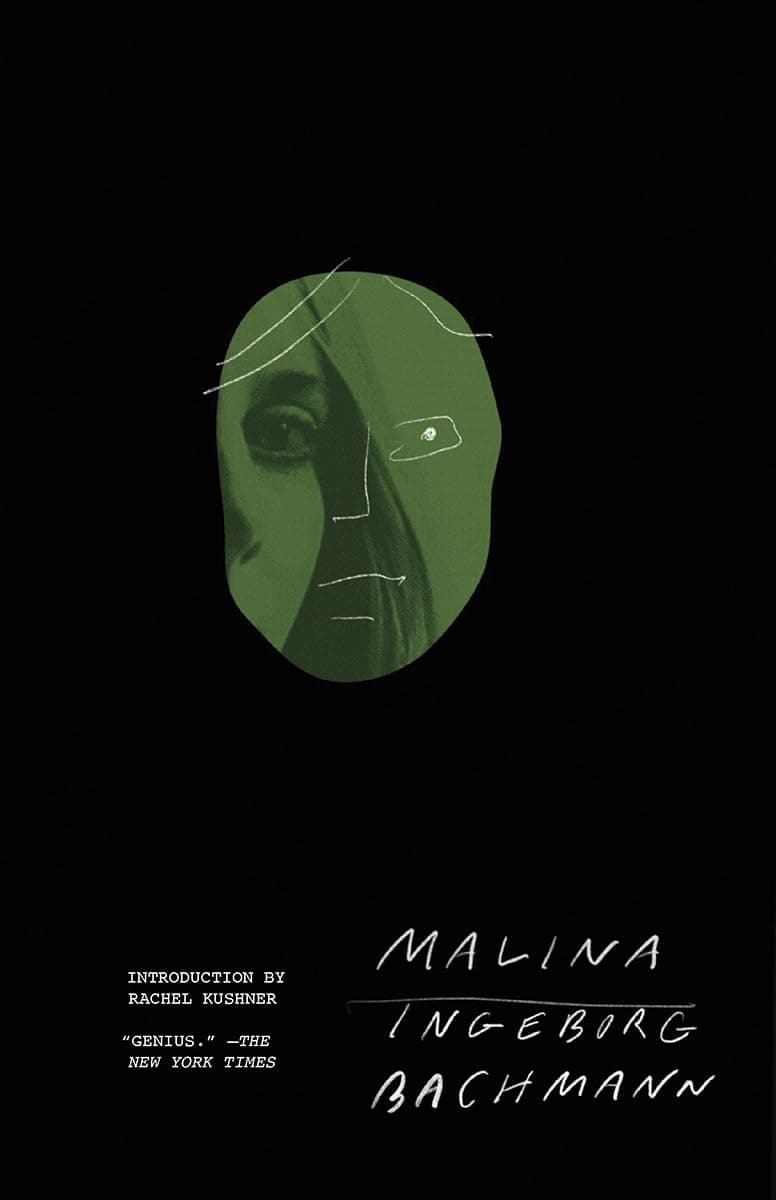
Malina

1971 · 283 pages

In a Vienna apartment a woman without a name loves Ivan and lives with Malina, and her interior life comes apart. Bachmann writes private ruin and Austria's buried fascism as the same catastrophe.

★ 6.1

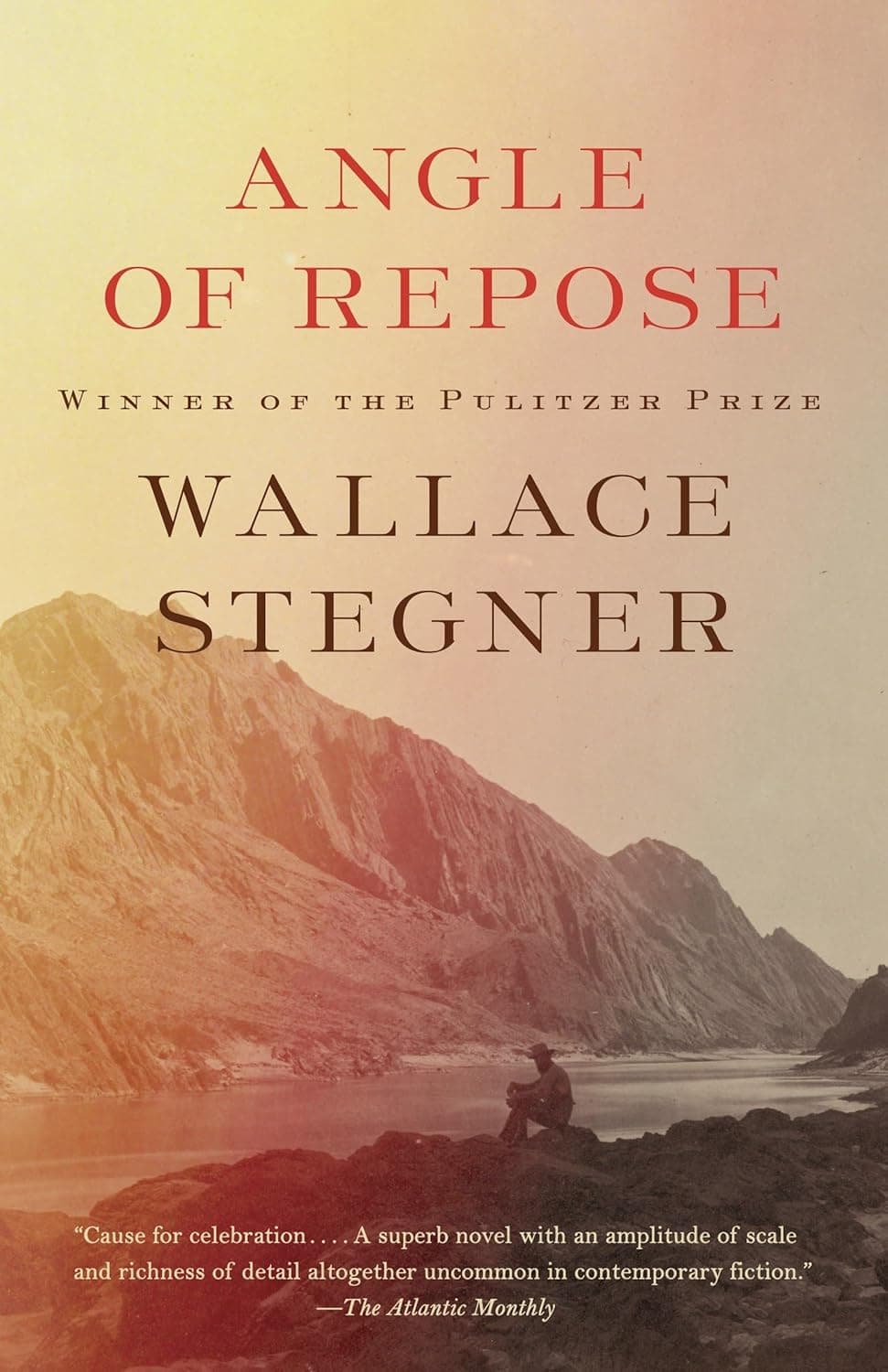
Angle of Repose

1971 · 672 pages

From his wheelchair a historian rebuilds his grandmother's life from her letters: a New York illustrator who followed a mining engineer west. Stegner's Pulitzer novel holds a region in one marriage.

★ 6.0