
Collected Fictions
1951 · 576 pages
Borges invented a library holding every possible book and a man cursed with perfect memory. The stories run ten pages and leave the world looking like something someone made up.
★ 9.1
 skopia
Borges invented a library holding every possible book and a man cursed with perfect memory. The stories run ten pages and leave the world looking like something someone made up.
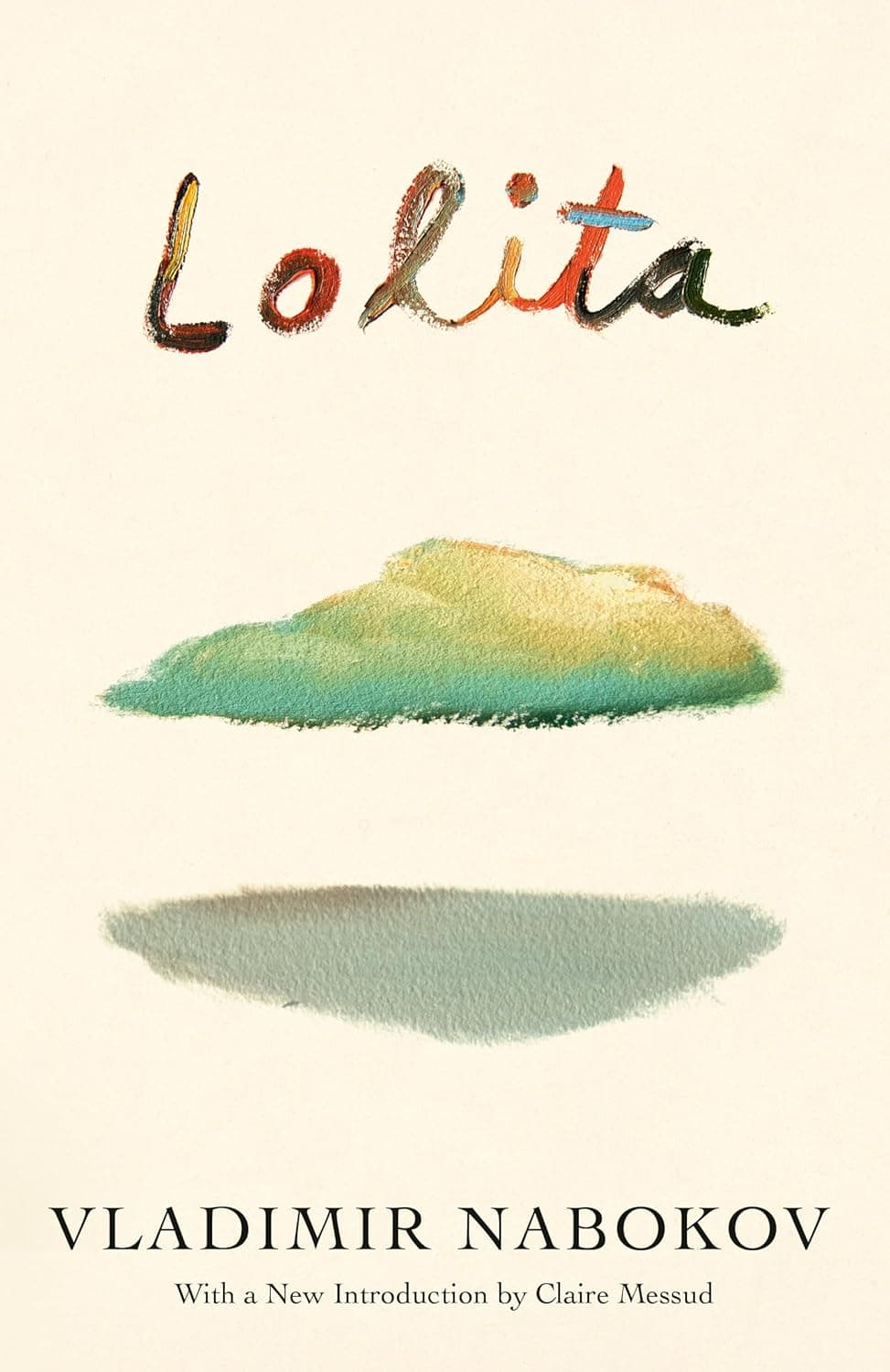
Humbert Humbert explains how he became stepfather to a twelve-year-old girl and drove her across America. Nabokov gives the monster the most beautiful prose in English and dares you to enjoy it.
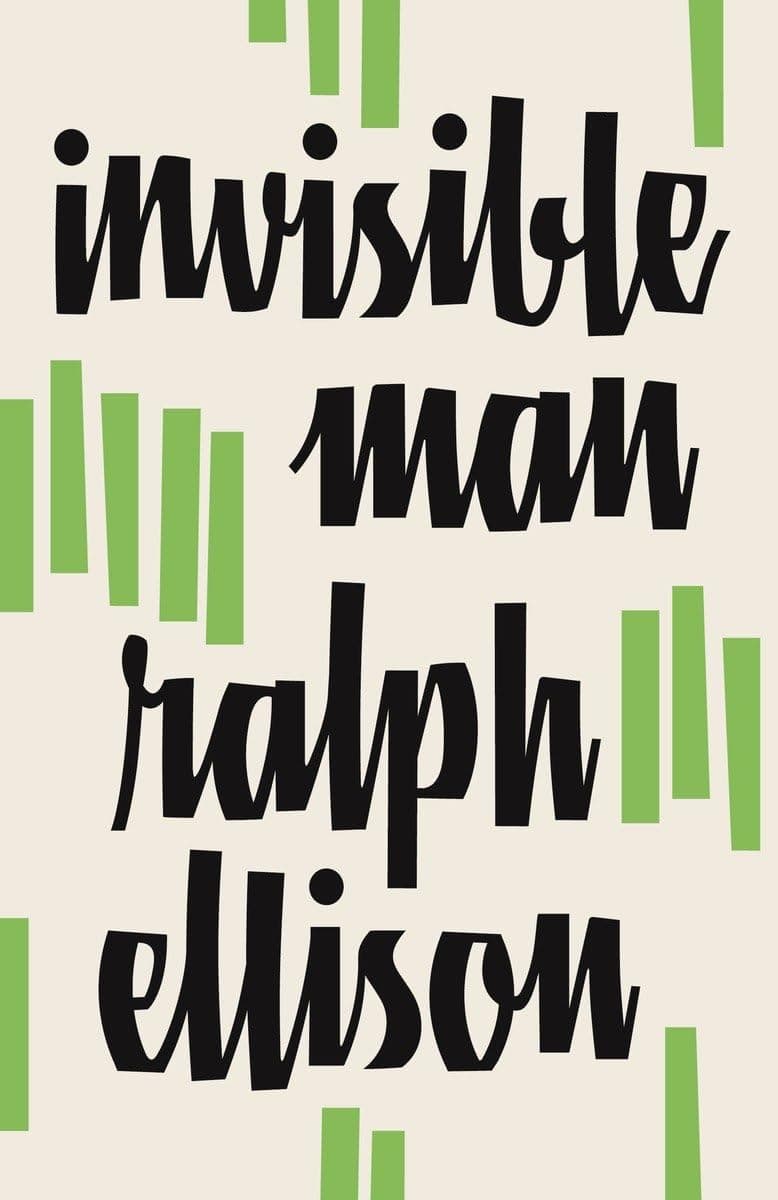
Thrown out of college, then used by a Harlem political movement, a nameless Black man ends up living in a cellar on stolen light. Ellison writes American rage with jazz timing.
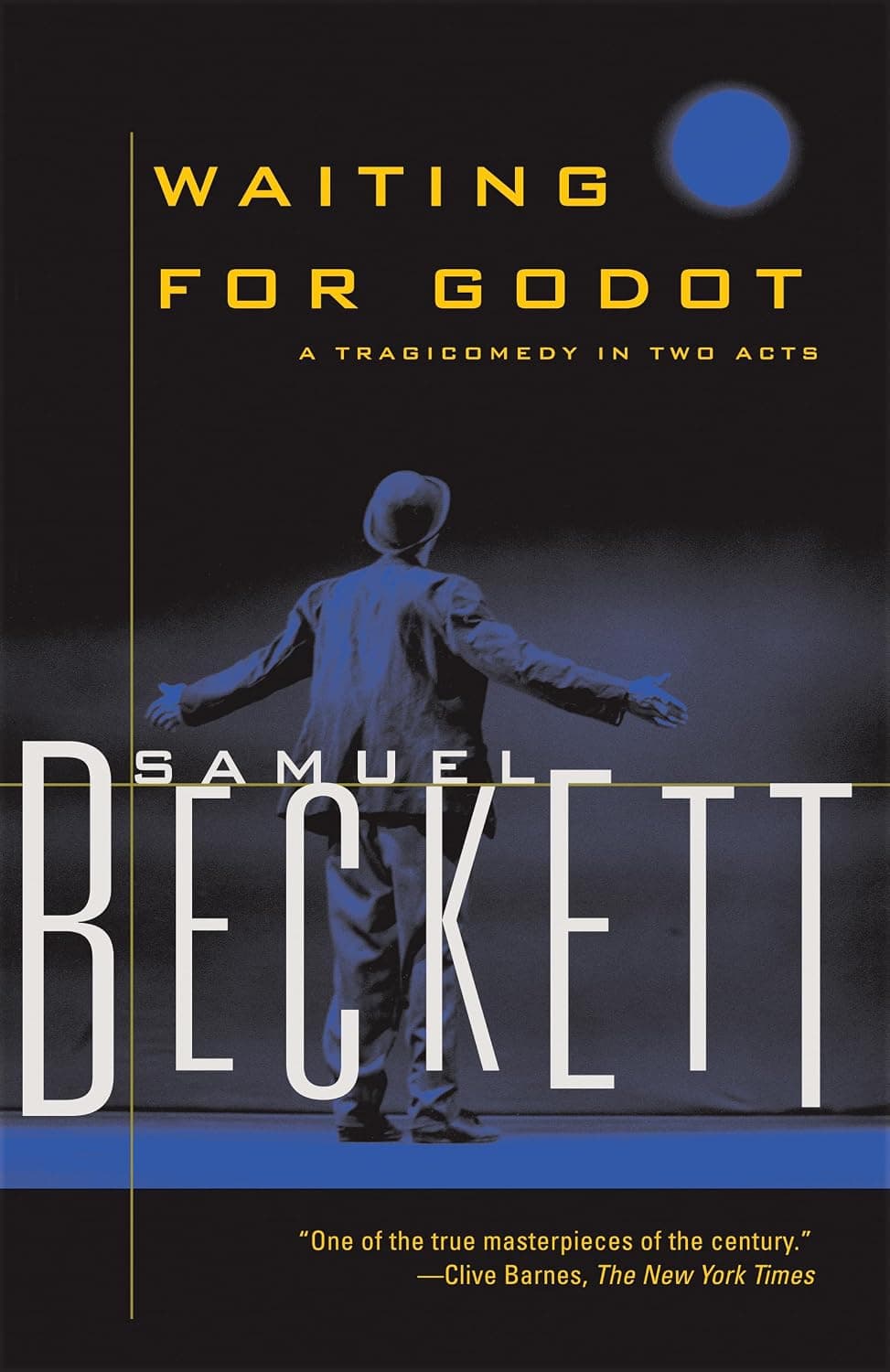
Two tramps wait by a tree on a country road for a man who sends word each evening that he will come tomorrow. Beckett stripped drama to this and it never went back.
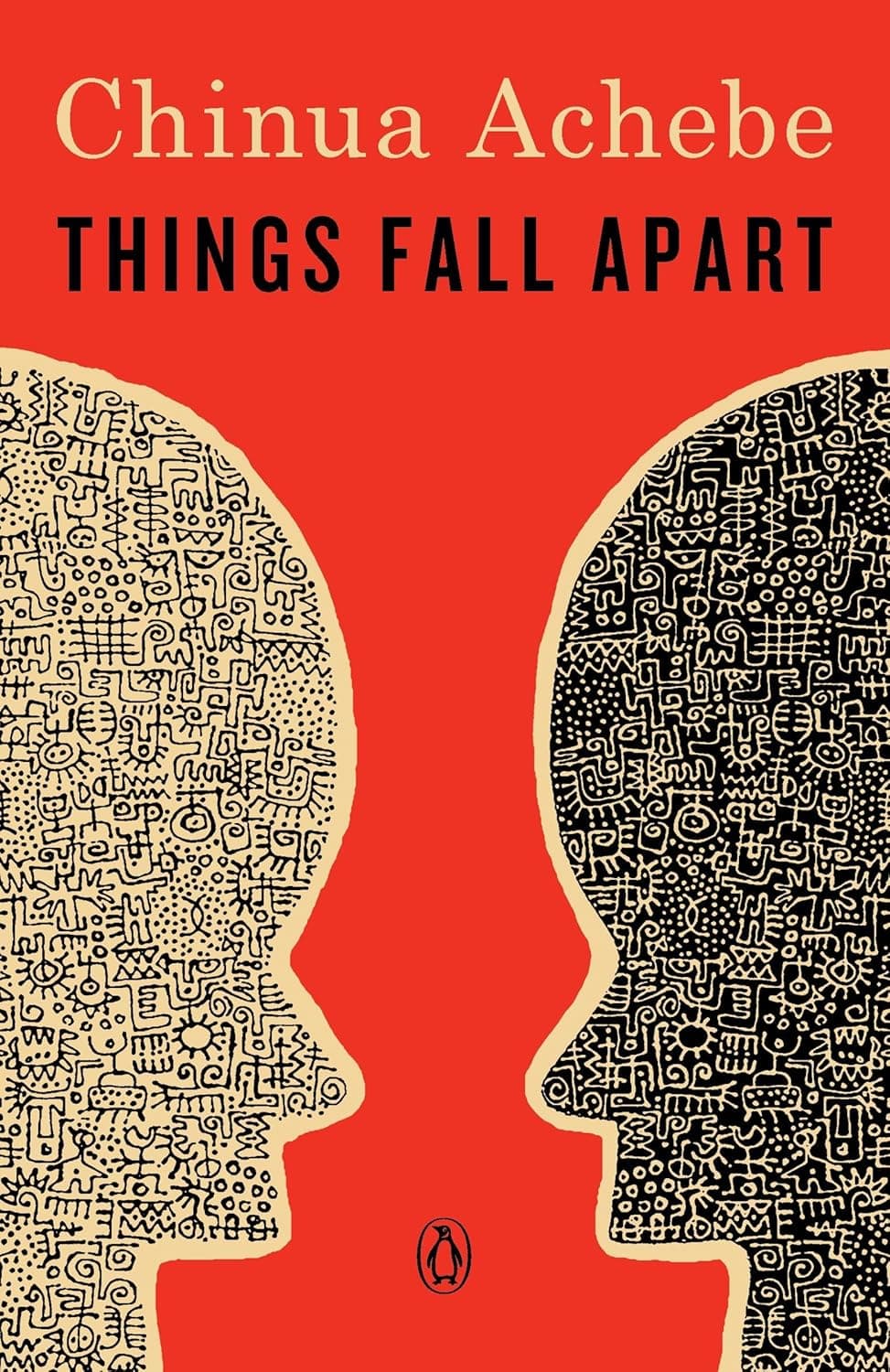
Okonkwo is a wrestler and a hard man in an Igbo village, terrified of resembling his gentle, indebted father, when the missionaries arrive. Achebe builds a whole world before letting it come apart.

Frodo the hobbit inherits a ring that could rule the world and carries it across a continent to destroy it. Tolkien invented its languages first, and modern fantasy still works inside his world.

Stevens sold insurance in Hartford and wrote sumptuous poems about what the imagination makes once God is gone. Read "The Emperor of Ice-Cream" aloud and the sound arrives before the sense.

Yuri Zhivago, a doctor who writes poetry, is carried through war and revolution and away from the women he loves. Pasternak lets history arrive like weather, and the Soviets banned it outright.

Everything must change so that everything can stay the same, says the prince's nephew as Garibaldi's rebels land in Sicily. Lampedusa writes a class watching itself end with autumnal calm and beauty.

Holden Caulfield is thrown out of prep school and spends three days loose in New York, telling you about it. Salinger got the voice so exact that teenage fiction has echoed it since.
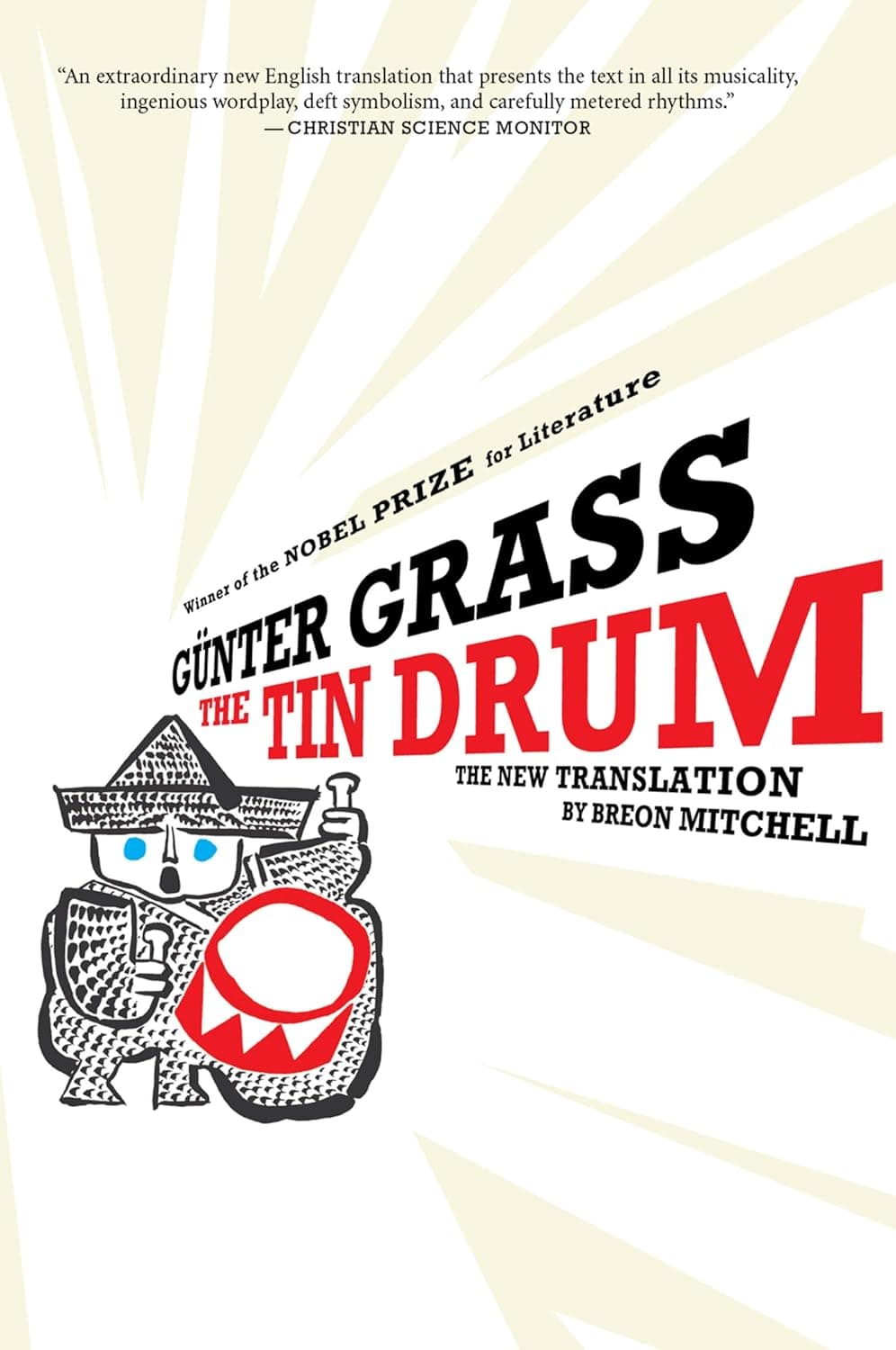
Oskar decides on his third birthday to stop growing, keeps his tin drum, and screams glass to pieces while the Nazis take Danzig. Grass forced postwar Germany to look at itself through him.

Wiesel was a religious teenager when his town was emptied and he arrived at Auschwitz with his father. He tells it in short flat sentences, and the flatness is unbearable.
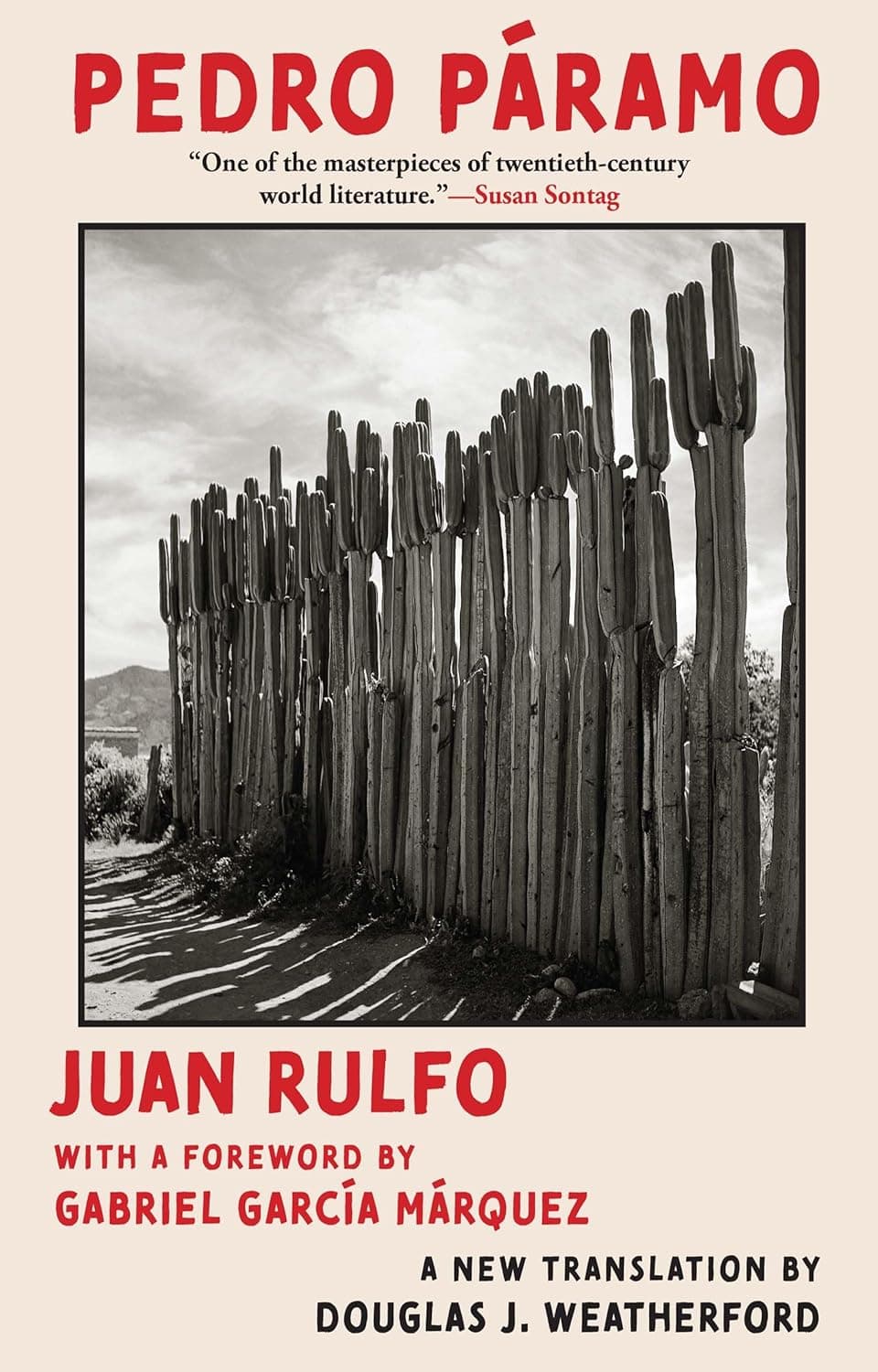
Looking for the father he never met, a man walks into a Mexican town where everyone he speaks to is dead. Voices drift free of their bodies, and magical realism follows.

Baldwin buries his father on his nineteenth birthday while Harlem riots, and winters as the only Black man in a Swiss village. He turns his own life into an argument about America.
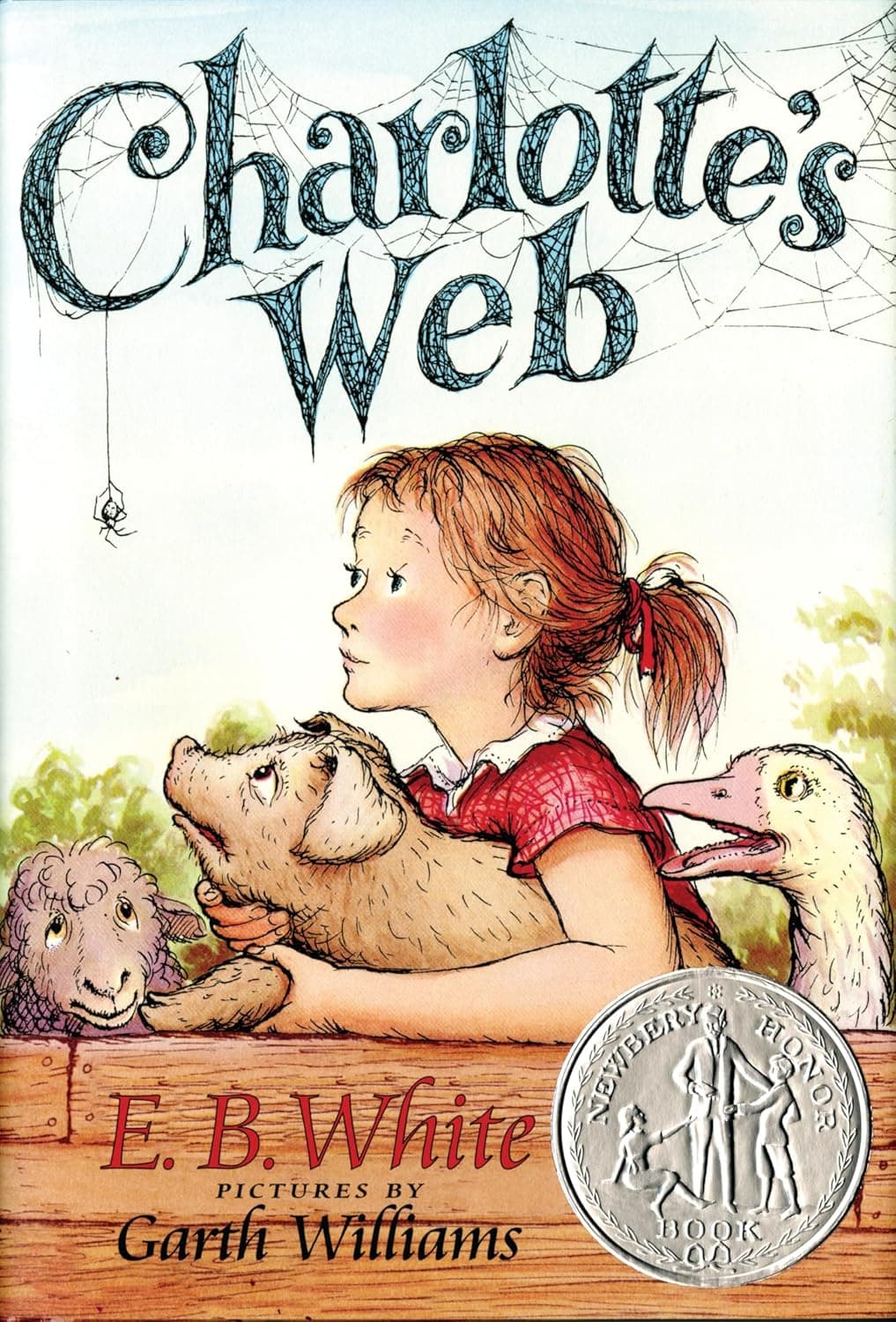
Wilbur is a runt pig bound for slaughter, saved by a barn spider writing words in her web. Eudora Welty called it just about perfect, and it is where children first meet death.

English schoolboys are marooned on an island without adults, hold a vote, and are soon hunting each other. Golding tells it so plainly that you believe every step of the descent.

On a Georgia back road a grandmother who talked her family into a detour meets an escaped killer. O'Connor's stories stay funny until the violence arrives, which is how grace arrives too.

A Cairo merchant rules his household as a tyrant and drinks his nights away with singers while his wife may not step outside. Over three generations, revolution and war reach inside that house.
Sal Paradise crosses and recrosses America with Dean Moriarty, a car thief who talks nonstop and cannot sit still. Kerouac made restlessness the American subject, and the prose runs on the same fuel.

There is no such thing as Art, Gombrich begins, only artists. From cave paintings to Picasso he explains what each was trying to solve, and you come out able to see it.
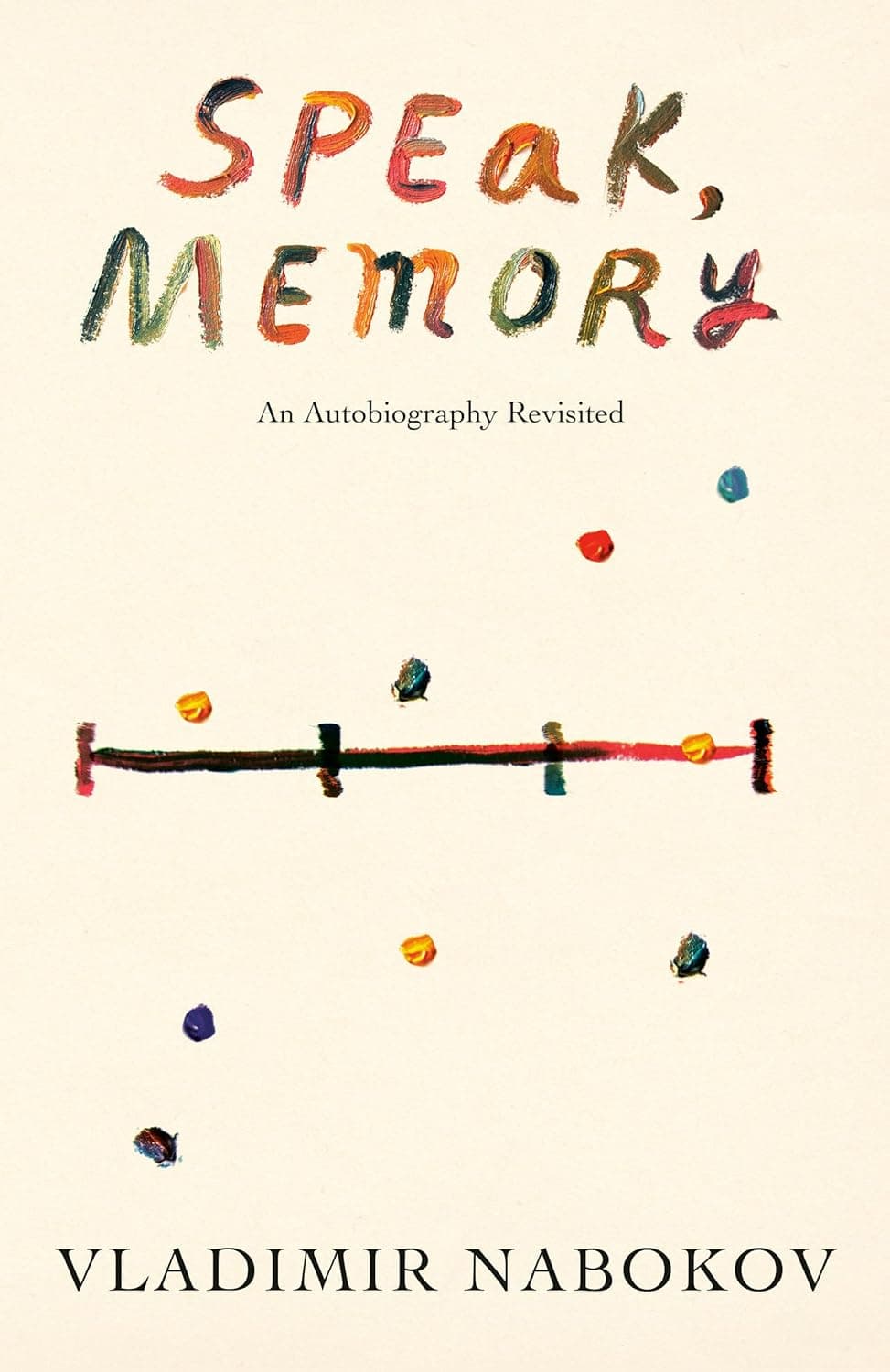
Nabokov reassembles a Russian childhood of tutors and butterfly nets, the revolution that took it, and a father shot dead in Berlin. He handles his own memory like a specimen under glass.
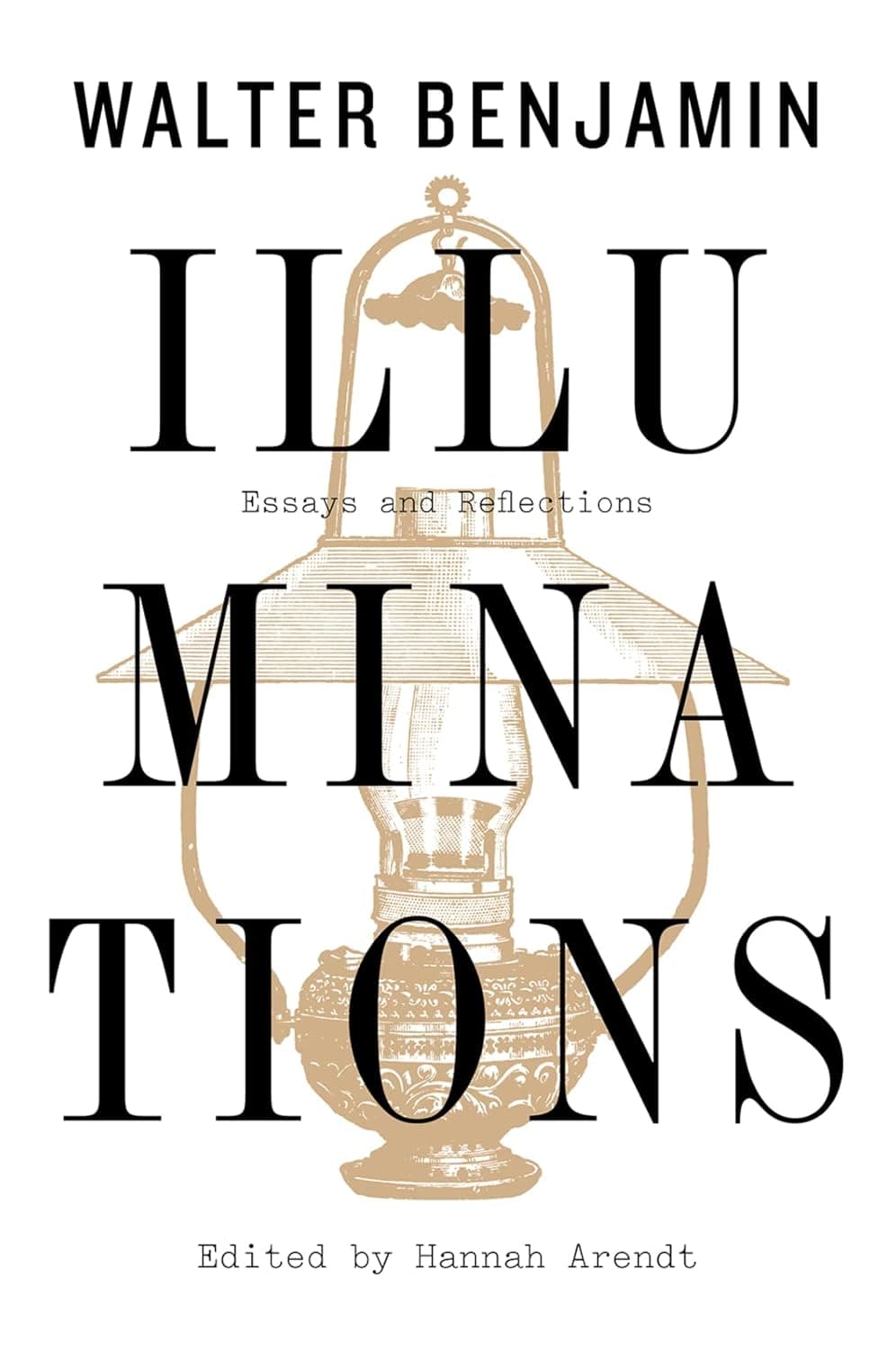
Benjamin asks what photography did to art and answers that a work loses its aura once anyone can copy it. Elsewhere history appears as an angel blown backward, staring at the wreckage.
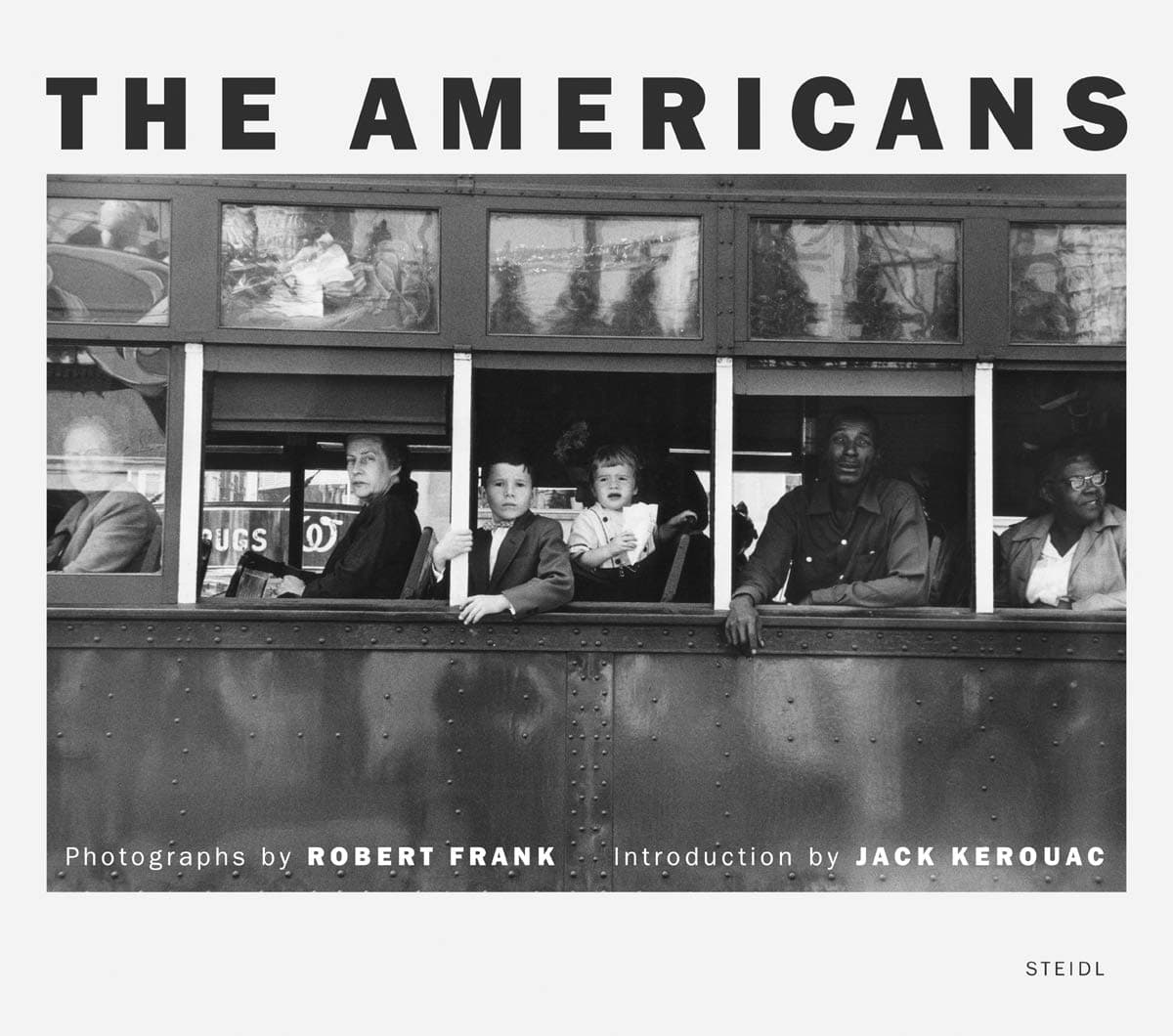
Frank drove ten thousand miles across America in 1955 and 1956, then cut the trip to eighty-three photographs of jukeboxes, funerals, and flags. American photography has not left their shadow since.

Photography is the simultaneous recognition of an event's significance and of the precise arrangement of forms expressing it, Cartier-Bresson wrote. The 126 pictures that follow taught the century how to look.

Salem, 1692: girls caught dancing in the woods begin naming witches, and the town learns that an accusation cannot be answered. Miller wrote it while Congress hunted Communists, and audiences understood immediately.
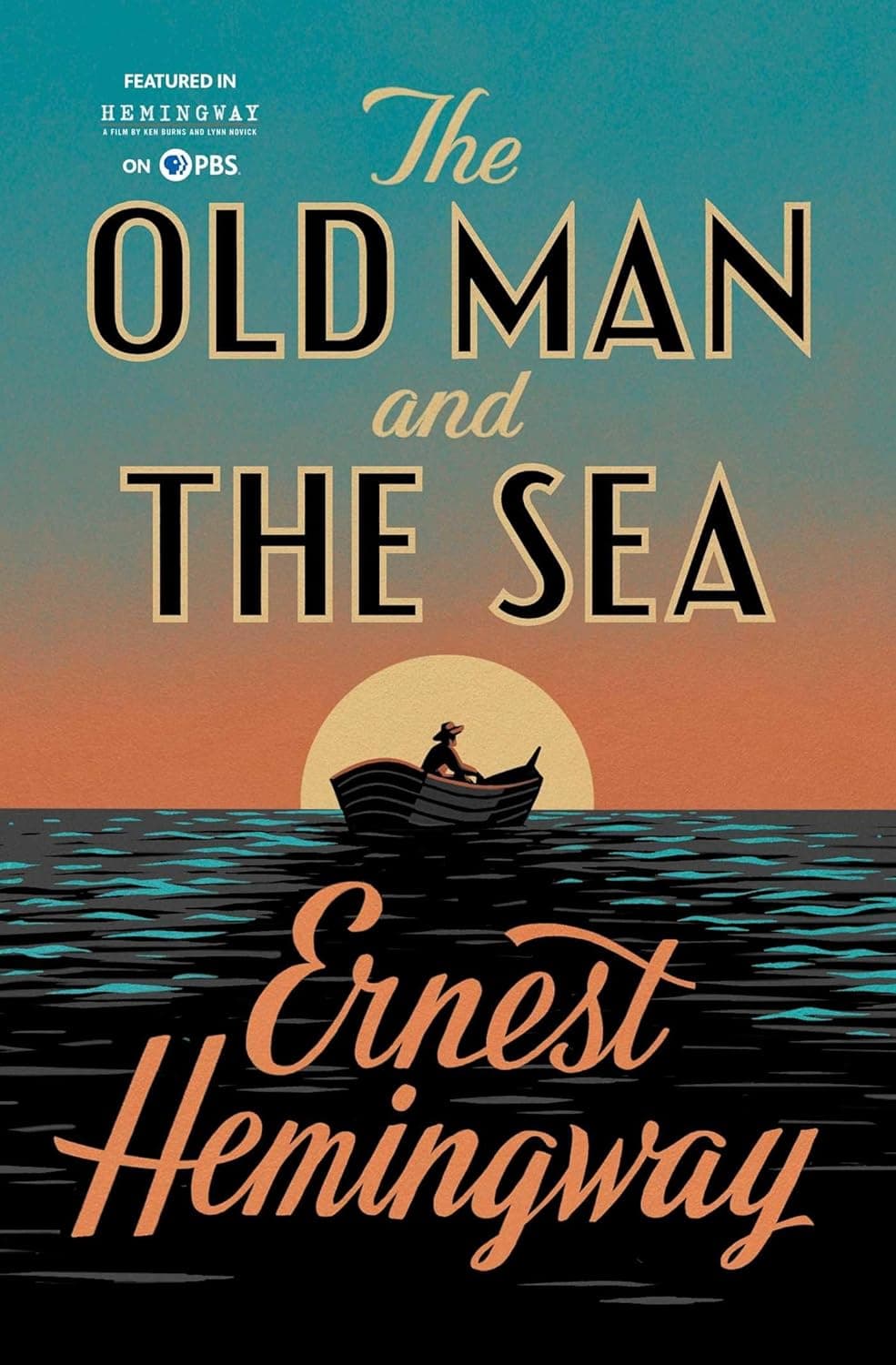
Eighty-four days without a fish, and an old Cuban fisherman hooks a marlin longer than his boat and is towed out to sea. A man can be destroyed but not defeated, Santiago thinks.

"I am an American, Chicago born," Augie announces, and the novel loosened its collar. He takes every job and every mentor the Depression offers him and refuses to be claimed by any.
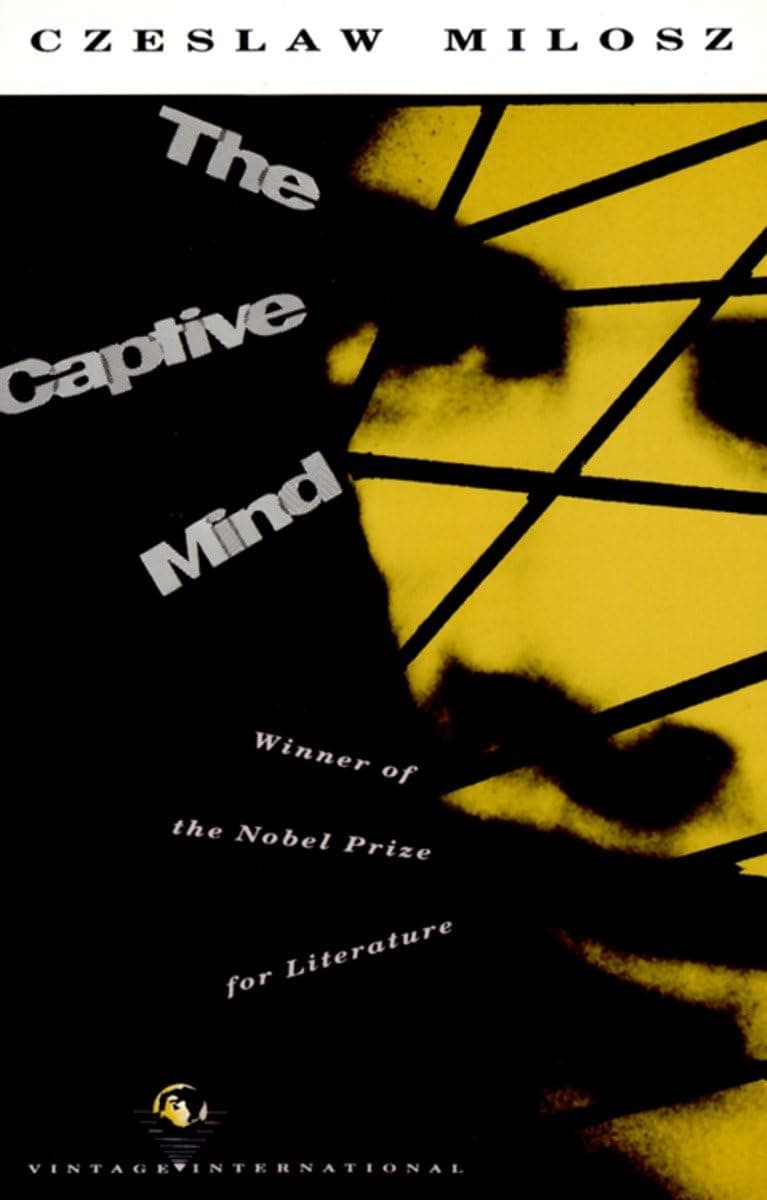
Milosz, a Polish poet who served the new regime and then defected, explains how intelligent people talked themselves into Stalinism. Ketman, he calls it: believing one thing and professing another.

Fisher wrote about oysters, wartime rationing, and eating alone, and made food a way of writing about hunger of every kind. The poet W.H. Auden said nobody in America wrote better prose.

Four children evacuated from wartime London find a wardrobe opening onto snow, a lamppost, and a land where a witch has made it always winter. Lewis buried the Christian story inside an adventure.

Runciman tells the Crusades from Constantinople looking west, and the men in armor come off badly. Three volumes of grand narrative build toward his verdict: one long act of intolerance in God's name.

Jealousy narrated from the inside by a man who hates the God he does not believe in. A wartime bomb falls on the lovers, and the woman makes a promise she keeps.

One Cairo alley holds human history entire. Its founder withdraws into a great house, and each generation raises a redeemer, Adam then Moses then Jesus then Muhammad, defeated by the same protection racket.
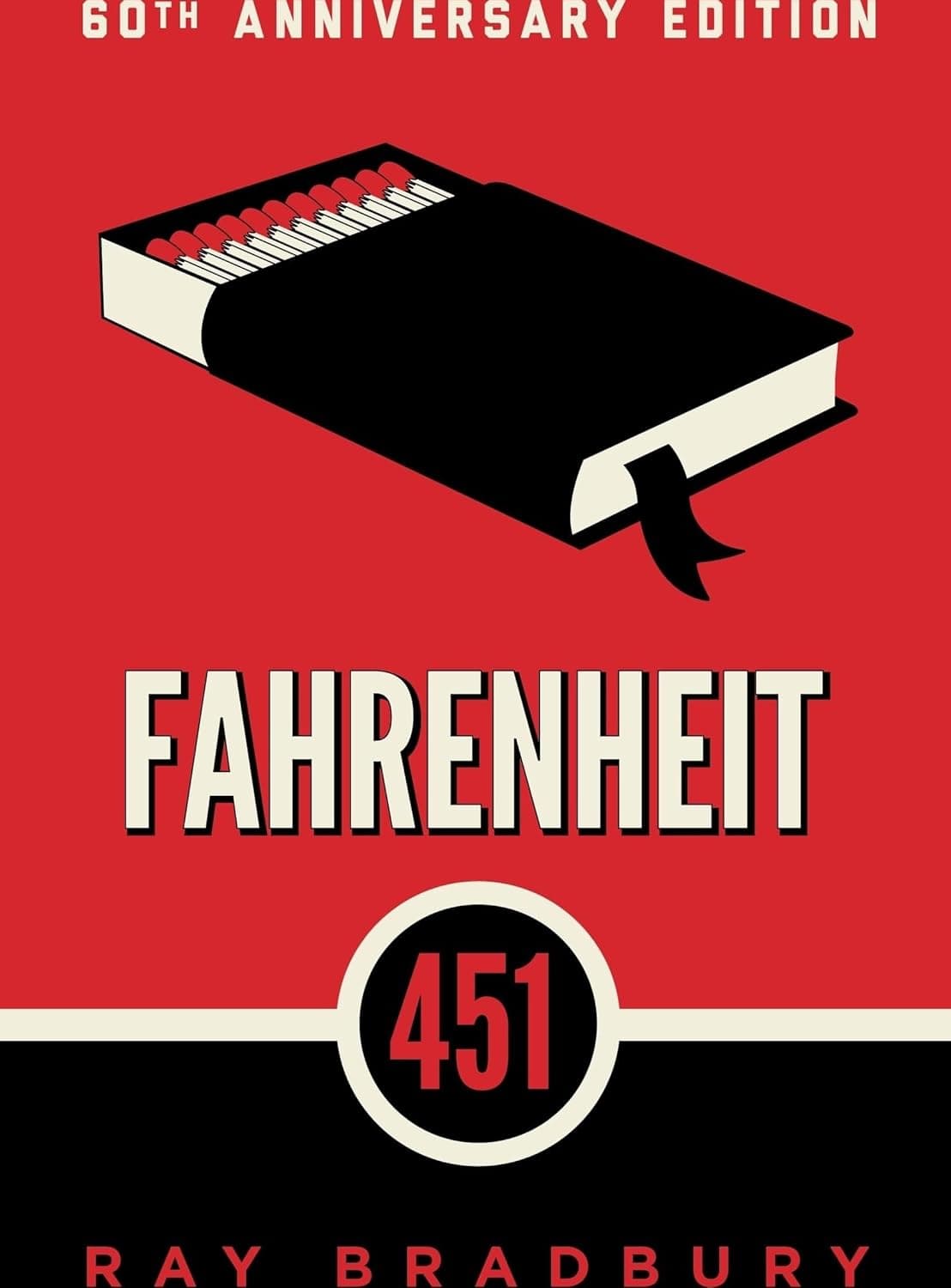
Montag burns books for a living until a neighbor's questions and a woman who chooses to burn with her library break him open. Bradbury's target is a public that stopped wanting to read.

At twelve, refusing a plate of snails his father demands he eat, Cosimo climbs into an oak and never touches ground again. He reads, loves, and fights the eighteenth century from the branches.

Colonization degrades the colonizer into a brute, Césaire argues, and Hitler applied to Europe the methods empire reserved for everyone else. It turned the civilizing mission into a confession of barbarism.

One hundred fifty-three fragments on private life inside a ruined civilization: how we give gifts, keep house, and speak to friends. Adorno's verdict is that wrong life cannot be lived rightly.
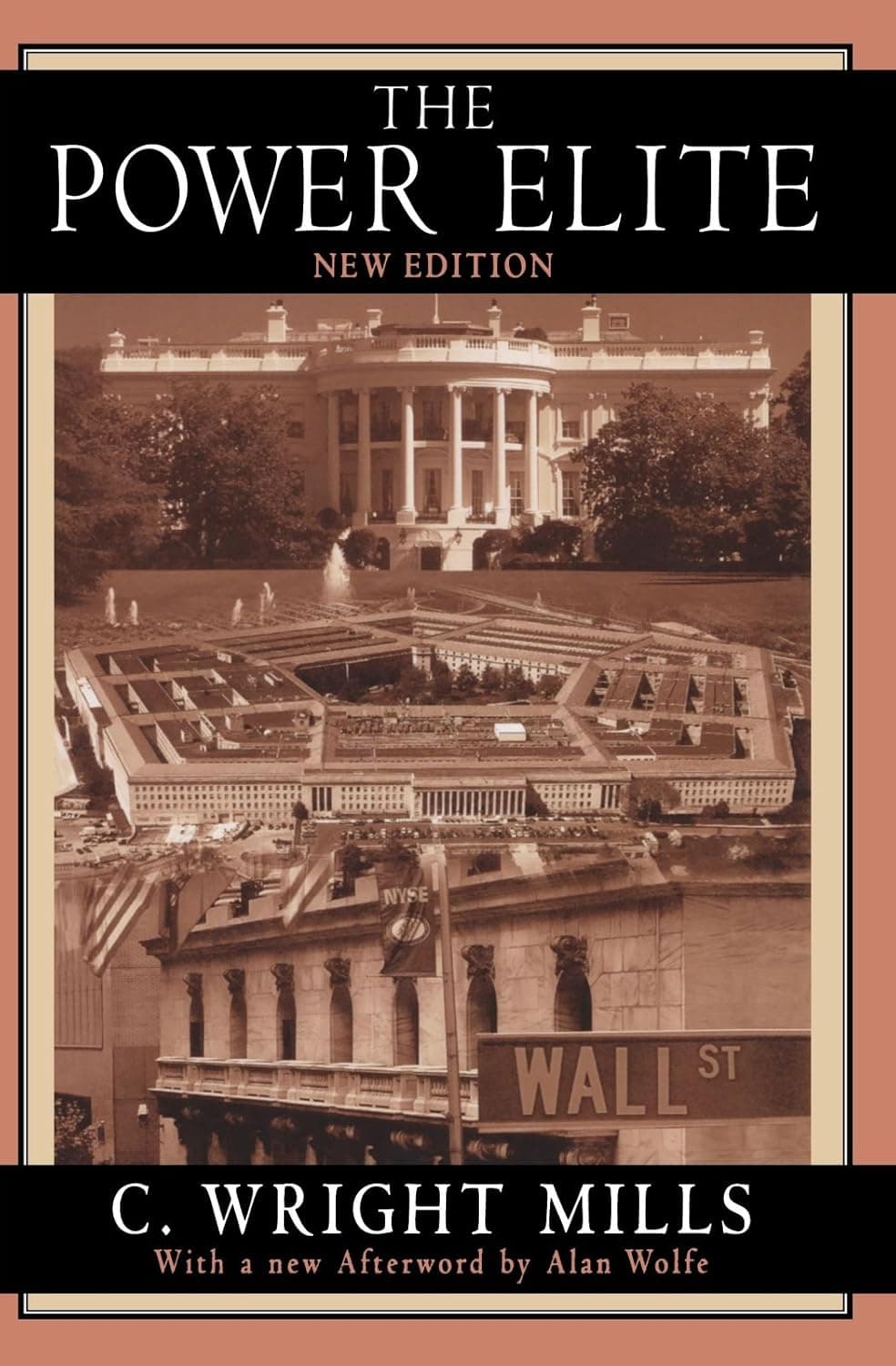
Three sets of men run America, the sociologist Mills argued: corporate chiefs, politicians, and generals drawn from the same schools and clubs. The New Left took its name and its target from him.
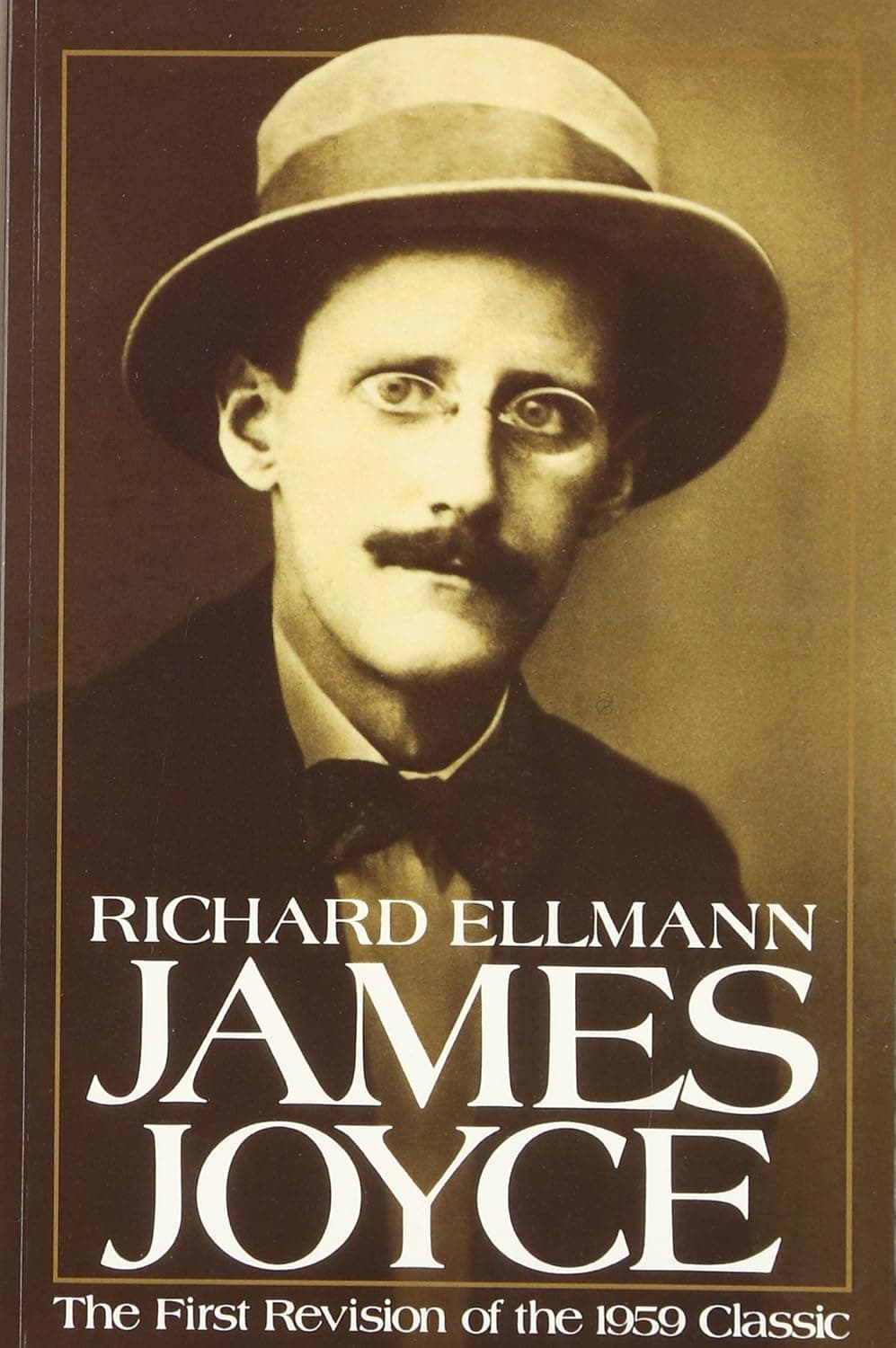
The novelist Anthony Burgess called this the greatest literary biography of the century. Ellmann reconstructs Joyce day by day, the debts and the eye operations and the exact Dublin talk that became Ulysses.

Dying, the emperor Hadrian sets down his life for the young Marcus Aurelius. Yourcenar rebuilds a second-century mind so completely that his grief for Antinous, the lover who drowned, arrives as your own.