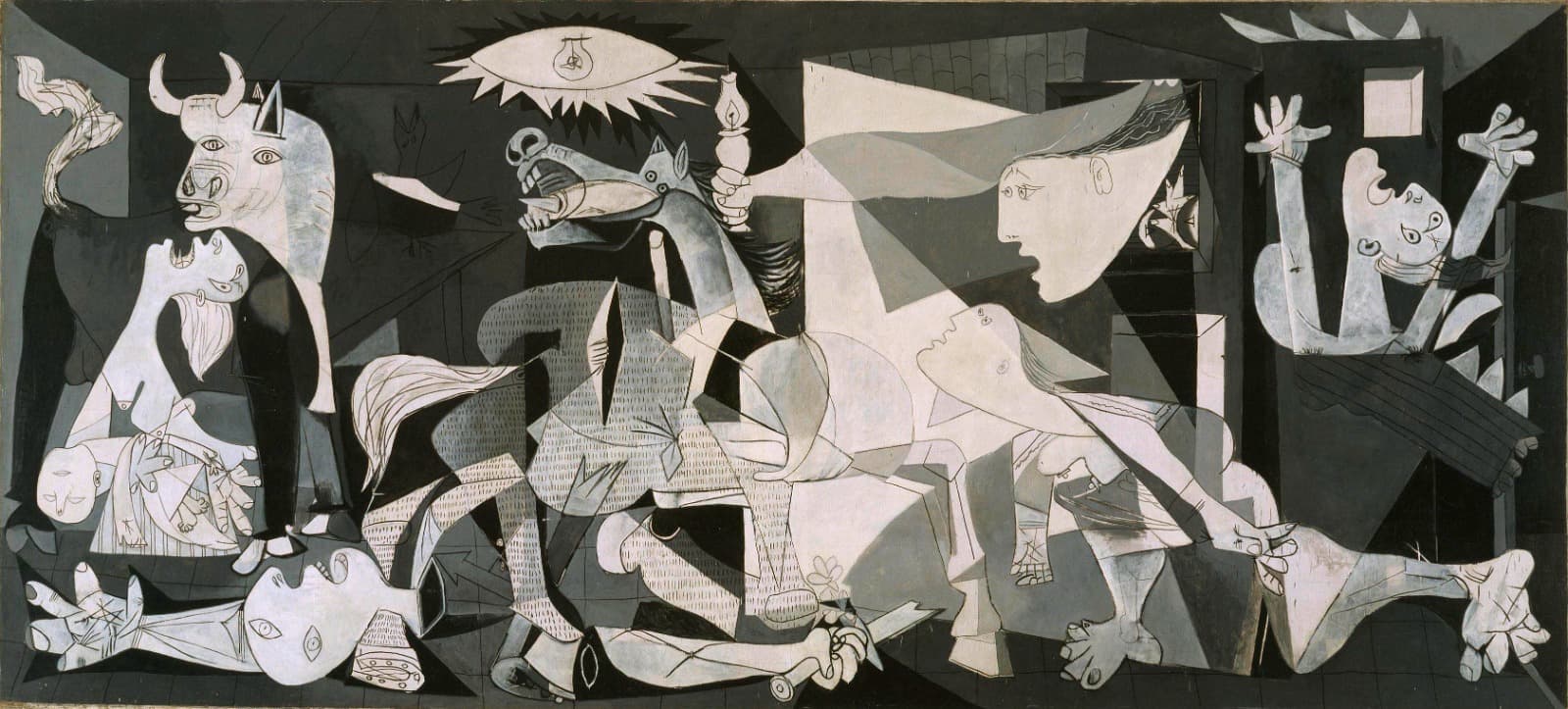
Guernica
1937 · Museo Reina Sofia, Madrid
A screaming horse, a mother with her dead child, all in grey. Picasso painted it in weeks after German bombers leveled a Basque town.
★ 9.9
 skopia
A screaming horse, a mother with her dead child, all in grey. Picasso painted it in weeks after German bombers leveled a Basque town.
The only thing we have to fear is fear itself.
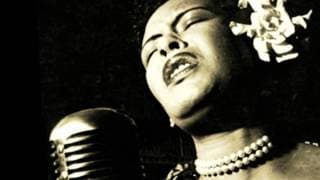
A Bronx schoolteacher's poem about lynching, sung in a single spotlight, still the bravest three minutes on record.
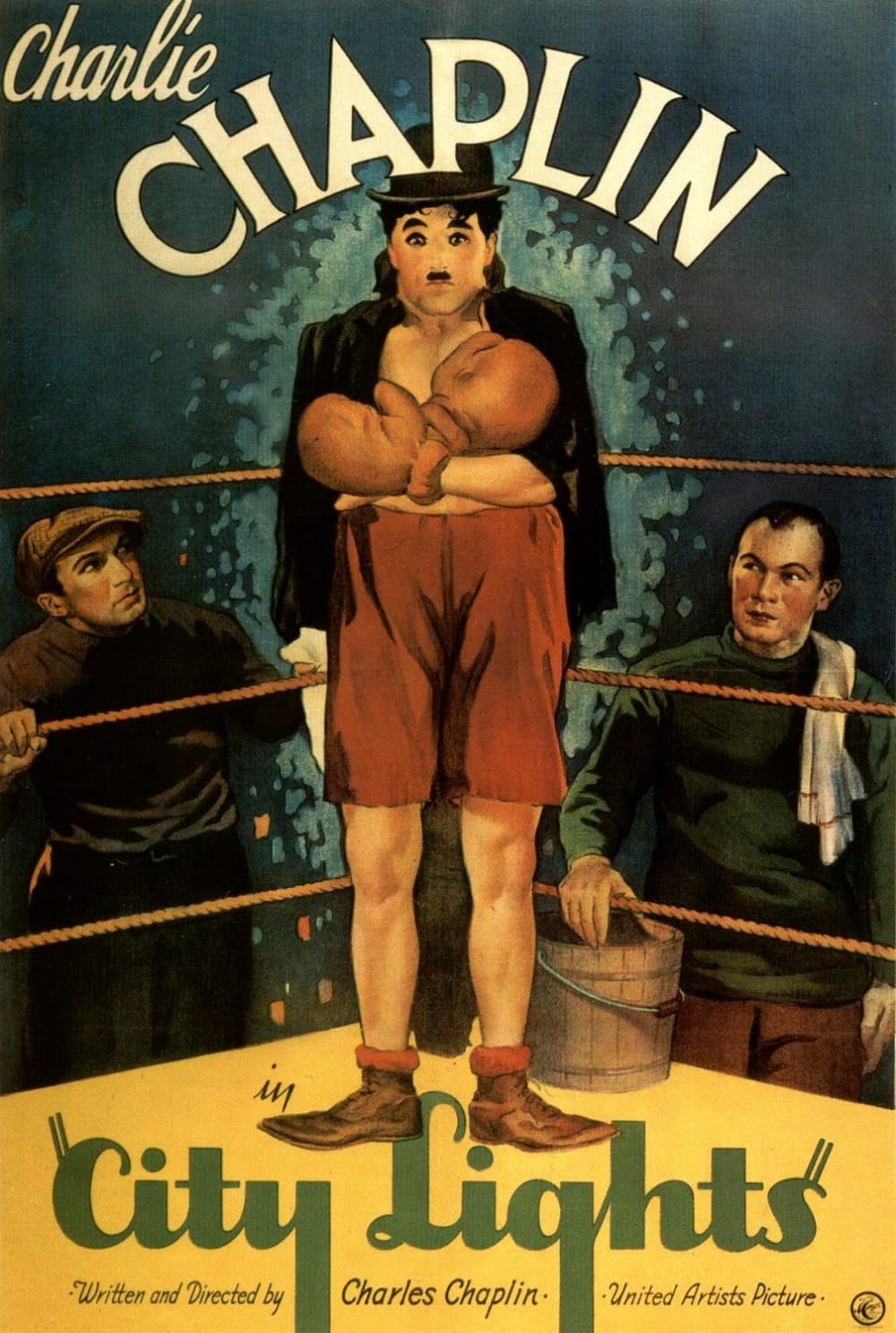
Chaplin's own favorite of his films, and the one people cry at: he refused to make it a talkie, then built ninety minutes toward a final thirty seconds.
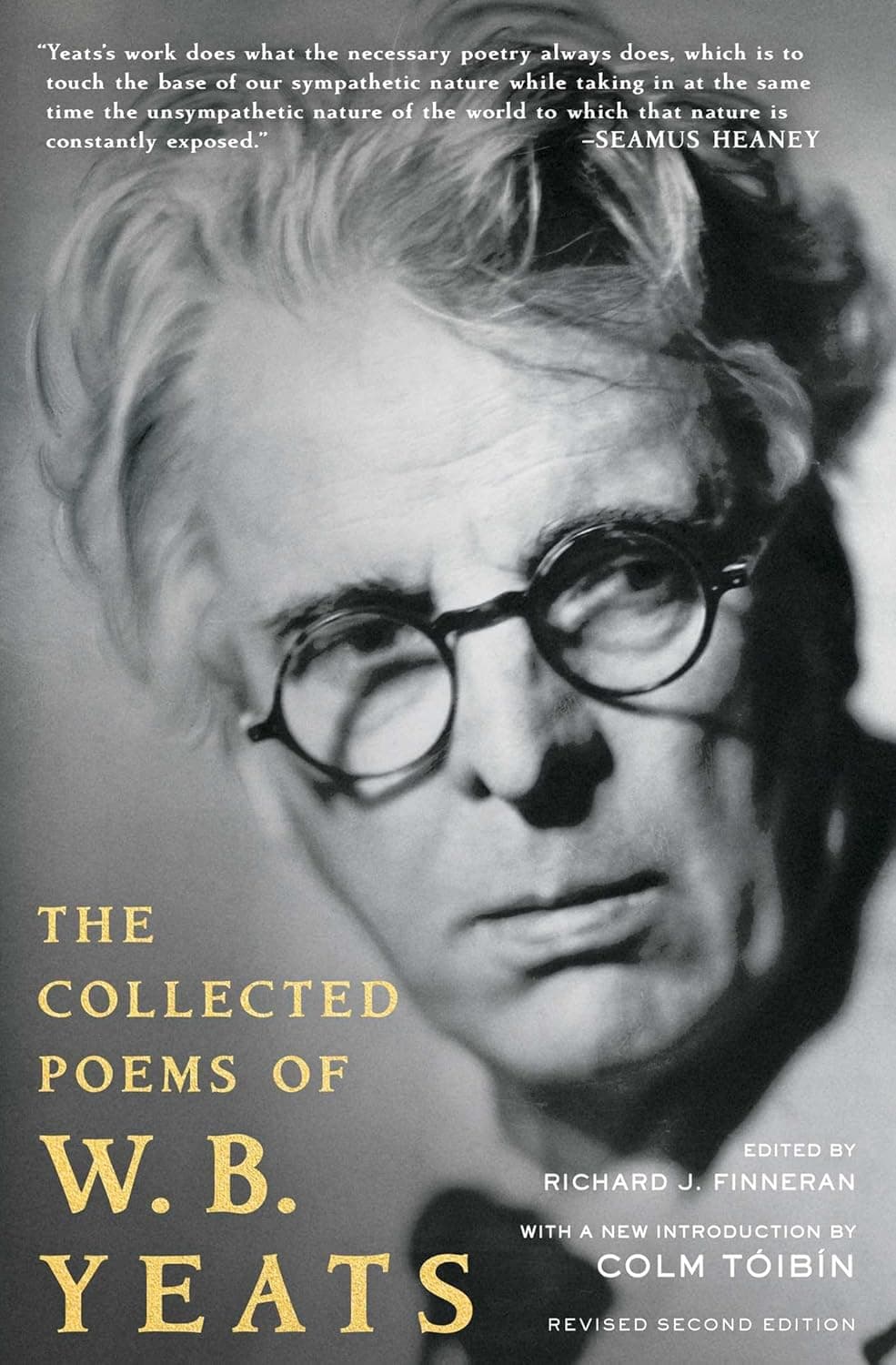
Irish myth and fairy tale at the start, then old age, politics, and desire handled with frightening force. Yeats wrote things fall apart, the centre cannot hold, and a terrible beauty is born.
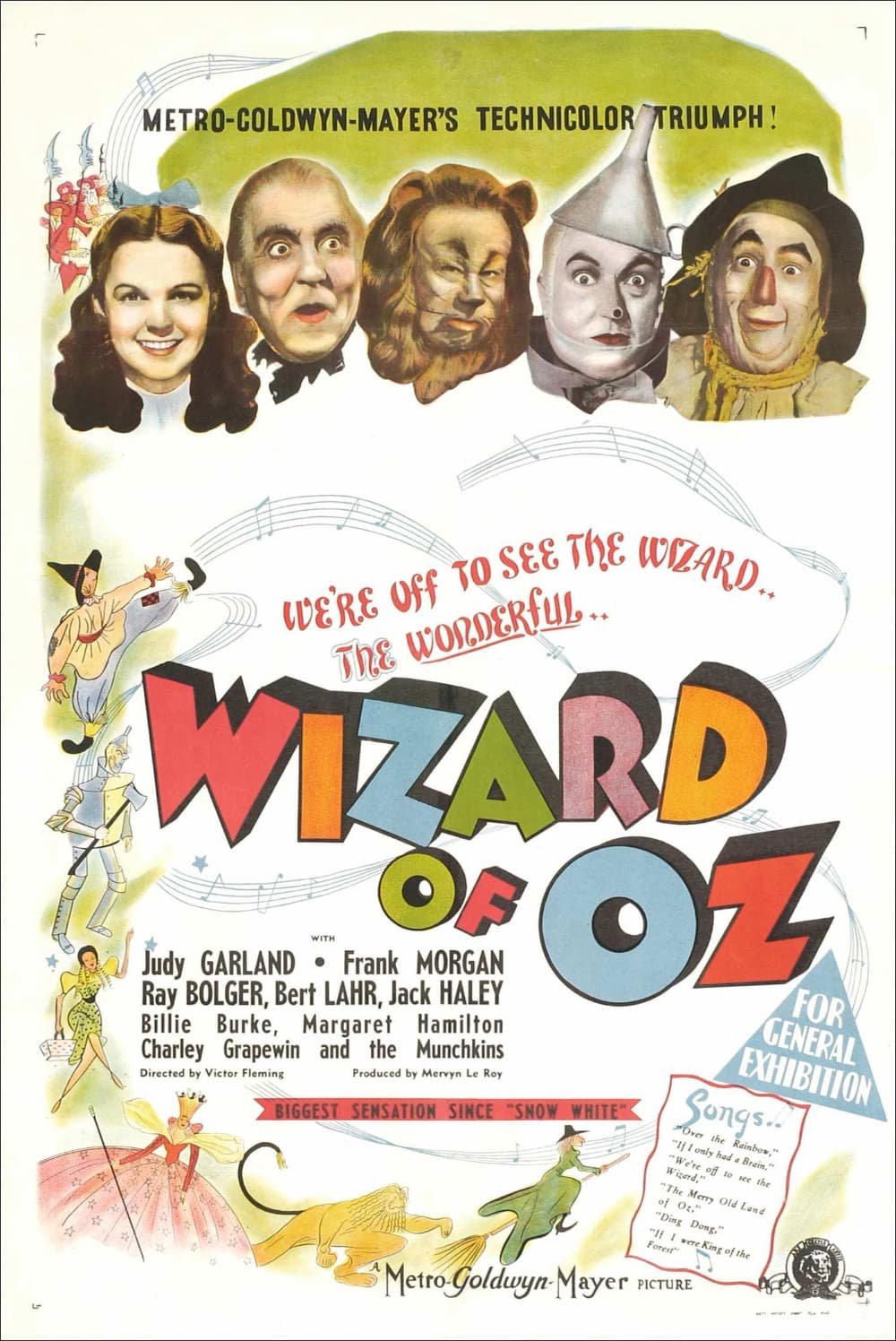
Decades of television broadcasts made it what the Library of Congress calls the most-seen film in history: the switch from sepia Kansas into Technicolor Oz still lands like a door opening.
MGM cut it from the film twice until Arthur Freed threatened to quit; Garland was sixteen.
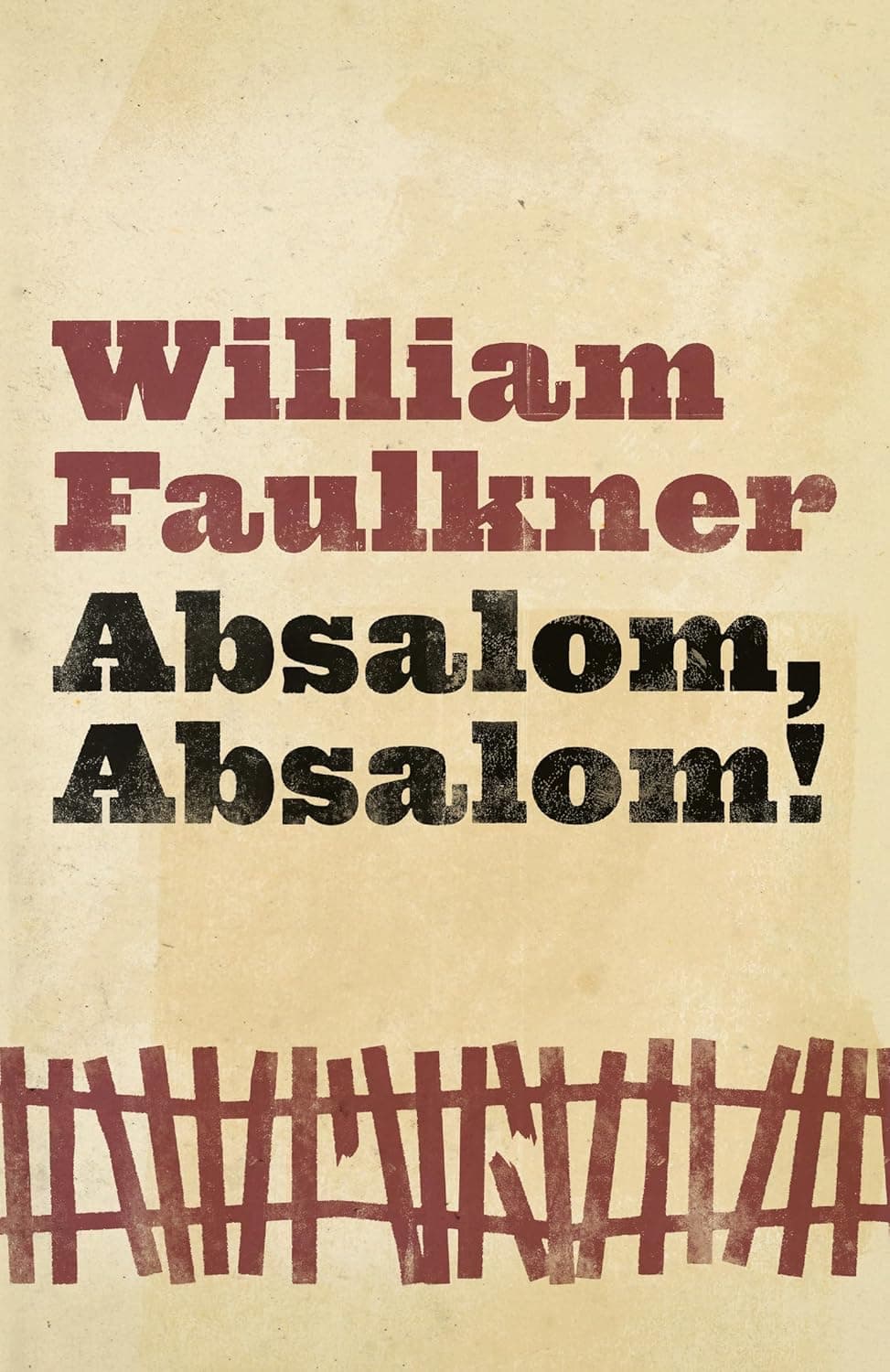
Thomas Sutpen arrives in Mississippi from nowhere with a band of slaves and a French architect and builds a dynasty that destroys itself. Two students retell it until it swallows them.
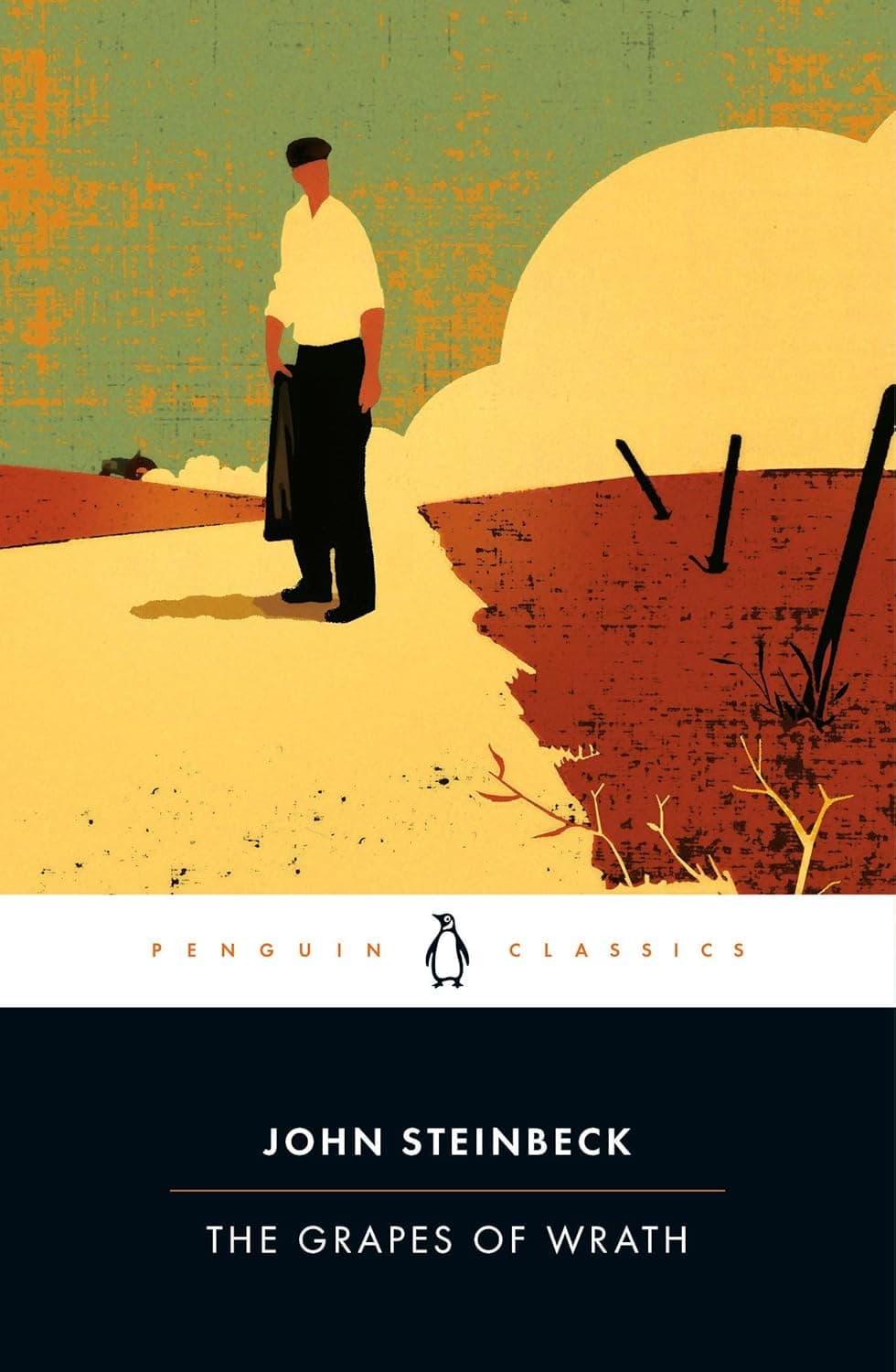
The Joads lose their Oklahoma farm and drive west to California, where the promised work is a lie. Steinbeck's fury at what was done to them still comes off the page.
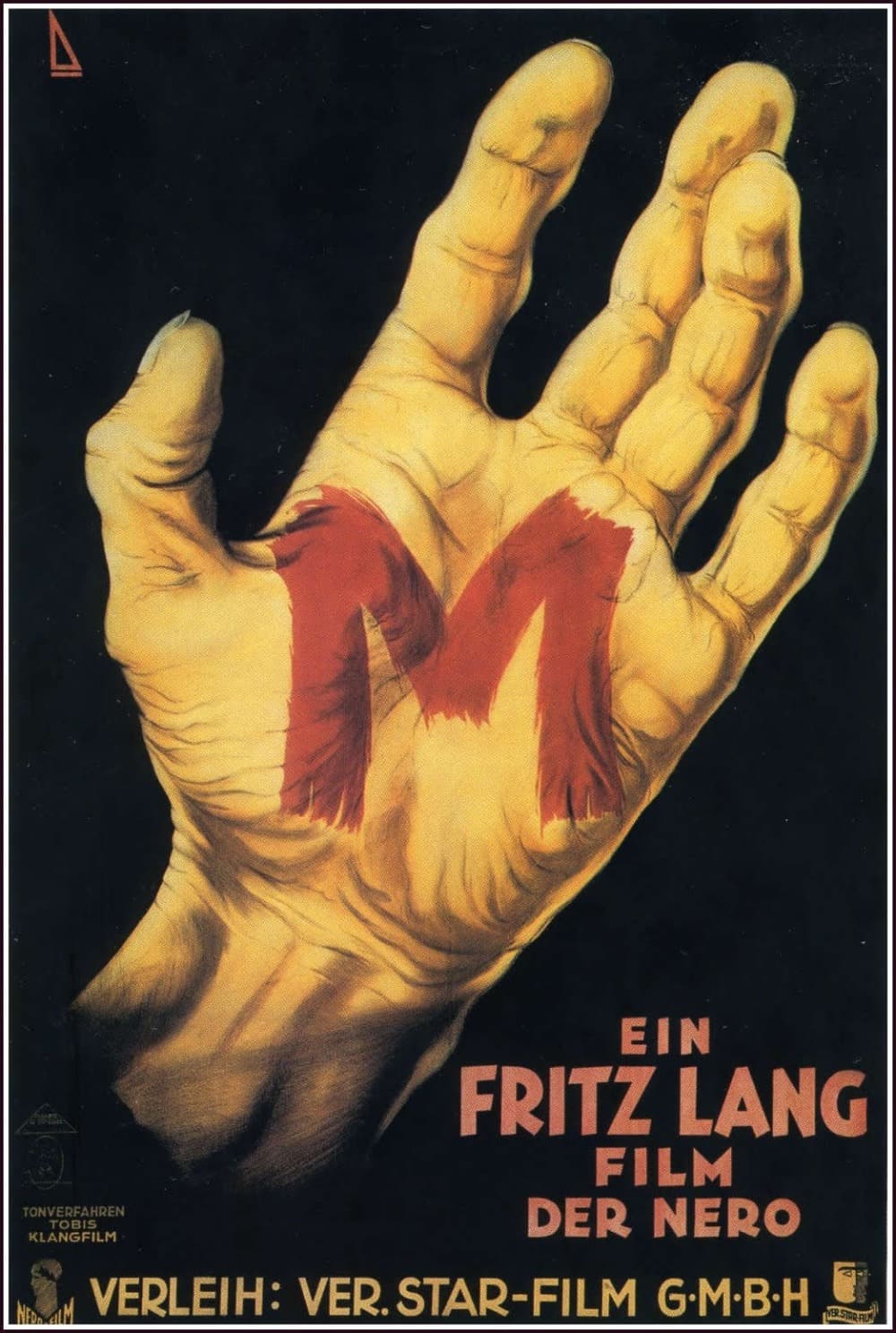
Serial killer films begin here: Lang used sound as a weapon in his first talkie, gave the murderer a whistled tune, and turned a whole city into a trap.
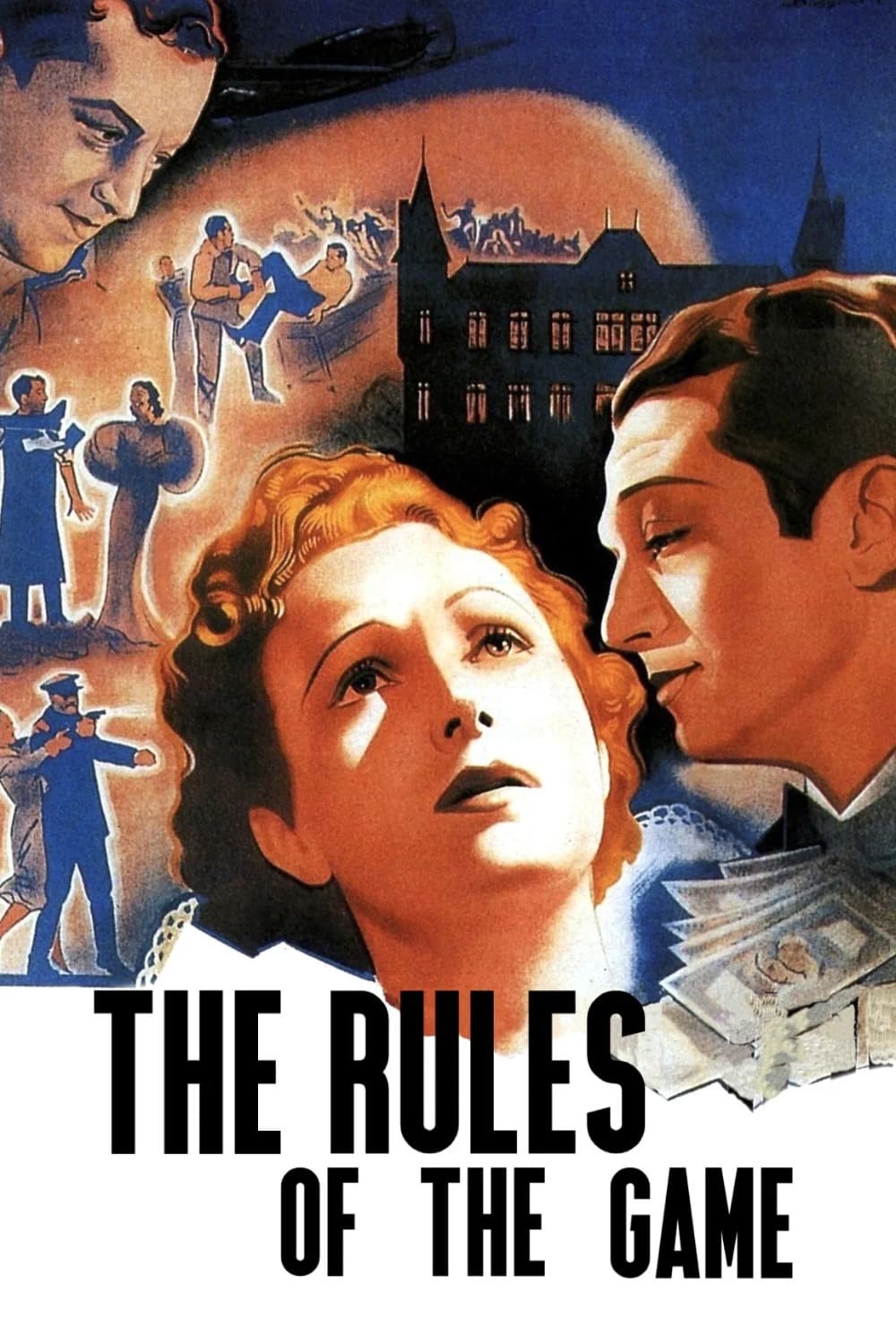
Banned in 1939, booed at its premiere, then in the top ten of every Sight and Sound poll for sixty years: Renoir turned a hunting party into a diagnosis of a doomed society.
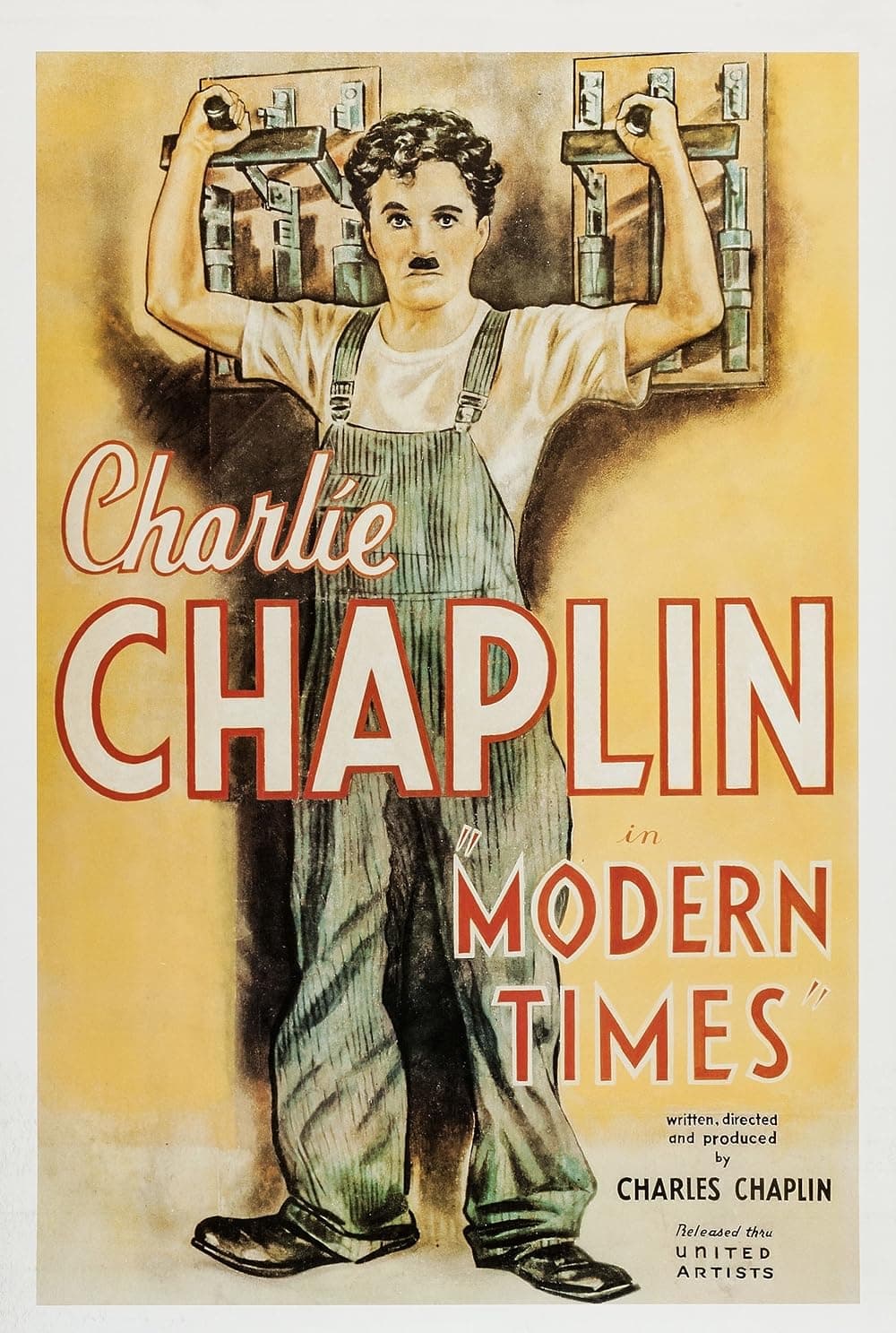
Chaplin's farewell to silence, made nine years into the sound era out of pure stubbornness: the factory gears swallow him, and he answers the talkies entirely on his own terms.

Dalí said the soft watches came to him from a camembert melting in the sun, and he painted them with hallucinatory precision.
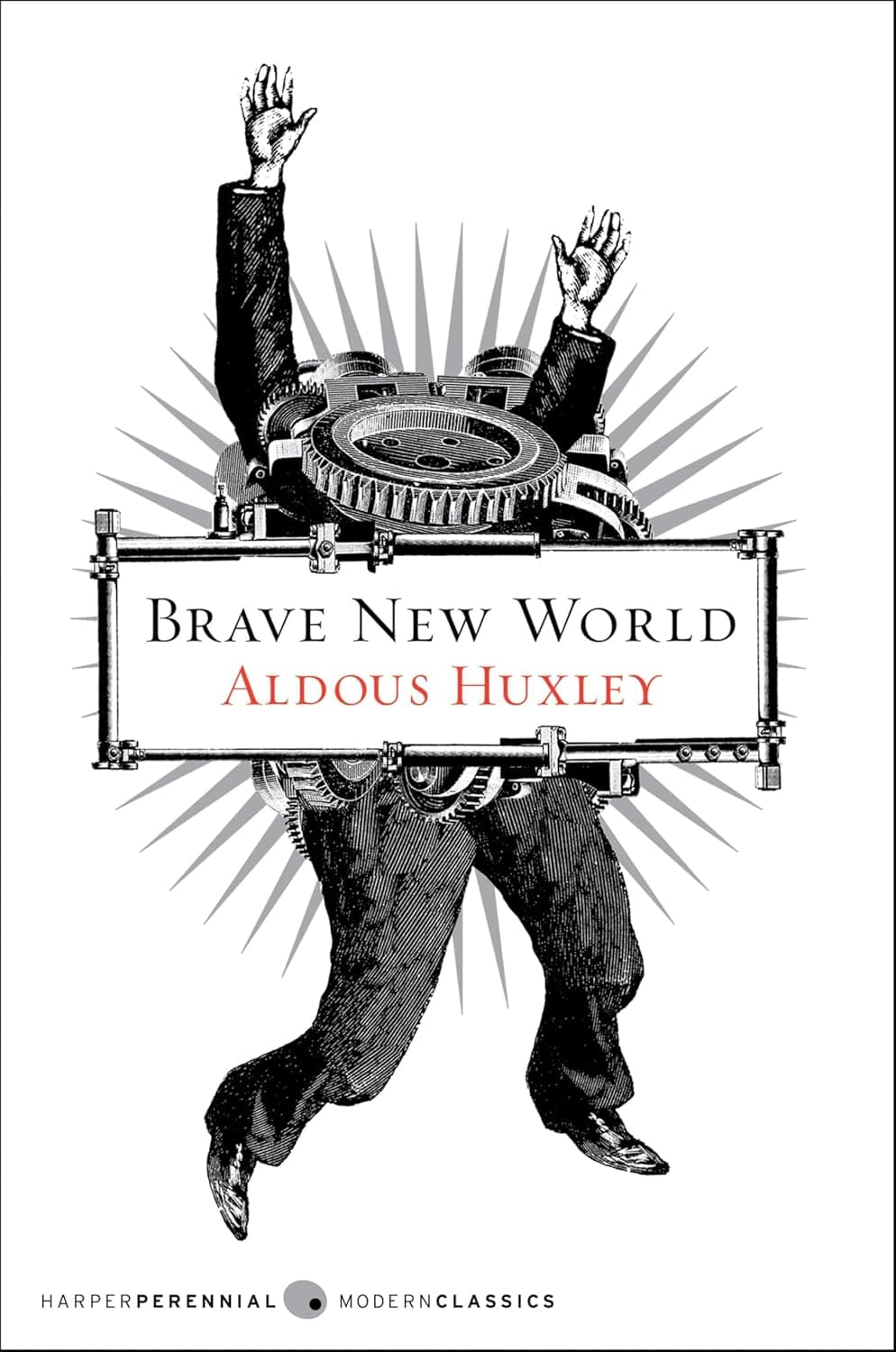
Babies are decanted from bottles into castes, everyone takes a drug called soma, and nobody is unhappy. Huxley saw that a tyranny of pleasure would hold better than one of fear.
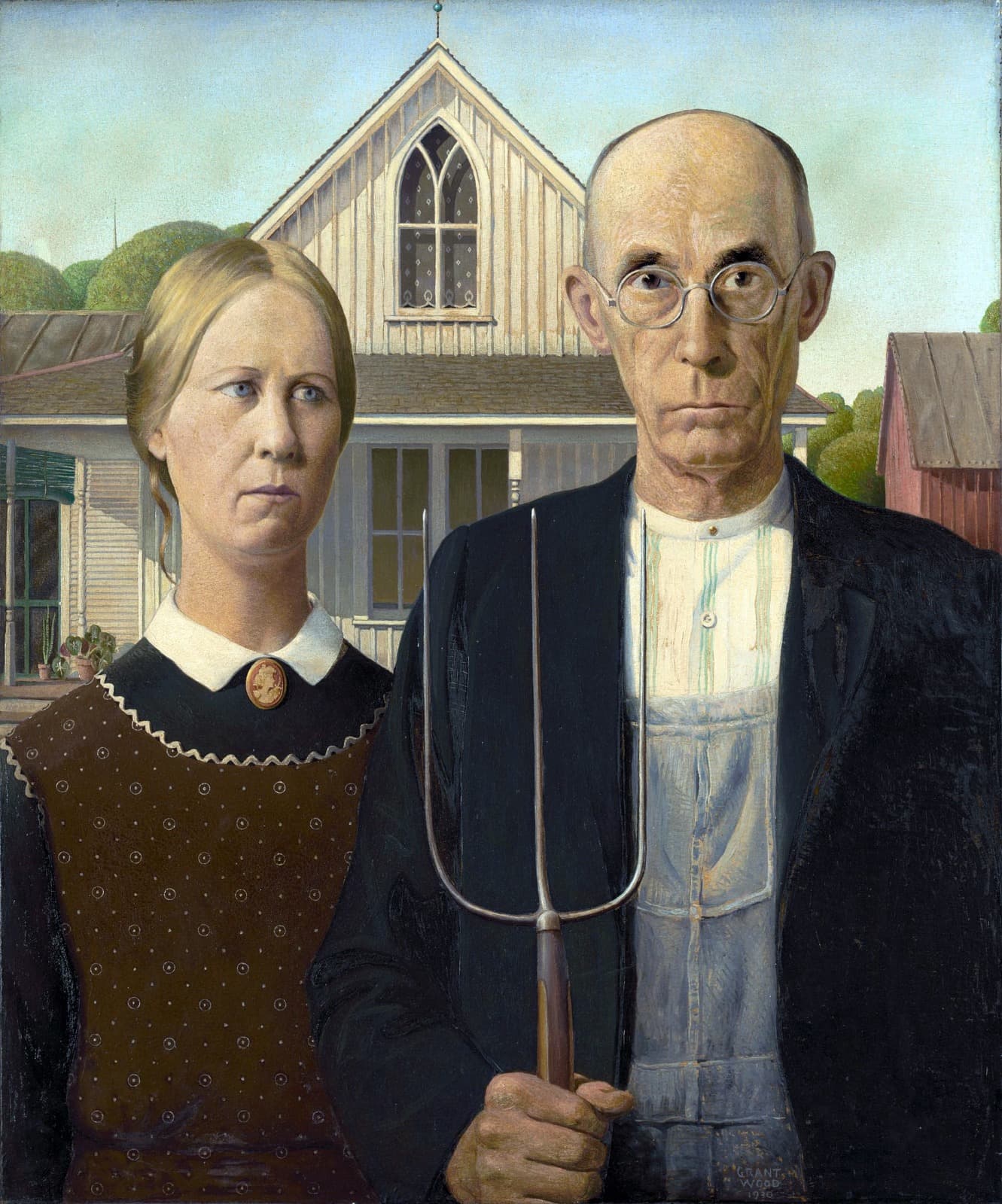
Wood posed his sister and his dentist in front of a farmhouse window, and people have argued ever since whether he meant tribute or mockery.
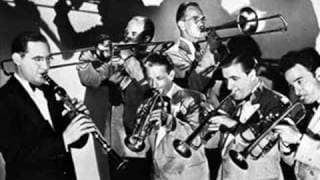
Louis Prima's tune, Krupa's tom-toms, and a performance long enough to fill both sides of a twelve-inch 78.

Addie Bundren dies and her family hauls the coffin across Mississippi through flood and fire. Fifteen voices tell it, and you laugh at people whose misery you can feel.

Janie comes home to a Black town in Florida and tells a friend about her three marriages and how she found her own voice. Hurston writes porch talk exactly as it sounded.

Celine's narrator carries his disgust from the First World War to colonial Africa, a Ford assembly line in Detroit, and a Paris suburb. He dragged spoken French into literature and made loathing exhilarating.
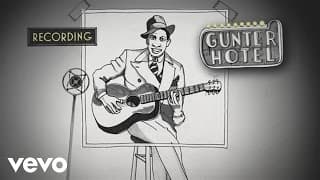
Two takes in a San Antonio hotel room, Johnson's slide answering his own voice; the devil came later.
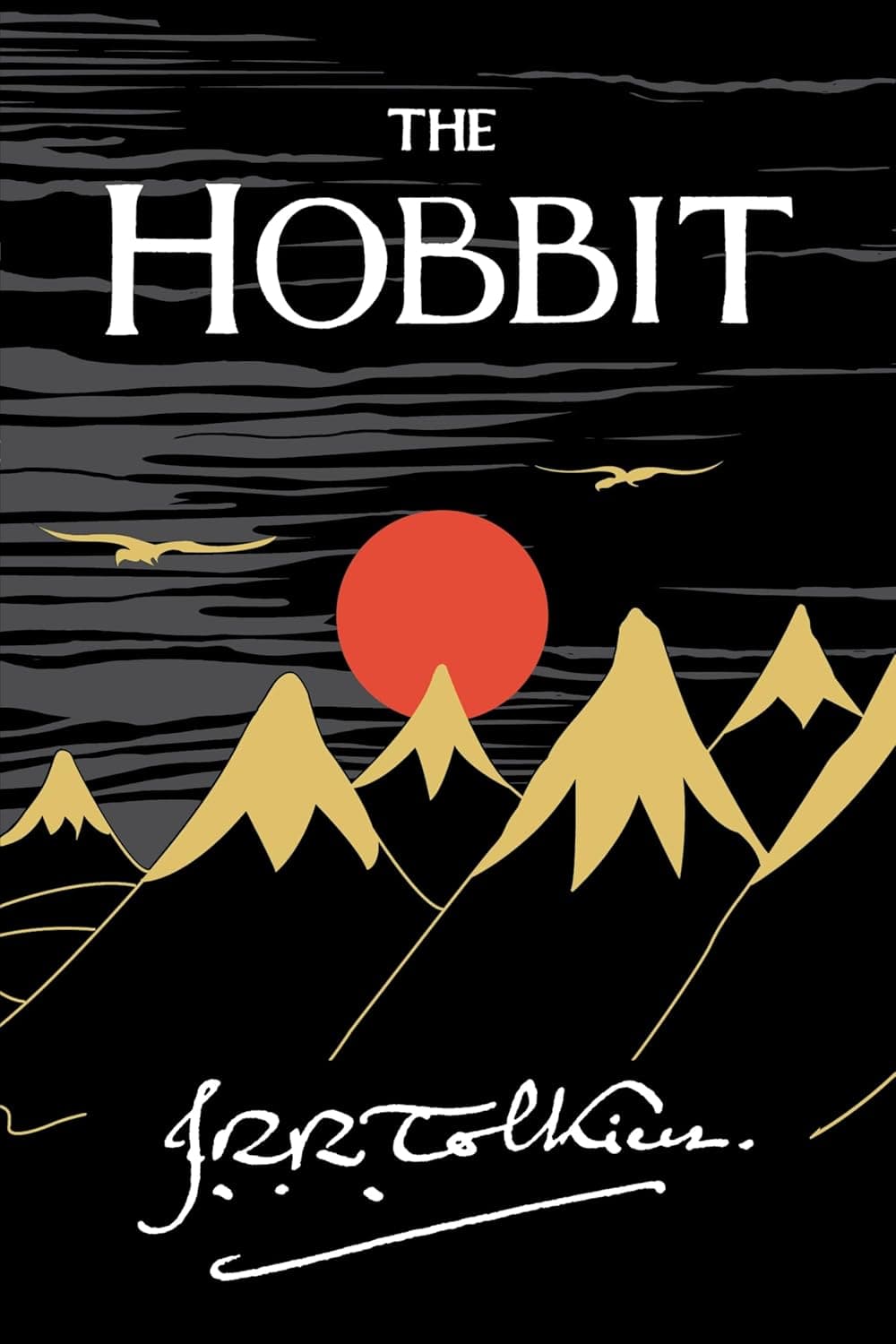
Thirteen dwarves turn up at a comfortable hobbit's door and talk him into helping them rob a dragon. The comedy is real, and the riddle game in the dark still frightens children.
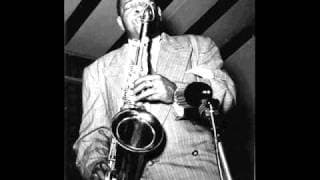
Hawkins barely states the melody, improvises two choruses instead, and the 1939 Bluebird side pointed jazz toward bebop.
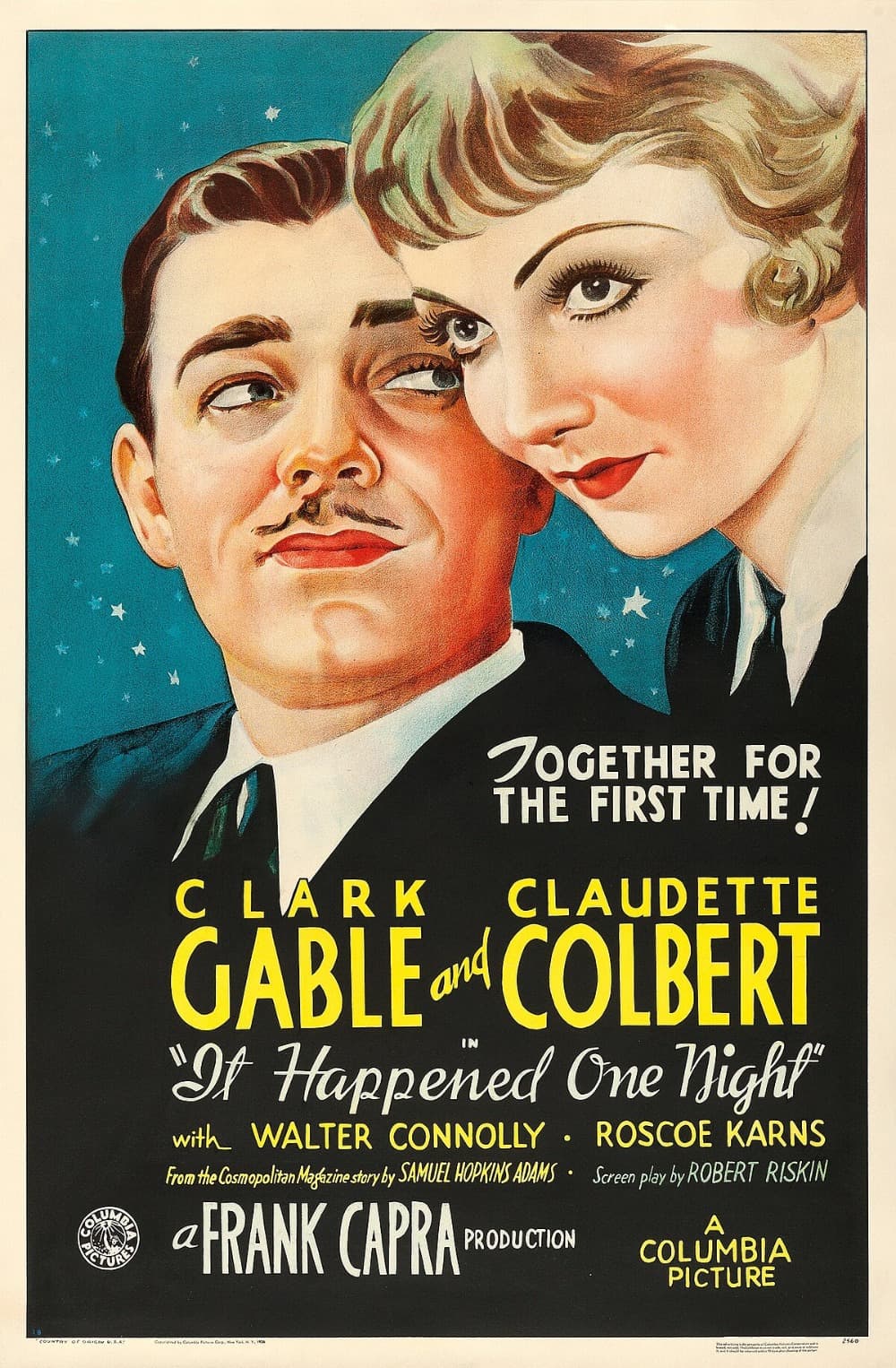
It helped launch the screwball comedy and left fingerprints on every romance that followed: a runaway heiress, a broke reporter, a night bus, and a blanket hung between two beds.
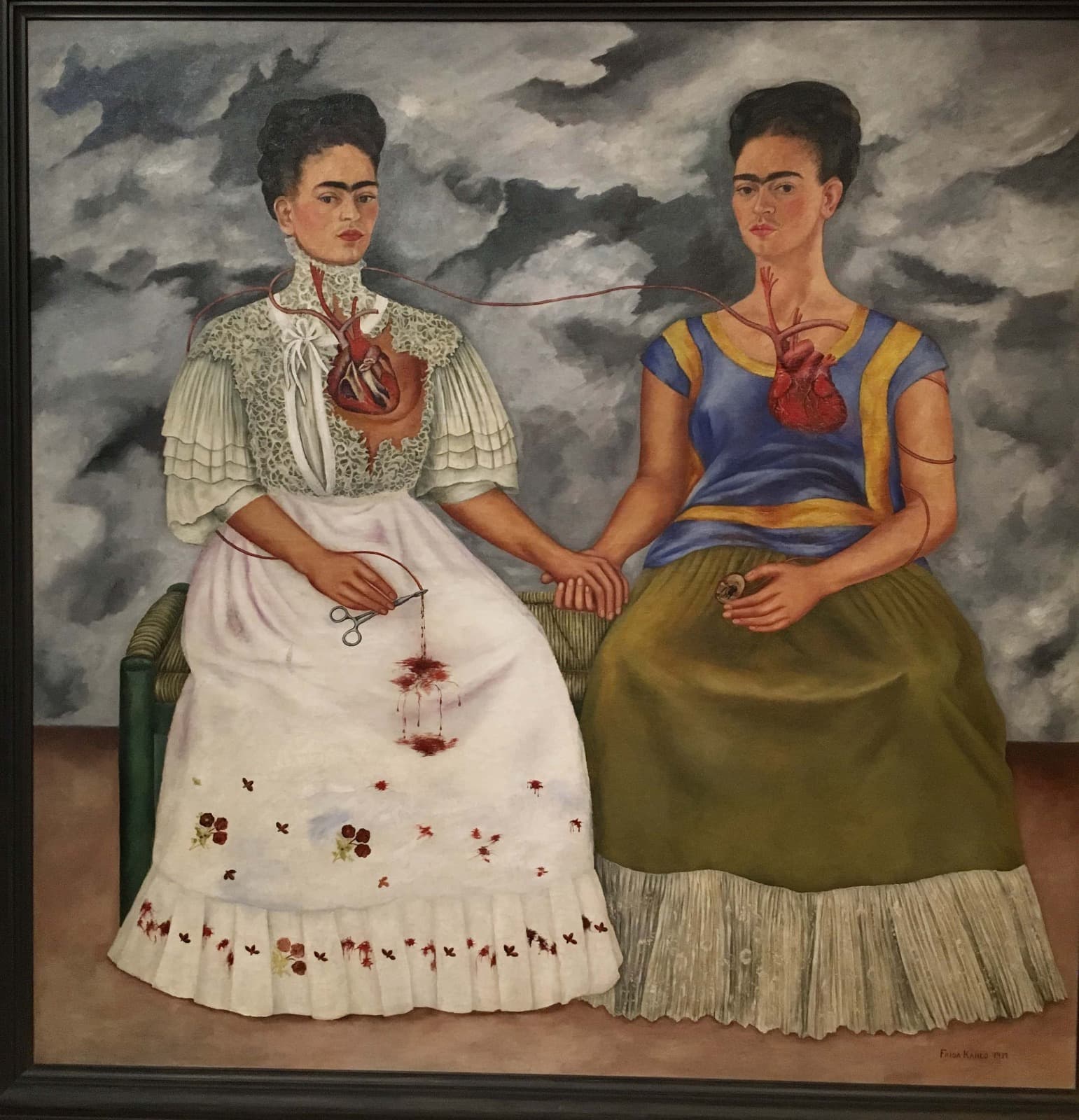
Two versions of herself hold hands with one artery running between them, clamped shut. She painted it as her marriage to Rivera fell apart.
Calloway forgot the words on a Cotton Club broadcast, by his account, and the hi-de-ho call and response was born.

Disney mortgaged his own house to make the first cel-animated feature, and the industry called it his folly: the queen's transformation still frightens small children exactly as intended.
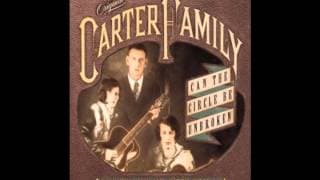
A 1907 hymn rewritten into a mother's funeral, with A.P. Carter tightening the grief and Maybelle's guitar holding it.
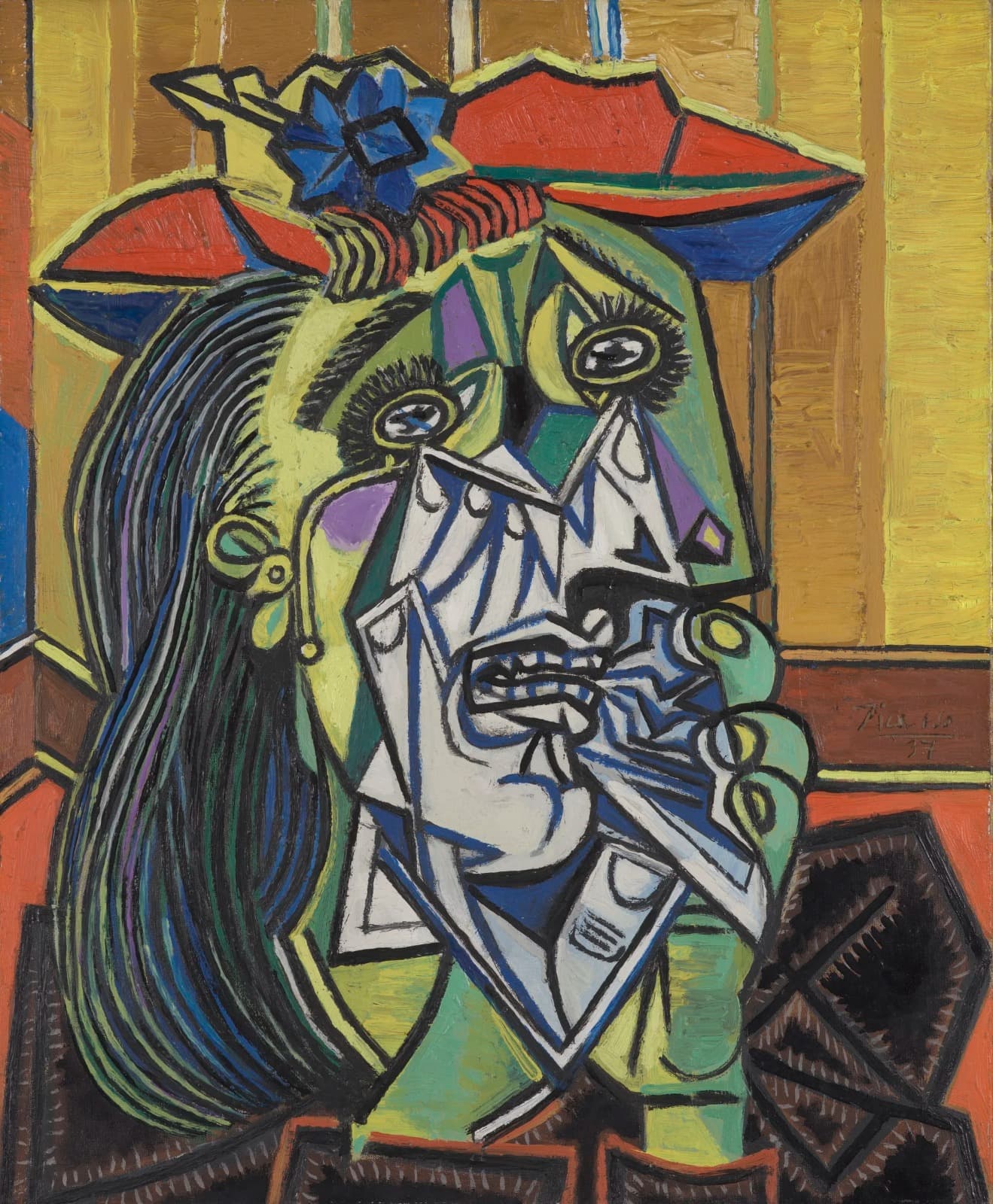
Picasso pulled her out of the screaming mother in Guernica and gave her the face of Dora Maar, his lover and a photographer.
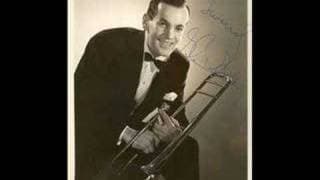
Joe Garland's tune cut to three minutes to fit a 78, and those false endings that never quite stop.
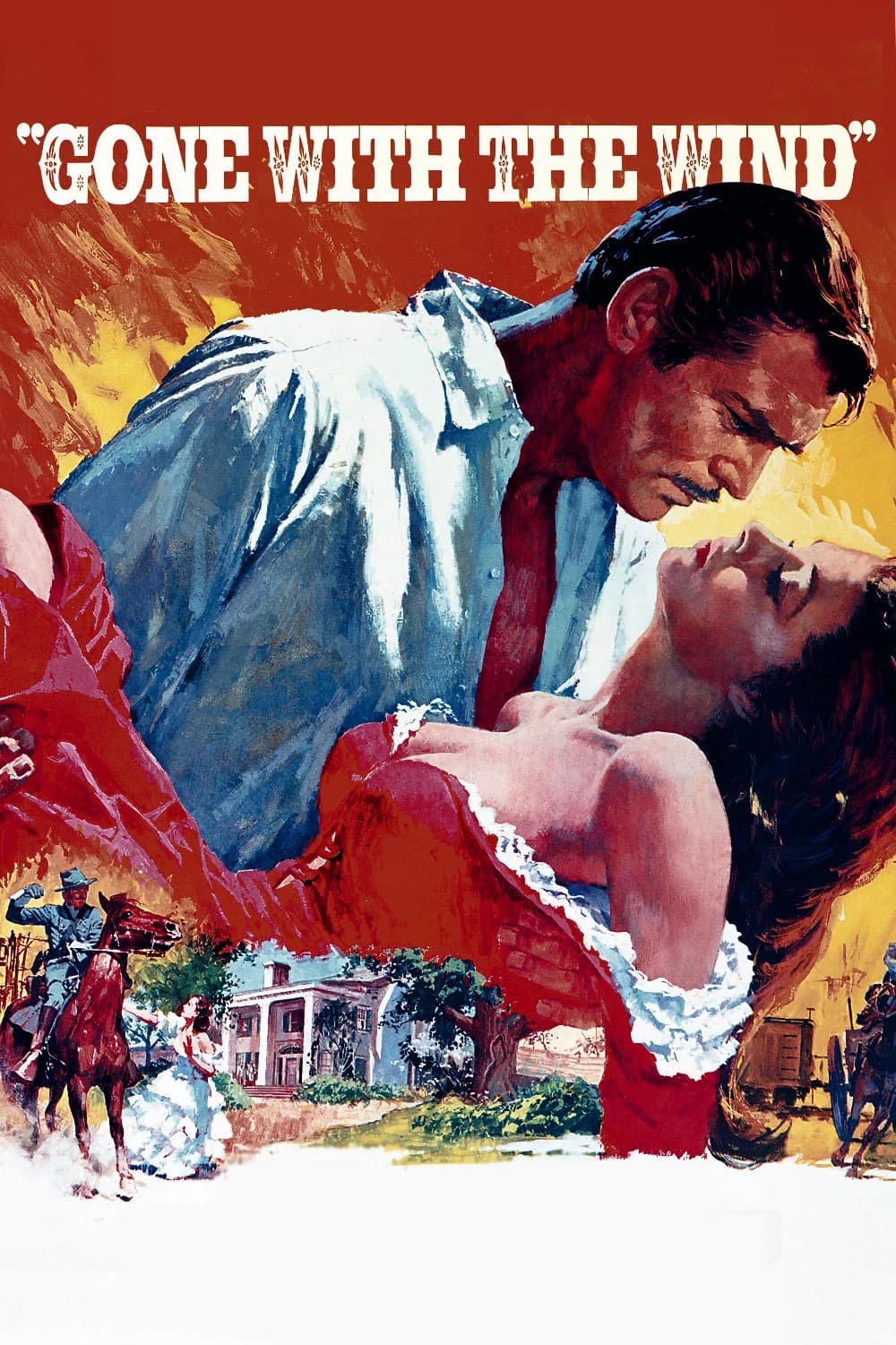
Adjusted for inflation no film has ever earned more, and it is still telling the old South's version of itself: enormous, ravishing, and not to be trusted.
Somewhere over the rainbow Way up high, There's a land that I heard of Once in a lullaby.
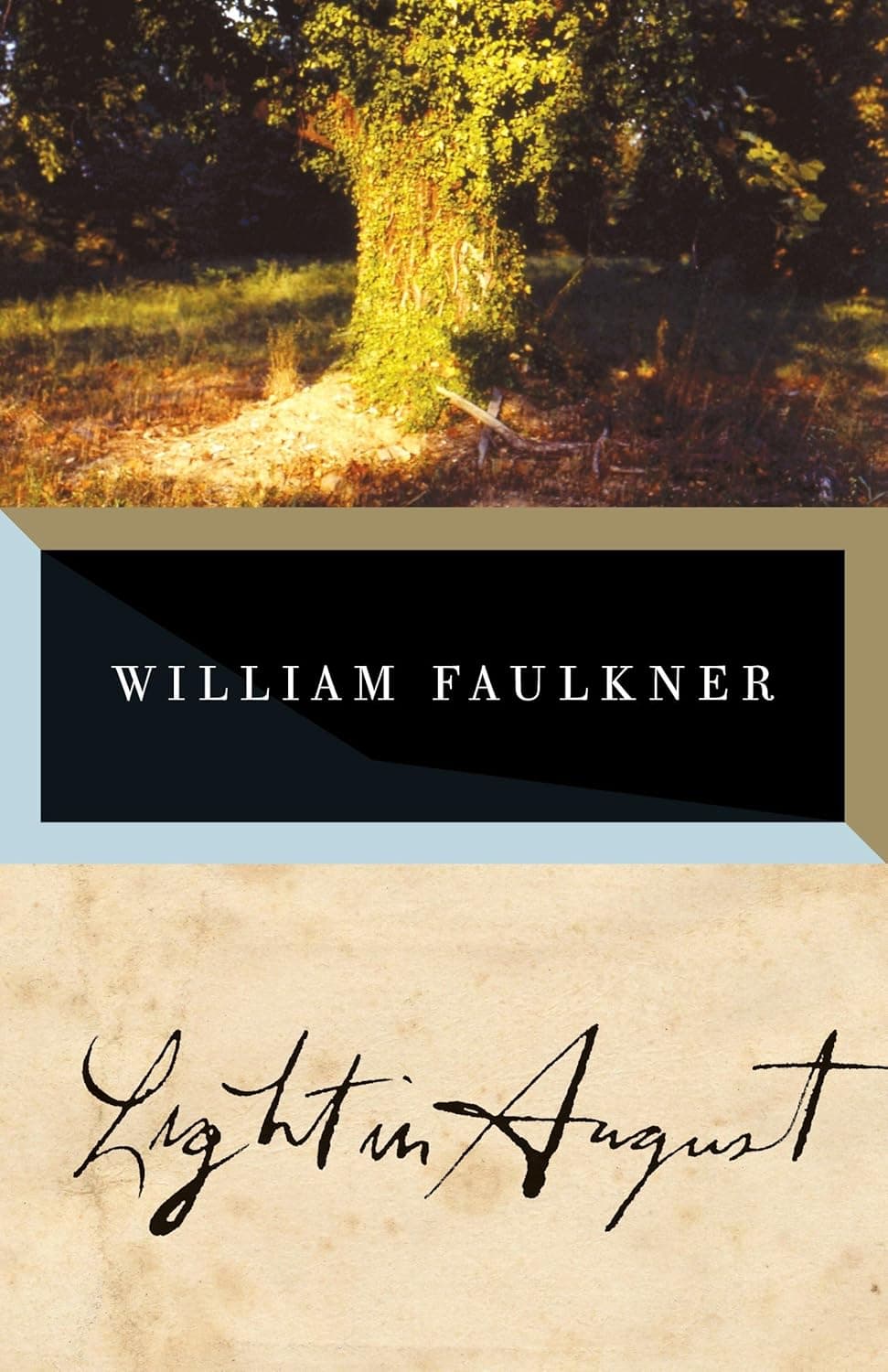
Pregnant and walking from Alabama, Lena Grove looks for the man who left her. Nearby a man who cannot say whether he is black or white is running out of room.

O'Keeffe collected sun-bleached bones off the desert and hung this one in the sky over the hills, with a single white hollyhock beside it.
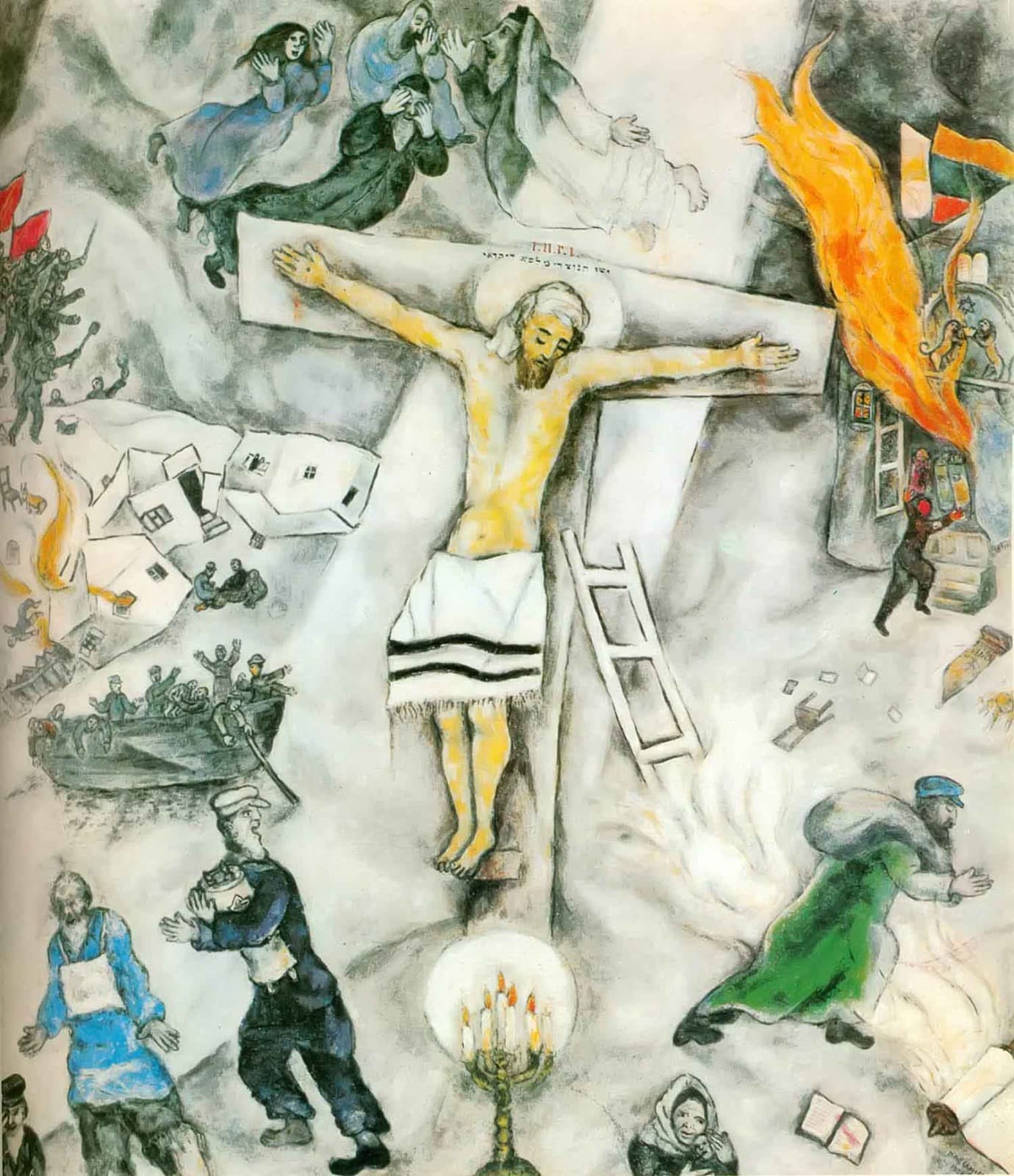
Christ wears a Jewish prayer shawl while a synagogue burns and refugees flee by boat. Chagall painted it in 1938, watching what was coming.
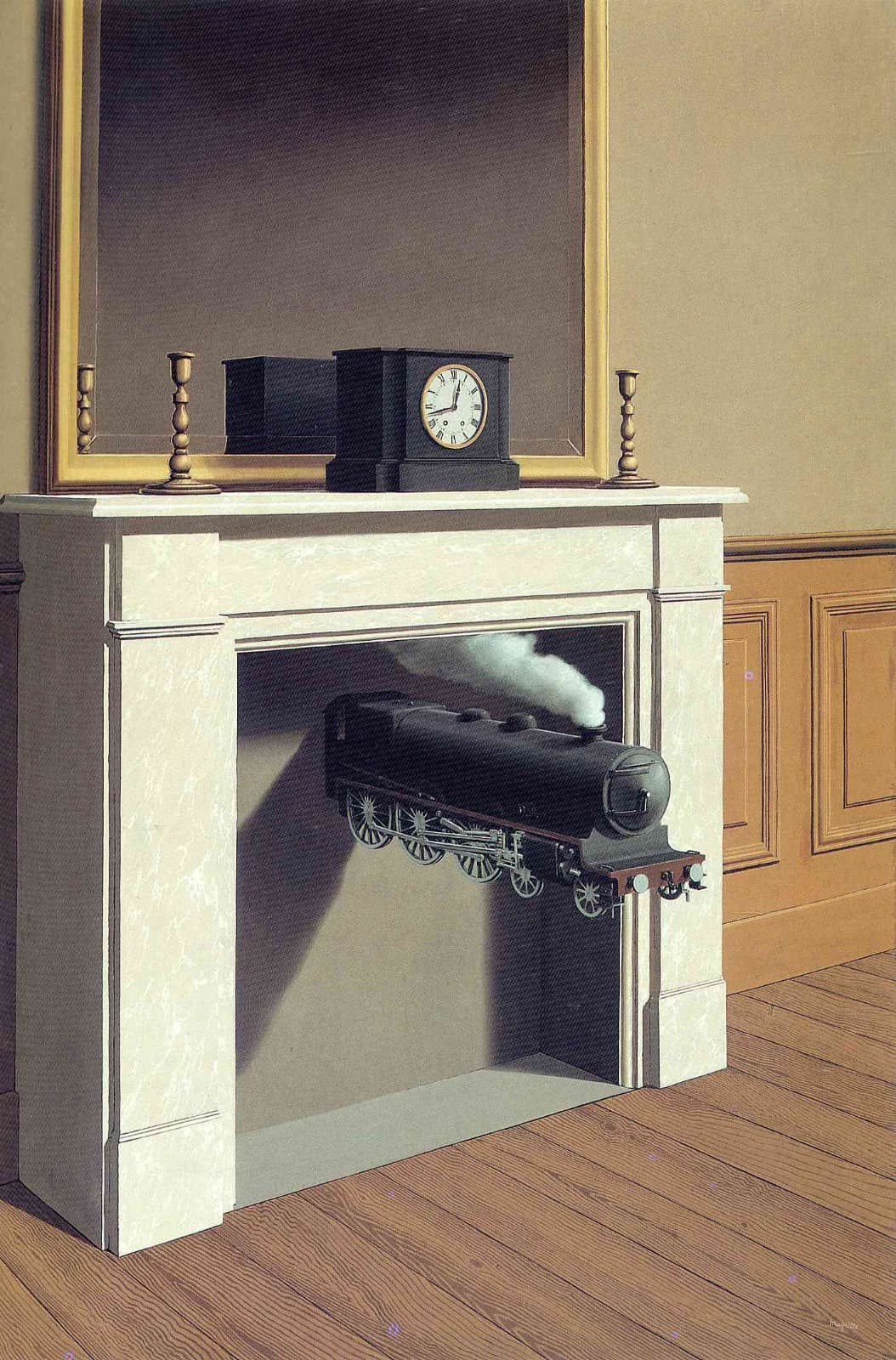
A small steam locomotive comes out of a fireplace under the mantel clock, and the room around it is otherwise entirely ordinary.
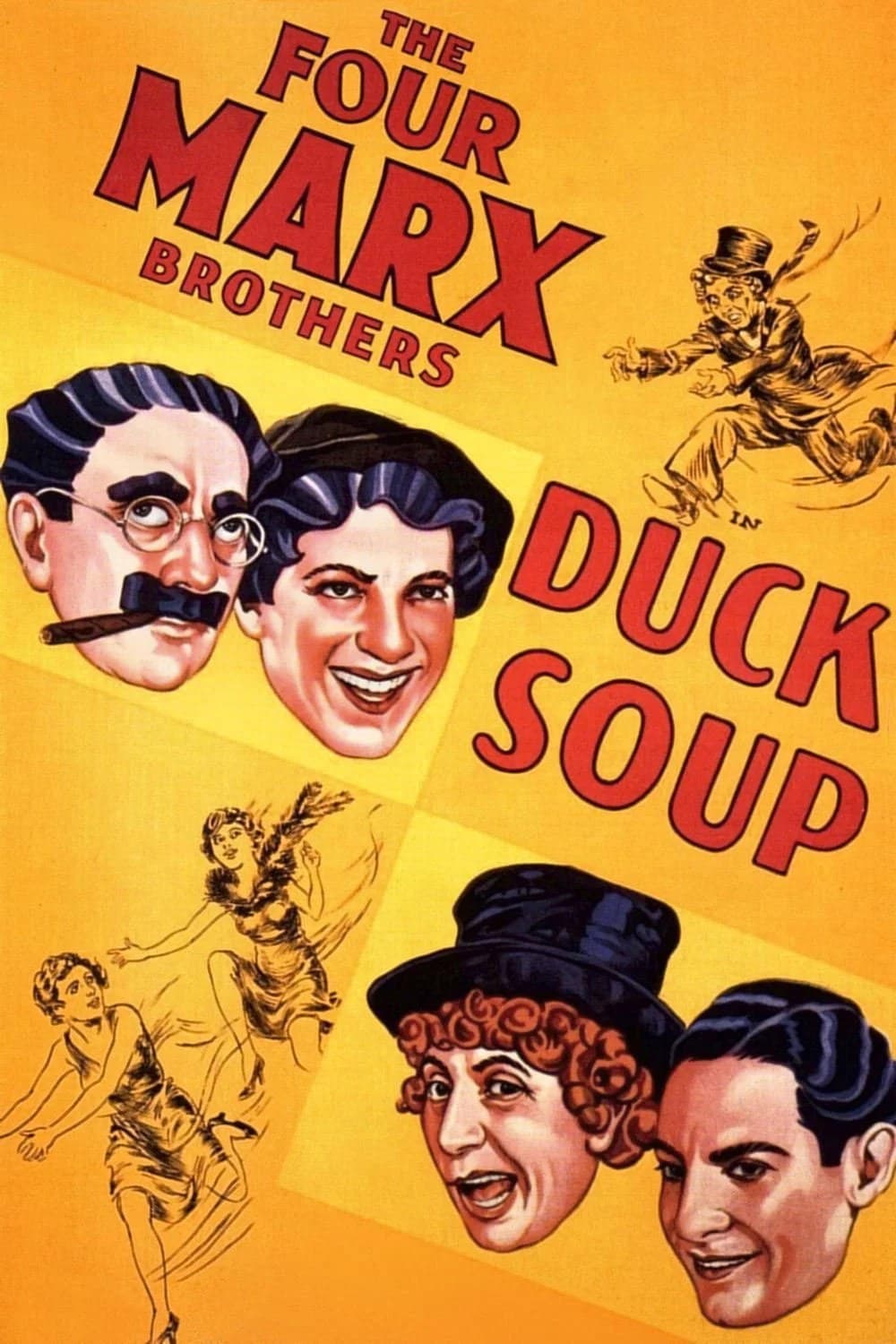
The Marx Brothers at their fastest and most anarchic, and they left Paramount soon after it underperformed: the mirror sequence has been stolen by everybody in comedy since.
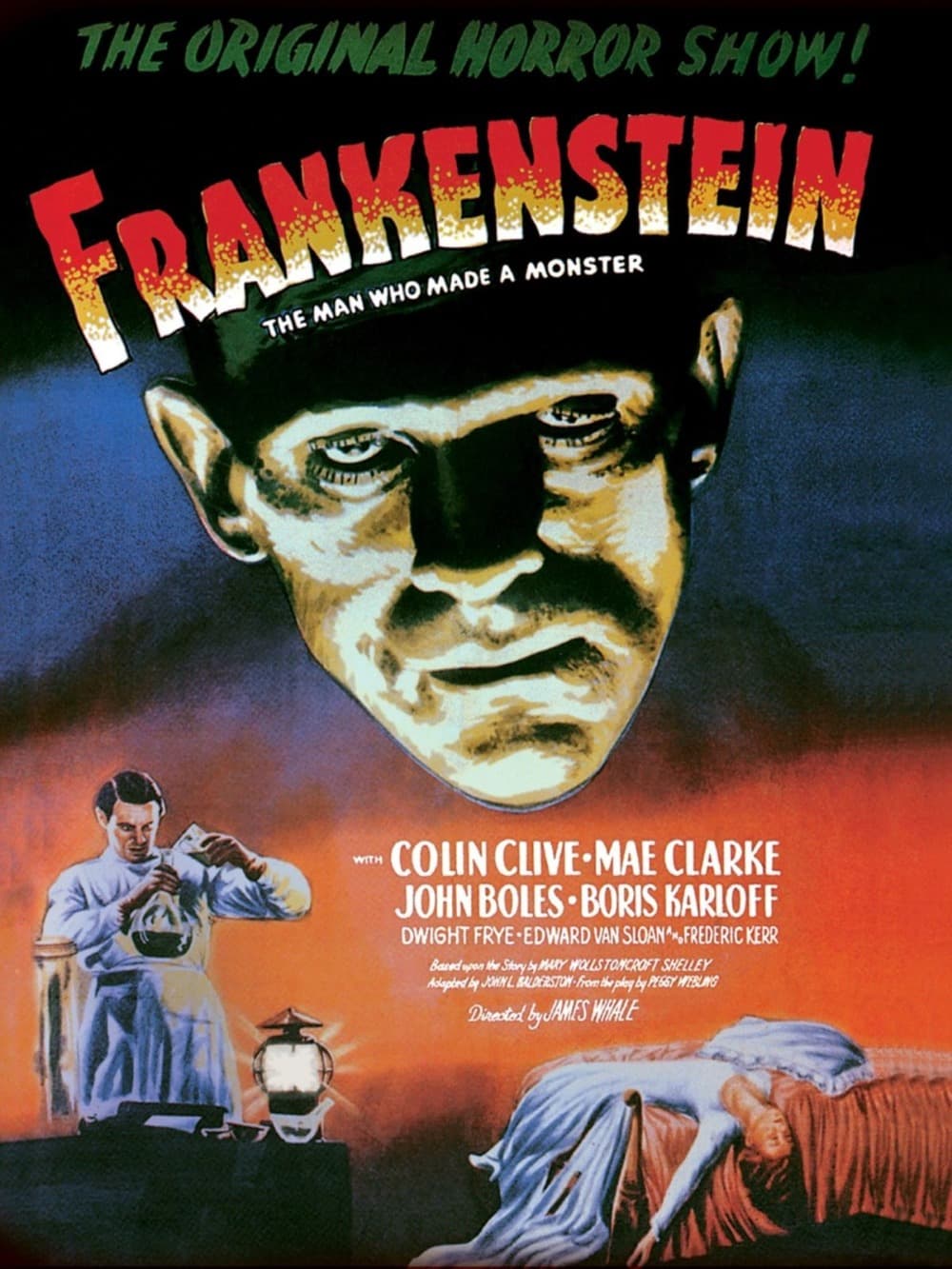
Karloff's monster became the face everyone pictures, which is not what Mary Shelley wrote: Whale made a horror film that keeps asking who the actual monster is.
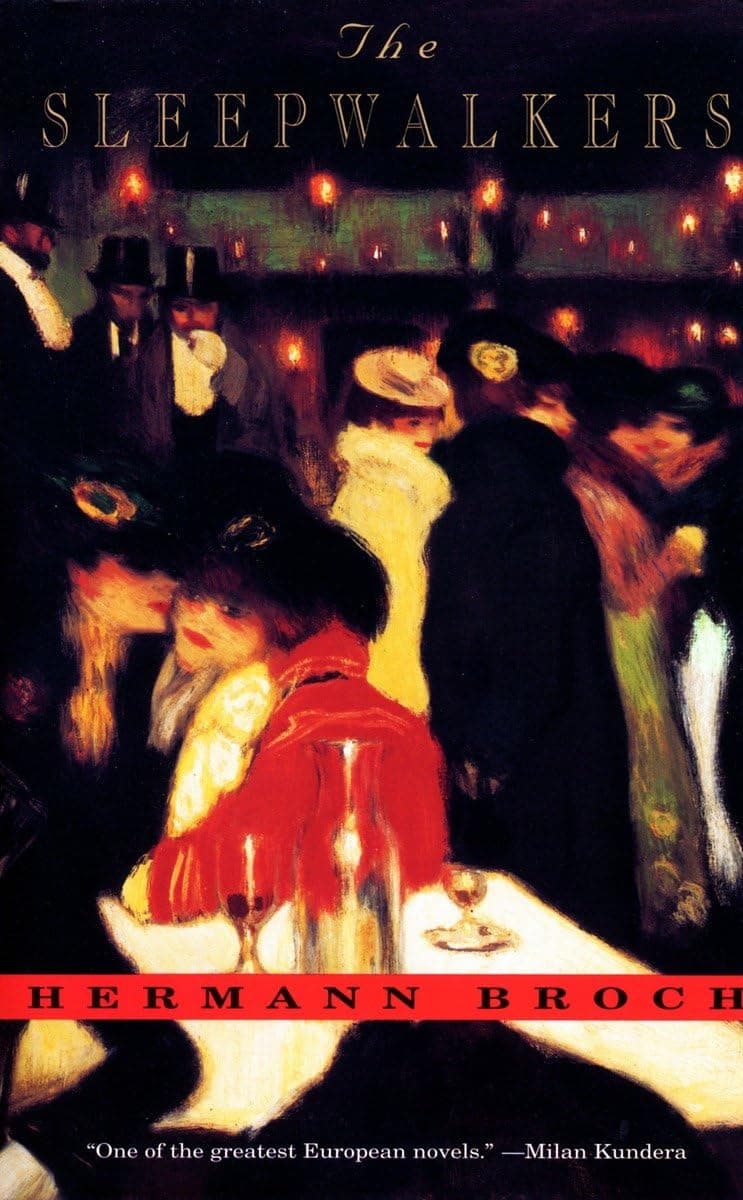
Three novels set in 1888, 1903, and 1918 follow a Prussian officer clinging to his uniform, a bookkeeper demanding justice, and a deserter who feels nothing. Broch watches a whole value system dissolve.
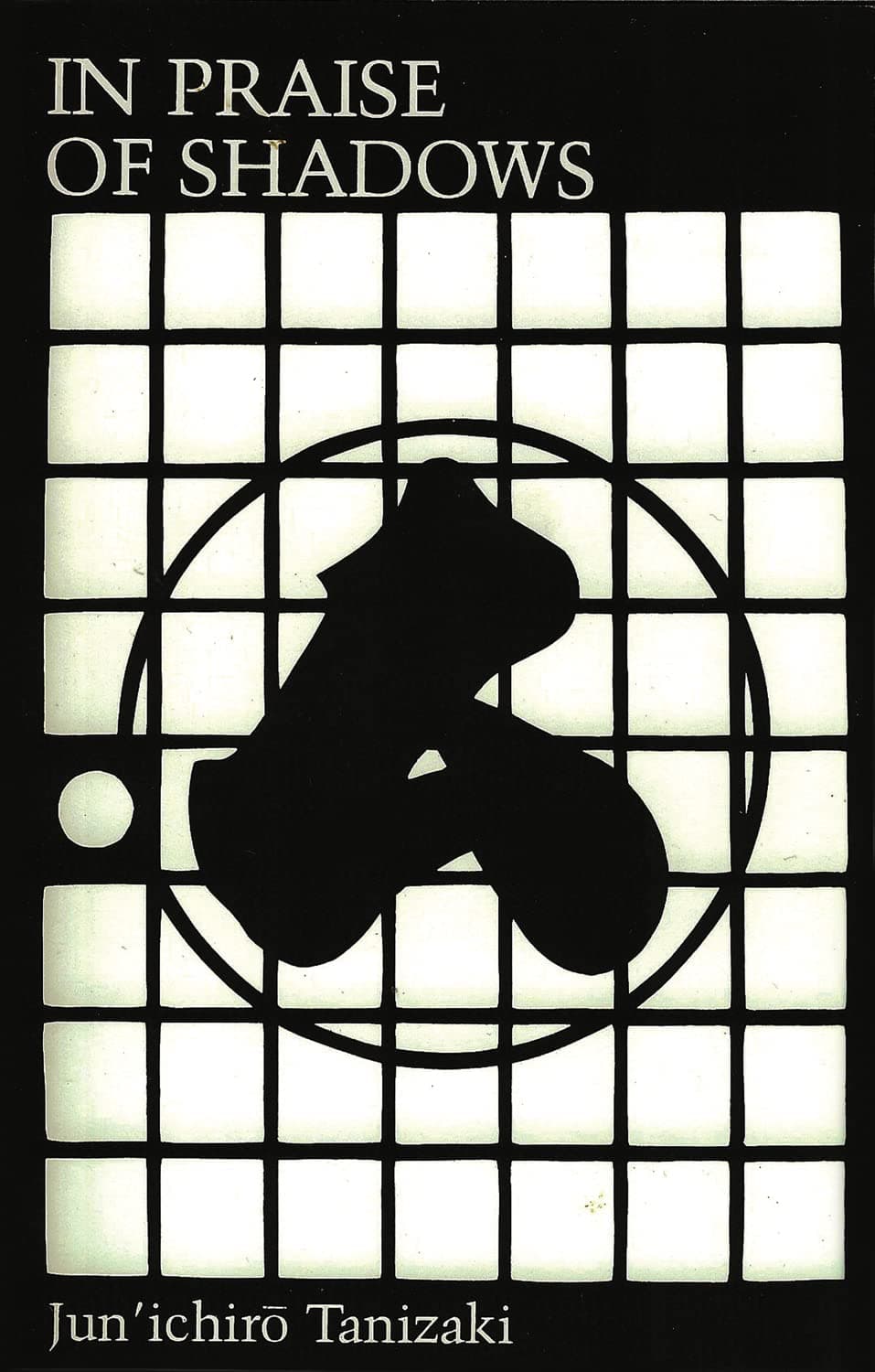
Tanizaki, a Japanese novelist, argues in earnest that the beauty of his country was made for dim rooms and wrecked by electric light. Lacquer, gold leaf, and old toilets all make his case.

Keynes argues that an economy can sit at mass unemployment indefinitely because nobody is spending, and that governments must spend instead. Every recession since has been argued in the terms he set.
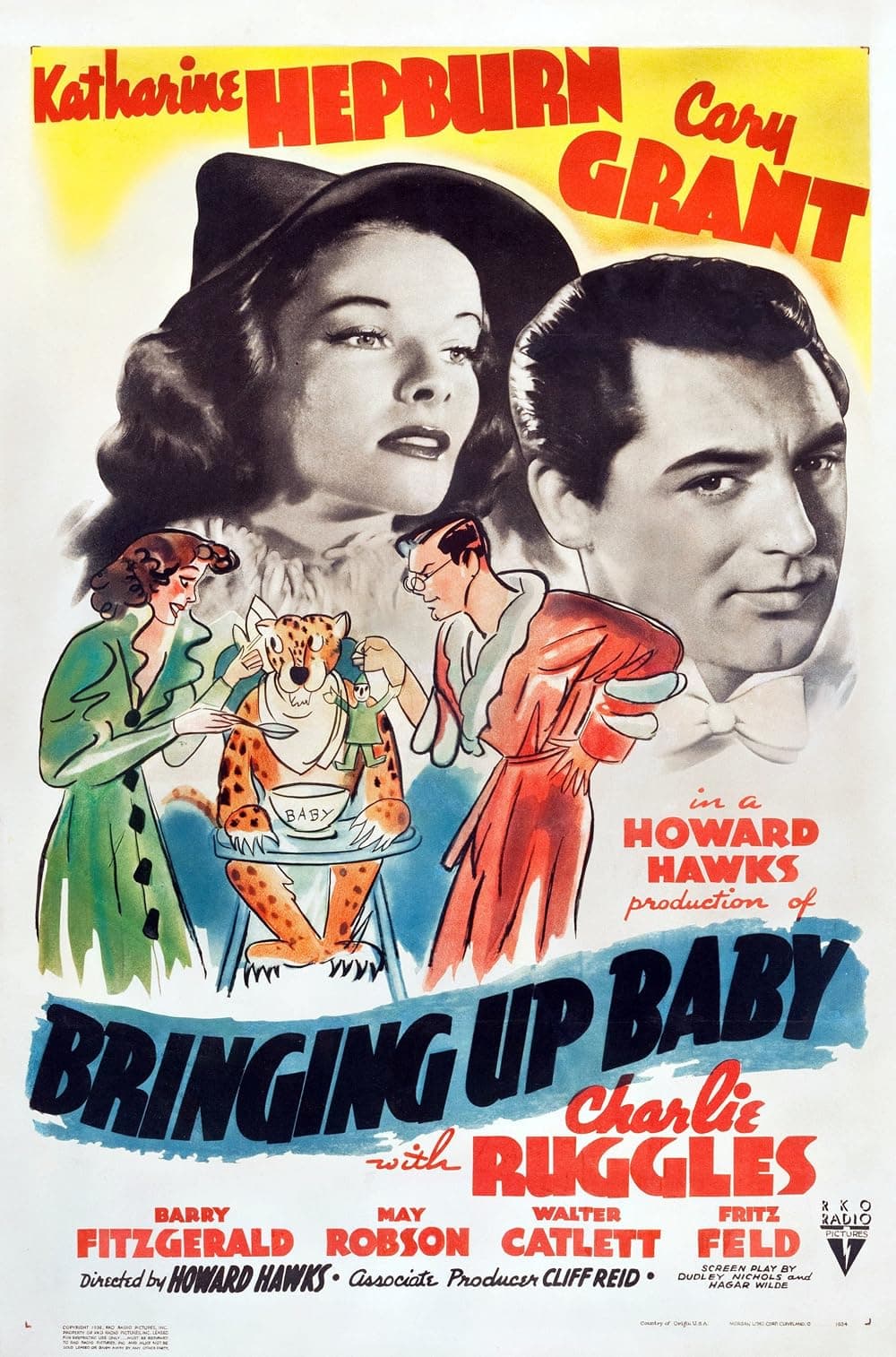
Nobody talks faster than this: Hawks overlapped every line until the dialogue becomes a physical event, and it did badly enough that exhibitors called Hepburn box office poison.
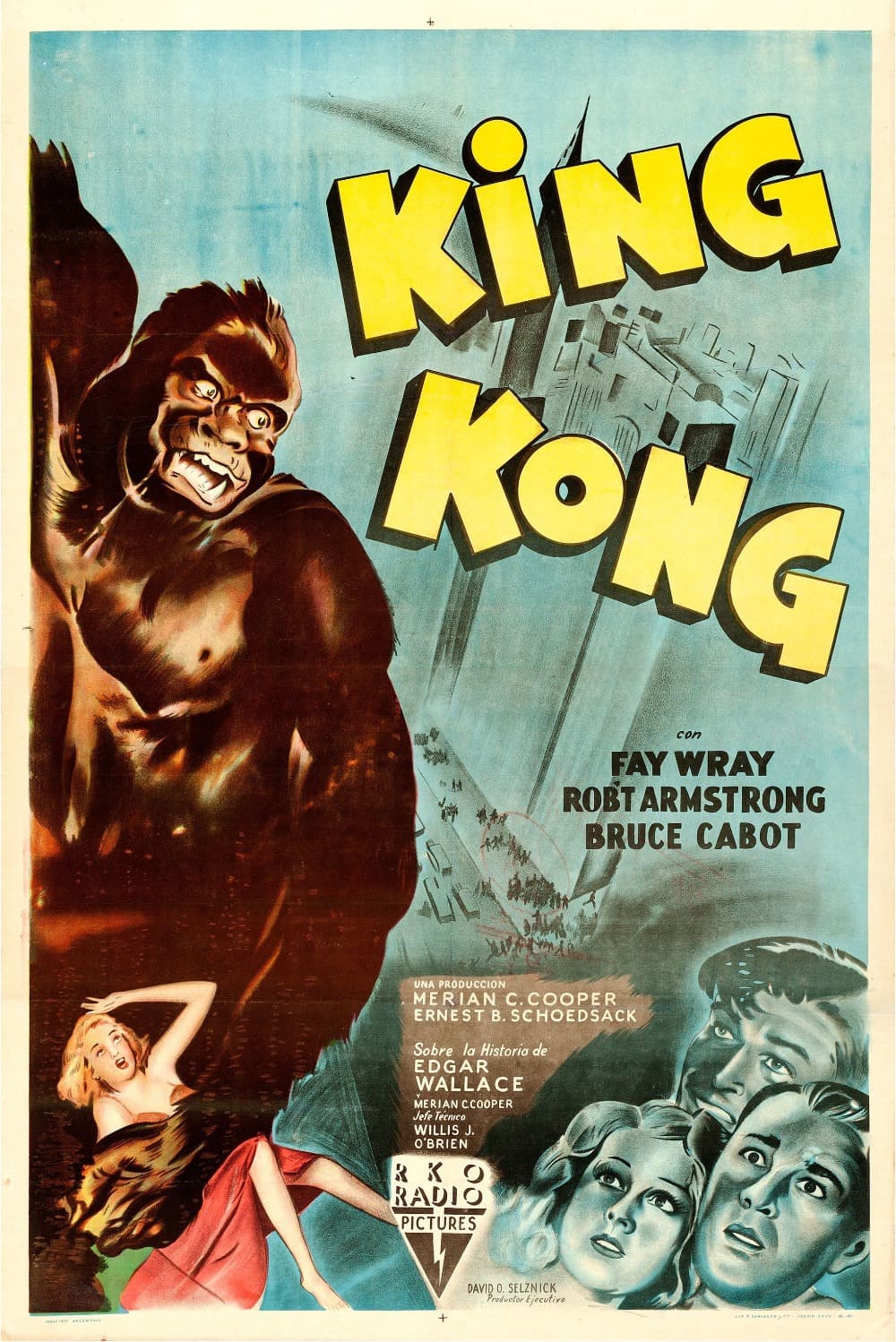
Willis O'Brien animated it a frame at a time and audiences in 1933 had never seen anything like it: the ape on that building is known to people who never watched it.

It made John Wayne a star, invented Monument Valley as a place in the American mind, and put nine strangers in one coach: every road movie descends from it.
And then he will carry me away to his castle, where we will live happily ever after.

A lieutenant knocks Emperor Franz Joseph off his horse at Solferino and saves his life. Three generations of Trottas ride that accident down into 1914, and the Habsburg empire dissolves around them.

Seventeen-hour shifts in a Paris restaurant kitchen, then the tramps' road between London workhouses. Orwell went into poverty himself and came back able to describe what hunger does to a mind.

Eighteen years of hired labor buy Bjartur a stretch of Icelandic moorland, and he defends his independence against weather, debt, and his own family. Laxness makes stubbornness heroic and ruinous at once.