The Collected Poems
1939 · 544 pages
Irish myth and fairy tale at the start, then old age, politics, and desire handled with frightening force. Yeats wrote things fall apart, the centre cannot hold, and a terrible beauty is born.
★ 9.1
 skopia
Irish myth and fairy tale at the start, then old age, politics, and desire handled with frightening force. Yeats wrote things fall apart, the centre cannot hold, and a terrible beauty is born.
Thomas Sutpen arrives in Mississippi from nowhere with a band of slaves and a French architect and builds a dynasty that destroys itself. Two students retell it until it swallows them.
The Joads lose their Oklahoma farm and drive west to California, where the promised work is a lie. Steinbeck's fury at what was done to them still comes off the page.
Babies are decanted from bottles into castes, everyone takes a drug called soma, and nobody is unhappy. Huxley saw that a tyranny of pleasure would hold better than one of fear.

Addie Bundren dies and her family hauls the coffin across Mississippi through flood and fire. Fifteen voices tell it, and you laugh at people whose misery you can feel.

Janie comes home to a Black town in Florida and tells a friend about her three marriages and how she found her own voice. Hurston writes porch talk exactly as it sounded.

Celine's narrator carries his disgust from the First World War to colonial Africa, a Ford assembly line in Detroit, and a Paris suburb. He dragged spoken French into literature and made loathing exhilarating.

Thirteen dwarves turn up at a comfortable hobbit's door and talk him into helping them rob a dragon. The comedy is real, and the riddle game in the dark still frightens children.
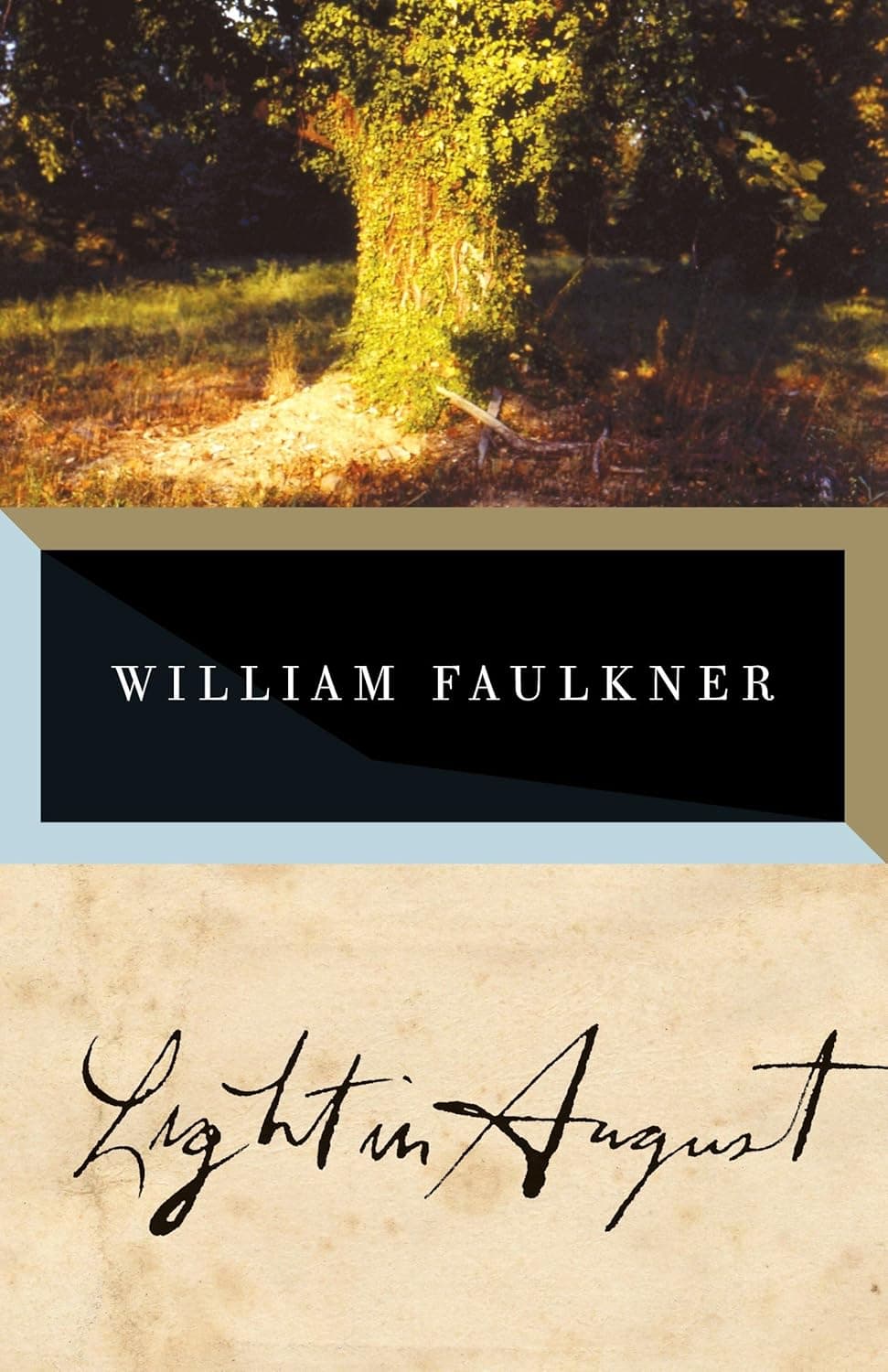
Pregnant and walking from Alabama, Lena Grove looks for the man who left her. Nearby a man who cannot say whether he is black or white is running out of room.
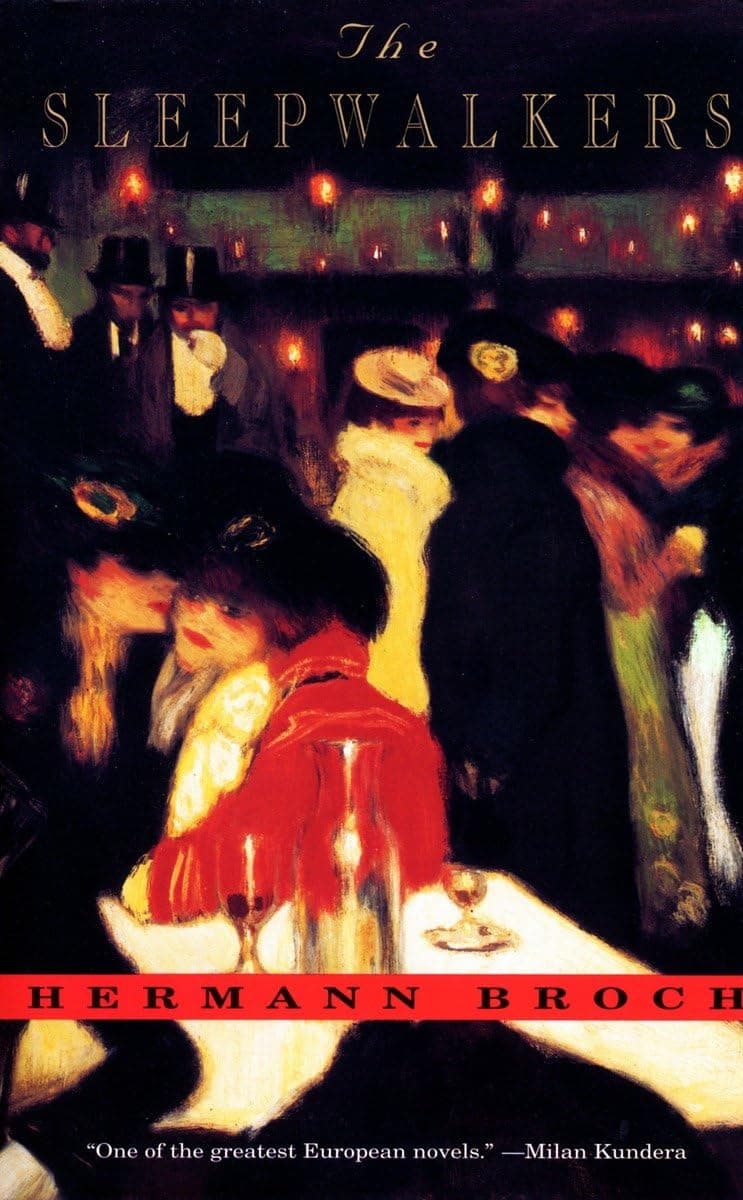
Three novels set in 1888, 1903, and 1918 follow a Prussian officer clinging to his uniform, a bookkeeper demanding justice, and a deserter who feels nothing. Broch watches a whole value system dissolve.
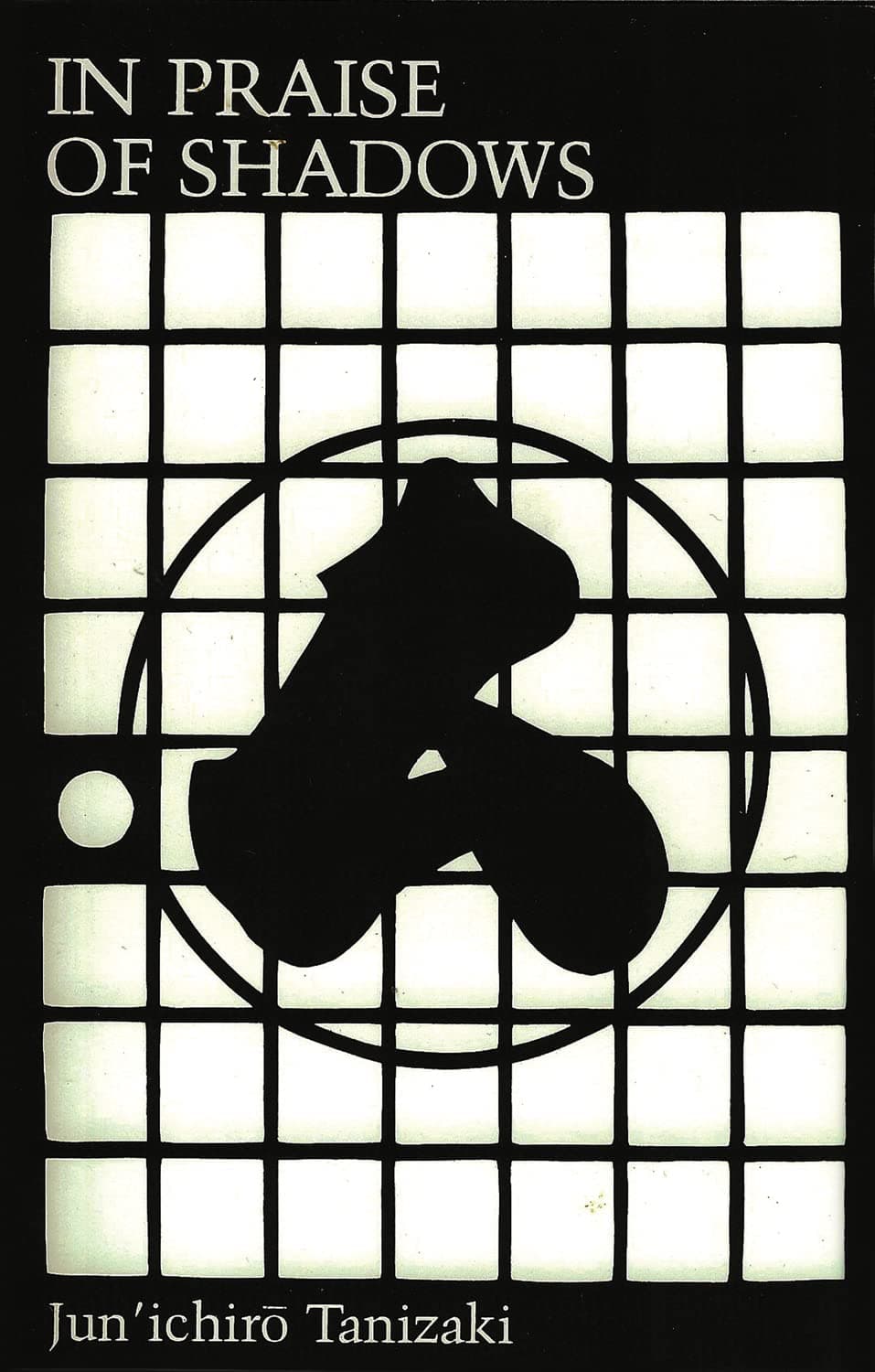
Tanizaki, a Japanese novelist, argues in earnest that the beauty of his country was made for dim rooms and wrecked by electric light. Lacquer, gold leaf, and old toilets all make his case.

Keynes argues that an economy can sit at mass unemployment indefinitely because nobody is spending, and that governments must spend instead. Every recession since has been argued in the terms he set.

A lieutenant knocks Emperor Franz Joseph off his horse at Solferino and saves his life. Three generations of Trottas ride that accident down into 1914, and the Habsburg empire dissolves around them.

Seventeen-hour shifts in a Paris restaurant kitchen, then the tramps' road between London workhouses. Orwell went into poverty himself and came back able to describe what hunger does to a mind.

Eighteen years of hired labor buy Bjartur a stretch of Icelandic moorland, and he defends his independence against weather, debt, and his own family. Laxness makes stubbornness heroic and ruinous at once.
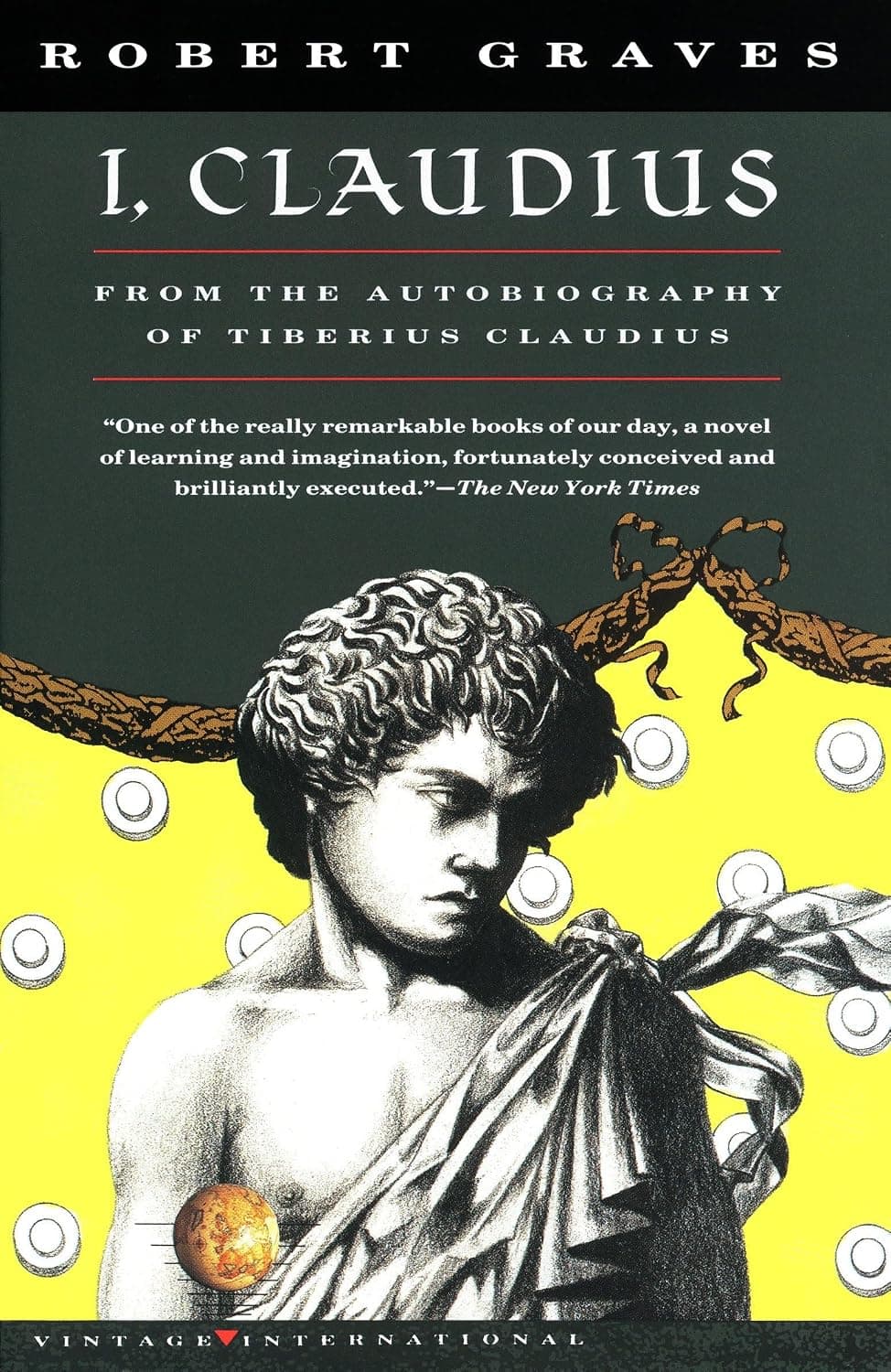
Stammering, limping, and dismissed as an idiot, Claudius survives the Roman imperial family as it murders its way through Augustus, Tiberius, and Caligula, then sets down the secret history of what he watched.

Enslaved people freed themselves, Du Bois argues, walking off plantations in a general strike that broke the Confederacy. He then shows what Black voters built during Reconstruction and who tore it down.
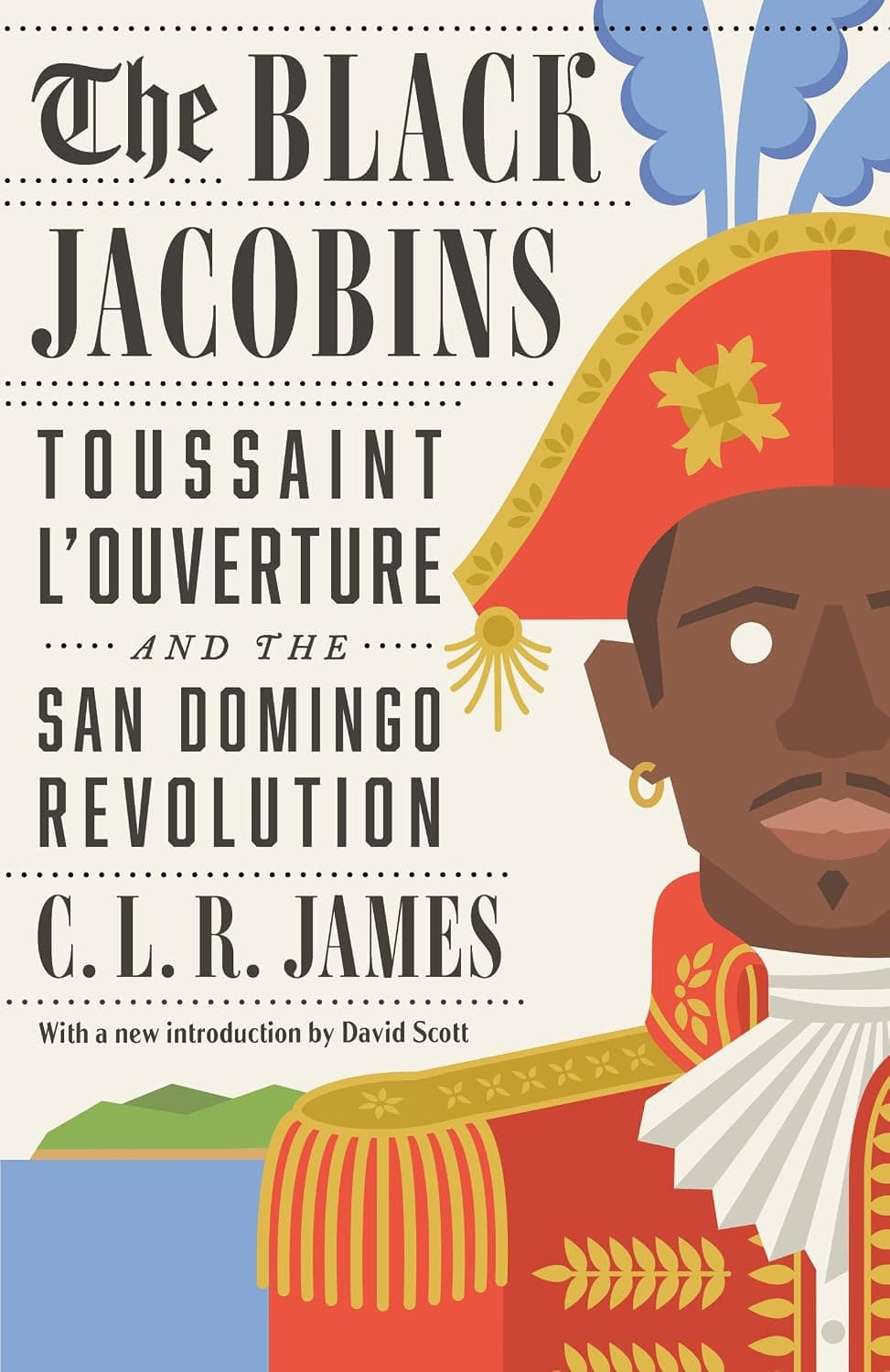
Enslaved people in the French colony that became Haiti rose in 1791 and defeated Napoleon's army. James wrote their revolution as world history, with Toussaint Louverture, born a slave, at its center.
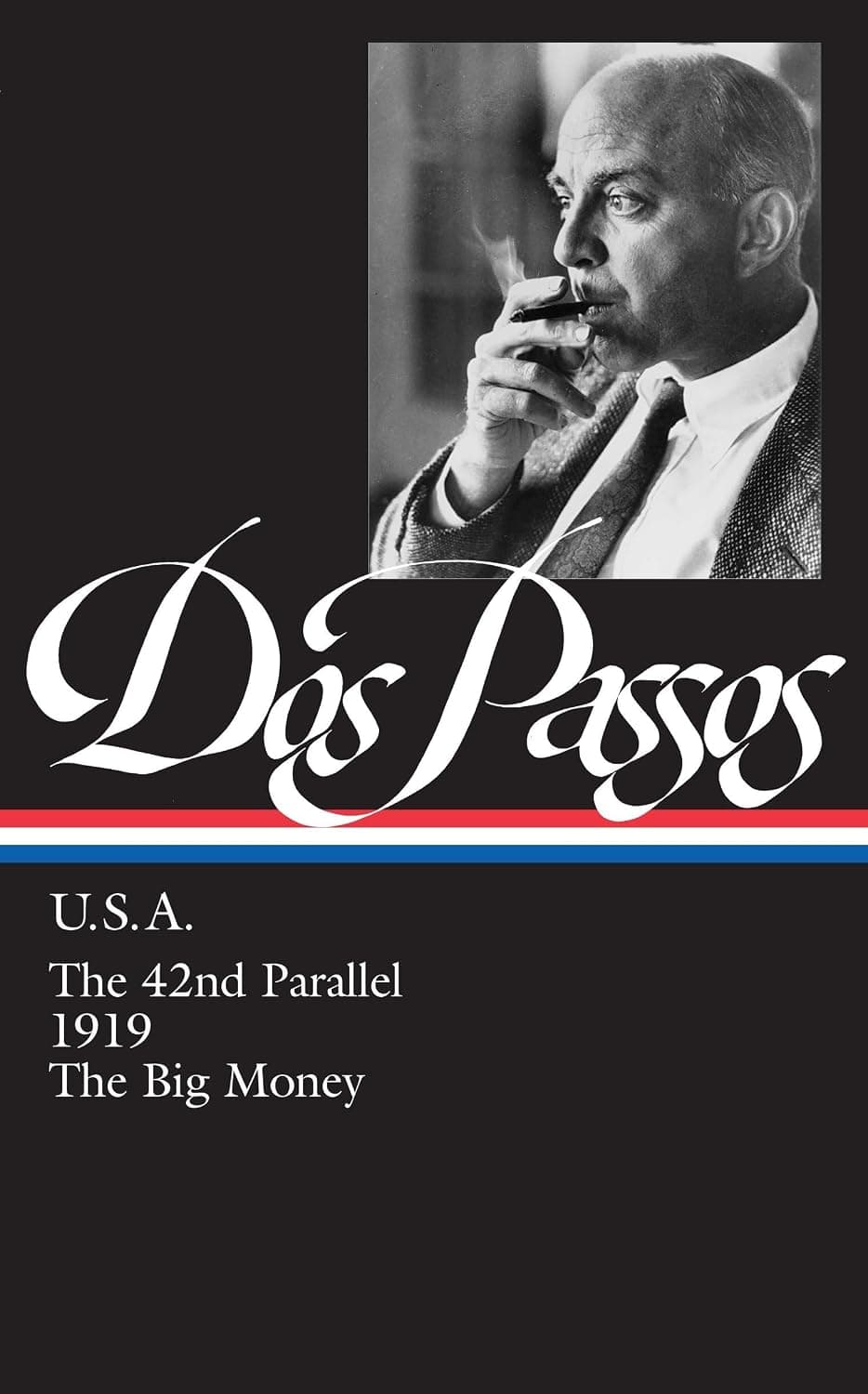
No American novel takes in more of the country. Dos Passos cuts fictional lives against newspaper headlines, song lyrics, and portraits of Henry Ford and Woodrow Wilson, covering the century's first three decades.

George looks after Lennie, huge and slow-witted, across the California ranches, and the two of them keep describing a farm they mean to buy. Steinbeck presses the Depression into that dream.

Lorca's poems rise from Andalusian folk song and dream logic, where the moon walks into a forge and knives are always waiting. His lament for a gored bullfighter tolls five in the afternoon.

Dense, classical, and packed with Petersburg stone and Black Sea light, from a poet the state killed for sixteen lines about Stalin. His widow saved them by memorizing every one.

Dick Diver, a young psychiatrist, marries the rich patient he treated and spends her money charming the French Riviera. Fitzgerald tracks the exact cost of being the most delightful man in the room.
Roquentin, a scholar alone in a French port town, watches ordinary objects turn strange and sickening in his hands. Under a chestnut tree the bare fact that anything exists at all overwhelms him.
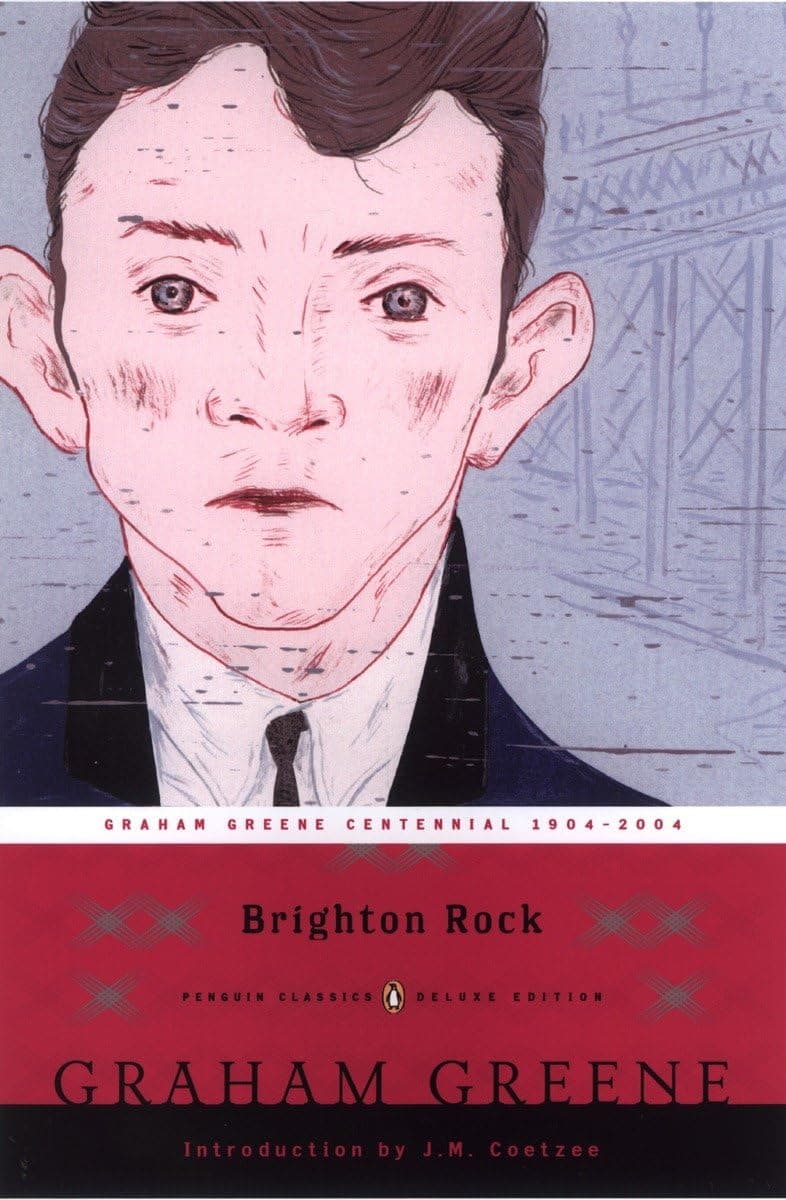
Pinkie Brown runs a Brighton razor gang at seventeen, kills without flinching, and believes in hell the way other people believe in weather. Greene makes damnation the engine of a seaside thriller.
Orwell joined a militia on the Aragon front, took a sniper's bullet through the throat, then watched Communist allies brand his comrades fascists. The clearest book anyone wrote about being lied to.
A dying general among his orchids hires Philip Marlowe to settle a blackmail debt, and the job opens into pornography, missing husbands, and Los Angeles money. Chandler's sentences became an American standard.

The greatest of the epic-theater plays follows Anna Fierling, a canteen woman hauling her wagon through the Thirty Years' War, selling to whichever army is winning and losing all three children to it.

Byron crossed Persia and Afghanistan in the 1930s hunting domes and minarets, and the diary he kept is funny, rapturous, and cruel about everyone he meets. Paul Fussell called it travel writing's Ulysses.

Scarlett O'Hara claws her plantation back through the burning of Atlanta, wanting the wrong man. Mitchell's romance of a gallant South sold thirty million copies and fixed a pastoral memory of slavery.
Roth put the immigrant Lower East Side inside a child's skull. David Schearl is six, terrified of his father, safe only in his mother's kitchen, and the street reaches him as raw sensation.

Cheap grace forgives without changing anyone, Bonhoeffer wrote from an outlawed seminary in Nazi Germany. Real grace costs a life: Christ calls a man to come and die. He was hanged in 1945.

Sentenced to twenty years by Mussolini's courts, Gramsci filled thirty-odd notebooks explaining why revolutions fail: the powerful rule by consent, through schools, churches, and newspapers that make their order feel like common sense.

Eighty-seven photographs of faces, storefronts, gravestones, and wooden churches, sequenced by Evans into a cold portrait of the United States. Robert Frank and the photographers after him worked from his example.
Flying mail over the Sahara and Patagonia, Saint-Exupery writes about what the work did to the men who flew it. The pilot Guillaumet crashed in the Andes and walked out through the snow.

Workers dig a foundation for the building that will house the whole proletariat, and the pit keeps widening. Platonov's Russian buckles under its own slogans, and the Soviets suppressed the book until 1987.
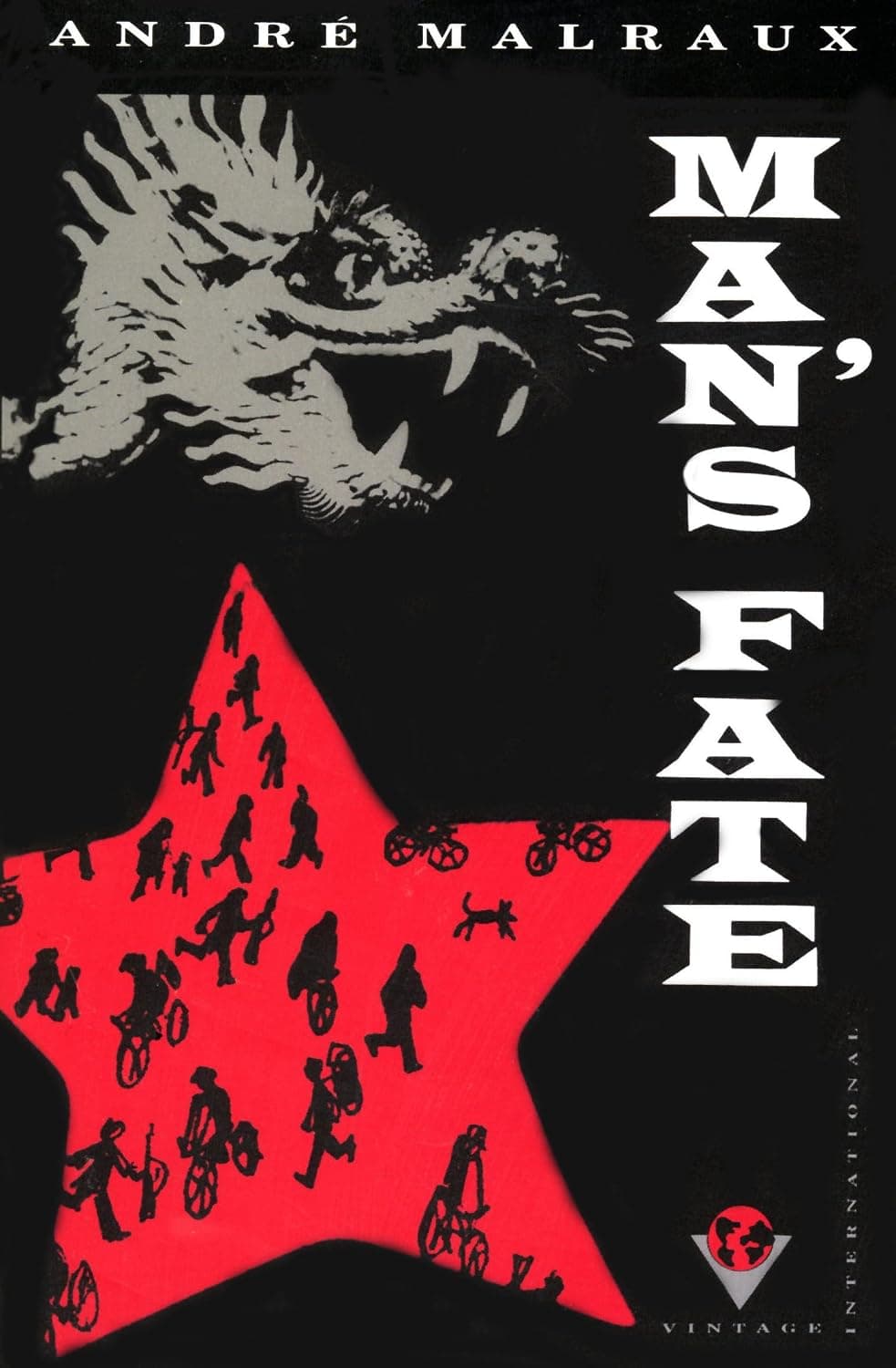
Shanghai, 1927: a young terrorist stands over a sleeping man with a knife, and Malraux makes the doomed communist uprising a test of what a man can give his life to.
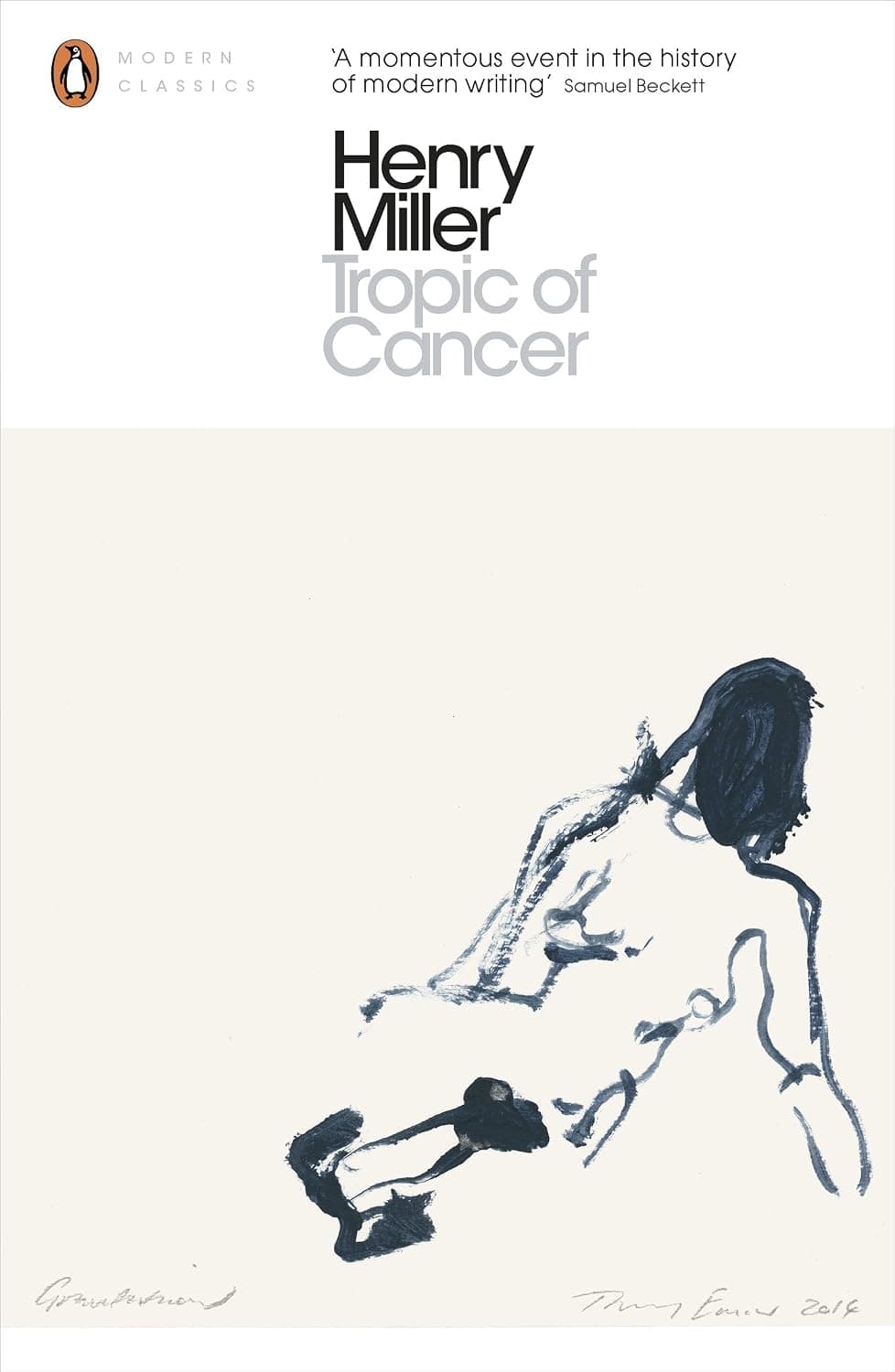
Miller in Paris, broke and writing about sex and squalor with an appetite nothing in English had matched. Grove Press fought dozens of obscenity suits before the Supreme Court cleared it in 1964.

Shot by a Gestapo officer in 1942, Schulz left stories that turn a Galician backwater into a world where his father breeds birds in the attic and the calendar grows a thirteenth month.
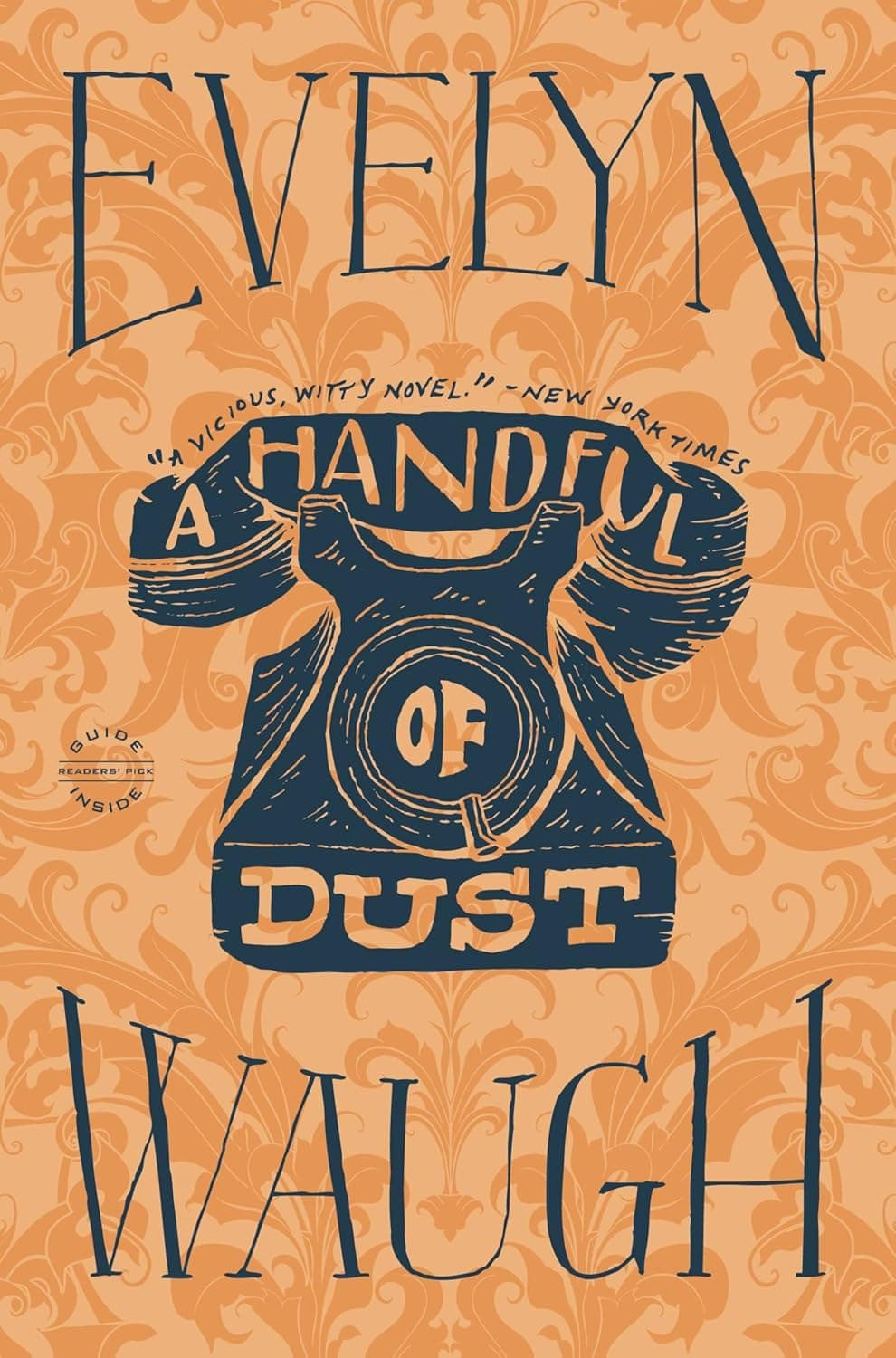
Tony Last loves his ugly Gothic house and believes his wife Brenda is content. Waugh gives her a dull London lover, kills the thing Tony cannot lose, and strands him far from England.
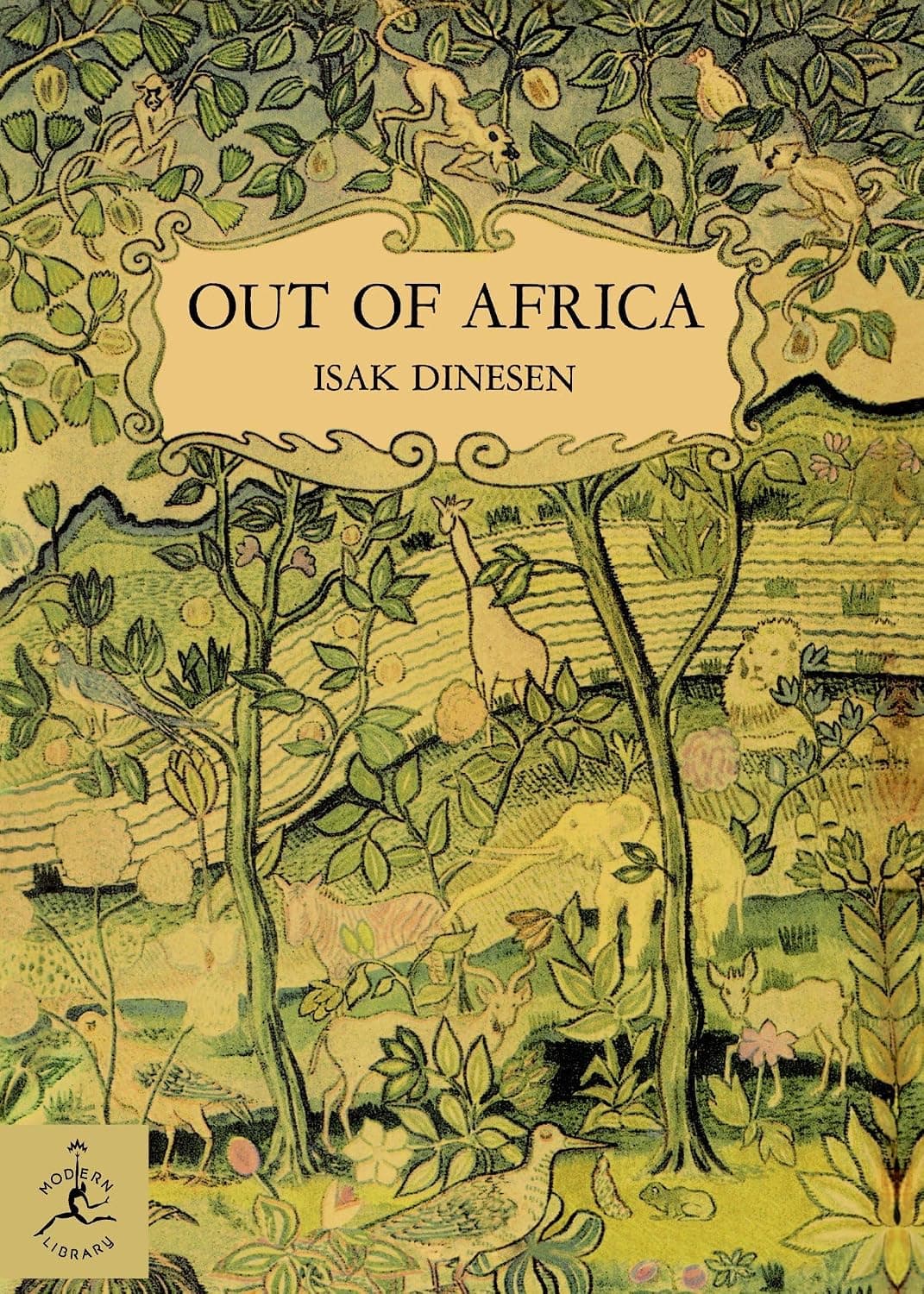
"I had a farm in Africa," Dinesen begins. Seventeen years below the Ngong Hills end in ruined coffee and a forced sale, and she tells it in prose that never asks for sympathy.
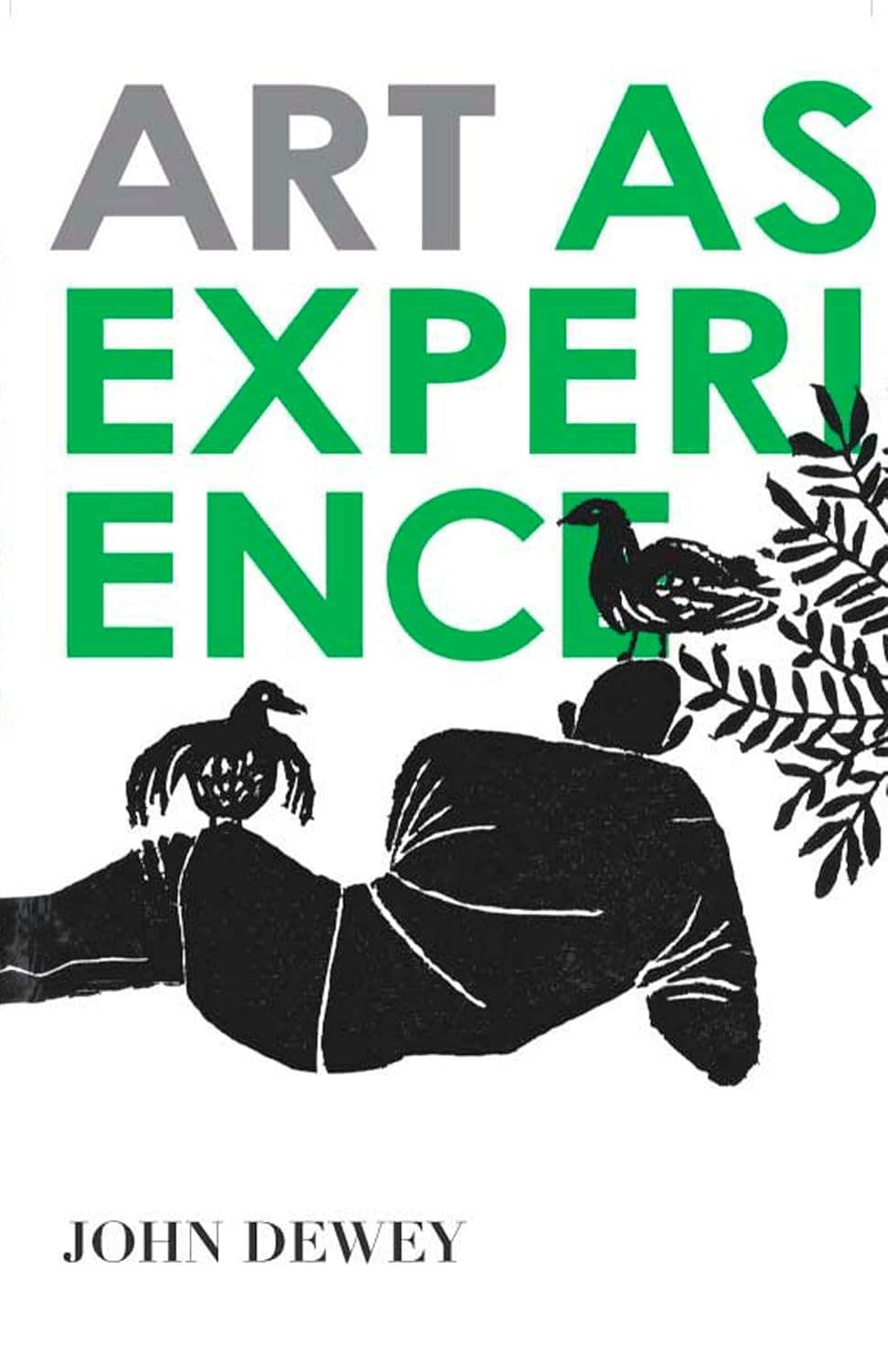
Art belongs in the museum only by accident, Dewey argues. The aesthetic starts in the ordinary rhythm of a creature meeting its world, an argument that pulled philosophy toward everyday and popular art.

At twenty-eight Wedgwood narrated Europe's most ruinous pre-modern war whole, thirty years of armies eating Germany alive, and her verdict of meaningless conflict still has to be argued with.

Bertie Wooster is ordered to steal a silver cow-shaped cream jug, and, armed by Jeeves with one humiliating fact, tells an aspiring English dictator he is a frightful ass in black shorts.
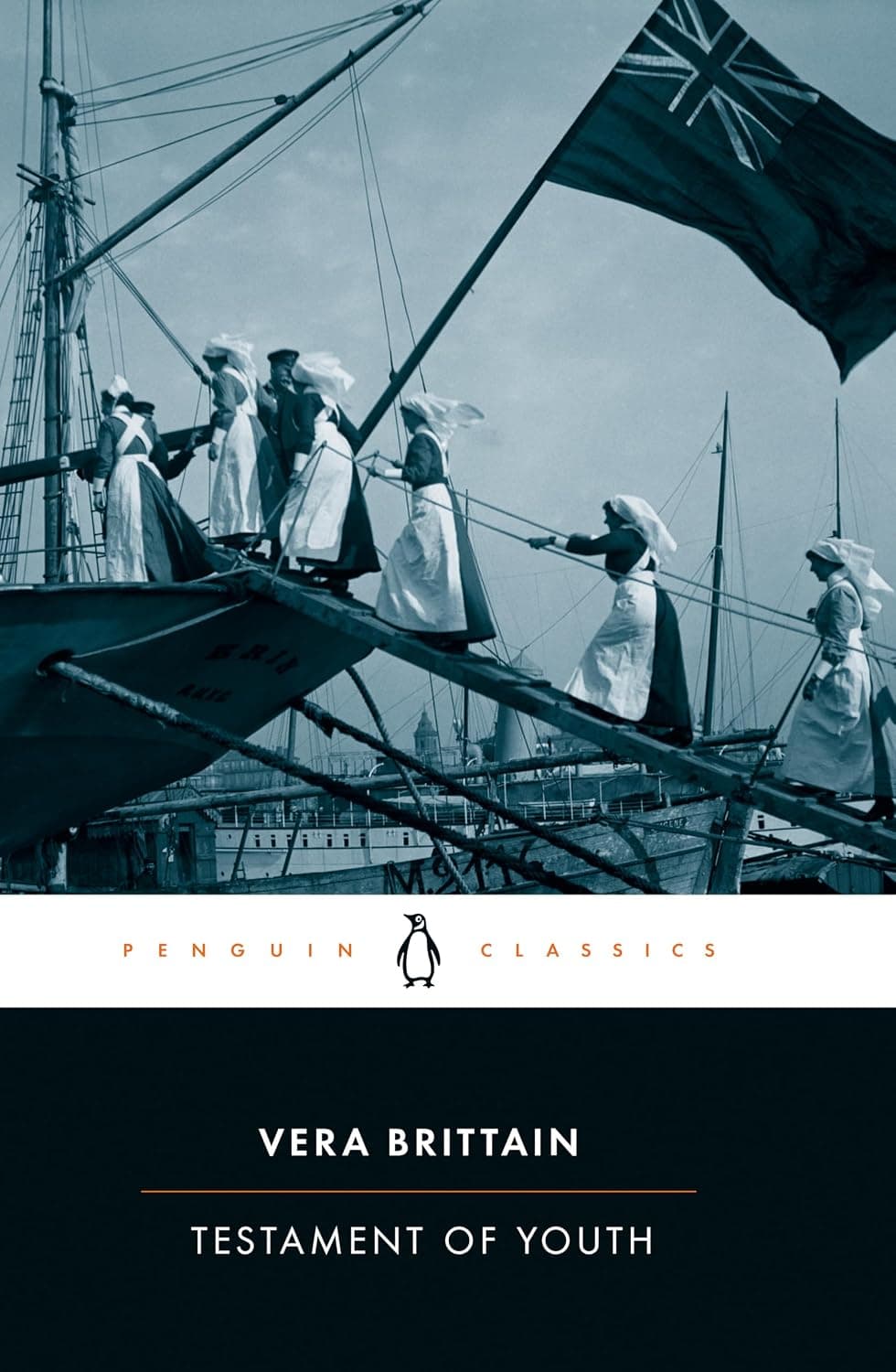
Brittain left Oxford to nurse the wounded and lost her fiancé, her brother, and two close friends. She set down the grief of an entire generation without softening a line of it.

Two friends split the world between them: Narcissus stays in the monastery with logic and God, and Goldmund walks out into women, wandering, and the Black Death, then carves it all in wood.

Phenomenology's mature statement: Husserl brackets the world's existence to study consciousness on its own terms, then asks how one mind recognizes another as a mind rather than an object among objects.

Shen Congwen's river country: an old ferryman and his granddaughter work a crossing in west Hunan while two brothers from the richest family court her, one singing across the water at night.

Xiangzi pulls a rented rickshaw through 1920s Beijing and wants a cart of his own. Soldiers seize the first he buys, a policeman takes his savings, and Lao She grinds him to nothing.
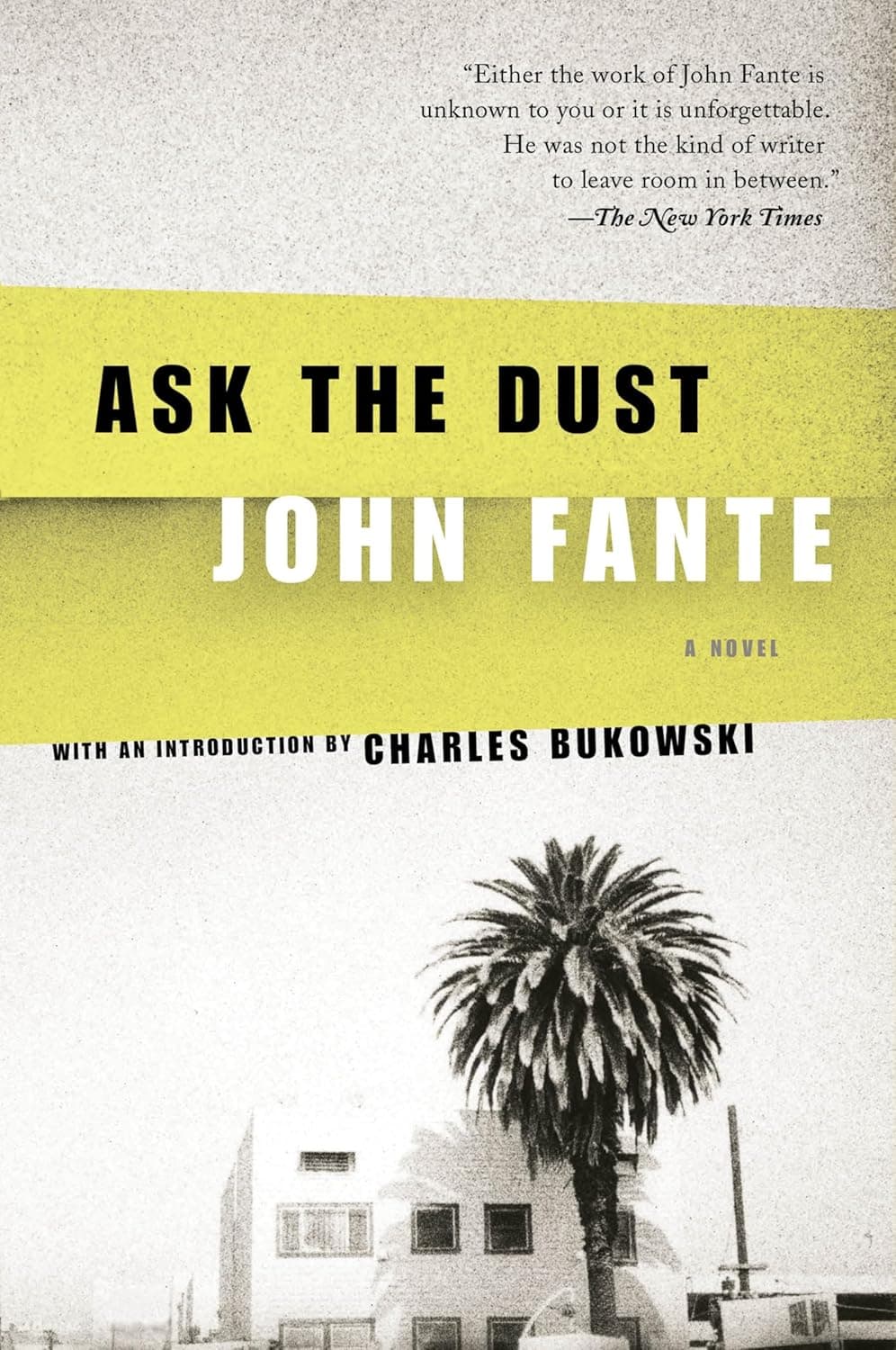
Arturo Bandini starves in a Bunker Hill hotel in Depression Los Angeles, wanting to be a great writer and loving a Mexican waitress he cannot stop insulting. Bukowski called Fante his god.
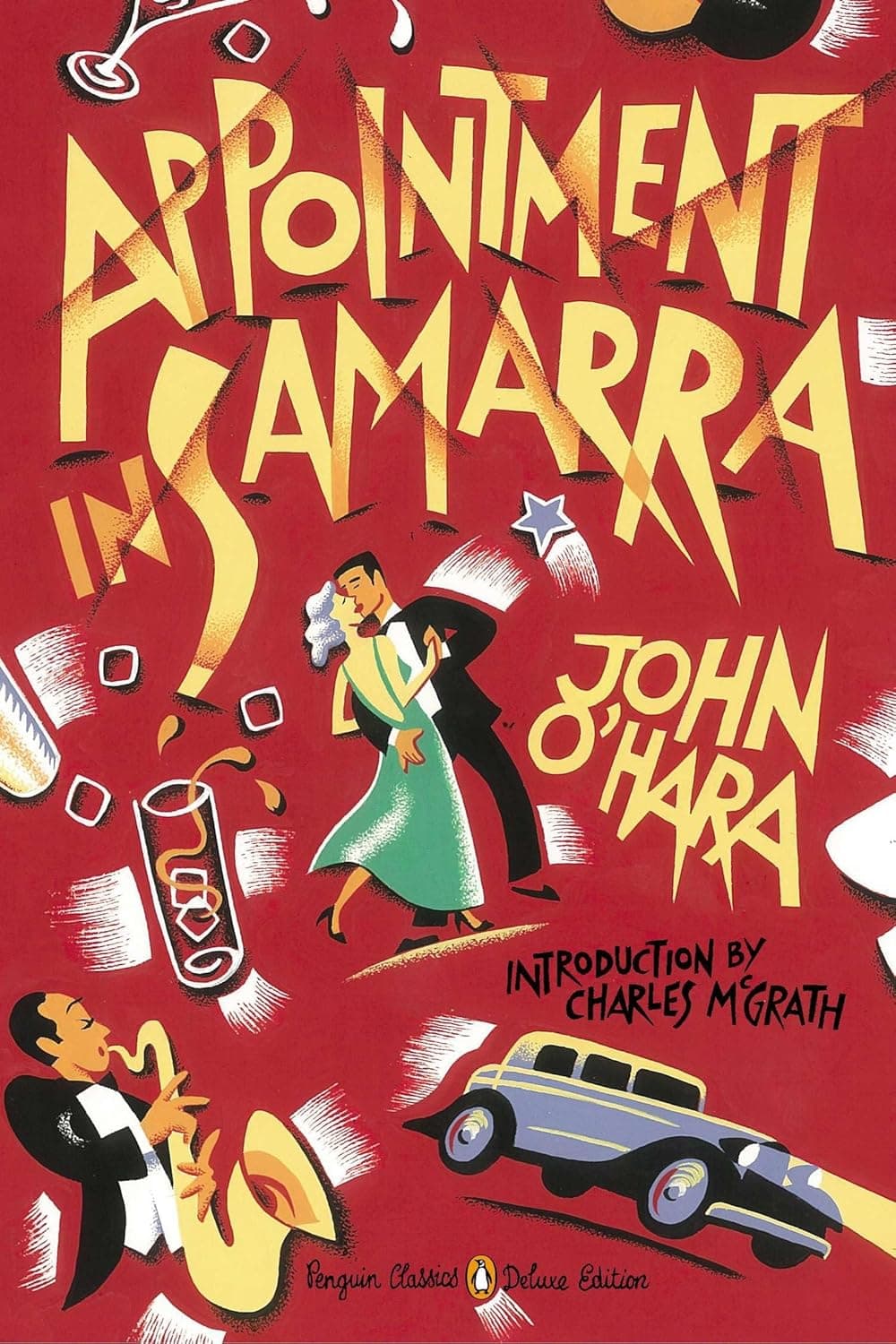
At a country club on Christmas Eve, a Pennsylvania Cadillac dealer throws a drink in the wrong man's face. O'Hara tracks the next three days with pitiless attention to who outranks whom.
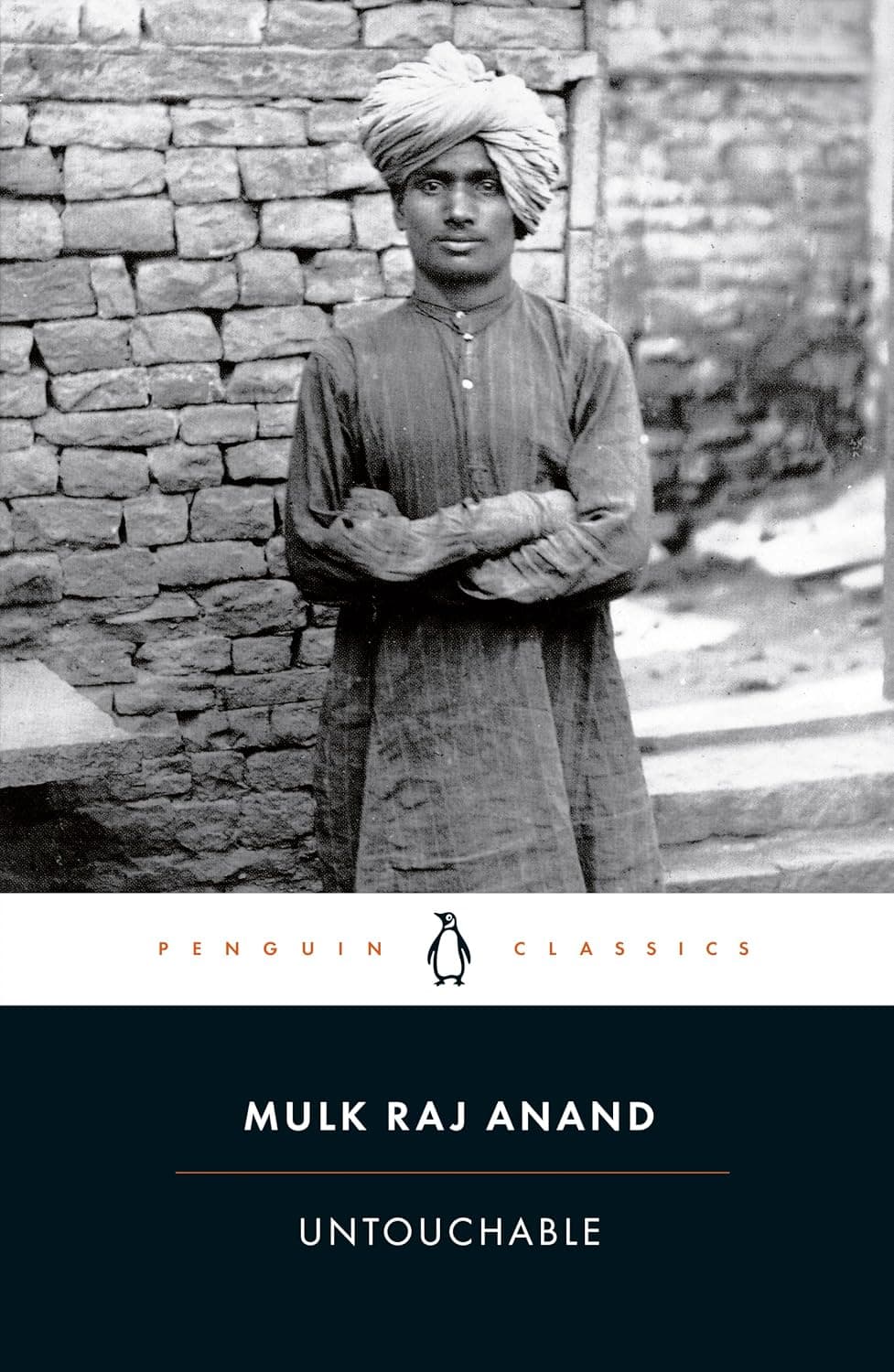
One day in the life of Bakha, who cleans latrines in a small Indian town and is slapped for brushing against a high-caste man. Anand renders caste from its lowest rung.

A Greenwich Village couple hire a young Black man as gardener and painter's model, and cannot see the person. Fourteen stories in which Hughes strips white kindness down to appetite and cruelty.
Franz Ferdinand Trotta drinks through the last spring of peace, then loses the war, his money and his wife. On the night Hitler annexes Austria he walks to the emperors' crypt.

Louis, a rich dying lawyer, fills a long letter to his wife with decades of hatred and the fortune he means to withhold from his children. Mauriac tracks the moment the hardness breaks.
Mistaken for a famous novelist with the same surname, a nature columnist who writes about questing voles is shipped off to cover an African war. Reporters still quote Waugh's newsroom to each other.

Wave after wave of horsemen out of the grasslands, breaking settled empires from China to Hungary. Grousset made Attila, Genghis Khan, and Tamerlane one continuous history running from the Scythians to 1757.

1789 was four revolutions at once, Lefebvre shows: nobles against the king, the bourgeoisie against nobles, Paris crowds against bread prices, and peasants burning the records of what they owed.

Thrown off a hay truck, a drifter takes work at a California diner and wants the owner's wife enough to help her kill her husband. Cain does it in a hundred scalding pages.

The best-selling mystery ever written: eight guests and two servants on an island off Devon, accused by a gramophone of murders the law could not touch, then killed to a nursery rhyme.