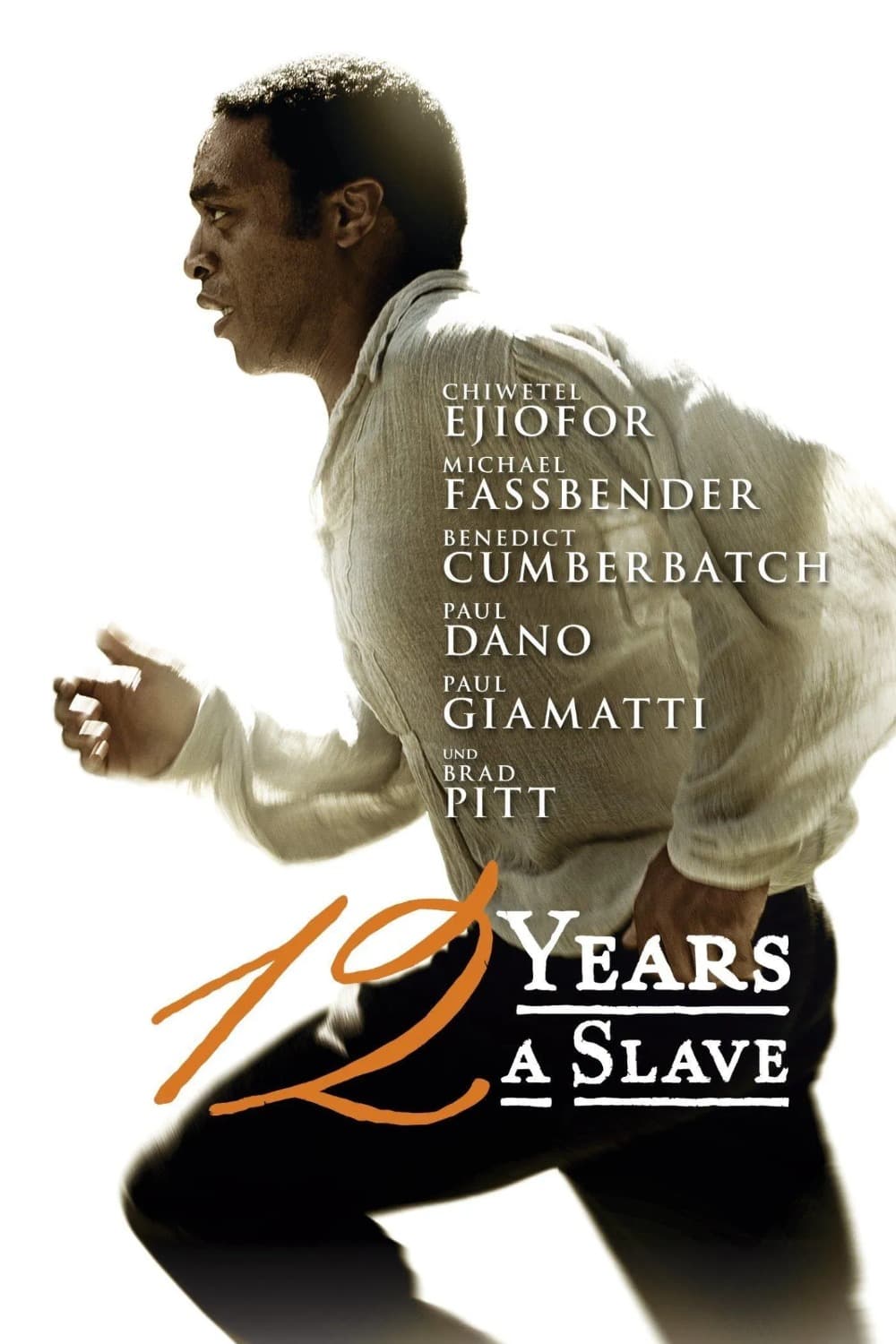
12 Years a Slave
Directed by Steve McQueen
2013
The first Best Picture from a Black director, and the least evasive film ever made about American slavery: McQueen holds shots long past comfort and refuses to look away.
★ 8.3
 skopia
The first Best Picture from a Black director, and the least evasive film ever made about American slavery: McQueen holds shots long past comfort and refuses to look away.
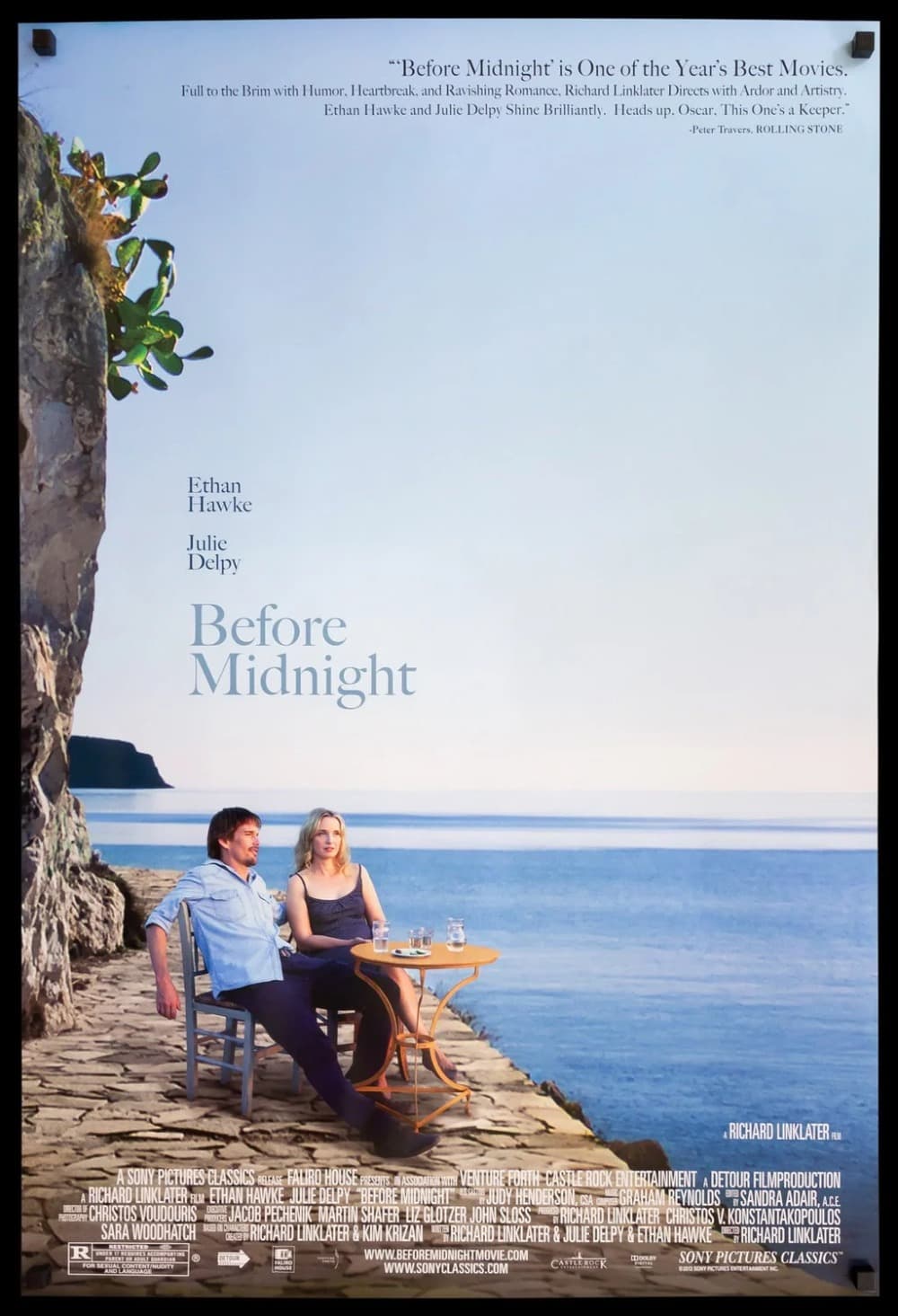
The third film is the one that hurts: Linklater and his two actors let nine more years pass, then take it somewhere the first two politely refused to go.
Rodgers' guitar, Pharrell's vocal, Nathan East on bass, and disco walked back onto the radio wearing robot helmets.
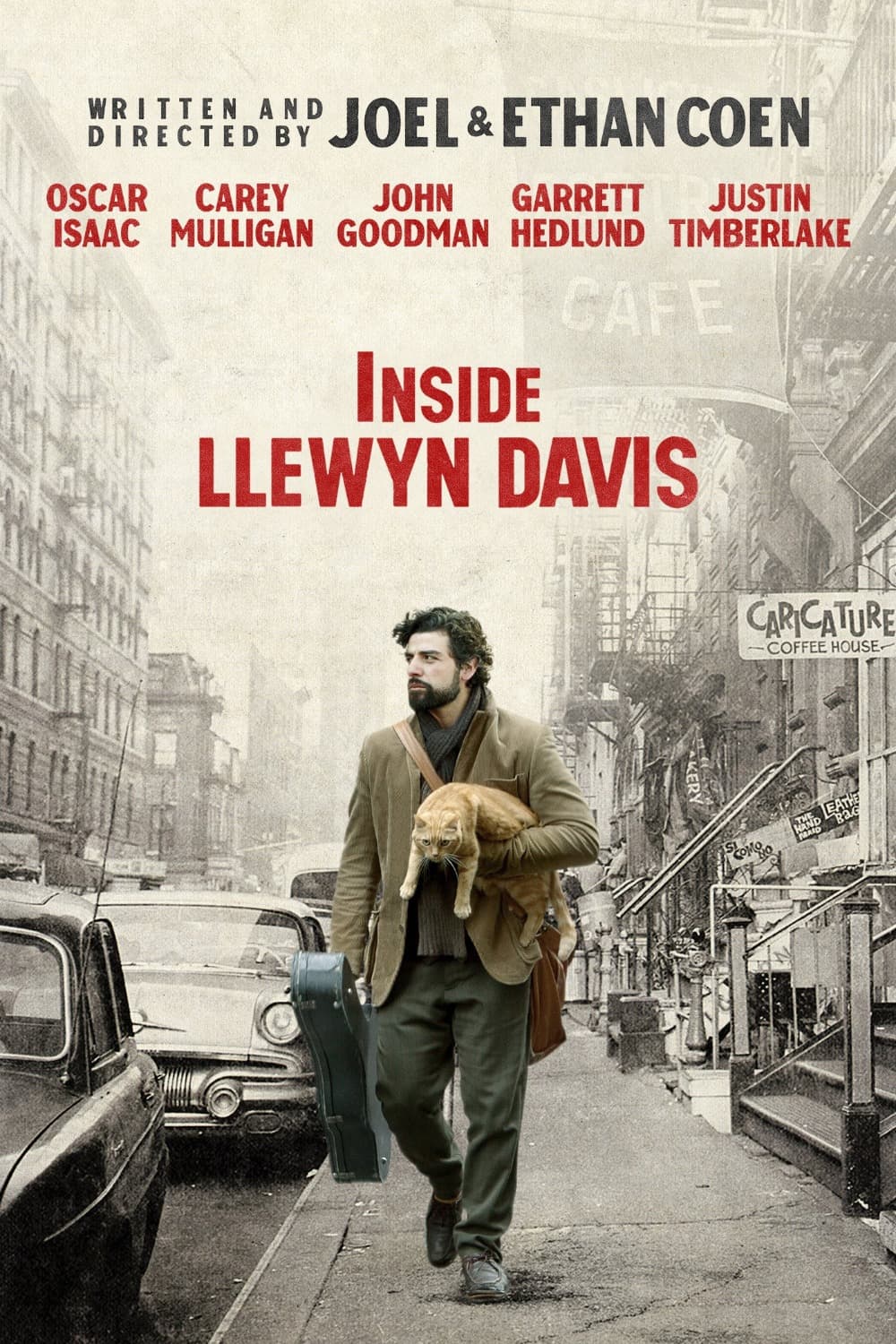
The Coens made the saddest film about failure that anyone has managed to make funny: a folk singer plays beautifully, sleeps on couches, and gets absolutely nowhere at all.
A stomping riff, a desert studio in Joshua Tree, and the band's first single to reach the Billboard Hot 100.
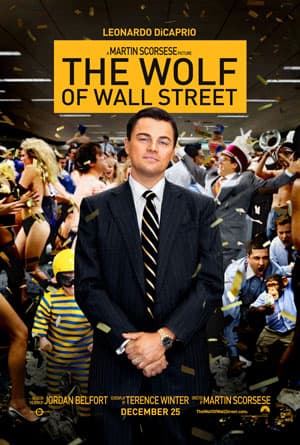
Three hours of pure excess that never once slow down: Scorsese was seventy-one years old, and it moves faster than films made by directors a third his age.
Sixteen years old, the lyrics done in half an hour, the title from a 1976 photo of George Brett.
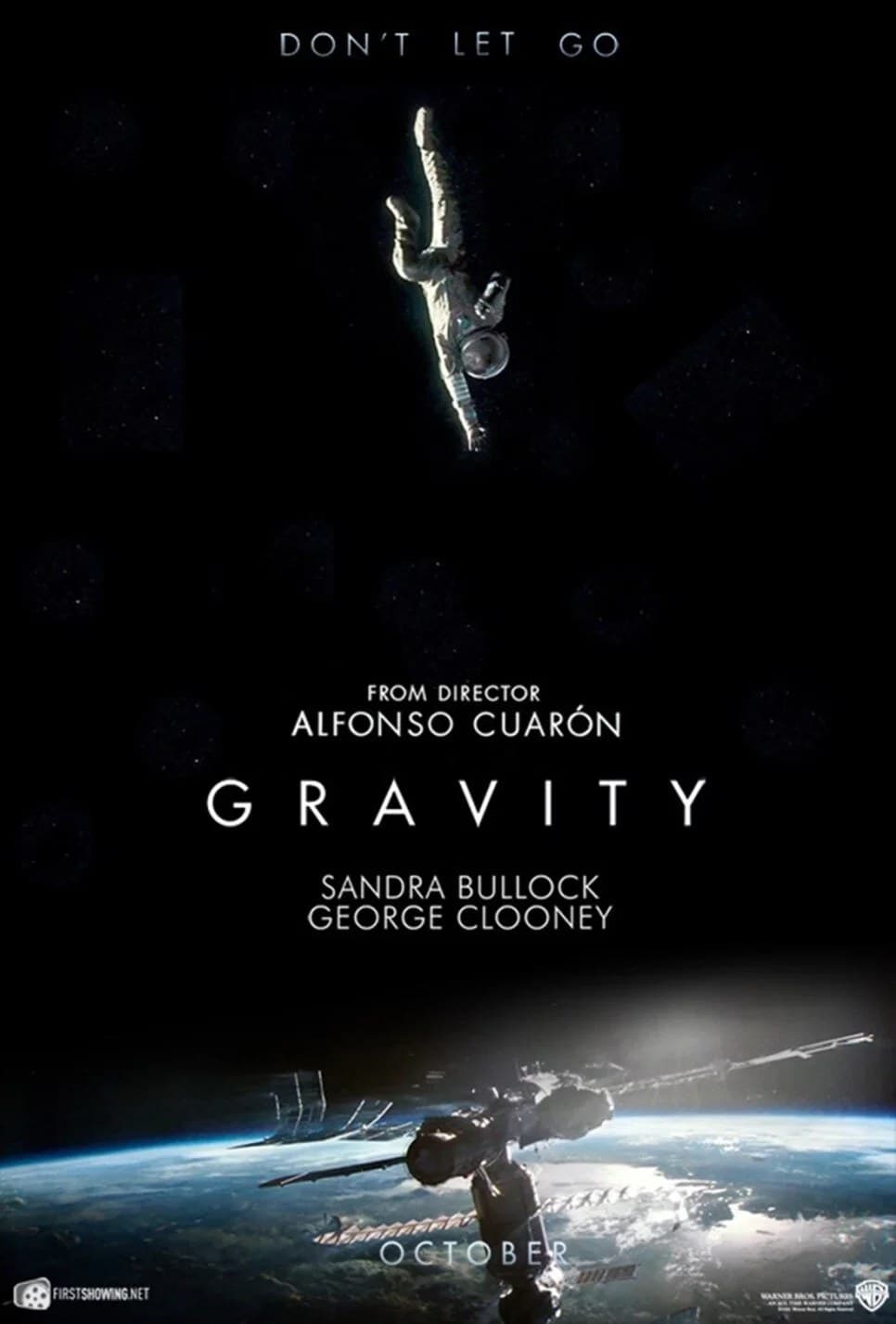
Nothing else has made space feel this physically dangerous: Cuaron opens on a shot running almost thirteen minutes, and ninety minutes later you notice you stopped breathing.
Detail's beat was called "Drunk" before Beyoncé heard it; she and Jay-Z freestyled their verses in Manhattan.
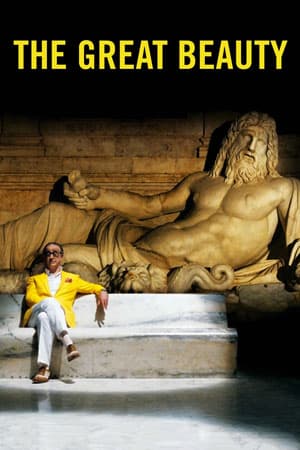
The closest anyone has come to remaking La Dolce Vita and surviving it: an aging Roman journalist drifts through parties and ruins, and the city has never looked better.
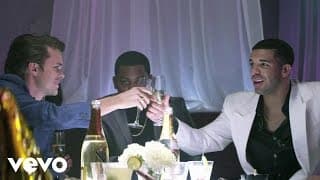
Drake wanted a record that weddings would still play in ten years, and Majid Jordan's synths delivered exactly that.
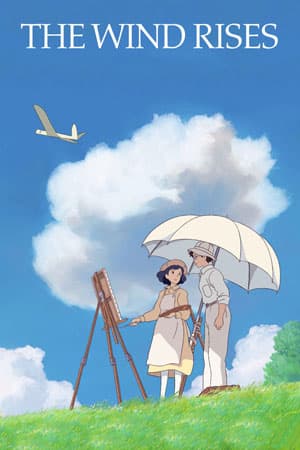
Miyazaki announced his retirement with it, a retirement he later took back: a young man designs beautiful aircraft that become weapons, and nothing about that is resolved.
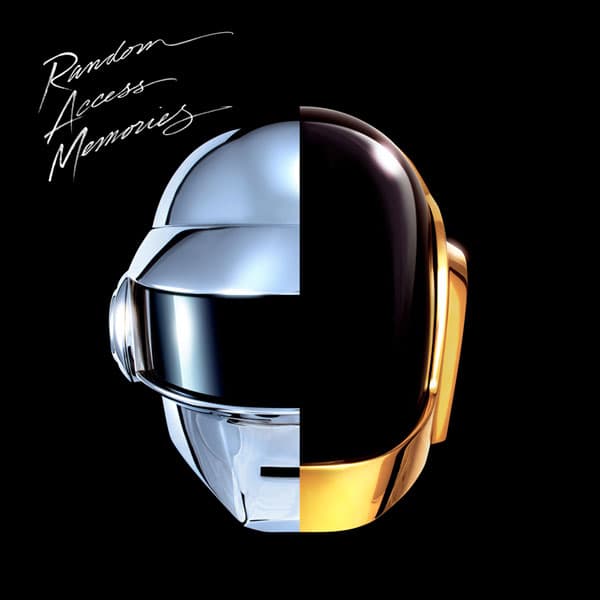
They put the drum machines away and hired session players who had made the records they grew up on. Giorgio Moroder narrates his own life.
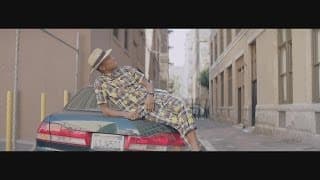
Written first for CeeLo Green, whose label passed, cut in Miami, and given pop's first 24-hour video.
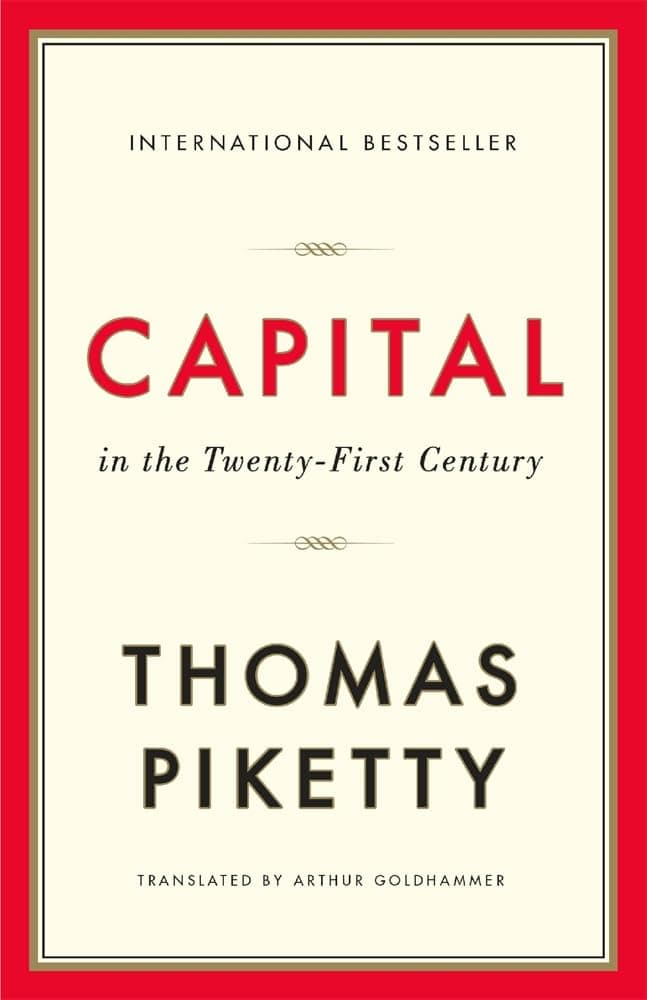
Piketty mined two centuries of tax records for the engine of inequality: capital grows faster than the economy, so fortunes pull away from wages. It made inequality the West's central political question.
Nina Simone's 1965 Strange Fruit against TNGHT's blaring horns, a breakup rendered enormous; platinum without ever being a single.
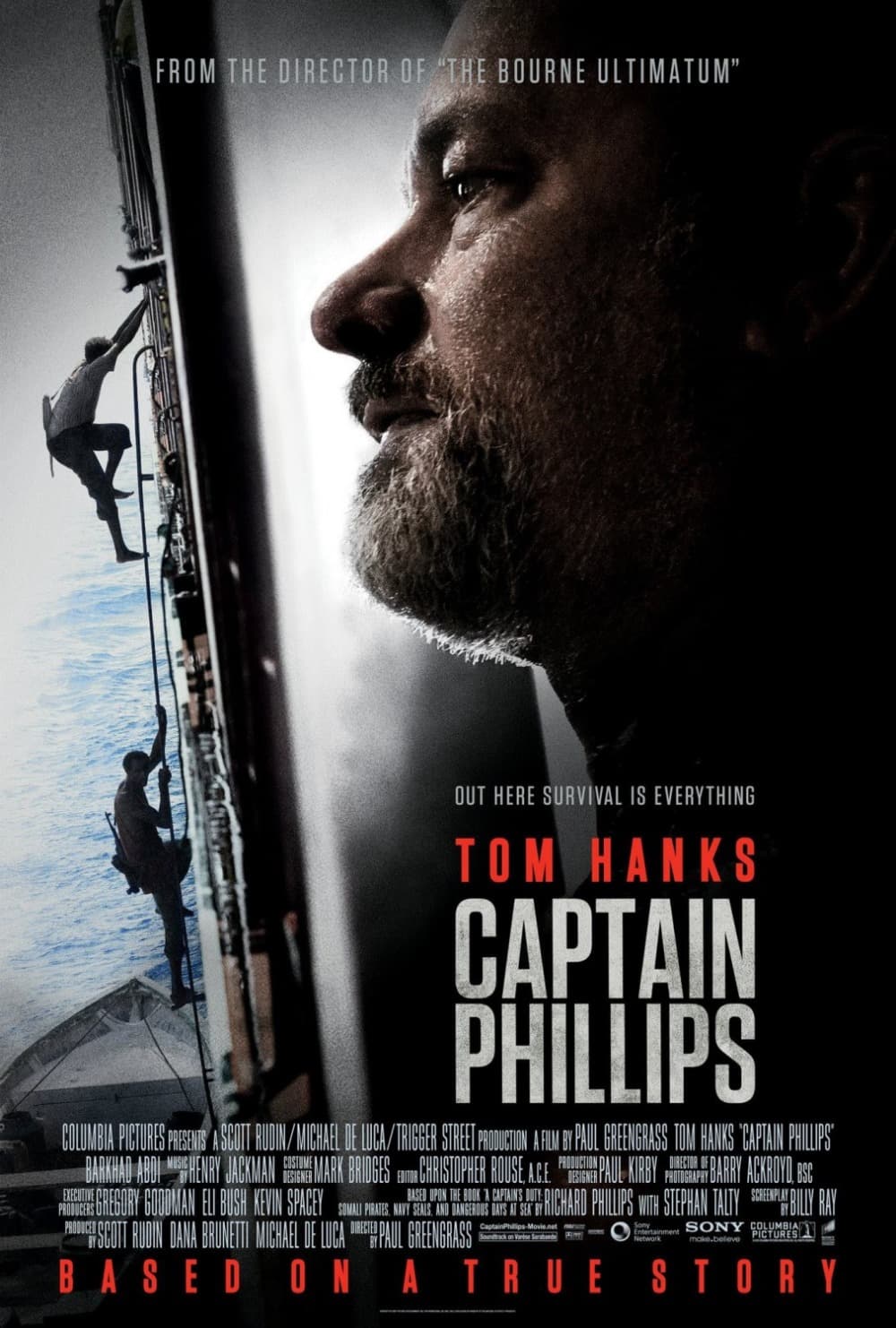
Barkhad Abdi had never acted and was cast out of a Minneapolis open call: he holds the screen against Tom Hanks through the last hour on a lifeboat off Somalia, and never blinks.
A wordless hum to open, then distortion flooding the chorus; lead single from the Mercury-winning Overgrown.
I did it for me. I liked it. I was good at it. And... I was... Really-I was alive.
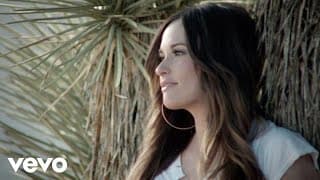
Musgraves wrote it with Brandy Clark and Shane McAnally, a shrug at conformity the CMAs voted Song of the Year.
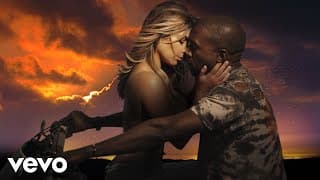
A Ponderosa Twins Plus One loop, Charlie Wilson singing the bridge, and Yeezus ending on chipmunk soul.
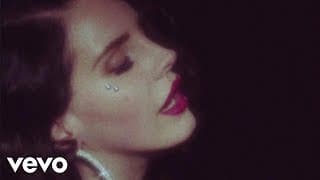
Six-times platinum for a soundtrack ballad: Rick Nowels producing, Craig Armstrong's strings, Del Rey singing Daisy Buchanan's doubt.
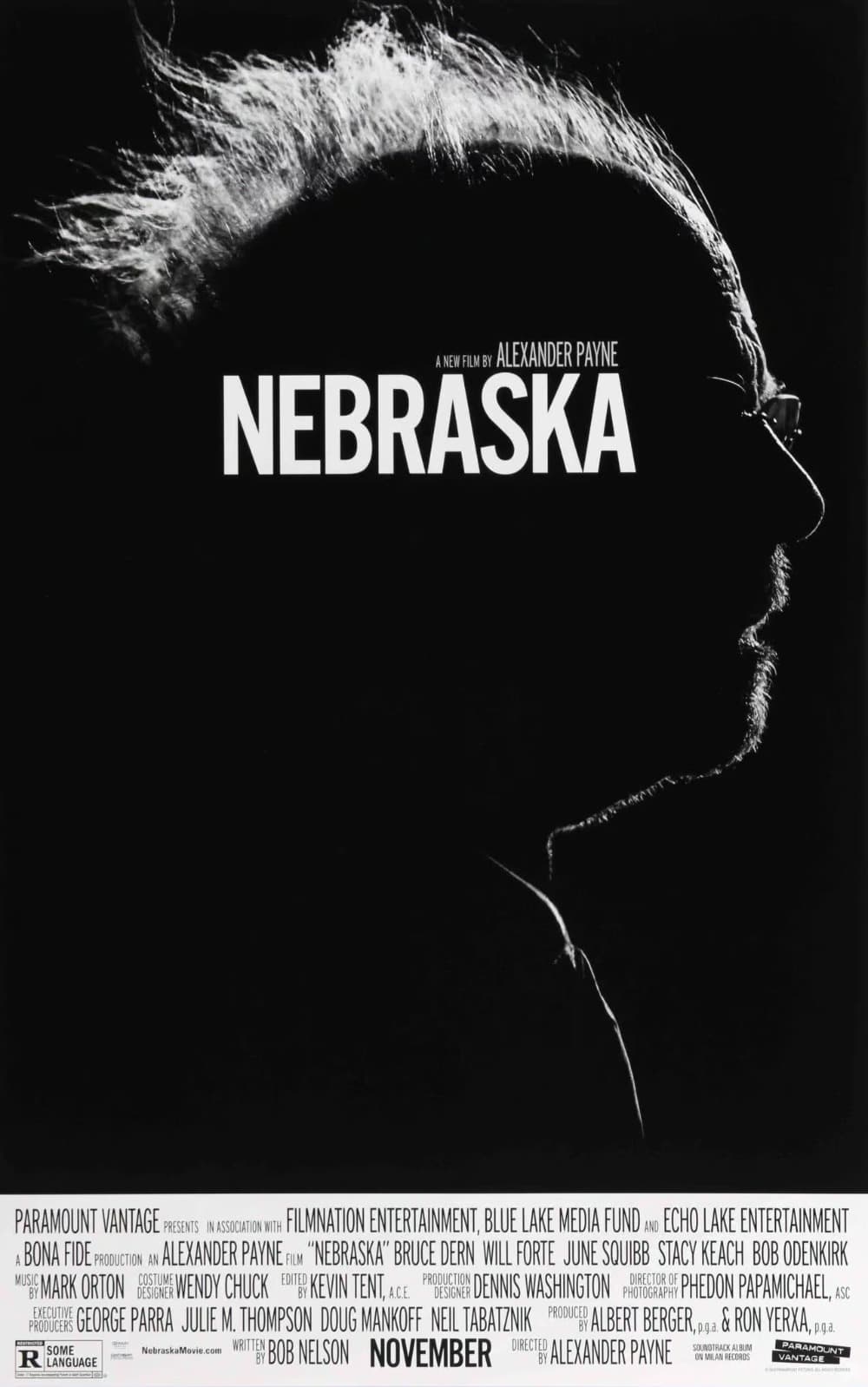
Payne wanted monochrome and the studio fought him over it: an old man believes a sweepstakes letter and sets off walking toward Nebraska, and his son drives him rather than argue.
Einziger's acoustic guitar over a house drop confused the crowd at Ultra in 2013, then it became Shazam's most-searched track.

One volume carries the whole human record from the first stone tools to the present, with the causes always in view: why civilizations rose where they did, and why each gave way.
A vocoder over a Strokes drawl: Casablancas welded two Daft Punk demos together and sang about a chance he missed.
Koenig named it for a Columbia classmate from his Buddhism class, and the final minute cracks wide open.
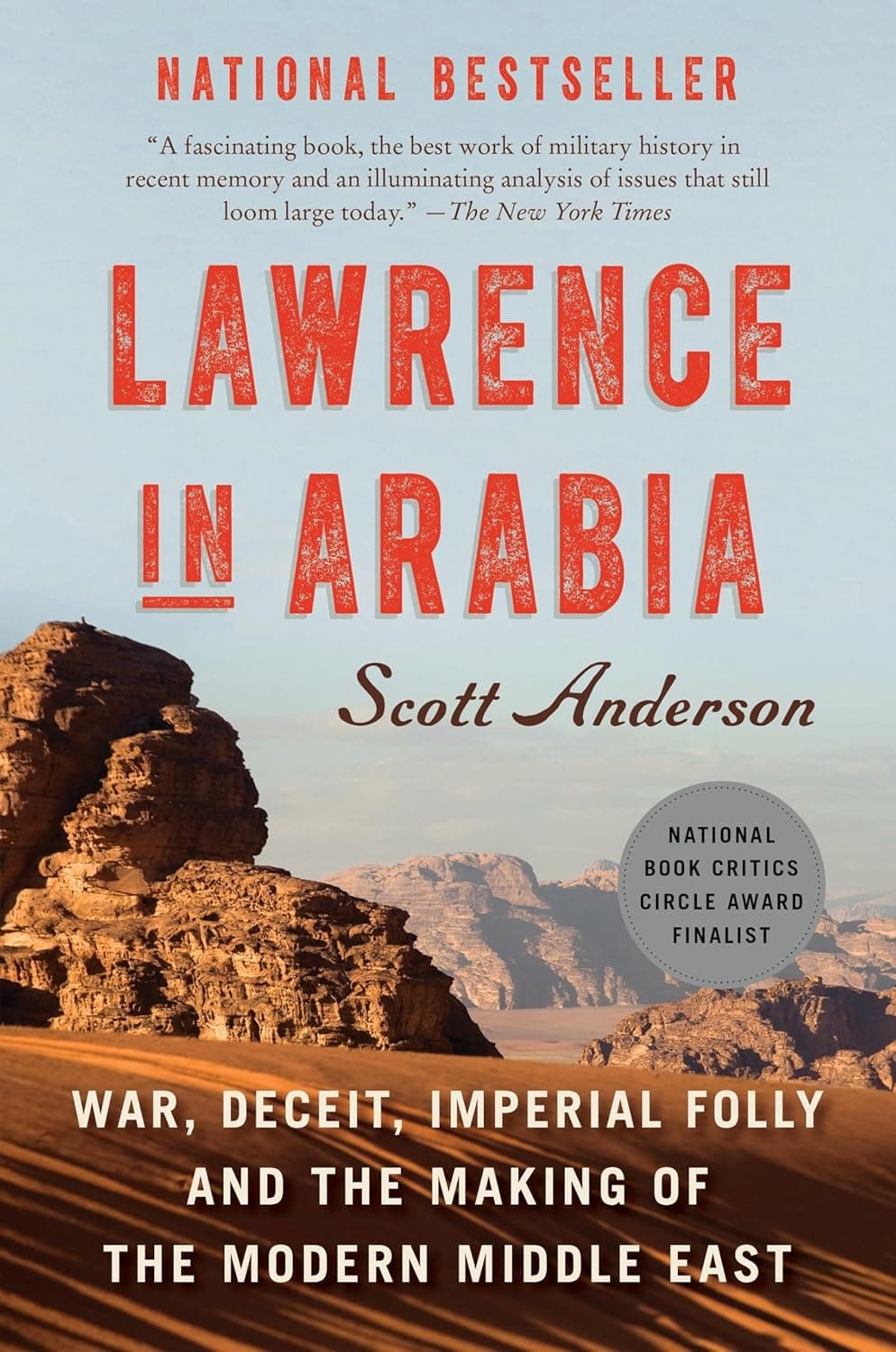
Four amateurs shaped the modern Middle East, Anderson argues, and the strangest was Lawrence, an Oxford archaeologist who led an Arab revolt knowing his government had already promised the land away.
Mike Zombie's beat samples a Bruno Sanfilippo ambient piano piece; the title came out of a Future studio session.

Packer follows a Youngstown factory worker, a North Carolina biodiesel man and a Washington lobbyist from 1978 to 2012, and shows the institutions that once held Americans in place giving way to money.

Kitchen by kitchen, Alexievich recorded Soviet citizens describing what the collapse did to them. They talk about lost savings and lost faith, and a bewildering grief for the country that jailed their parents.
Ludwig Goransson's synths under a hook everyone reads as romance; Glover insists it is really about fearing solitude.

Heaney's late poems turn from politics toward light and air. He writes his parents' deaths and his own stroke, and in "Postscript" an Atlantic wind off the Flaggy Shore blows the heart open.

Two sets of brothers make up the band around the singer, and his brother filmed a documentary about following them on tour.
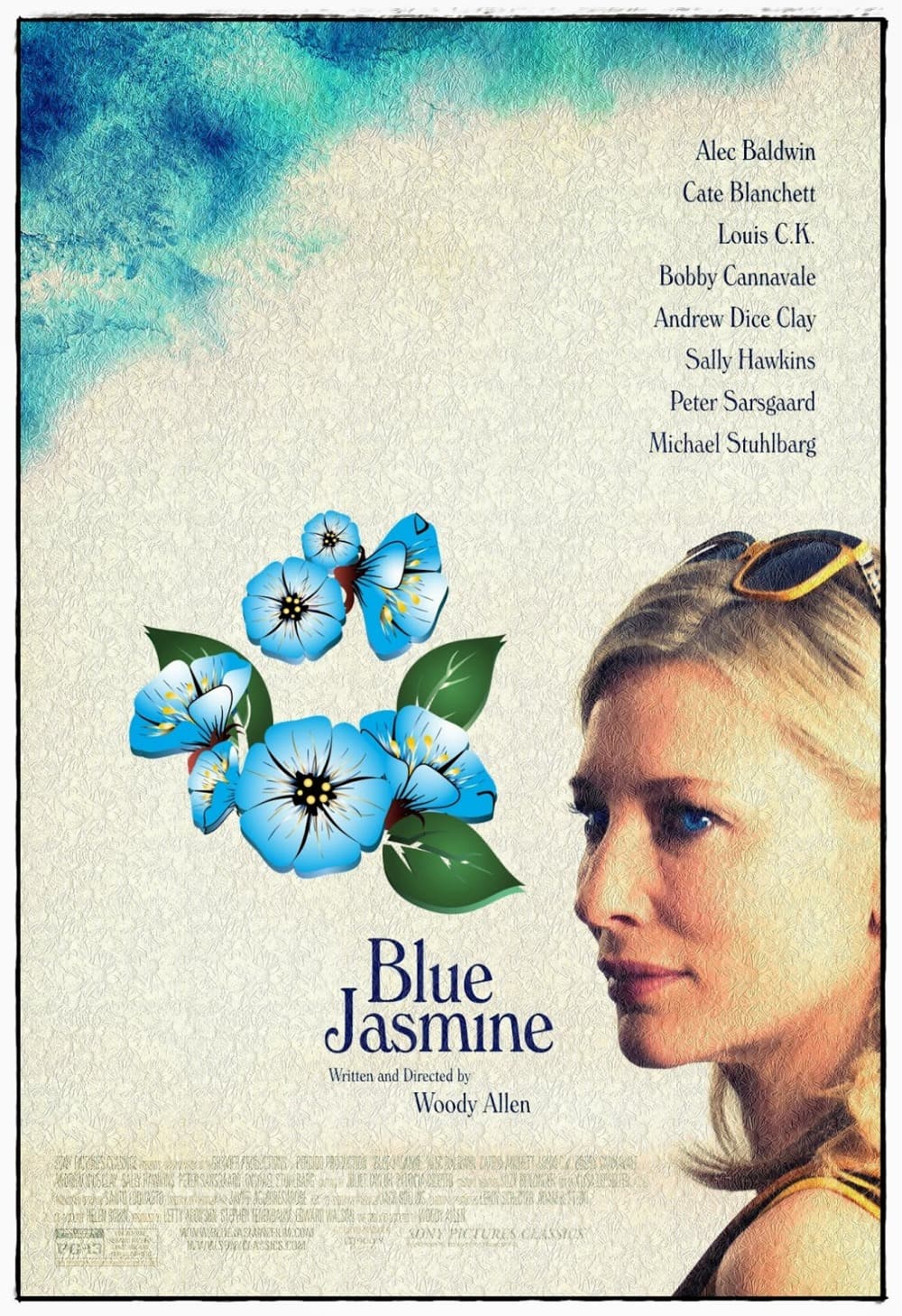
Cate Blanchett plays a Manhattan wife whose husband's fraud has taken everything, arriving in San Francisco with nothing but luggage and manner: Allen's harshest film, and she is unsparing in it.

Cut with Joel Little in a small Auckland studio, the beat built before a word, that "Yeah" doing everything.
Three sisters, one kiss-off, and Ariel Rechtshaid's production splitting the difference between Laurel Canyon soft rock and nineties R&B.