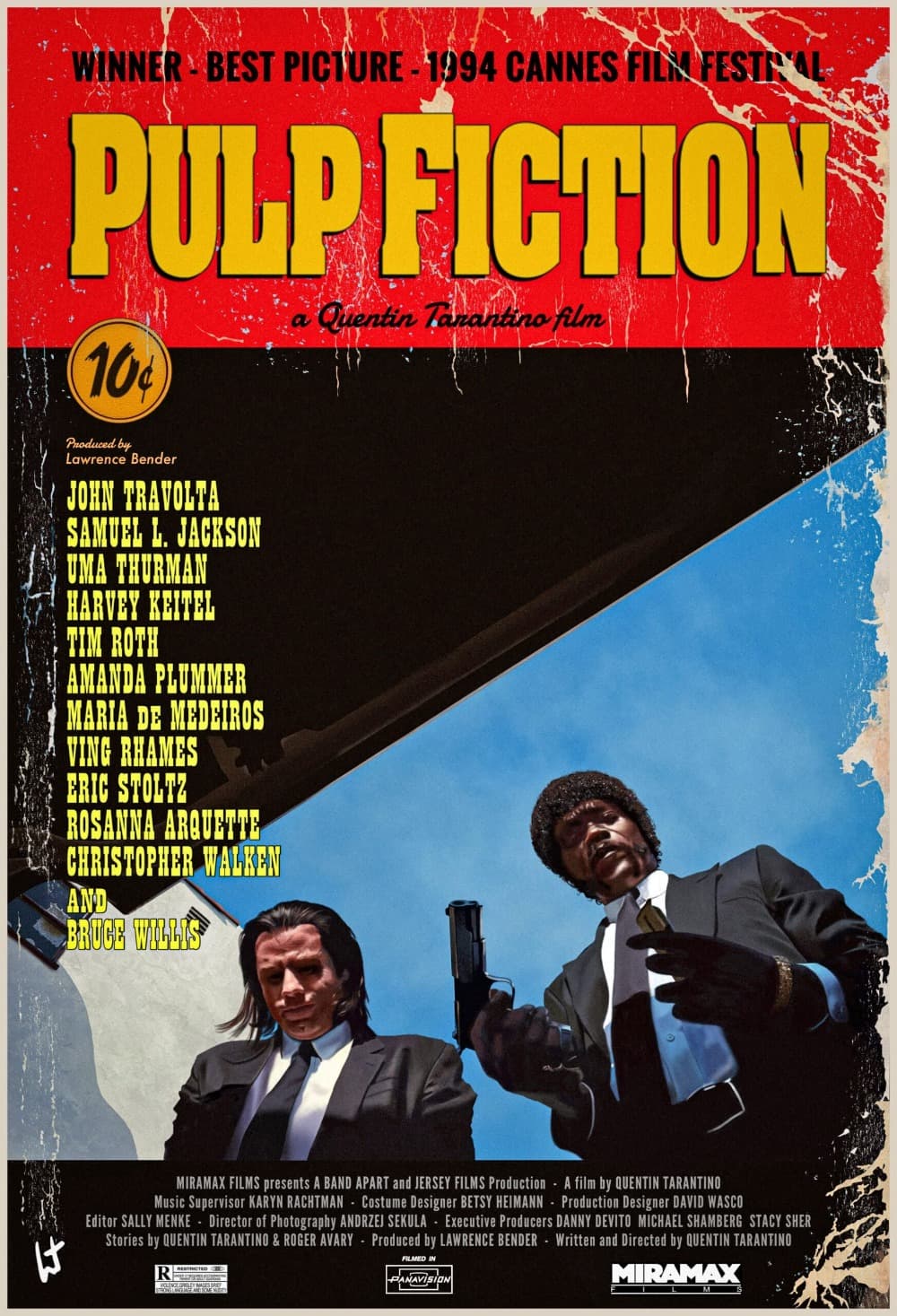
Pulp Fiction
Directed by Quentin Tarantino
1994
Young filmmakers were allowed to sound different after this one: Tarantino let two hitmen argue about hamburgers for ten minutes, and an entire decade of American cinema followed.
★ 9.5
 skopia
Young filmmakers were allowed to sound different after this one: Tarantino let two hitmen argue about hamburgers for ten minutes, and an entire decade of American cinema followed.
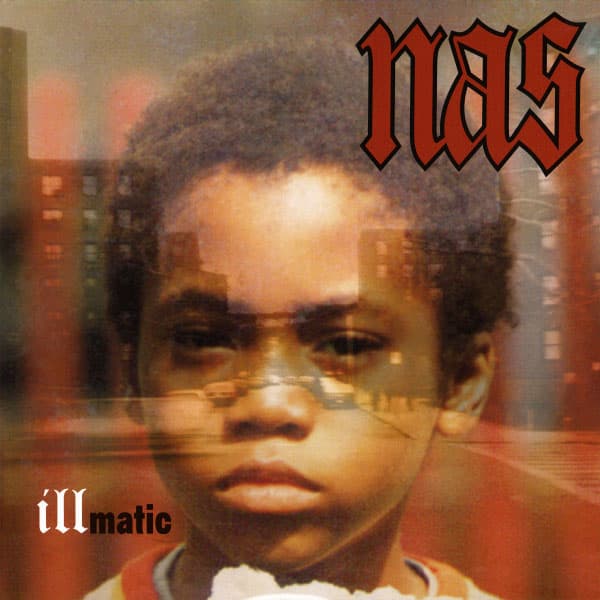
Ten tracks, under forty minutes, made by a twenty-year-old with the best producers in New York each giving him one beat.

The opening traces his life from the delivery room to prison in about three minutes. Puffy made him rewrite half of it for radio.
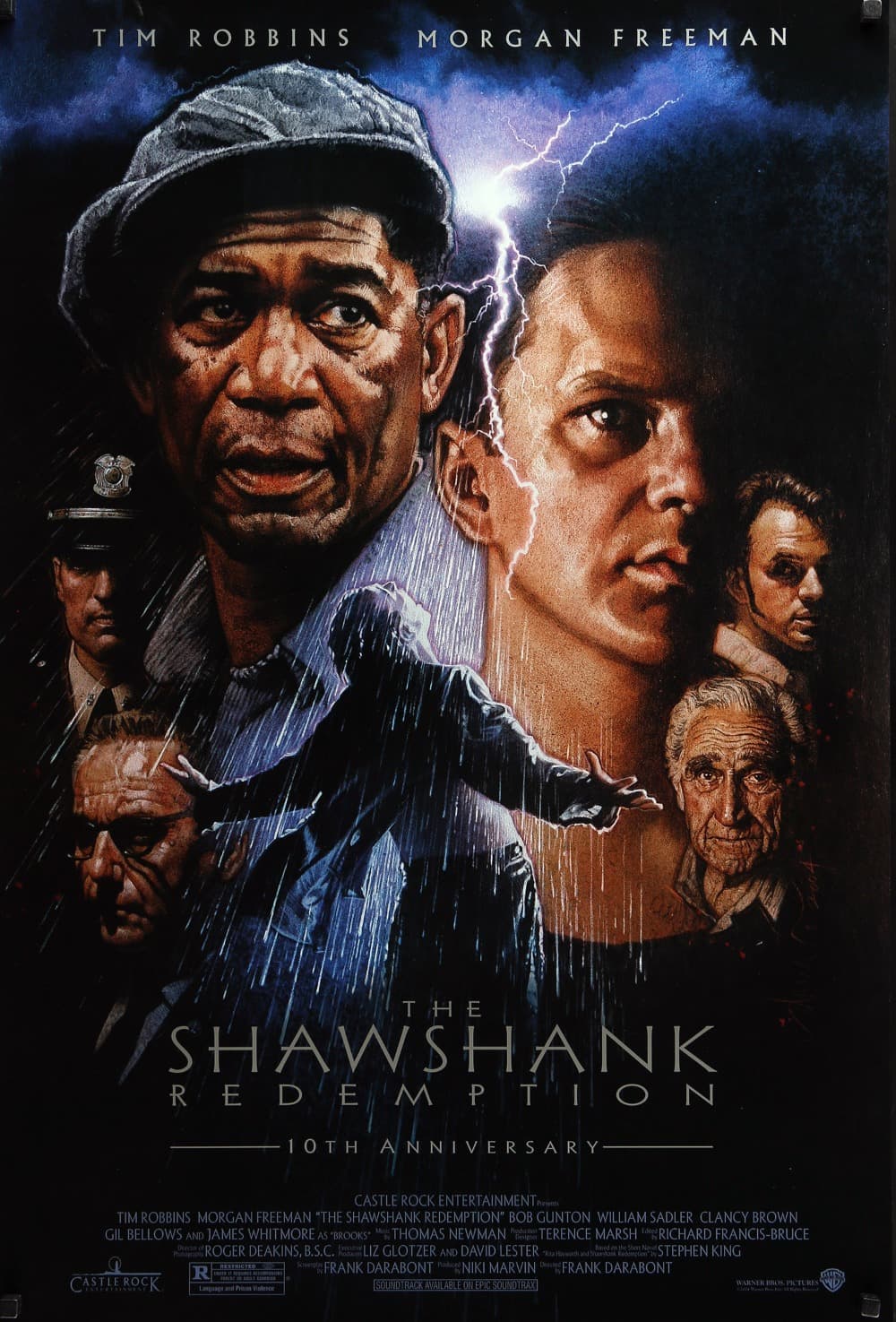
It lost money in cinemas and has sat at the top of IMDb's ranking since 2008: a prison friendship, told patiently, that pays off better than almost anything.
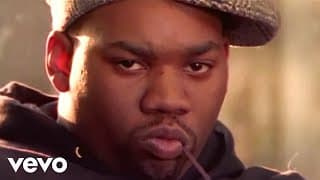
RZA looped a lonely piano figure from the Charmels, and Inspectah Deck's second verse became hip hop scripture.
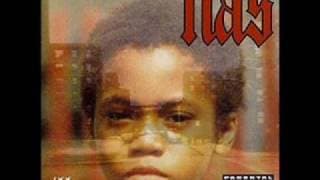
Premier built the beat on the spot; Nas nailed verse one in a take, muttering doubt into the intro.
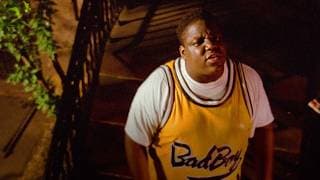
Poke and Combs looped Mtume's Juicy Fruit, and Wallace told the rags to riches story that hip hop kept retelling.
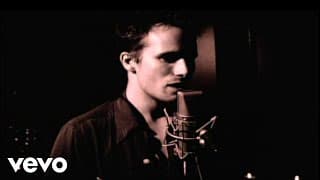
Buckley learned it from John Cale's version and cut over twenty takes at Bearsville; the edit sounds like one breath.
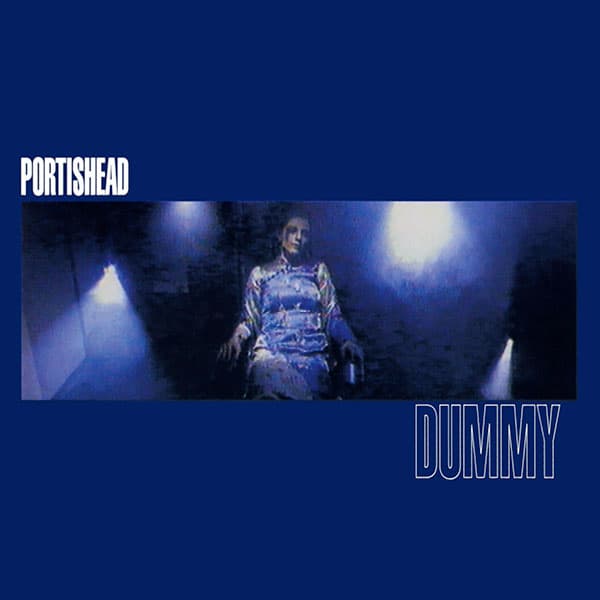
They recorded their own samples, pressed them onto vinyl, and scratched the records up so the finished album would crackle like something older.
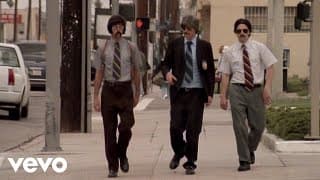
Yauch's bass line started it, Ad-Rock turned a joke about their producer into a scream, and Jonze filmed the rest.
Ahmad Jamal's piano figure, a hook Pete Rock sang himself, and the most hopeful stretch of Illmatic.
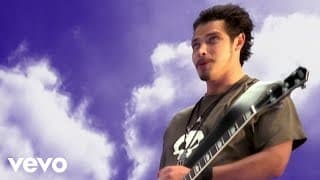
A Leslie speaker gives the guitars their swirl, and Cornell built the title from a misheard news broadcast.
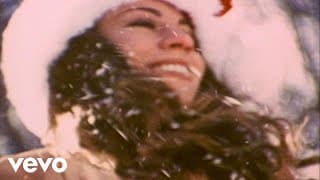
Carey and Afanasieff wrote it fast in 1994 from Spector chords, and it reached number one twenty-five years later.

Armstrong rewrote it around his undiagnosed panic attacks, cut it at Fantasy Studios, and sold punk to the suburbs.
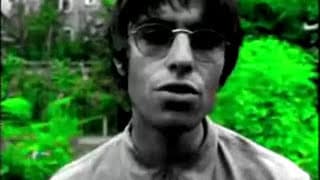
Gallagher wrote it in 1991, before Oasis had a record deal, pitching plain optimism against everything grunge was selling.
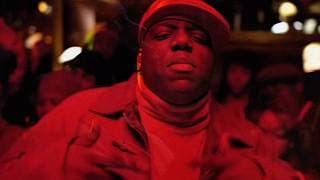
Chucky Thompson built it on the Isley Brothers' Between the Sheets, and Biggie made charm sound entirely effortless.
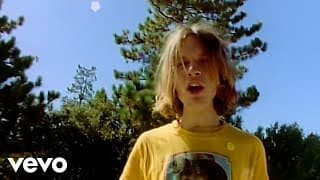
Six and a half hours in Stephenson's house, a slide guitar loop, and a hook mocking Beck's own rapping.