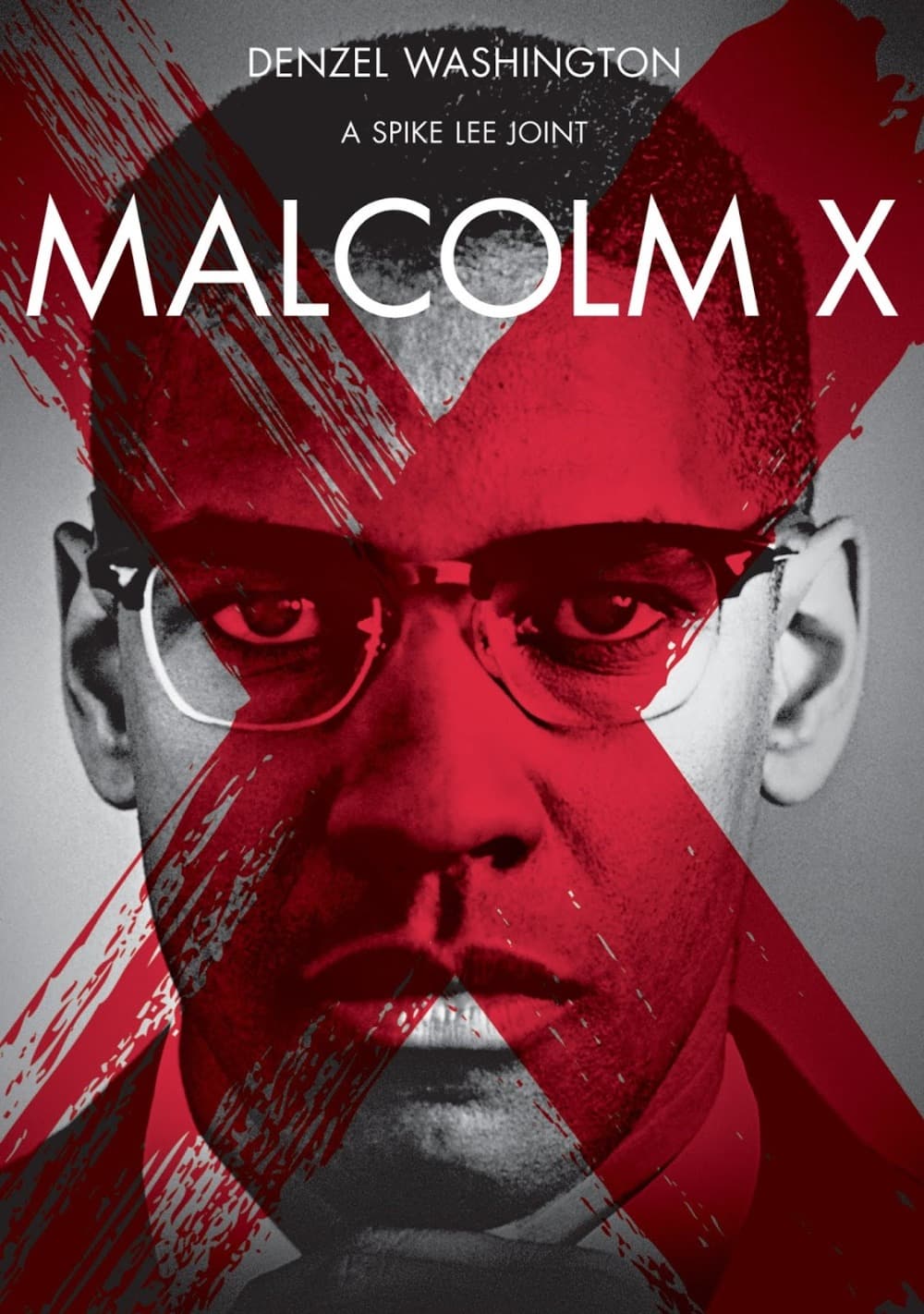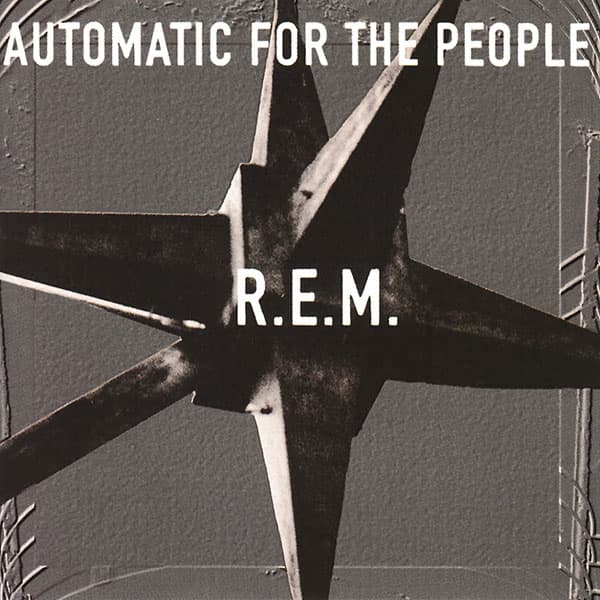
Automatic for the People
1992
They set out to make a loud record and ended up with a quiet one. John Paul Jones of Led Zeppelin wrote the string parts.
★ 8.9
 skopia
They set out to make a loud record and ended up with a quiet one. John Paul Jones of Led Zeppelin wrote the string parts.

Dre built G-funk on a Leon Haywood sample, handed Snoop the mic, and gangsta rap reached number two.
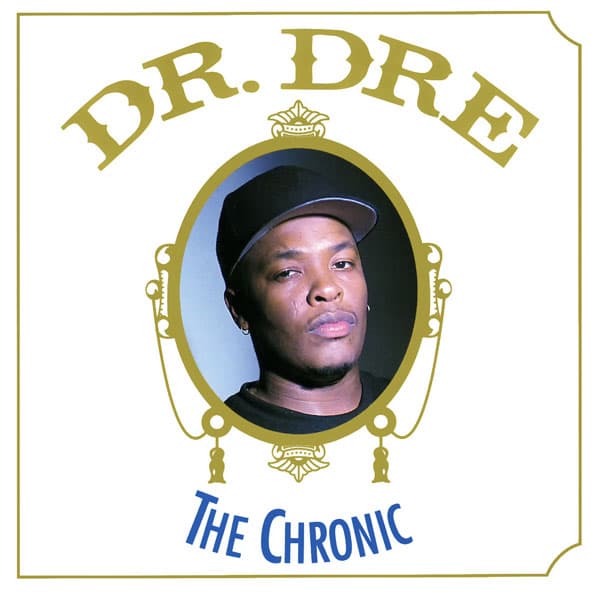
Dre had session players replay the funk records rather than sample them, which sidestepped clearance and made everything sound warmer and slower.
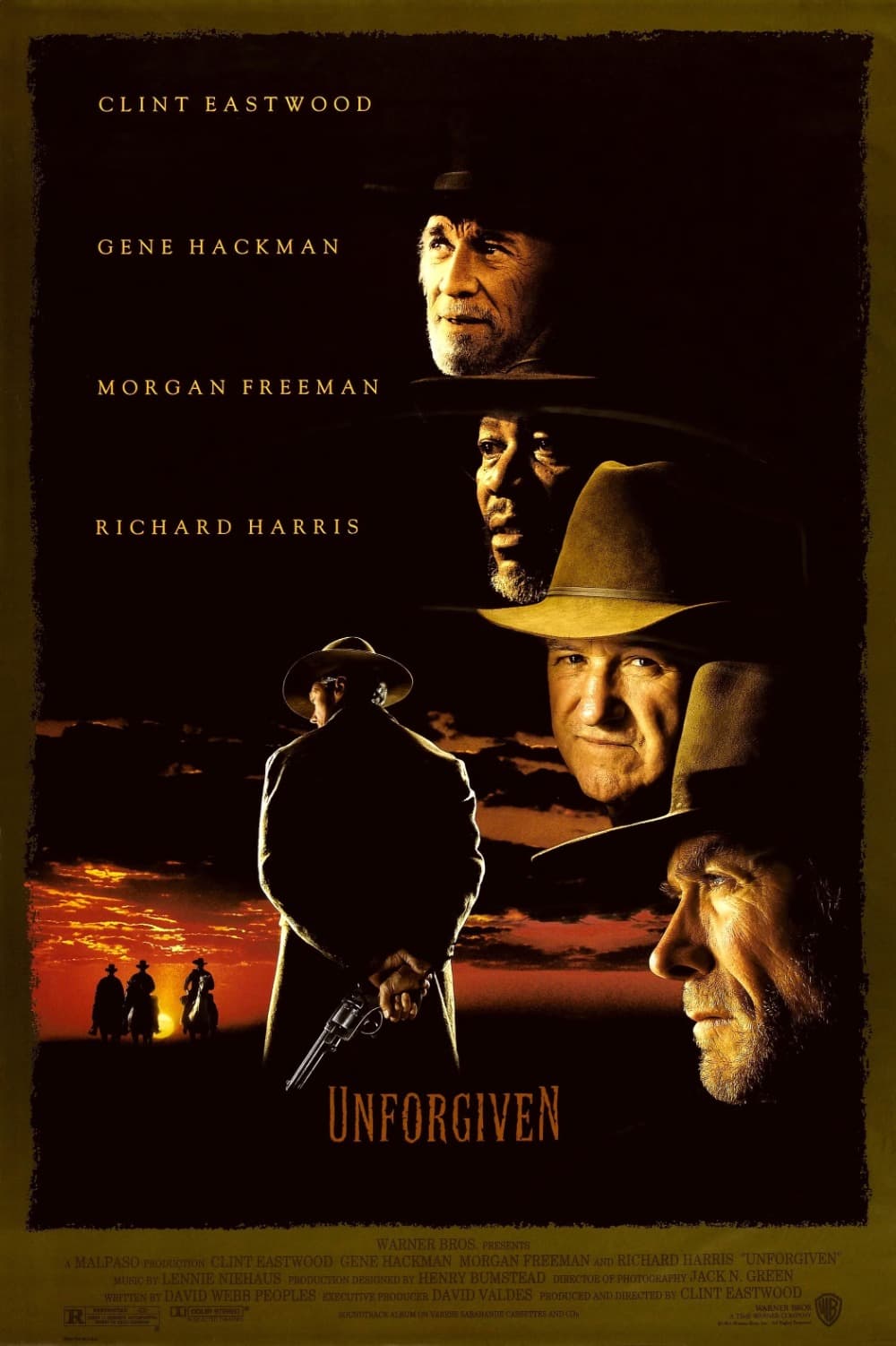
Eastwood spent thirty years building the myth this film takes apart: no western has been harder on the pleasure of violence, or on the men who deal it out.
Pete Rock looped a Tom Scott saxophone line, and CL Smooth's eulogy for a lost friend still aches.
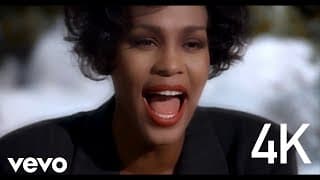
Parton wrote it to leave Porter Wagoner; Houston opened a cappella and held the Hot 100 for fourteen weeks.
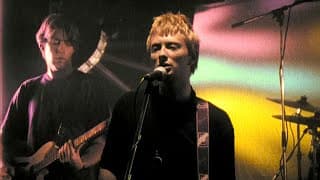
Greenwood meant those three dead notes before the chorus to wreck the song, and they are what makes it work.
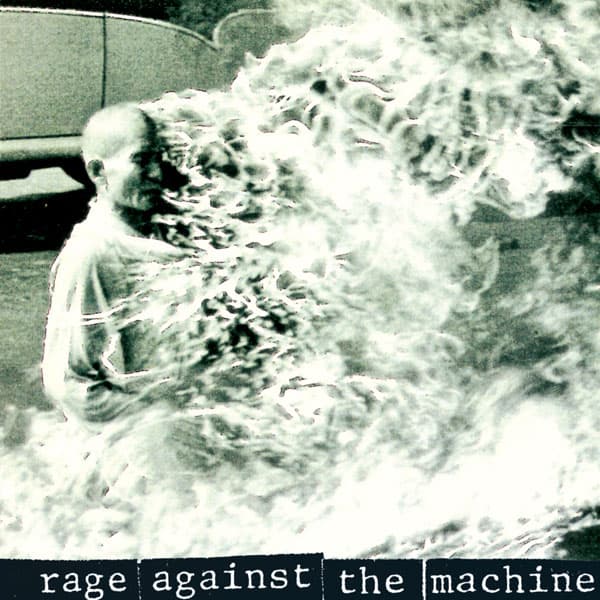
The sleeve insists there are no samples or keyboards anywhere. Every strange noise is Tom Morello working the pickup switch and scraping the strings.
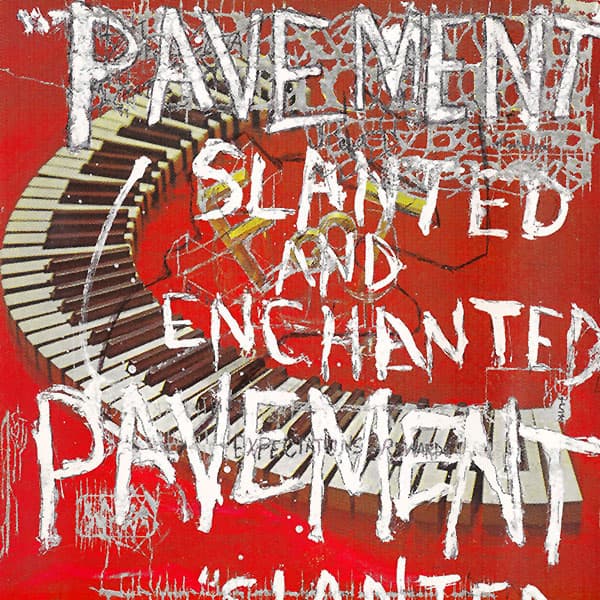
Recorded for about eight hundred dollars in the drummer's garage in Stockton. He later took to greeting the audience with handstands.
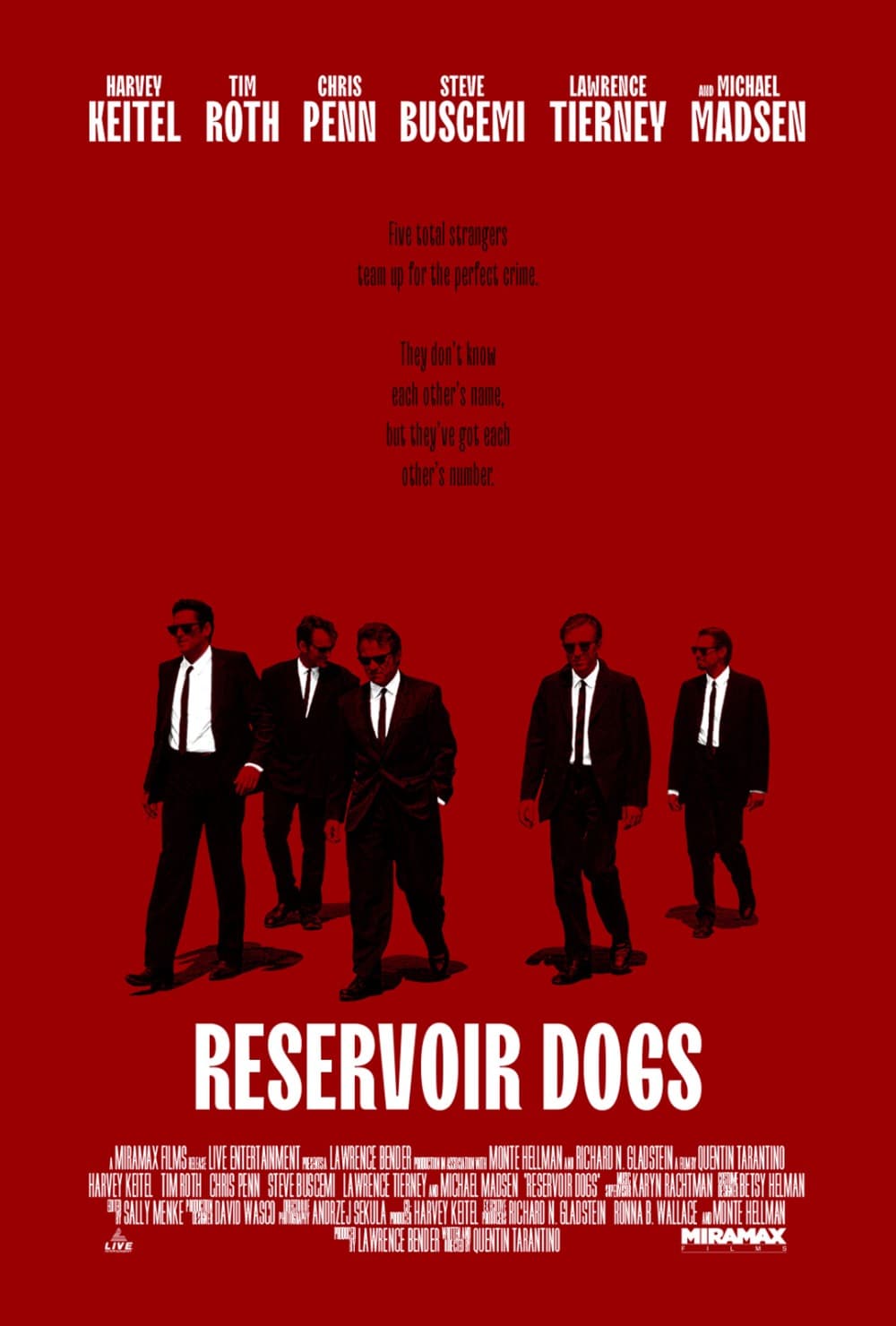
Tarantino arrived fully formed with a heist film that never shows the heist: everyone is in a warehouse afterward, suspecting everyone else and talking far too much.
Berry's chords, Buck's arrangement, and lyrics Stipe wrote at the last minute about Andy Kaufman, Elvis impression included.
Four snare hits, then two amps facing each other with tremolos fighting, sampled and reversed into shoegaze's founding roar.
Mills cut the piano at Criteria on the instrument heard on "Layla," and John Paul Jones arranged the strings.
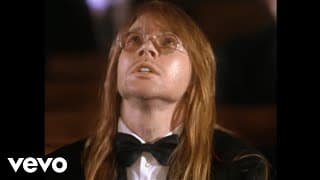
Slash's solo grew from an improvisation, Rose had chased the song since 1986, and nine minutes went top three.
Butler built it from an Art Blakey bassline in his father's jazz records, three voices making cool sound effortless.
Berry wrote most of it over a drum machine, John Paul Jones scored the strings, and the words target teenagers.
Cantrell wrote it for the Singles soundtrack while grieving Andrew Wood; Starr's bass line and two voices doing the mourning.

A twelve-string bass figure from Ament, a Texas newspaper item in Vedder's hands, and four VMAs in 1993.
Tinnitus from the Ragged Glory tour pushed Young back to acoustic guitars, and Ronstadt shadows him line for line.

Sixteen years old and landless, John Grady Cole rides into Mexico in 1949 and finds work breaking horses on a great hacienda. McCarthy writes horses and hard country better than any American novelist.
Smith left the vari-speed engaged at mixdown, so the released version sits a quarter-tone sharp and grins anyway.
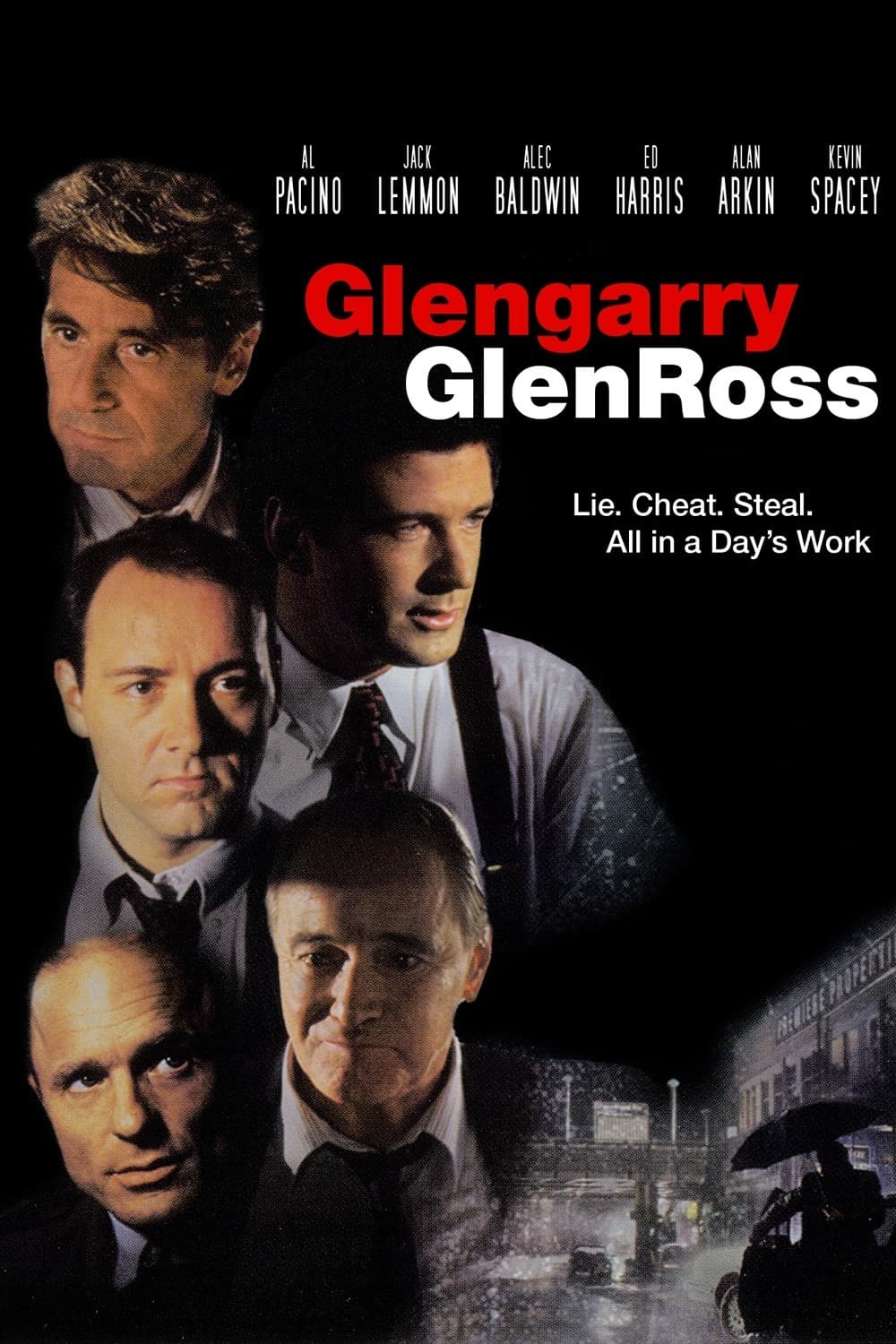
The best-acted film about work ever made: Mamet's salesmen speak in a rhythm nobody actually uses, and an ensemble of stars took deep pay cuts for the chance to say the lines.
A Mothership Connection sample, RBX writing Dre's verses, and the Grammy win that turned it into a hit.
Prince Markie Dee and Cory Rooney sped up Audio Two's "Top Billin'", and hip hop soul had its template.
Cypress Hill could not write to Muggs's beat and Ice Cube passed on it; it reached number three anyway.

At Mann Gulch in 1949 a wildfire turned uphill and killed twelve smokejumpers and a fire guard in minutes. Maclean, past seventy, walked that Montana slope for years to learn what happened.
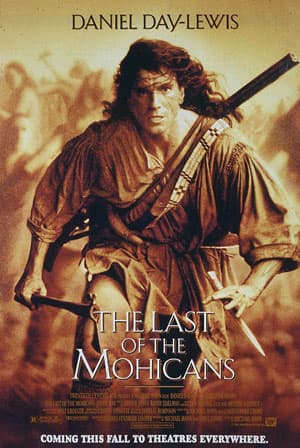
Michael Mann's most romantic film ends with twelve near-wordless minutes carried entirely by the score: Daniel Day-Lewis learned to live off the land for it, and the frontier looks genuinely unmapped.
One Korg M1 preset, stripped to vocal and kick, and Beyonce was still borrowing that organ in 2022.
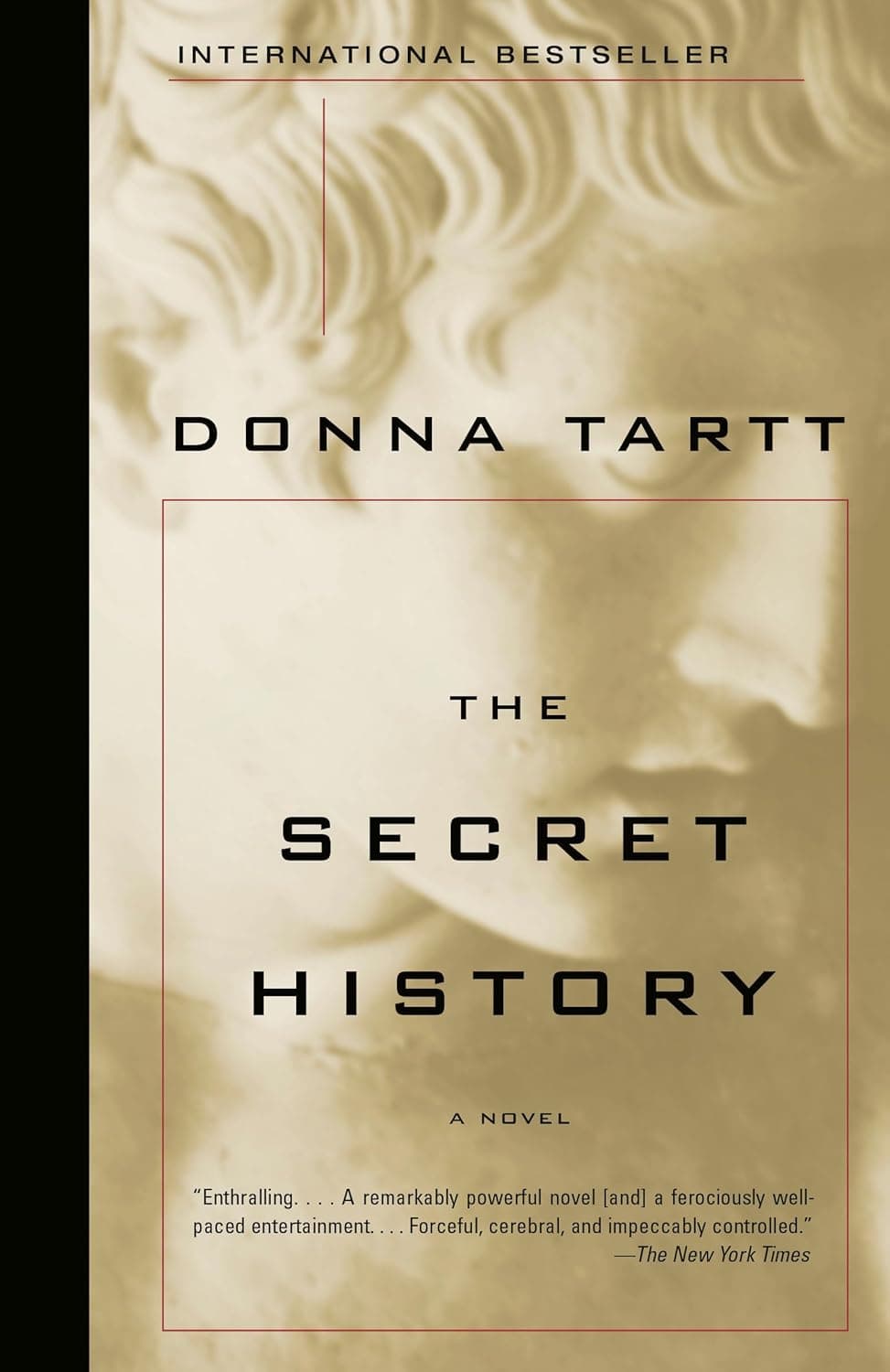
At a Vermont college a transfer student joins five classics majors and their charismatic tutor, then learns their rite to Dionysus left a farmer dead. Dark academia has been rewriting it since.

A woman returns from her honeymoon, goes to the bathroom, and shoots herself while the family eats lunch. Marías gives the story to her nephew, an interpreter afraid to know.