
Blue Monday
1983
A die-cut sleeve modelled on a floppy disk, an Oberheim drum machine, and the best-selling twelve-inch single ever pressed.
★ 8.4
 skopia
A die-cut sleeve modelled on a floppy disk, an Oberheim drum machine, and the best-selling twelve-inch single ever pressed.

Sting woke at Fleming's Goldeneye with the melody; Summers cut that arpeggio in one take and made surveillance sound tender.
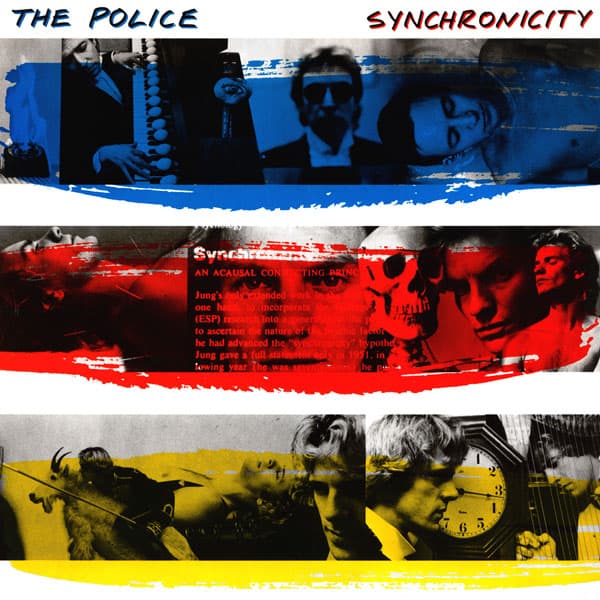
The three of them recorded in separate rooms because they could no longer stand each other, and then made the biggest album of the year.

Recorded on a secondhand eight-track in a Chalk Farm attic, and an American number one by September.

Marr stacked roughly fifteen guitar tracks and dropped a knife on the strings; Morrissey lifted a line from Sleuth.

Robert Hazard wrote it in 1979 from a man's point of view, and Lauper flipped it into female solidarity.

Nile Rodgers on rhythm guitar, an unknown Stevie Ray Vaughan on lead, and Bowie's biggest-selling single by a distance.
An Oberheim drum machine, a few scratches, and two voices. Everything before it suddenly sounded old school.

Mullen's marching snare was cut at the foot of a Windmill Lane stairwell, and Bono insisted it was no rebel song.
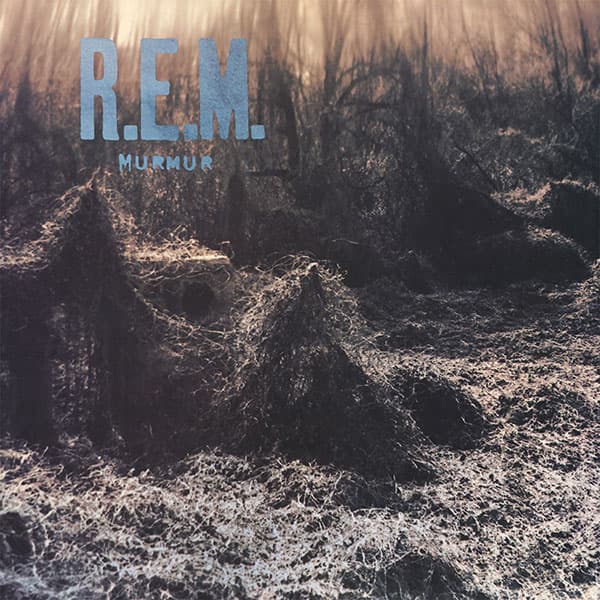
Stipe's words are deliberately buried in the mix, and nobody could work them out. Rolling Stone still named it album of the year over Thriller.
Doug Wimbish replayed Liquid Liquid's Cavern bassline, Melle Mel wrote the warning, and Flash's name went on the label anyway.

Frantz came home from a Parliament-Funkadelic show chanting it, and Byrne built the band's only American top ten.
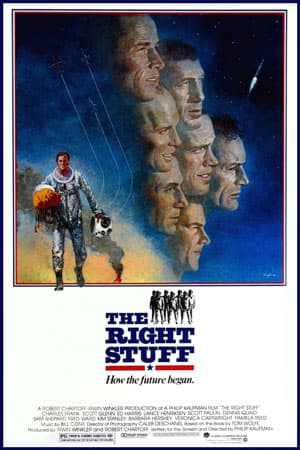
It answers the only question that matters about the space race, which is why anyone would climb in: test pilots, astronauts, and the real Chuck Yeager tending bar in a cameo.
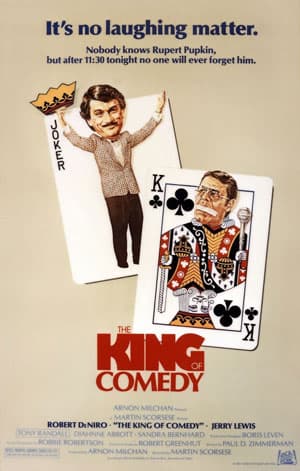
It flopped and now looks like prophecy: De Niro plays a man who believes fame is owed to him, and Scorsese refuses to let you laugh comfortably.
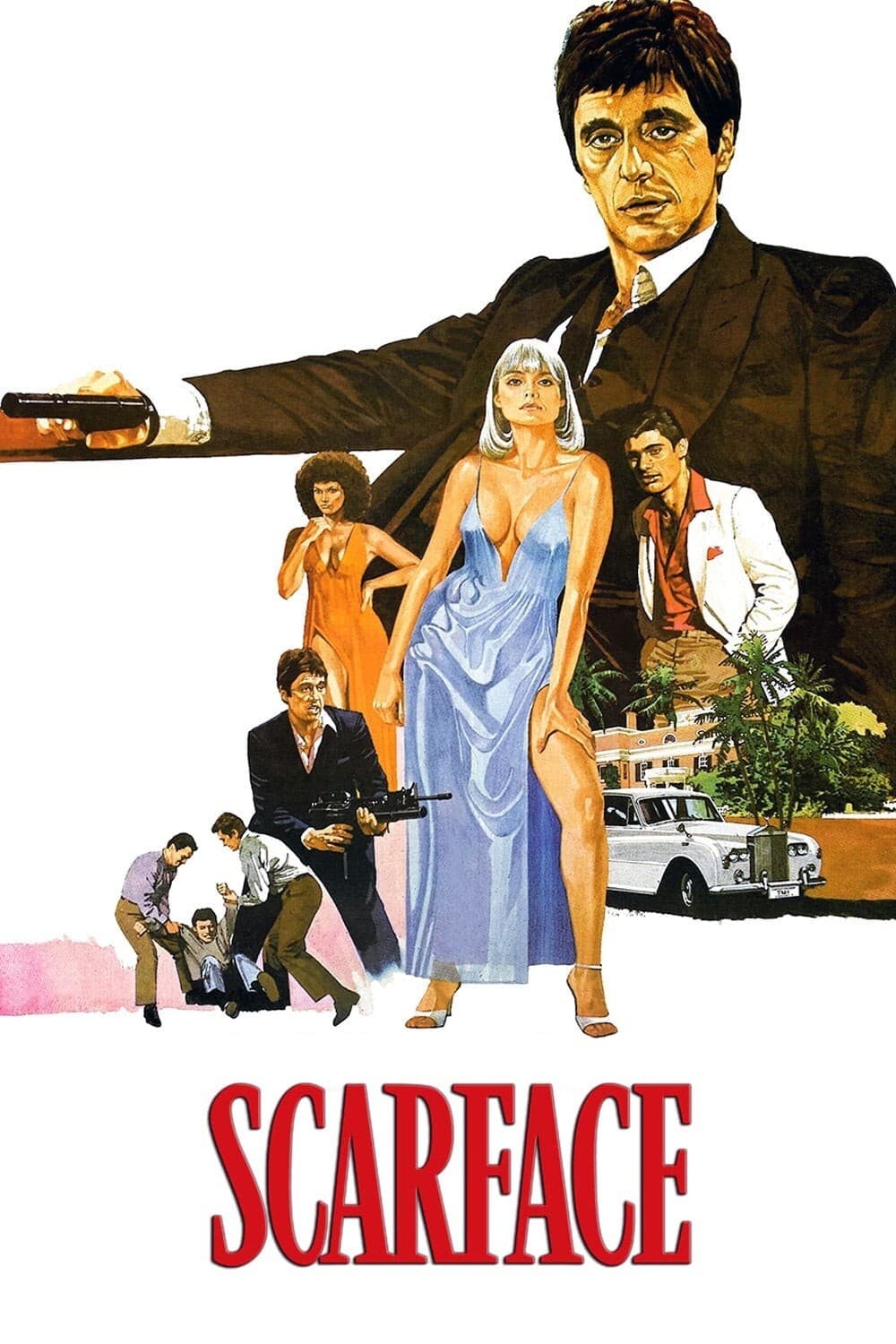
No film has been quoted by more rappers: De Palma and Stone made a Miami cocaine epic so excessive that it turned into a genuine American myth.

Busking outside a Milwaukee theatre got them discovered by the Pretenders, and Gano's riff has been filling dancefloors ever since.