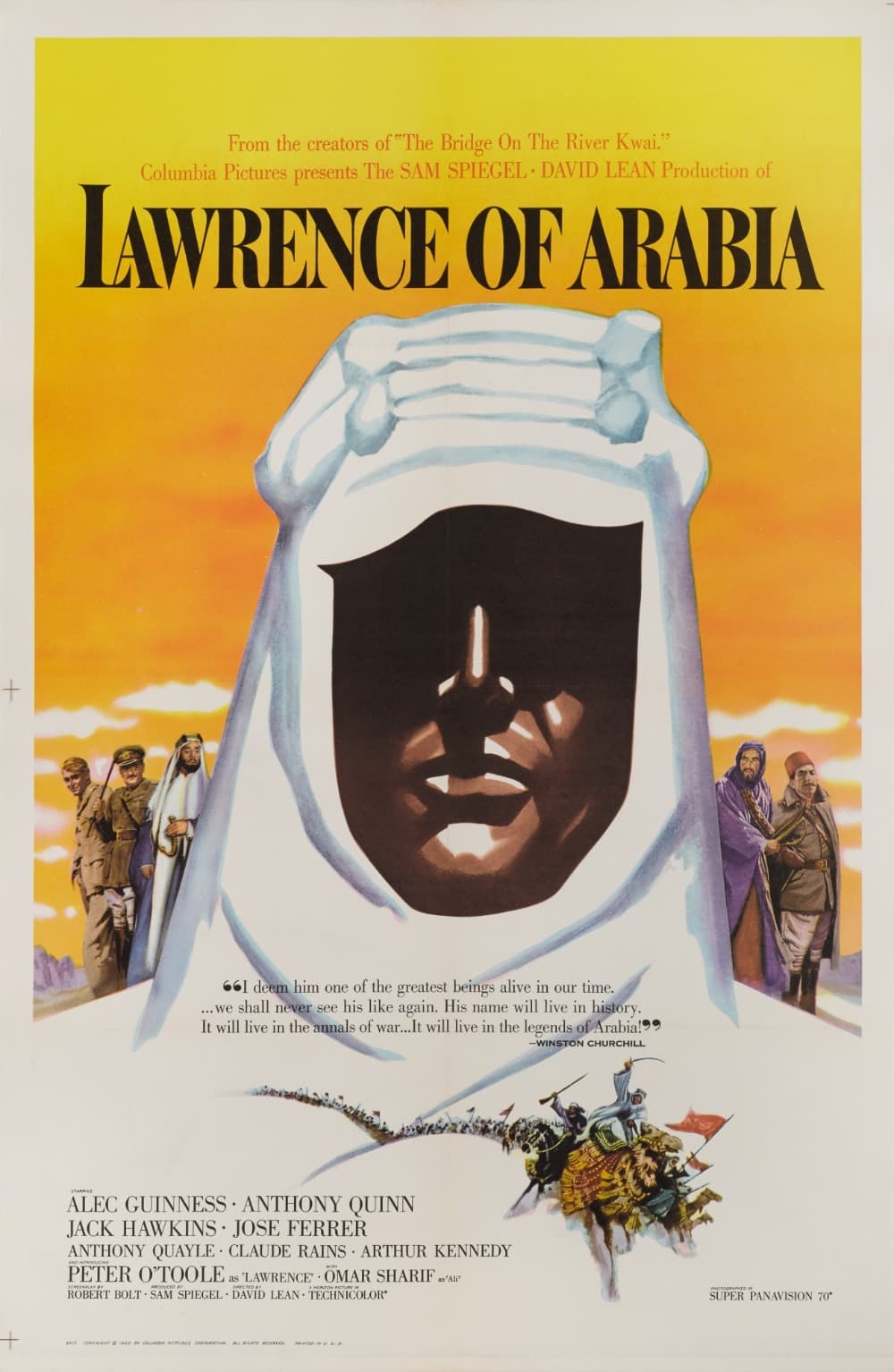
Lawrence of Arabia
There is no better argument for seeing a film on the largest screen you can find: Lean's desert swallows the frame, and a British officer dissolves inside it over nearly four hours.

There is no better argument for seeing a film on the largest screen you can find: Lean's desert swallows the frame, and a British officer dissolves inside it over nearly four hours.
Willie Nelson wrote it; Cline, back after a car wreck bruised her ribs, nailed the vocal in one take.

Thirty-two canvases, one for every variety Campbell's then sold, hung in a row like stock on a supermarket shelf.

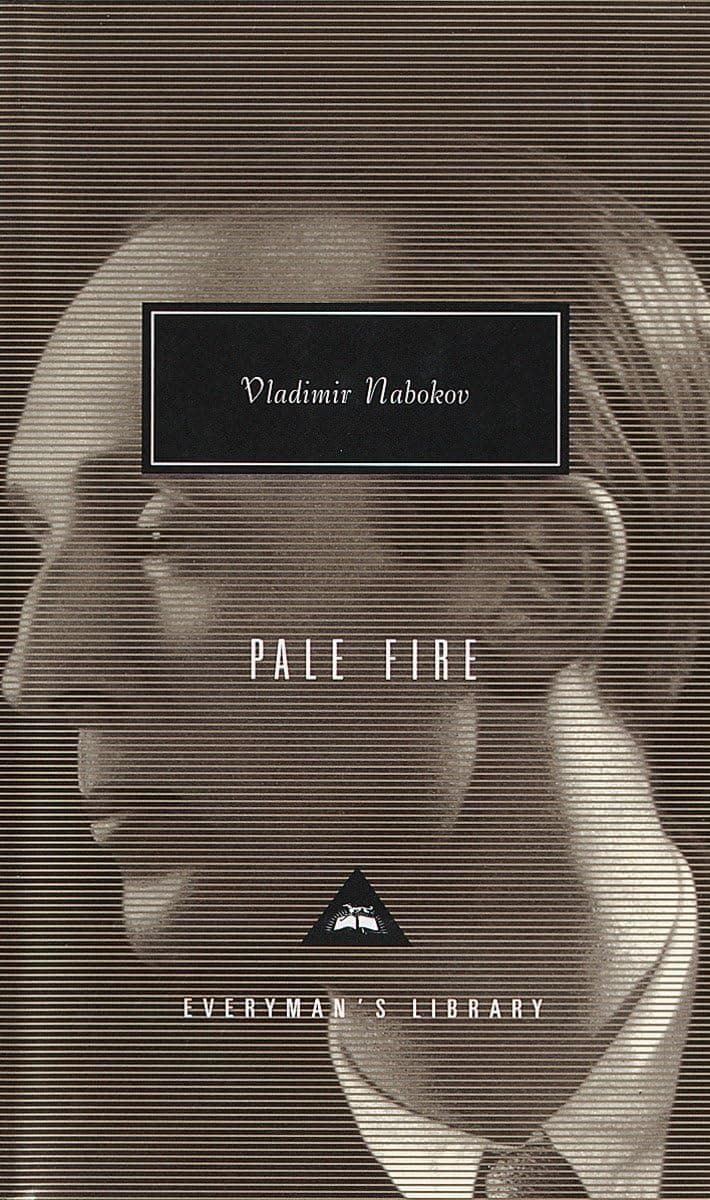
A dead poet's 999 lines arrive wrapped in footnotes by a neighbor certain the poem is about his own lost northern kingdom. The ingenuity is total and the grief underneath is real.

Science does not creep forward by adding facts, Kuhn argues. It works inside one framework until the anomalies pile up and the whole picture flips. Paradigm shift is his phrase and his idea.

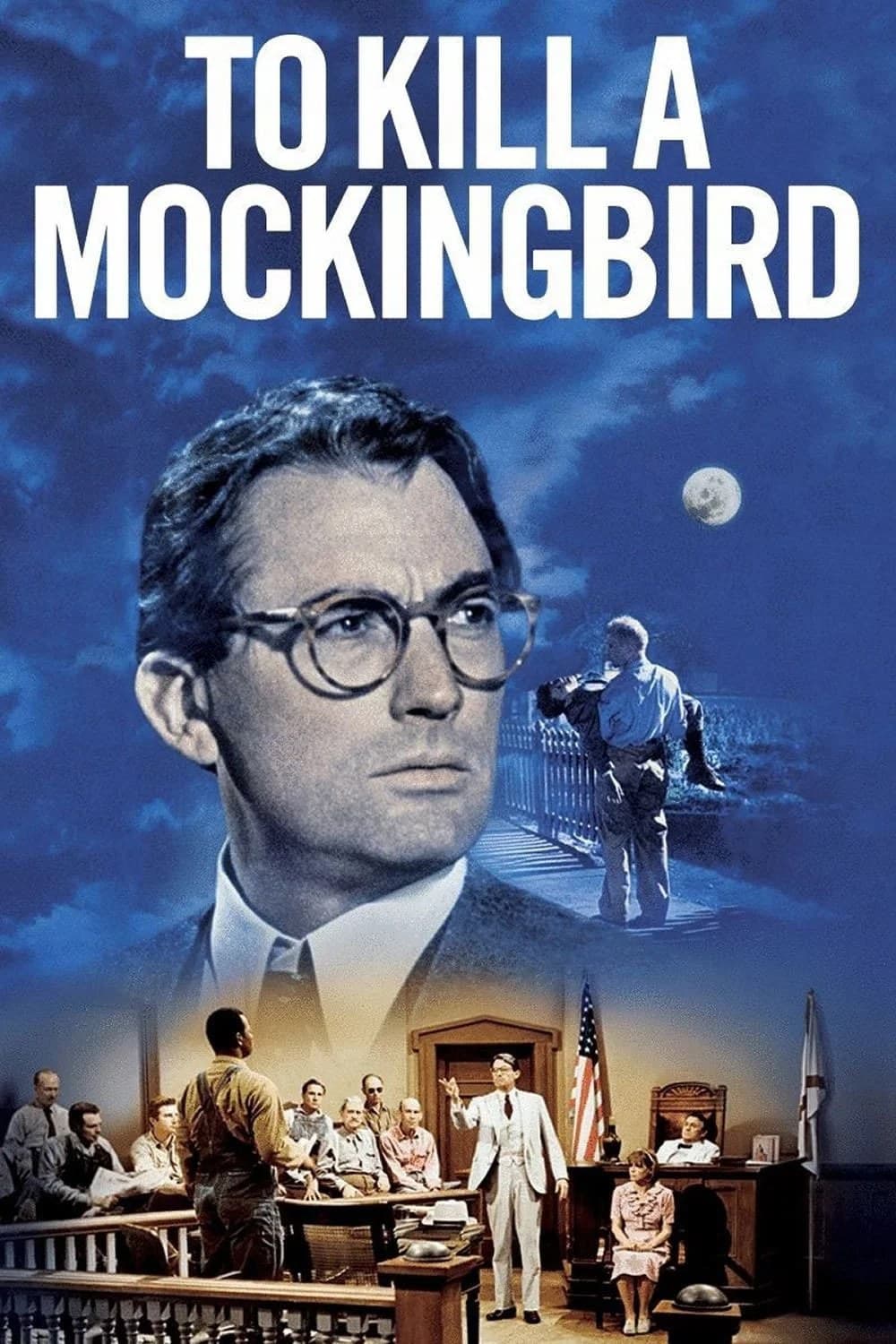
Gregory Peck gave America the father it wanted to believe in: a small-town lawyer defends a Black man in a case the town has already decided, seen through his daughter's eyes.

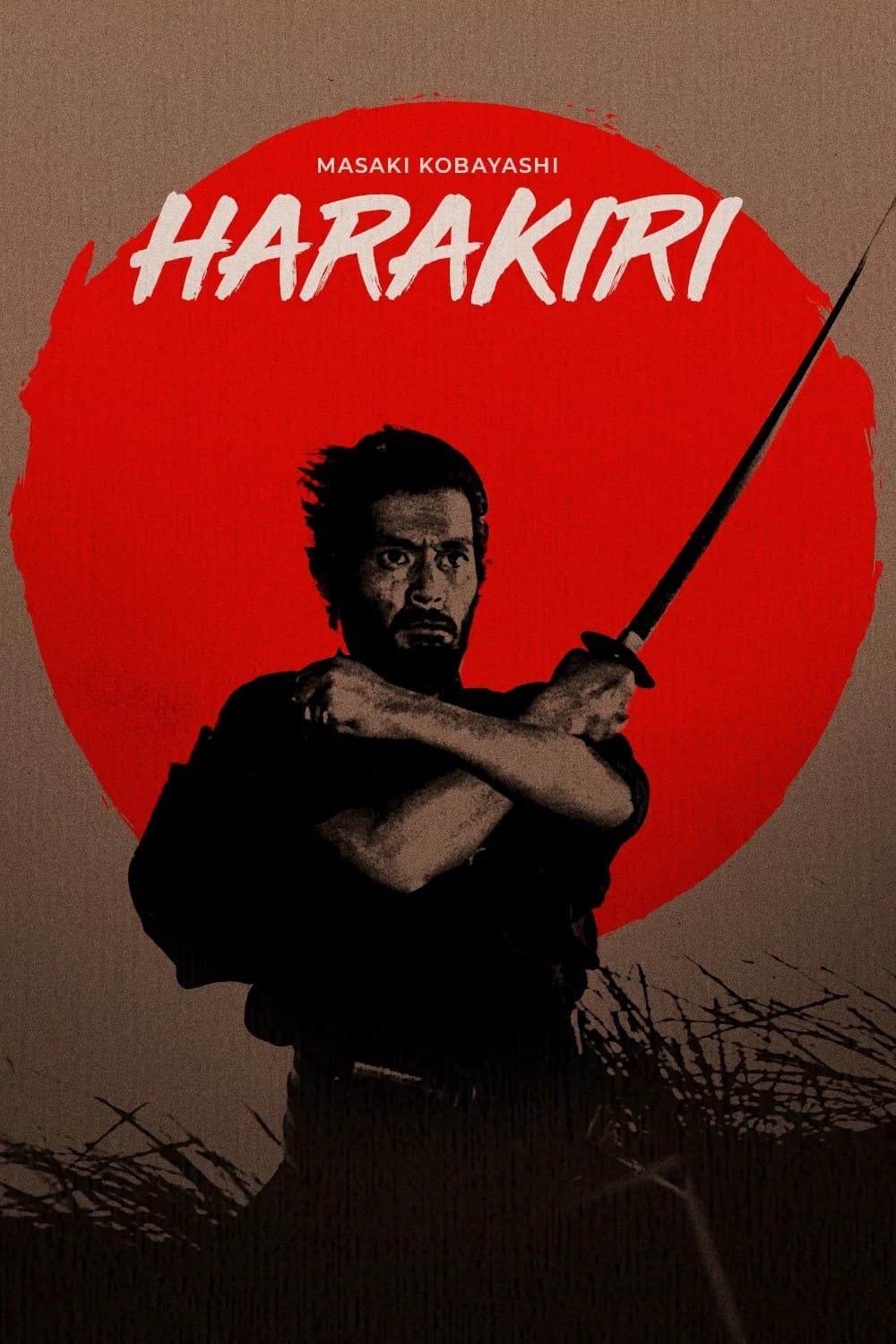
Kobayashi took the samurai film apart from the inside: an old warrior asks to die in a lord's courtyard, and what he says first dismantles the entire code of honor.

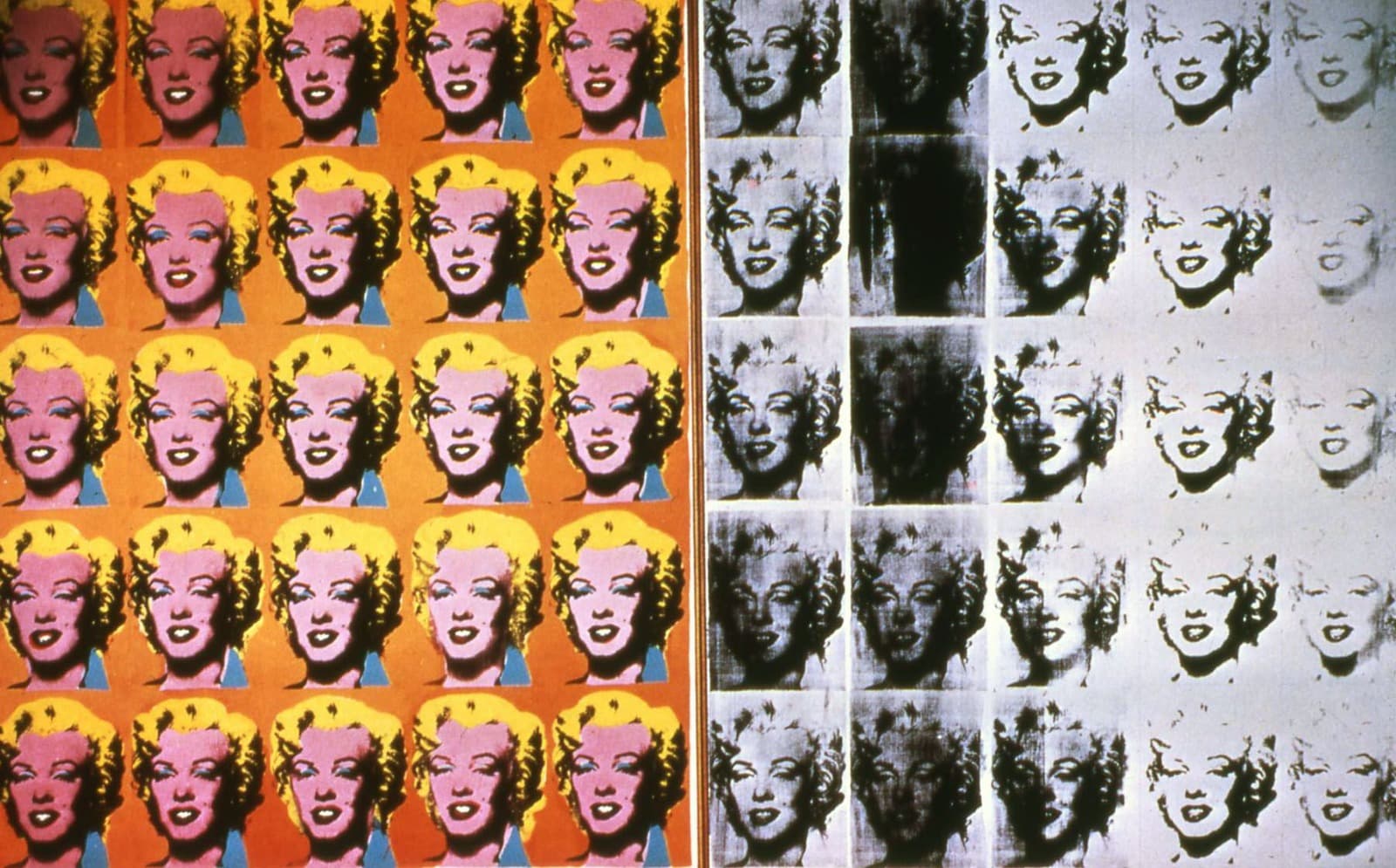
Warhol silkscreened a publicity photo fifty times just after Monroe died, bright on one half and smudging away to nothing on the other.

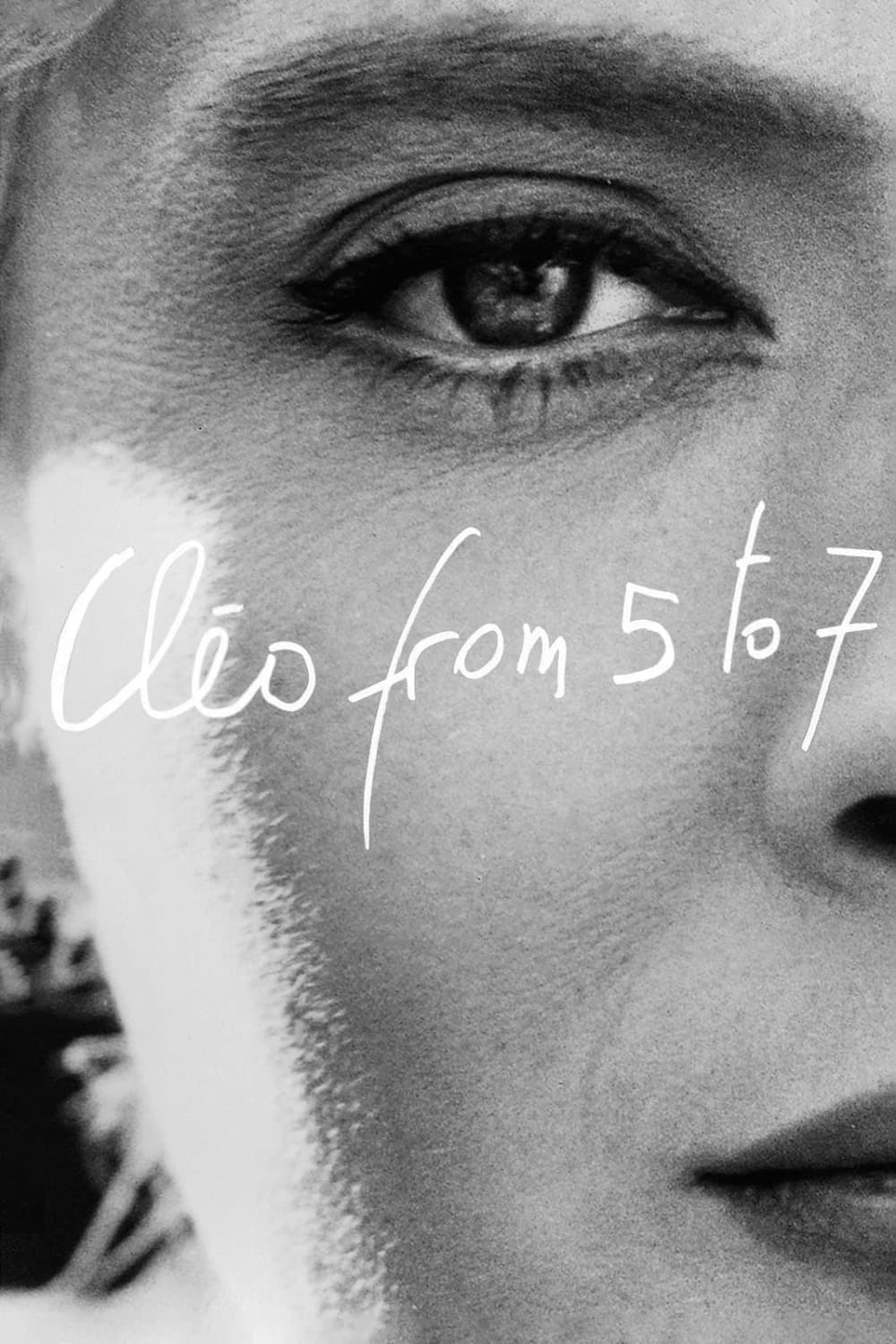
Varda was the one woman the New Wave could not leave out, and this is her breakthrough: ninety minutes of a singer walking Paris, waiting on news.

Reveille to lights out in a Soviet labor camp, where the prisoner Shukhov scrounges an extra crust and lays bricks well in the cold. He counts it almost a happy day.

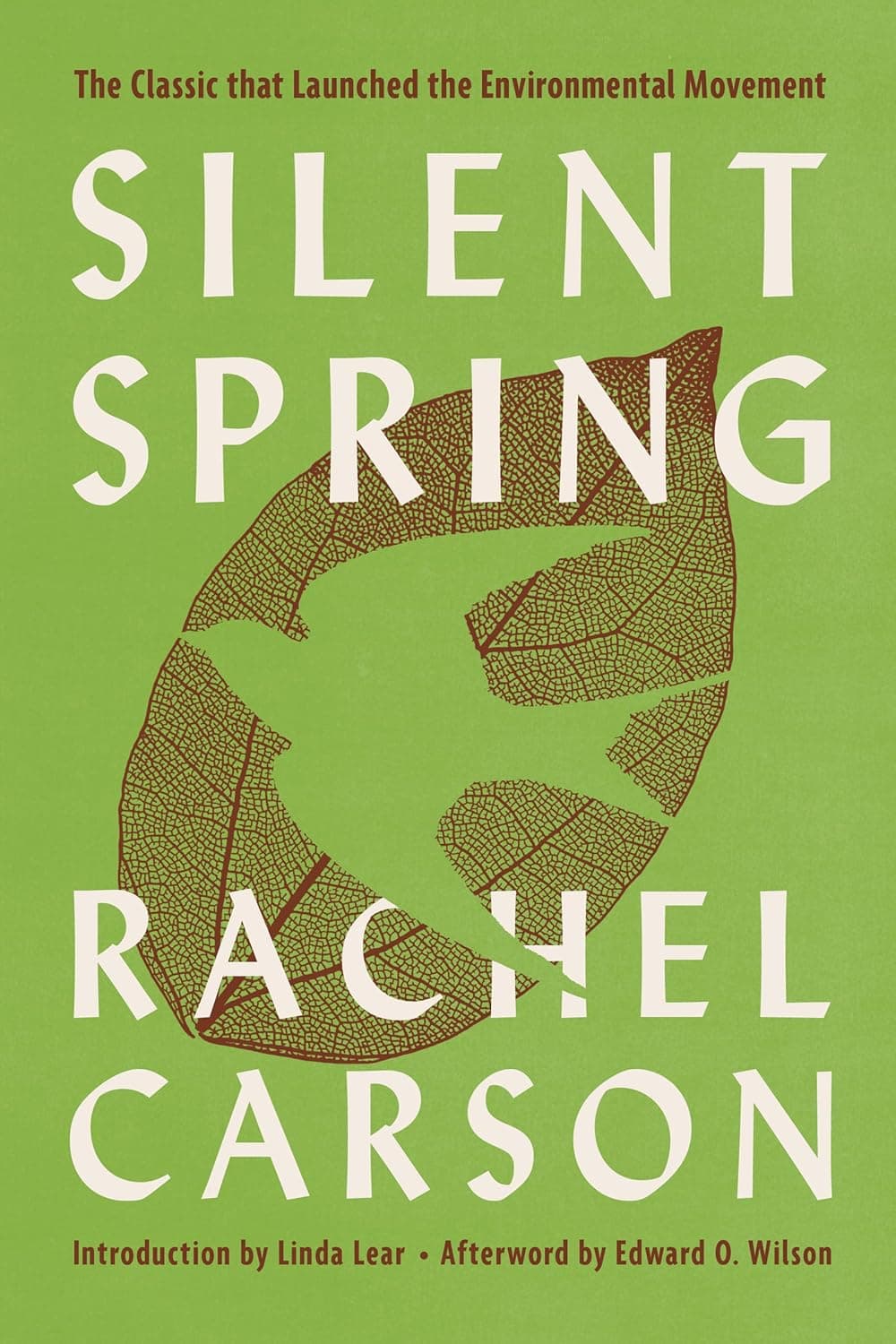
Carson opens on a town where the birds have stopped singing, then lays out what pesticides do to water, soil, and human bodies. The chemical industry attacked her and the law changed.

Seventeen years old, filling a Sunday when the booked singer's session collapsed, Jones cut the Hammond vamp that defined Stax.

A fan bet Dale he could not play on one string, so he sped up a Mediterranean folk tune.

Ford's last word on the myths he spent forty years building: it gave American English the phrase about printing the legend, and it is the bleakest western he made.

A Don Gibson country weepie, Marty Paich's strings behind it, and five weeks at number one in 1962.

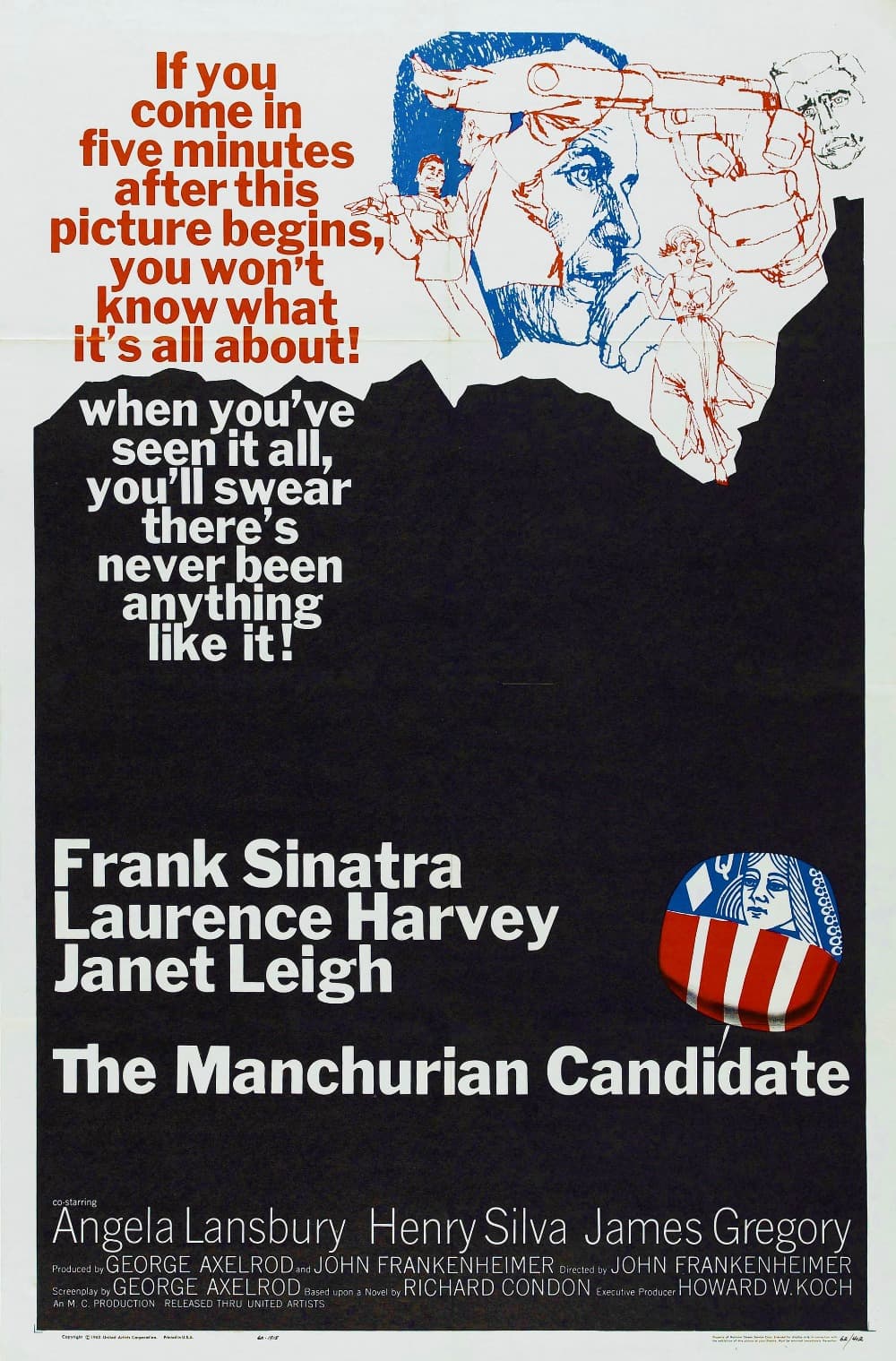
It sat out of circulation for fifteen years over a rights dispute, not the assassination myth people repeat: a Korean War veteran cannot shake a dream about his own platoon.
With great power there must also come-great responsibility!

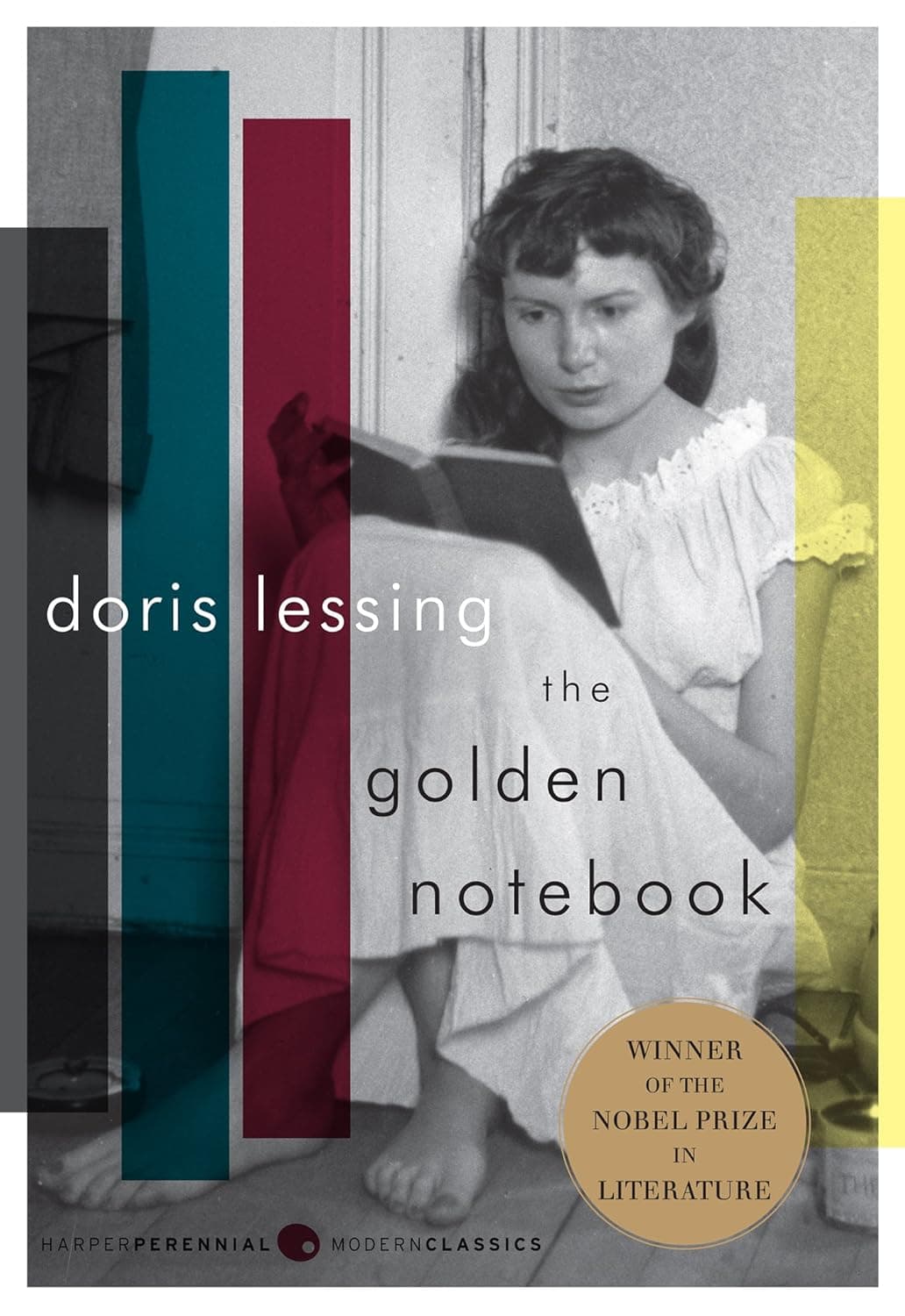
Anna Wulf keeps four notebooks: Africa, the Communist Party, fiction drawn from her love affair, and a private diary. Lessing made a woman's inner life the whole subject of a serious novel.

A bartender's scolding at Detroit's Apex Bar became the hook, and Motown's future Funk Brothers played the session.
You never really understand a person until you consider things from his point of view.

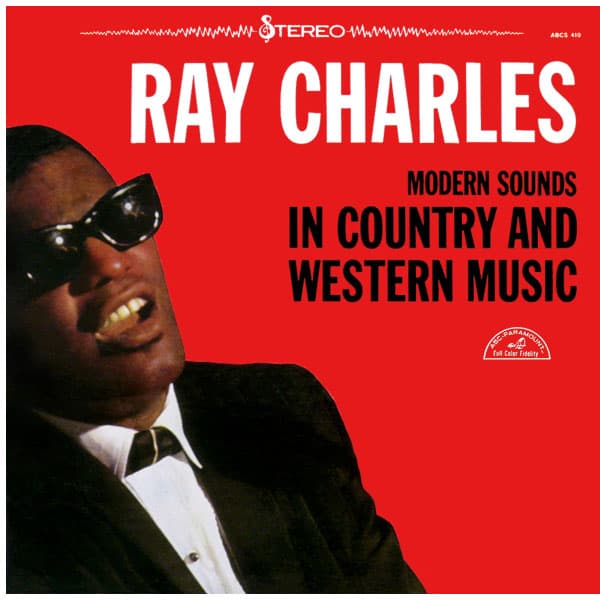
His label thought recording country songs would finish him. He put strings and a choir behind them and it became his biggest record.

Public opinion has a history, and Habermas locates its birth in the coffeehouses, salons, and newspapers where private men first argued about power. Advertising and mass media turned that argument back into spectacle.

Fifteen years after the Axis won, dealers in Japanese-occupied San Francisco sell forged Americana to the conquerors. Dick's people consult the I Ching and pass around a novel where the Allies won.

Two revolutions, one political in France and one industrial in Britain, fused into a single upheaval that remade work, politics, art, and belief. Historians still carve up the nineteenth century along Hobsbawm's lines.

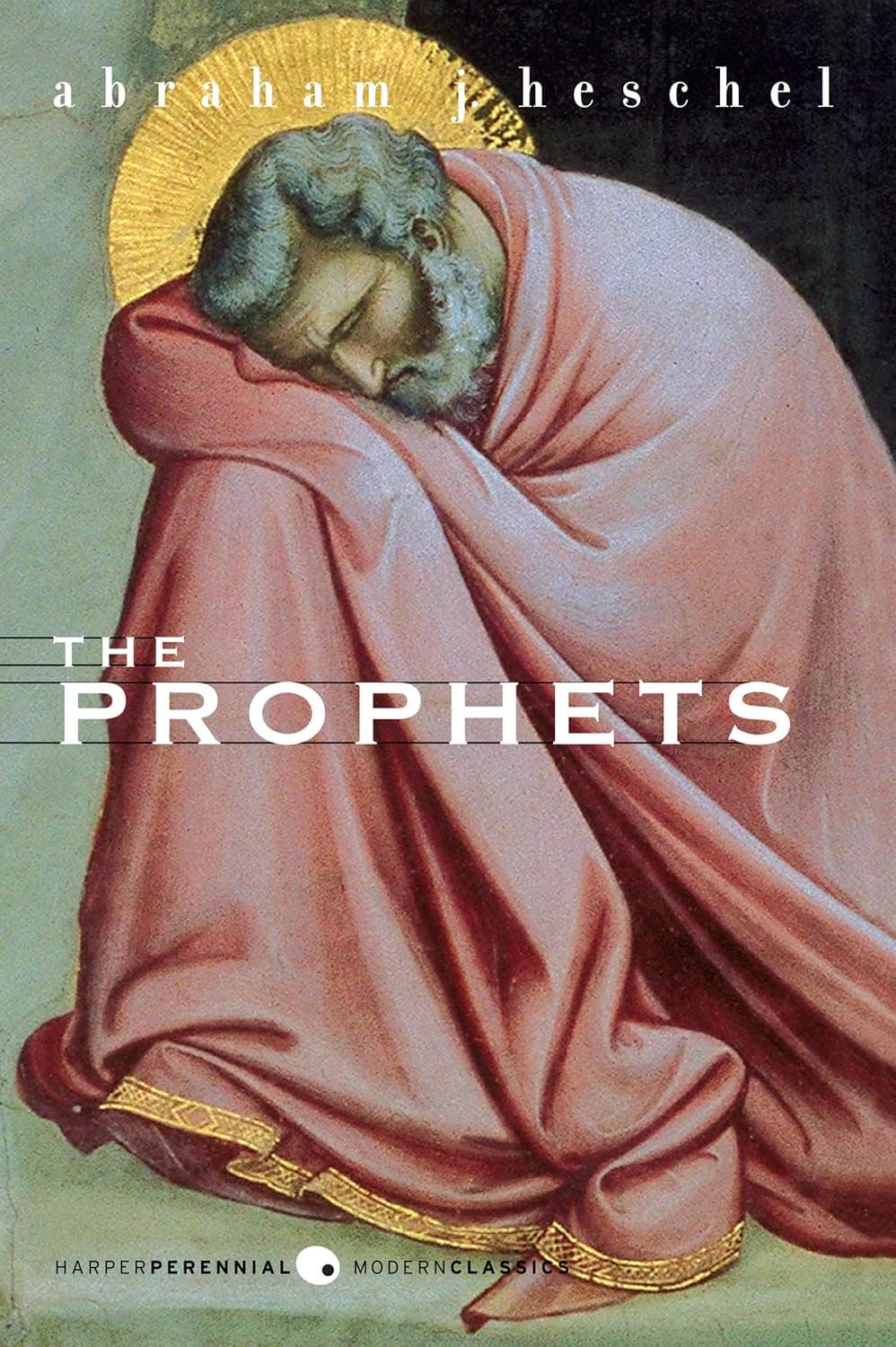
The God of Amos and Jeremiah is not serene but stung to anger by human cruelty, Heschel argues, and the prophet feels it. Marching at Selma, he felt his legs were praying.

Two in the morning, a history professor and his wife receive a younger couple after a faculty party, and the drinking turns into a night of games designed to strip them bare.

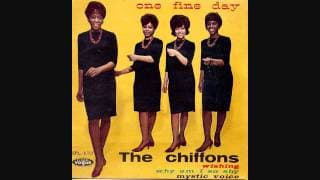
Goffin and King built it for Little Eva; the Chiffons got the track, King's piano intro intact.

Darlene Love sang lead at Gold Star, Hal Blaine drummed, and the Crystals got the credit for a number one.

Artemio Cruz lies dying in 1959, a newspaper baron who fought in the Mexican Revolution and spent the decades after betraying it. His life returns in three voices: I, you, and he.

Political freedom depends on economic freedom, Friedman argues, since markets disperse power governments concentrate. Proposals that read as heresy in 1962, ending the draft and floating the dollar, were policy by 1973.

August 1914, told hour by hour as generals launched plans they could no longer stop. Kennedy had it in mind through the Cuban missile crisis, vowing nobody would write The Missiles of October.
How many times can a man turn his head, And pretend that he just doesn't see?

Alex is fifteen and narrates his nights of assault in Nadsat, a slang welded from Russian and Cockney. The state conditions the violence out of him, and Burgess asks whether forced goodness counts.

Chieko, a foundling raised by a Kyoto kimono merchant, meets the twin sister who logs cedar in the mountains. Kawabata carries them through a year of festivals in a city losing its crafts.

Three Palestinian men pay a driver to smuggle them from Iraq into Kuwait inside a water tanker. Kanafani turned those hours in the metal into the defining image of Palestinian exile.

Gaudio wrote it in fifteen minutes by his account, and Valli's falsetto carried it to five weeks at number one.