
Inaugural Address of John F. Kennedy · 1961
Browse by time · year
1961
Showing 86 works across all media from 1961
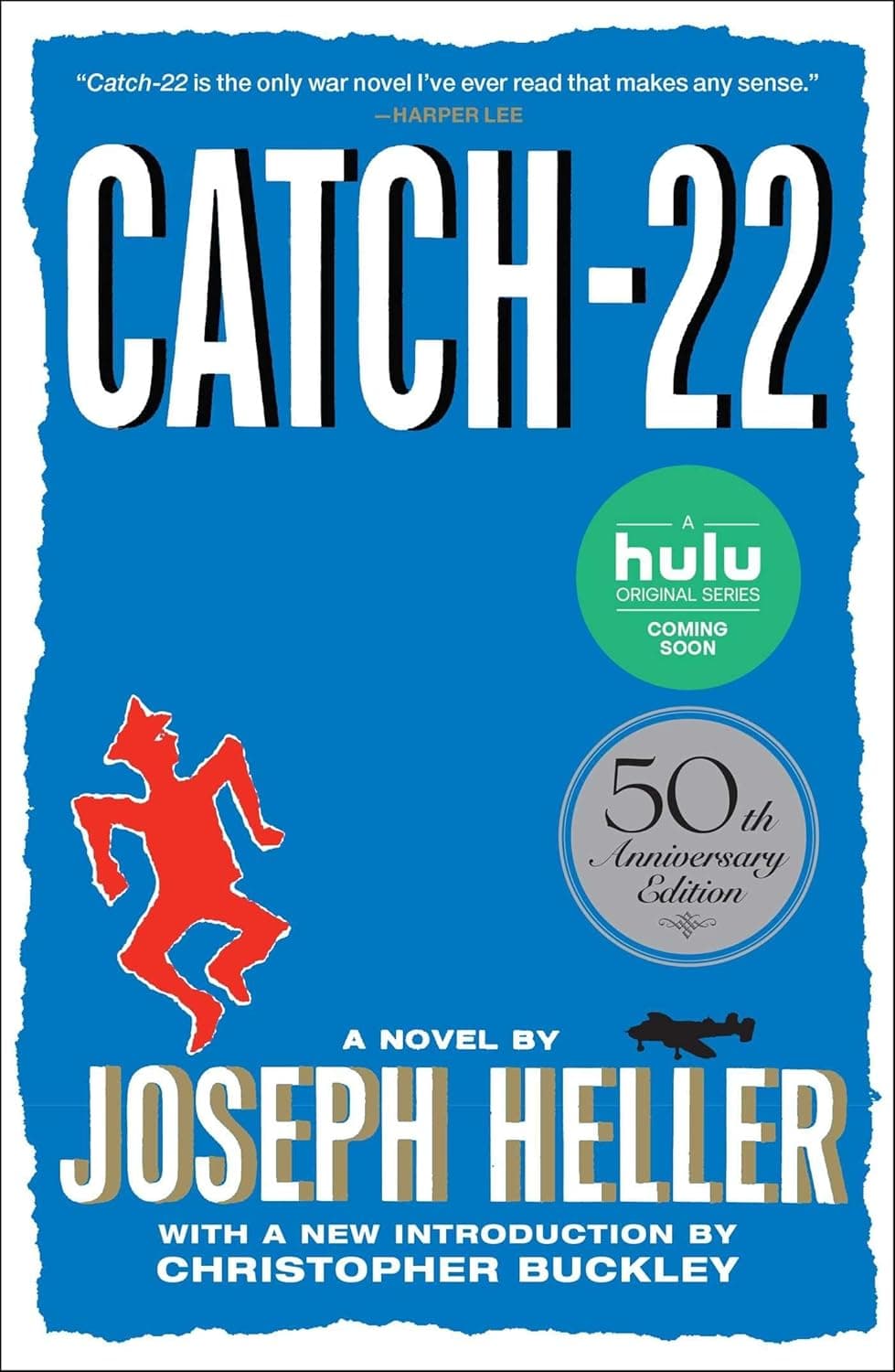
Catch-22
1961 · 524 pages
Trying to get grounded for insanity, a bombardier learns that asking to be grounded proves he is sane. Heller runs that loop through a whole war until the deaths stop being funny.
★ 8.7
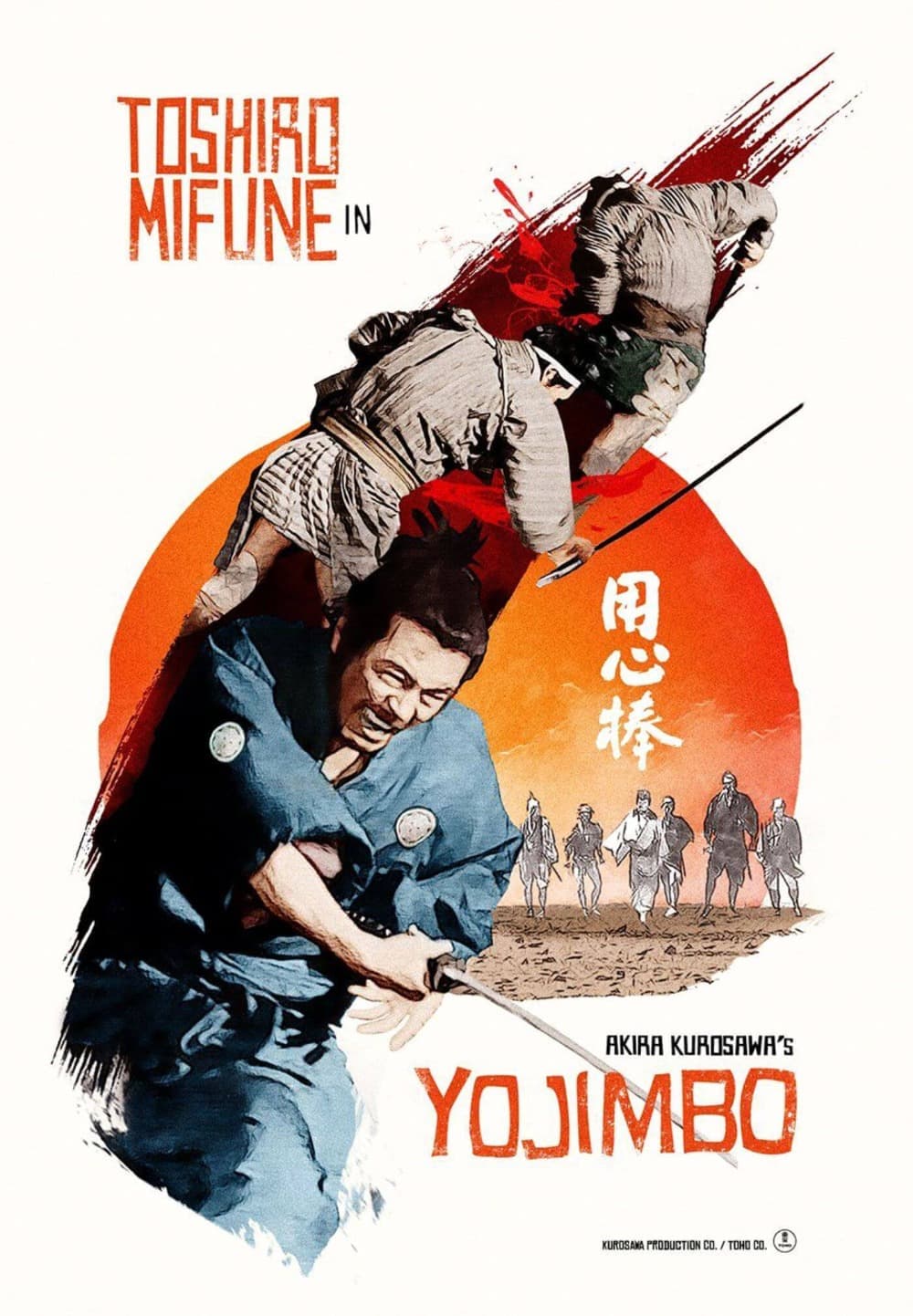
Yojimbo
Directed by Akira Kurosawa
1961 · Japan
Leone took it wholesale for A Fistful of Dollars and Toho forced a settlement out of court: Kurosawa's samurai playing two gangs against each other is the template everyone still uses.
★ 8.4

The Death and Life of Great American Cities
1961 · 458 pages
Jacobs watched her Greenwich Village street and argued that crowded sidewalks, short blocks, and eyes on the street are what keep a city alive. After this, bulldozing a neighborhood stopped looking like progress.
★ 8.3
My Favorite Things
1961 · From My Favorite Things
Coltrane picked up the soprano saxophone Miles gave him and stretched a Rodgers and Hammerstein waltz past thirteen minutes.
★ 8.1

The Wretched of the Earth
1961 · 336 pages
Fanon was a psychiatrist from Martinique who joined the Algerian revolution and died at thirty-six. Colonialism deforms the mind of the colonized, he argues, and violence undoes it. Revolutionaries read him as instructions.
★ 7.9

A House for Mr. Biswas
1961 · 564 pages
Mohun Biswas is born unlucky in rural Trinidad, marries into a large domineering family, and spends his life trying to own a house. Naipaul makes those small defeats as large as any tragedy.
★ 7.8
Hit the Road JackRay Charles
Hit the Road Jack
1961
Percy Mayfield mailed it in as an a cappella demo; Margie Hendrix answers Charles line for line.
★ 7.7
I Fall to Pieces
1961 · From Patsy Cline Showcase
Cline resisted the pop polish until Bradley's arrangement and the Jordanaires handed her a first country number one.
★ 7.7
Can't Help Falling in LoveElvis Presley
Can't Help Falling in Love
1961 · From Blue Hawaii
A 1784 French melody rewritten for Blue Hawaii, and the song Presley chose to close his shows for a decade.
★ 7.7
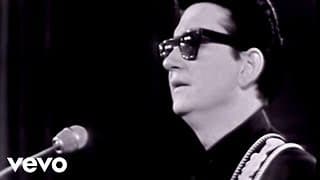
Crying
1961
Cut at RCA Studio B with Floyd Cramer on piano, and Orbison's voice climbing until the room falls away.
★ 7.5
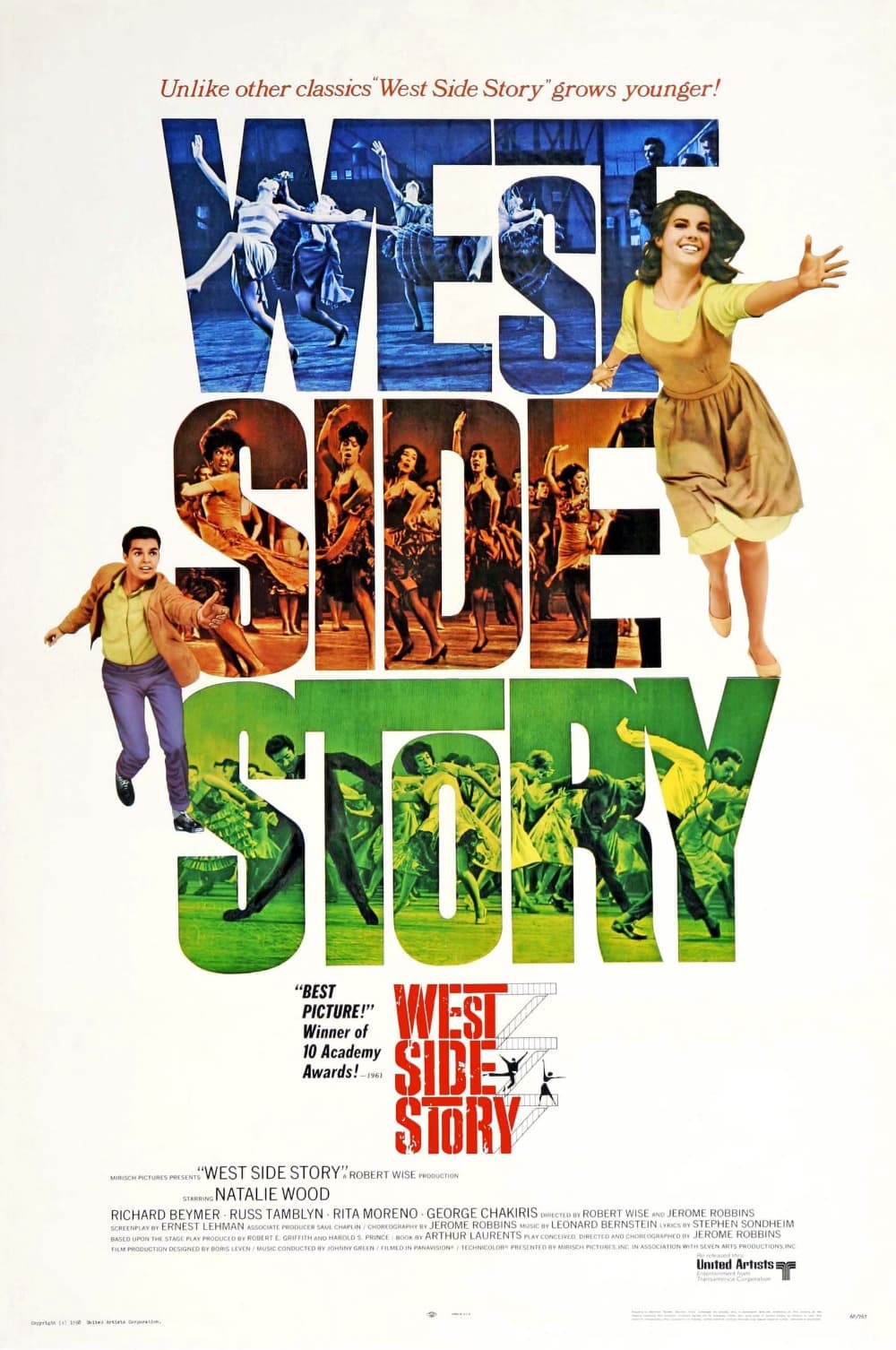
West Side Story
Directed by Robert Wise and Jerome Robbins
1961
Romeo and Juliet moved to two New York gangs, and the dancing spills out of the theater into real streets: nothing on film snaps like Robbins's choreography.
★ 7.3
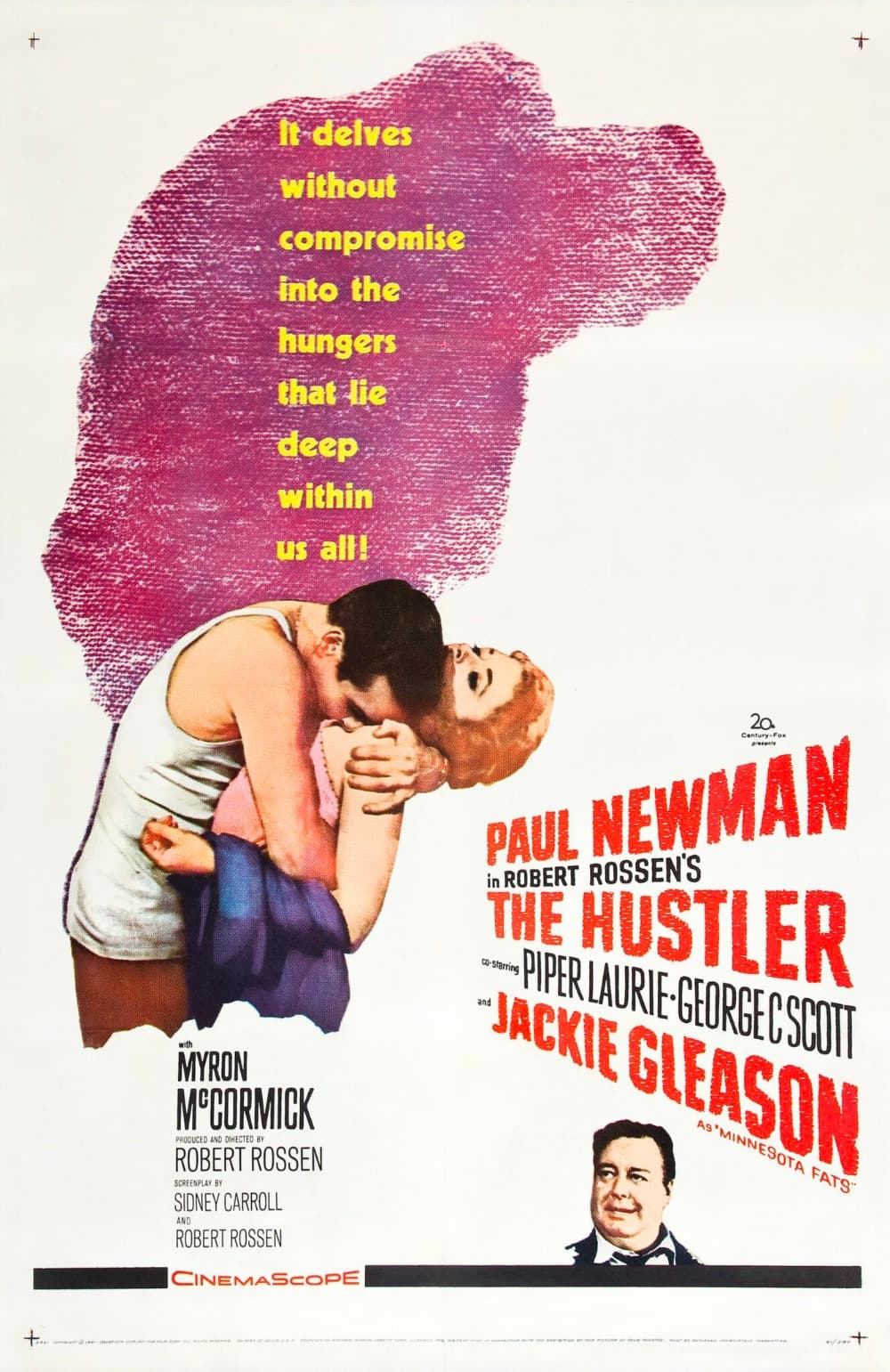
The Hustler
Directed by Robert Rossen
1961
Nobody has filmed a game better: Newman's pool hustler wants to be great and cannot get out of his own way, and the smoke never leaves the room.
★ 7.0
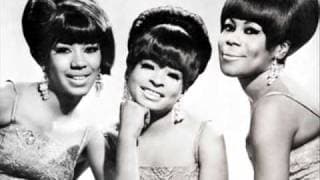
Please Mr. Postman
1961
Marvin Gaye played the drums, Gladys Horton pleaded the lead, and Motown had its first Hot 100 number one.
★ 7.0
★ 6.9
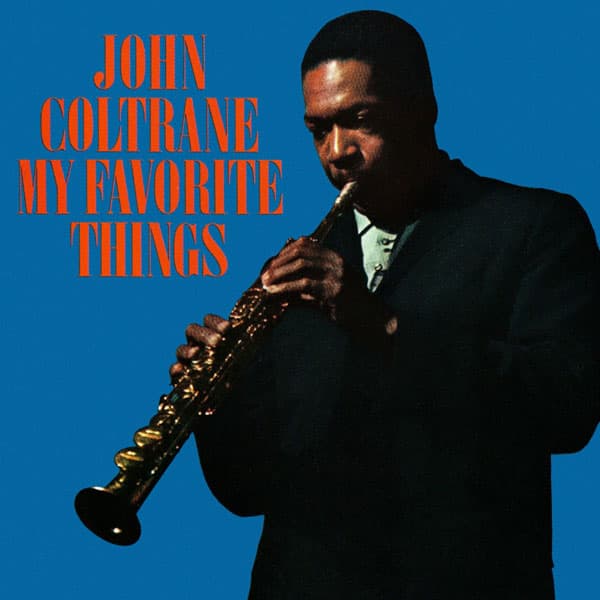
My Favorite Things
1961
Coltrane picked up the soprano saxophone, an instrument almost nobody played then, and stretched a show tune over two chords for thirteen minutes.
★ 6.8
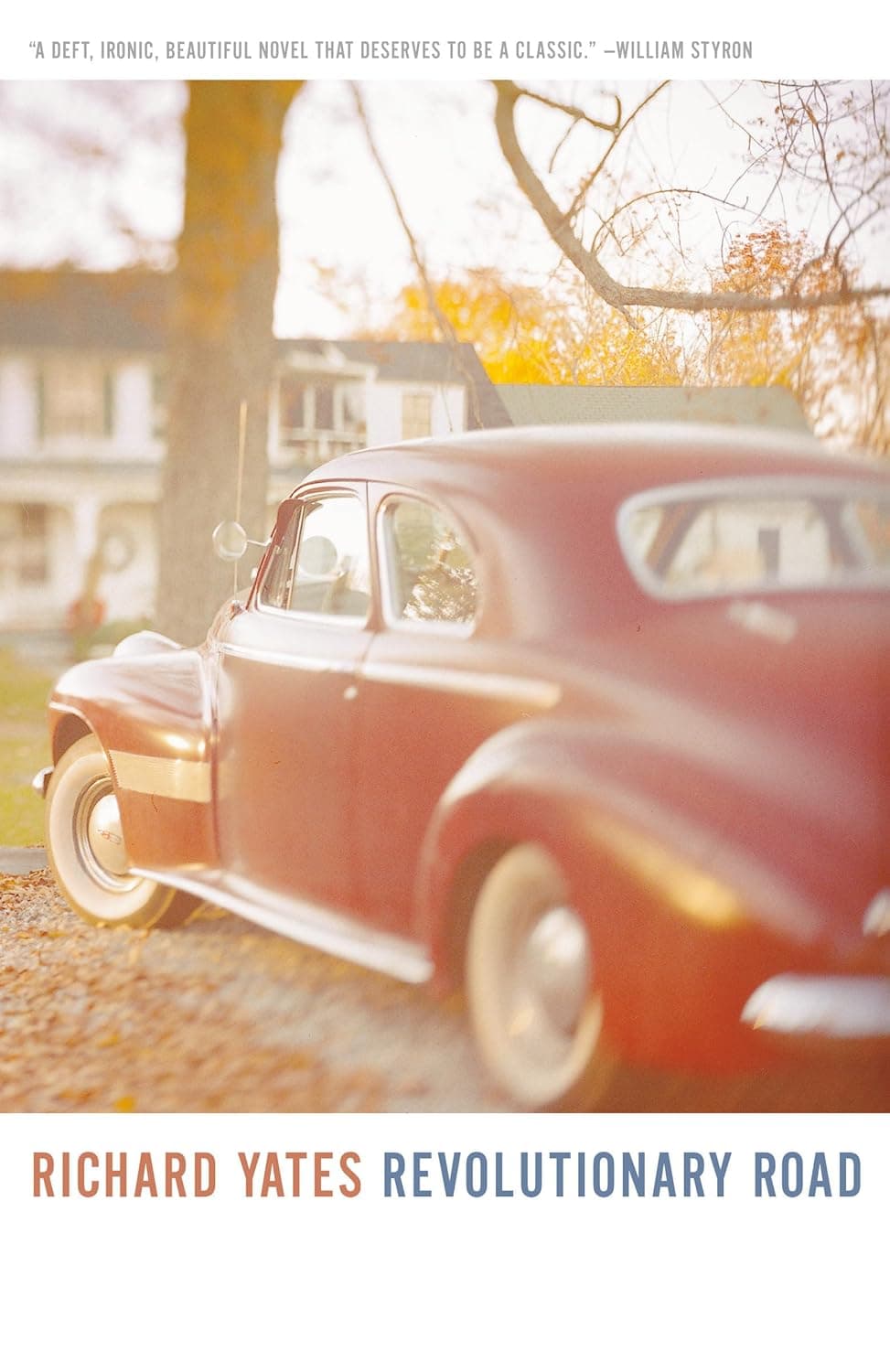
Revolutionary Road
1961 · 337 pages
Frank and April Wheeler tell themselves they are too fine for Connecticut and plan an escape to Paris. Yates tracks every evasion and self-flattering lie until the marriage has nothing underneath it.
★ 6.8

Between Past and Future
1961 · 298 pages
Tradition stopped telling anyone what authority or freedom means, and Arendt refuses to invent a substitute. She reopens each concept instead, arguing that education fails when adults stop taking responsibility for the world.
★ 6.8
The WandererDion
The Wanderer
1961
Ernie Maresca offered it to Nino and the Ebb Tides first; buried as a B-side, it went to number two.
★ 6.7
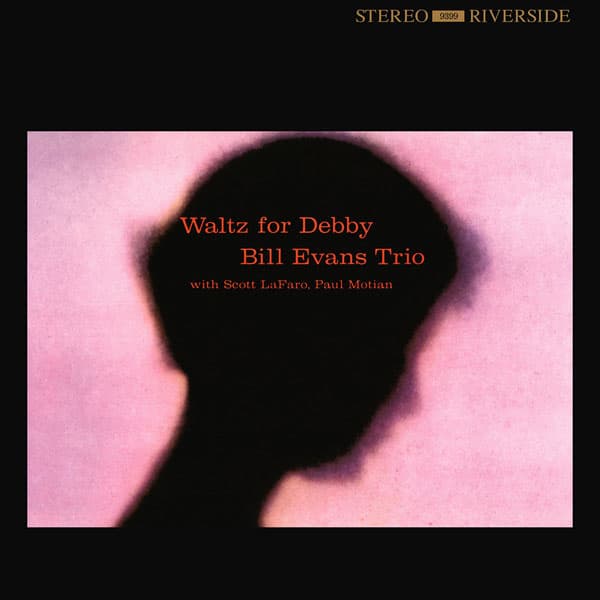
Waltz for Debby
1961
Both this and its companion record come from a single Sunday at the Village Vanguard, and glasses and conversation carry through every track.
★ 6.7

Sunday at the Village Vanguard
1961
Scott LaFaro plays the bass as a third melodic voice rather than keeping time. He was killed in a car crash ten days later.
★ 6.6
Back Door ManHowlin' Wolf
Back Door Man
1961 · From Howlin' Wolf
Dixon's title was blues code for adultery, cut by Wolf at Chess and reopened by the Doors in 1967.
★ 6.6
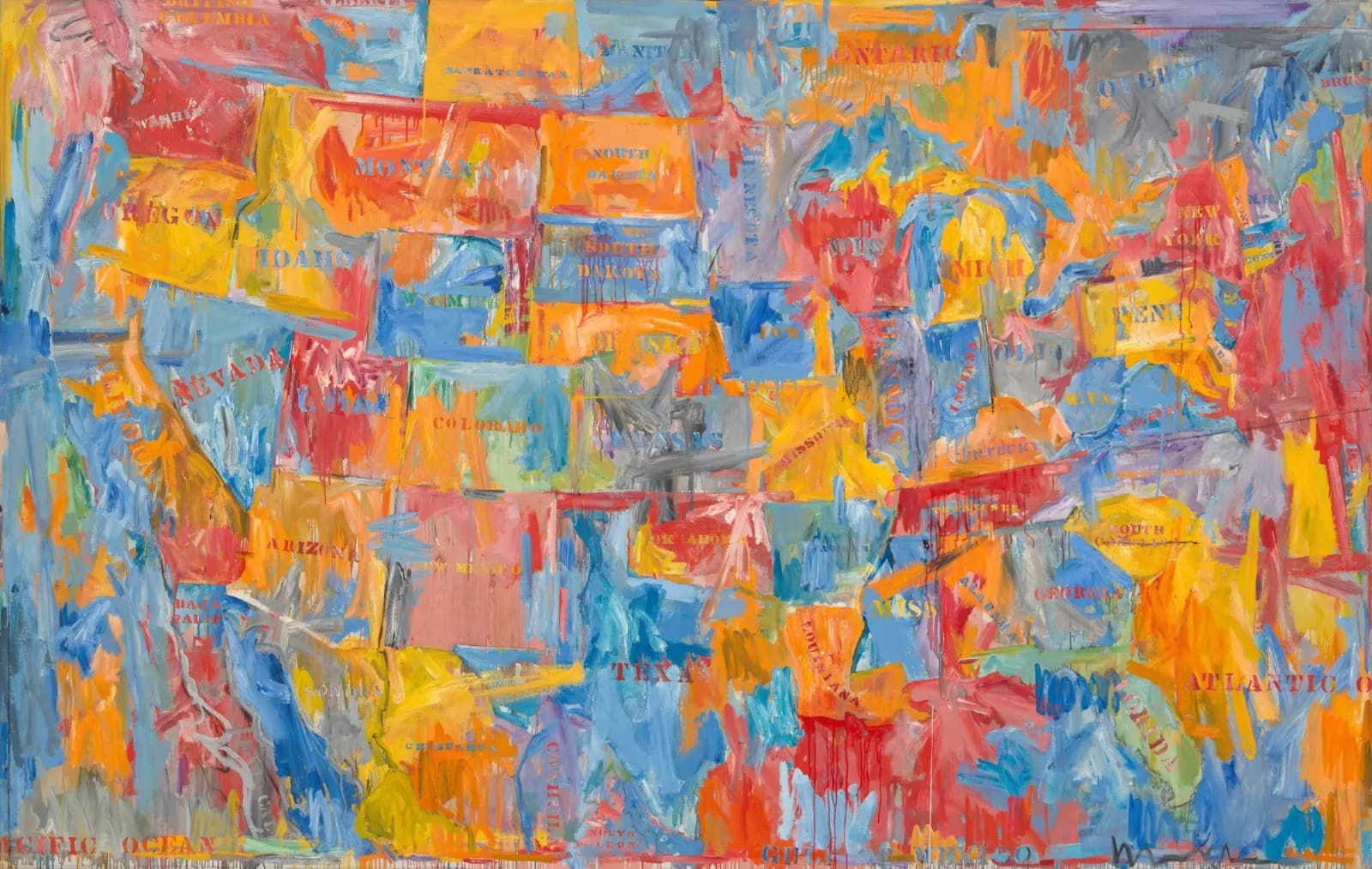
Map
1961 · Museum of Modern Art, New York City
Johns stenciled the state names and then let red, yellow and blue run right over the borders. Another sign everybody already knows.
★ 6.5
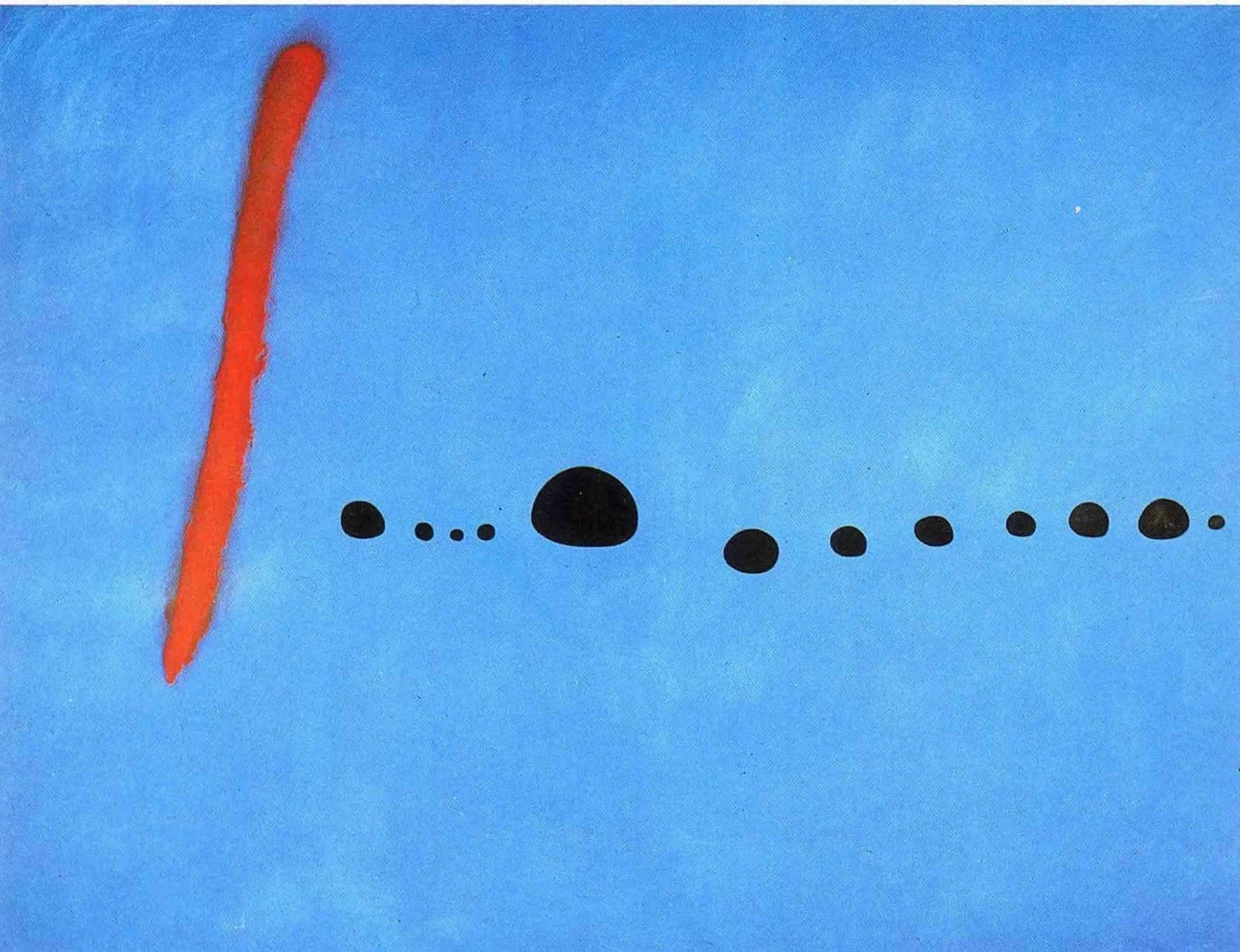
Blue II
1961 · Centre Pompidou, Paris
Pure blue interrupted by a line of black dots and one short red bar. Miró late in life, having thrown almost everything out.
★ 6.5
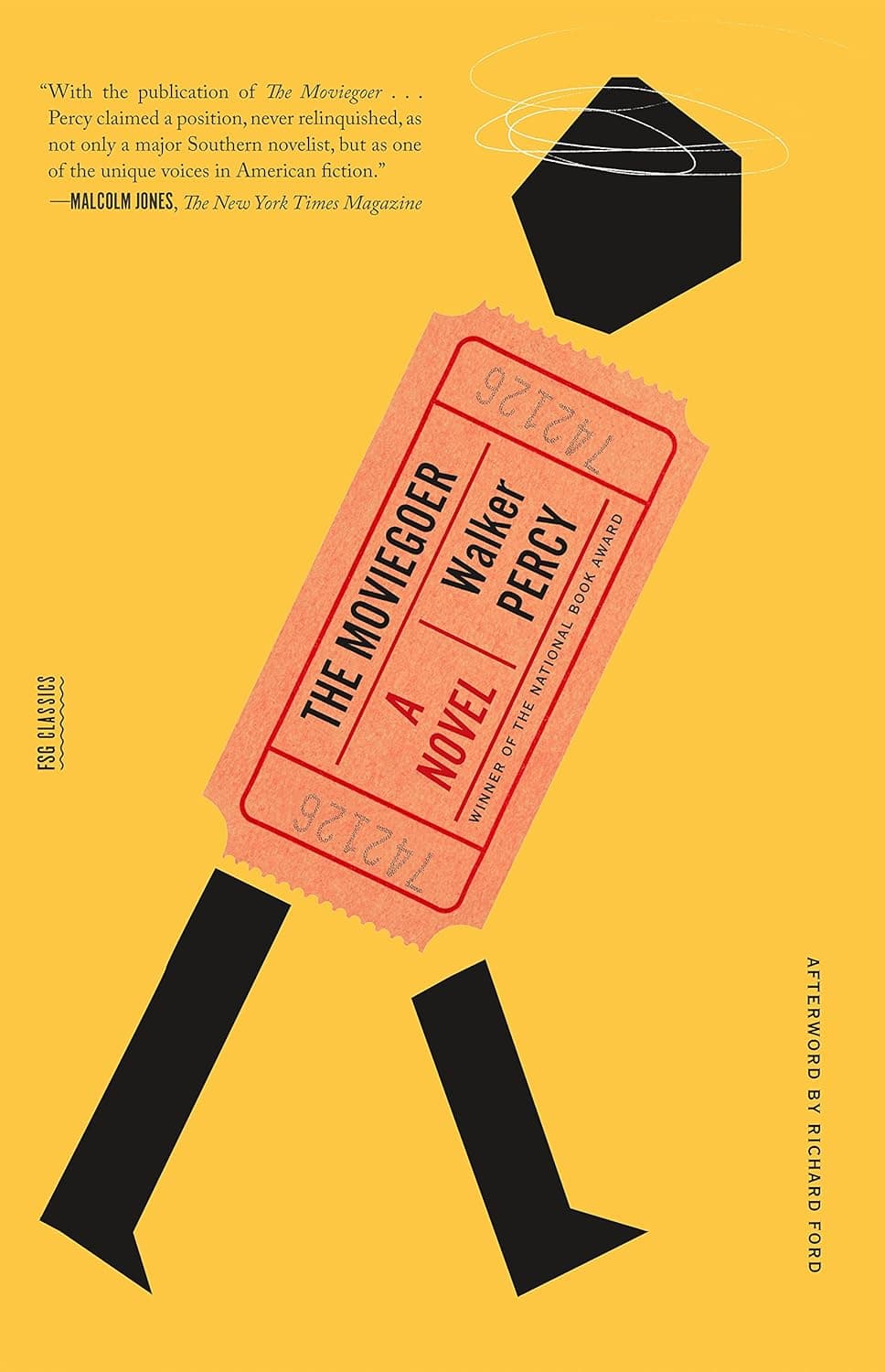
The Moviegoer
1961 · 272 pages
Binx Bolling sells stocks in a New Orleans suburb, sits through afternoon movies, and calls his way out of everydayness the search. Percy's first novel beat Catch-22 to the National Book Award.
★ 6.5

The Day of the Owl
1961 · 124 pages
A small-time builder is shot running for a bus in a Sicilian square, and every passenger saw nothing. Sciascia named the Mafia as an organization while Italy still insisted it did not exist.
★ 6.5
Runaway
1961
Crook hit the A minor to G change onstage in Battle Creek; his homemade Musitron took the solo.
★ 6.4
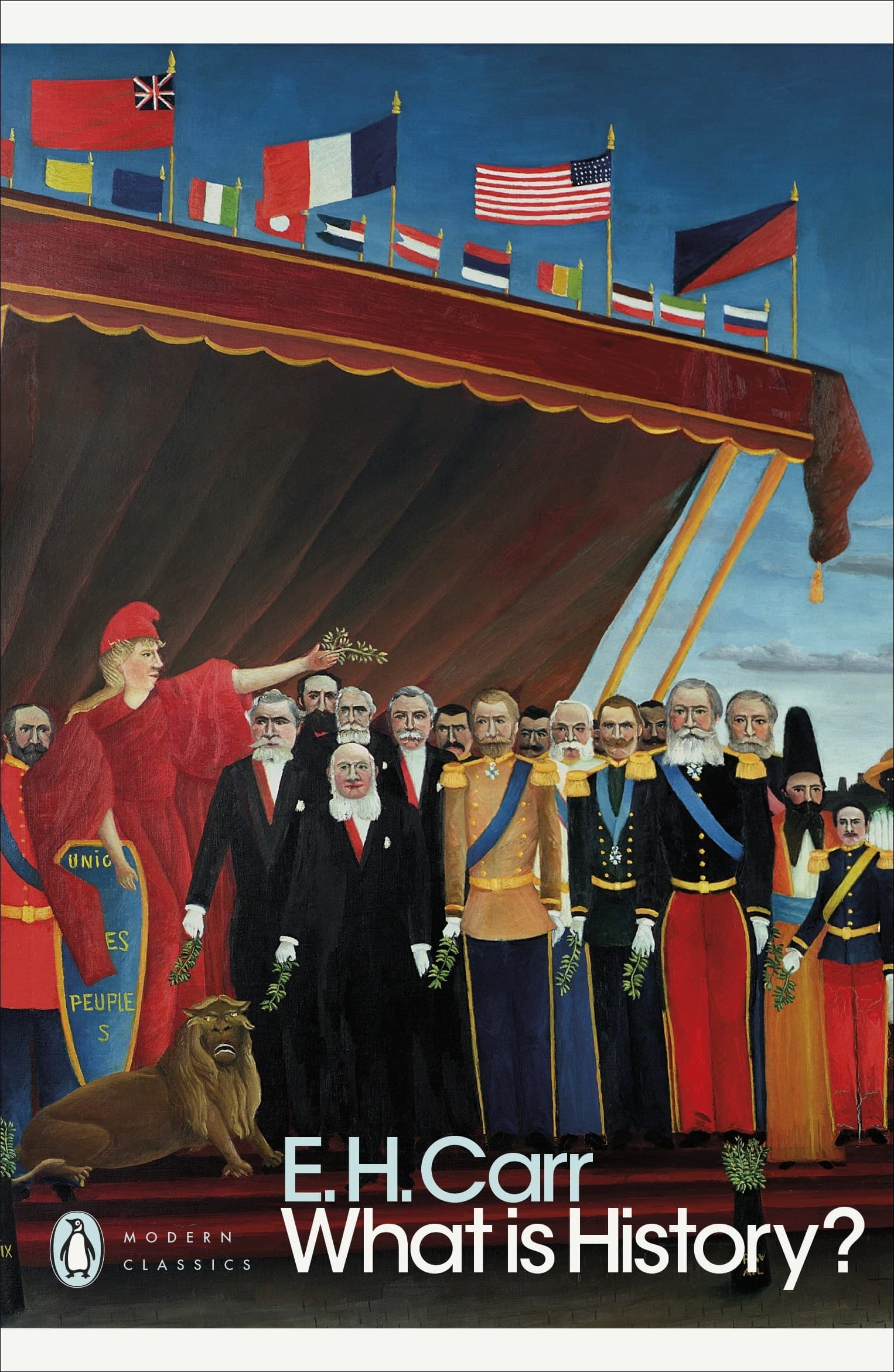
What Is History?
1961 · 272 pages
Facts do not speak for themselves, Carr insists. The historian decides which ones get to speak, so study the historian before the evidence. English-speaking historians are still arguing with him.
★ 6.0
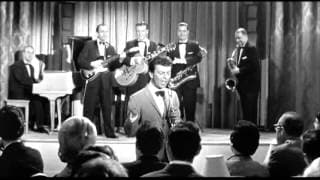
Runaround Sue
1961
Bell Sound in 1961, the Del-Satins behind him, Ernie Maresca's co-write, and Dion's only American number one.
★ 6.0
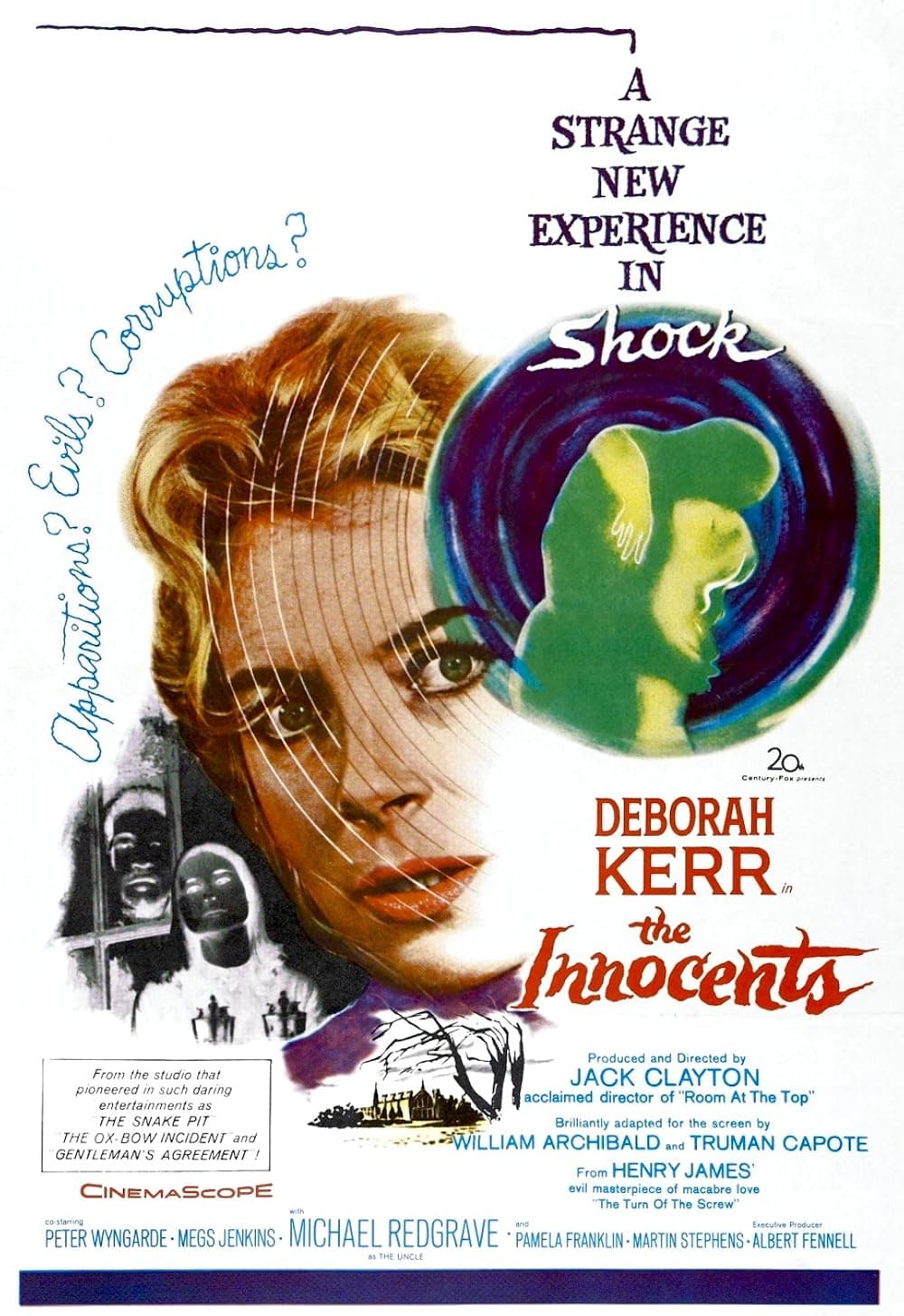
The Innocents
Directed by Jack Clayton
1961 · United Kingdom
Freddie Francis lit it so the corners of every frame stay dark and you keep looking into them: a governess with two children in a huge house becomes certain they are being visited.
★ 5.8
Dedicated to the One I Love
1961
Doris Coley's lead flopped on Scepter in 1959; the label reissued it in 1961 and the tenderness finally landed.
★ 5.6
Wise men say Only fools rush in But I can't help Falling in love with you
Can't Help Falling in Love · 1961
1961
The Death and Life of Great American Cities · 1961
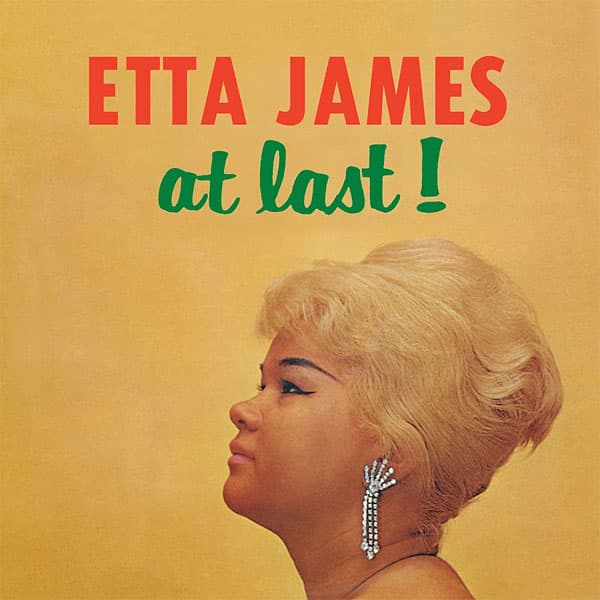
At Last!
1961
The title song was already twenty years old, a Glenn Miller tune, when Etta James took it away from everybody for good.
★ 5.1
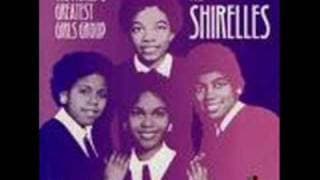
Mama Said
1961
Number four in 1961, with Luther Dixon and Willie Denson turning a mother's shrug into pure reassurance.
★ 4.9
Inaugural Address of John F. Kennedy · 1961
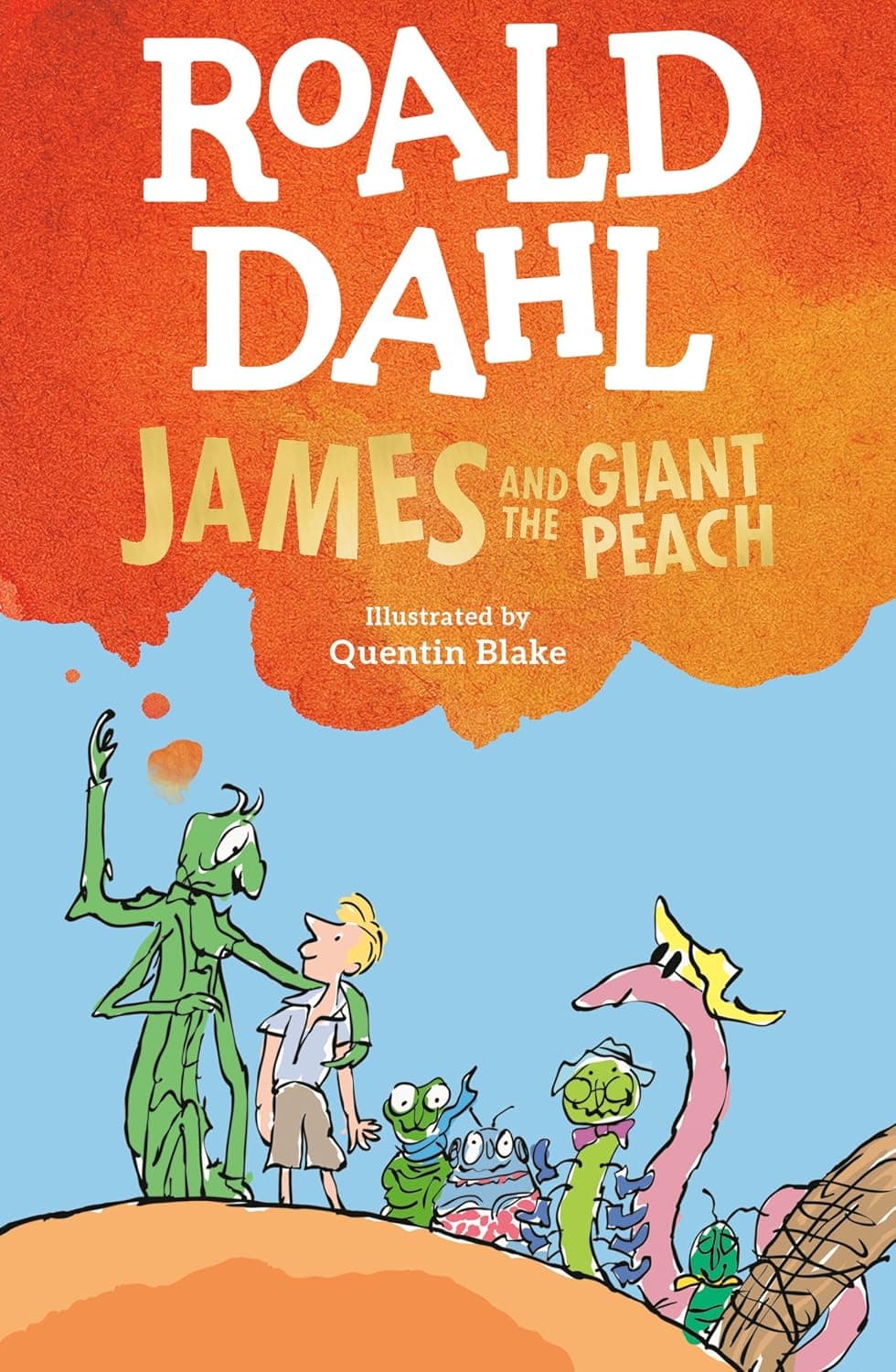
James and the Giant Peach
1961 · 146 pages
A rhinoceros escapes London Zoo and eats James's parents. Handed to two dreadful aunts, he crawls inside a house-sized peach and crosses the Atlantic with a crew of insects who become his family.
★ 4.5
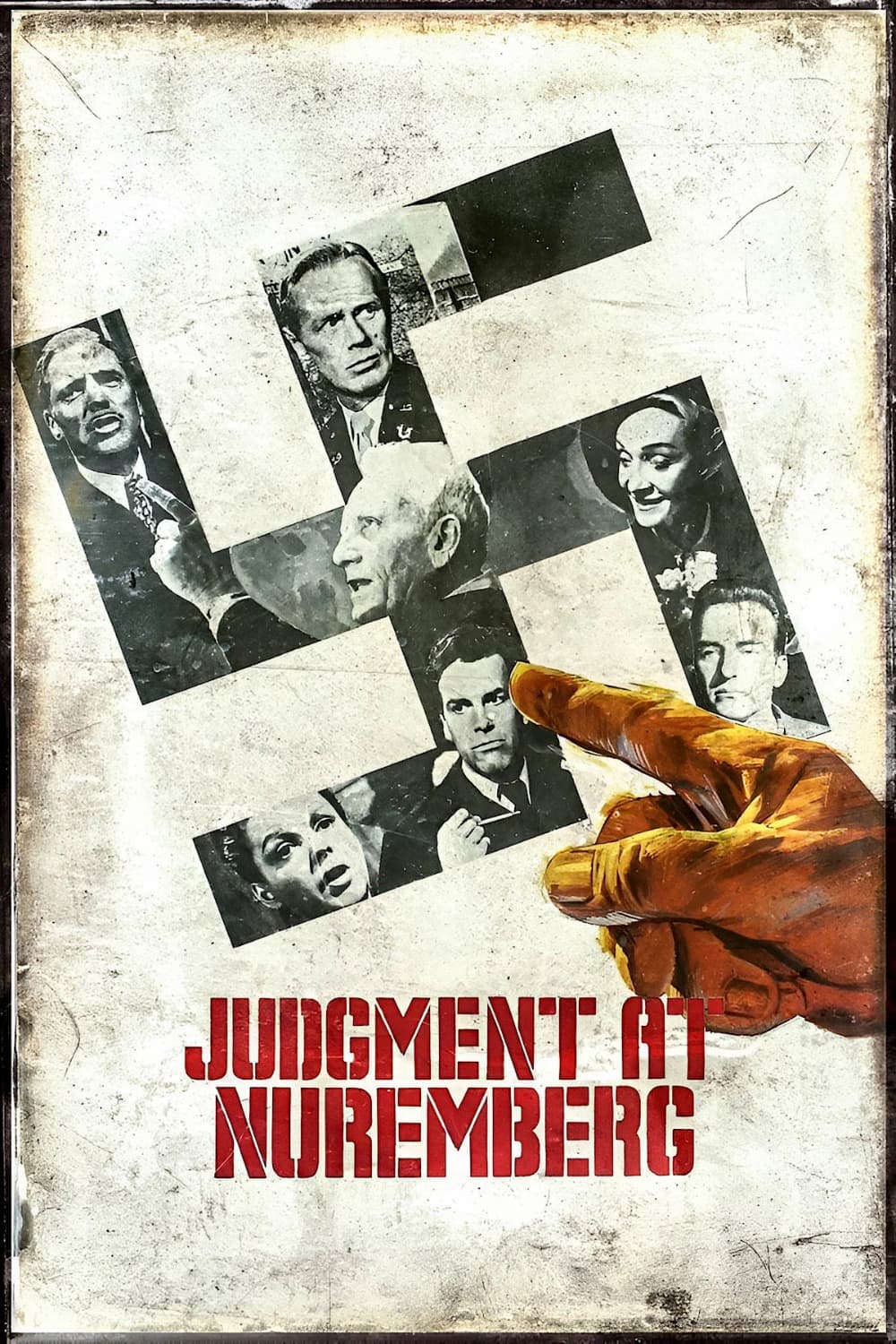
Judgment at Nuremberg
Directed by Stanley Kramer
1961
Stanley Kramer put real concentration camp footage into a Hollywood film in 1961 and made audiences sit with it: the trial is of judges, which makes the question about everybody.
★ 4.2

Two Steps from the Blues
1961
Bland took his trademark squall from a recorded sermon by a Detroit preacher, and worked it into nearly every song he sang afterwards.
★ 3.9
Let us never negotiate out of fear. But let us never fear to negotiate.
Inaugural Address of John F. Kennedy · 1961
The Wretched of the Earth · 1961
Inaugural Address of John F. Kennedy · 1961
Self-respect: Its Source, Its Power · 1961
I like to be in America, OK by me in America, Everything free in America.
West Side Story · 1961
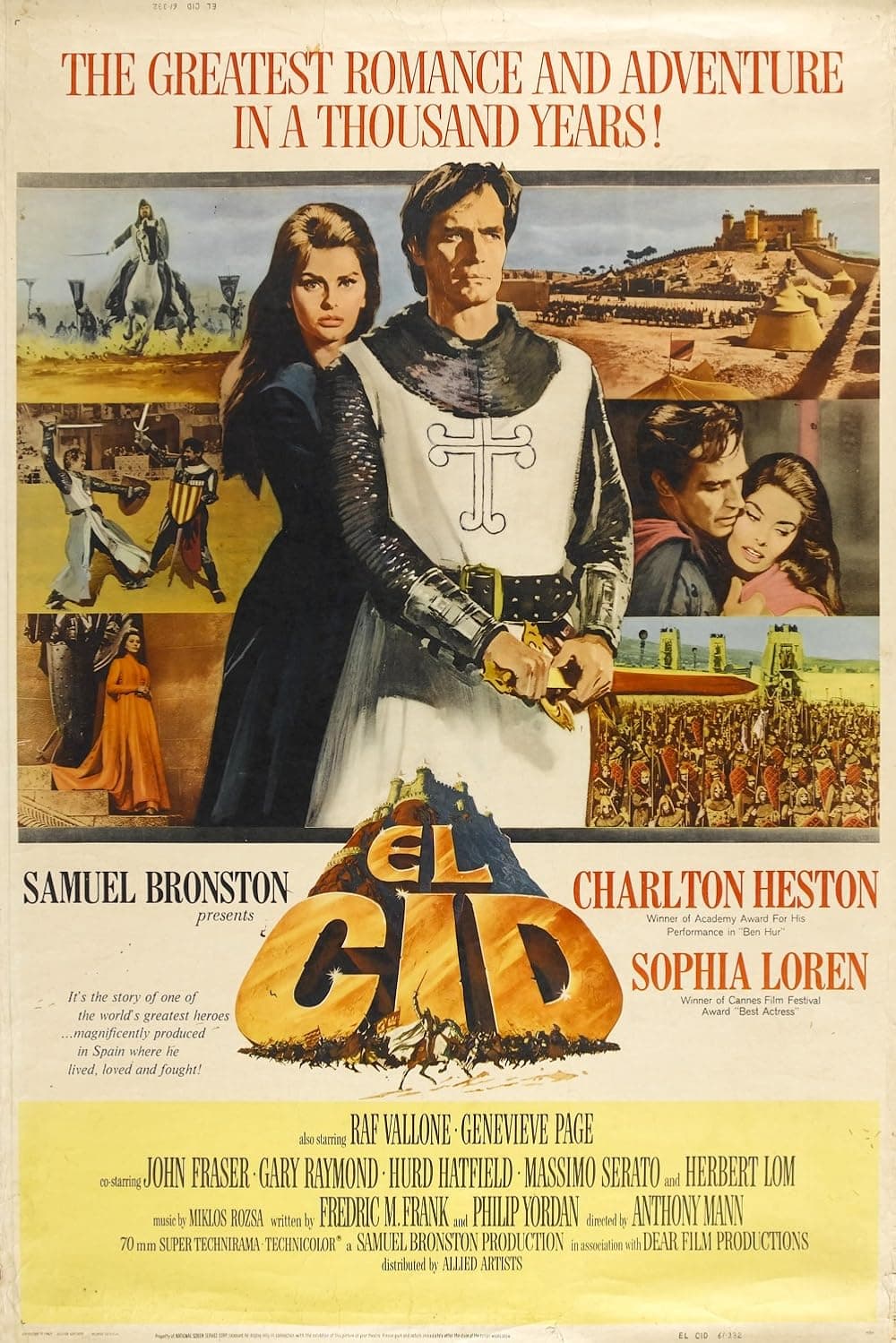
El Cid
Directed by Anthony Mann
1961
Charlton Heston and Sophia Loren in the last great historical epic before the genre collapsed: real castles in Spain, thousands of extras on horseback, and Miklos Rozsa's score doing the heavy lifting.
★ 2.8
Inaugural Address of John F. Kennedy · 1961
Promise me one thing: don't take me home until I'm drunk—until I'm very drunk indeed.
Breakfast at Tiffany's · 1961
You know what's gonna happen to you? I am gonna march you over to the zoo and feed you to the yak.
Breakfast at Tiffany's · 1961
Breakfast at Tiffany's · 1961
Inaugural Address of John F. Kennedy · 1961
Human blunders, however, usually, do more to shape history than human wickedness.
The Origins of the Second World War · 1961
1961