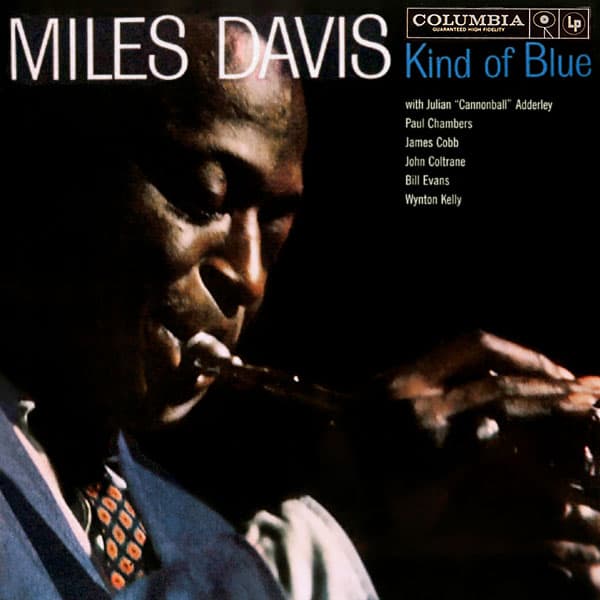
Kind of Blue
1959
Davis handed the players sketches on the day and most of what you hear is a first take. Two sessions, and it was done.
★ 9.8
 skopia
Davis handed the players sketches on the day and most of what you hear is a first take. Two sessions, and it was done.
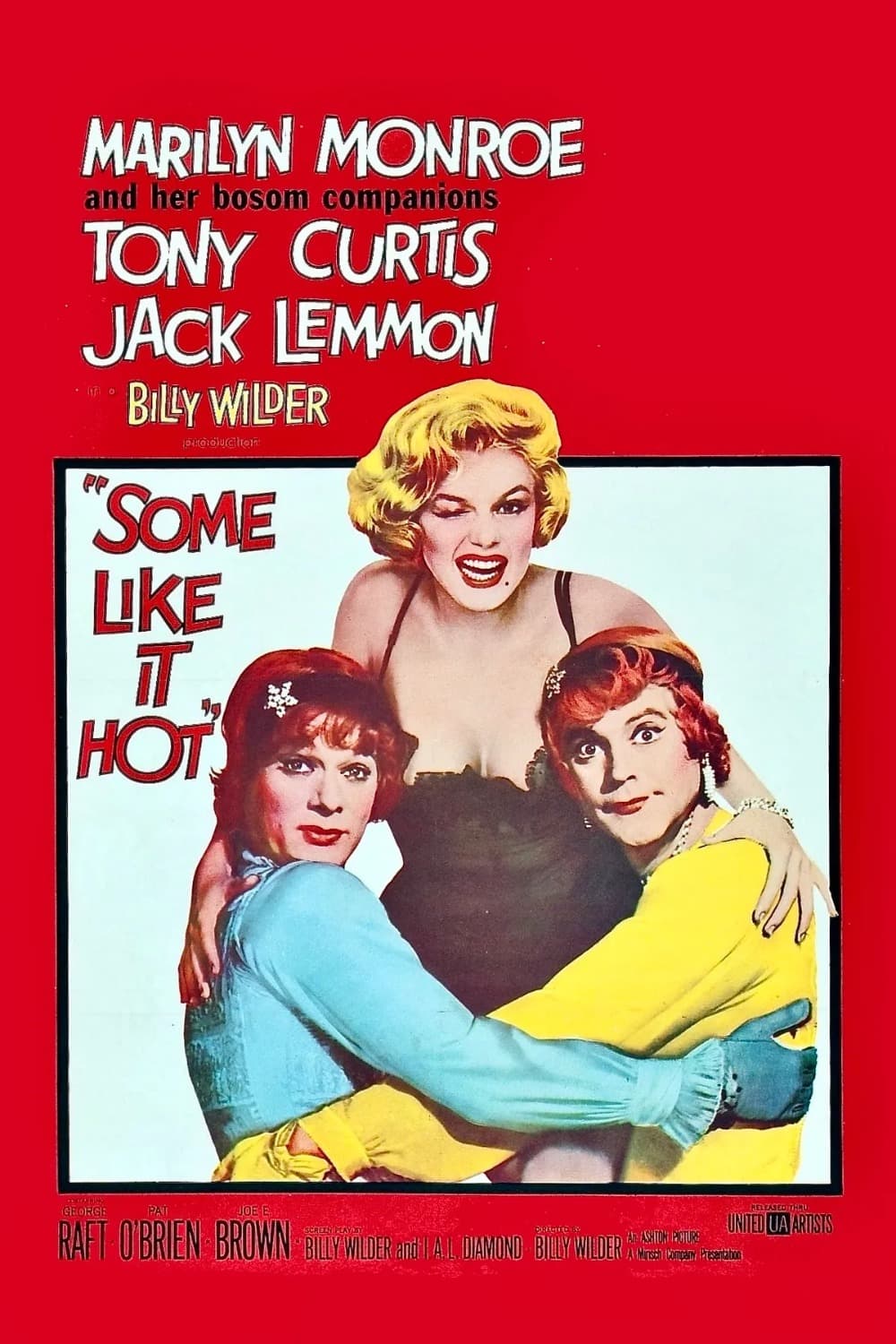
American comedy has never been funnier, and the Legion of Decency was appalled: Wilder ran a single disguise for two hours without ever letting the joke thin out.
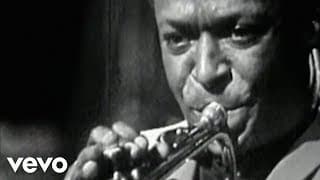
Two chords and all the space in the world, Davis proving that less was the most radical idea in jazz.
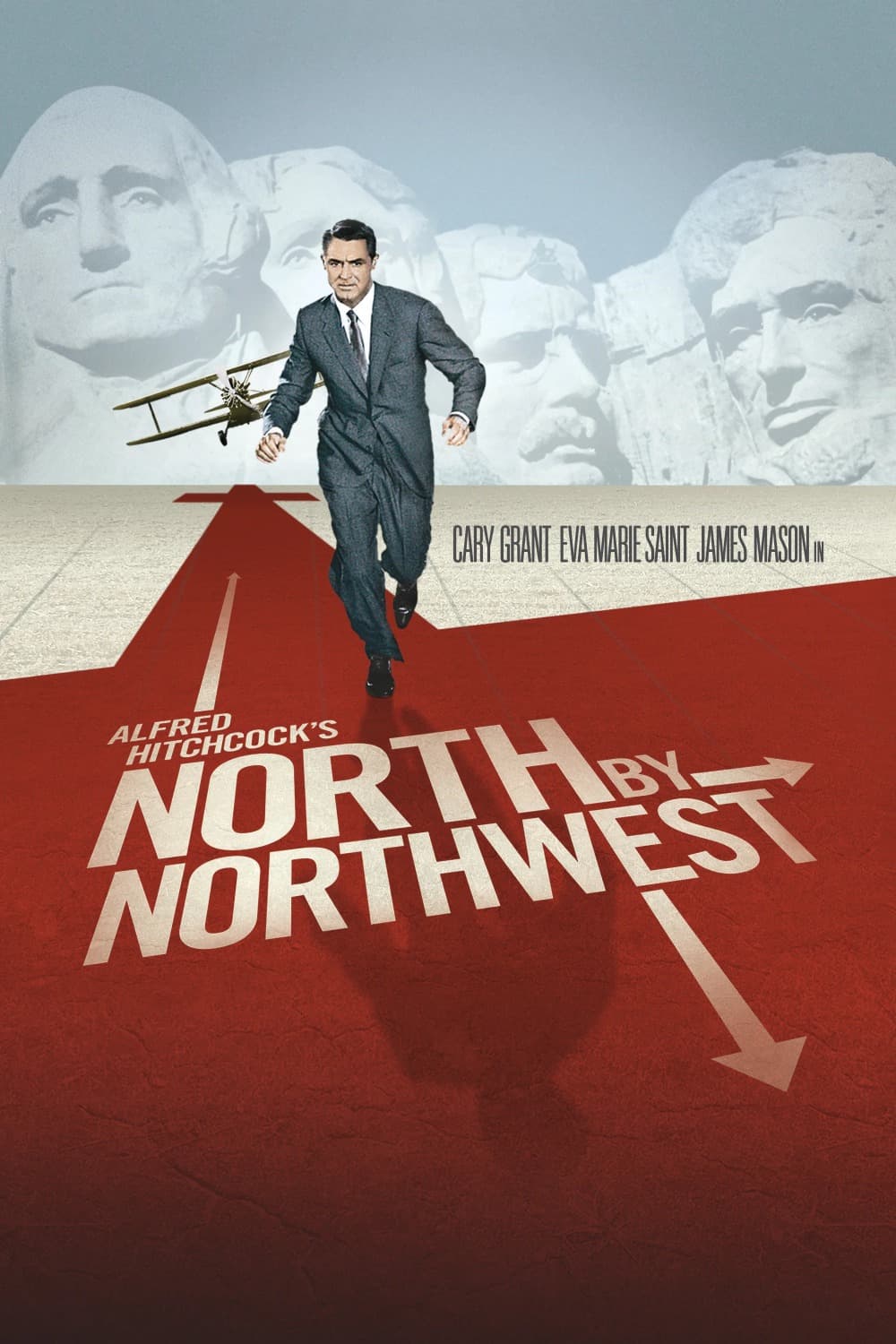
Every spy thriller since owes it something, James Bond most of all: Hitchcock chases an innocent man across America by crop duster and over Mount Rushmore, enjoying himself throughout.
Twelve minutes left at a Pennsylvania dance, so Charles improvised it on his Wurlitzer and many stations banned it.
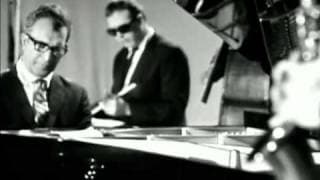
Morello kept soloing in five, so the quartet built him a tune in 5/4; Desmond wrote the theme.
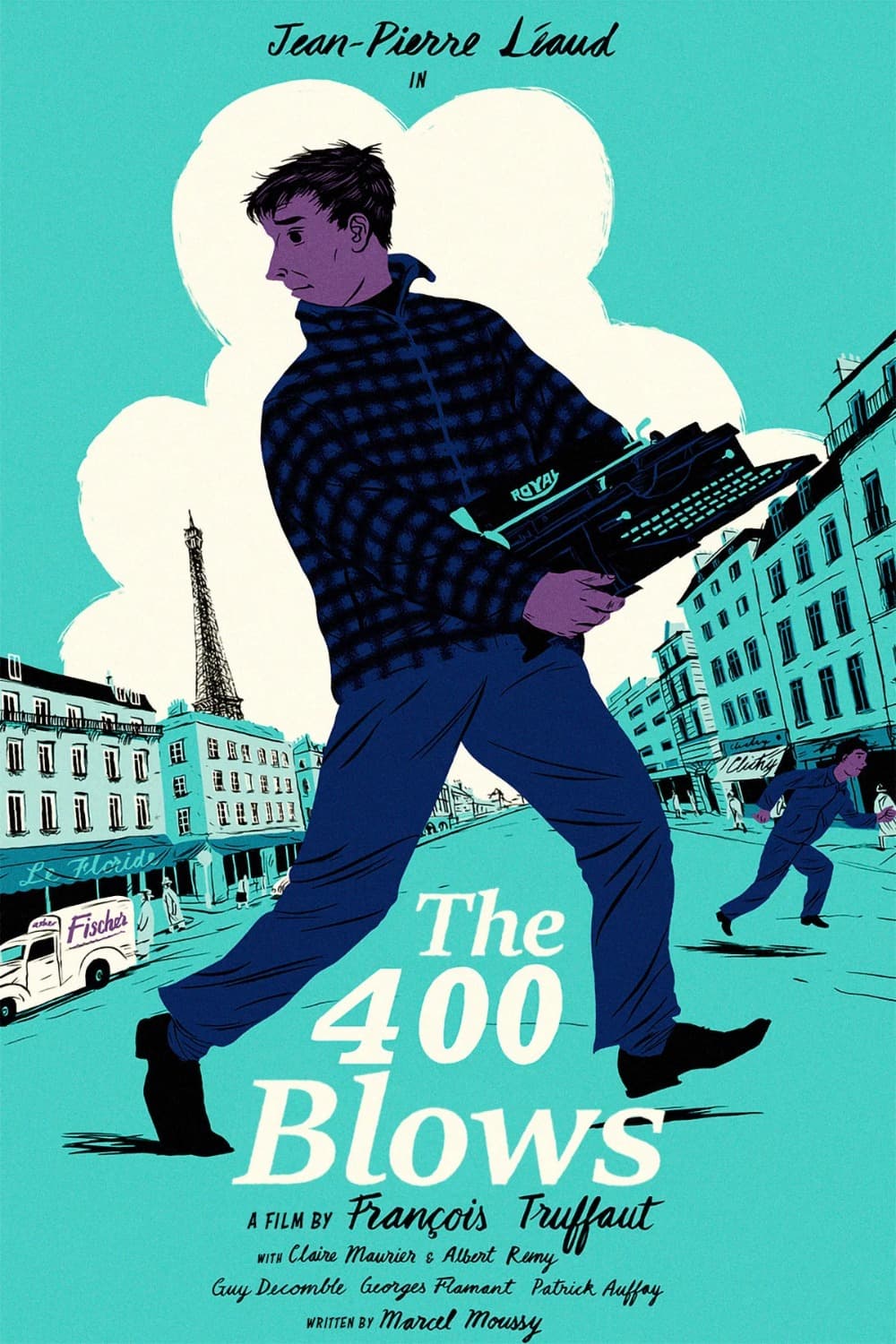
The French New Wave announces itself: Truffaut put his own miserable childhood on screen at twenty-seven, and the last shot changed what an ending was allowed to do.
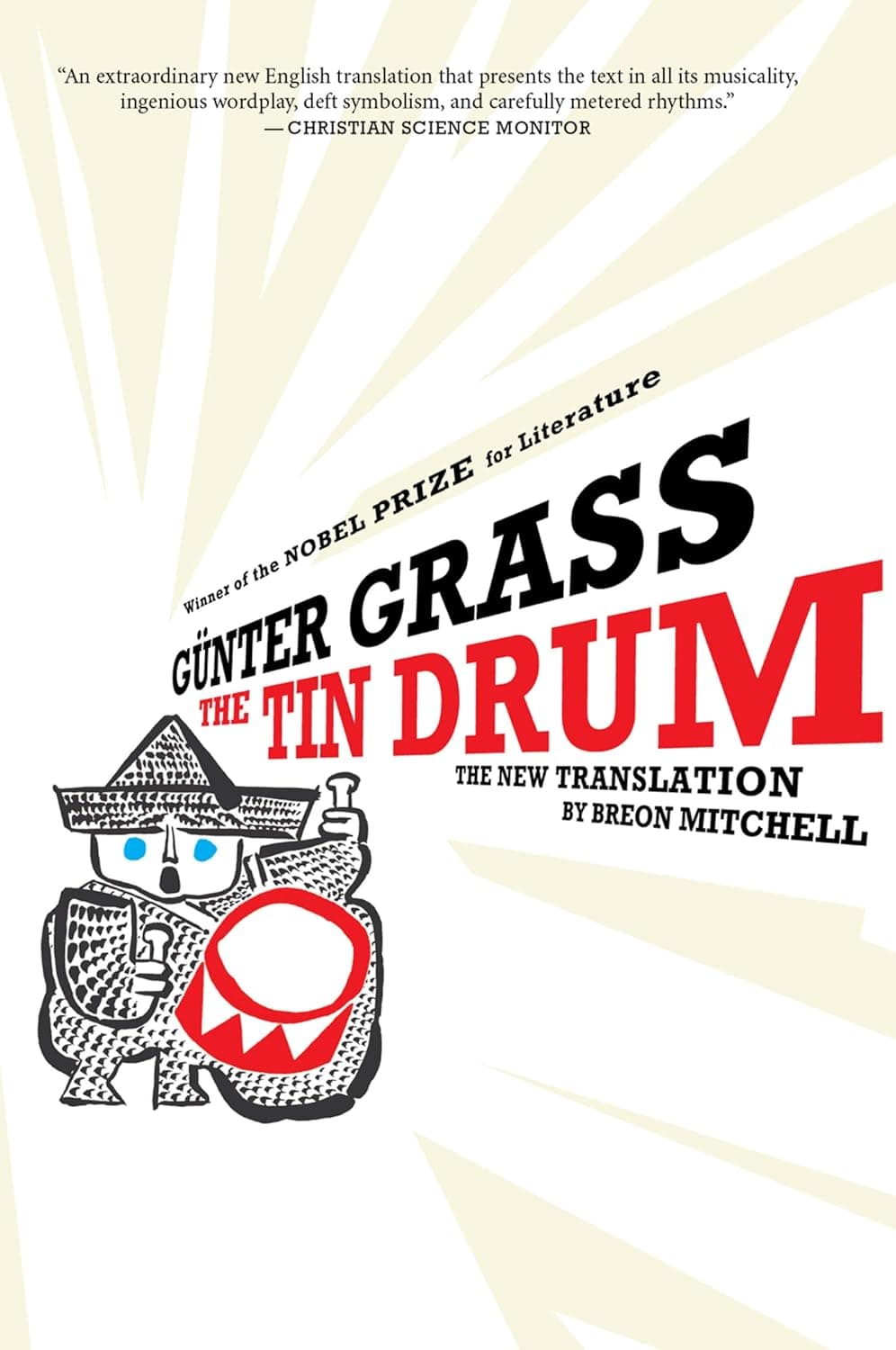
Oskar decides on his third birthday to stop growing, keeps his tin drum, and screams glass to pieces while the Nazis take Danzig. Grass forced postwar Germany to look at itself through him.
A twelve-bar blues in 6/8, take two the only complete one, and Paul Chambers' bass figure underneath everything.
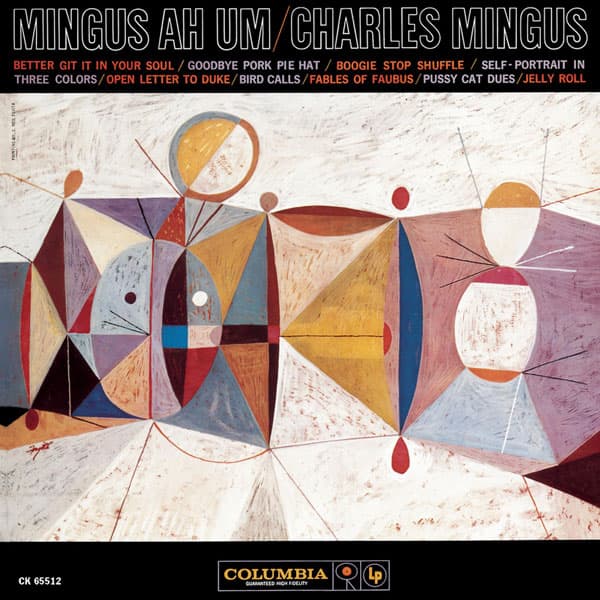
Columbia refused to let him record the words to Fables of Faubus, an attack on a segregationist governor, so it appears as an instrumental.
Ronald Isley improvised the call and response onstage extending Lonely Teardrops, and RCA packed the room with friends answering.

Coleman played a white plastic saxophone because it was what he could afford, and half the musicians in New York thought he was a fraud.
Lester Young died two months before the session, and Mingus answered with a slow blues named for his hat.

Every piece is in an unusual meter. Take Five is in five beats to the bar and was written by the saxophonist, Paul Desmond, not Brubeck.
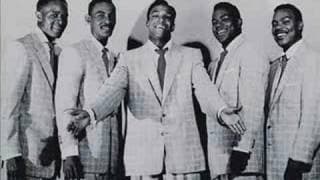
Strings, timpani and a Brazilian baion; Wexler reportedly dismissed the playback as a radio caught between two stations.
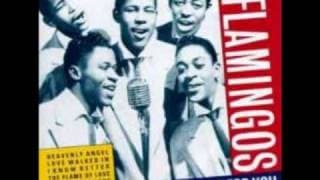
Terry Johnson dreamed the arrangement, called the group to rehearse at 4 a.m., and Goldner drowned it in reverb.
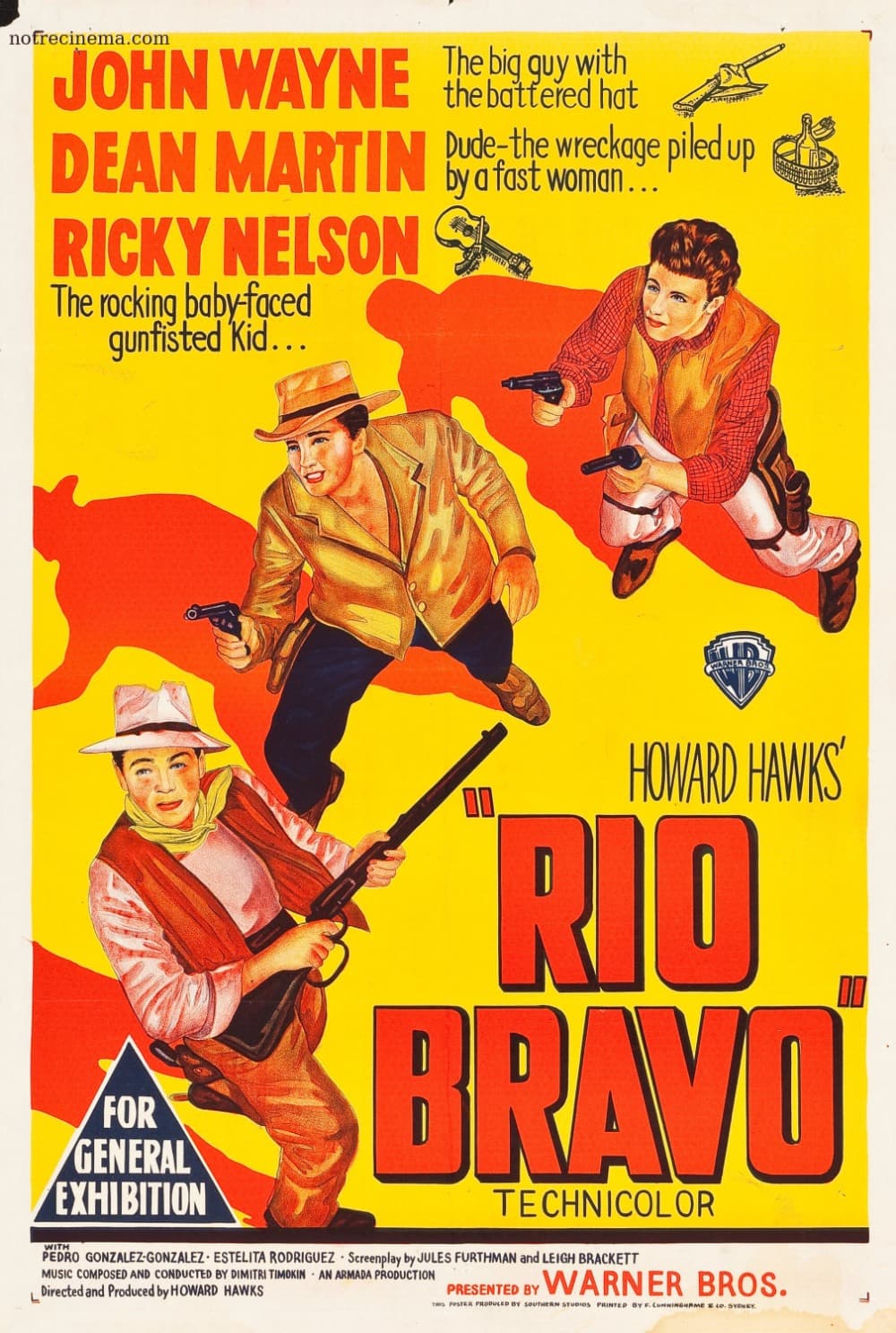
Hawks made it as an argument against High Noon: instead of a marshal begging for help, four flawed men hold a jail and enjoy each other's company doing it.
Richard Wess's arrangement climbs a semitone verse after verse, and Darin rides the tension to his only number one.

One Cairo alley holds human history entire. Its founder withdraws into a great house, and each generation raises a redeemer, Adam then Moses then Jesus then Muhammad, defeated by the same protection racket.