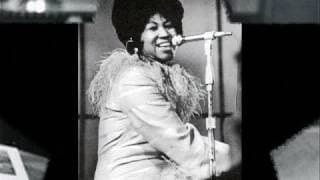
Respect
1967 · From I Never Loved a Man the Way I Loved You
Aretha takes Otis Redding's song away from him for good, spells out the demand, and never gives it back.
★ 9.9
 skopia
Aretha takes Otis Redding's song away from him for good, spells out the demand, and never gives it back.
Mark James flopped with it first, in the same Memphis studio; Moman then handed Presley his last American number one.

Hill wrote and produced it herself, aimed one verse at women and one at men, and debuted at number one.

Ali Payami and guitarist Niklas Ljungfelt built the track; Swift turned an on-off romance into a fashion metaphor.

Two chords, one piano, and Keys writing and producing her own debut single straight to Song of the Year.
Jesse Stone wrote it under a pen name, Atlantic cut it in February 1954, and Turner topped the R&B chart.

Nigel Godrich's sessions got scrapped, Gordon Raphael came back, and the descending twin-guitar riff turned everything into a sprint.
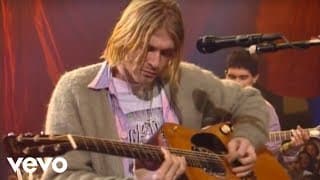
Cobain wrote it in 1988, reportedly after playing Meet the Beatles all day; the Unplugged take topped Modern Rock.
Hall started with a Roland preset and a Korg bass line, the one Jackson borrowed for Billie Jean.

Four palm-muted chords, Dirnt's bass doing the melodic work, and a lyric Armstrong wrote after fighting with Adrienne.
A thank-you note to Jagger for shouldering the band, by Richards' account, with Wood taking the solo.
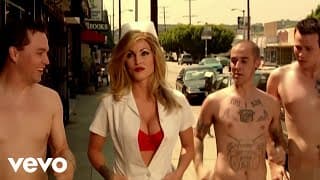
Hoppus was twenty-six and picked twenty-three purely for the rhyme; MCA made them drop the title "Peter Pan Complex".
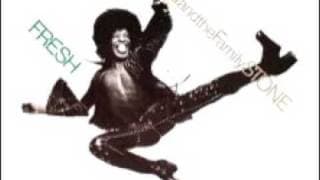
Number twelve on the Hot 100, the band's last pop top twenty, and a bass line hip hop still raids.
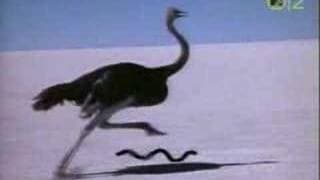
A Tim Pope video with no lip-syncing, BBC wildlife footage, and Talk Talk's only American top forty.

Chris Bear started the piano line on a Cape Cod weekend; Victoria Legrand's stacked harmonies make the rest glow.

Schwartz took the title from a pillow-punching therapy session, and Benatar made it her first American top ten.
Neville was working the New Orleans docks when he cut this for Par-Lo, a label built to release it.

Holly Knight and Mike Chapman wrote it as a ballad; Neil Giraldo's drum machines turned it into dance-rock.

Paich's pounding piano intro, Porcaro's triplet hi-hat, and Lukather's solo, all on a debut single that hit number five.

Judd Lander, the harmonica player from Karma Chameleon, gives the record its Stevie Wonder swing over Absolute's production.