I Heard it Through the Grapevine
1968 · From In the Groove
Motown shelved Gaye's version for over a year; it came out sounding like paranoia set to a Funk Brothers groove.
★ 9.3
 skopia
Motown shelved Gaye's version for over a year; it came out sounding like paranoia set to a Funk Brothers groove.
Dolly pleading with her rival rather than fighting her, written the same day as "I Will Always Love You."
Ida Red, a 1938 Bob Wills fiddle tune, turned into a car chase, with Johnnie Johnson's piano running underneath.
Mark James flopped with it first, in the same Memphis studio; Moman then handed Presley his last American number one.
Sting woke at Fleming's Goldeneye with the melody; Summers cut that arpeggio in one take and made surveillance sound tender.
Rodney Jerkins chopped the beat into stop-start halves, and a phone call full of suspicion became two Grammys.
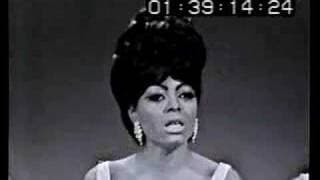
By Dozier's account the title came from a motel argument; Paul Williams supplied the hand at a rehearsal.
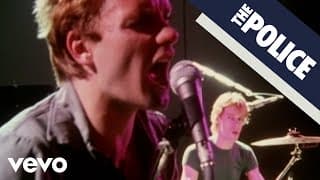
Copeland turned Sting's bossa nova into a tango, and the piano clang at the top was an accident they kept.
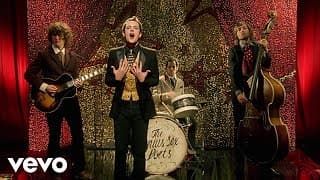
Flowers wrote it after a bad night at a Vegas bar; Britain has kept it charting past 500 weeks.
Armstrong's cornet answering every line Smith sings, with only a wheezing harmonium underneath, cut in New York in 1925.
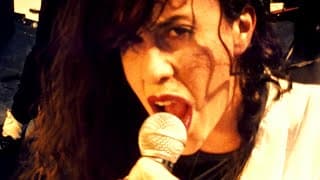
Flea on bass and Dave Navarro on guitar, recorded in Glen Ballard's home studio, behind the nineties' fiercest kiss-off.
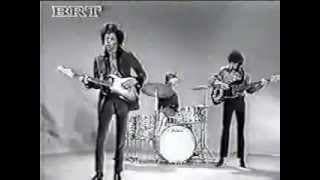
Hendrix took Tim Rose's slow arrangement off a jukebox, Chandler hired the Breakaways, and Britain answered at number six.
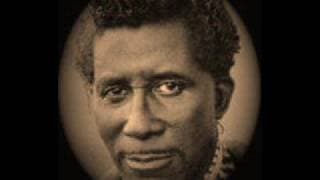
Intended as a blues ballad until the producer brought wine; Hawkins said he never remembered recording it.
Young wrote it in bed with a 103-degree fever, and Crazy Horse stretched it to nine ragged minutes.
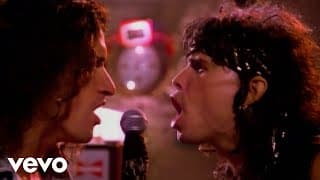
Three sounds in that intro: Hamilton's bass riff, Perry's talk box, a bass marimba. Aerosmith's first Top 40 single.
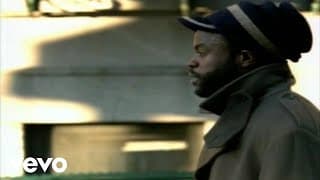
Jill Scott's hook, re-sung by Badu at the label's request, and Questlove driving the outro into drum and bass.
Townshend called it his ace in the hole and never forgave Britain for stopping it at number ten.
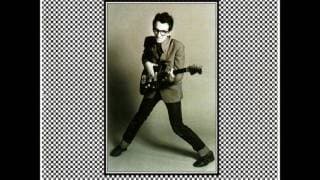
Costello wrote it after a night with the first Clash album; Nieve's piano stalks it like Bernard Herrmann.
Dozier had three Bernadettes in mind, and Levi Stubbs shouts the name at the false ending like a man drowning.
A Bobby Bland soul record from 1974, rebuilt by Kanye West, and Jay-Z sounding untouchable and unloved at the top.