Dancing Queen
1976 · From Gold: Greatest Hits
Seventeen and gliding across the floor, the rare disco record that sounds like joy and ache at once.
★ 9.1
 skopia
Seventeen and gliding across the floor, the rare disco record that sounds like joy and ache at once.
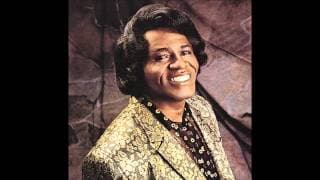
The record where the beat moved to the one and funk quietly began. James Brown never looked back.
Twelve minutes left at a Pennsylvania dance, so Charles improvised it on his Wurlitzer and many stations banned it.
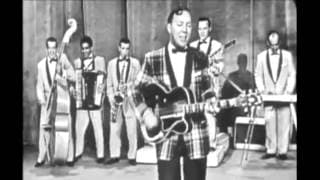
Cut in leftover studio minutes with Sammy Davis Jr. waiting outside, it flopped until Blackboard Jungle put it under the credits.
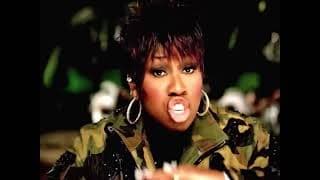
Timbaland set a tumbi melody over tabla and left Elliott acres of empty space to fill.
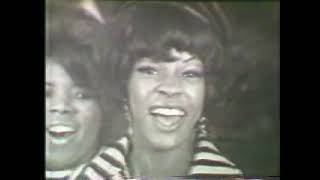
Gaye co-wrote it and cut an early version; Reeves heard block parties in it and needed two takes.
Romanthony's vocal pushed through auto-tune over a slowed Eddie Johns disco sample, filtered until the chorus explodes.
Willis wanted real words instead of ba-dee-ya; White refused, and the groove outlived any lyric she could have written.
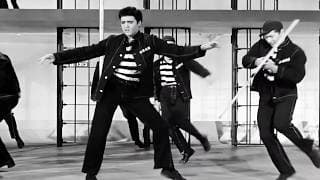
Leiber and Stoller wrote it as a goof; Scotty Moore's solo nearly derails the take and Presley never blinks.
Jackson wrote it himself and steered the session; a whisper, a water-bottle rattle, then Louis Johnson's bass takes over.
Bambaataa welded Kraftwerk's Trans-Europe Express to a Roland 808, and Tommy Boy paid Kraftwerk a dollar per record.
One of Brown's first dates with the new J.B.s, Bootsy Collins on bass at eighteen, Bobby Byrd answering every line.
One microphone, Roland Janes muted behind the boogie piano, and a July 1957 television debut that turned it national.
Bootsy Collins on bass, Fred Wesley and Maceo Parker newly arrived from James Brown, and Parliament's first gold single.
Last song of a twelve-hour day, Lennon's throat gone, one usable take, and the Beatles' only million-selling cover.
Nile Rodgers on rhythm guitar, an unknown Stevie Ray Vaughan on lead, and Bowie's biggest-selling single by a distance.
Rod Temperton offered it to Karen Carpenter first; Quincy Jones and Jackson took it to number one.
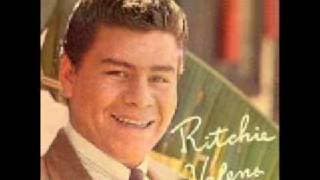
Cut as the B-side of Donna, a Veracruz son jarocho with Carol Kaye on rhythm and Earl Palmer driving.

Rodgers' guitar, Pharrell's vocal, Nathan East on bass, and disco walked back onto the radio wearing robot helmets.
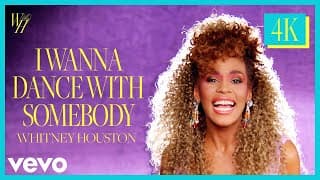
Walden thought the demo too country, funked it up, and Houston cut it while shaking off a bronchial infection.
Bootsy passed on the bass part, so Worrell chained three Minimoogs together and gave Parliament its first R&B number one.
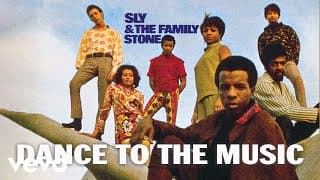
Clive Davis wanted a hit, so Sly wrote a roll call: each player steps forward, Cynthia Robinson shouting the title.
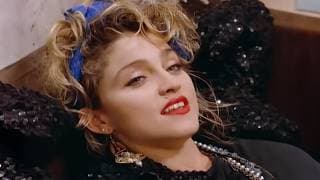
Written for another singer, rebuilt with Stephen Bray for a Desperately Seeking Susan dance scene, then buried on a B-side.
One lyric repeated 144 times over a synth bassline, and Gondry's video giving each instrument its own dancers.
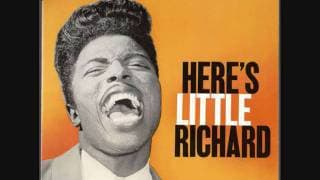
Little Richard lifted the piano intro straight off Rocket 88, and Earl Palmer's drums do the rest.
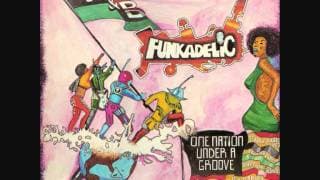
Clinton, Shider and Junie Morrison cut it at United Sound; six weeks at R&B number one, 1978's longest run.
Mannie Fresh's violin line over a bounce beat, Lil Wayne's chant at the close, and New Orleans bounce gone national.

Tito Puente wrote it as a 1962 cha-cha-cha; Gregg Rolie's Hammond organ replaced the horn section.
A melody Morrison worked out on soprano sax first, then Jack Schroer's alto solo swinging over Jef Labes' piano.
A B-side until a San Francisco DJ's remix reached radio, and a first rap Grammy nomination they boycotted.
Eight weeks stuck at number two behind Hey Ya!, then Big Boi's live Atlanta horns finally took the top.
Timberlake sang it in a distorted low register borrowed from Prince, and it held number one for seven weeks.
Don Was suggested welding a fifteen-minute jam to a shouted chorus, and Cindy Wilson's tin-roof ad-lib stayed in.
Jimmy Ellis over eleven minutes of Philadelphia rhythm, a flop in 1976 until Saturday Night Fever made it a hit.
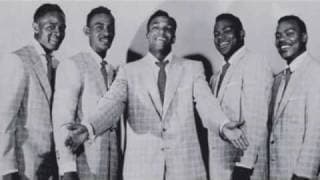
Pomus, who had polio, wrote the lyric on the back of his own wedding invitation, remembering his bride dancing.
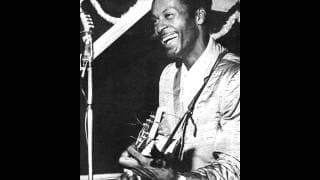
Lafayette Leake's piano, Willie Dixon's bass, and a melody Brian Wilson borrowed so closely he lost the copyright.
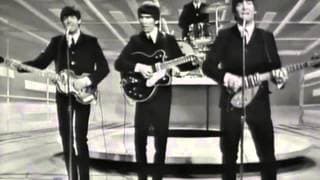
Martin spliced McCartney's count-in from take nine onto take one, and rock and roll never had a better doorway.
A Hank Ballard B-side first, then American Bandstand, then number one for Checker in 1960 and again in 1962.
Willie Dixon on bass, Lafayette Leake on piano, Chicago in May 1957, and Berry arguing the case for backbeat.
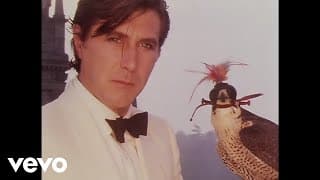
A swan song by Ferry's own account, with a wordless vocal from Yanick Etienne, found in the next studio.
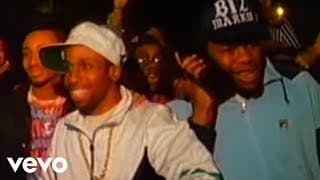
The Think break from a 1972 Lyn Collins single, and two Harlem kids made the party record of 1988.
Cypress Hill could not write to Muggs's beat and Ice Cube passed on it; it reached number three anyway.
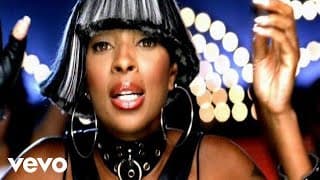
Dre's instrumental sat titled Fragile for months before it was renamed Family Affair and took six weeks at number one.
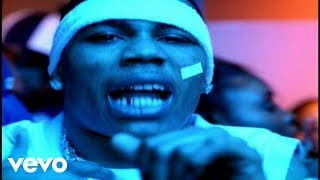
The Neptunes flipped Chuck Brown's "Bustin' Loose," and Nelly rode it to number one and the first male solo rap Grammy.
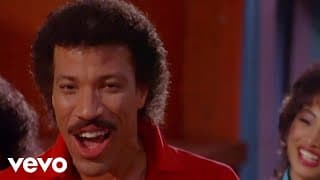
Those African-sounding chants are invented gibberish; Richie had no time for a translator and no reason to care.
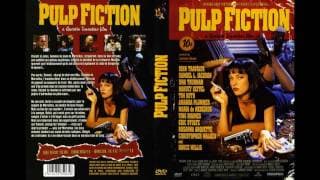
Don Boyce, the band's roadie, shouted the vocal and got a writing credit; Pulp Fiction did the rest.
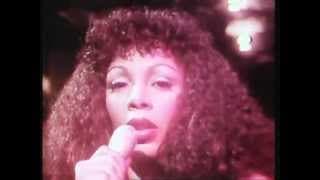
Jabara reportedly locked Summer in a hotel bathroom with a cassette until she agreed; it won the Academy Award.
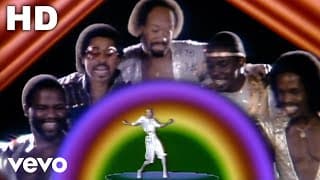
A vocoder hello, Philip Bailey's falsetto, and eight weeks at the top of the soul chart.
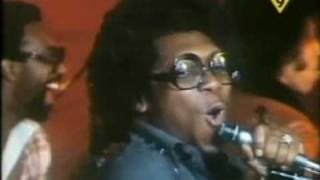
Drummer Walter Orange stepped out front, LaPread's bass line did the rest, and funk got a permanent floor-filler.
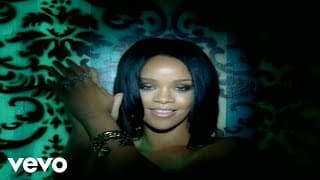
StarGate looped Michael Jackson's chant from Wanna Be Startin' Somethin', and Rihanna took it to number one in ten countries.
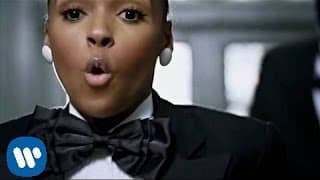
Cut at Wondaland with Big Boi guesting, a horn-driven groove Monae wrote about staying level under praise and criticism.
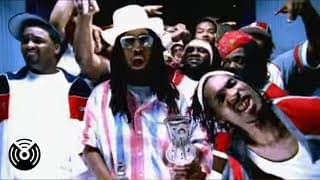
Crunk's breakthrough, produced entirely by Lil Jon, stalled at number two and drove the album past two million copies.
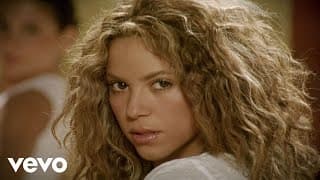
Jean and Duplessis rebuilt his 'Dance Like This' around Jerry Rivera's salsa trumpet line; number one in eighteen countries.
Mary Wilson and Phyllis Hyman turned it down; Benitez cut it at Sigma Sound in a week, cowbell included.
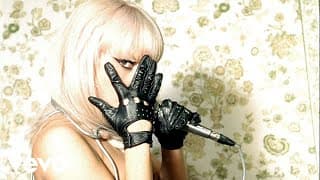
Twenty-two weeks crawling up the Hot 100 before number one, RedOne's synths announcing the pop decade ahead.
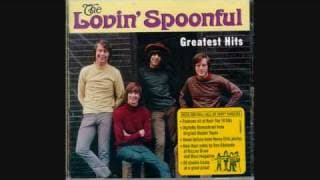
Sebastian's autoharp opens it, written after he watched a teenager dance at the Night Owl in Greenwich Village.
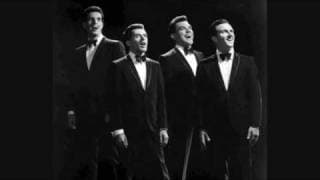
Gaudio wrote it in fifteen minutes by his account, and Valli's falsetto carried it to five weeks at number one.
Casey and Finch's call-and-response chant for TK in Hialeah topped the Hot 100 in two separate runs.
A Sly Stone drum loop, a fake nose, and Shock G inventing Humpty Hump, the funniest alter ego in rap.
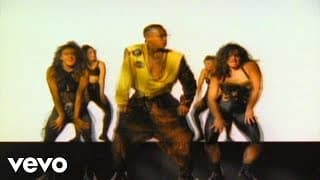
Rick James sued over the Super Freak riff and settled for a co-writing credit; Hammer's pants did the rest.
Justice built it from Michael Jackson song titles and handed the chorus to a London children's choir.
Los Lobos took a Veracruz wedding dance to number one, in Spanish, for the Ritchie Valens biopic.
A guitar solo recorded slow and played back at double speed opens KC's first American number one.
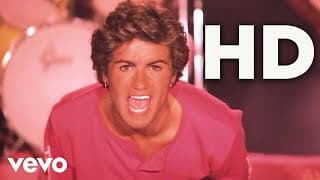
Ridgeley scrawled a note to his parents, doubled a word by mistake, and George Michael built a number one on it.
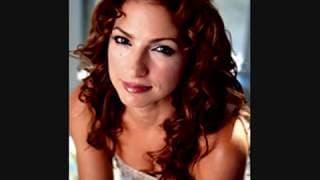
Written after a show in Utrecht by the band's own drummer, it walked Latin percussion onto American pop radio.
Lenky Marsden's Diwali riddim is mostly handclaps and space, and Sean Paul rode it to three weeks at number one.
Cara and Forsey wrote most of the lyric in a cab to the studio; six weeks at number one followed.
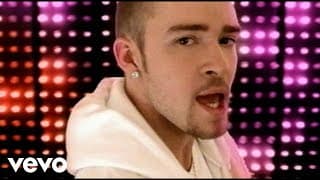
The Neptunes wrote it for Michael Jackson's Invincible; he passed, Timberlake took it, and the falsetto glides straight into disco.
Smith calls out the steps over a rolling left hand, on the first record to carry boogie woogie in its title.
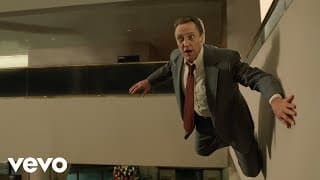
Bootsy Collins doubled in both channels, a Sly Stone sample, and Christopher Walken dancing through a Los Angeles hotel lobby.
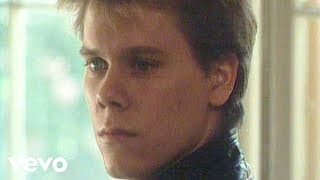
Pitchford wrote the screenplay first, then the lyrics; Loggins supplied the tune and his only number one.
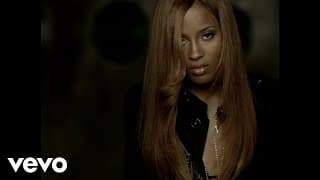
Jazze Pha built the beat on an Akai MPC3000, and Missy Elliott cut her verse before ever meeting Ciara.
Fifteen years old, a debut single that went top five, and Aaliyah already sounding unhurried and completely in command.
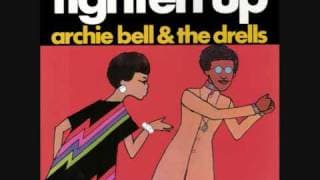
Houston's T.S.U. Toronadoes laid down the groove, and Bell was serving in Vietnam when it topped both charts.
Top three in America across three decades, three different singers, and Eva Boyd invented the dance after the hit.
Brown put the writing credit in his wife's and daughters' names over IRS debts, then cut it live in two takes.