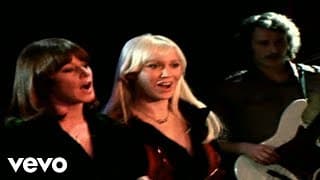
Dancing Queen
1976 · From Gold: Greatest Hits
Seventeen and gliding across the floor, the rare disco record that sounds like joy and ache at once.
★ 9.1
 skopia
Seventeen and gliding across the floor, the rare disco record that sounds like joy and ache at once.
Tommy wanted a Bay City Rollers chant; the album around it cost $6,400 and took seven days.
Entwistle's bass solo needed a Fender after his Danelectro strings snapped, and Daltrey stuttered his way into history.
Rick Wakeman's piano, Bowie's own saxophone, and a stutter on the title that flopped before it defined him.
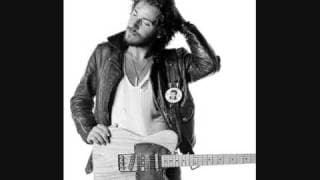
Bittan's piano, a harmonica, and a screen door slamming; Springsteen lifted the title from a Robert Mitchum film poster.
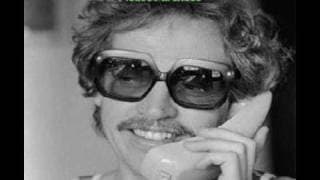
Stills wrote it about the Sunset Strip curfew riots, not Vietnam, and Young's harmonics ring like a warning bell.
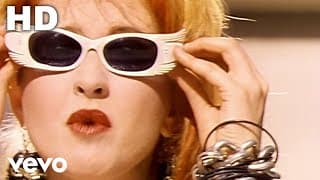
Robert Hazard wrote it in 1979 from a man's point of view, and Lauper flipped it into female solidarity.
Gallagher wrote it in 1991, before Oasis had a record deal, pitching plain optimism against everything grunge was selling.
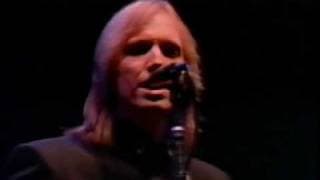
Petty cut it on the Fourth of July, 1976, and Roger McGuinn heard the Byrds so clearly he covered it.
Mott were splitting up when Bowie offered them this, written within hours of hearing the band was finished.
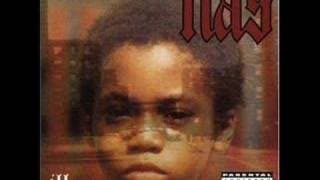
AZ's first appearance on record, the only rapper Nas let onto Illmatic, and his father Olu Dara closing on trumpet.
Seven and a half minutes, Paul Weller on lead guitar, and a lyric Noel admits he chose for the rhyme.
Mills cut the piano at Criteria on the instrument heard on "Layla," and John Paul Jones arranged the strings.
Richman borrowed two chords from Sister Ray and turned Route 128 after midnight into the happiest song about driving.
A-Plus flipped Billy Cobham's Heather into a beat he made in high school, and Oakland never sounded calmer.
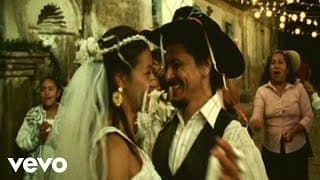
Twenty minutes for melody and title, by Flowers' account, and Flood and Moulder gave it Born to Run scale.

Matlock's riff, lifted off ABBA's "SOS", and the sound of a generation deciding not to care.
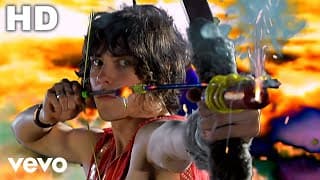
The praying mantis in their house inspired the music, by the band's account; the words satirize rock-star excess.
A rewrite of a 1959 novelty called "The Beat Generation", with Quine and Julian's guitars turning parody into manifesto.
Violins in the upper register, rare for Sly, on a single released weeks before the band played Woodstock.
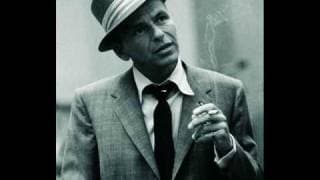
A 1946 film tune reborn in Riddle's arrangement on the album that topped Britain's first LP chart, Sinatra audibly beaming.
Joey Ramone spliced a jungle-comics heroine with punk's primal charge, and Britain sent it to number twenty-two.
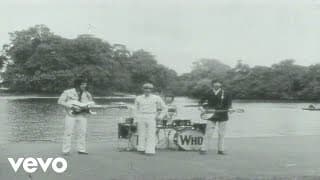
Recorded at IBC in October 1965, it stalled at 41 in Britain, then became the mod movement's calling card.
The album's opening shot, cut with Cale at the Hit Factory, and Iggy making boredom sound like a threat.
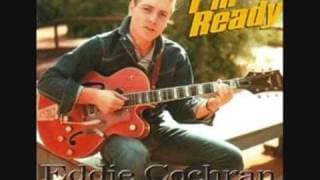
Earl Palmer on drums, Guybo Smith on bass, a B-side flipped into a number six hit in Britain.
Einziger's acoustic guitar over a house drop confused the crowd at Ultra in 2013, then it became Shazam's most-searched track.
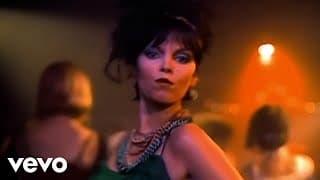
Holly Knight and Mike Chapman wrote it as a ballad; Neil Giraldo's drum machines turned it into dance-rock.
Two days on a dance version, scrapped for synth pads and a Cold War fear of growing old.
John Paul Jones scored the strings, Scott Litt named Queen as the model, and the lyric hands kids the wheel.
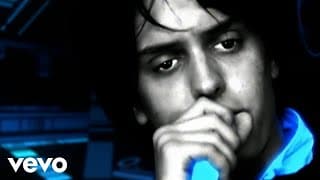
Guitars pushed to sound like synthesizers, and a Roman Coppola video that borrows its neon from Tron.

Sounwave's woozy loop, Ab-Soul in the margins, and Lamar naming a generation's numbness on his debut album.
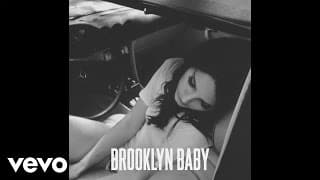
Del Rey wrote it with Lou Reed in mind, then sang the Brooklyn hipster caricature straight, deadpan and unbothered.
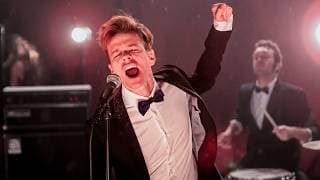
Six weeks at number one, and it began with Ruess singing the chorus, tipsy, at the Bowery Hotel.
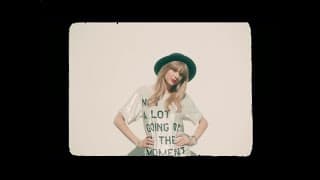
An acoustic guitar riff opens it, then Max Martin and Shellback's synthesizers turn a birthday into a full night out.
Justin Meldal-Johnsen co-produced at Sunset Sound, and Gonzalez turns unembarrassed optimism into a wall of synthesizers.
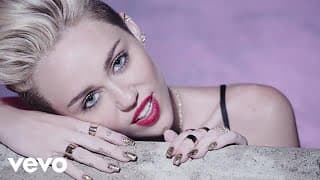
Written for Rihanna, passed to Mike Will Made It, and the la-di-da-di hook earned Slick Rick a songwriting credit.
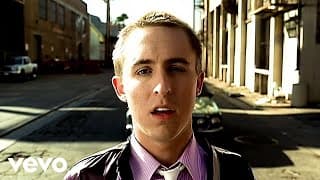
Sean Mackin's violin cutting through the guitars, and an avenue that is really a boulevard in Atlantic Beach, Florida.
Gonzalez wrote it with his brother Yann, and Ken Thomas produced an album that worships John Hughes and eighties synths.
Jack & Diane, Only the Good Die Young, Rock'n Me: the songs Chesney says drag him back.