Seven Nation Army
2003 · From Elephant
A guitar pitched down to fake a bass, and the seven-note riff every stadium on earth now sings.
★ 9.1
 skopia
A guitar pitched down to fake a bass, and the seven-note riff every stadium on earth now sings.
Recorded beside the Berlin Wall, Fripp's feedback howling while Bowie sings himself hoarse over a single defiant day.
Dre and Yella built it in a Torrance studio on almost no money, and Compton stopped being invisible.
Structured as a mock trial with Dre presiding, and it drew a warning letter from an FBI assistant director.
Presley started clowning through an Arthur Crudup blues on a break; Sam Phillips heard it and rolled tape.
Named for the gardener who woke them up, and cut with an acoustic guitar recorded into a Philips cassette recorder.
May came home from a Stafford gig where the crowd sang back, and built a chorus from stomps and claps.
Buried as a B-side until DJs flipped it, and Gaynor cut the vocal in a back brace after spinal surgery.
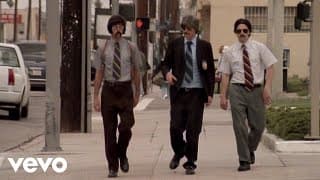
Yauch's bass line started it, Ad-Rock turned a joke about their producer into a scream, and Jonze filmed the rest.
Rick Rubin's first rap production in years, a Billy Squier drum break, and a second verse about a traffic stop.
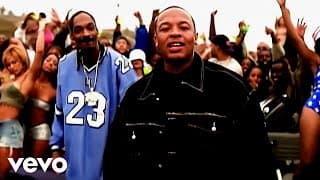
Jay-Z wrote every line of it, Scott Storch played the piano figure, and Dre's seven-year album silence ended.
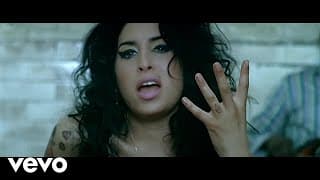
Cut live to tape at Daptone in Brooklyn with the Dap-Kings, and it took Record and Song of the Year.
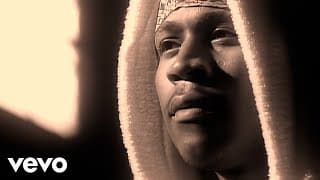
His grandmother told him to knock them out; Marley Marl looped Funky Drummer, and the Grammy followed.
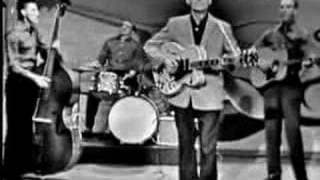
Cash suggested the phrase, Phillips talked him into changing one word, and Sun got its first million seller.
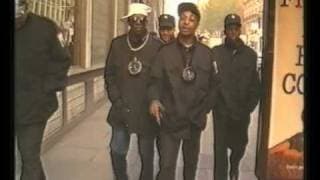
First released on the Less Than Zero soundtrack, it opens with Malcolm X and never stops arguing rap's case.
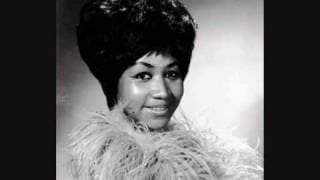
Joe South's tremolo guitar opens it, Don Covay wrote it young while singing gospel, and Franklin turns it merciless.
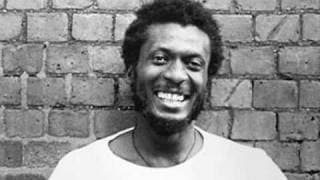
Cliff coined the phrase on set, Henzell made it the film's title, and the Dynamic Sounds session was filmed.
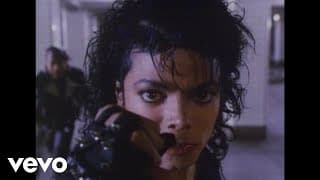
Scorsese shot eighteen minutes in a Brooklyn subway station, and the brass hits point straight back at James Brown.
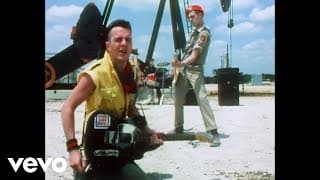
Topper Headon cut the drums, piano and bass himself, and Strummer finished the lyrics in the studio bathroom.
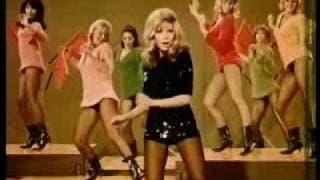
Chuck Berghofer's descending double bass, plus Sinatra talking Hazlewood into letting a woman sing lines written for a man.
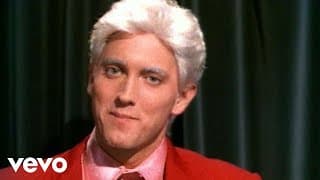
Dre and Eminem finished it in an hour, over a Labi Siffre interpolation, and Slim Shady existed.
Co-written with Ted White, out weeks after King's assassination, and a bridge that turns on one word, freedom.
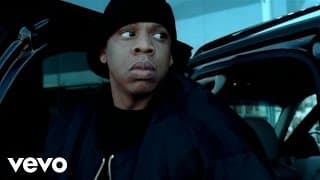
Timbaland's beat is all snap and space, and in 2008 a presidential candidate borrowed the shoulder-brush on a Raleigh stage.
Jackson answered street harassers by demanding respect over a factory preset Jimmy Jam found on an Ensoniq Mirage.
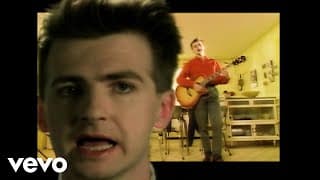
Froom's Hammond solo does the heavy lifting, and Finn wrote the rest as an exhortation to himself.
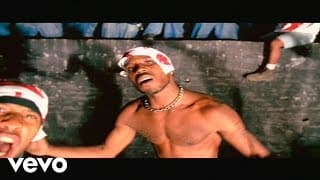
DMX turned the beat down for sounding too rock; his uncles talked him into it, and Swizz Beatz arrived.
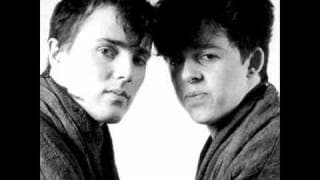
Orzabal wrote it on a small synth as an album track; Stanley heard a worldwide smash and was right.
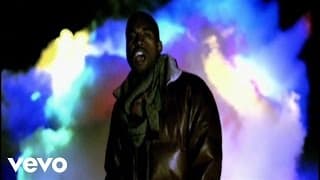
DJ Toomp built the beat and bassline, West layered the strings, and Zach Galifianakis lip-synced it on a tractor.
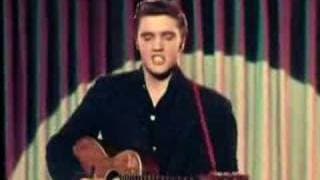
Scotty Moore and Bill Black behind him in New York, and Presley made RCA hold the single for Perkins.
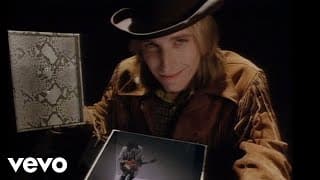
Harrison on acoustic guitar and harmonies, Lynne producing, and Petty answering the arsonist who burned his house down.
Matlock's riff, lifted off ABBA's "SOS", and the sound of a generation deciding not to care.
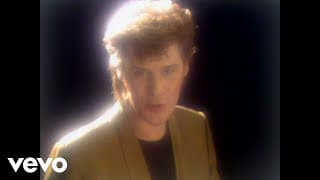
Hall started with a Roland preset and a Korg bass line, the one Jackson borrowed for Billie Jean.
A rewrite of a 1959 novelty called "The Beat Generation", with Quine and Julian's guitars turning parody into manifesto.
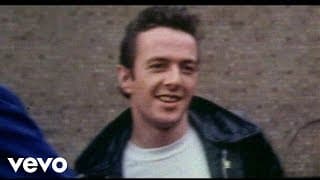
Lee Perry produced it after CBS released a single without the band's consent; Topper Headon's first Clash session.
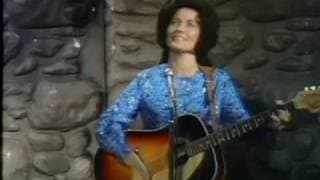
Lynn and her sister Peggy Sue wrote it, and the album became country music's first gold record by a woman.
Sixteen-year-old Ernie Isley's bass on his first session, cut for the brothers' own T-Neck label, funk built on a shrug.
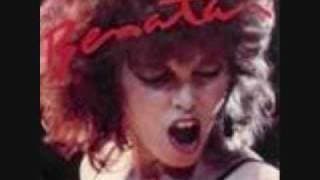
Schwartz took the title from a pillow-punching therapy session, and Benatar made it her first American top ten.
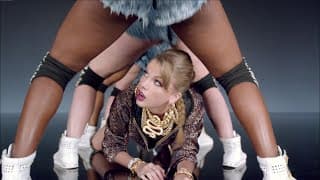
Martin and Shellback stomped the drum pattern on a wooden floor, and Swift turned tabloid noise into fifty weeks charting.
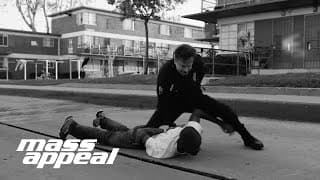
El-P's beat, de la Rocha recruited a day after a chance encounter, and the fiercest track on the album.