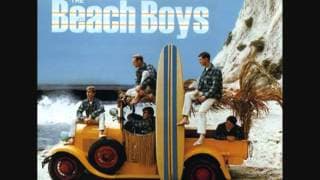
Good Vibrations
1966 · From Smiley Smile
Brian Wilson's pocket symphony, months and a fortune spent chasing one shimmering theremin line into the sunlight.
★ 9.8
 skopia
Brian Wilson's pocket symphony, months and a fortune spent chasing one shimmering theremin line into the sunlight.
Handclaps, that leaping chord under "I can't hide," and five weeks later America belonged to them.
Moroder's pulsing synth track, Summer floating above it, and the record Eno reportedly called the sound of the future.
Rich Harrison looped a Chi-Lites horn fanfare; Jay-Z turned up at three in the morning and improvised his verse.
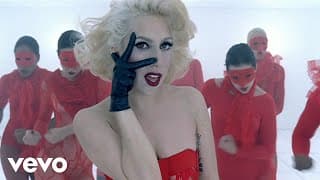
Written on a tour bus in Norway and premiered at Alexander McQueen's last show, all nonsense syllables and appetite.
Anita Carter cut it first, her sister June wrote it with Merle Kilgore, and Cash added the mariachi trumpets.
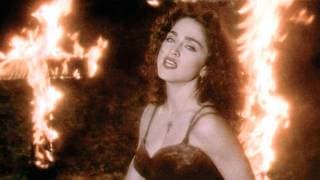
Patrick Leonard co-wrote it, Prince played the intro guitar, and Pepsi pulled its five million dollar ad but paid anyway.
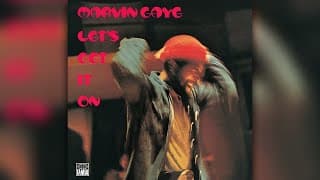
Ed Townsend conceived it as a spiritual; Gaye kept the backing track, rewrote the lyric, and Billboard number one followed.
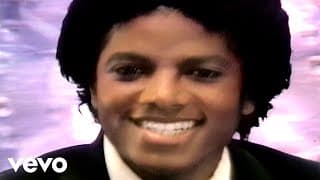
Jackson wrote it himself and steered the session; a whisper, a water-bottle rattle, then Louis Johnson's bass takes over.
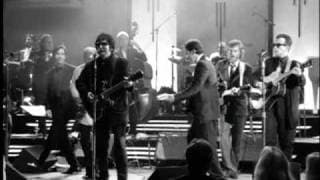
Claudette said she was going out, Dees answered that a pretty woman never needs money, and the riff followed.
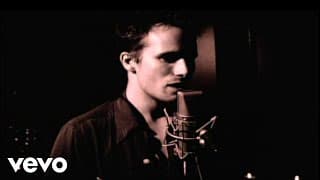
Buckley learned it from John Cale's version and cut over twenty takes at Bearsville; the edit sounds like one breath.
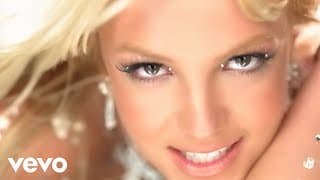
Minogue passed on it; Bloodshy and Avant hung a Bollywood string sample over surf guitar for Spears's only Grammy.
Krieger wrote most of it, Manzarek built a Bach-shaped organ intro, and Morrison sang the banned lyric on Sullivan anyway.
The Edge was sent a prototype Infinite Guitar by Michael Brook, and U2 had their first American number one.
Recorded on a secondhand eight-track in a Chalk Farm attic, and an American number one by September.
Teddy Riley sang lead because none of his group liked it, then it ended Macarena's fourteen weeks on top.
Marr stacked roughly fifteen guitar tracks and dropped a knife on the strings; Morrissey lifted a line from Sleuth.
Gaye programmed the TR-808 himself in a Belgian studio, and it finally won him the first Grammys of his career.
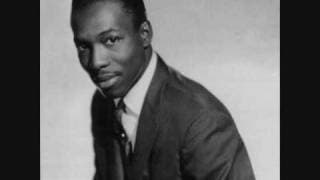
Jerry Wexler danced the Jerk across the Stax floor until the band pushed the backbeat onto beat two.
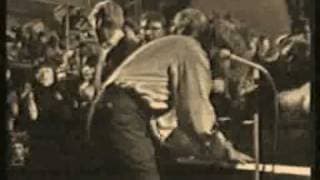
One microphone, Roland Janes muted behind the boogie piano, and a July 1957 television debut that turned it national.
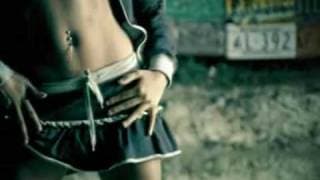
A dembow riddim from Luny Tunes, an uncredited hook from Glory, and a place in the National Recording Registry.
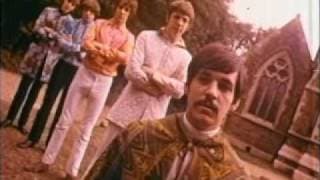
Fisher's Hammond nods at Bach for a bar before veering off, and Reid took the title from a party remark.
A Steinberg and Kelly demo Rodgers disliked at first, six weeks at number one, and a seventeen-foot wedding cake.
Last song of a twelve-hour day, Lennon's throat gone, one usable take, and the Beatles' only million-selling cover.
Nile Rodgers on rhythm guitar, an unknown Stevie Ray Vaughan on lead, and Bowie's biggest-selling single by a distance.
West cleared the Daft Punk sample through their manager, had Timbaland reprogram the kick drums, and hit number one.
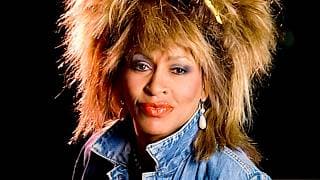
Cliff Richard turned it down, Bucks Fizz shelved it, and Turner at forty-four took it to number one.
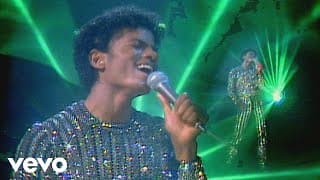
Rod Temperton offered it to Karen Carpenter first; Quincy Jones and Jackson took it to number one.
Two voices and no instruments at all: Doug E. Fresh's beatbox under Slick Rick's storytelling, sampled ever since.
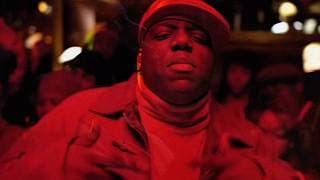
Chucky Thompson built it on the Isley Brothers' Between the Sheets, and Biggie made charm sound entirely effortless.
Barrow looped Isaac Hayes' Ike's Rap II, Utley added the guitar, and Gibbons sings it like a demand.
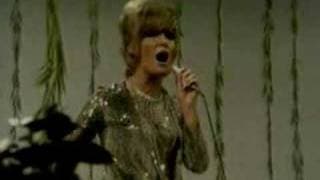
Written with Aretha in mind, handed to Springfield by Jerry Wexler; Memphis cut the track, New York got her vocal.
Bruce came home from a Hendrix show carrying the riff, and Baker answered it by drumming on one and three.

Rodgers' guitar, Pharrell's vocal, Nathan East on bass, and disco walked back onto the radio wearing robot helmets.
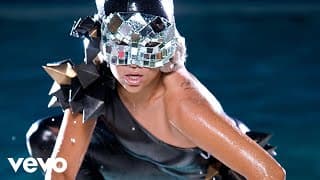
RedOne produced it at Record Plant, Gaga's mum-mum-mum-mah hook nodding to Boney M, and 2009's best-selling single worldwide.
The Runaways passed, so Jett recorded it twice herself; the second version spent seven weeks at number one.
A stomping riff, a desert studio in Joshua Tree, and the band's first single to reach the Billboard Hot 100.
Ten minutes at the end of somebody else's session, and an ocarina solo standing in for a hand whistle.
Dennis and Davis wrote it in three and a half hours, and Minogue committed after twenty seconds of the demo.