Heart and Soul
1987
Decker's rap began as syncopated nonsense syllables, and she overdubbed herself into a duet nobody could play live.
★ 2.1
 skopia
Decker's rap began as syncopated nonsense syllables, and she overdubbed herself into a duet nobody could play live.
Swayze and Stacy Widelitz wrote it in 1984; rejected for Youngblood, it found Dirty Dancing and Wendy Fraser's backing vocals.
Gilbert traded shred for acoustic guitar behind Martin's teenage lyric, and hand claps carried it to number one.
Scannell wrote it about a friendship he wanted to be more, and it became Billboard's most-played single of 2000.
A 1998 flop that stalled at twenty-four, reissued after America caught on, then three weeks at number one.
Cronin sat on the verses for years before finishing them in Hawaii, and three weeks at number one followed.
Recorded first by the band Toronto in 1982 and shelved, it became Heart's first Capitol single, with Grace Slick harmonizing.
Ben Keith produced Pieces of You partly at Neil Young's ranch, and radio flipped this B-side into the hit.
Waldman heard the demo's bitter premise and steered the lyric hopeful; five weeks at number one followed.
Martin called it a blatant Jeff Buckley attempt, cut at Rockfield with Ken Nelson, and the chorus soars anyway.
Popper wrote it about an unrequited crush, then watched it sit on the Hot 100 for forty-nine weeks.

Schultz wrote those shouts to snap indifferent Brooklyn crowds to attention; the record sat sixty-two weeks on the Hot 100.
Max Martin coached Timberlake into pronouncing the last word "may", and 'N Sync got their only Hot 100 number one.

Vernon strips Reid and Shamblin's Nashville ballad to falsetto, then slips into Raitt's "Nick of Time" at the end.
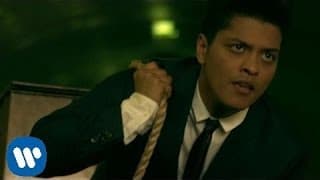
Rebuilt two days before the album was due, its surf-pop guitars gone, and Mars sings it like a wound.
Five minutes of Harmer's bass riff before a word arrives, a krautrock crawl radio edits had to hack apart.
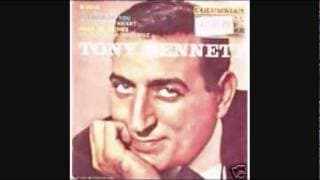
Mitch Miller took a Hank Williams country ballad, wrapped it in Percy Faith's strings, and country crossed over.
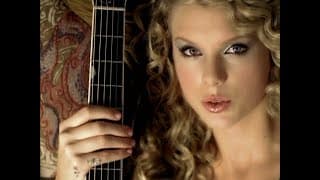
Nathan Chapman's production stays hushed while Swift and Liz Rose leave the real classmate's name, Drew, in the lyric.
Mishra cut it in his bedroom on an Atari ST, sampling a 1932 muted trumpet, and topped the UK chart.