Picture
Kid Rock and Sheryl Crow
2002
Crow's label blocked the radio rights, so Allison Moorer re-cut the female vocal; it still became Kid Rock's biggest hit.
★ 3.0
 skopia
Crow's label blocked the radio rights, so Allison Moorer re-cut the female vocal; it still became Kid Rock's biggest hit.

A deliberate Euro-club record from Akon and Giorgio Tuinfort, with a video now past a billion views.
A DX7 electric piano, a drum machine, and Don Myrick's saxophone taking a number one out quietly.

James Ford produced it, all three sisters wrote it, and the harmonies turn a plea into a groove.
Beckett and Crowley wrote it after two bandmates' breakups, and Lambert and Potter's production held number one for three weeks.
Reversed cymbal into synth bass, John Lang's lyric drawn from Kahlil Gibran, and Page's voice soaring over it.
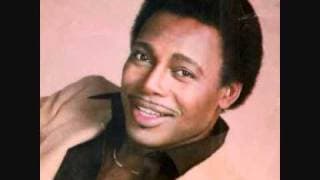
Graydon, Lukather and Champlin wrote it for a greatest hits album, Porcaro programmed the Linn drum, and it won a Grammy.
Foster brought in three Toto members and saved Chicago's horns for the coda, returning the band to number one.
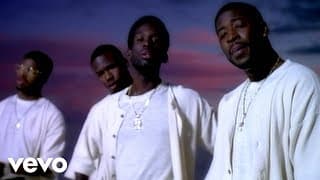
Four voices, one Babyface song about a relationship drying up, and another number two for the Philadelphia group.

Every instrument on it is Winwood alone; the 1982 single stalled, and Tom Lord-Alge's 1987 remix reached the top ten.
Three days at RAK Studios in London, a row patched up, and marimbas in place of the usual dance-floor sheen.
Buckland gave up on a guitar part and played maracas instead, and Martin's slow crawl back still aches.
A 1966 Four Seasons song rebuilt as a medley, John Edwards out front, and two weeks at British number one.

Jam and Lewis wrote it in Minneapolis, and Oakey called that vocal the best he ever gave.
A B-side cut in April 1964, with Jimmy Norman adding lyrics at the session; Jagger later copied her ad-libs.
Only the Beatles had replaced themselves at number one before Jimmy Jam and Terry Lewis handed the group this.
Cronin wrote it after his wife confessed an affair; Richrath's Les Paul turned a piano ballad into a number one.
Holland-Dozier-Holland's fifth straight number one for the group, Jamerson's bass driving it, Ross name-checking Flo and Mary mid-verse.
Barlow says it took fifteen minutes to write; the BRIT Awards debut pushed the release forward to an instant number one.

One out-of-tune Liverpool piano, an attempt at a Harrison song abandoned, and the chord run Martin kept instead.
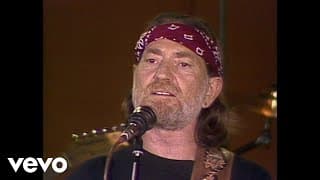
Haggard passed on it at the Pancho and Lefty sessions, so Nelson stayed behind and cut it himself after hours.
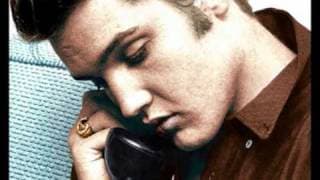
Blackwell gave Presley half the writing credit; the Jordanaires hum behind a vocal so relaxed it barely seems to try.
Willie Mitchell and Al Jackson handed Green a track; he reportedly had the lyric in five minutes.
Lennon and McCartney started it on a tour bus after a Newcastle show; Martin thought the sixth-chord ending corny.