Break Your Heart
2010
Fraser T Smith produced a UK number one; Mercury then added Ludacris and it leapt to the American top spot.
★ 1.5
 skopia
Fraser T Smith produced a UK number one; Mercury then added Ludacris and it leapt to the American top spot.
Don Von Tress wrote it; the Marcy Brothers cut it first, then Cyrus's video sent line dancing worldwide.
Written in 1982, handed to Branigan after Bolton refused Clive Davis's rewrite, and reclaimed for a number one.

That accordion hook interpolates an Azerbaijani song from 1989, and Vika Jigulina's vocal rode it 47 weeks across Europe.
Twelve weeks at number one on Alternative Airplay, with Brett Scallions selling every syllable of Carl Bell's chorus.
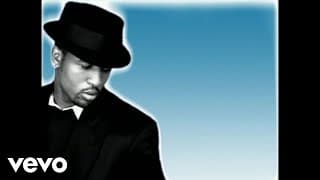
Rich played almost every instrument on it himself in an Atlanta studio, then sang the heartbreak like a secret.
A decade after the Nitty Gritty Dirt Band cut it first, Rascal Flatts rode it to five weeks at number one.

Linda Ronstadt produced it, and Neville's falsetto turns the Main Ingredient's 1972 consolation into something even gentler.
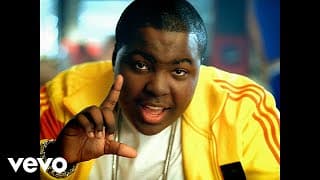
Rotem built it on Stand by Me, and Kingston, seventeen, became the first nineties-born artist to top the Hot 100.

Half-finished on the Hooligans tour, the melody landed once Mars saw an early cut of Breaking Dawn.
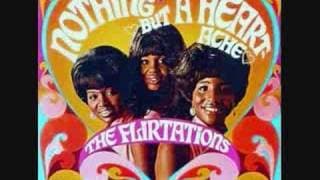
Two Pearce sisters and Viola Billups on a British label, a Northern soul classic that outlived its modest chart run.
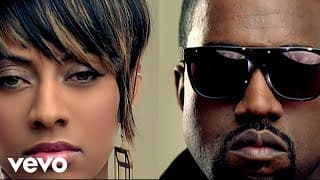
Six names on the writing credit, three voices trading verses, and Danja's production holding a number three hit together.
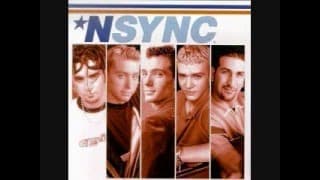
An all-night session at Stockholm's Cheiron Studios, Chasez on the last vocal at six a.m., the hook already immovable.
Beckett and Crowley wrote it after two bandmates' breakups, and Lambert and Potter's production held number one for three weeks.
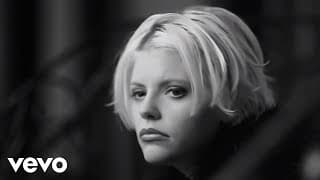
Two sisters writing about their parents' divorce, and a demo vocal that won Natalie Maines the lead job.
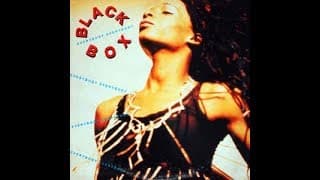
Martha Wash sang it, a model mimed it, and her lawsuit changed how dance records credit their singers.
Cut for Victor in July 1918 by the singer billed as Queen of the Blues; jazz kept it.
Pino Palladino on bass, Ricky Peterson on piano, Steve Jordan producing, and Mayer singing the moment the dream ends.
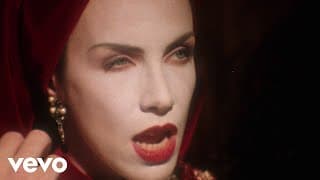
Spiccato strings, a skipping piano, and a breakup lyric; Malkovich and Hugh Laurie costar in the period video.
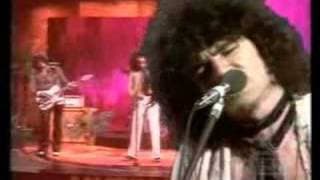
A 1960 Boudleaux Bryant song the Everly Brothers cut first, remade by McCafferty's rasp into the version everyone knows.
Thirty pounds bought the song from Cat Stevens, and an ex-Ikette in London charted it before he released his own.
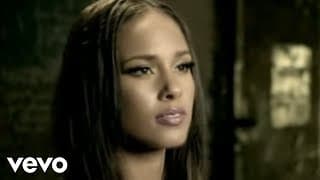
Synth pitched somewhere in early-eighties Prince territory, with Keys singing insomnia as though it were a physical condition.
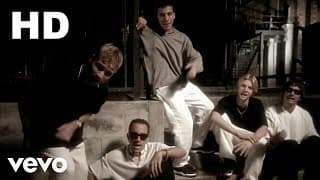
Two million US copies, a Stockholm session from 1995, and a vocal Nick Carter recorded once his voice settled.
Cuba Gooding Sr. stepped up after Donald McPherson's death and turned heartbreak into the warmest consolation soul ever offered.
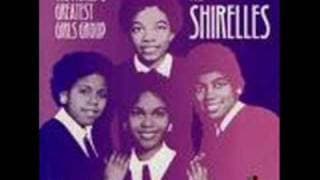
Number four in 1961, with Luther Dixon and Willie Denson turning a mother's shrug into pure reassurance.
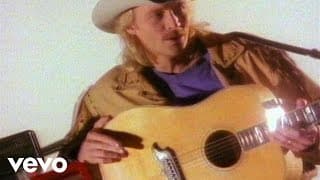
Jackson leaned against a wobbly jukebox in a Virginia lounge, left with the title, and George Jones got name-checked.
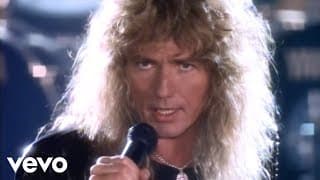
Jon Lord's Hammond organ on the 1982 original, a heartbreak song Coverdale wrote in Portugal, later a number one.
Enigk wrote it as a solo acoustic song; the band took it over, and his cracked howl carries it.
By Michaels' account a bad phone call from a Dallas laundromat wrote itself into Poison's only number one.
A soft reggae beat from Mikey Craig's Caribbean instincts, Steve Levine's polish, and Boy George on Top of the Pops.
Gordy ordered a rush job after Columbia reissued an old single, so Holland-Dozier-Holland reversed their own chart topper.
Diane Warren built it from the title alone, Braxton resisted recording it, then held number one eleven weeks.
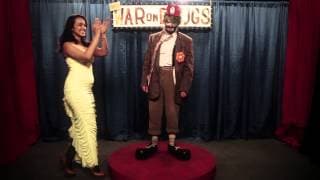
Granduciel spent two years second-guessing these sessions, and the song still turns on one yelp before the chorus.
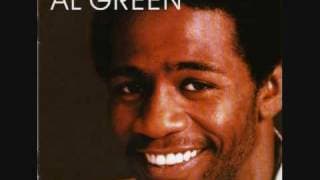
Willie Mitchell let a Bee Gees ballad run past six minutes at Royal Studios, and Green sings the whole ache.
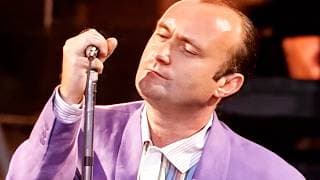
A Face Value outtake with new lyrics for Taylor Hackford's film, and Collins's first American number one.
Robertson wrote it expressly for Danko's voice, and at their own Shangri-La studio the Band gave loss room to breathe.
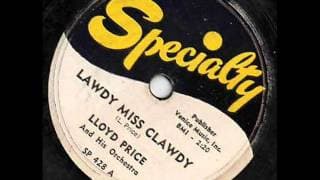
Fats Domino sat in on piano at Cosimo Matassa's studio, setting the pattern for New Orleans rock and roll.
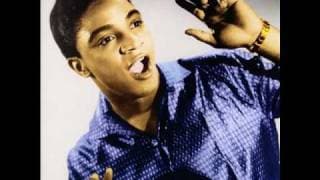
Berry Gordy wrote it before Motown existed, and arranger Dick Jacobs sped the ballad into Wilson's signature record.
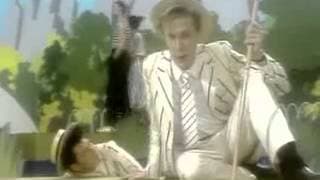
Trevor Horn's desk, Anne Dudley's strings, and Fry making his own jilting sound like the most glamorous thing available.
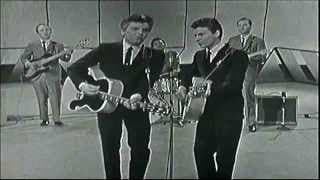
Cut live in one take with the brothers sharing a microphone, the drums looped on tape to double them.