The Hardest Thing
1999
David Frank and Steve Kipner handed a boy band a breakup song about ending an affair; it reached number five.
★ 1.6
 skopia
David Frank and Steve Kipner handed a boy band a breakup song about ending an affair; it reached number five.
J.R. Rotem looped Imogen Heap's Hide and Seek under a debut single, and Derulo had a number one within months.
Nic Nac's beat borrows from "Money Ain't a Thang," and three regional versions carried it thirty-six weeks on the chart.
Drummer Stan Frazier sang the hook on his way out of the studio, and the chorus borrows Malo's Suavecito.
Jaguar Wright's hook over Philadelphia's finest, and lyrics so tied to The Best Man the film edited out a spoiler.

Epic wanted a different follow-up single; the band held out for Richrath's chain of hearsay and reached number five.
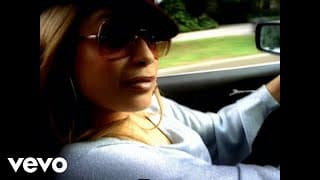
Dallas Austin wrote it, produced it, played bass and keys, and slipped a Sinatra snippet under Cantrell's revenge.
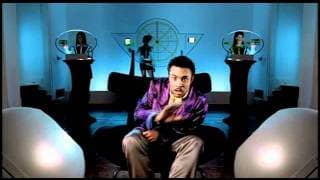
A Hawaiian DJ pulled it off an MP3 site and put it on air; Britain's biggest seller of 2001 followed.
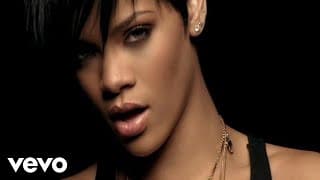
StarGate and Ne-Yo tracked the ballad in three studios on two continents, and it vaulted from fifty-three to number one.
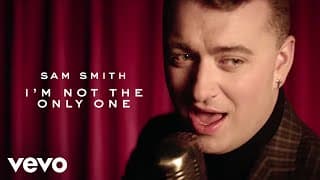
Smith and Jimmy Napes wrote it about someone else's marriage, and Simon Hale's strings carry the slow march.
Jam and Lewis wrote it in Minneapolis, and Oakey called that vocal the best he ever gave.
Guitarist John Spinks wrote it, Tony Lewis sang it, and producer William Wittman pushed the band past their softer demo.
Blue Oyster Cult passed, .38 Special passed, and Adams kept the riff; the first full take made the record.
Cronin wrote it after his wife confessed an affair; Richrath's Les Paul turned a piano ballad into a number one.
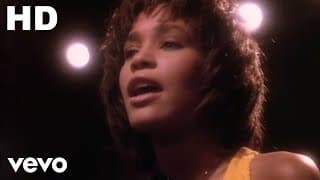
Goffin and Masser's song, first recorded by Marilyn McCoo and Billy Davis Jr.; Tom Scott's saxophone, Houston's first number one.
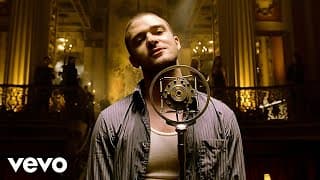
Danja's guitar riff started it in the studio; Timberlake's third straight number one turns betrayal into slow burn.
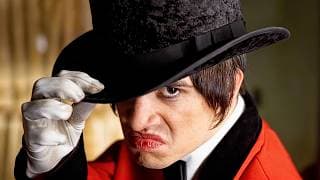
Pizzicato cello, a title lifted from Douglas Coupland, and a circus wedding video that won Video of the Year.
Rodgers and Edwards wrote the groove, Ross remixed the album to lift her vocal, and it topped the Hot 100.
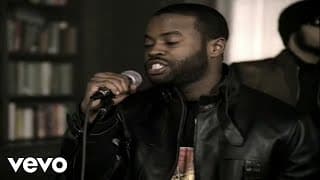
Cody ChesnuTT's four-track bedroom original rebuilt by a live band, his guitar hook intact, Questlove pushing the tempo up.
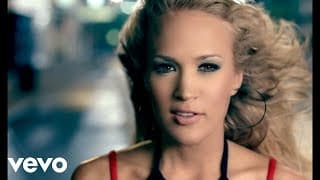
Tompkins and Kear wrote it hoping Gretchen Wilson would cut it; Underwood's version stayed sixty-four weeks on the Hot 100.
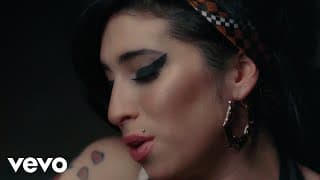
Ronson cut it at Daptone in Brooklyn with the Dap-Kings, Winehouse writing about infidelity and offering no apology.
Dixon's title was blues code for adultery, cut by Wolf at Chess and reopened by the Doors in 1967.
Townshend called it his ace in the hole and never forgave Britain for stopping it at number ten.
Robinson's falsetto over a slow Funk Brothers groove, with Pete Moore co-writing and stacking the harmonies behind him.
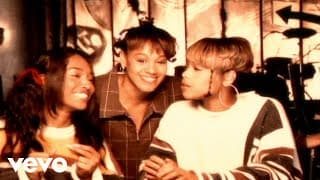
A trumpet loop, T-Boz half-whispering, and Left Eye objecting so strongly she threatened to tape her mouth shut.
A loop of the Jackson 5's "ABC," Melvin Bliss drums, and an acronym that carried the group to number six.
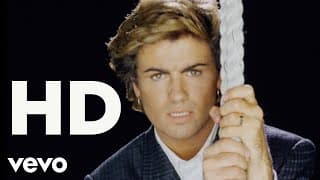
Written at seventeen on a bus, scrapped at Muscle Shoals, saved by Steve Gregory's saxophone in one breath.
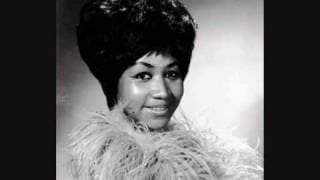
Joe South's tremolo guitar opens it, Don Covay wrote it young while singing gospel, and Franklin turns it merciless.
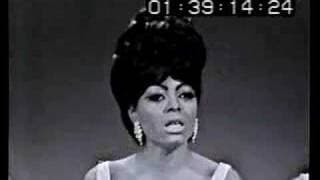
By Dozier's account the title came from a motel argument; Paul Williams supplied the hand at a rehearsal.
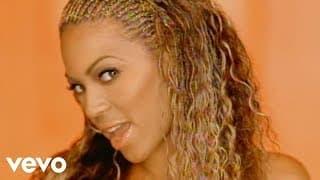
Rodney Jerkins chopped the beat into stop-start halves, and a phone call full of suspicion became two Grammys.
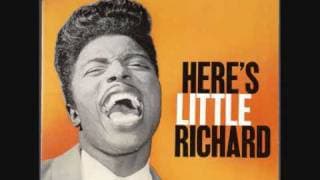
Blackwell built the lyric to run too fast for Pat Boone, and Richard shouted it out at Cosimo Matassa's J&M.
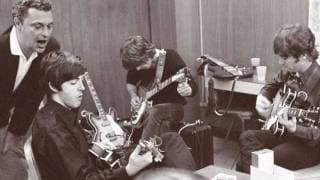
Harrison's sitar, widely reckoned the first on a rock record, and Lennon smuggling an affair past everyone.
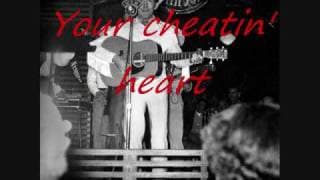
A lyric dictated from a car seat, one last Nashville session, and six weeks at country number one.
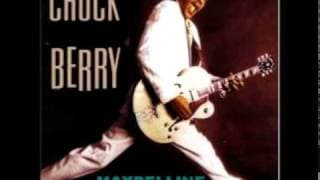
Ida Red, a 1938 Bob Wills fiddle tune, turned into a car chase, with Johnnie Johnson's piano running underneath.
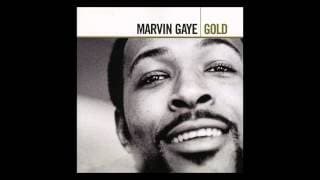
Motown shelved Gaye's version for over a year; it came out sounding like paranoia set to a Funk Brothers groove.