In the City
2013
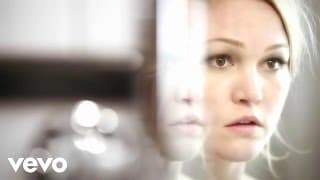
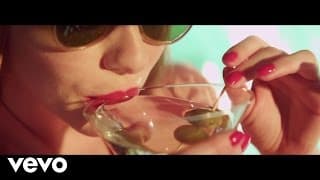
Recorded at Brooklyn's Rumpus Room with Nick Stumpf producing, and Julia Stiles stars in the video.
★ 0.9
 skopia
Recorded at Brooklyn's Rumpus Room with Nick Stumpf producing, and Julia Stiles stars in the video.
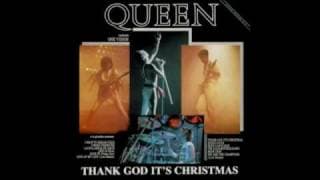
May and Taylor wrote it, Mercury sang it, and Queen waited until 2019 to give it a video.
Powter sketched it on the ferry from Victoria to Vancouver; American Idol adopted it and Billboard called it 2006's biggest.
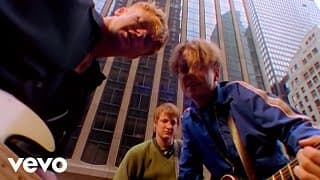
Todd Pipes drew the lyric from Roman Holiday, swapped in a different Hepburn title, and Britain sent it to number one.
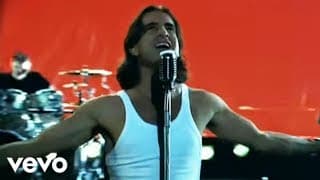
Stapp built it from a recurring dream he learned to control, and it sat atop Mainstream Rock for seventeen weeks.
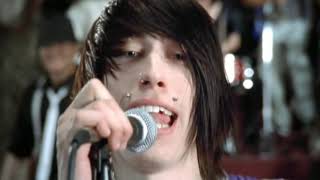
Trace Cyrus, Billy Ray's adopted son, and Mason Musso built a synth hook that went double platinum.
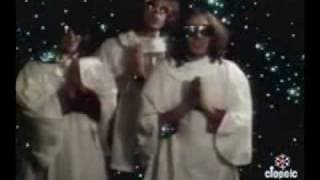
Recorded alone in Sussex in the summer of 1979, every instrument McCartney's own, and a UK number six by January.
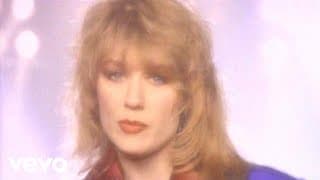
Mutt Lange's hitchhiker story gave Heart a number two the Wilsons openly disliked; Ann called its message hideous.
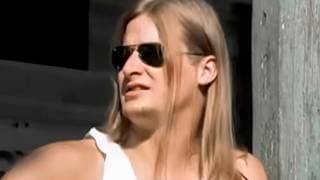
The first ballad Kid Rock ever cut, its opening lines written, by his account, in a jail cell.
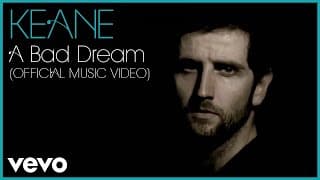
Rice-Oxley built it from Yeats's poem about an Irish airman, a pilot too high up to hear the guns below.
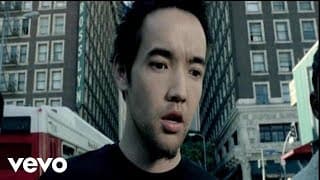
Estrin mailed Robb an instrumental demo; the lyrics came from scraps in a journal, the strings from Capitol.
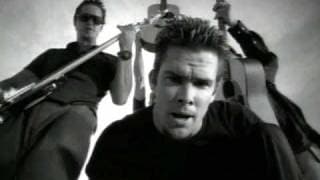
Sugar Ray's drummer co-wrote it about touring temptation and a faithful girlfriend; the album title joked about vanishing fame.
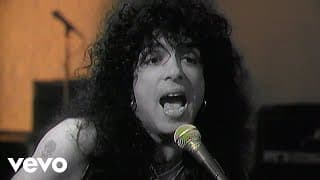
Paul Stanley and Michael Bolton co-wrote the ballad that returned Kiss to the Top 40 after eleven years away.
A shuffle borrowed from Tears for Fears, cut on day one, with Bryan Adams singing near the end.
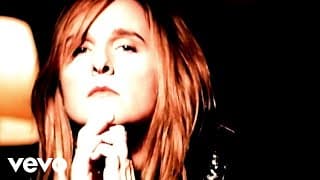
Padgham and Etheridge co-produced it, and Gwyneth Paltrow starred in the video shot at an old Los Angeles hotel.
A pizza box in a Florida Hard Rock Cafe holds the lyric Lane dashed off at the label's insistence.
Kamin wrote it after a funeral, imagining the widower left behind; it then held Adult Top 40 for twenty-three weeks.
Foster showed Parr a news clip about Rick Hansen's wheelchair world tour, and the pair wrote it that Friday afternoon.
Twenty years old when Sha Sha arrived, Kweller later played this one through a nosebleed at Austin City Limits.
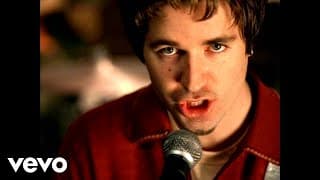
Long Island power pop, written overnight for the girlfriend Hampson later married, cut in Atlanta with Nick DiDia.
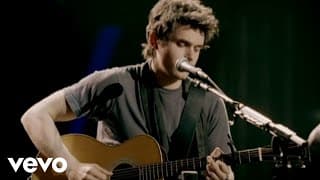
Two days was all Petty and Lynne needed; Mayer's acoustic version, taped at the Nokia Theatre, became a single itself.
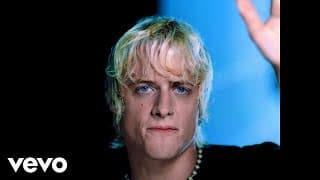
Twelve weeks at number one on Alternative Airplay, with Brett Scallions selling every syllable of Carl Bell's chorus.
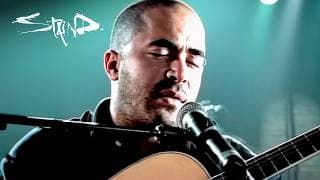
Lewis finished the words onstage in Biloxi with Fred Durst singing along, and that live take became the hit.
Paco de Lucía's flamenco guitar runs through it, cut for Don Juan DeMarco, and it held number one five weeks.
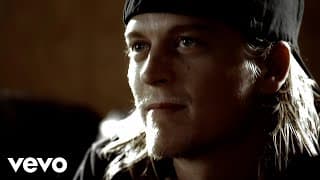
Alone in a Hollywood hotel room missing his son, Scantlin turned the ache into ten weeks atop Mainstream Rock.
Gilbert traded shred for acoustic guitar behind Martin's teenage lyric, and hand claps carried it to number one.
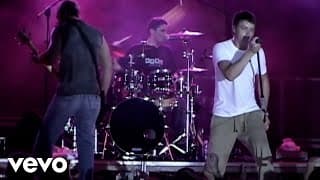
Brad Arnold and the band shot the video aboard the USS George Washington, then held Mainstream Rock seventeen weeks.
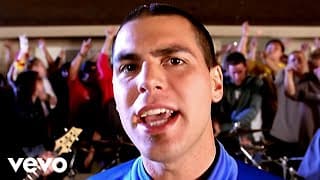
Funk metal aimed at a Bad-era Jackson hit; he vetted the video himself and asked for scenes reshot.
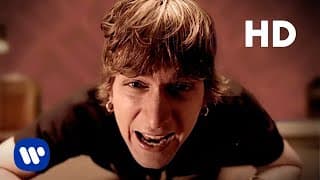
Rob Thomas called it a song for people who feel alone; eighteen weeks at Adult Top 40 number one.
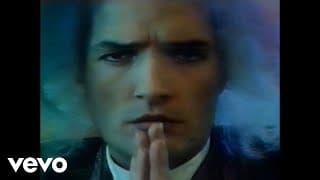
Falco rapped Mozart's debts over a Bolland and Bolland production, and gave the Hot 100 its only German-language number one.
Diplo and Switch wrapped a breakup song in dubstep, and a Microsoft browser ad made it a worldwide hit.
Duritz dislikes writing to order, then handed Shrek 2 an Oscar-nominated rush of helpless, hurtling infatuation.
Sonefeld's idea, written by committee on acoustic guitars, and Rucker addressing time itself like it owed him something.
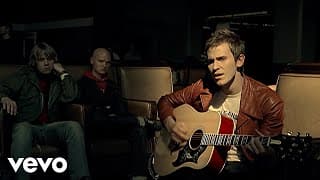
Cut at John Alagia's home studio in Maryland, it topped Adult Pop Songs for nine weeks and became a wedding standard.
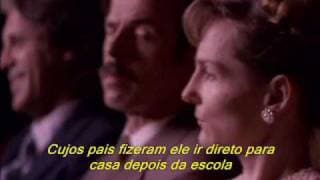
Jerry Harrison of Talking Heads produced it, and Roberts sang three verses about strange childhoods in a startling baritone.
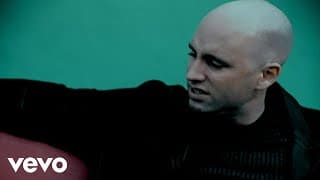
Scannell wrote it about a friendship he wanted to be more, and it became Billboard's most-played single of 2000.
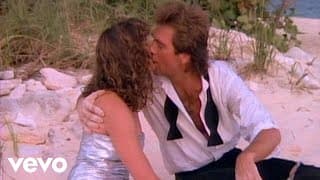
Three weeks at number one, a Bahamas video, and Hayes and Lewis making long-term commitment sound like a holiday.
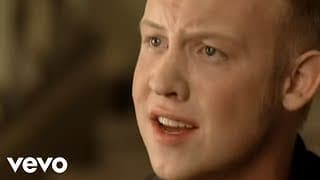
A fight with his brother Caleb, a Denver station spinning the demo, and Slade's chorus everywhere by 2006.
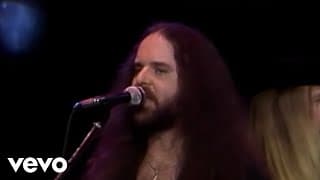
Jim Peterik of Survivor co-wrote it with Barnes and Carlisi, and it gave the band their first top ten.
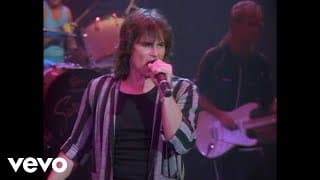
Stallone commissioned it for Rocky IV, and Peterik and Sullivan answered with East-versus-West dread over a marching riff.
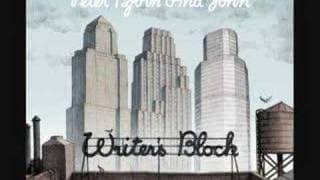
Track four on Writer's Block, self-produced by the trio, and its plainest study of being left behind.
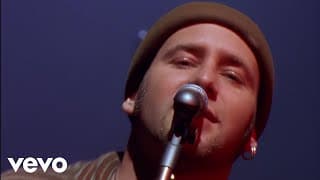
Cut at Ardent Studios in Memphis, re-recorded in 1997 for the band's second album, and a number eleven hit.
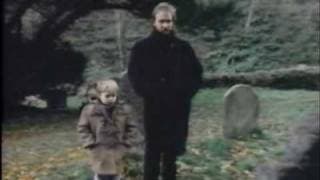
Rutherford and B.A. Robertson had both just lost their fathers; Carrack, who lost his young, sang it.
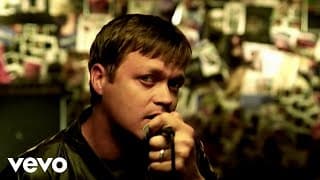
Rick Parashar cut it across three studios, and Arnold's ballad about missing someone became an unofficial anthem in Iraq.
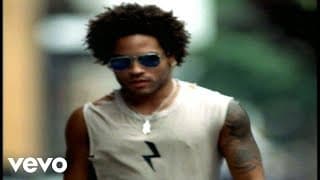
Kravitz wrote, arranged and produced it alone, cut it from an album, then won a third straight Grammy.
Roland wrote it about a souring relationship with the band's first manager, then rode nine weeks atop rock radio.
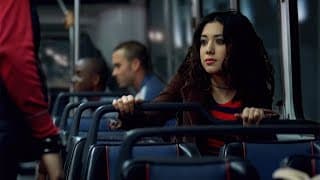
A debut-album cut that Branch wrote alone, produced by John Shanks, and her first trip into the top ten.
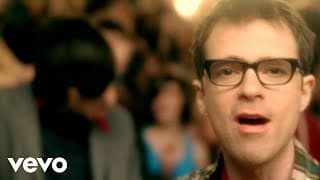
Rick Rubin produced it, the video was shot at the Playboy Mansion, and Cuomo swears the longing was sincere.
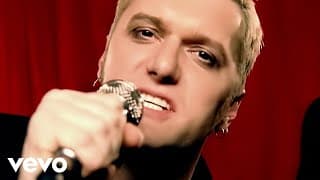
An anarchist collective from Leeds, a sample from Brassed Off, and a chorus about ordinary people refusing to stay down.
Scalzo sang lead from behind the bass, Hammond organ carrying it, and Machine Gun Kelly later borrowed the chorus.
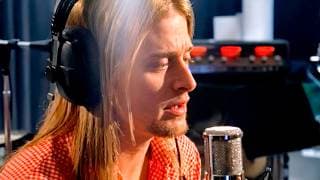
Crow's label blocked the radio rights, so Allison Moorer re-cut the female vocal; it still became Kid Rock's biggest hit.
Page and George wrote the music touring with Adam Ant; John Lang set a Greek prayer on top.
Diane Warren's first number one, written with Albert Hammond for Mannequin and sung like the odds were nothing.
Richards wrote it after a talk with his ten-year-old neighbor, and calling God "her" brought death threats.
Forty-five minutes to an hour, by Kroeger's account, then more US radio plays than any song of the decade.
Death Cab's first number one on alternative radio, and its video was performed live in one unbroken take.
A video at Bethesda Fountain, a six-dollar hat, and a hook that pushed the album past five times platinum.
James Iha guests on guitar, and the lyric hangs on a quarterback in the pocket as noise falls away.
Mercer sang falsetto for the first time here at Burton's urging; Christina Hendricks plays the android in the video.