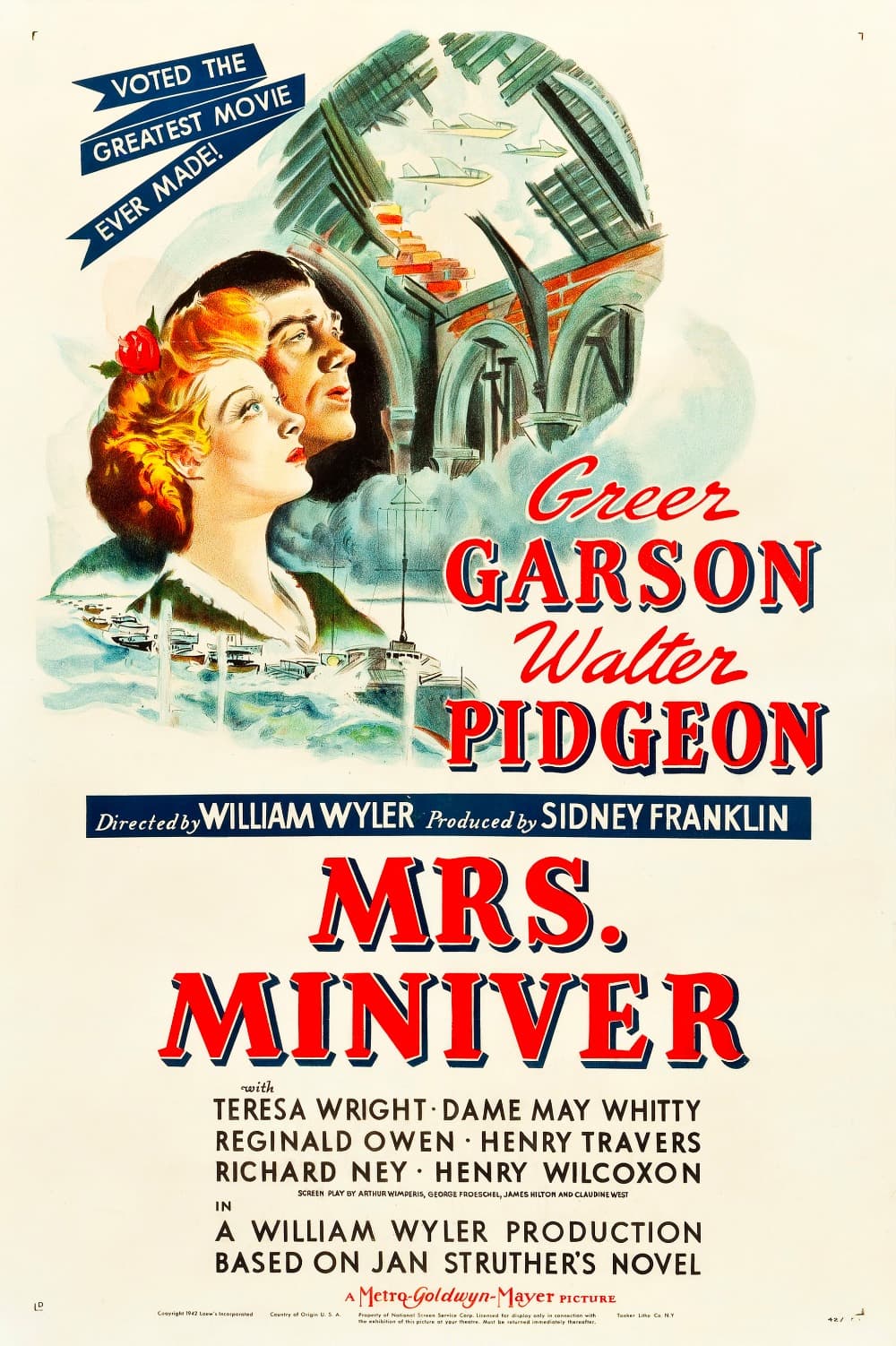
Mrs. Miniver
Roosevelt had the vicar's closing speech printed on leaflets and dropped over occupied Europe: an English family absorbs the first year of the war, and America was watching very closely.

Roosevelt had the vicar's closing speech printed on leaflets and dropped over occupied Europe: an English family absorbs the first year of the war, and America was watching very closely.

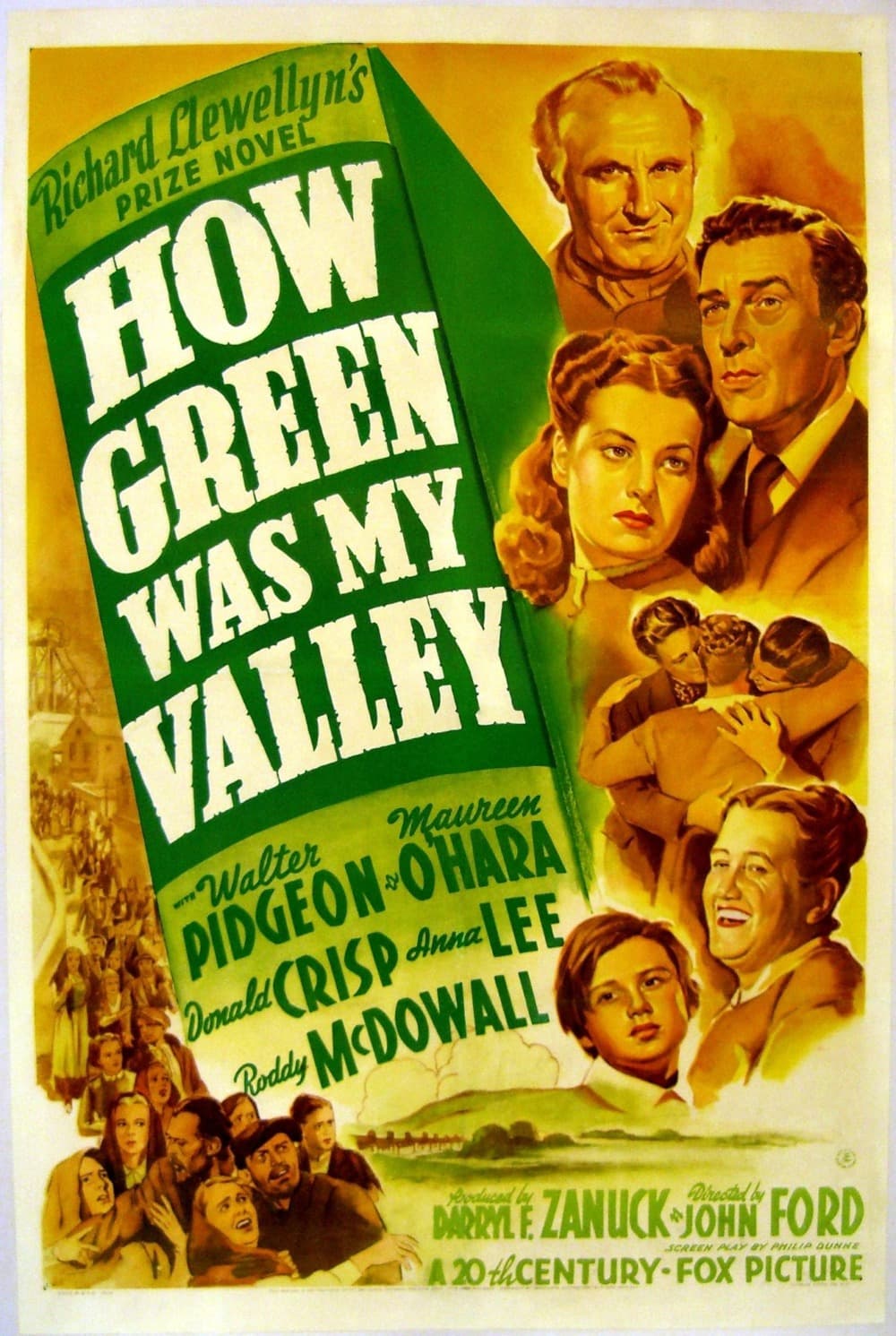
John Ford built an entire Welsh mining village in the California hills and shot it like memory: a colliery family in a valley the pit is slowly ruining, narrated by the youngest son.

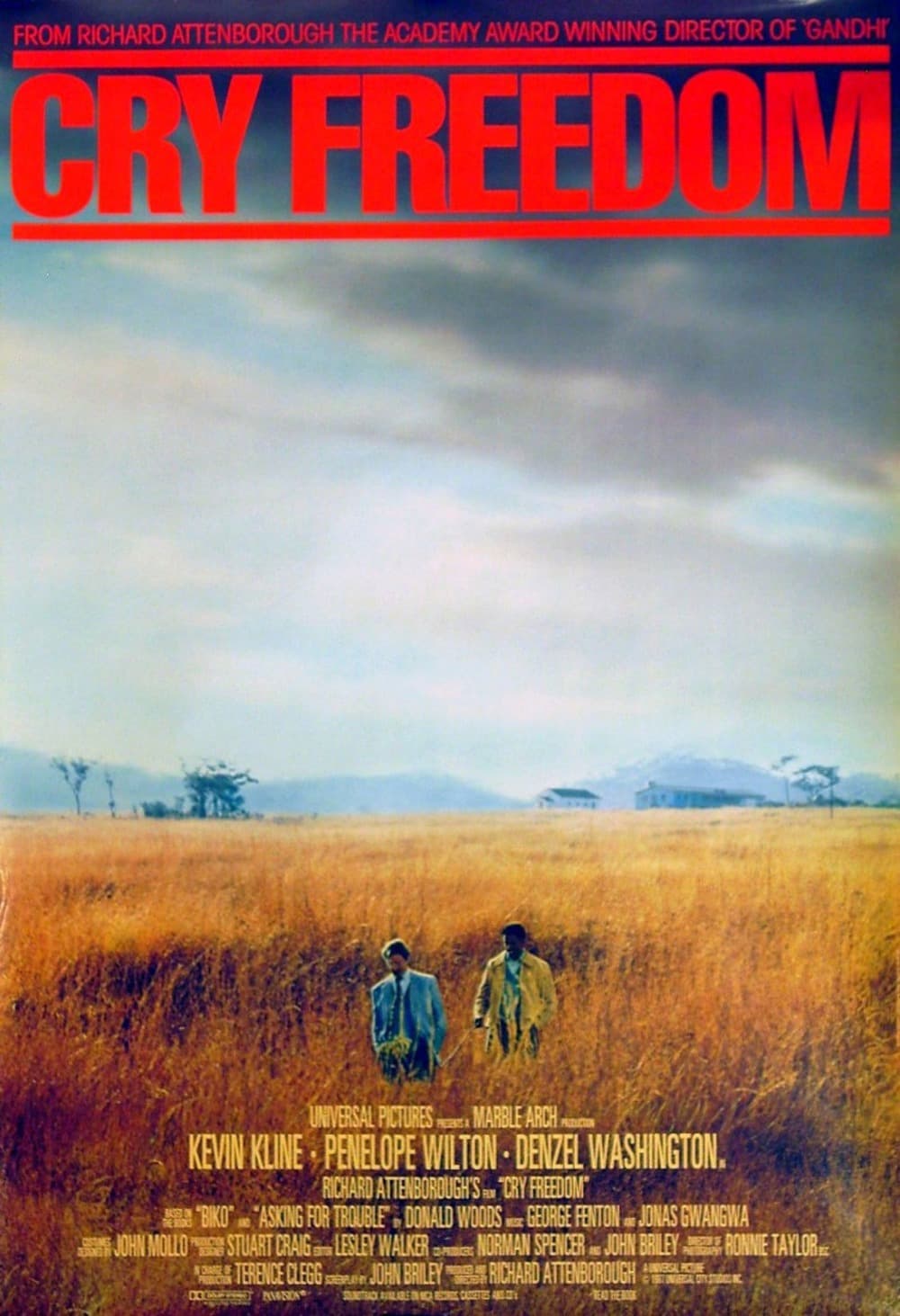
Richard Attenborough got Steve Biko into cinemas while apartheid was still standing: Denzel Washington's first Oscar nomination, and a white newspaper editor learning what Black South Africans already knew.

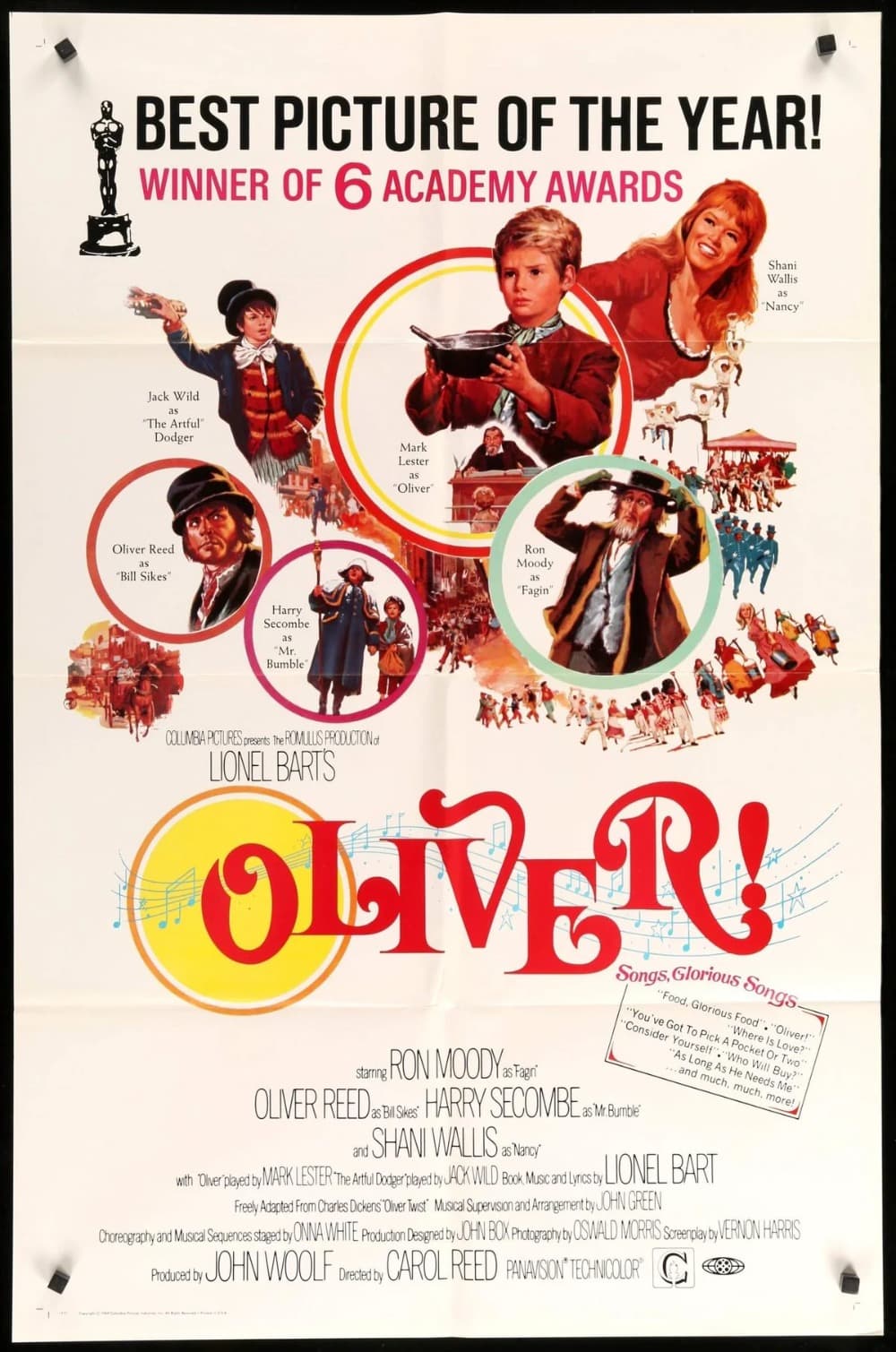
The last musical to hold Best Picture for thirty-four years, and the last G-rated winner: Carol Reed turns Dickens into an enormous street spectacle and the songs never let up.

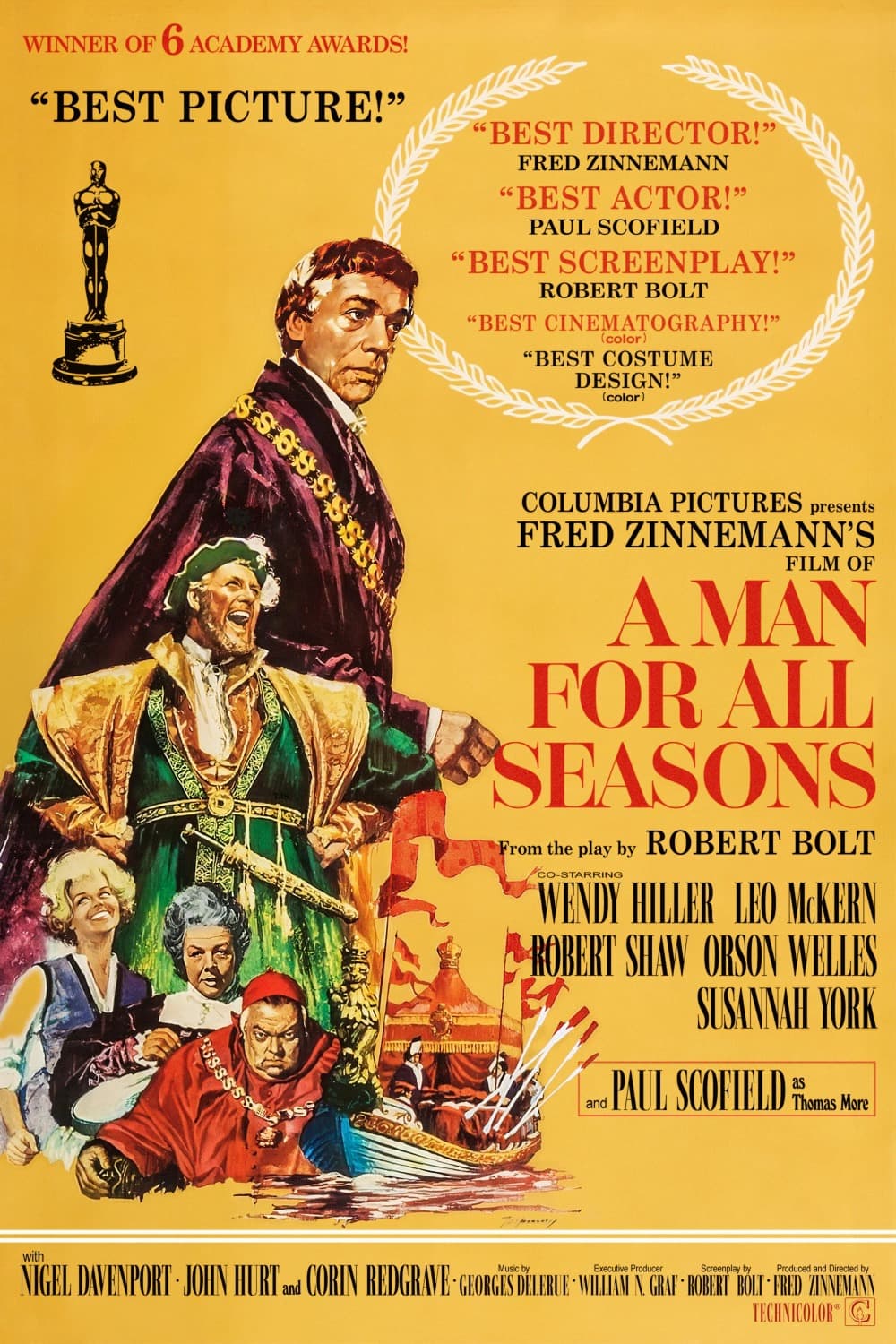
Paul Scofield had played it on stage and was not a film star, and he won anyway: Thomas More refuses to say one sentence, and the whole English state comes for him.

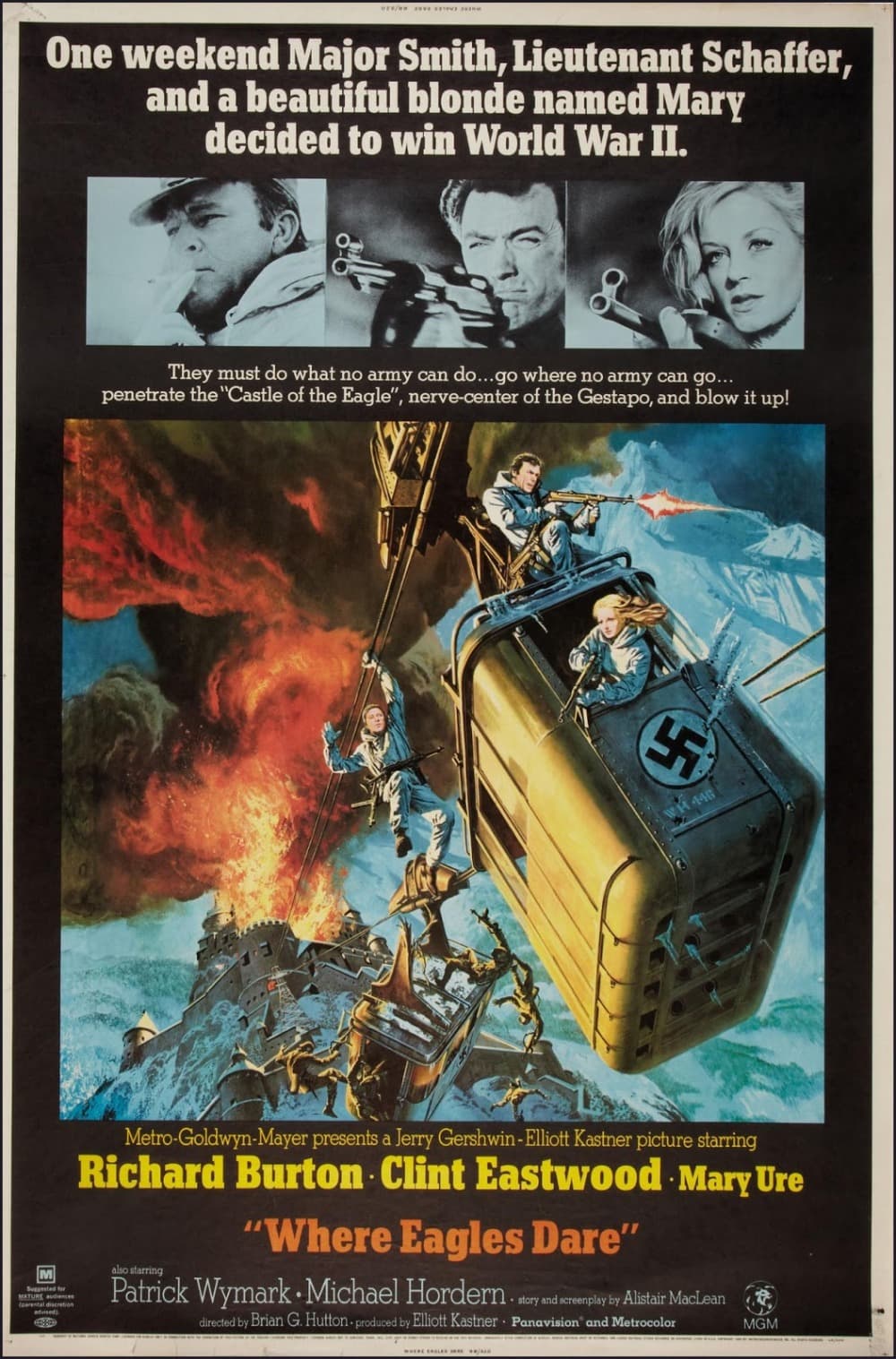
Alistair MacLean wrote it as a screenplay first and a novel second: Richard Burton and Clint Eastwood go into an Alpine castle after a captured general, and the cable car fight is superb.

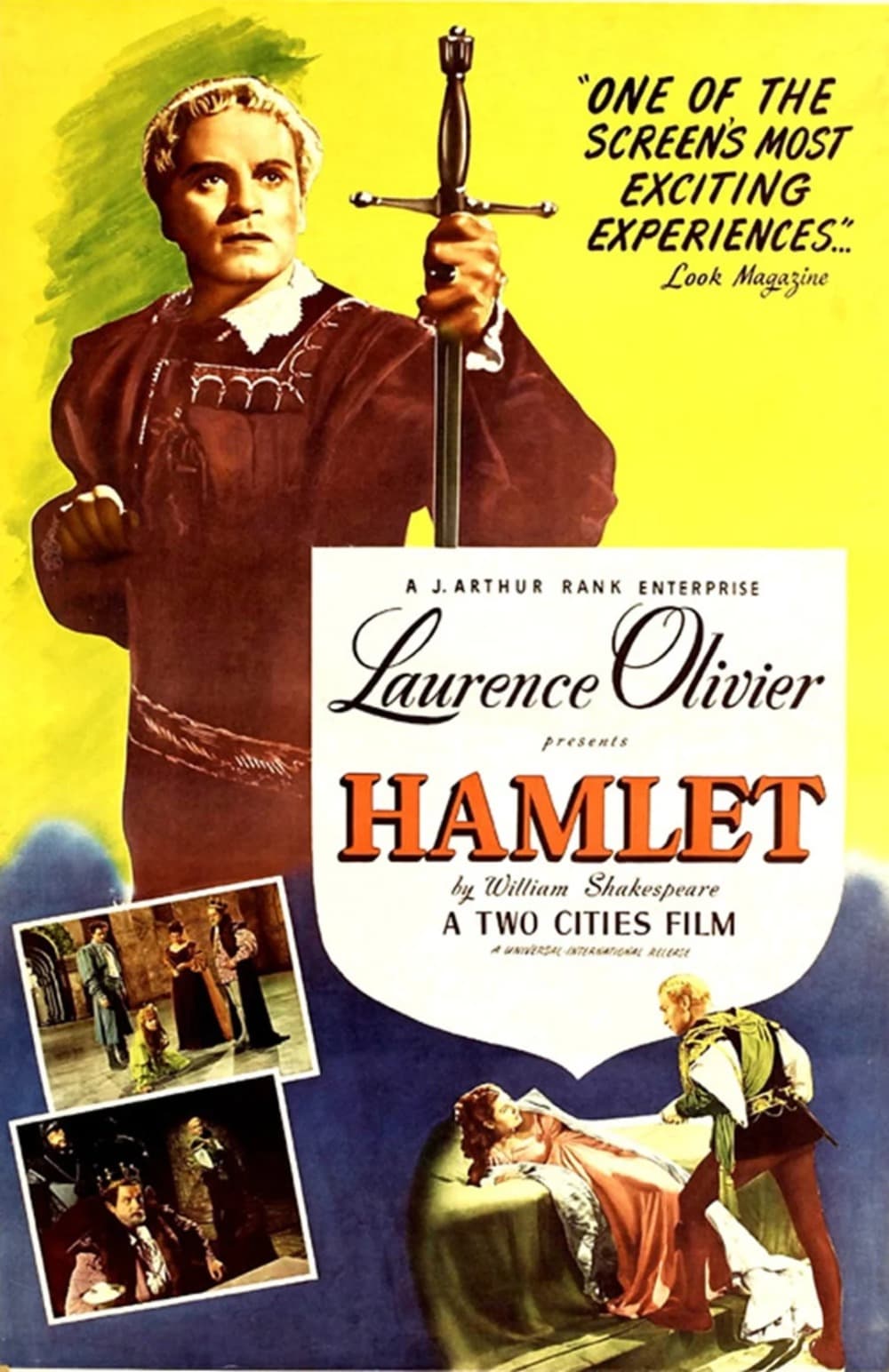
The first film made outside America to be named Best Picture: Laurence Olivier cut half the play, shot it in high-contrast monochrome, and moves the camera through Elsinore like a ghost.

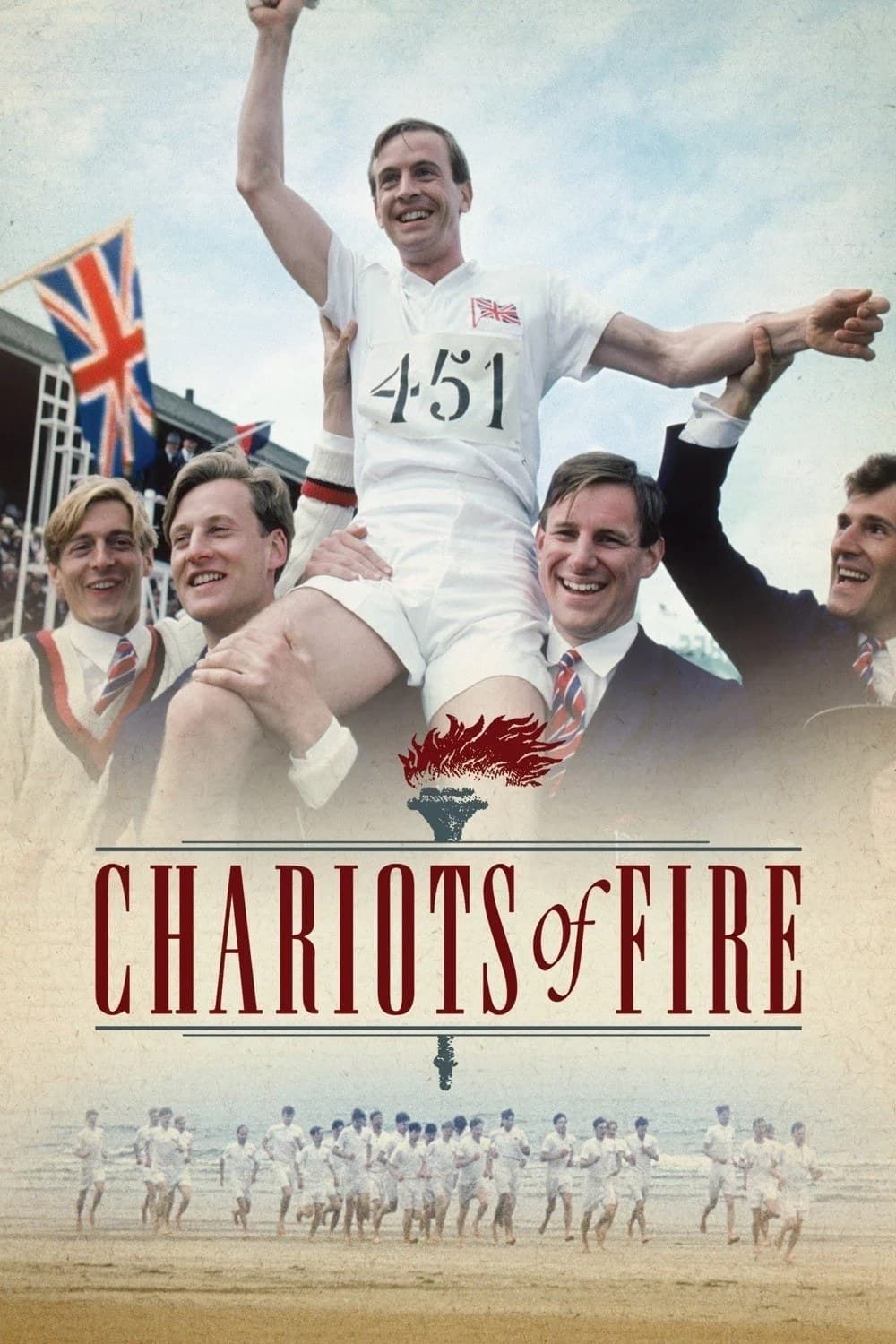
The Vangelis theme is so famous that people forget the film underneath is about religion: two runners at the 1924 Olympics, one running for God and one against English antisemitism.
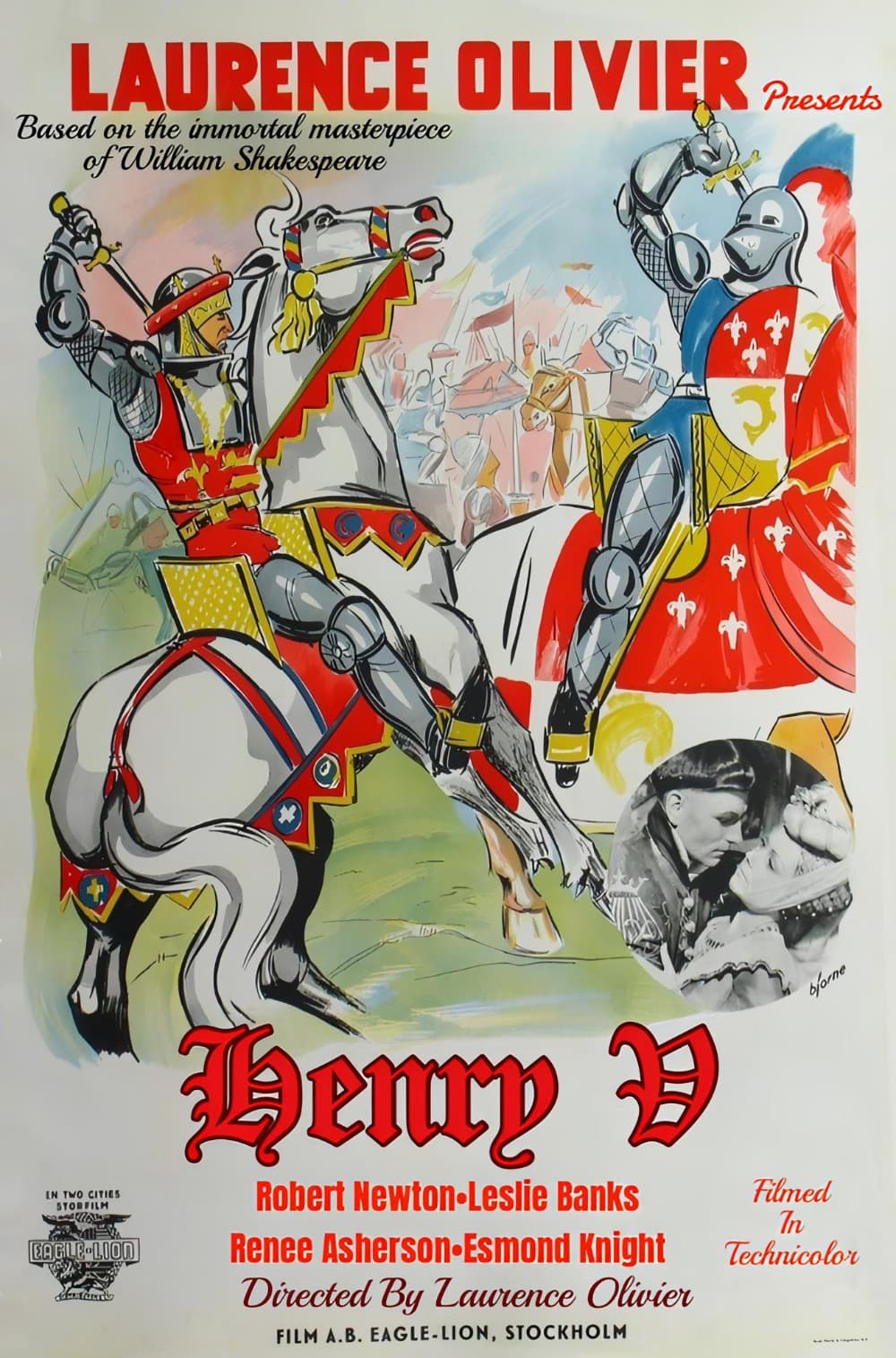
Made during the war and dedicated to the commandos and airborne troops of Britain: Laurence Olivier opens inside the Globe and then simply walks the film out into the real world.

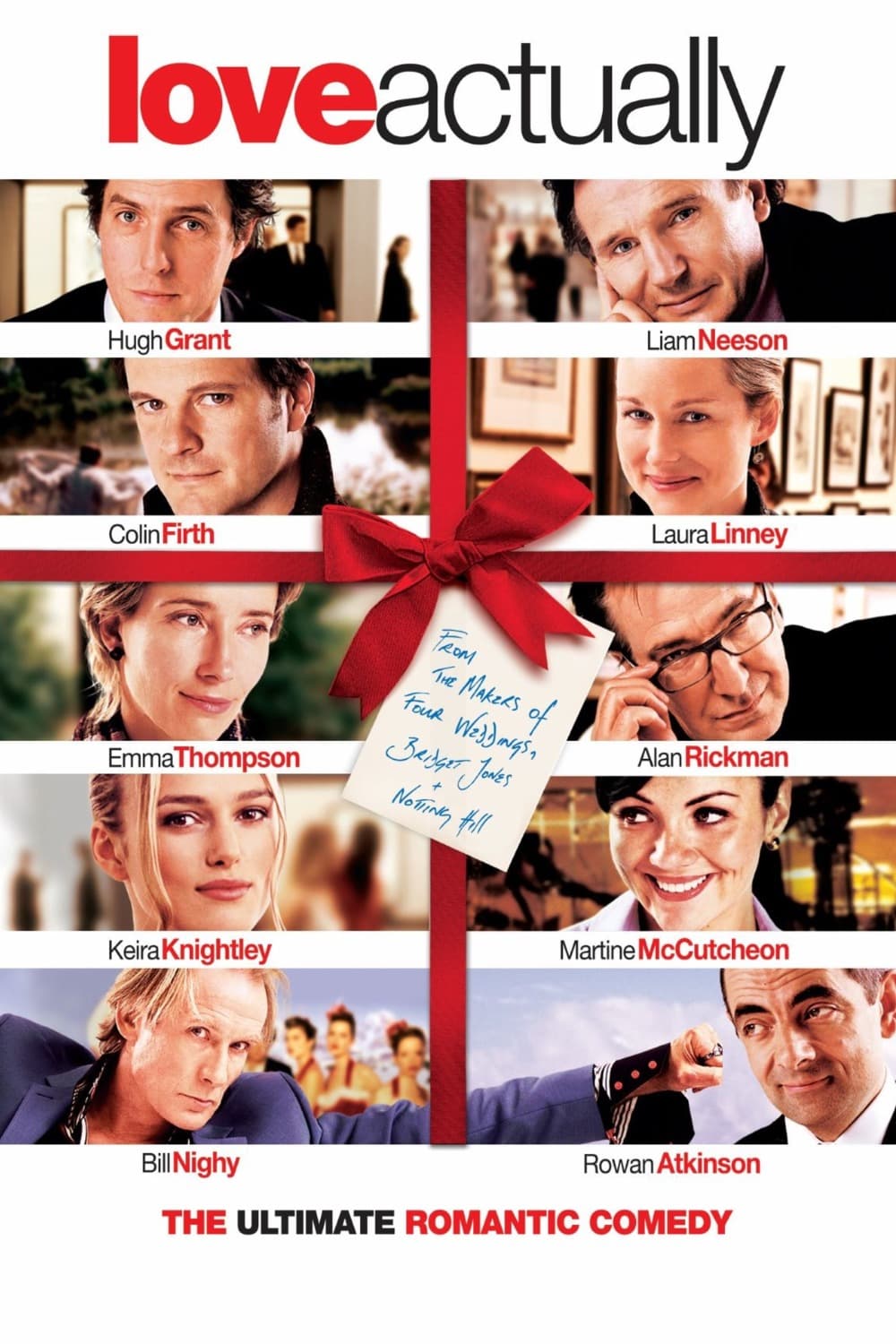
Nine storylines, two hours, and half the country reruns it every December while the other half writes essays about why it is bad: Richard Curtis knew exactly what he was doing.

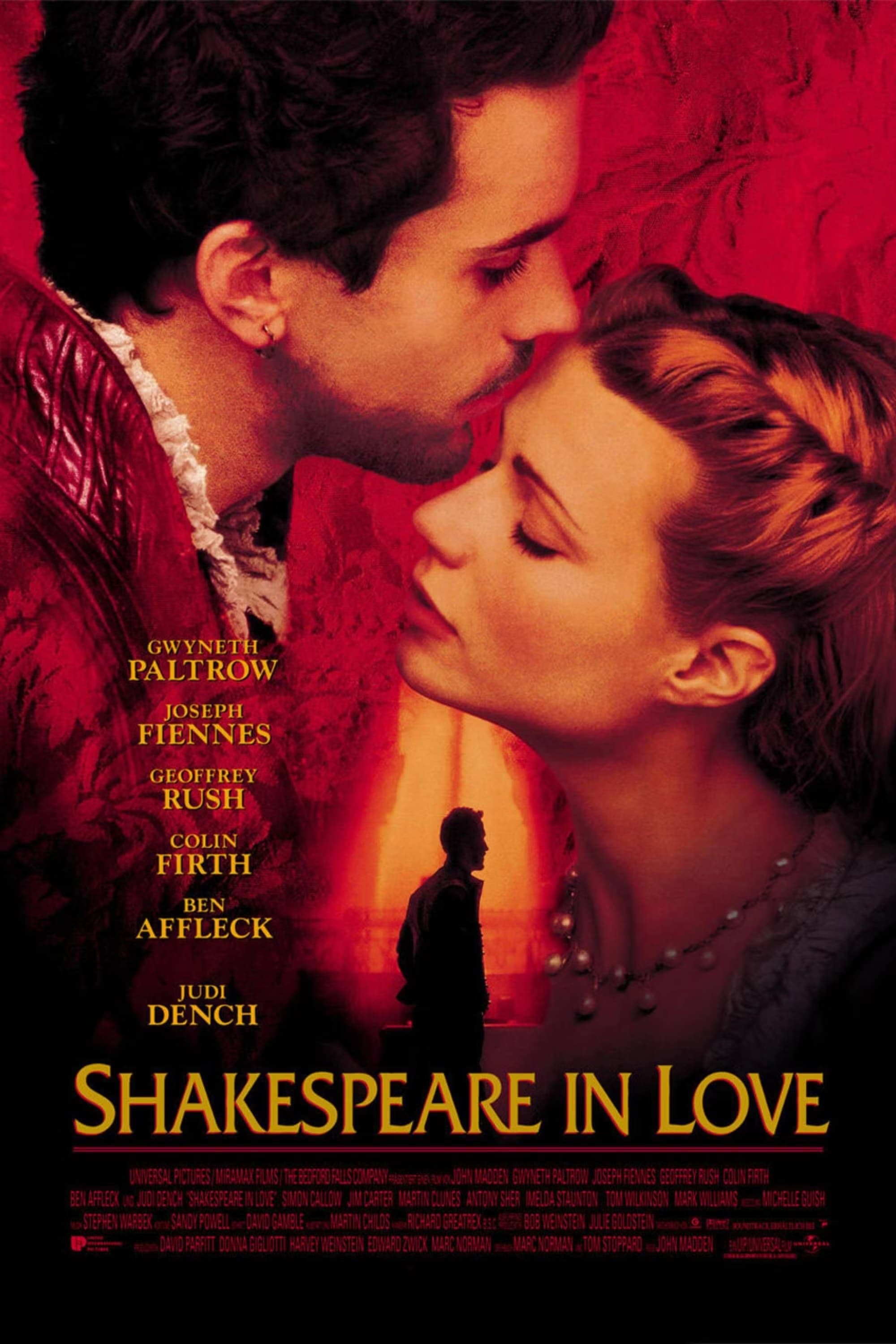
Tom Stoppard rewrote the script and you can hear him in every scene: a blocked Shakespeare finds his Juliet, and nothing else is this funny about how theater actually gets made.

Made in Sheffield for just over two million pounds and it outgrossed everything in Britain that year: six unemployed steelworkers decide to strip for money, and the comedy comes out of genuine desperation.

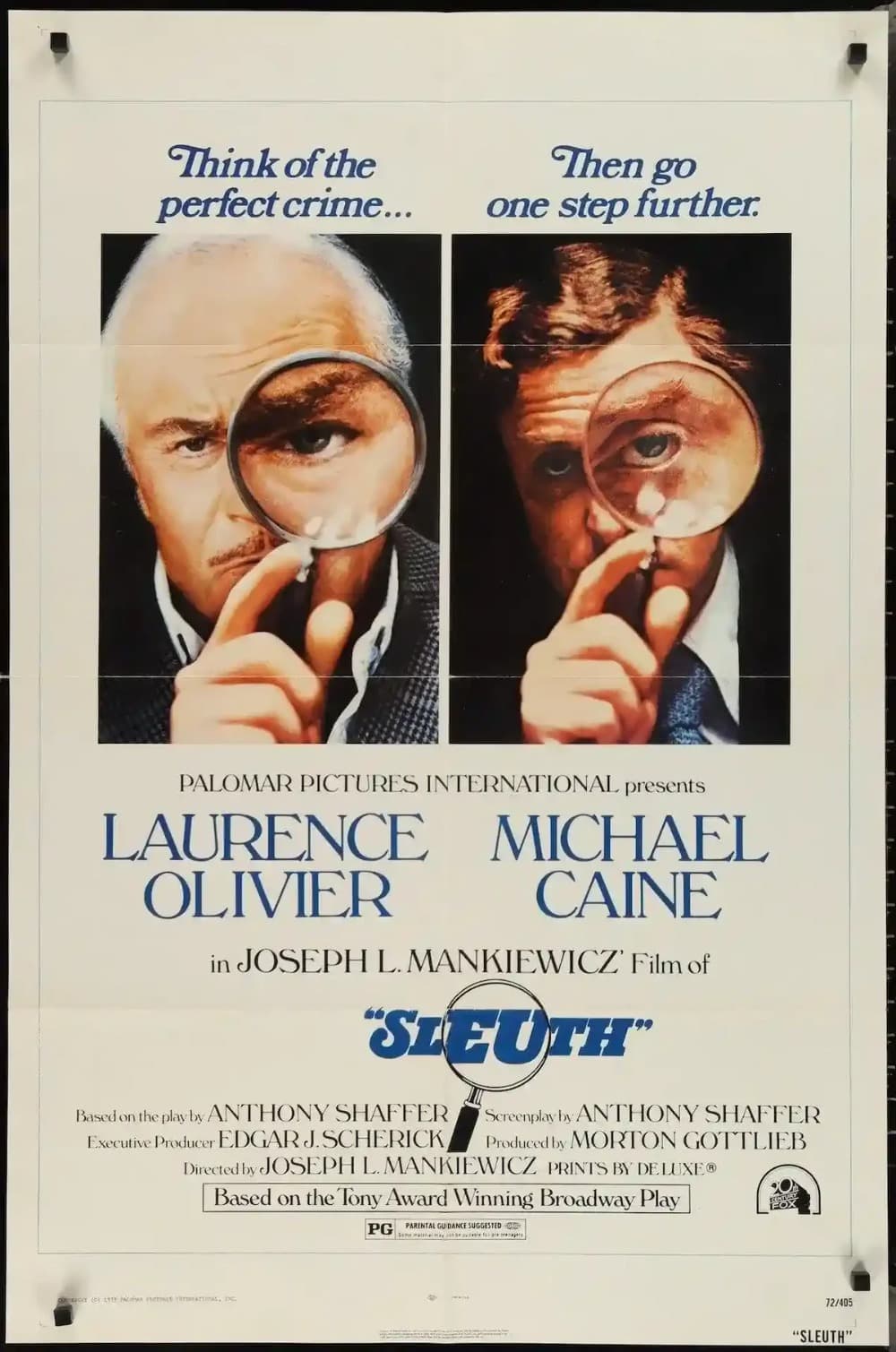
Laurence Olivier and Michael Caine were both up for Best Actor, which has happened only a handful of times: a mystery writer invites his wife's lover to a country house full of games.

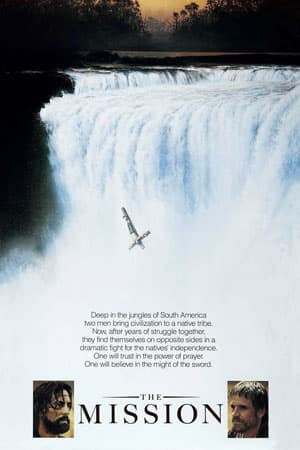
Ennio Morricone said he recognized himself in this score technically and spiritually: Jesuits build a mission above the Iguazu falls in the 1750s, and Europe decides its fate from several thousand miles away.

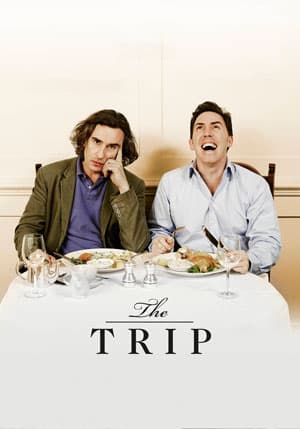
Two comedians play unpleasant versions of themselves and improvise the whole thing: Steve Coogan and Rob Brydon drive around northern England eating well and competing over Michael Caine impressions.

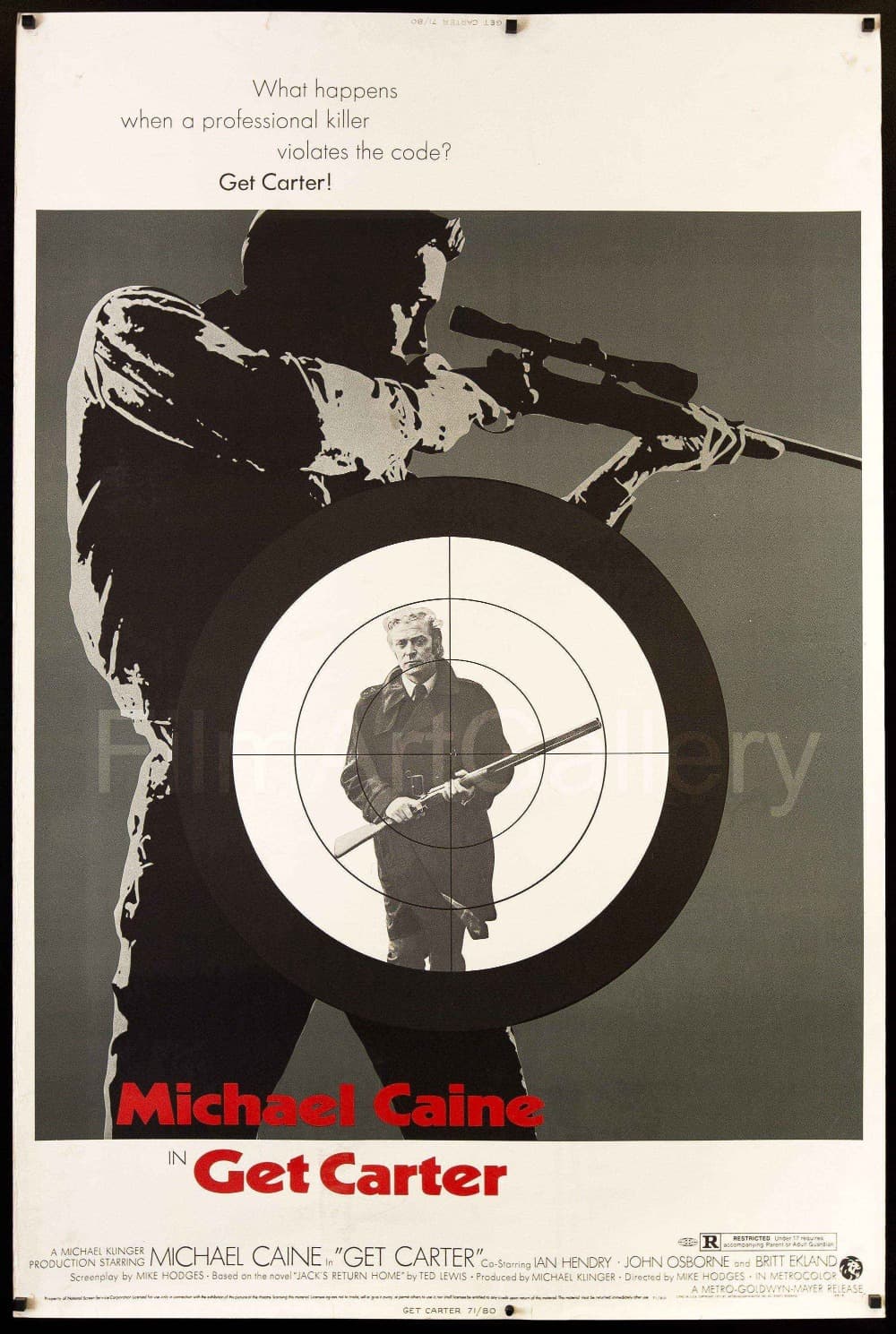
Michael Caine plays a gangster with no charm whatsoever and it is his best performance: Newcastle in 1971 shot as a real place, and every British crime film since has borrowed the tone.

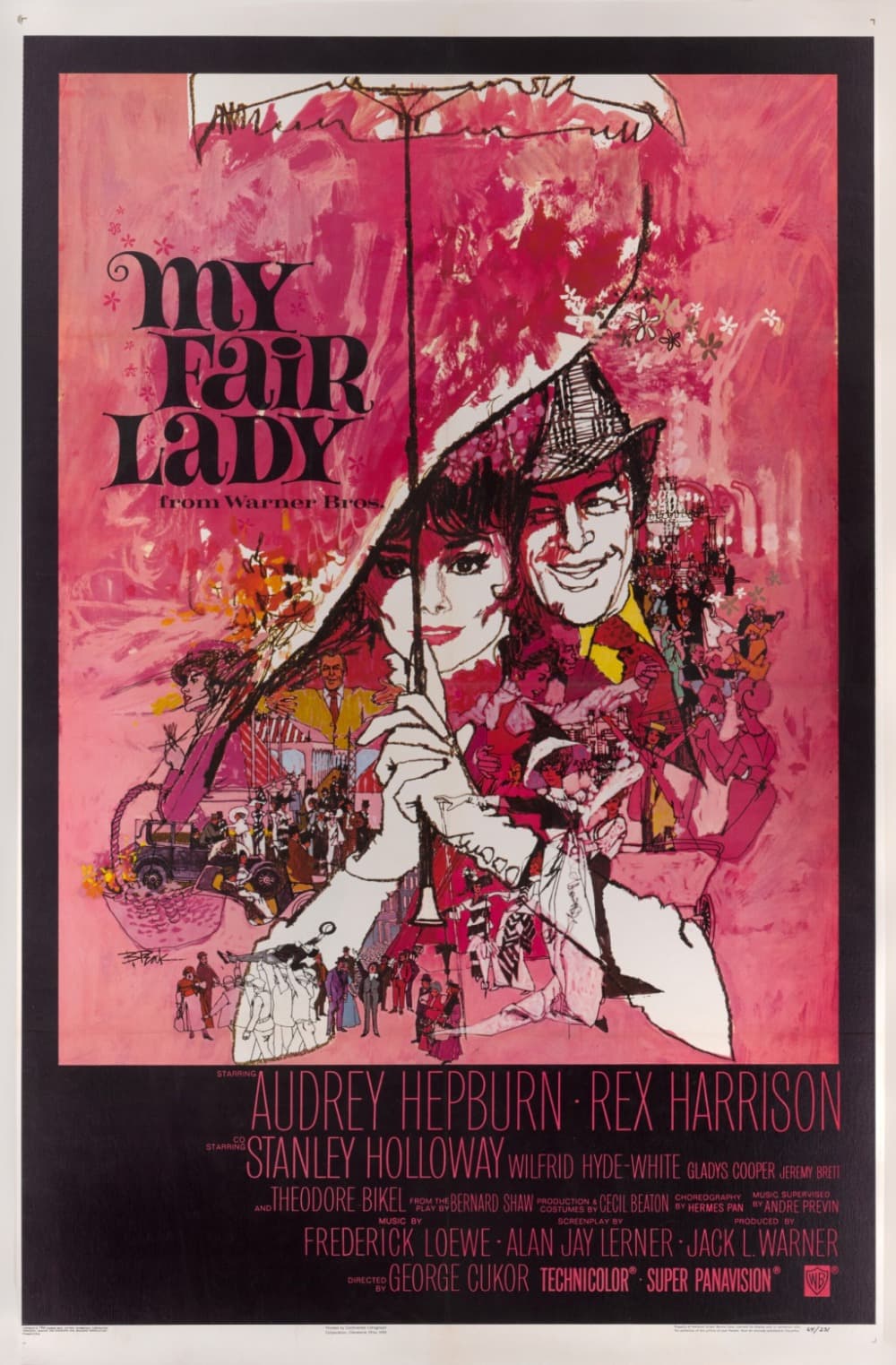
Audrey Hepburn's singing was dubbed by Marni Nixon and Julie Andrews was passed over for the part she created on stage: the Cecil Beaton costumes remain the most beautiful ever filmed.

Ten years and eight films with the same three actors growing up on camera, which no other series has managed: David Yates closes it with the largest battle the series ever attempted.

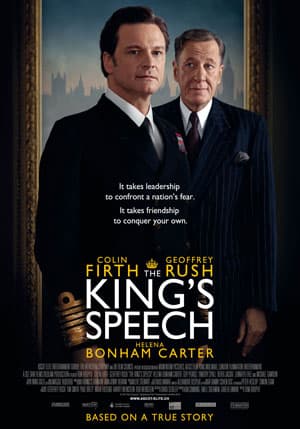
Made for eight million pounds and returned thirty times its budget: Colin Firth plays a duke who dreads a microphone, and Geoffrey Rush the unqualified Australian who will not defer to him.

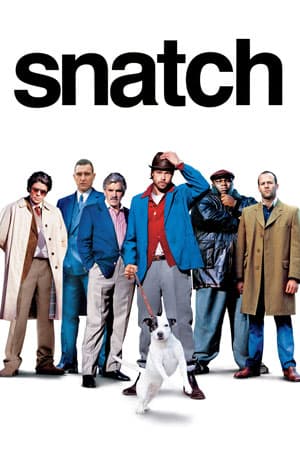
Brad Pitt asked for a part and got one nobody can understand a word of: an unlicensed boxing promoter, a stolen diamond and several sets of London criminals converge at considerable speed.

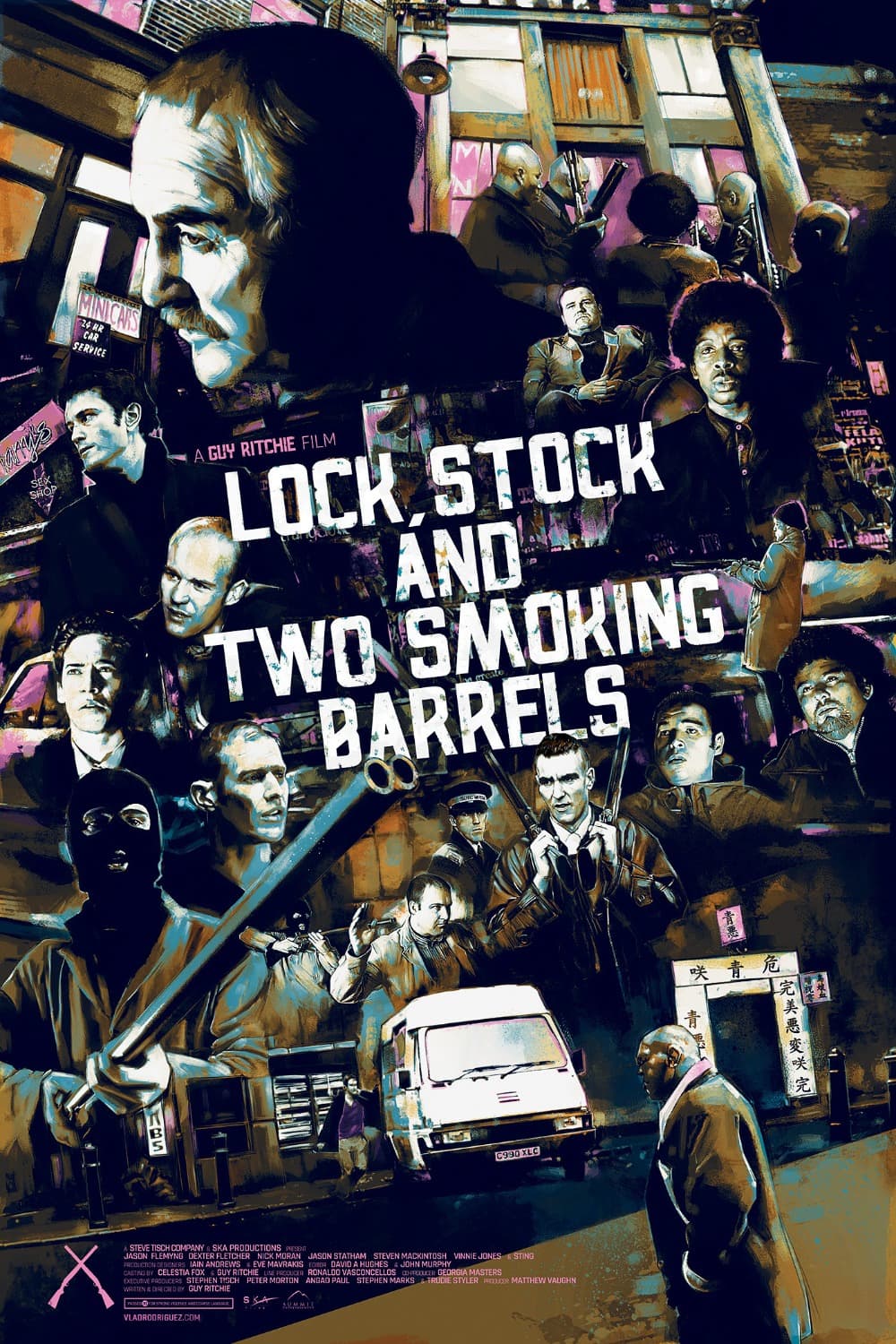
Guy Ritchie raised the money out of favors and cast a professional footballer who had never acted: four London friends owe half a million pounds by Friday, and five plots collide getting it.

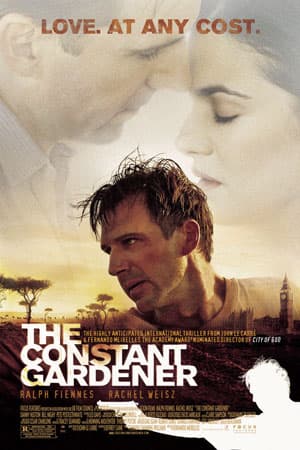
Fernando Meirelles shot Kenya the way he shot Rio, handheld and saturated: a mild British diplomat starts pulling at what his wife was investigating, and Rachel Weisz took the Oscar for playing her.

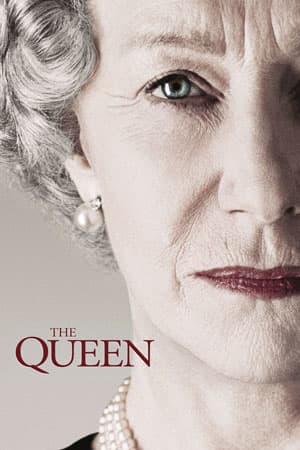
Helen Mirren plays a reigning monarch during the worst week of her reign and makes her sympathetic without softening her: the week after Diana died, reconstructed almost hour by hour.

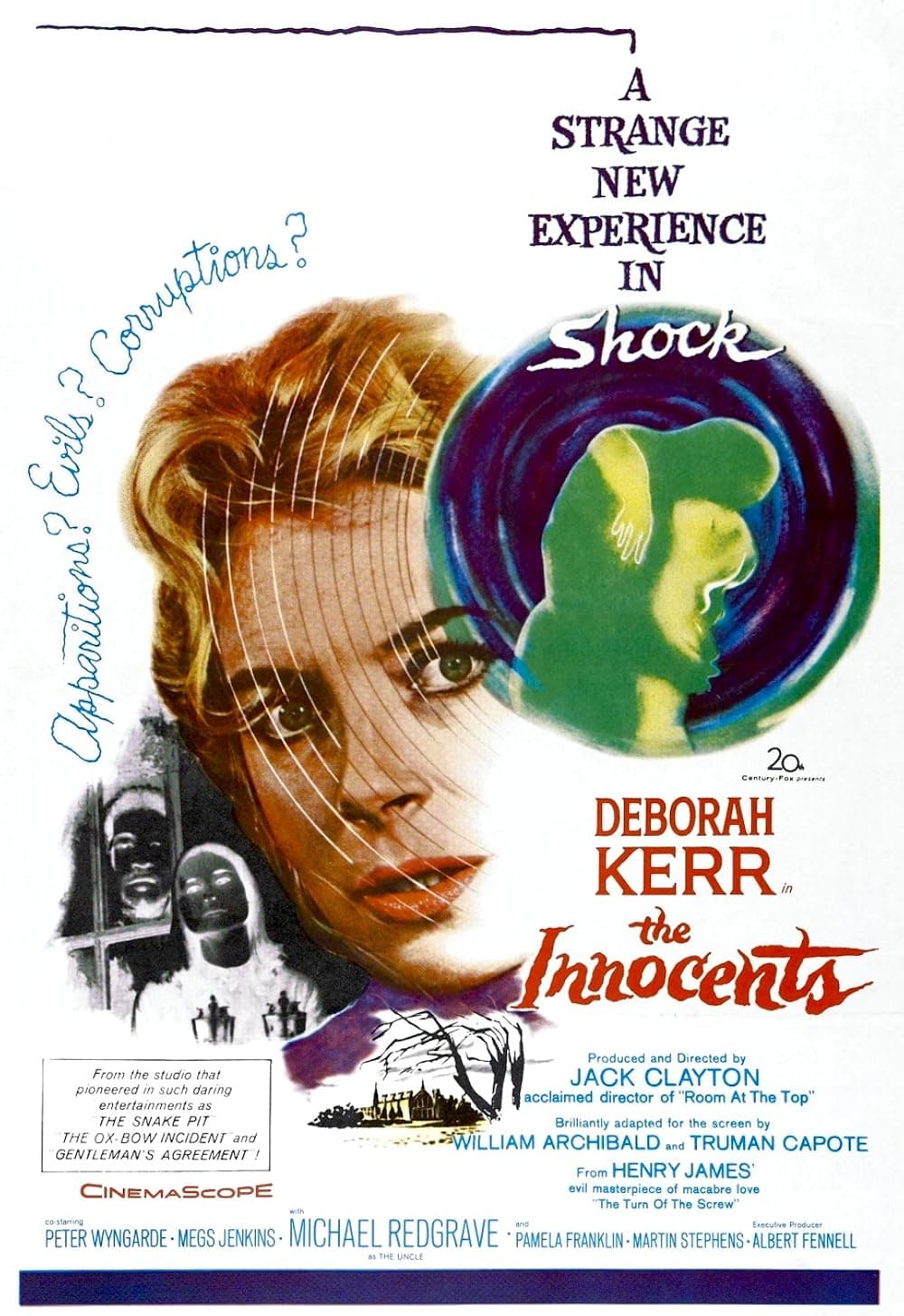
Freddie Francis lit it so the corners of every frame stay dark and you keep looking into them: a governess with two children in a huge house becomes certain they are being visited.

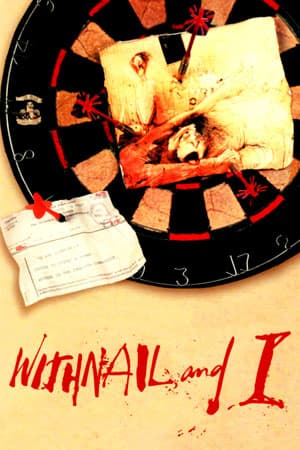
Richard E. Grant does not drink and had to be taught to be convincing: two unemployed actors leave London for a cottage in 1969 with no money, no food and no plan whatsoever.

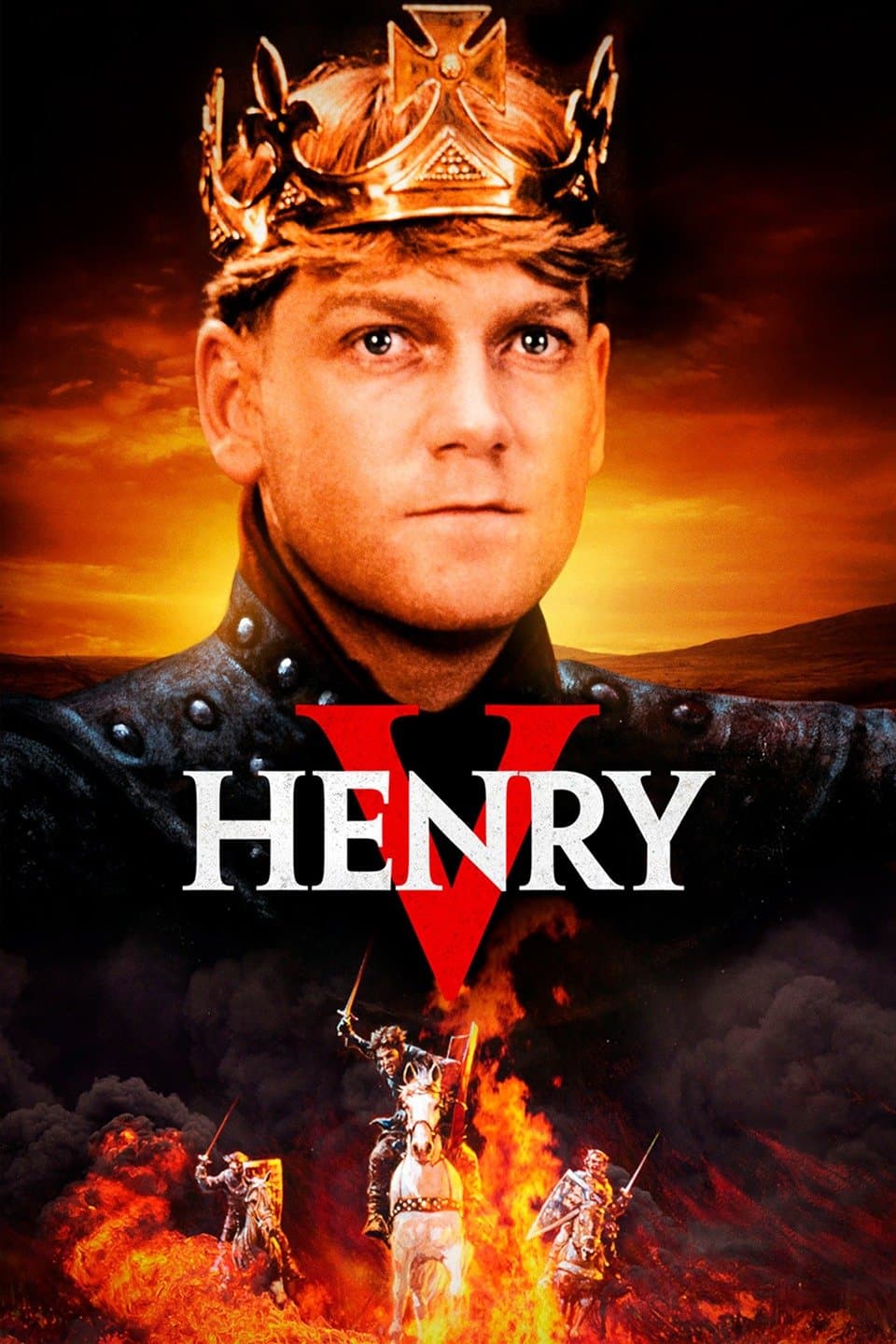
Branagh was twenty-eight and directing himself in Shakespeare, which should have been a disaster: the long single take across the mud after Agincourt is the finest shot in eighties British cinema.

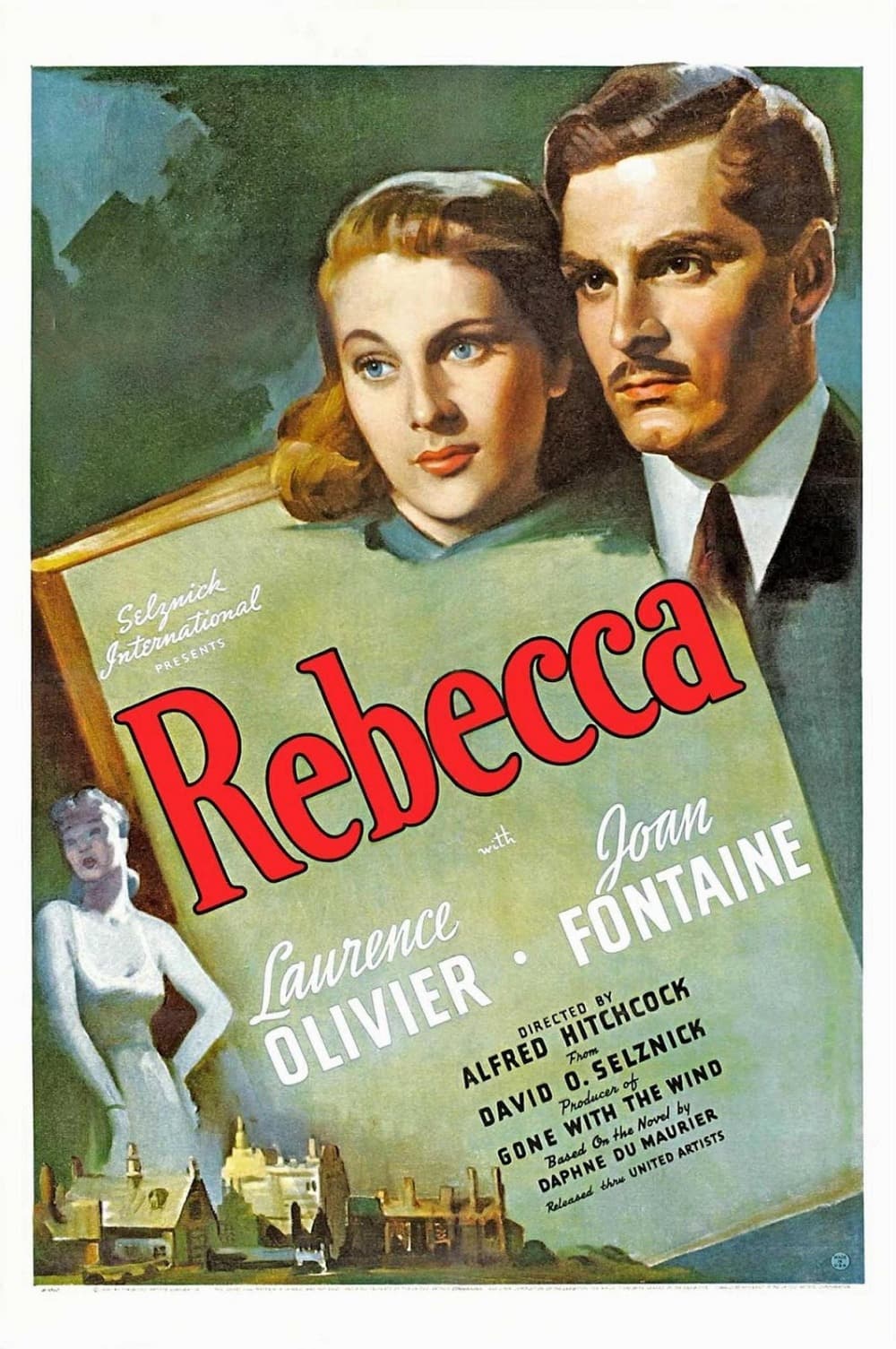
Alfred Hitchcock's only Best Picture, collected by his producer, and the heroine never gets a name: a young bride arrives at an English house where the first wife's housekeeper still rules.

Daniel Day-Lewis plays a man convicted of a bombing he had nothing to do with: the Guildford Four case, filmed while the wound in Britain was still fresh.

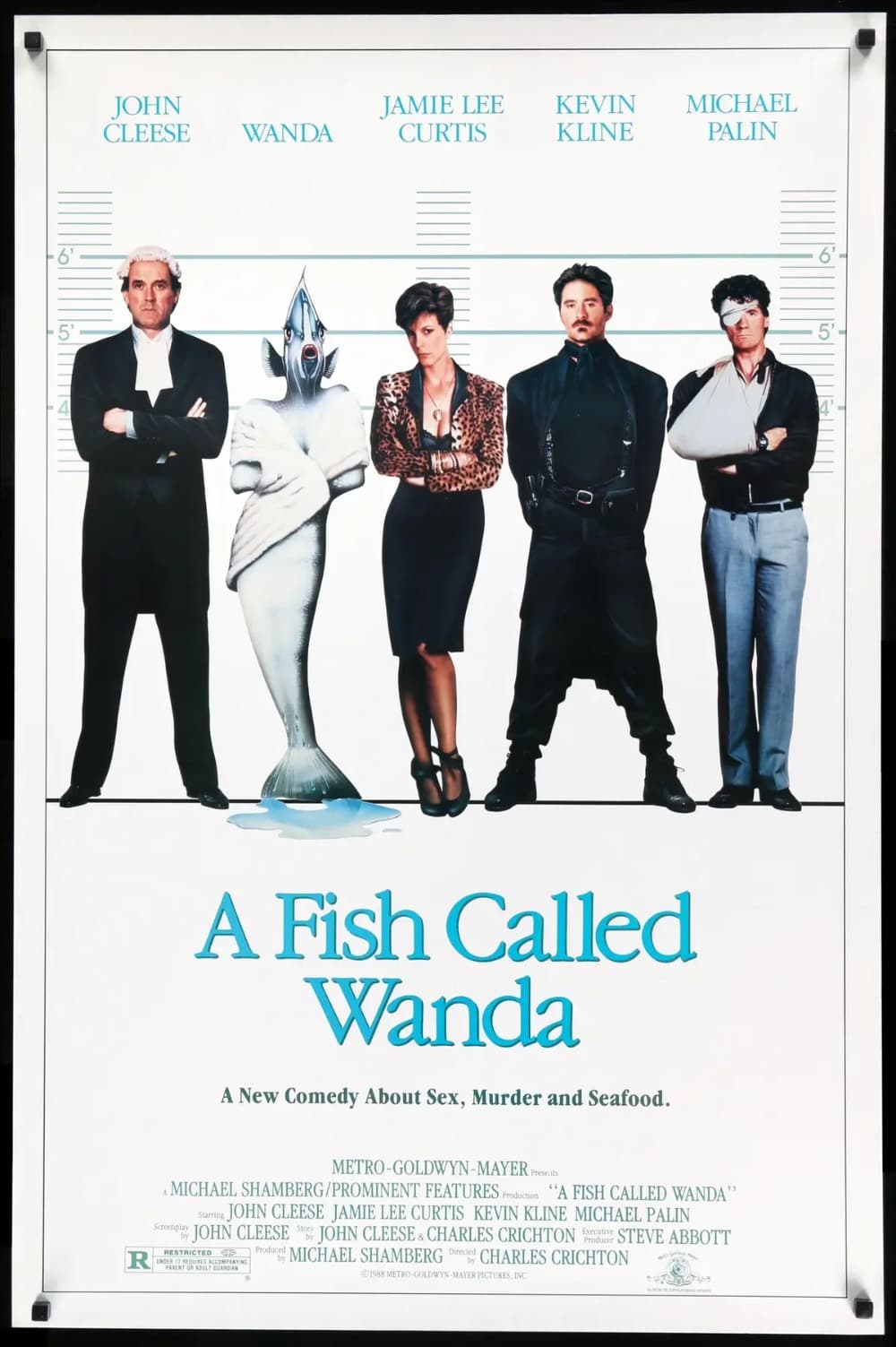
A Danish audiologist reportedly died laughing during a screening: Charles Crichton was seventy-seven and made the fastest farce of the decade, with four thieves who all intend to betray the others.

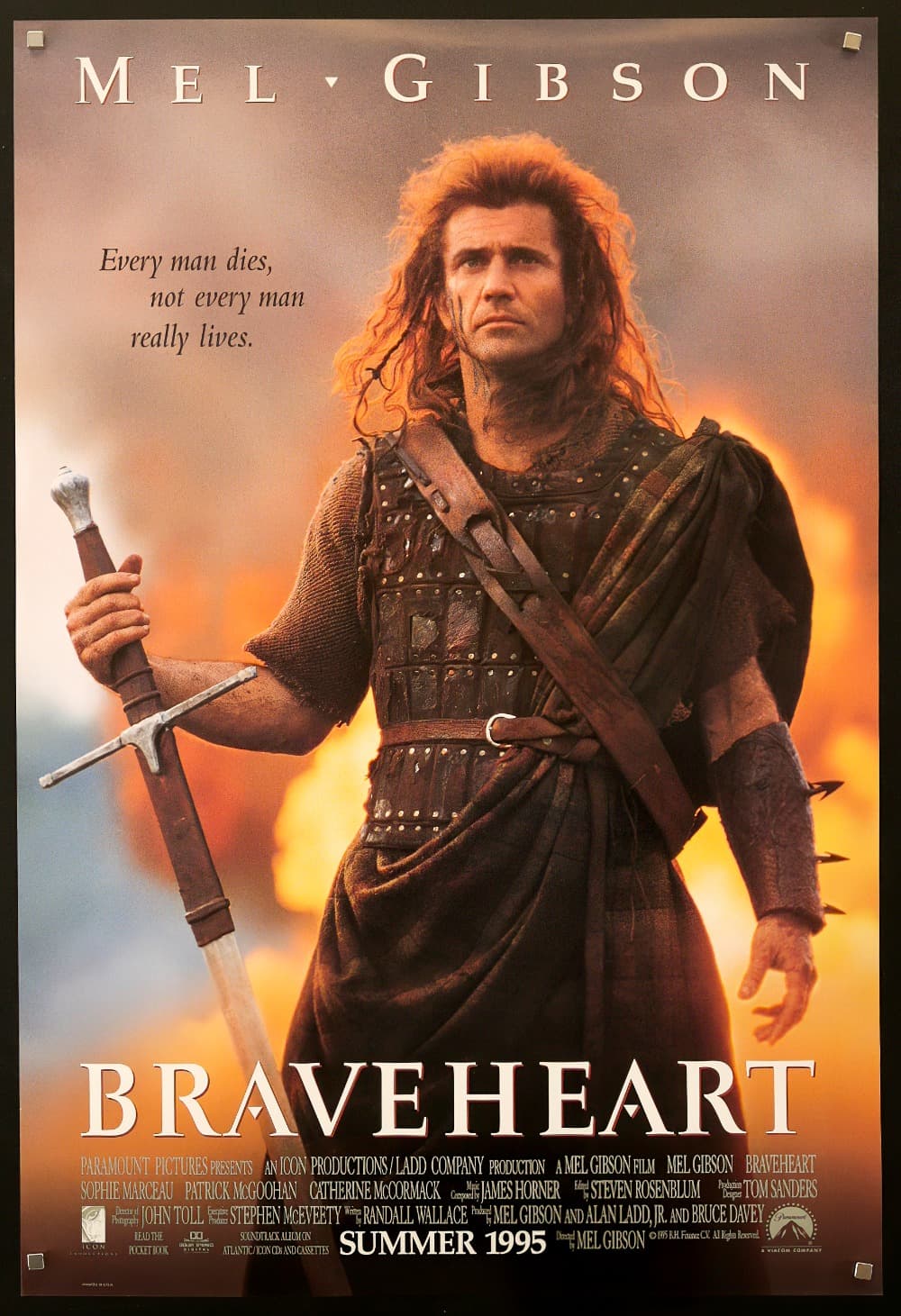
Historians have been correcting it for thirty years and nobody cares: Gibson staged medieval battle with a physical brutality nothing before it had, and the speeches still work on an audience.

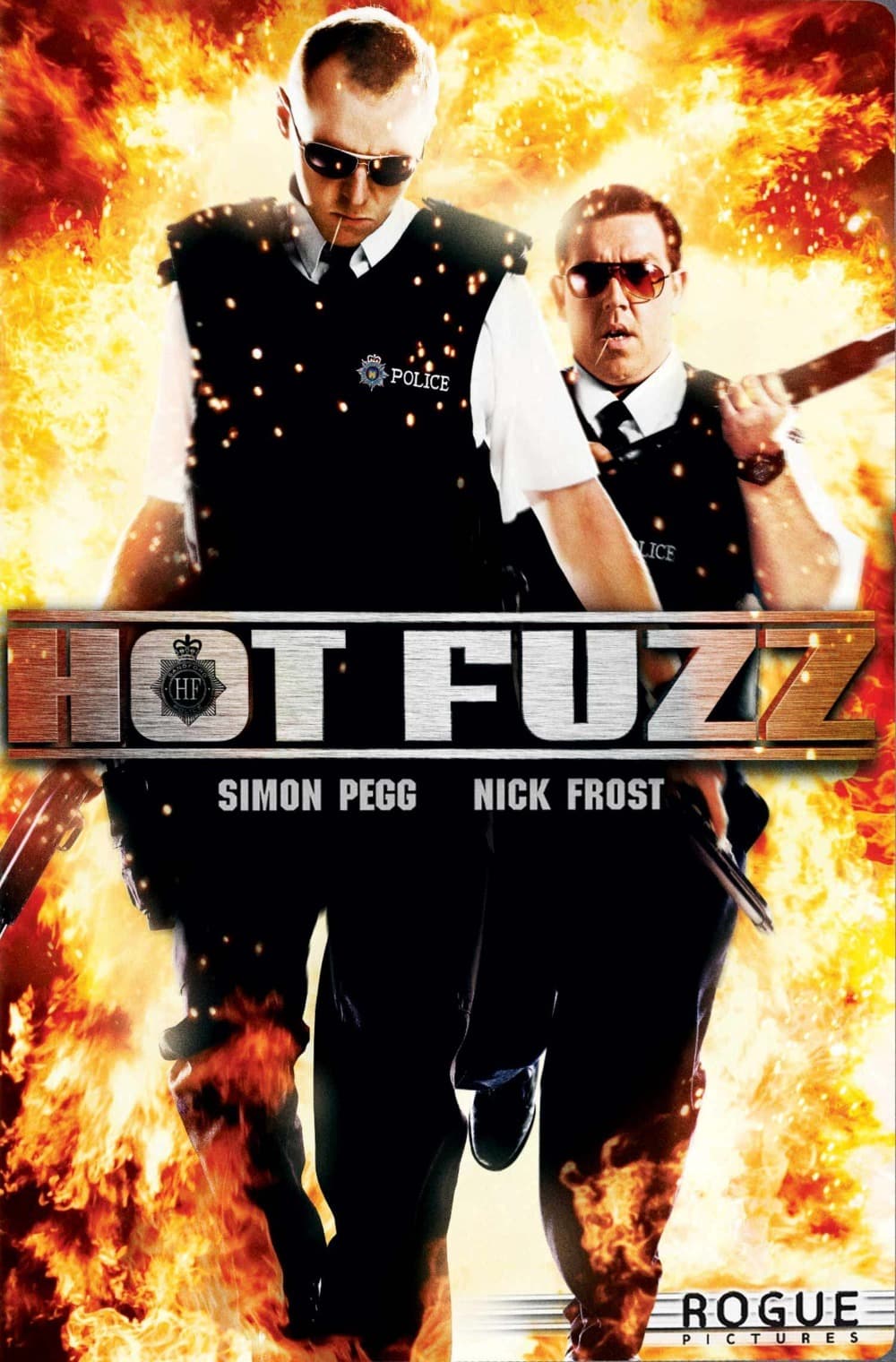
Wright's parody is better constructed than most of the films it mocks: a London supercop is exiled to a picture-perfect village, and the final act is staged better than the real thing.

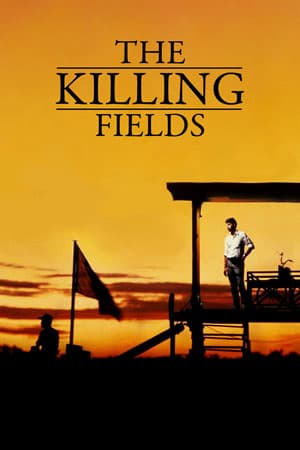
Haing Ngor had never acted in his life and won an Academy Award for this: Roland Joffe films the fall of Phnom Penh through an American reporter and the Cambodian colleague beside him.

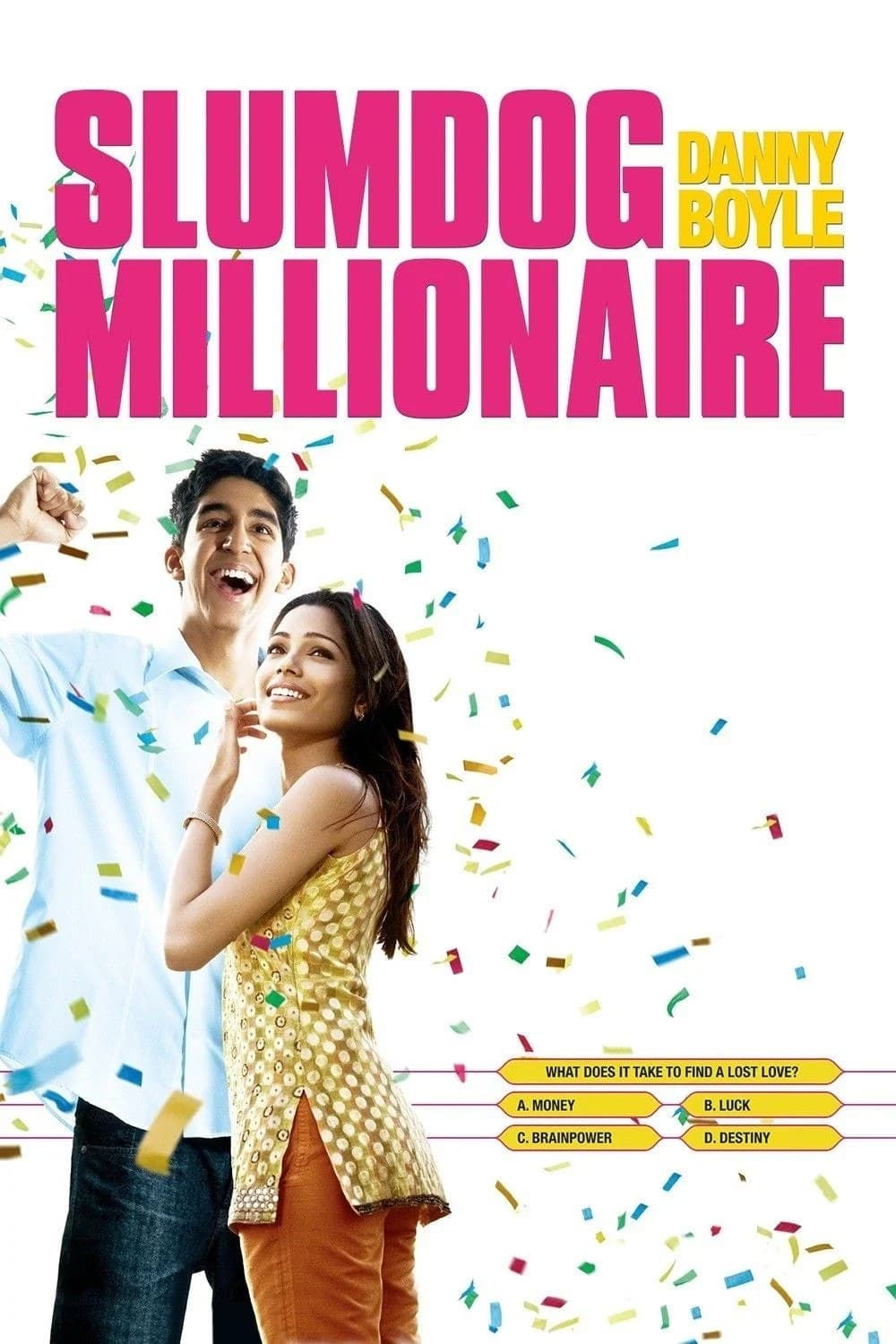
Boyle shot Mumbai on small digital cameras in real streets and Rahman's score carried it around the world: a contestant from the slums is detained for cheating, and each question opens a memory.

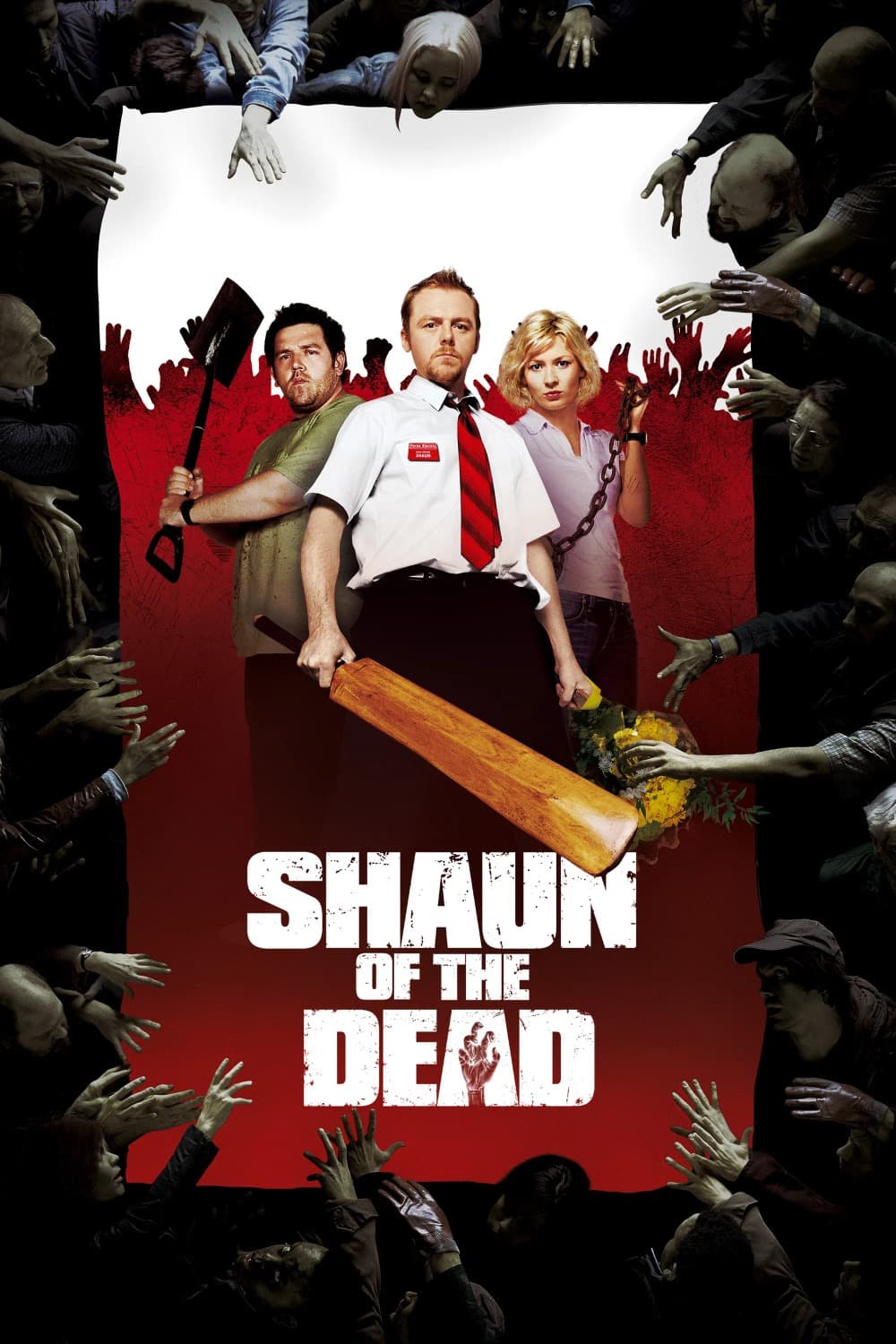
A zombie comedy that works as an actual zombie film: Wright plants every joke twice, so the second half pays off setups you laughed at an hour earlier without noticing they were setups.

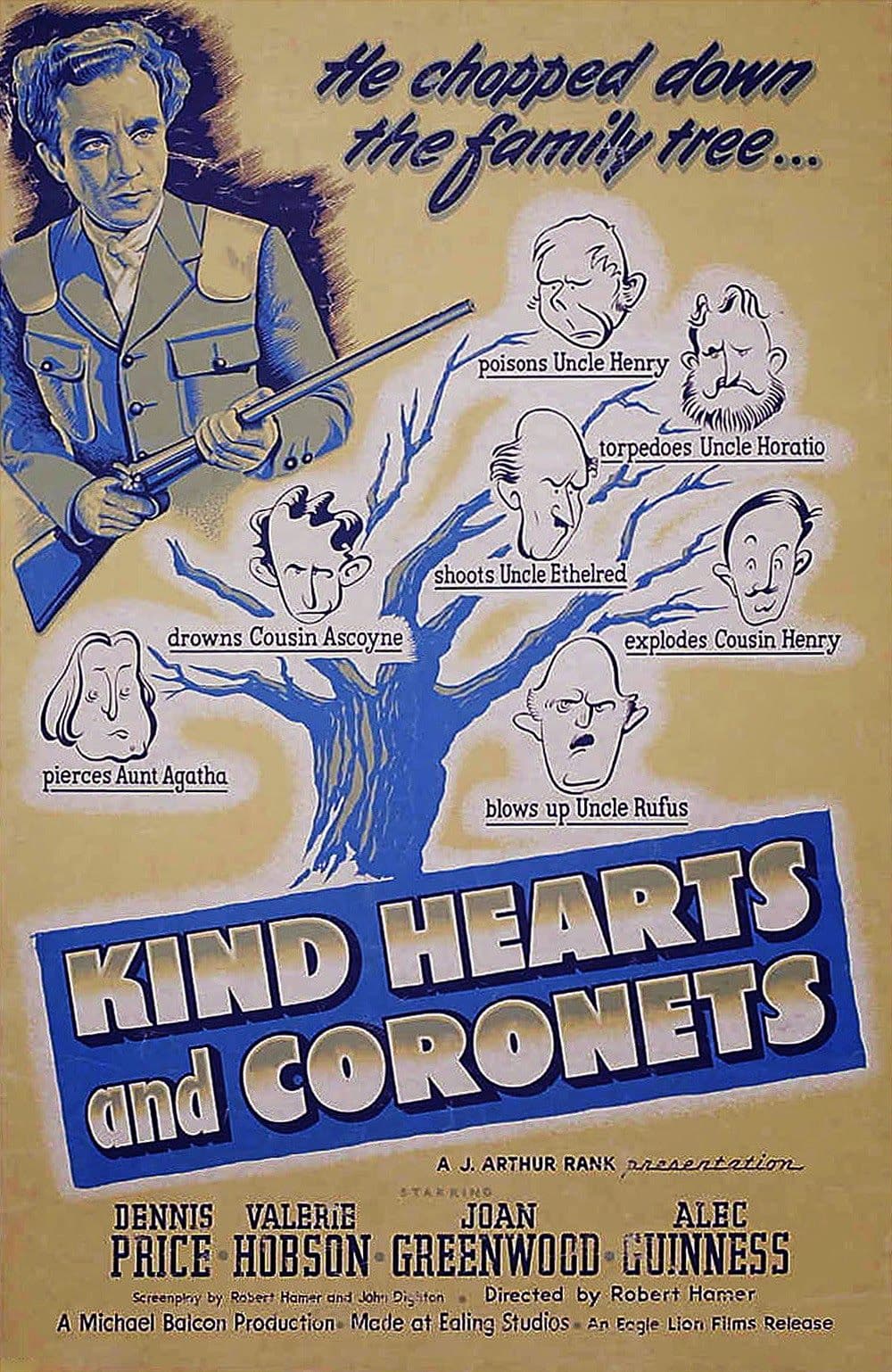
Alec Guinness plays eight members of the same family, including one of the women: the blackest comedy the British ever made, narrated in perfect drawing-room manners by a man counting off his relatives.

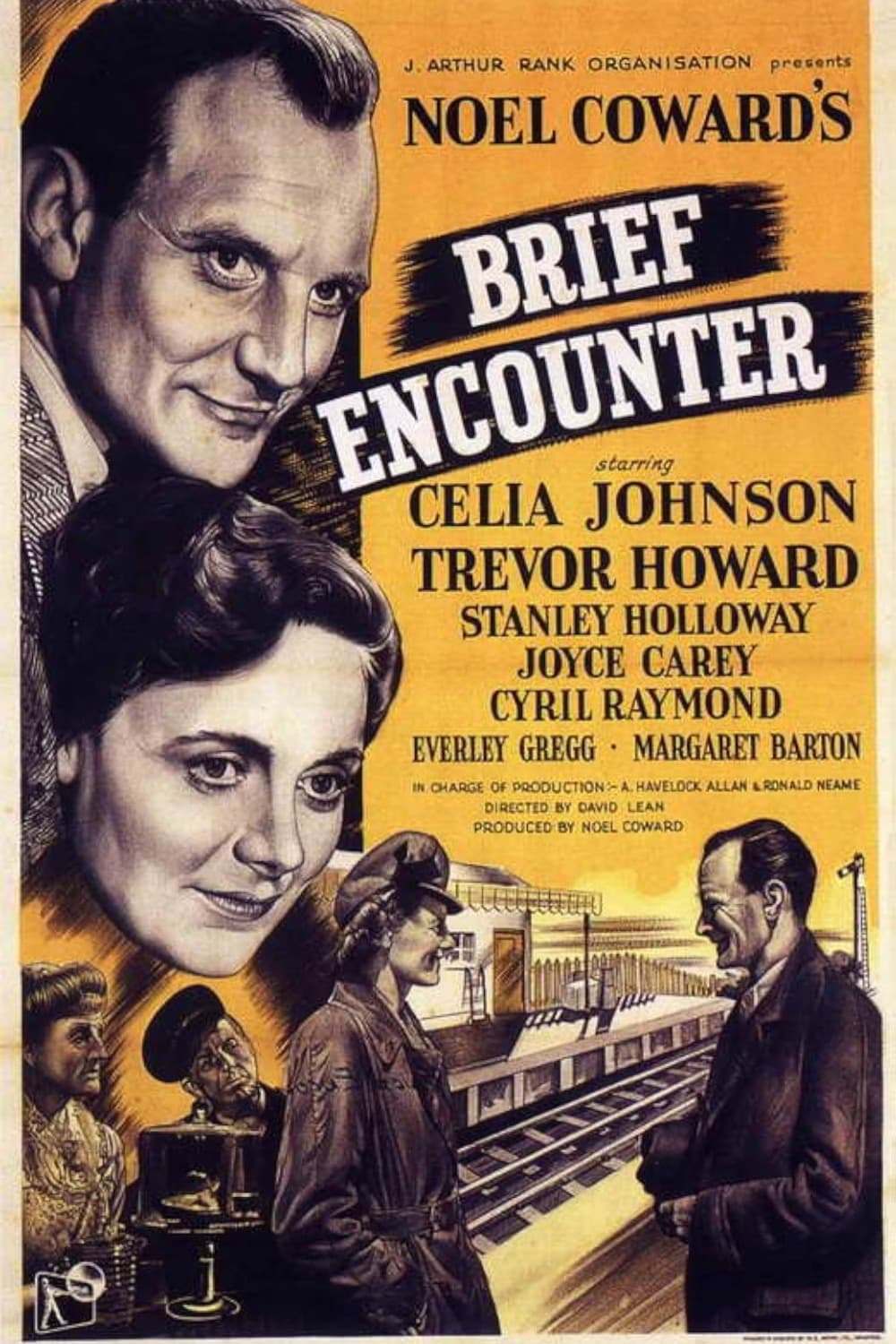
Two married people meet by chance in a railway station and keep meeting, and what they hold back is what destroys audiences: Lean does it in glances and Rachmaninov.

Heaven is monochrome and earth is in Technicolor, which is the whole joke: a pilot bails out without a parachute and then has to argue for his life.

It made a heroin film feel like a night out without ever pretending the squalor was not there: Boyle cut the whole thing to a soundtrack that never sits still.

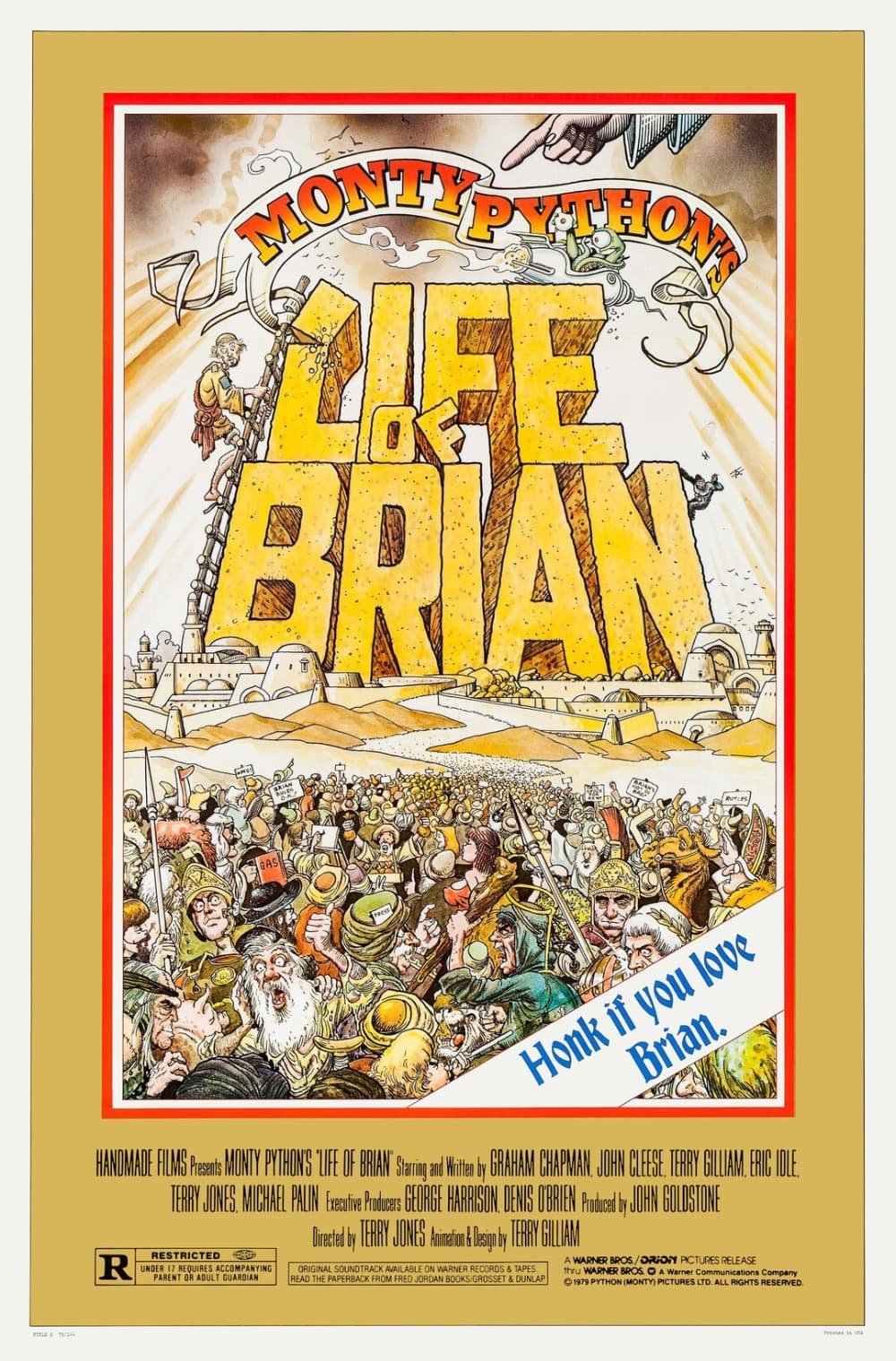
Councils across Britain banned it and Norway would not show it at all: the Pythons went after zealotry rather than faith, which is exactly why it still works.

No comedy has been quoted more relentlessly for fifty years: the Pythons could not afford horses, banged coconuts instead, and turned the budget problem into the joke.

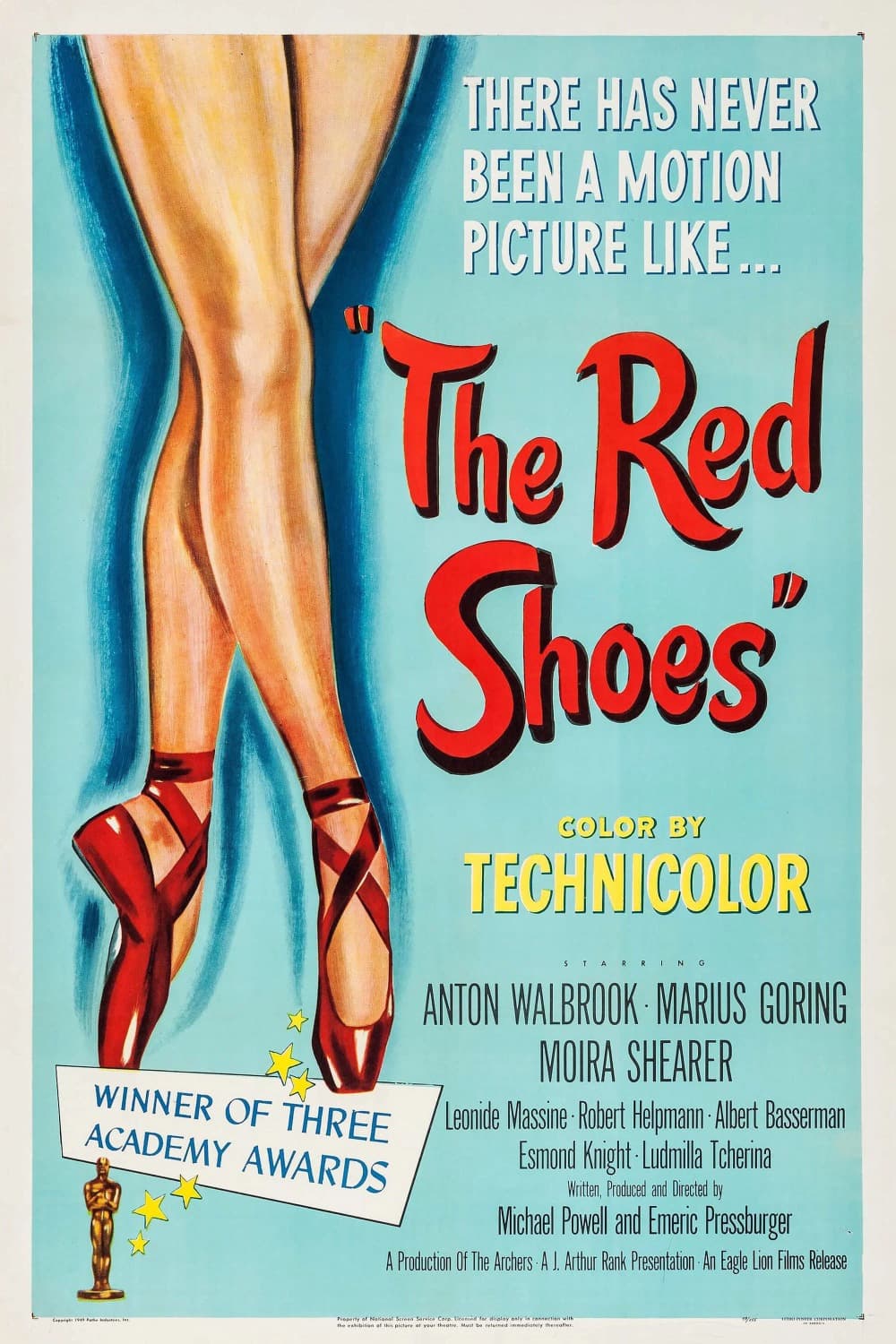
Scorsese has been watching it since childhood and has never stopped: Powell and Pressburger put a ballet on screen in Technicolor so saturated that it plays like a fever.

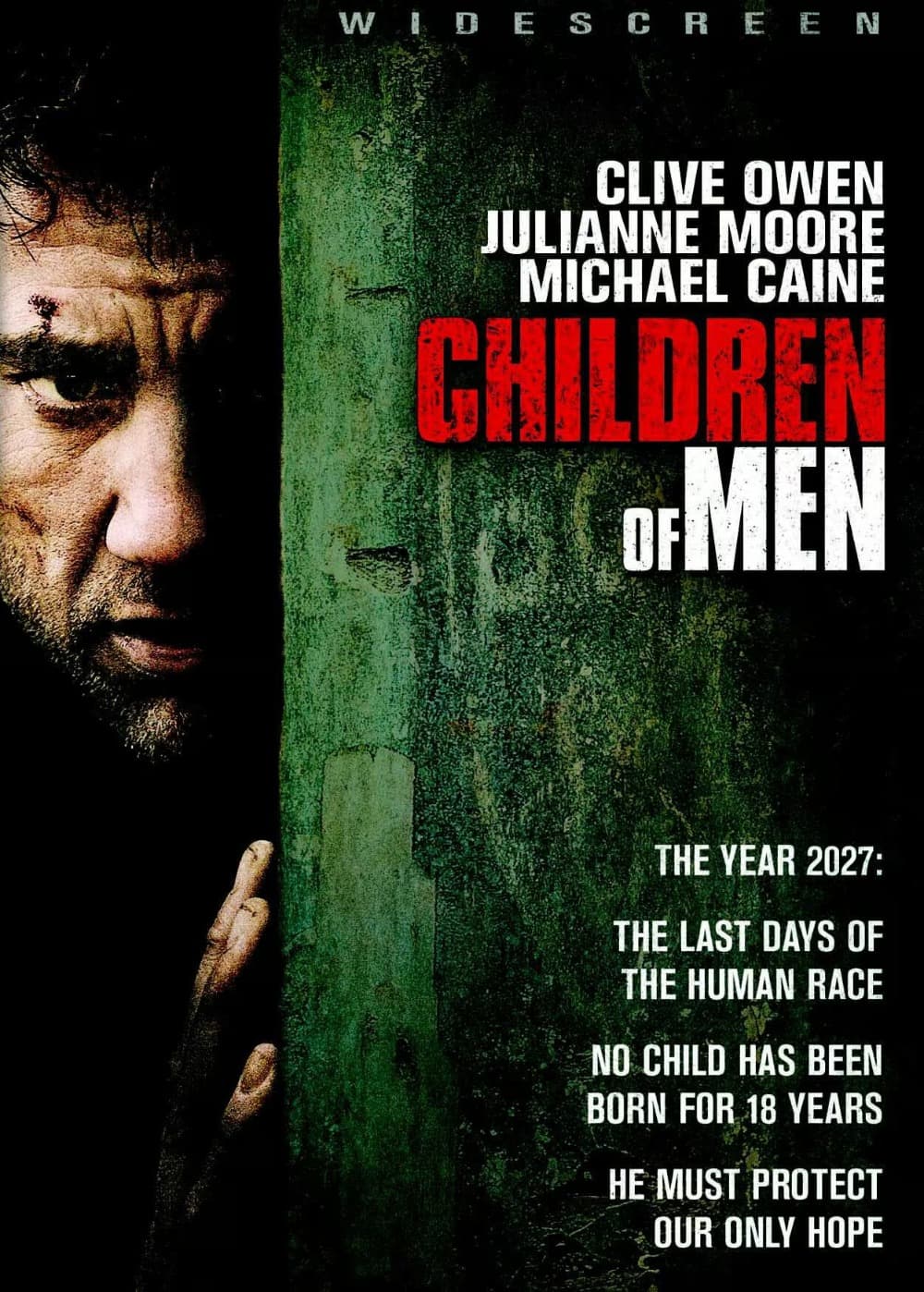
It looked like science fiction in 2006 and looks like the news now: Cuaron's roaming takes put you inside a collapsing Britain, and the ambush in the car is astonishing.

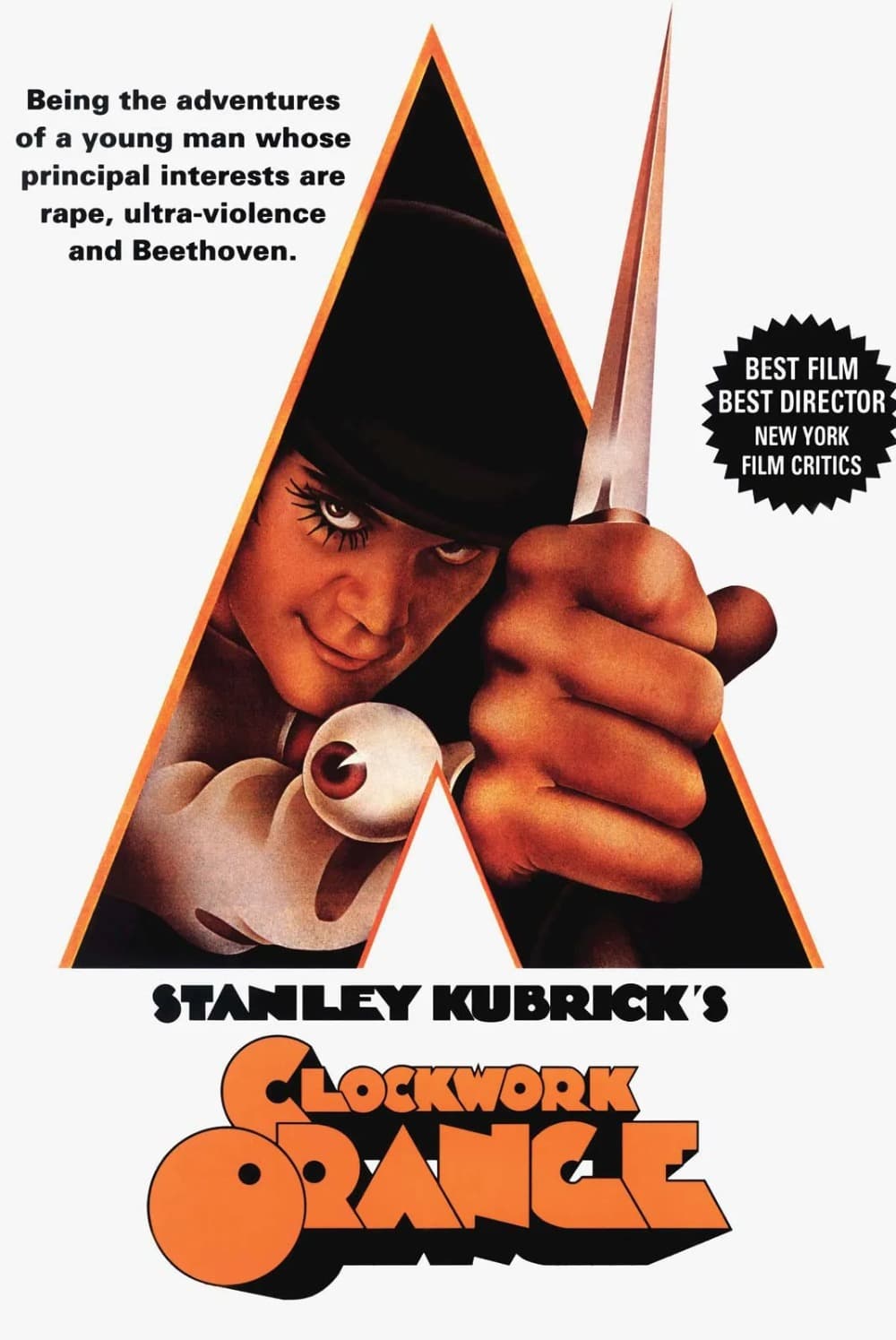
Kubrick pulled it from British cinemas himself after the reaction, and it stayed unavailable there for twenty-seven years: a state that enforces goodness, an invented slang, imagery nobody forgets.

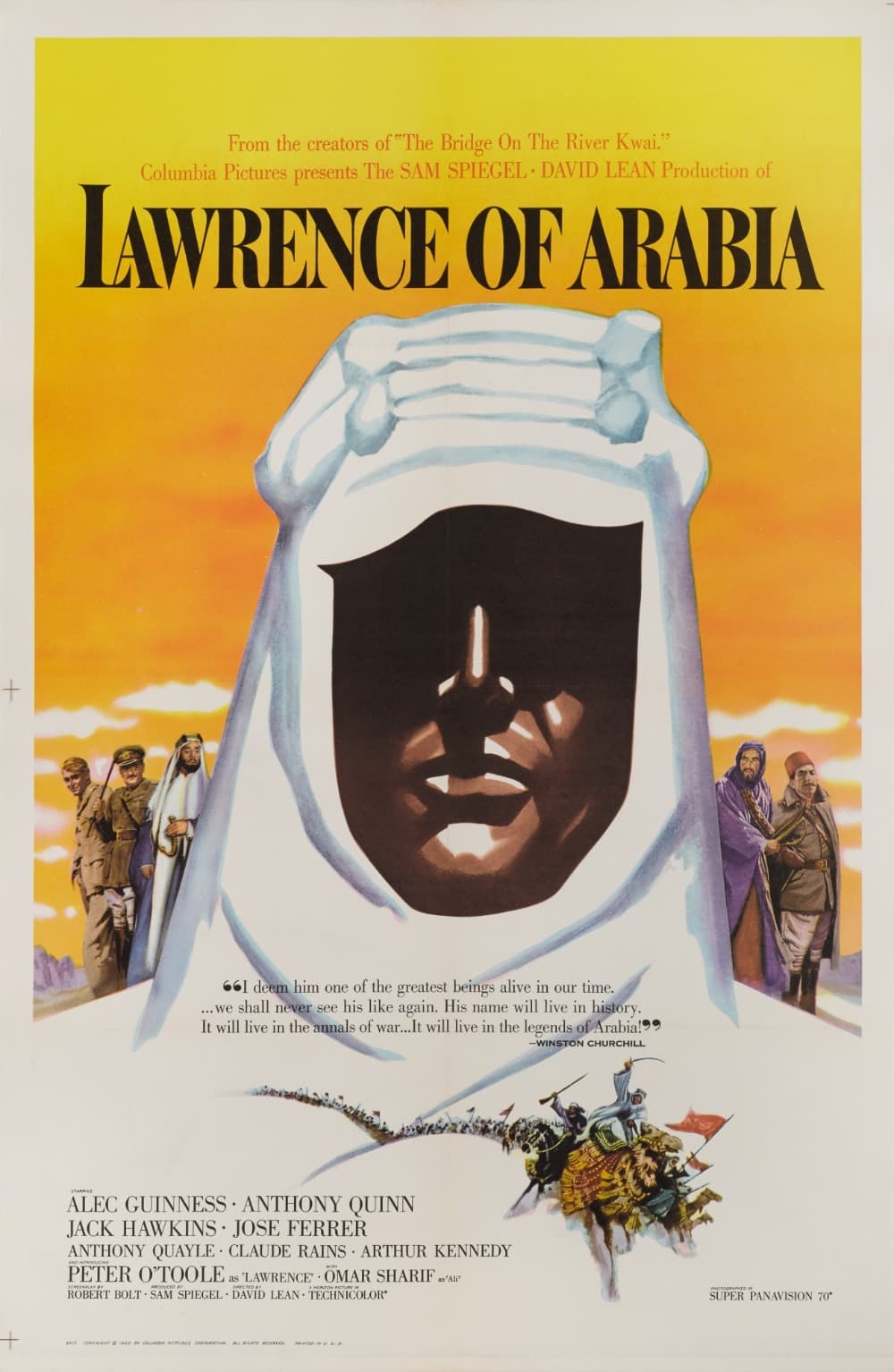
There is no better argument for seeing a film on the largest screen you can find: Lean's desert swallows the frame, and a British officer dissolves inside it over nearly four hours.

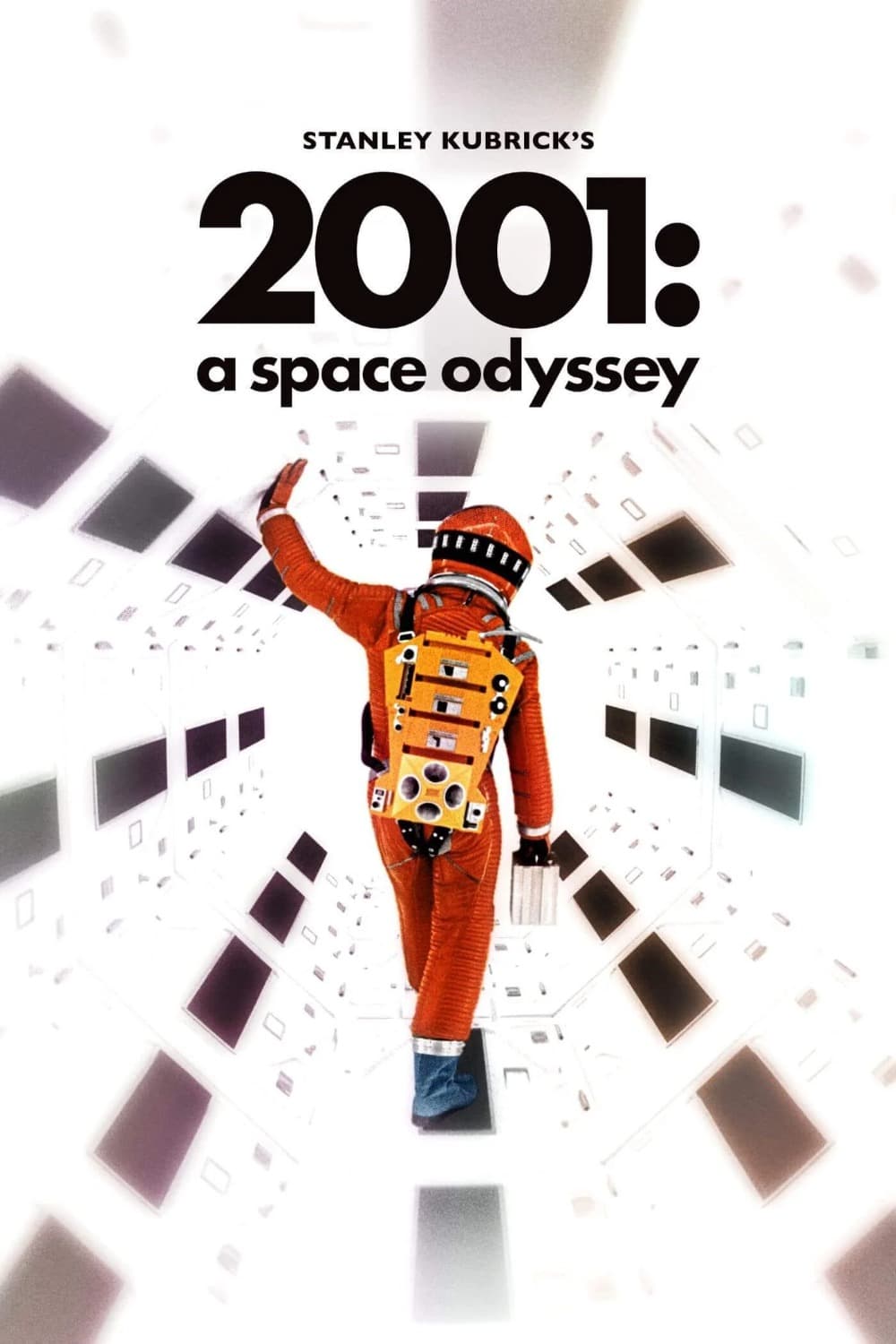
Kubrick took the audience from the first bone tool to the far side of Jupiter, explained almost nothing, and made every science fiction film since look domestic by comparison.