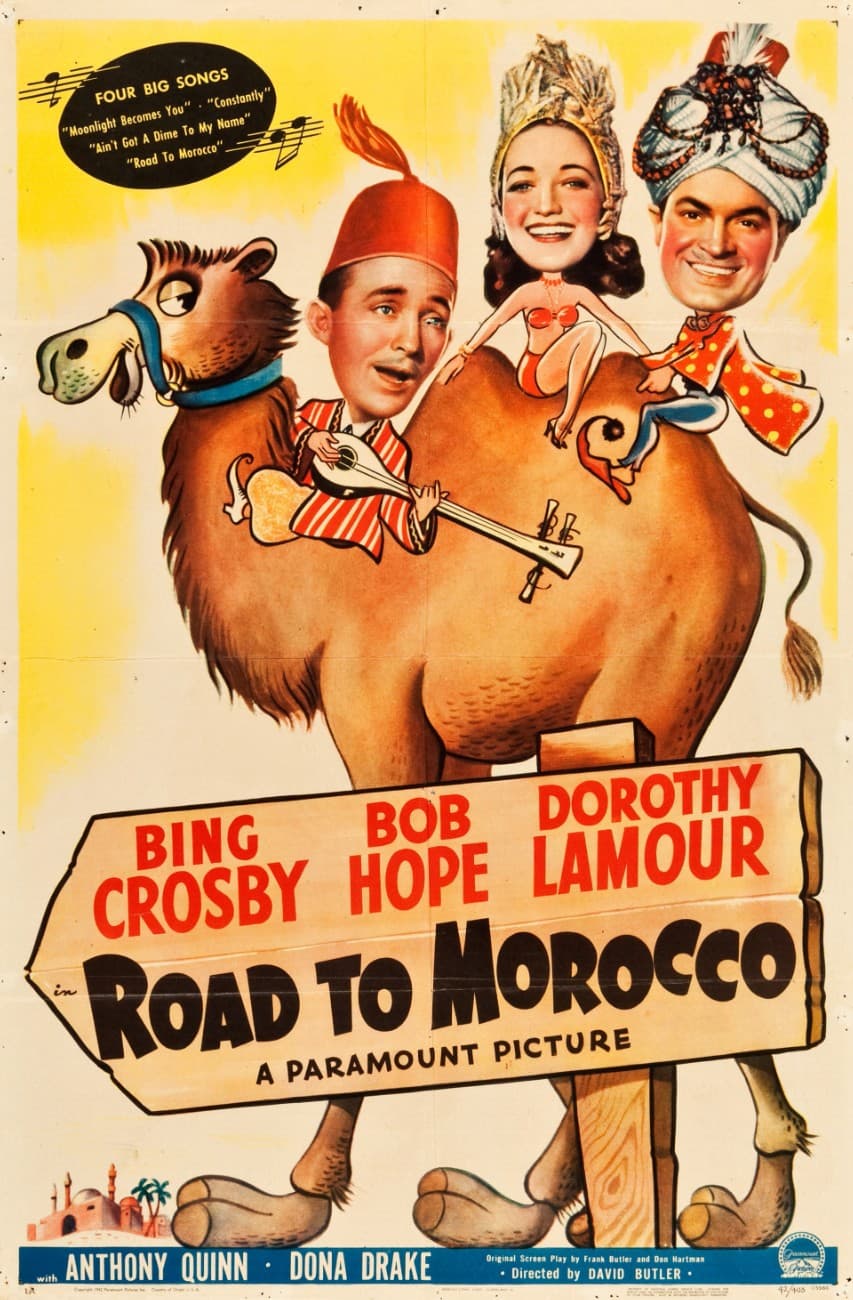
Road to Morocco
Directed by David Butler
1942
Bob Hope and Bing Crosby keep telling the audience it is only a film, and a camel gets a line: the fourth wall came down here long before anyone named it.
★ 1.1
 skopia
Bob Hope and Bing Crosby keep telling the audience it is only a film, and a camel gets a line: the fourth wall came down here long before anyone named it.
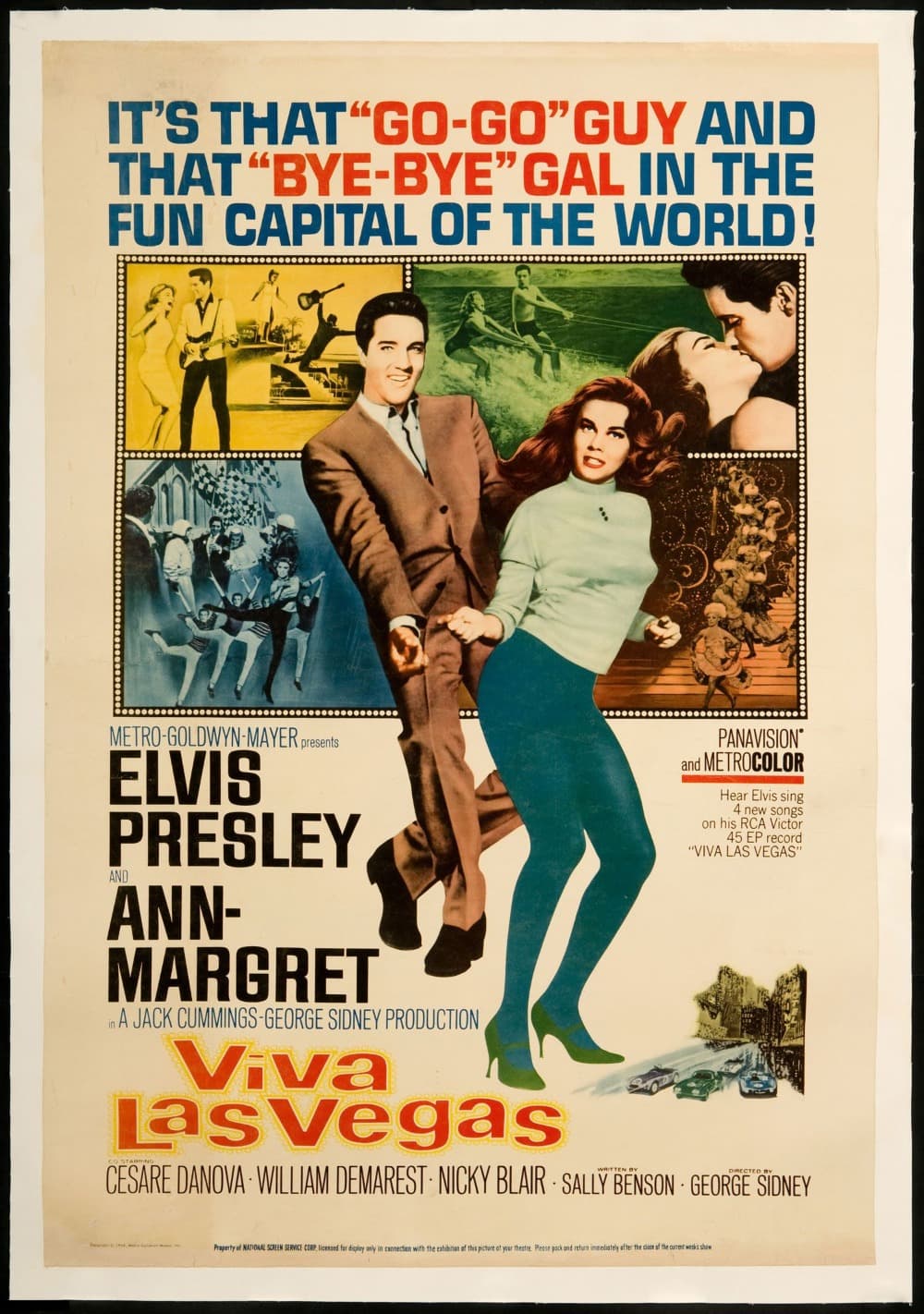
Elvis Presley made thirty-one films and only this one holds up: Ann-Margret matches him move for move, the studio got nervous about it, and the title song outlived everything.
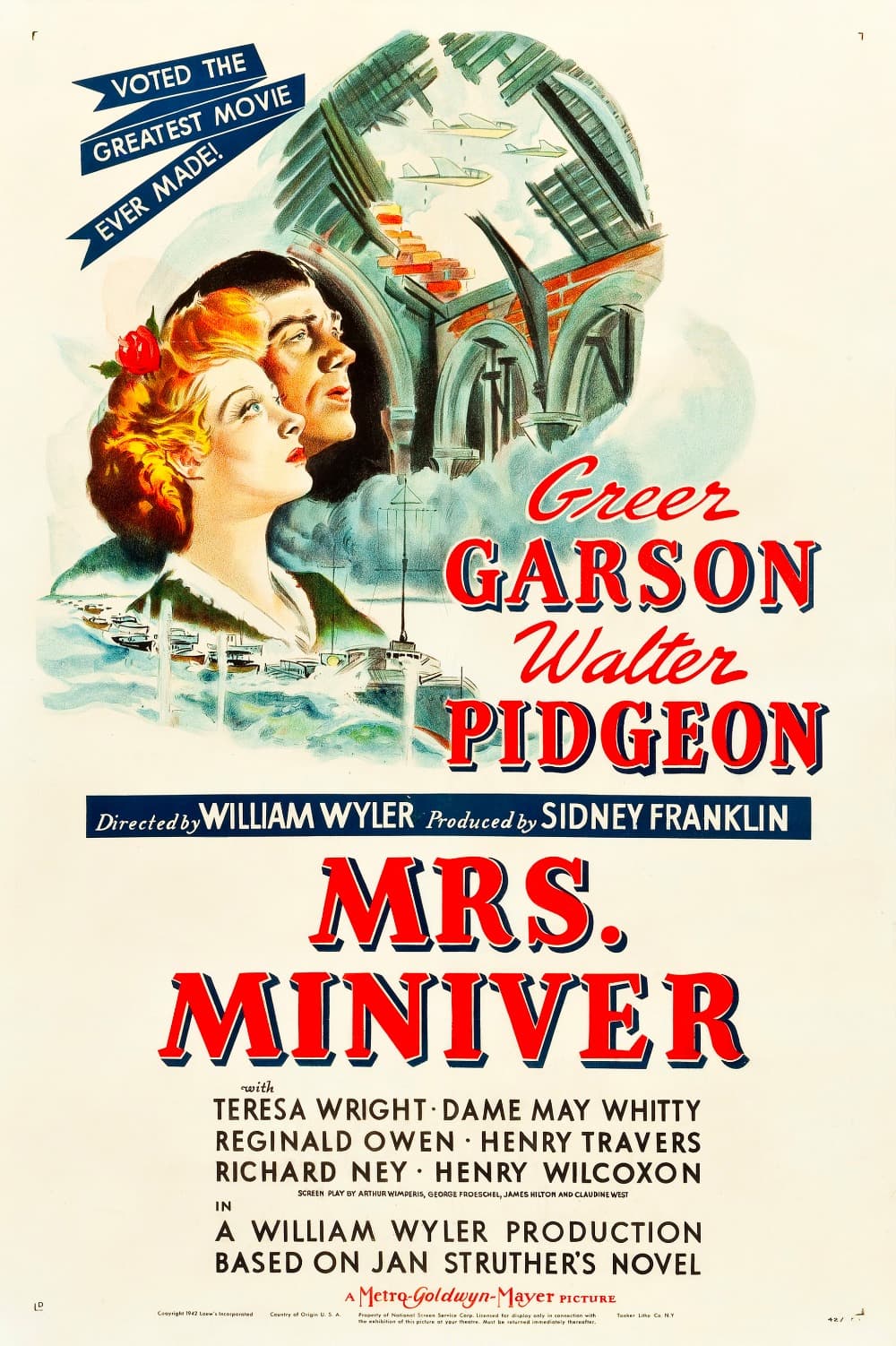
Roosevelt had the vicar's closing speech printed on leaflets and dropped over occupied Europe: an English family absorbs the first year of the war, and America was watching very closely.
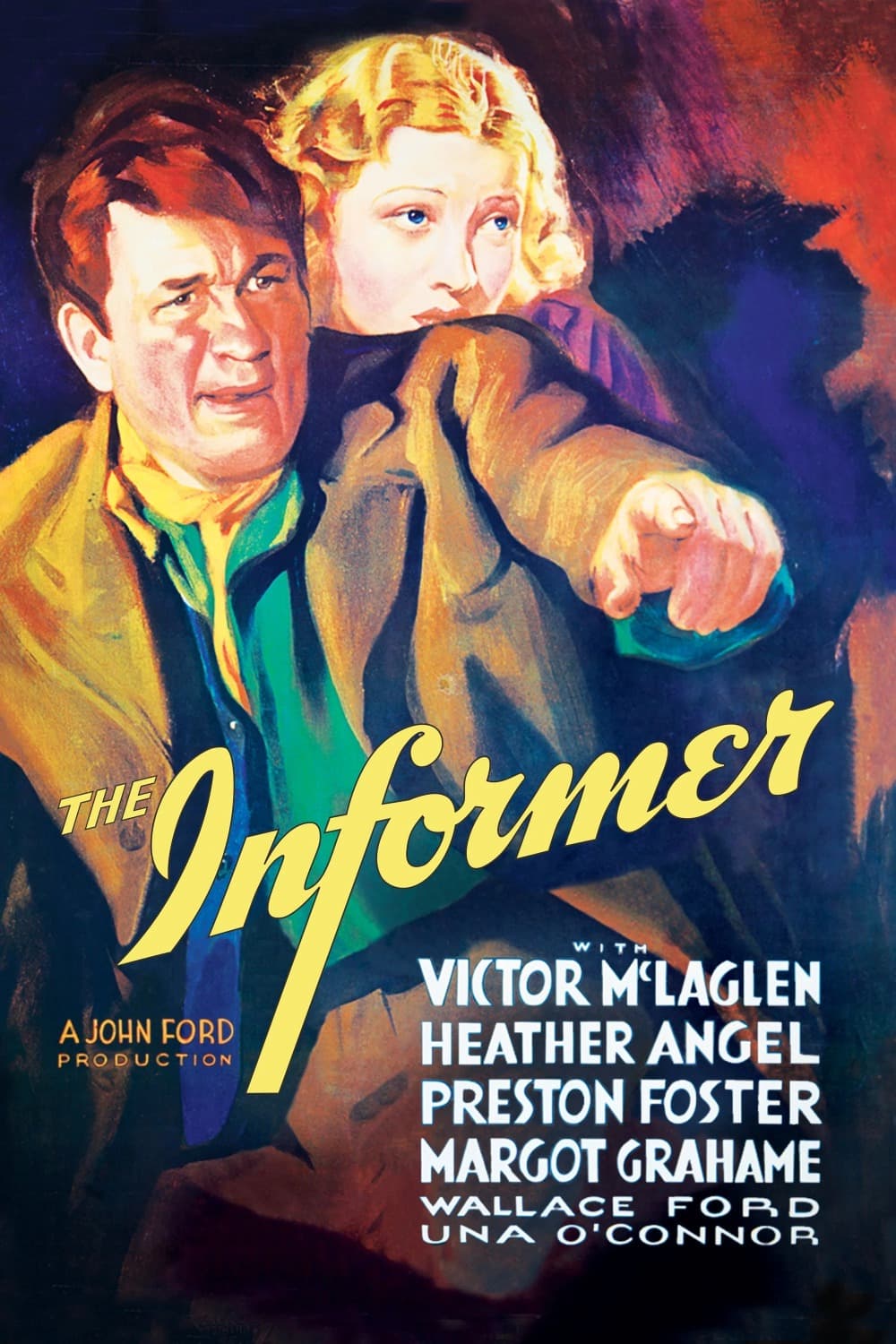
Dublin in 1922, shot entirely on a fogged soundstage: John Ford won his first directing Oscar for it, and a slow-witted man sells out a friend for twenty pounds.
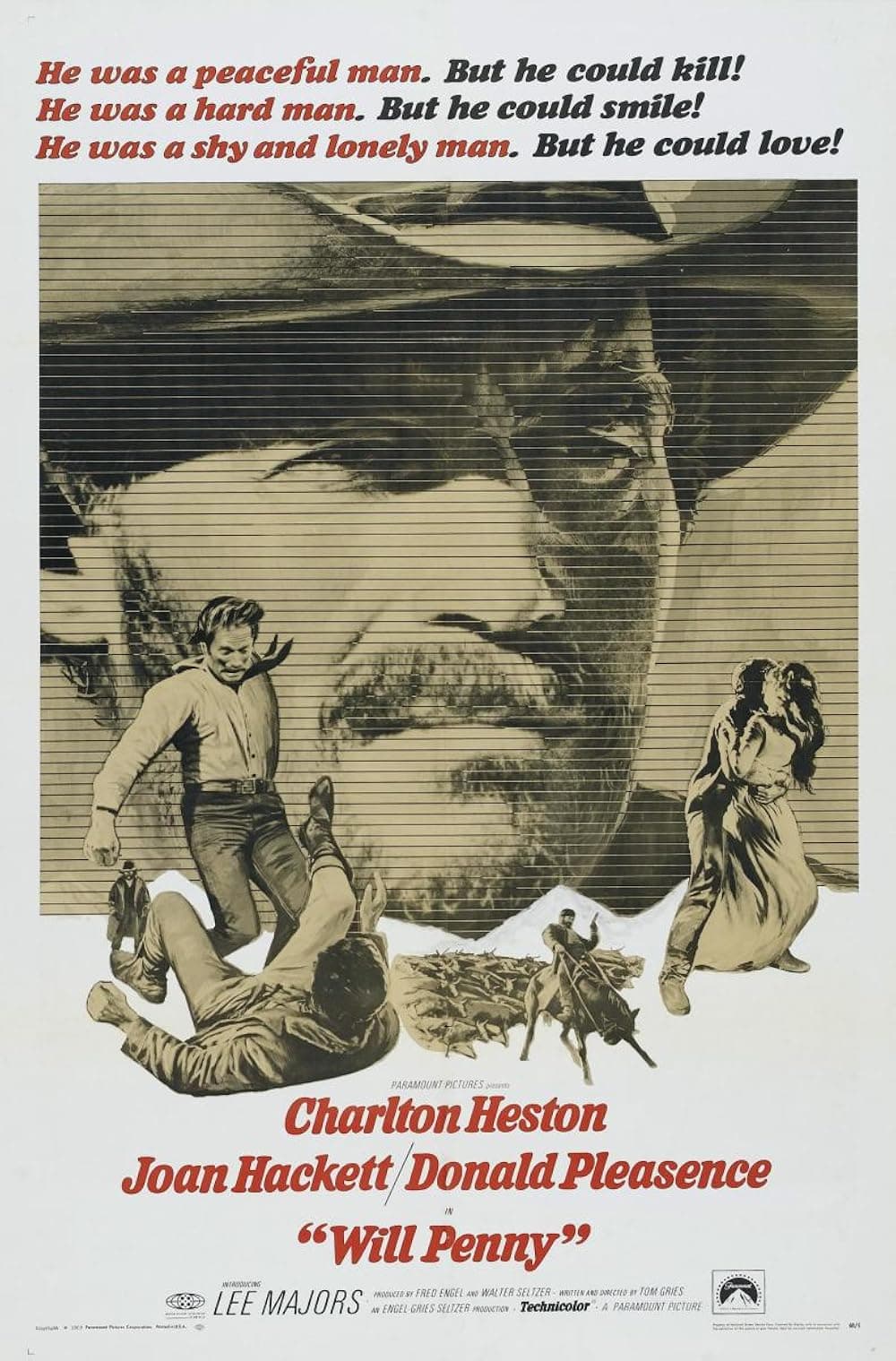
Charlton Heston called it his own best film and almost nobody saw it: an illiterate middle-aged cowhand with no property and no prospects, and the frontier offers him nothing.
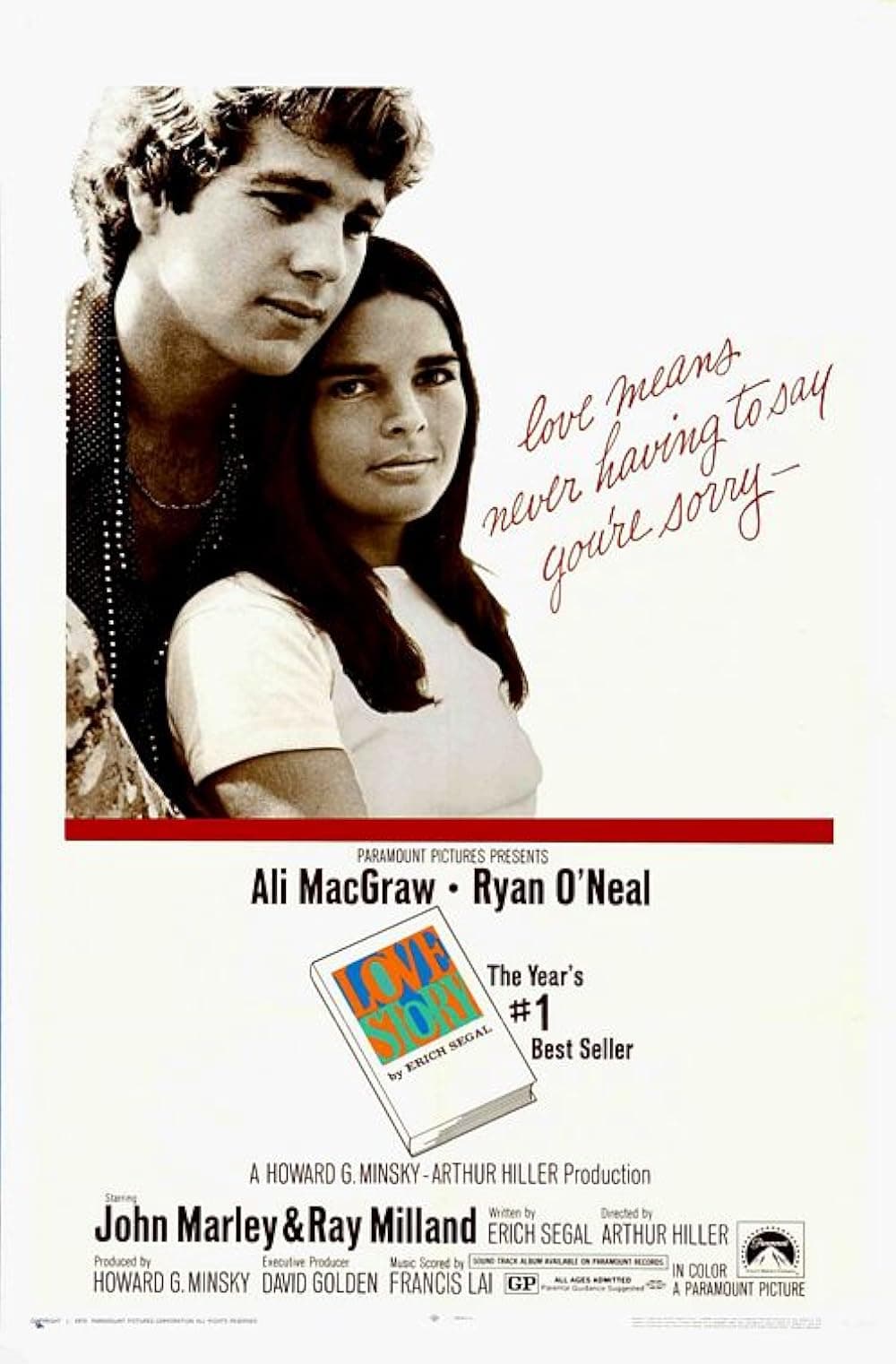
The novel was written from the screenplay and not the other way around: a Harvard hockey player and a Radcliffe music student marry against his father, and one line became inescapable.
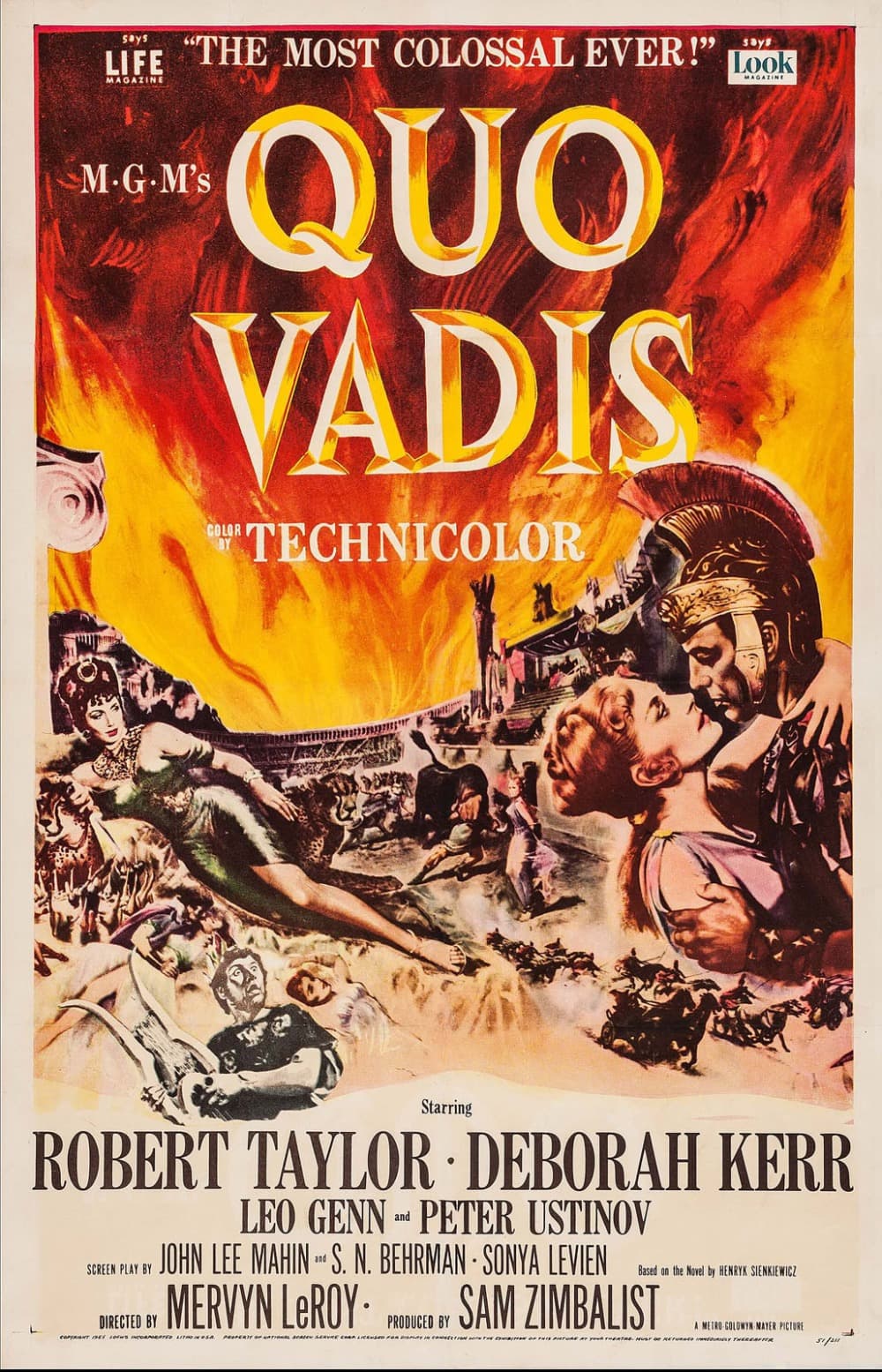
Peter Ustinov plays Nero as a needy child with an empire, and steals the entire picture: MGM built ancient Rome at Cinecitta and the film rescued the studio's finances.
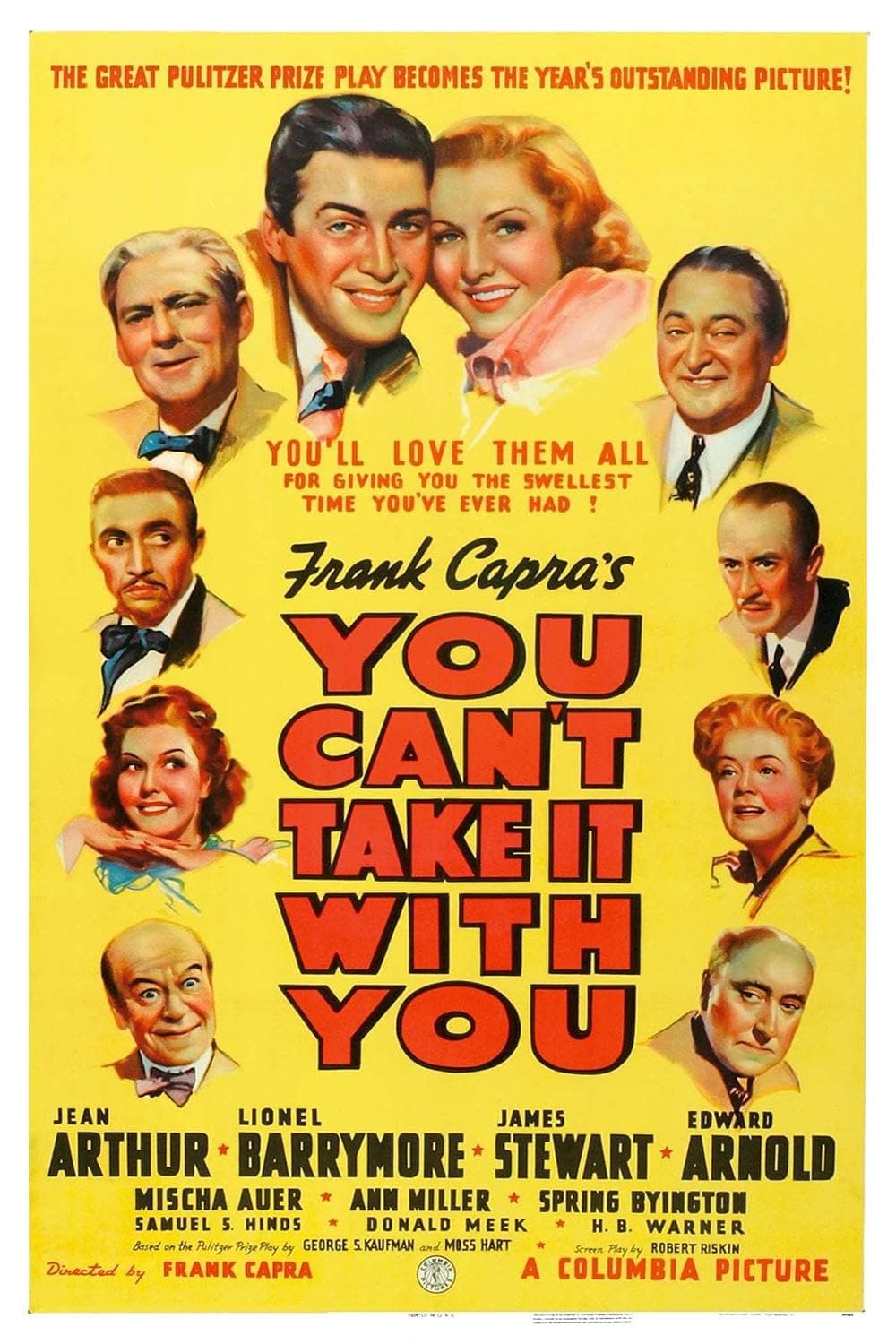
A household where everyone does exactly as they like collides with a banking family: Frank Capra won his third directing Oscar in five years, and the argument is still the one America has.
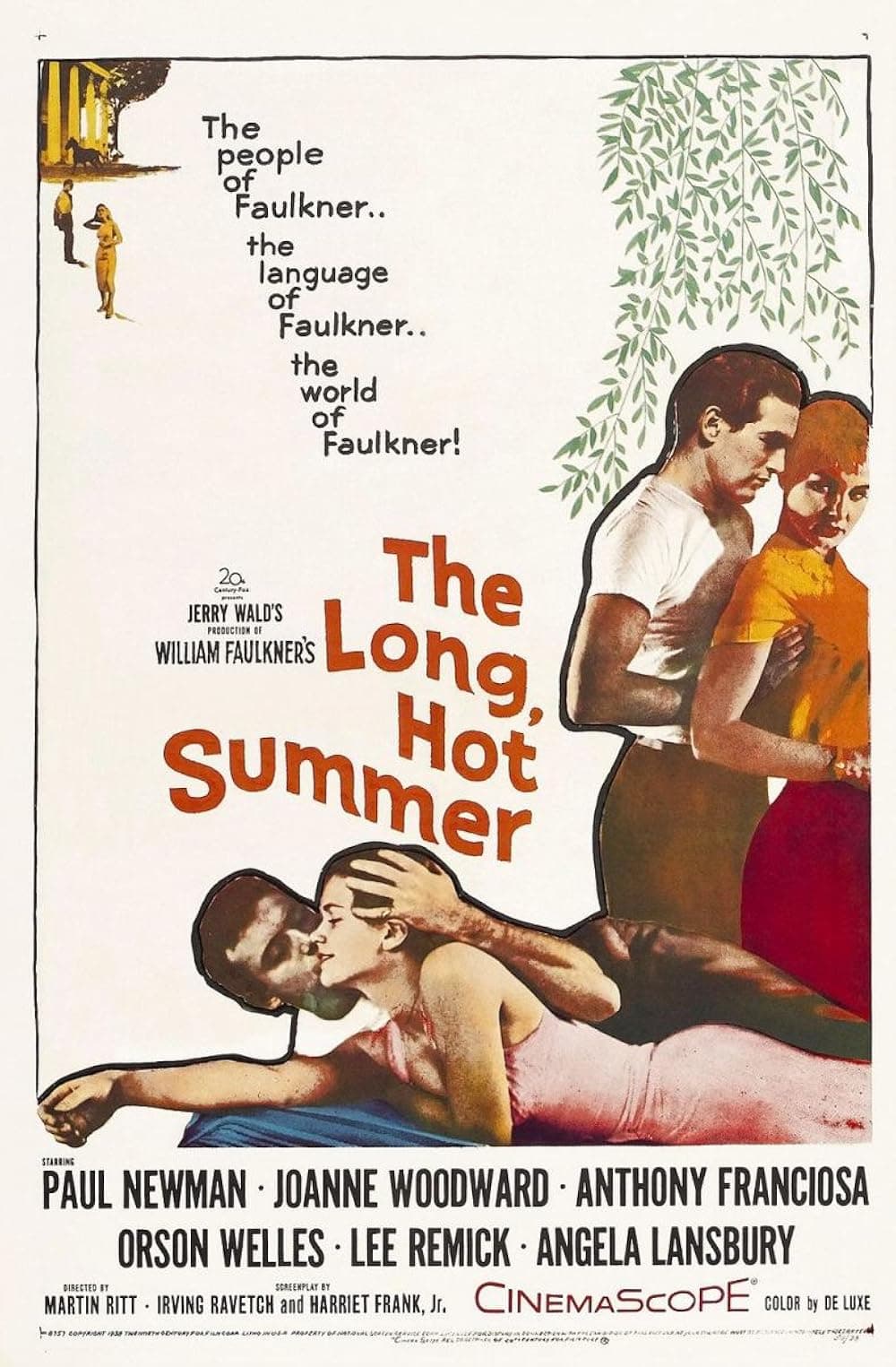
Paul Newman and Joanne Woodward fell in love making this and married before it opened: William Faulkner boiled down into one Mississippi town, and the heat is doing most of the acting.
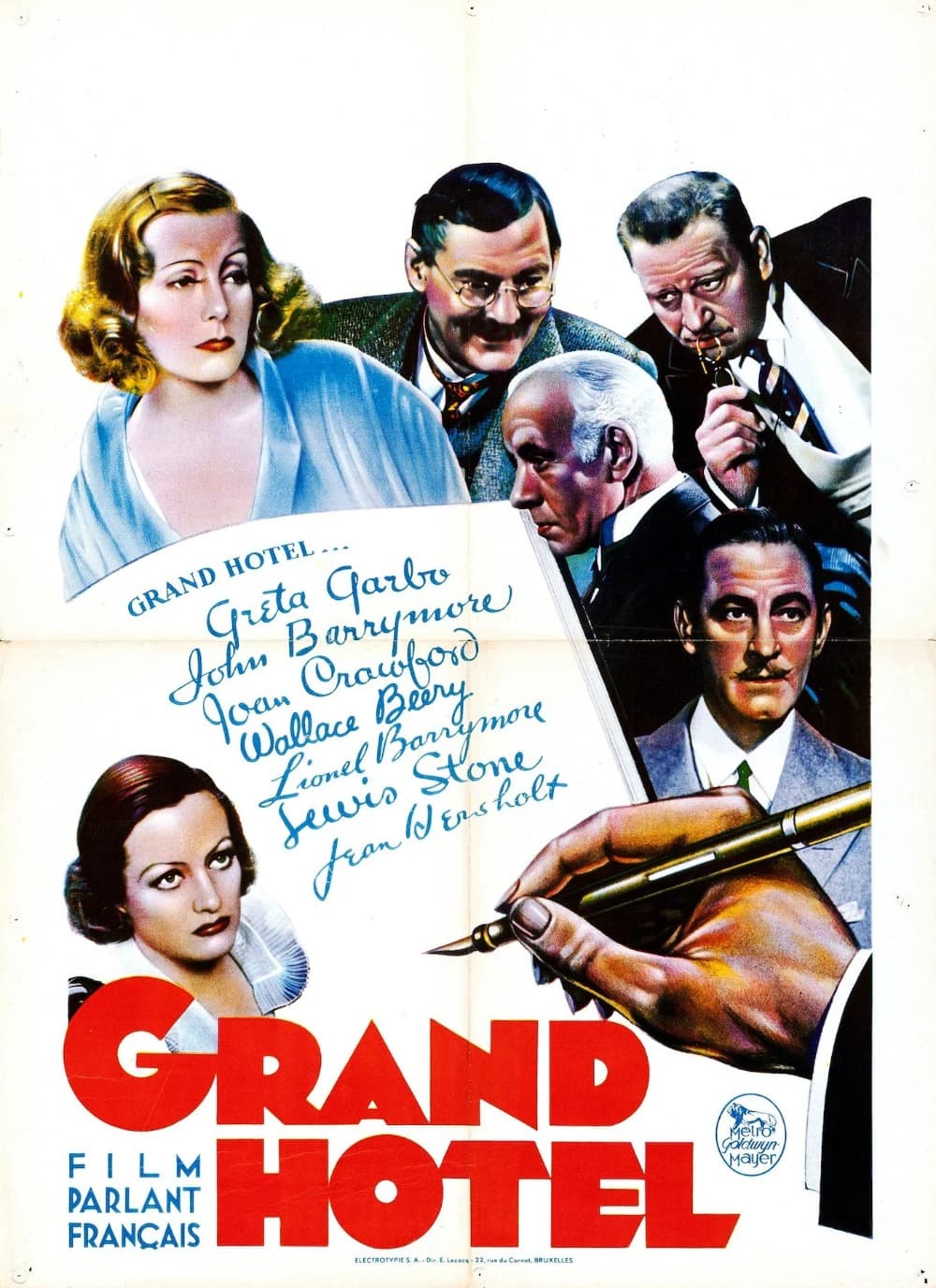
It took Best Picture without a single other nomination, which nothing else has managed: Greta Garbo says the line about wanting to be alone, and the one-building ensemble format begins here.
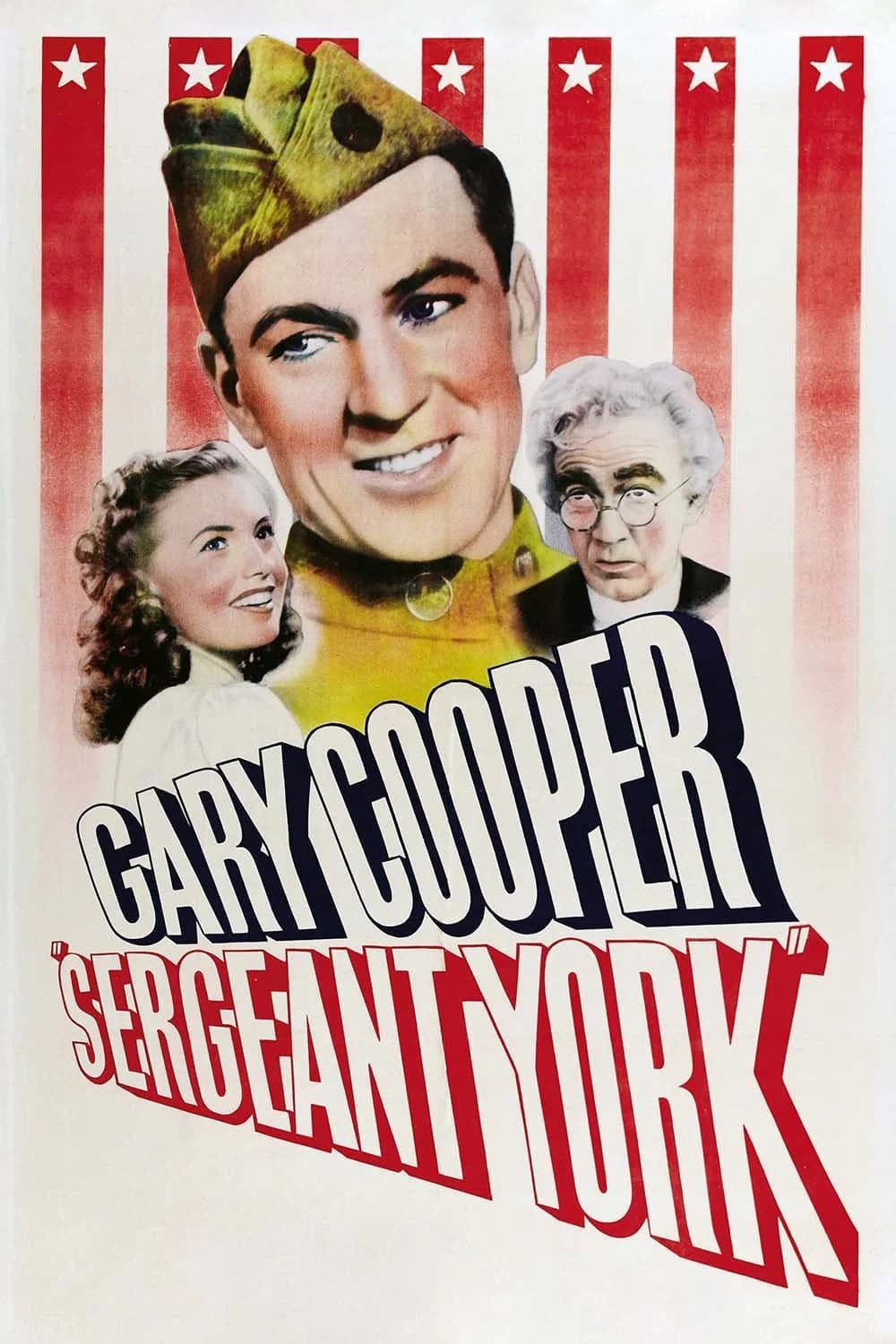
Alvin York blocked a film about himself for two decades and gave in only to fund a Bible school: a Tennessee pacifist wins the Medal of Honor and Gary Cooper wins Best Actor.
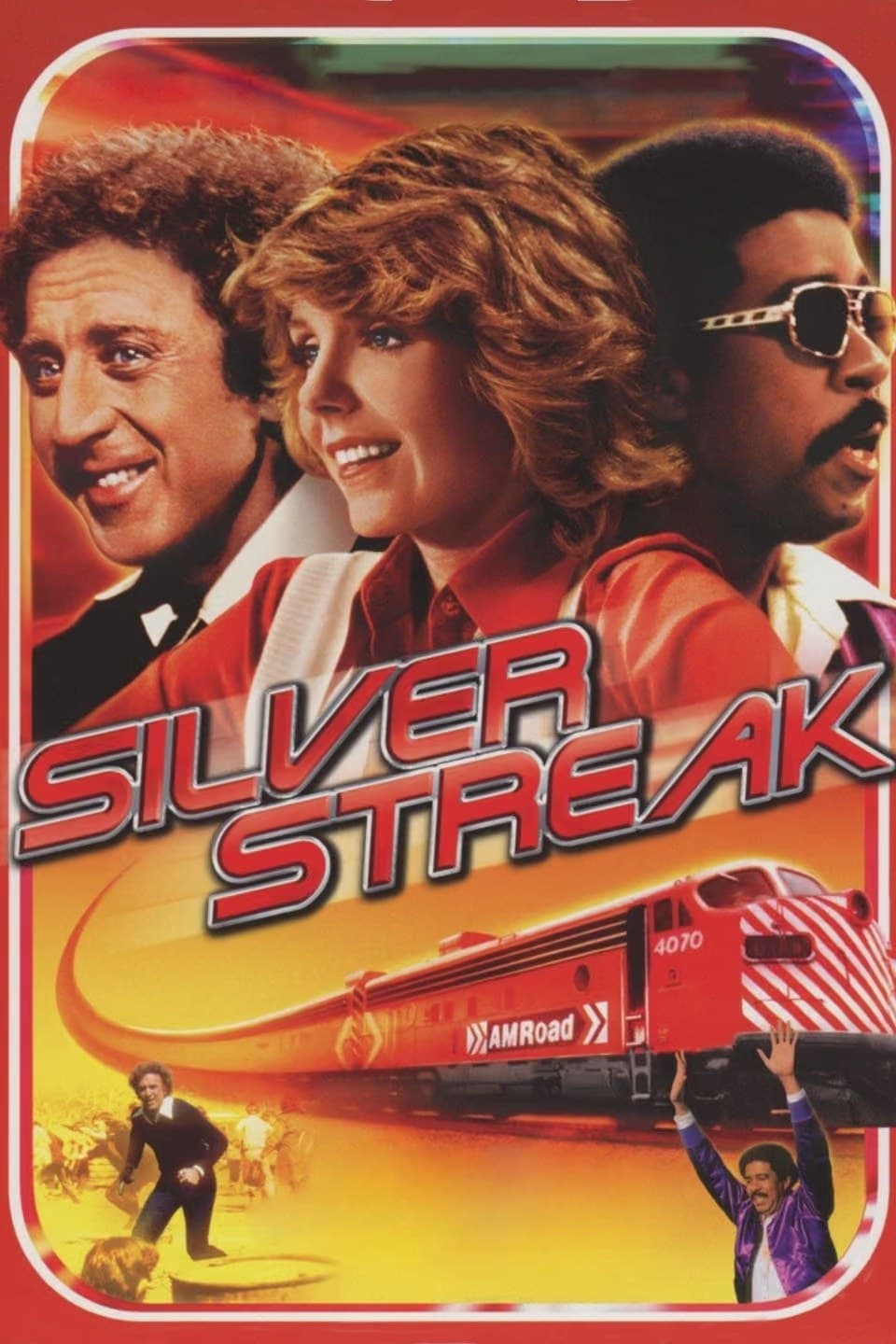
Gene Wilder and Richard Pryor met on this and made three more together: a book editor takes a slow train from Los Angeles to Chicago and sees something through a window.
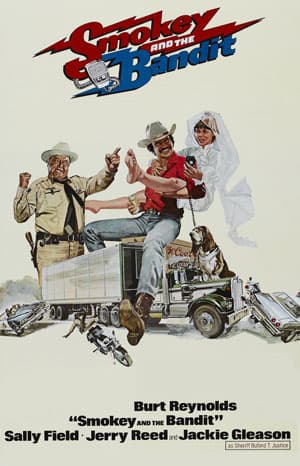
It was the second biggest film of 1977 behind Star Wars, which nobody remembers: Burt Reynolds runs beer across state lines in a black Trans Am and grins at the camera throughout.
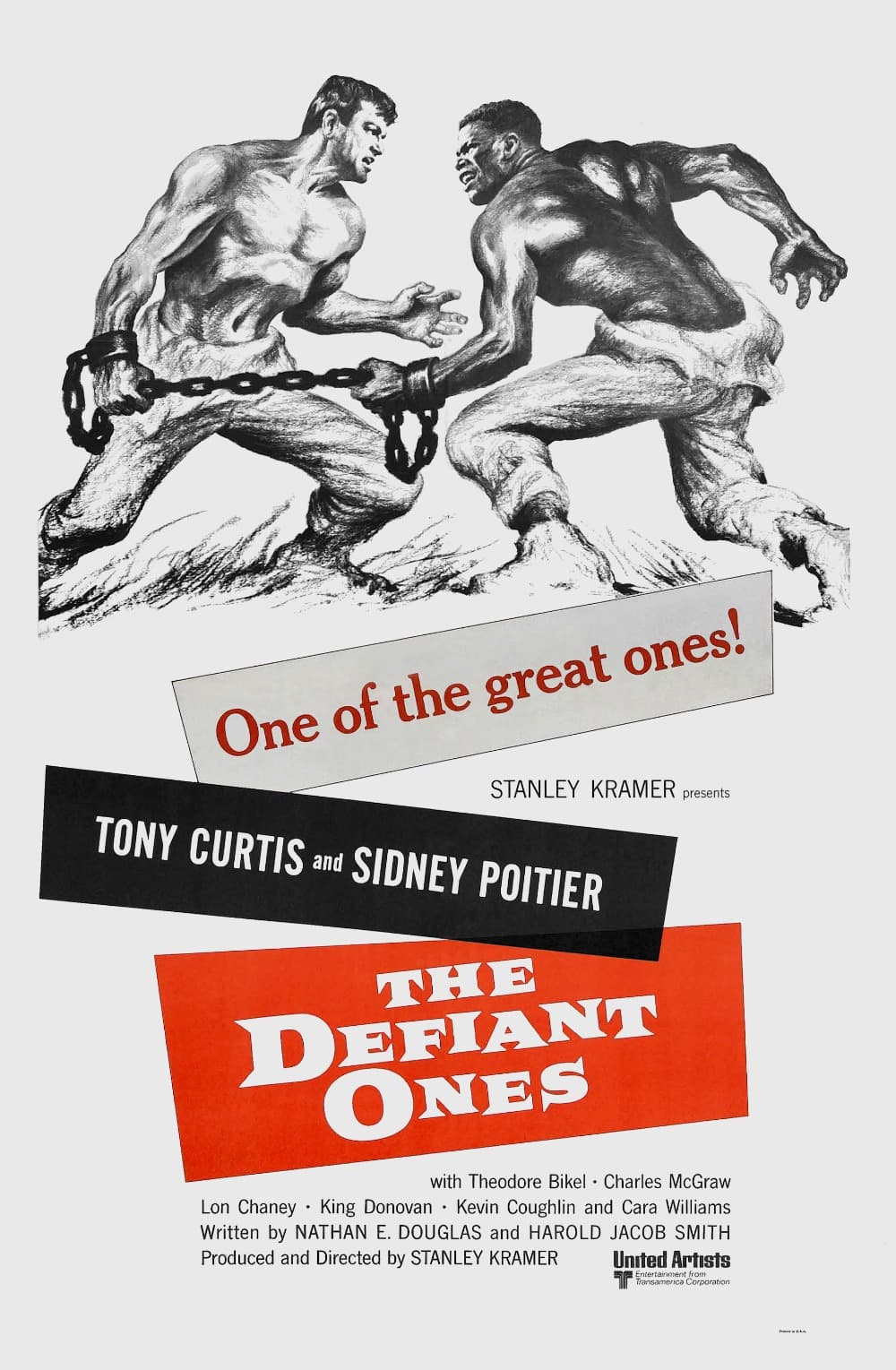
Sidney Poitier and Tony Curtis are chained together at the wrist, which was the entire argument in 1958: two convicts break out of a crash in the South and cannot move separately.
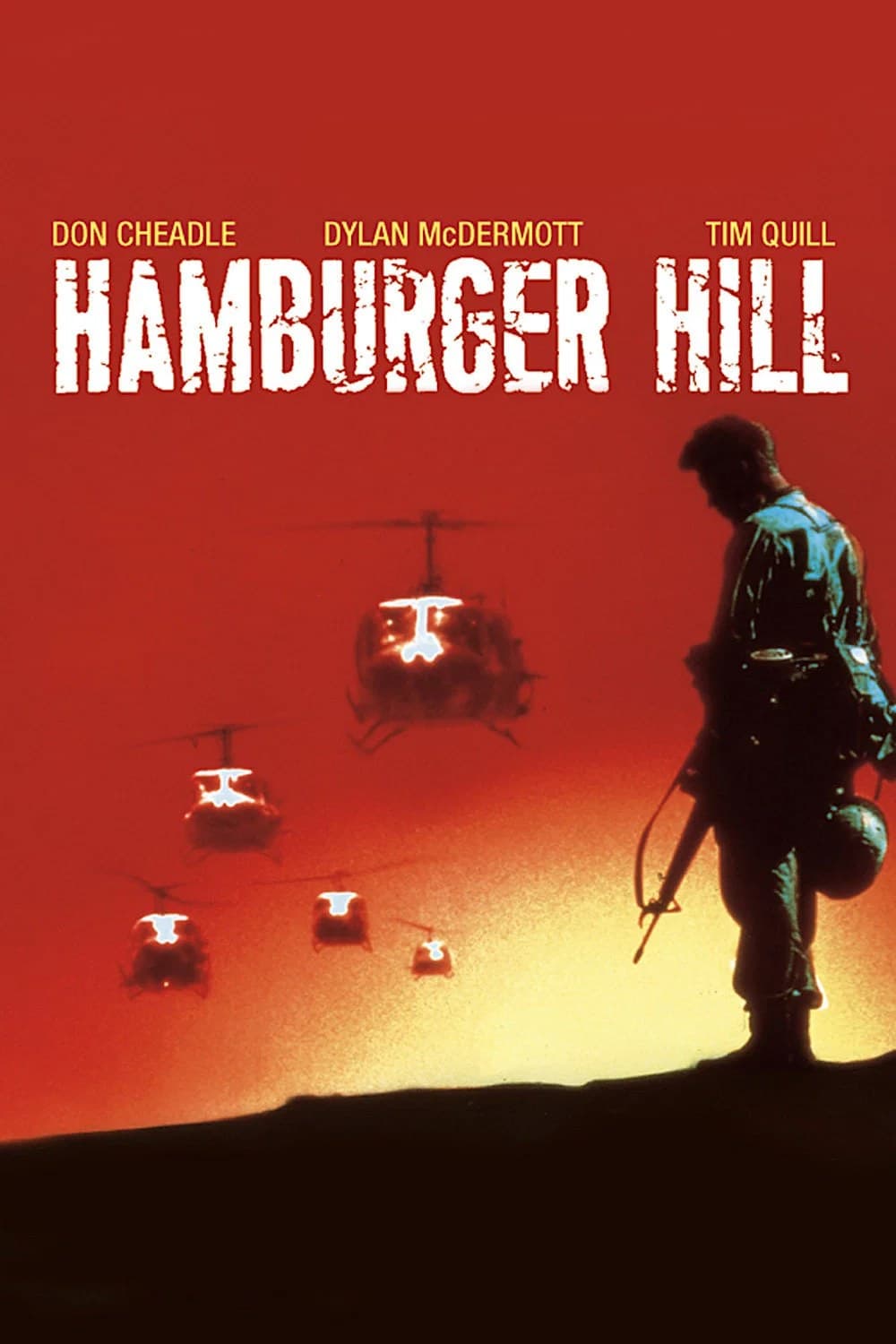
The least mythologizing Vietnam film anyone made: ten days in May 1969 taking one hill that the army abandoned immediately afterward, filmed as almost pure exhaustion and mud.
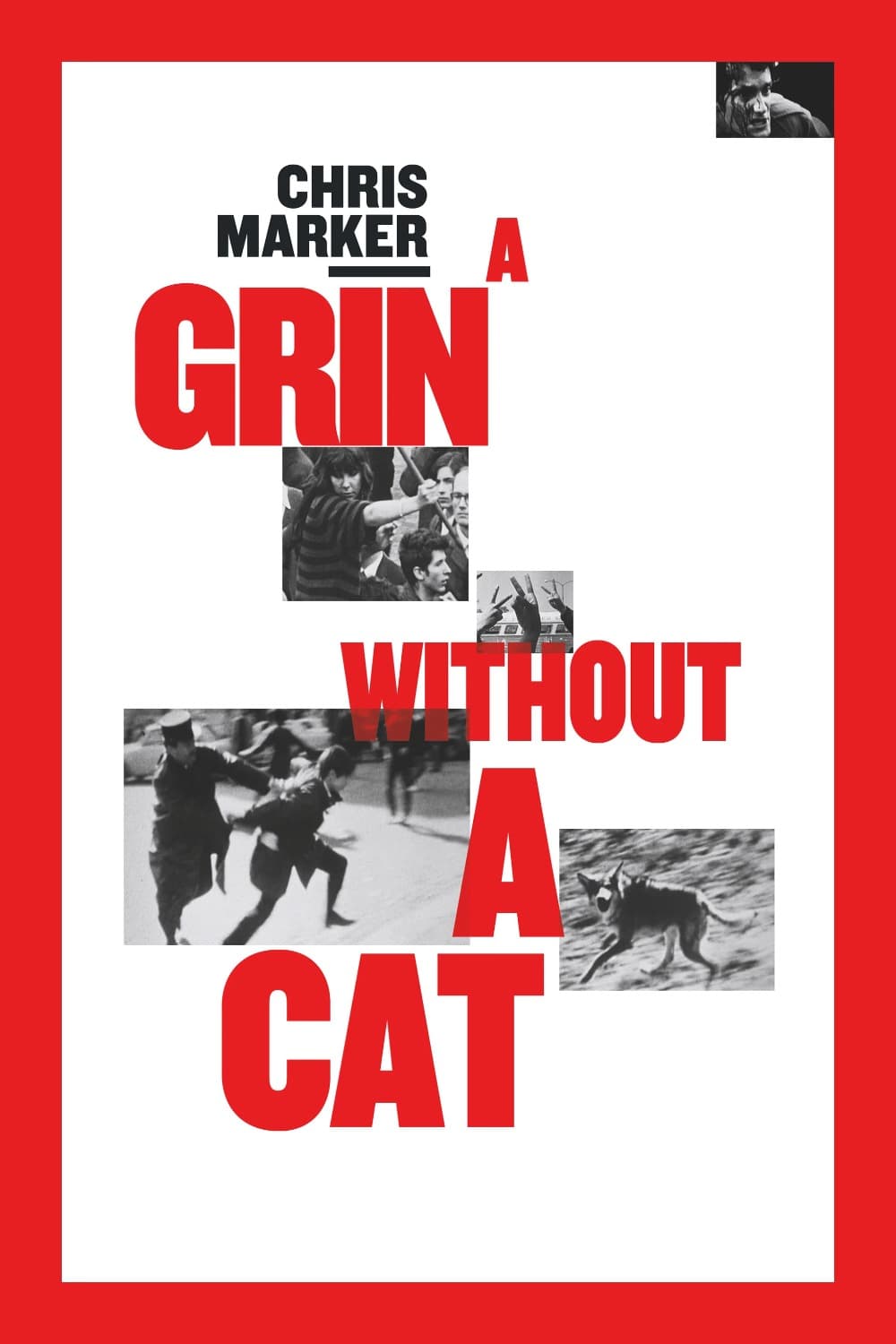
Chris Marker assembled hours of the global left arguing with itself between 1967 and 1977: a chorus of narrators reads his commentary, and none of them is given the last word.
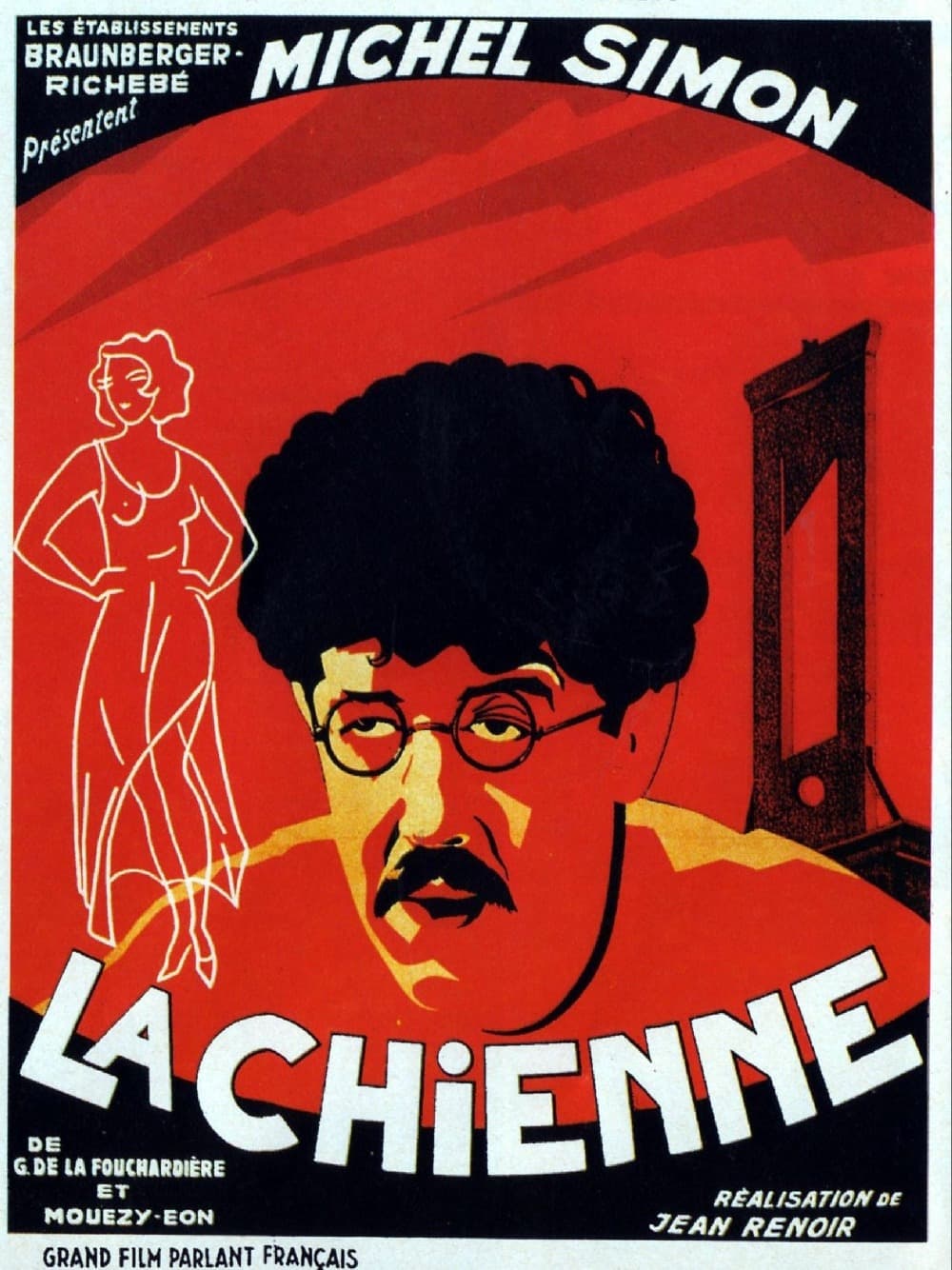
Jean Renoir was recording live street sound in 1931 when almost nobody could: a meek bank cashier who paints on Sundays falls for a woman he meets one night in Montmartre.
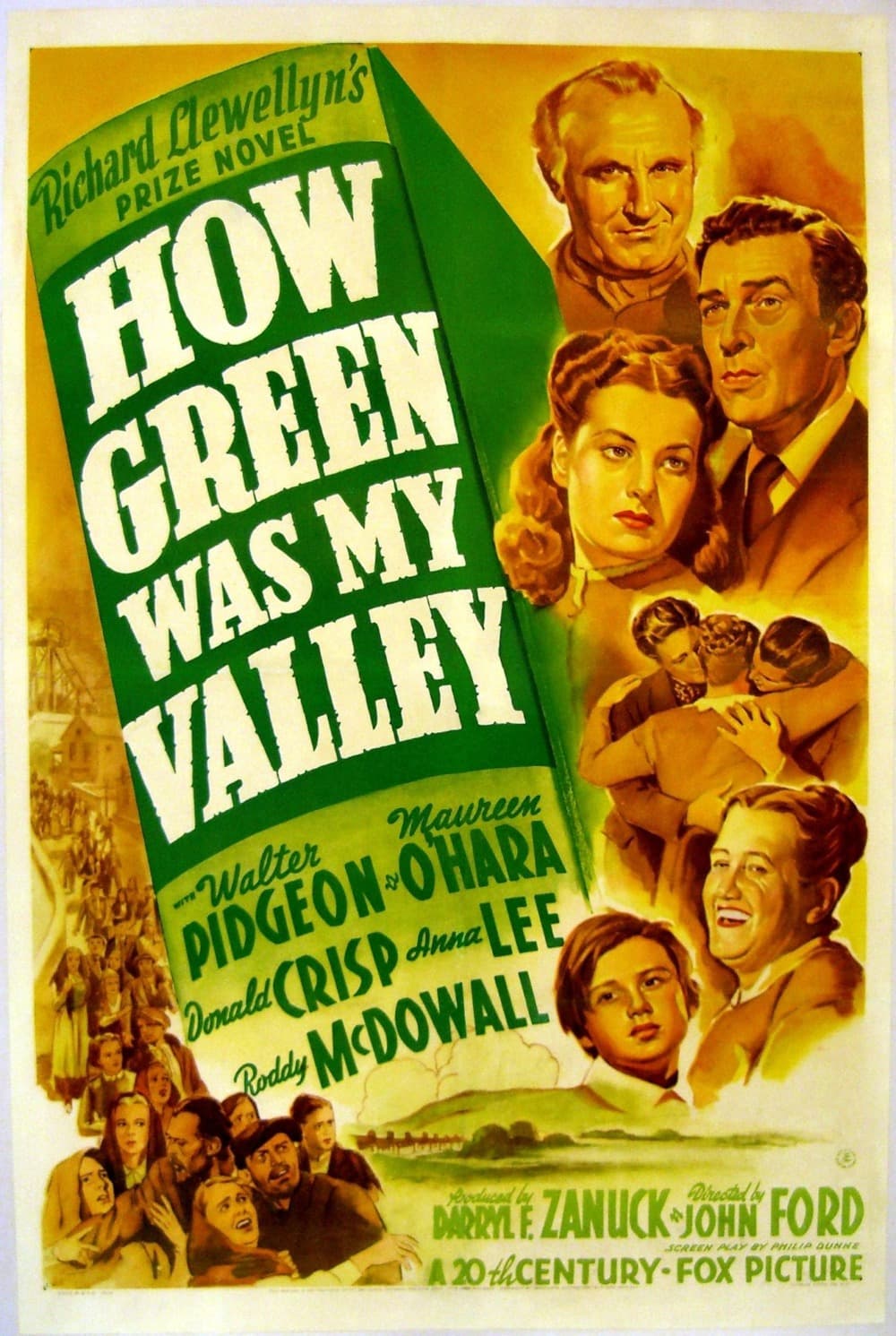
John Ford built an entire Welsh mining village in the California hills and shot it like memory: a colliery family in a valley the pit is slowly ruining, narrated by the youngest son.
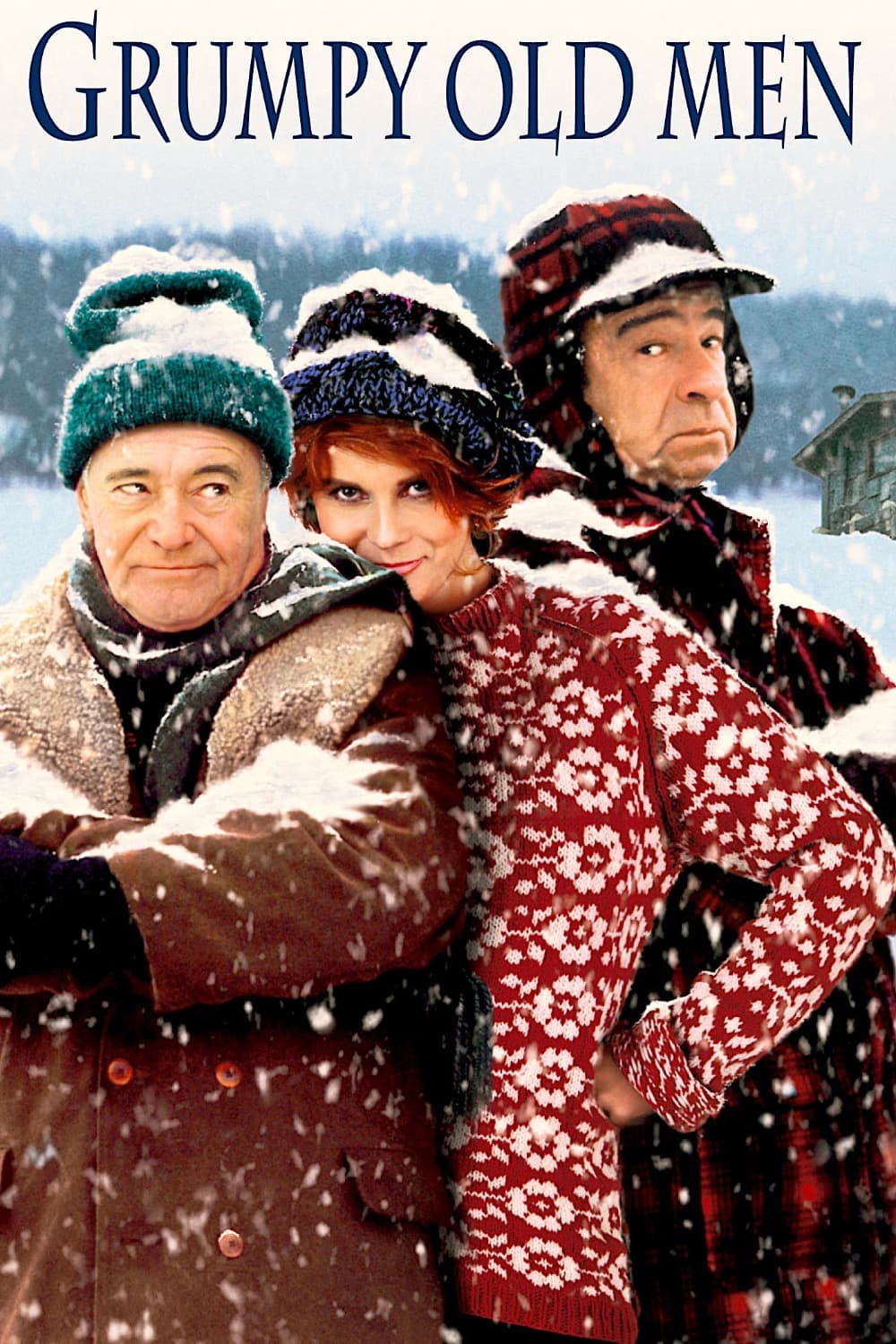
Walter Matthau and Jack Lemmon had been perfecting this act for twenty-five years and it still lands: two Minnesota neighbors have hated each other since one married the other's girl.
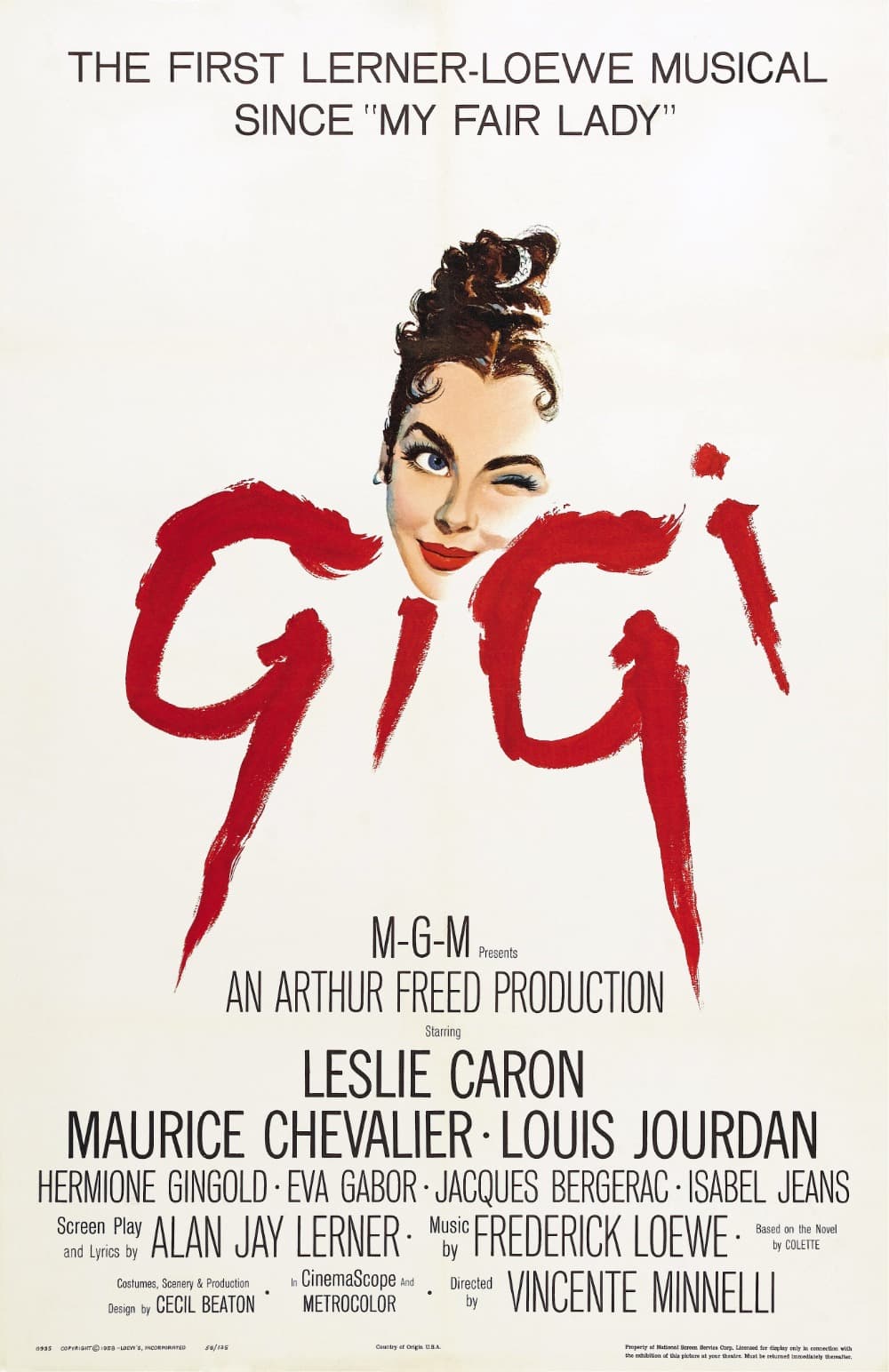
It won all nine awards it was nominated for, the biggest clean sweep the Oscars had seen: Lerner and Loewe wrote it straight for the screen, and Paris in 1900 looks fabulously expensive.