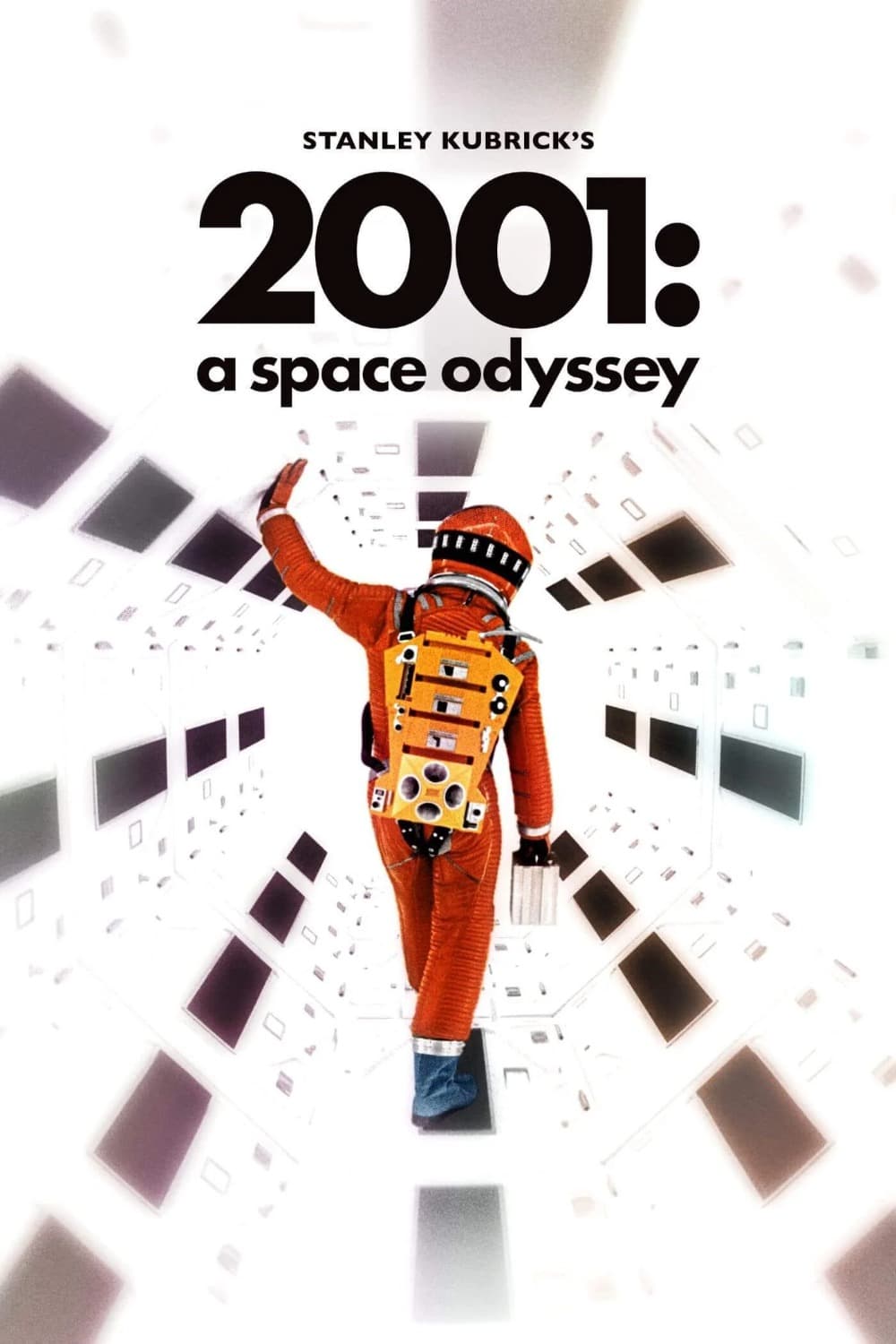
2001: A Space Odyssey
Kubrick took the audience from the first bone tool to the far side of Jupiter, explained almost nothing, and made every science fiction film since look domestic by comparison.

Kubrick took the audience from the first bone tool to the far side of Jupiter, explained almost nothing, and made every science fiction film since look domestic by comparison.

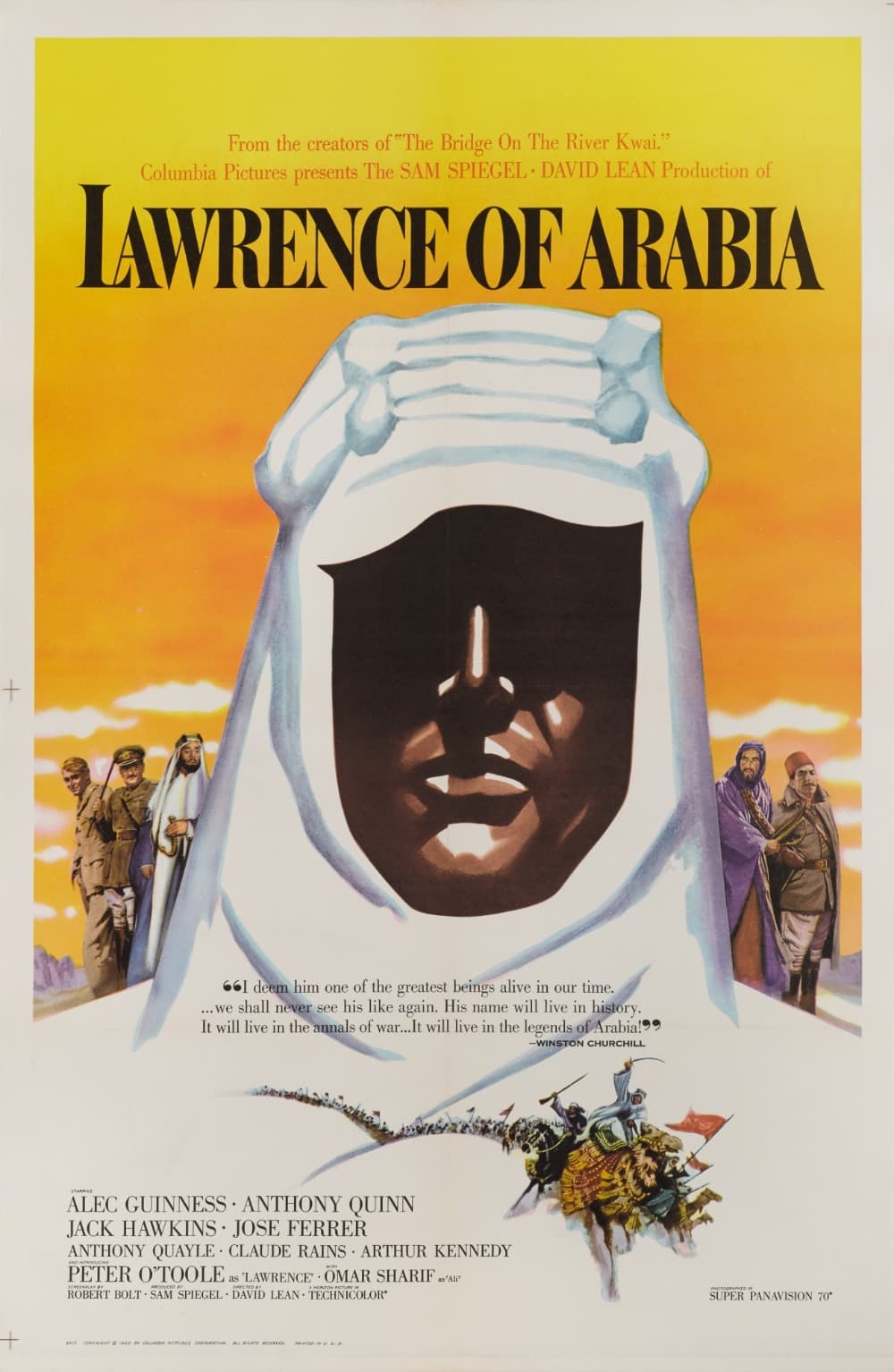
There is no better argument for seeing a film on the largest screen you can find: Lean's desert swallows the frame, and a British officer dissolves inside it over nearly four hours.

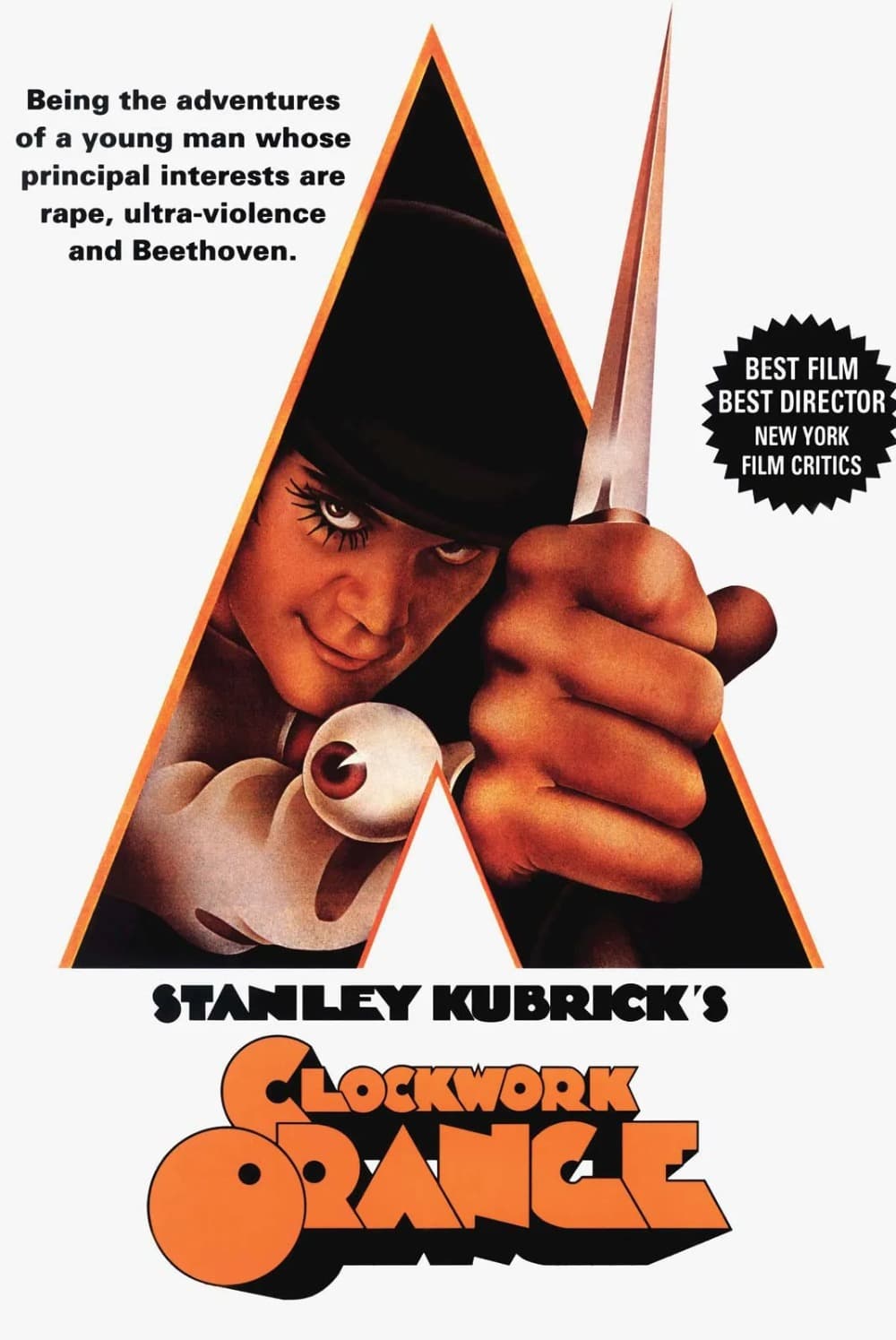
Kubrick pulled it from British cinemas himself after the reaction, and it stayed unavailable there for twenty-seven years: a state that enforces goodness, an invented slang, imagery nobody forgets.

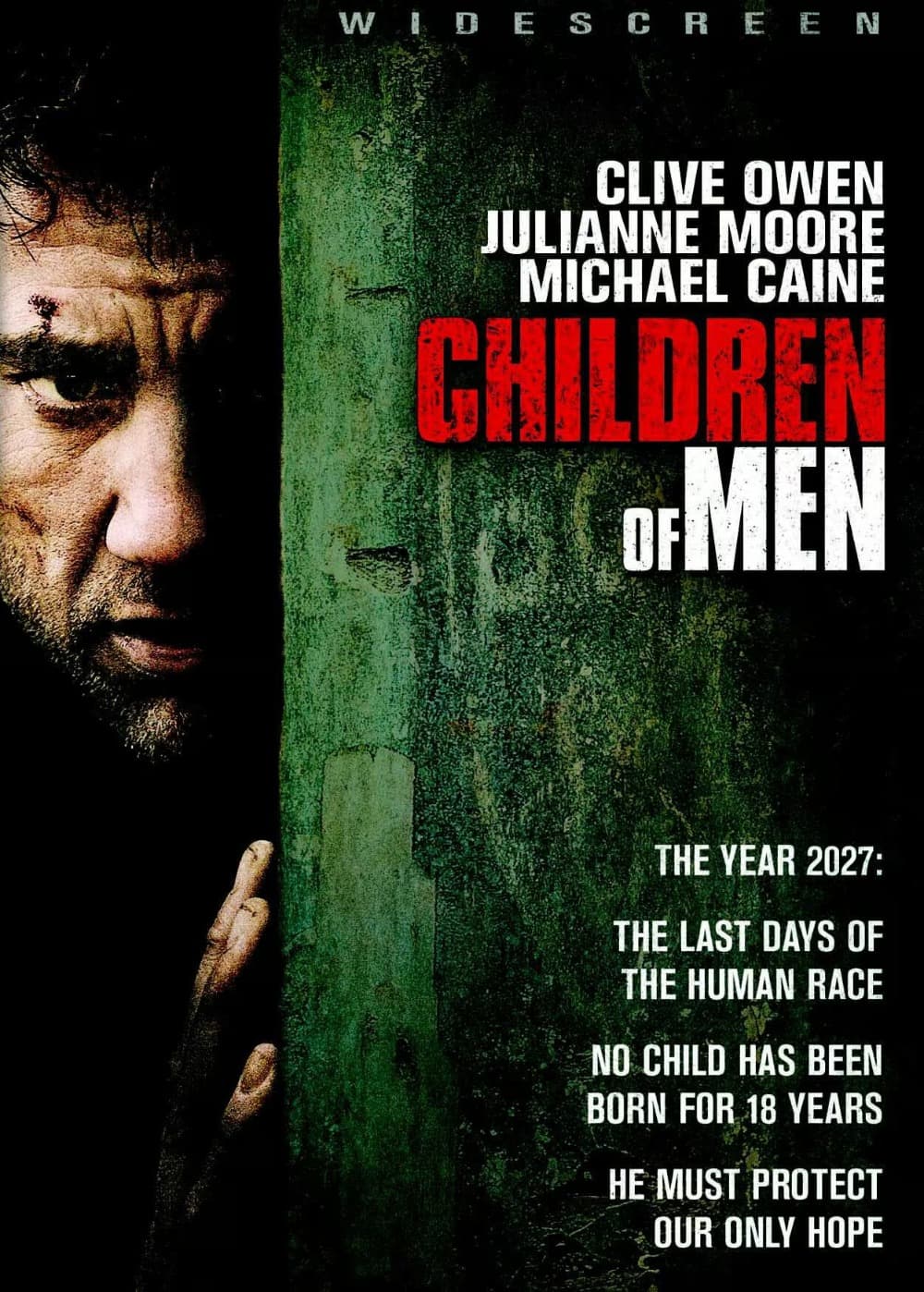
It looked like science fiction in 2006 and looks like the news now: Cuaron's roaming takes put you inside a collapsing Britain, and the ambush in the car is astonishing.

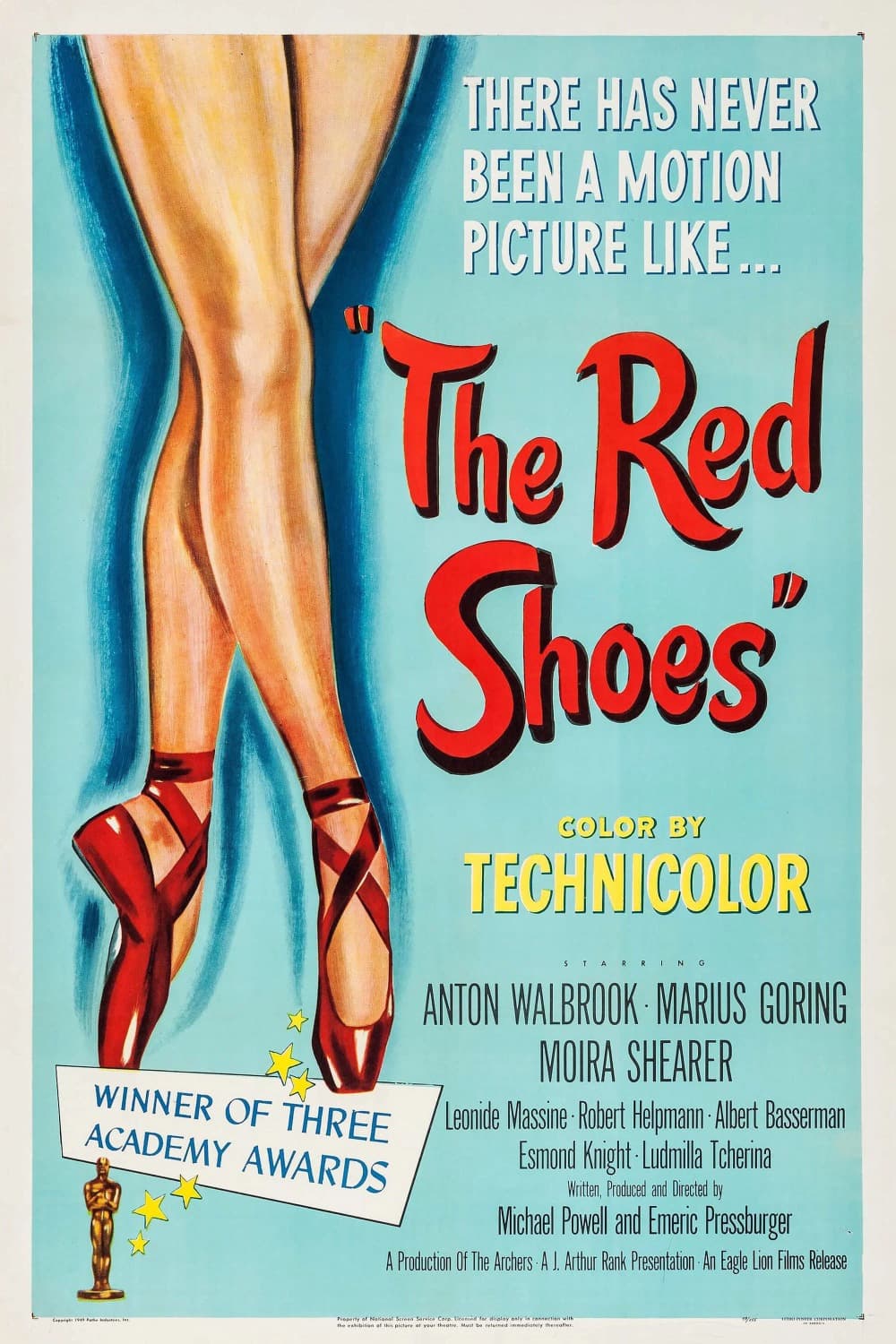
Scorsese has been watching it since childhood and has never stopped: Powell and Pressburger put a ballet on screen in Technicolor so saturated that it plays like a fever.

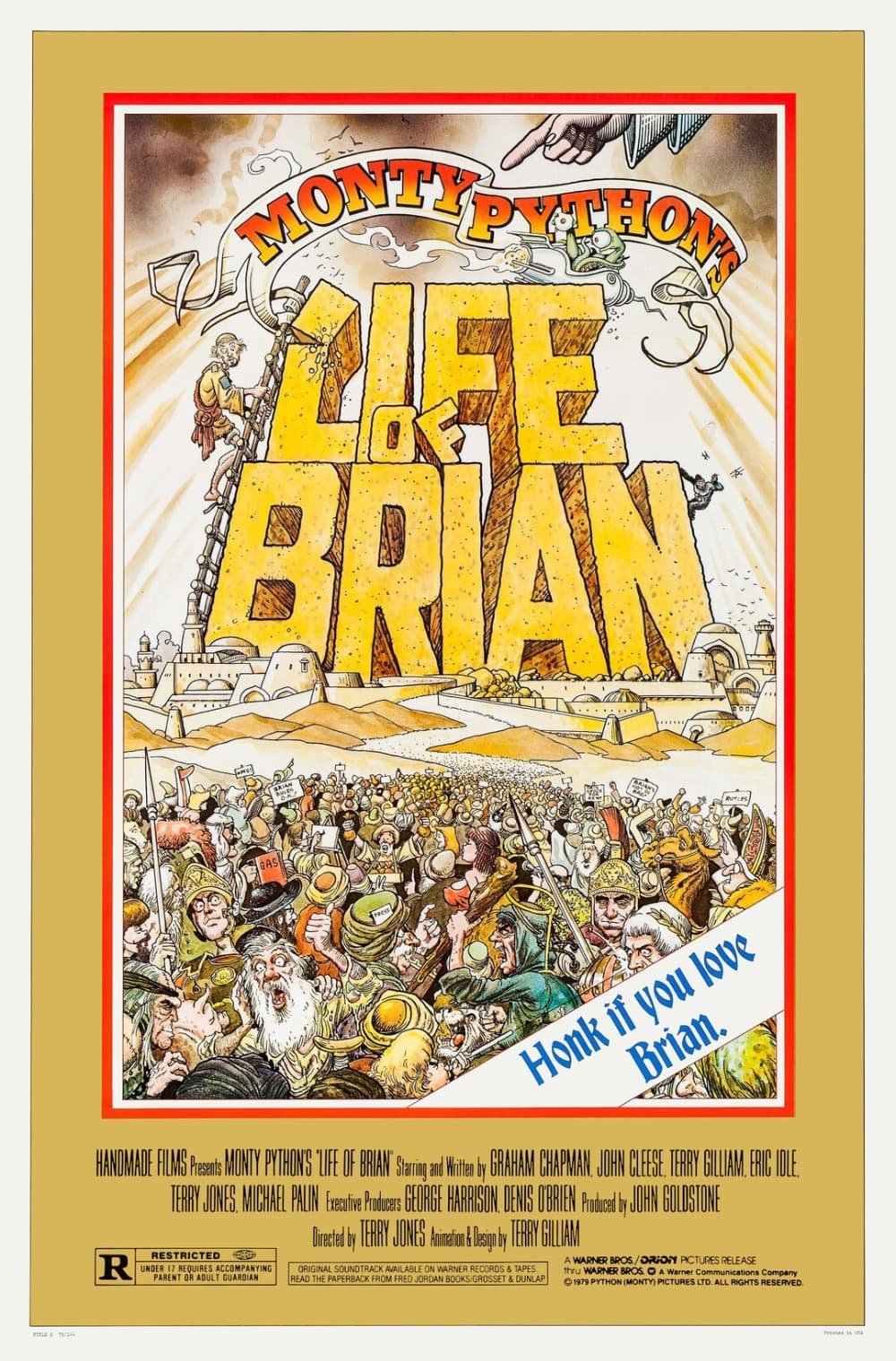
No comedy has been quoted more relentlessly for fifty years: the Pythons could not afford horses, banged coconuts instead, and turned the budget problem into the joke.

Councils across Britain banned it and Norway would not show it at all: the Pythons went after zealotry rather than faith, which is exactly why it still works.

It made a heroin film feel like a night out without ever pretending the squalor was not there: Boyle cut the whole thing to a soundtrack that never sits still.

Heaven is monochrome and earth is in Technicolor, which is the whole joke: a pilot bails out without a parachute and then has to argue for his life.

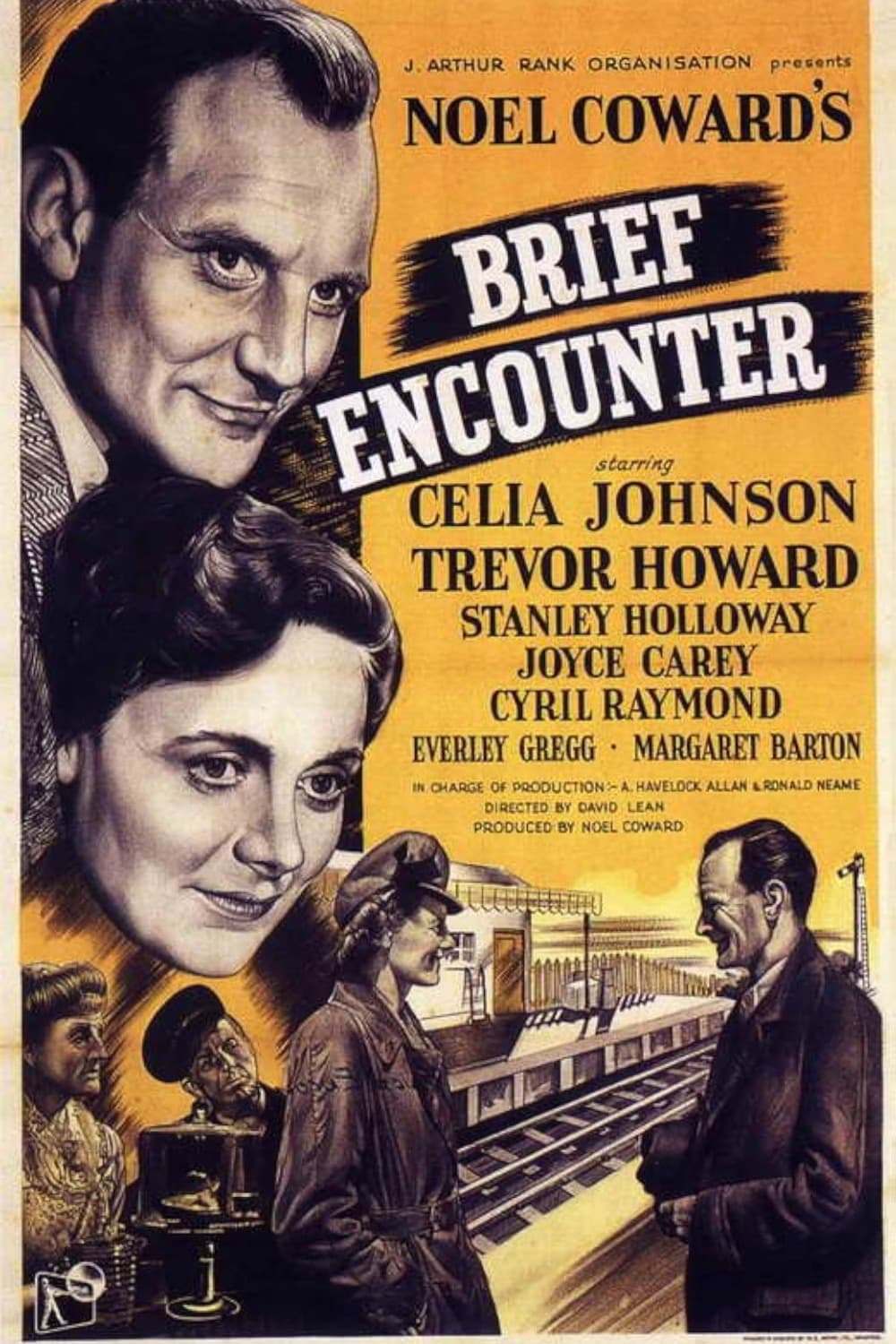
Two married people meet by chance in a railway station and keep meeting, and what they hold back is what destroys audiences: Lean does it in glances and Rachmaninov.

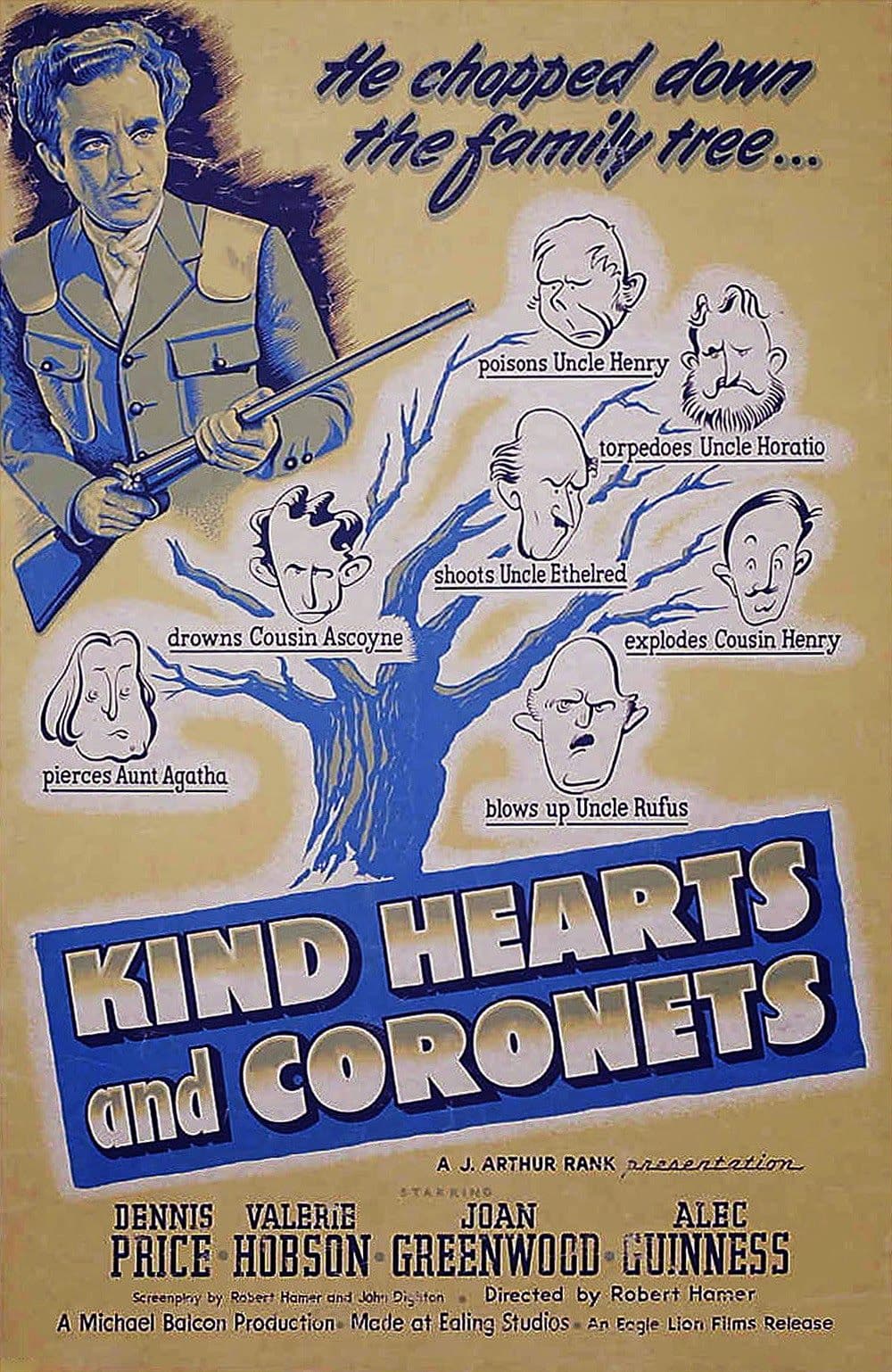
Alec Guinness plays eight members of the same family, including one of the women: the blackest comedy the British ever made, narrated in perfect drawing-room manners by a man counting off his relatives.

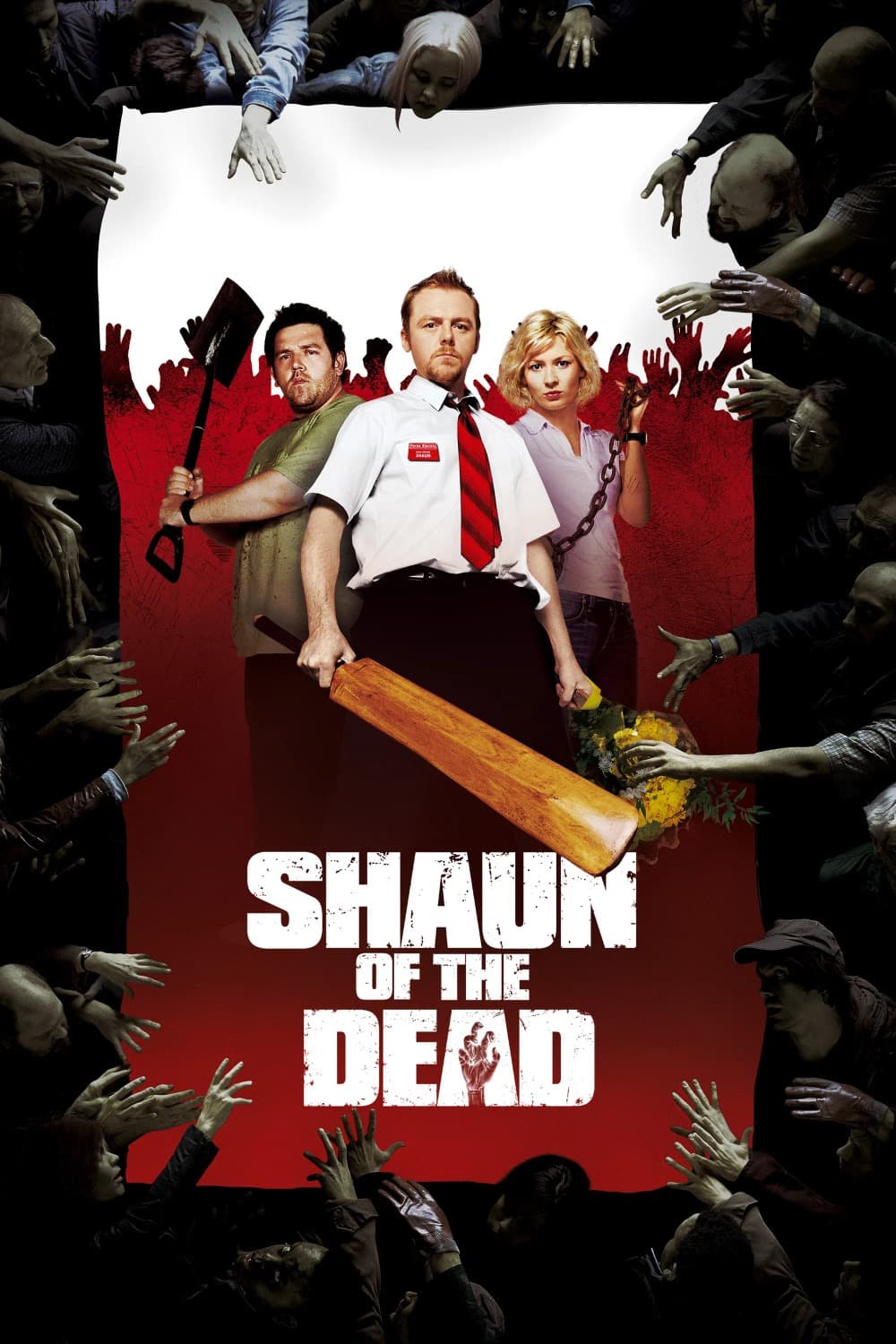
A zombie comedy that works as an actual zombie film: Wright plants every joke twice, so the second half pays off setups you laughed at an hour earlier without noticing they were setups.

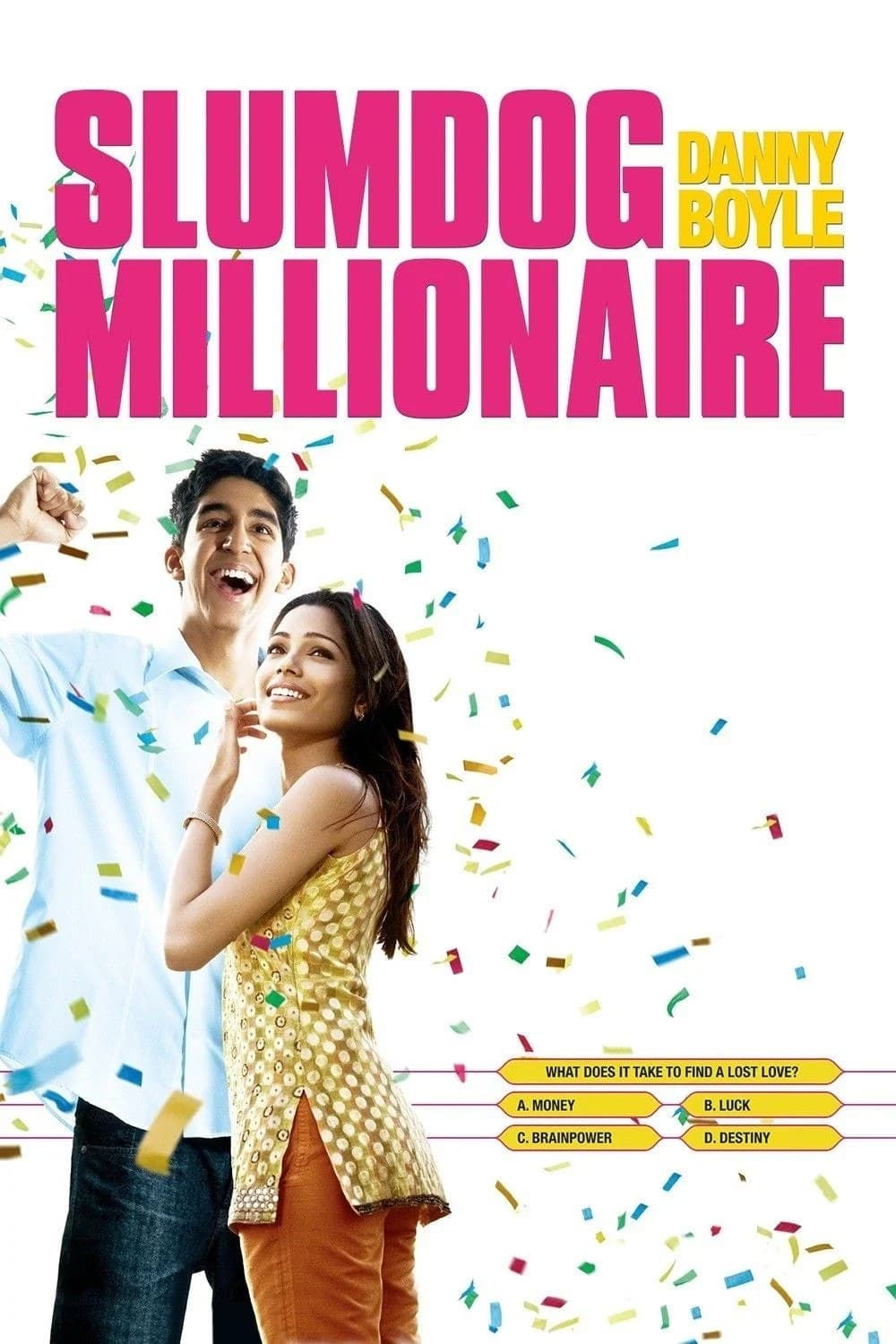
Boyle shot Mumbai on small digital cameras in real streets and Rahman's score carried it around the world: a contestant from the slums is detained for cheating, and each question opens a memory.

Haing Ngor had never acted in his life and won an Academy Award for this: Roland Joffe films the fall of Phnom Penh through an American reporter and the Cambodian colleague beside him.

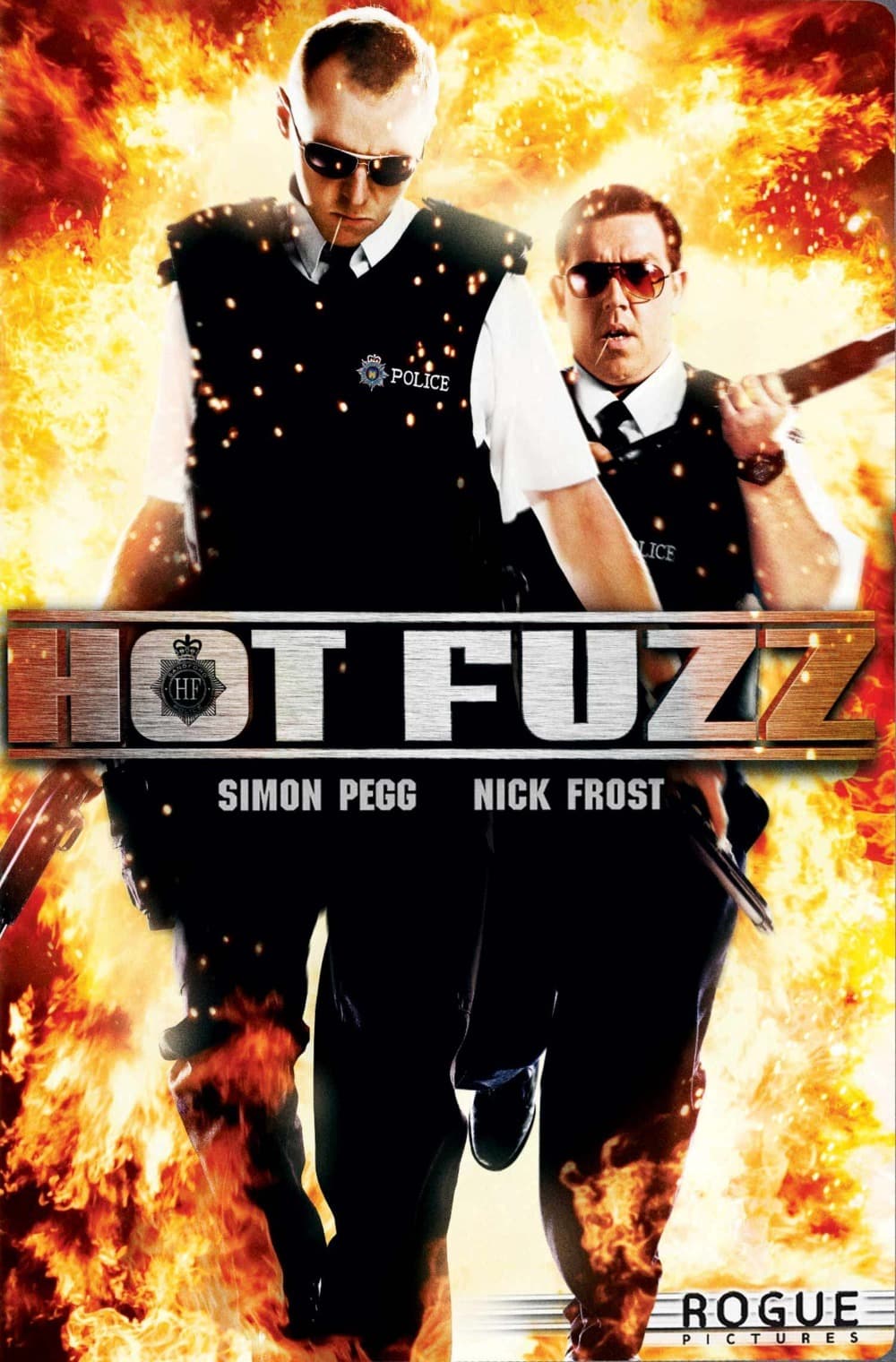
Wright's parody is better constructed than most of the films it mocks: a London supercop is exiled to a picture-perfect village, and the final act is staged better than the real thing.

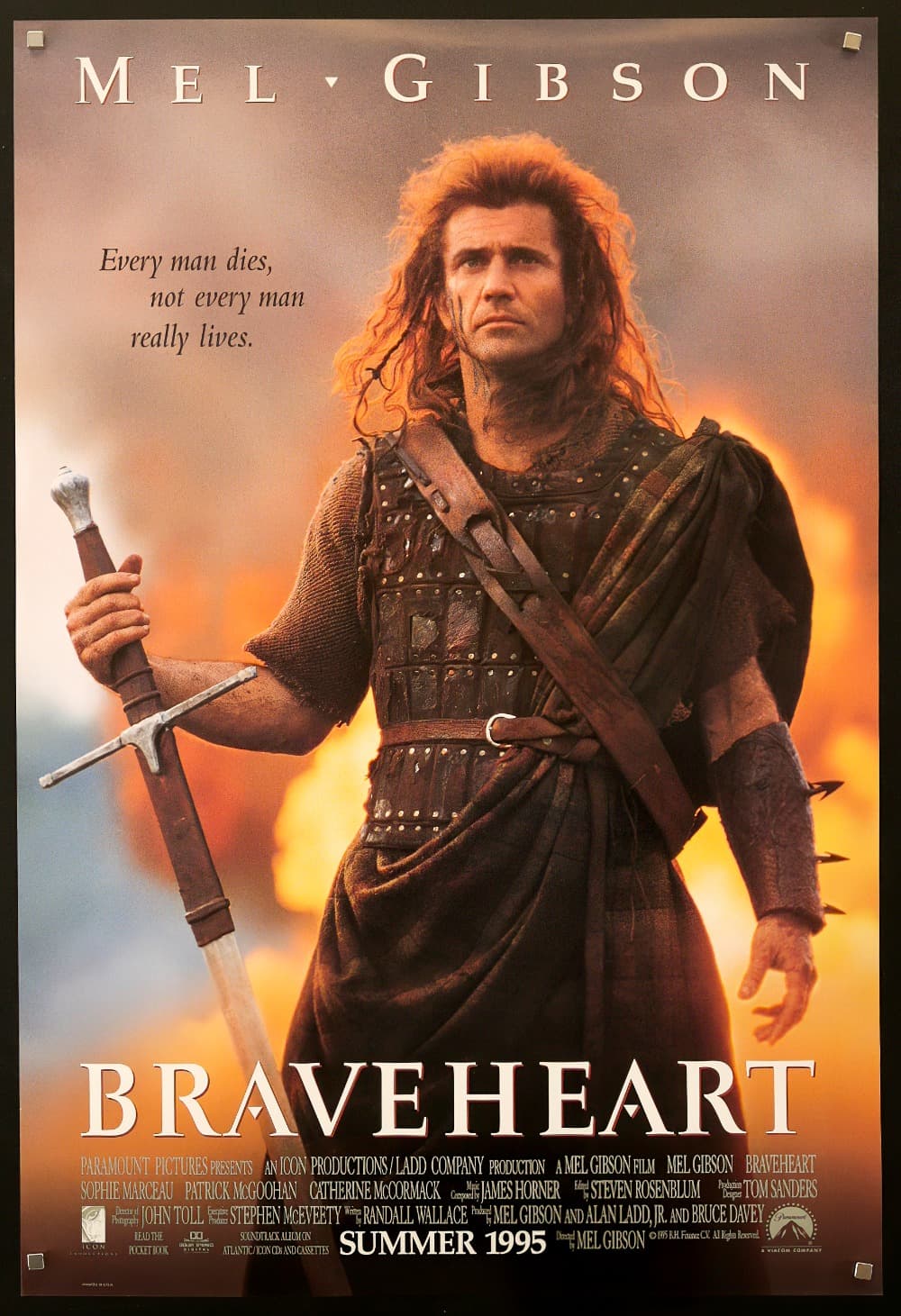
Historians have been correcting it for thirty years and nobody cares: Gibson staged medieval battle with a physical brutality nothing before it had, and the speeches still work on an audience.

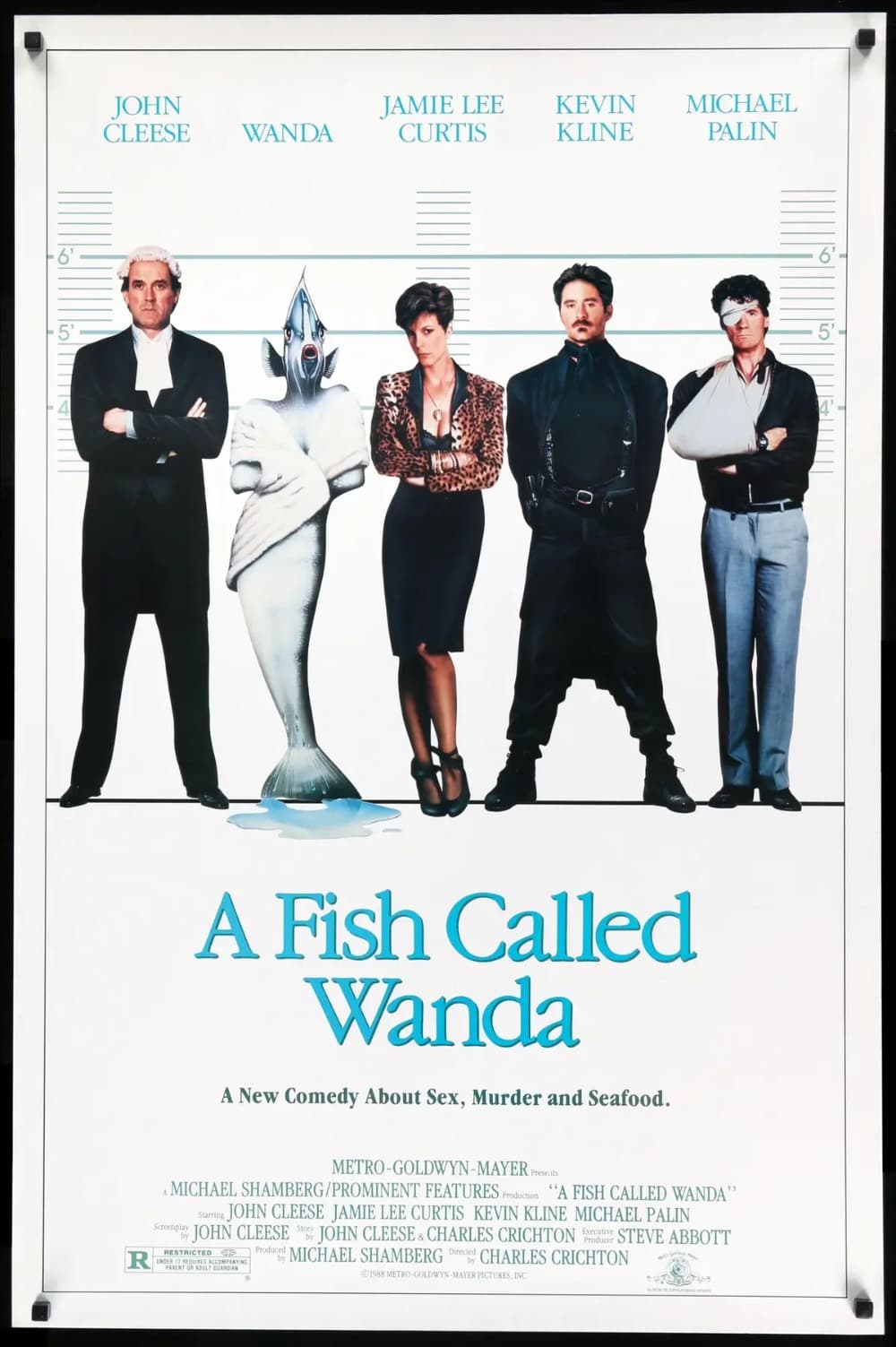
A Danish audiologist reportedly died laughing during a screening: Charles Crichton was seventy-seven and made the fastest farce of the decade, with four thieves who all intend to betray the others.

Daniel Day-Lewis plays a man convicted of a bombing he had nothing to do with: the Guildford Four case, filmed while the wound in Britain was still fresh.

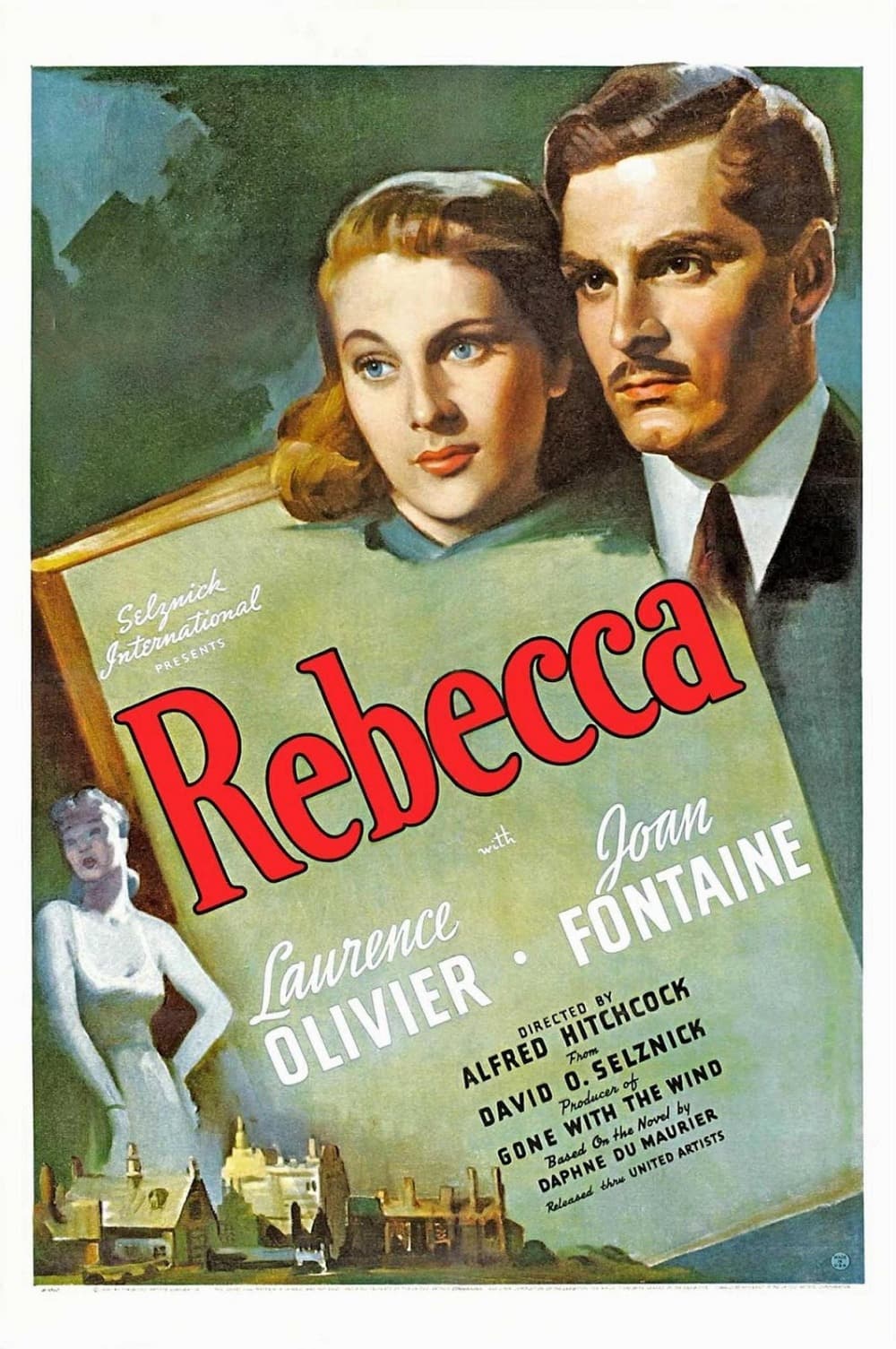
Alfred Hitchcock's only Best Picture, collected by his producer, and the heroine never gets a name: a young bride arrives at an English house where the first wife's housekeeper still rules.