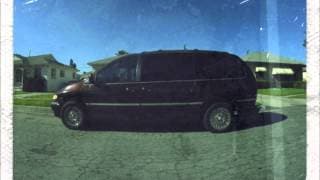
M.A.A.D City
2012 · From good kid, m.A.A.d city
Sounwave and THC build the first half, Terrace Martin the second, and MC Eiht walks in from Compton's own past.
★ 7.7
 skopia
Sounwave and THC build the first half, Terrace Martin the second, and MC Eiht walks in from Compton's own past.
Hit-Boy's beat, a Blades of Glory sample, and twelve straight encores of it one night in Paris.

Rodgers' guitar, Pharrell's vocal, Nathan East on bass, and disco walked back onto the radio wearing robot helmets.
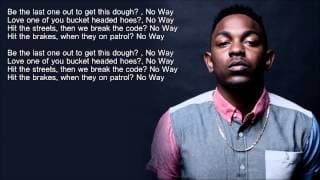
DJ Dahi slowed Beach House's guitar intro and ran it backwards, and Jay Rock's verse steals the whole record.
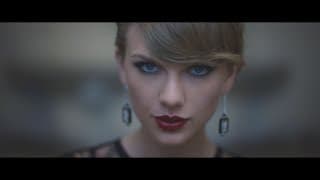
Swift plays her own tabloid caricature, a clicking pen for percussion, and she replaced herself at number one.
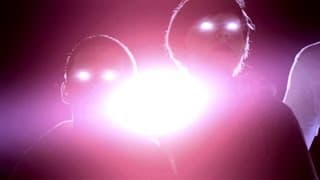
Gonzalez built that shrieking hook from his own distorted voice, then let James King's saxophone close the record.
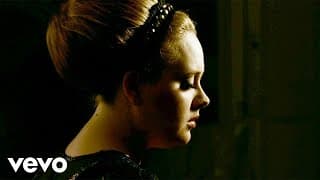
Written with Paul Epworth in one afternoon after a breakup, and the credits list stiletto heels as percussion.
Ocean wrote it for Bridget Kelly's album, kept it instead, and the falsetto he reaches for does the rest.
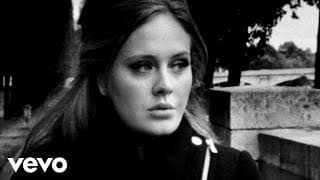
Dan Wilson of Semisonic at the piano, Adele singing, nothing else added; five weeks at number one.
A stomping riff, a desert studio in Joshua Tree, and the band's first single to reach the Billboard Hot 100.
Sixteen years old, the lyrics done in half an hour, the title from a 1976 photo of George Brett.
Six studios, eighty-two takes at the guitar part, Ronson collapsing in the studio, and fourteen weeks at number one.
T-Minus made the beat for Trey Songz, who passed; Lamar turned the rejected demo into a study of addiction.

Written first for Rihanna, kept by Sia instead, and given a video where an eleven-year-old dancer did the acting.
Cleopatra dragged into the present, two halves hinged on a midpoint beat switch, and John Mayer's uncredited closing solo.

Rihanna sings the hook, Elton John plays piano, and West spent two years stacking fourteen singers behind the horns.
Detail's beat was called "Drunk" before Beyoncé heard it; she and Jay-Z freestyled their verses in Manhattan.
Calvin Harris wrote and produced it alone, and Rihanna rode ten weeks at number one, 2011's longest run.

Ali Payami and guitarist Niklas Ljungfelt built the track; Swift turned an on-off romance into a fashion metaphor.
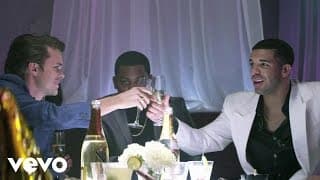
Drake wanted a record that weddings would still play in ten years, and Majid Jordan's synths delivered exactly that.
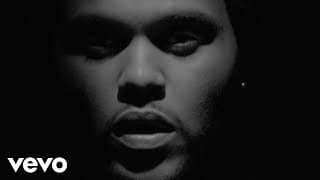
Doc McKinney and Illangelo built the guitar figure and the fog; Tesfaye gave away House of Balloons for free.
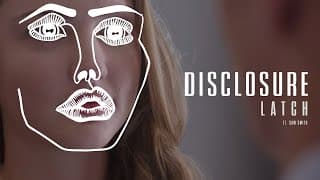
Too weird for radio, not clubby enough for clubs, by the duo's own reckoning; Sam Smith's falsetto settled it.
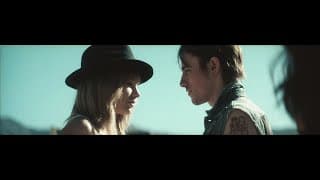
A wobble bass drop grafted onto a country breakup song, and Swift's full move to pop became inevitable.
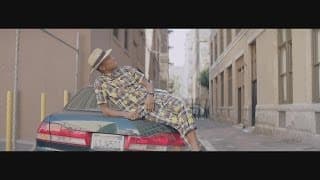
Written first for CeeLo Green, whose label passed, cut in Miami, and given pop's first 24-hour video.
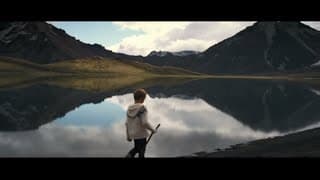
Horns and clarinets swell over guitar in a converted Wisconsin veterinary clinic; Grammy voters nominated it for record and song.
Nina Simone's 1965 Strange Fruit against TNGHT's blaring horns, a breakup rendered enormous; platinum without ever being a single.
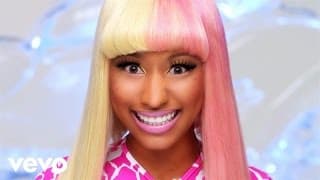
Kane Beatz's synth bounce, a bonus track buried on the Pink Friday deluxe, and Minaj's first solo top ten.

Recorded at his parents' house on the Mornington Peninsula around a Luiz Bonfá sample, eight weeks at number one.
Projected onto sixty-six buildings worldwide before anyone had heard it, with Frank Ocean closing over a Hungarian prog sample.
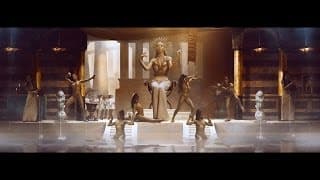
Emile Haynie and Arca build a slow cathedral of bass, and Twigs sings desire in a whisper.
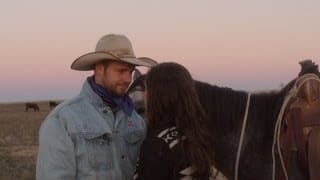
One Letterman performance in March 2014, Herring's angular dancing, and Pitchfork, NME and Spin named it the year's best.
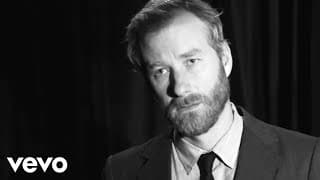
Cut in Aaron Dessner's Brooklyn garage, a horn part stripped out late, leaving that rolling drum pattern and Berninger's baritone.
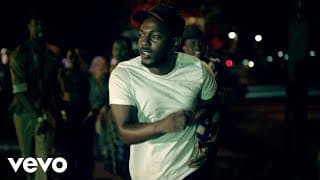
Rahki built it on the Isley Brothers' That Lady, and Lamar turned self-love into two Grammys.
A wordless hum to open, then distortion flooding the chorus; lead single from the Mercury-winning Overgrown.
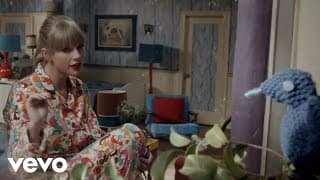
Twenty-five minutes with Max Martin and Shellback, by Swift's account, and her first Hot 100 number one followed.
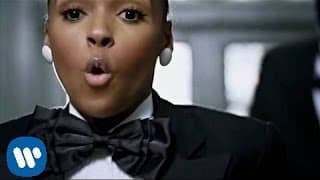
Cut at Wondaland with Big Boi guesting, a horn-driven groove Monae wrote about staying level under praise and criticism.
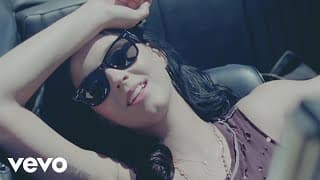
Bonnie McKee rewrote it repeatedly until Benny Blanco suggested studying a Teenagers single, and one word cracked the chorus open.
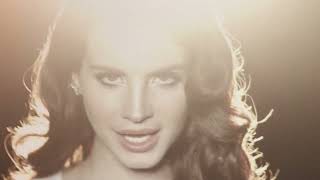
Two labels rejected Cedric Gervais's remix; Radio 1 played it anyway, and the remix took a Grammy and number six.
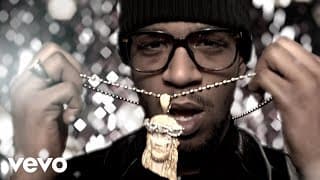
Ratatat cut the beat before Cudi arrived, MGMT added vocals, and Steve Aoki's remix made a song about intoxication ubiquitous.
Rostam's harpsichord reharmonizes a melody that traveled from Bread through Grover Washington Jr. to Souls of Mischief, then here.
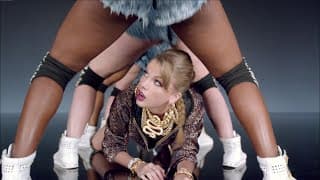
Martin and Shellback stomped the drum pattern on a wooden floor, and Swift turned tabloid noise into fifty weeks charting.
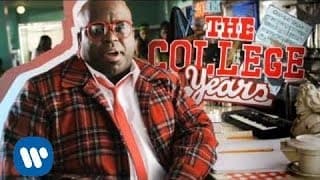
Twinkling piano, bumping bass, the Smeezingtons doing sixties Motown, and a typography video that went viral on release day.
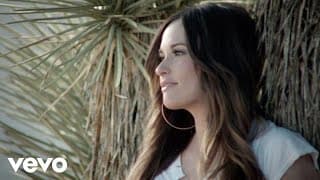
Musgraves wrote it with Brandy Clark and Shane McAnally, a shrug at conformity the CMAs voted Song of the Year.
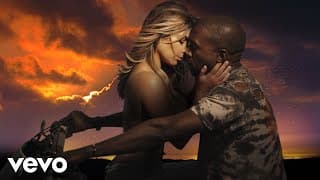
A Ponderosa Twins Plus One loop, Charlie Wilson singing the bridge, and Yeezus ending on chipmunk soul.
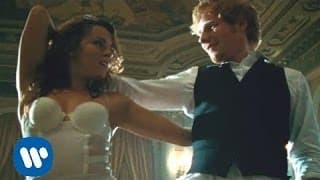
Wadge was playing chords while Sheeran showered; twenty minutes later they had a Song of the Year.
Scoop DeVille built it from Janet Jackson's "Any Time, Any Place", heard on the studio radio, and Drake glides in.
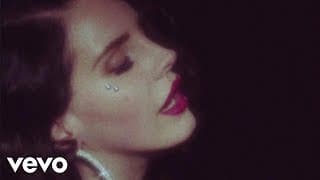
Six-times platinum for a soundtrack ballad: Rick Nowels producing, Craig Armstrong's strings, Del Rey singing Daisy Buchanan's doubt.
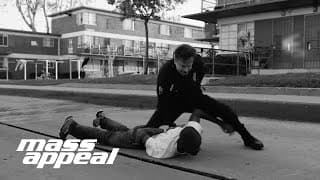
El-P's beat, de la Rocha recruited a day after a chance encounter, and the fiercest track on the album.
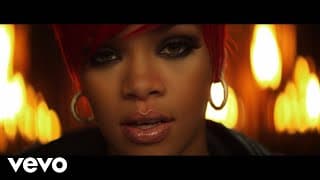
Alex da Kid's beat, Skylar Grey's demo hook, Rihanna's vocal cut in Dublin, seven weeks at No. 1.

Pecknold called it an anti-protest song, a plain opinion with no poetry, and gave it away free in January 2011.
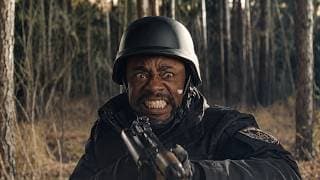
Sia cut the vocal as a guide for another singer; Guetta released it anyway, and she got a number one.
Einziger's acoustic guitar over a house drop confused the crowd at Ultra in 2013, then it became Shazam's most-searched track.
Verses at 123 beats a minute collapsing to 65 in the chorus, cut live with Auerbach's band in Nashville.
Rosie Danvers wrapped the strings around Adele's biggest crescendo, and 21 took its third straight American number one.
An old dancehall toast opens it, the beat switches mid-song, and 2 Chainz walks off with the whole posse cut.