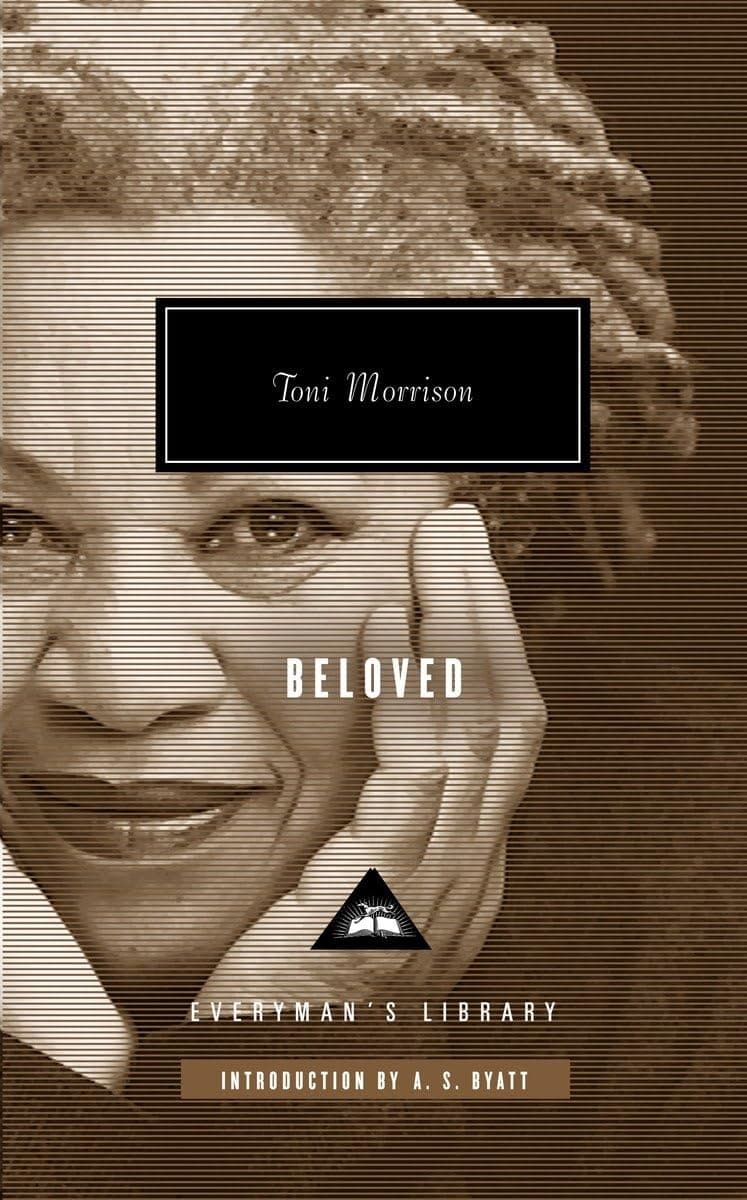
Beloved
1987 · 360 pages
Sethe escaped slavery years ago and cannot escape the daughter she lost, who comes back to the house as a young woman. Morrison writes American history's worst chapter with unbearable tenderness.
★ 9.4
 skopia
Sethe escaped slavery years ago and cannot escape the daughter she lost, who comes back to the house as a young woman. Morrison writes American history's worst chapter with unbearable tenderness.

Scalp hunters ride the Mexican border in 1849, among them a runaway Tennessee boy and the hairless giant Judge Holden. McCarthy writes the violence in Old Testament prose and never once looks away.
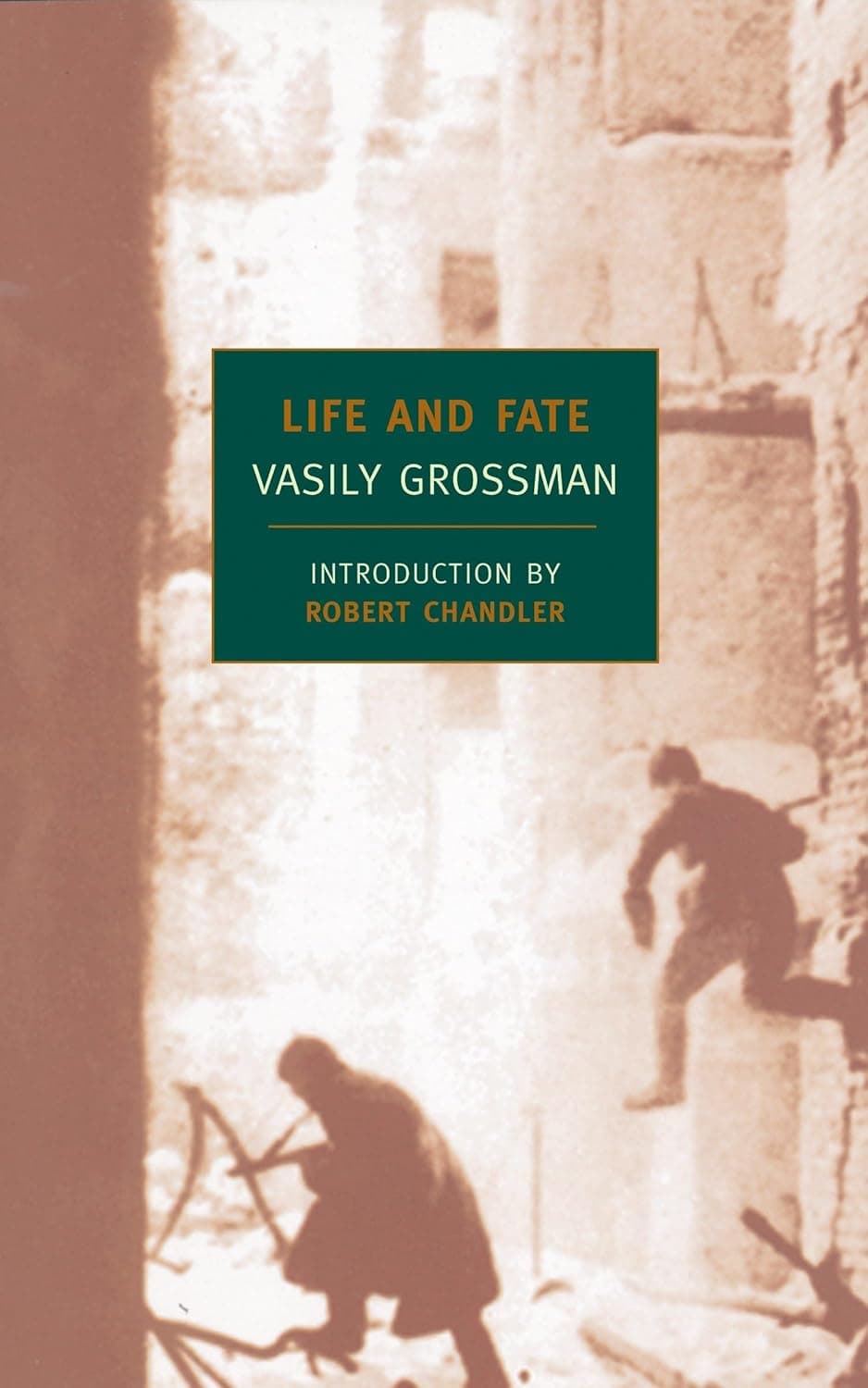
During the siege of Stalingrad, a Soviet physicist receives his mother's last letter from a Nazi ghetto. Grossman wrote the war at Tolstoy's scale and said plainly that both tyrannies were one thing.
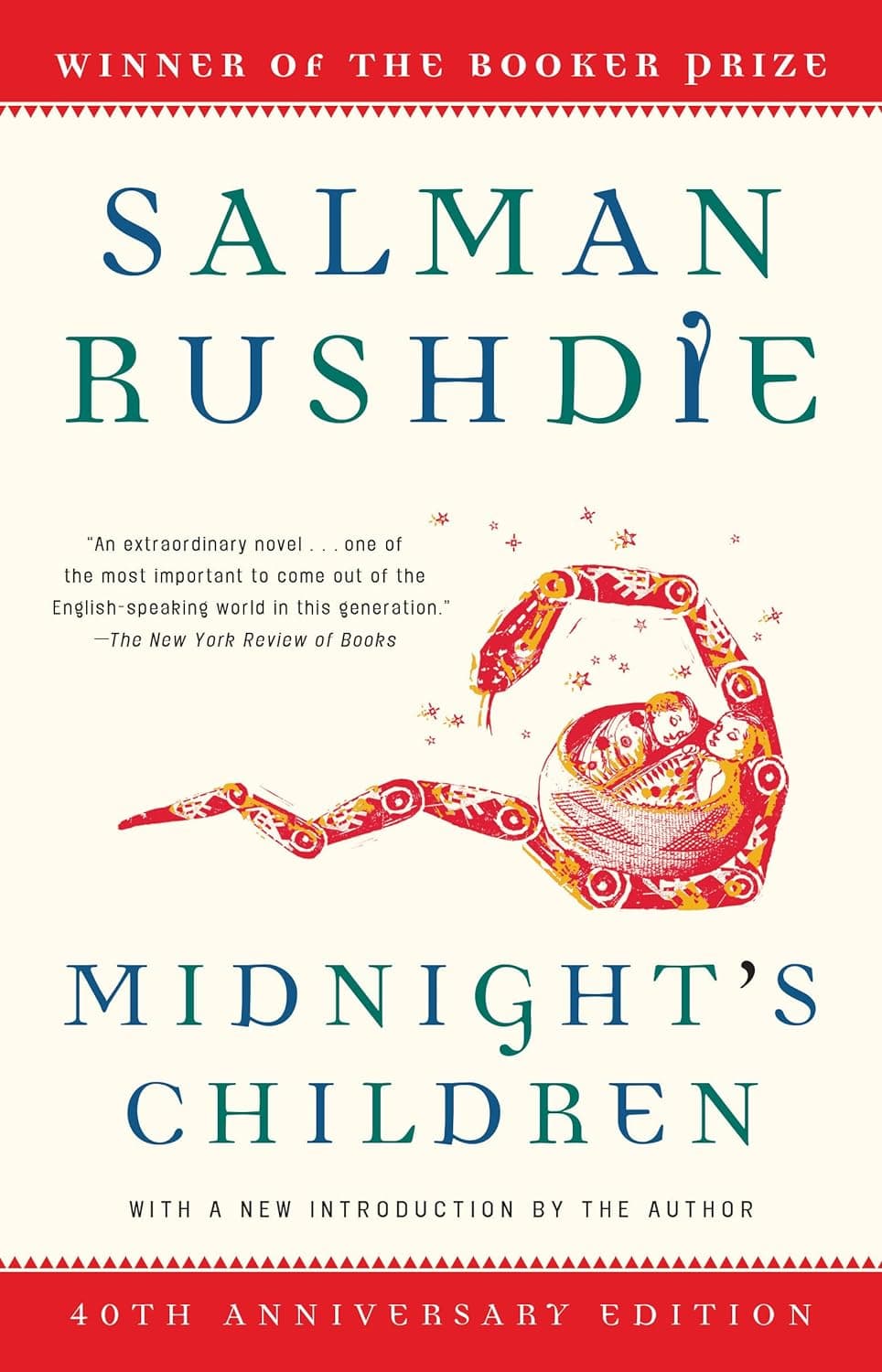
Saleem Sinai is born at the exact midnight India becomes independent, which gives him telepathy and welds his life to the country's. Sixty years of history arrive as one unreliable, delighted confession.
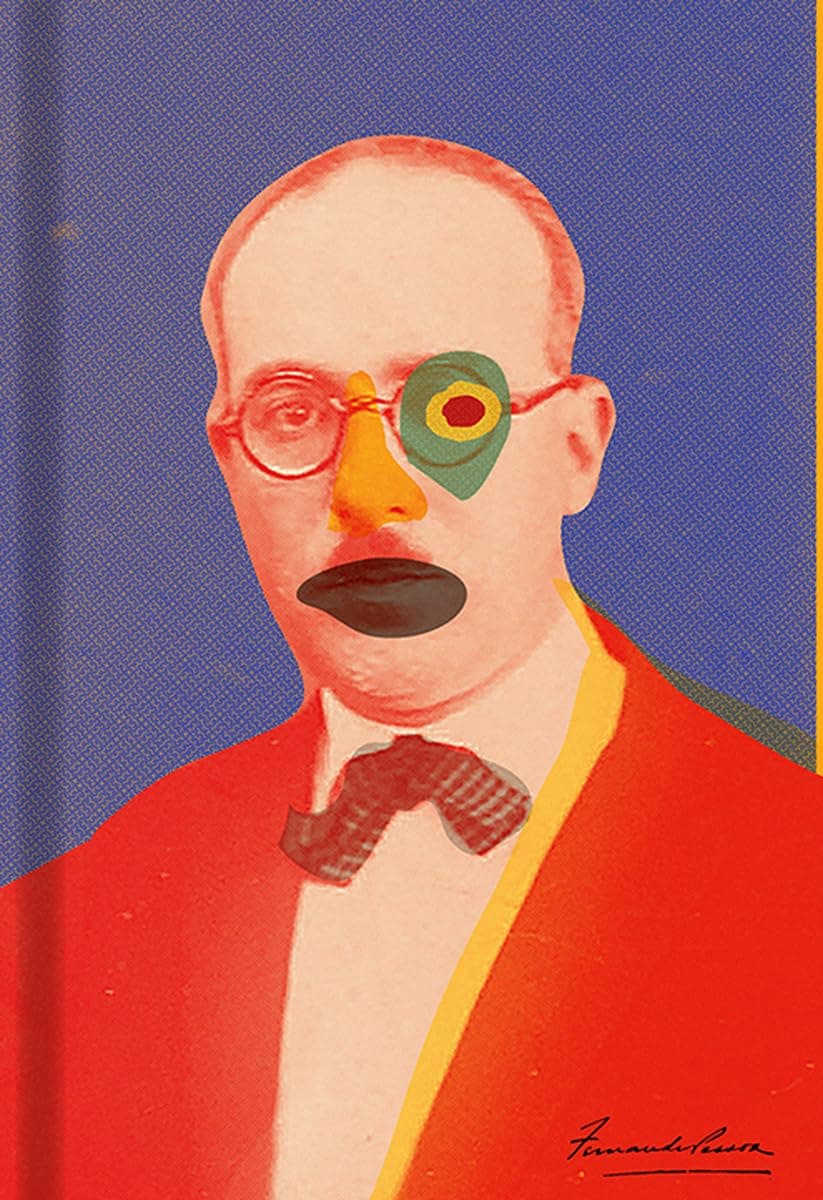
Pessoa invented an assistant bookkeeper in Lisbon and gave him hundreds of fragments on being alive in a rented room. Open the book anywhere and someone is already thinking your thoughts.

Turned down as a young man, Florentino Ariza waits fifty-one years for the woman he loves to be widowed. García Márquez makes old age more erotic than youth.

At a London crossing in 1933 a physicist grasps how a chain reaction could work. Rhodes follows the idea to Los Alamos and Hiroshima, making the physics clear and the human cost unbearable.

McPherson carries the whole Civil War in one volume, from the fights over slavery in the 1840s through Antietam to the surrender at Appomattox, and it reads like dispatches filed the same day.

Monks are dying at an Italian abbey in 1327, the library is a labyrinth no one may enter, and a Franciscan detective and his novice go in. Eco made medieval theology a thriller.

Kundera puts a Prague surgeon who cannot stop having affairs, the woman who loves him, and the Soviet tanks of 1968 together, then asks whether a life lived once can weigh anything.

Driving across England in 1956 to see the housekeeper he worked beside, a butler remembers the Nazi sympathizer he served with pride. What he cannot bring himself to say is the whole novel.

In the theocracy that replaced the United States, fertile women are assigned to powerful men to bear their children. Atwood put nothing in it that had not already happened somewhere.

Branch follows Martin Luther King from the Montgomery bus boycott to Birmingham, moving between black church basements, the Kennedy White House, and the FBI, and ten years become full American history.
Two aging Texas Rangers drive cattle from the Rio Grande to Montana, one talking constantly and one saying nothing. McMurtry gives the whole crew interior lives, then lets the trail take them.
Sledge fought as a Marine mortarman on Peleliu and Okinawa, then set down the mud, the maggots, and the looting of corpses. The critic Paul Fussell ranked it with the finest war memoirs.

Working nights in a Massachusetts basement, a crew of young engineers races to build a new computer in a year, and Kidder catches every argument. Nobody had made engineering a literary subject.

Minke, a Javanese student under Dutch rule, loves the daughter of a concubine running the estate its Dutch owner cannot. Indonesia banned it for a generation and now claims it as its greatest.

Celie is fourteen, writing to God because there is nobody else to tell. Walker took her from there to a life she owns and won the first fiction Pulitzer given a Black woman.

Two brothers spend a morning announcing they will kill Santiago Nasar over their sister's wedding night, and nobody stops them. García Márquez reconstructs it from the witnesses who let it happen.

Ignatius J. Reilly, obese and certain the modern age is beneath him, is pushed out of his mother's New Orleans house to find work. Toole wrote the funniest American novel of its century.

Two pianists at the Salzburg Mozarteum hear Glenn Gould play the Goldberg Variations and understand they will never be that. Bernhard gives the ruin that follows in one unbroken paragraph of spite.

Crossing the Mekong by ferry in 1929, a French girl of fifteen meets the Chinese man who becomes her lover. Duras writes it in fragments that refuse both romance and pity.
Two men fall from an exploding jet and live, one sprouting a halo, the other hooves. The Ayatollah Khomeini's death sentence put Rushdie underground for nine years, and his Japanese translator was murdered.

Orwell feared censors, Postman writes, but Huxley feared an audience too amused to care. Television has turned news and politics into show business, and every argument about screens since has borrowed his terms.

The press needs no censors, Herman and Chomsky argue: ownership, advertisers, official sources and the fear of blowback filter the news first. Every argument about media bias since has had to answer them.

Bandits waylay a bride bound for a leprous distiller, and the son conceived in the sorghum grows up under Japanese occupation. Mo Yan makes rural Shandong's violence gorgeous and unbearable at once.

Shilts reconstructed the AIDS epidemic's first years and showed the deaths were a political choice, from unfunded research to blood banks that refused to screen. He learned his diagnosis the day he finished.

Why does a pane of glass reflect some of the light striking it? Feynman answers with arrows on paper and not one equation, handing quantum electrodynamics whole to readers who never took physics.
The obstacle to discovery was never ignorance but the illusion of knowledge, Boorstin argues, then walks through the clock, the compass and the microscope as victories over what everyone was certain of.

Einstein's physics taken as seriously as Einstein's life. Pais knew him at Princeton, could follow the mathematics, and produced the account against which every later scientific life of Einstein is measured.
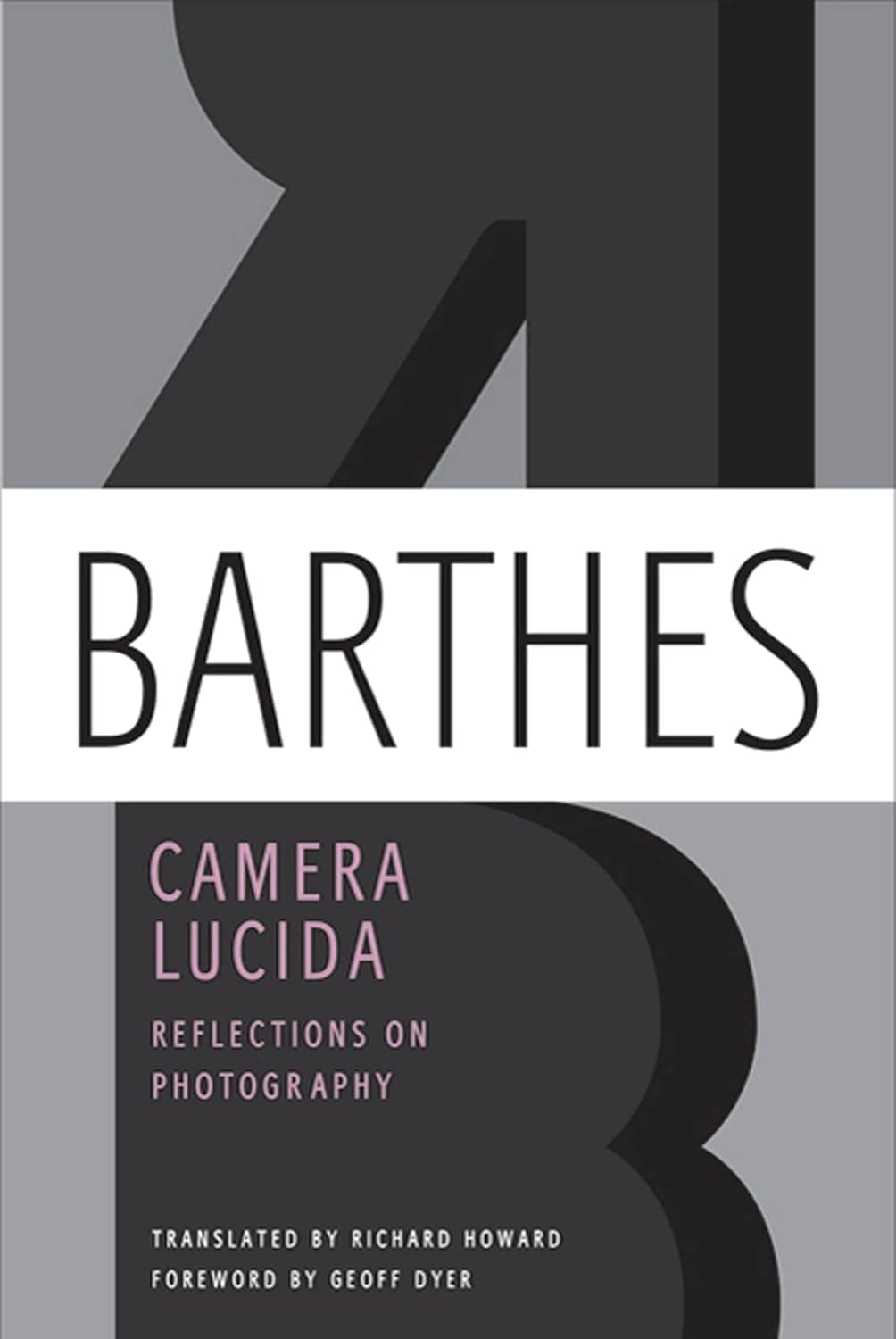
Grieving his mother, Barthes asks what a photograph is and answers with the punctum, the detail that wounds you. Photography criticism has argued in the vocabulary he invented here ever since.

Violence was not the French Revolution's tragic accident but its engine, Schama argues, and the Terror merely 1789 with a higher body count. The book drew furious rebuttals from historians on the left.
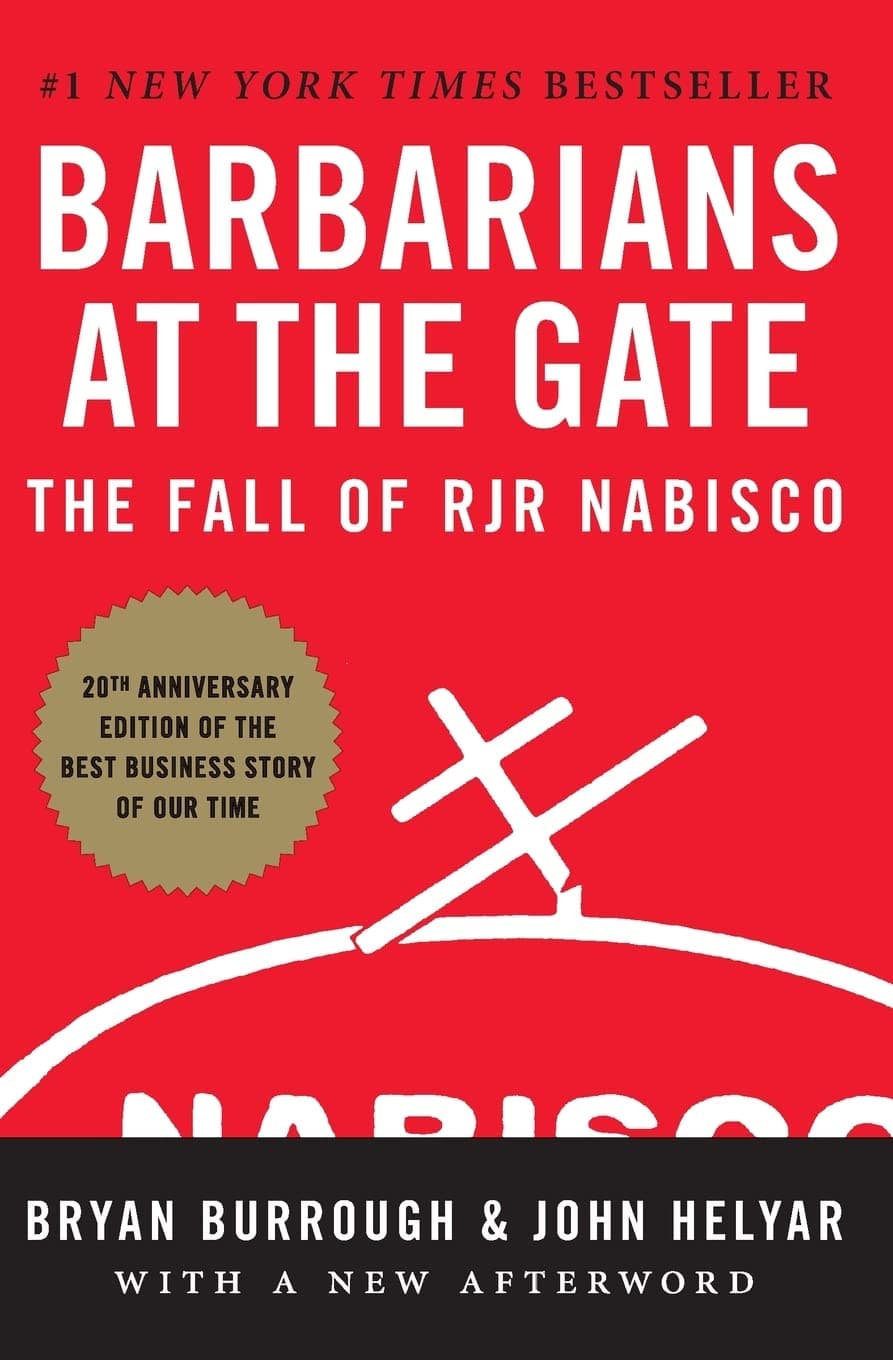
In 1988 the chief executive of RJR Nabisco moved to buy his own company and set off a bidding war that closed at $25 billion. Burrough and Helyar put you inside every meeting.
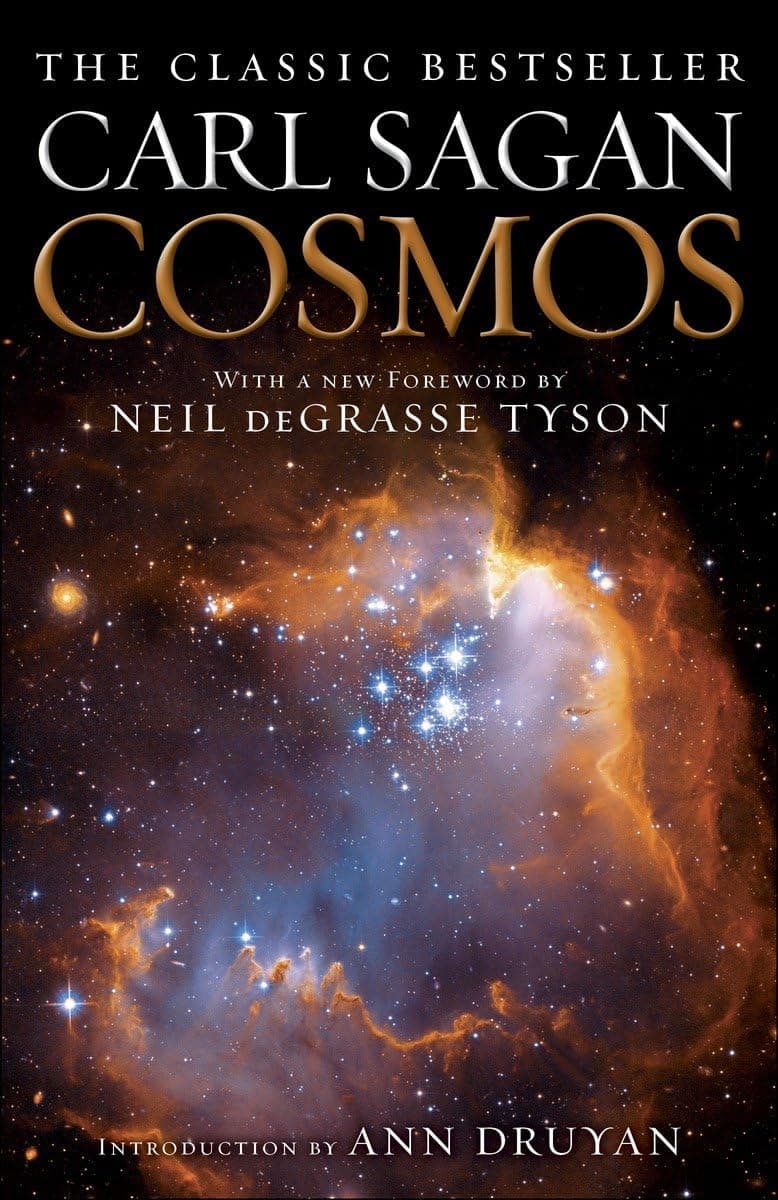
Sagan moves from the Big Bang to the Library of Alexandria to the carbon in your body, forged inside dying stars. No science book written in English had ever sold so well.

Oskar Schindler, a Nazi profiteer, spent the fortune he made on slave labor buying more than a thousand Jews out of the camps. Keneally builds him from survivors' testimony and offers no explanation.
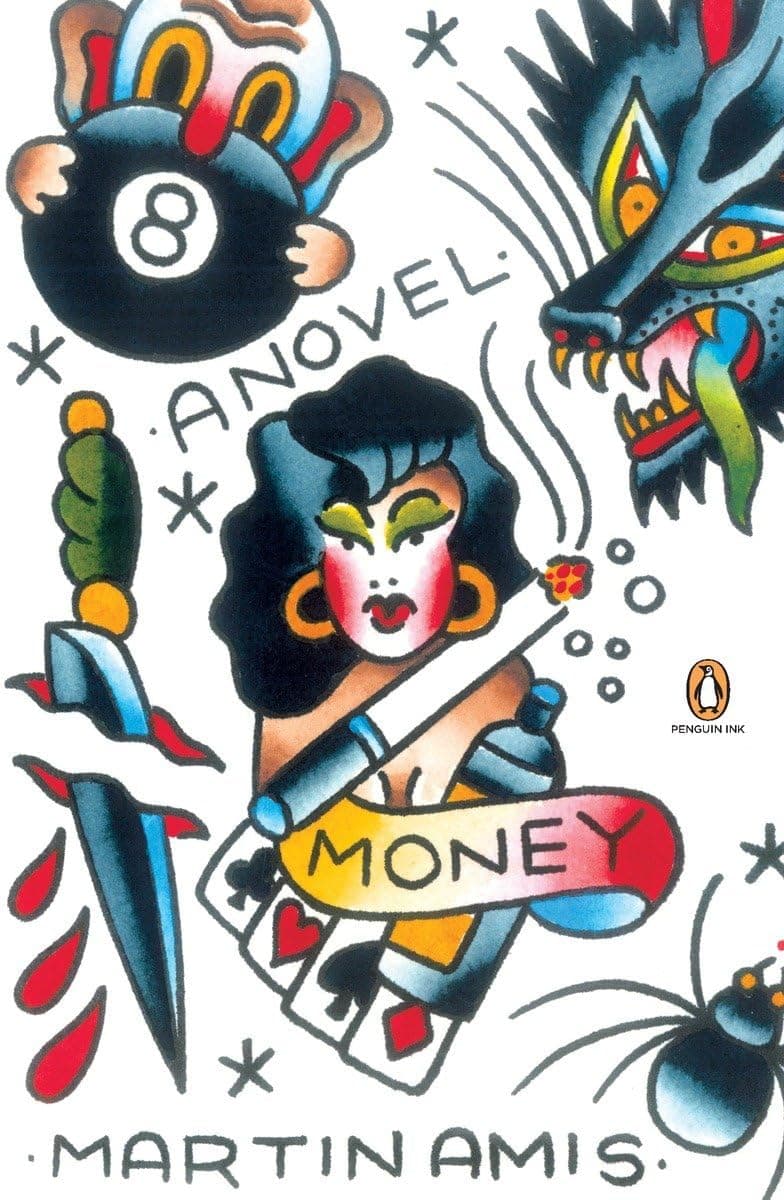
John Self drinks and spends himself toward ruin between London and New York while his first film falls apart. Amis gave the decade's greed a voice English comic fiction spent years imitating.

Two stories alternate: a man who encrypts data inside his mind, and a newcomer to a walled town reading dreams from unicorn skulls. Murakami has been returning to that architecture for forty years.

Gornick walks Manhattan with her widowed mother, arguing the argument they have had since the Bronx tenement of her girlhood. Writing programs teach it as how a memoir is built.
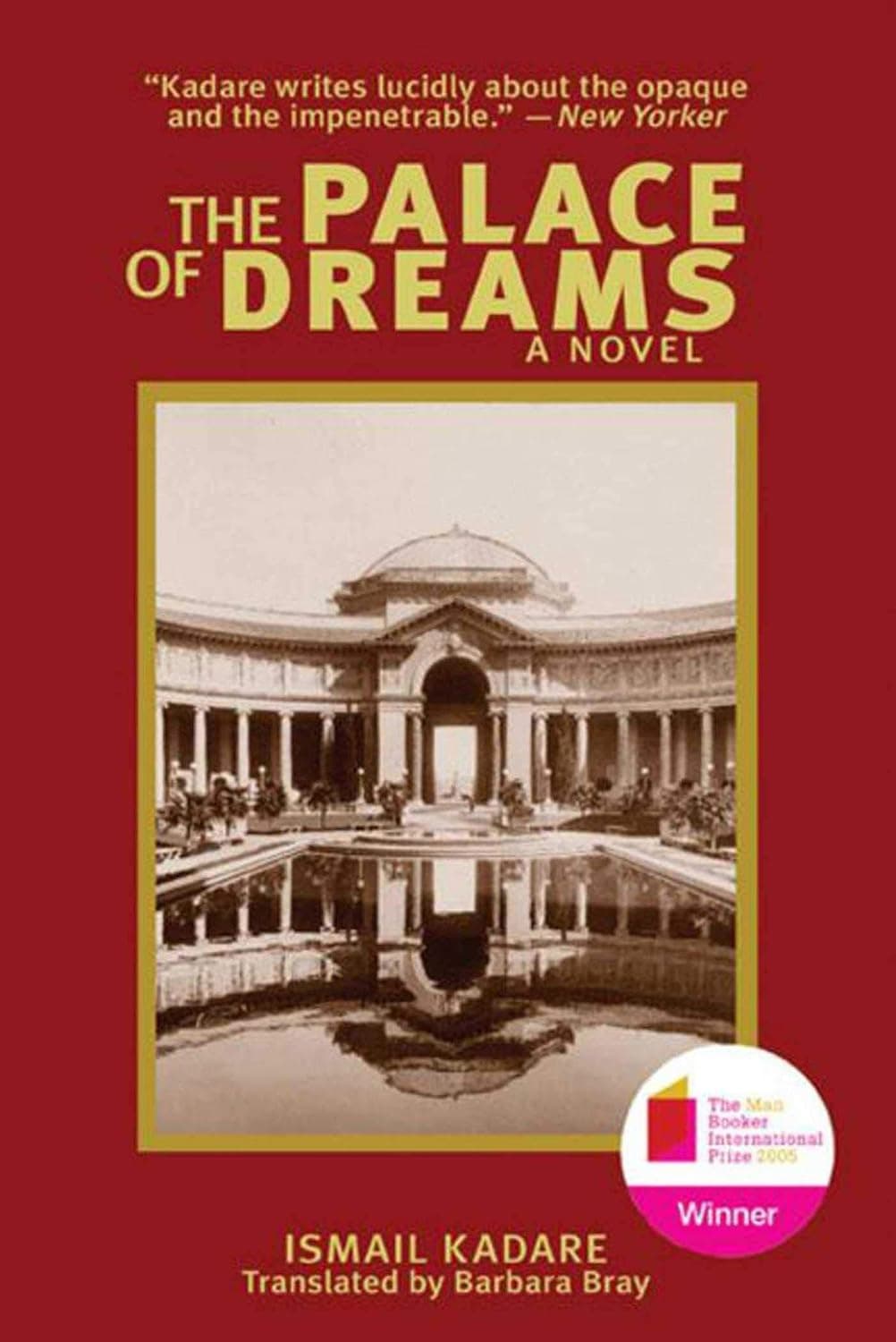
Clerks in an Ottoman ministry collect the dreams of every subject and sift them for the one that foretells the empire's fate. Albania's dictatorship banned it within months, after twenty thousand copies sold.

Nations are imagined communities, Anderson argues, assembled by print: strangers reading the same newspapers and novels came to feel like one people. He gave the study of nationalism its vocabulary.