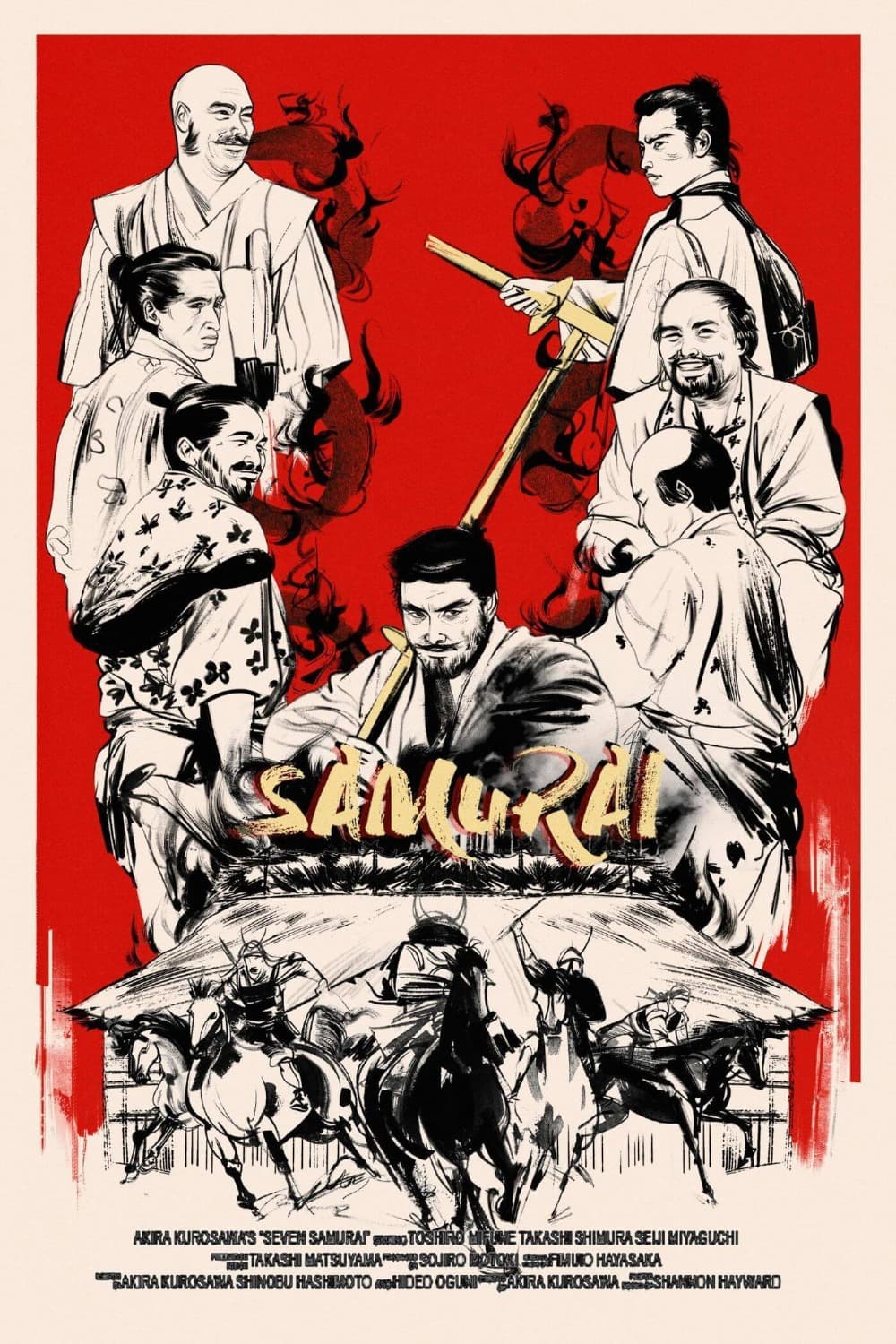
Seven Samurai
Directed by Akira Kurosawa
1954 · Japan
Every film about assembling a team for one last job descends from this one: Kurosawa makes seven men matter, then stages a battle in the mud nobody has equaled.
★ 9.9
 skopia
Every film about assembling a team for one last job descends from this one: Kurosawa makes seven men matter, then stages a battle in the mud nobody has equaled.
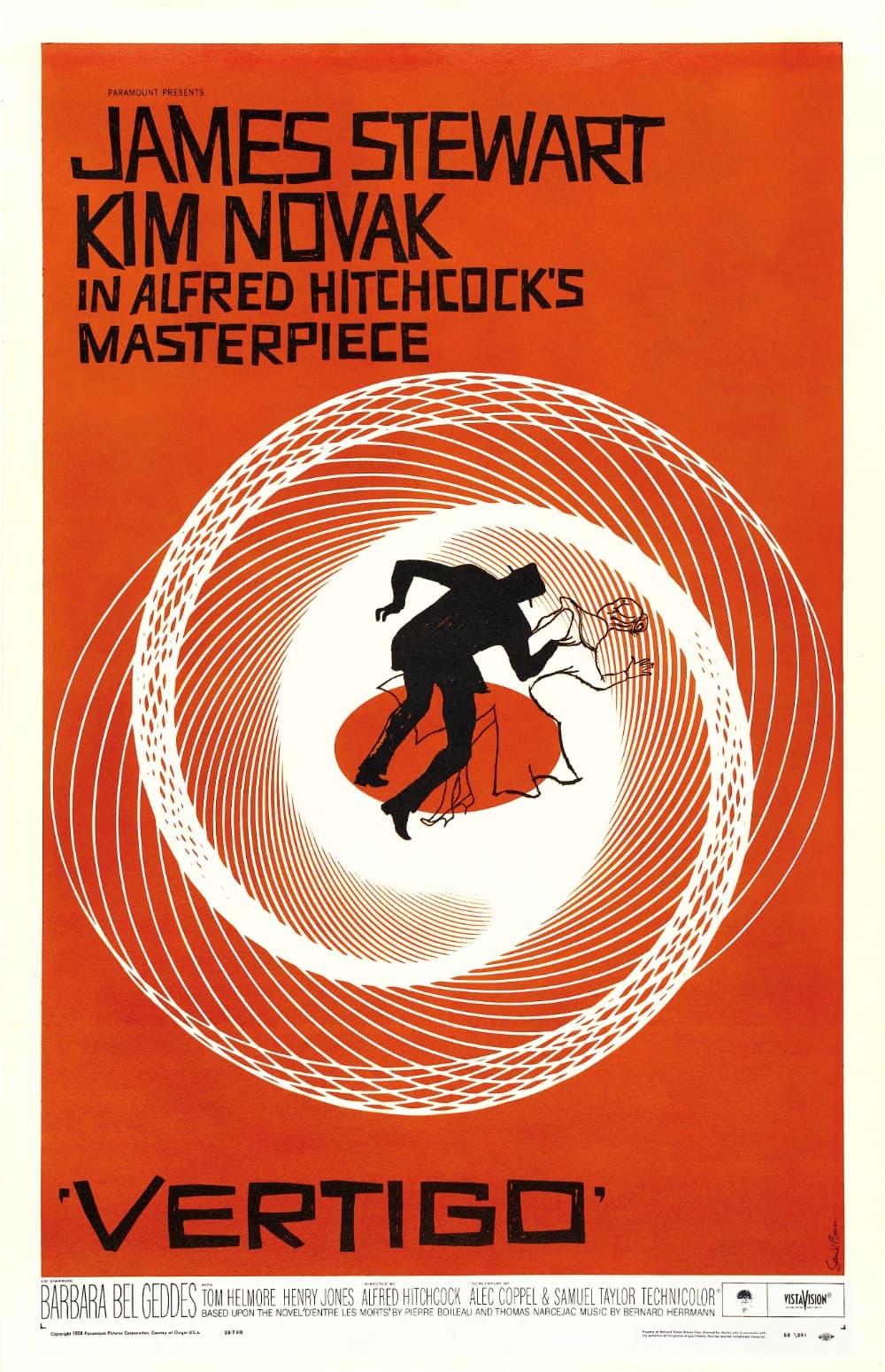
Nobody has ever made obsession look this beautiful or this sick: a man falls for an image instead of a person, and Hitchcock follows him past every point it should stop.
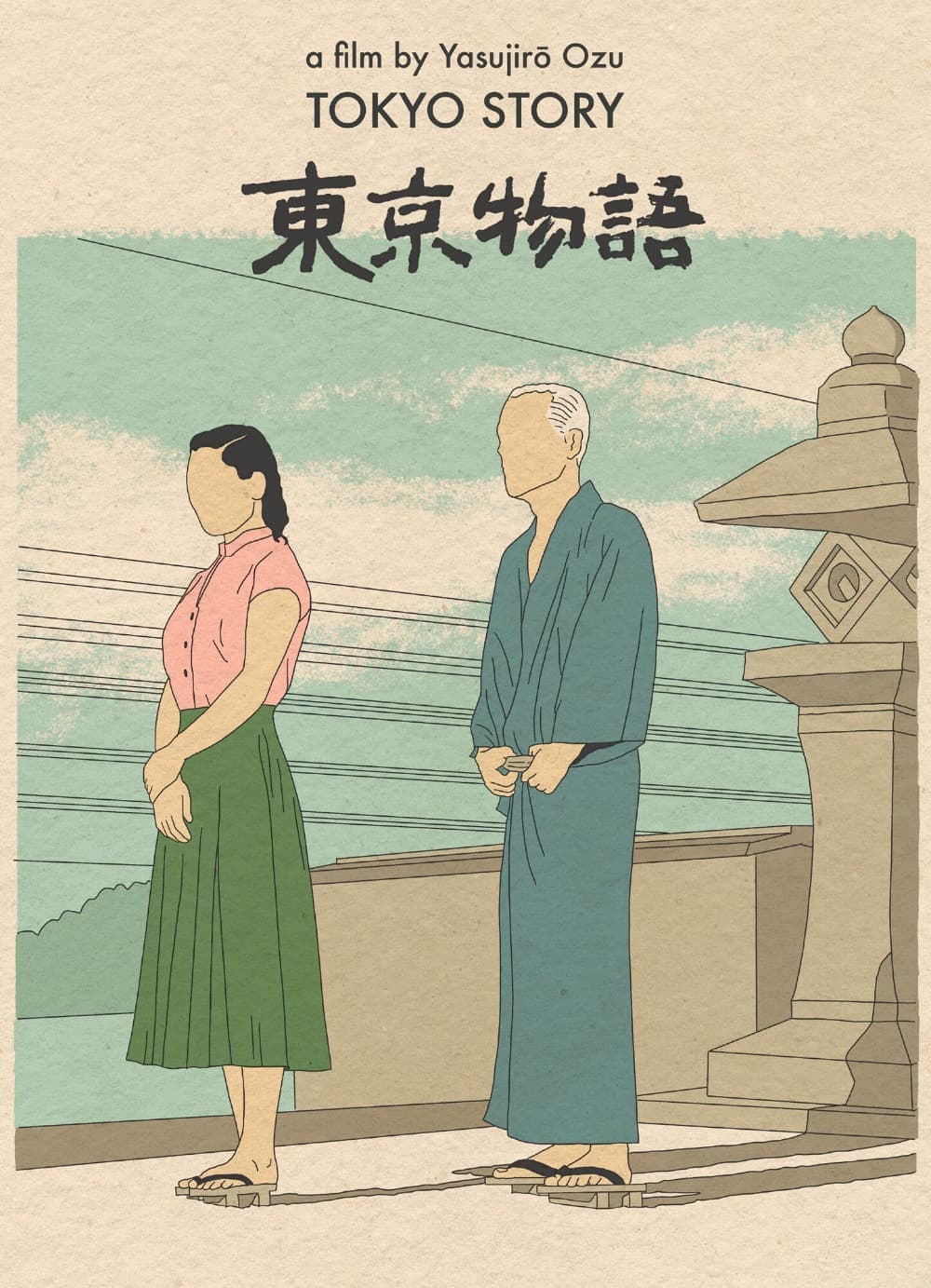
The quiet masterpiece of ordinary life: Ozu finds the ache of a whole century in parents visiting children who have no time for them, and it will find you too.
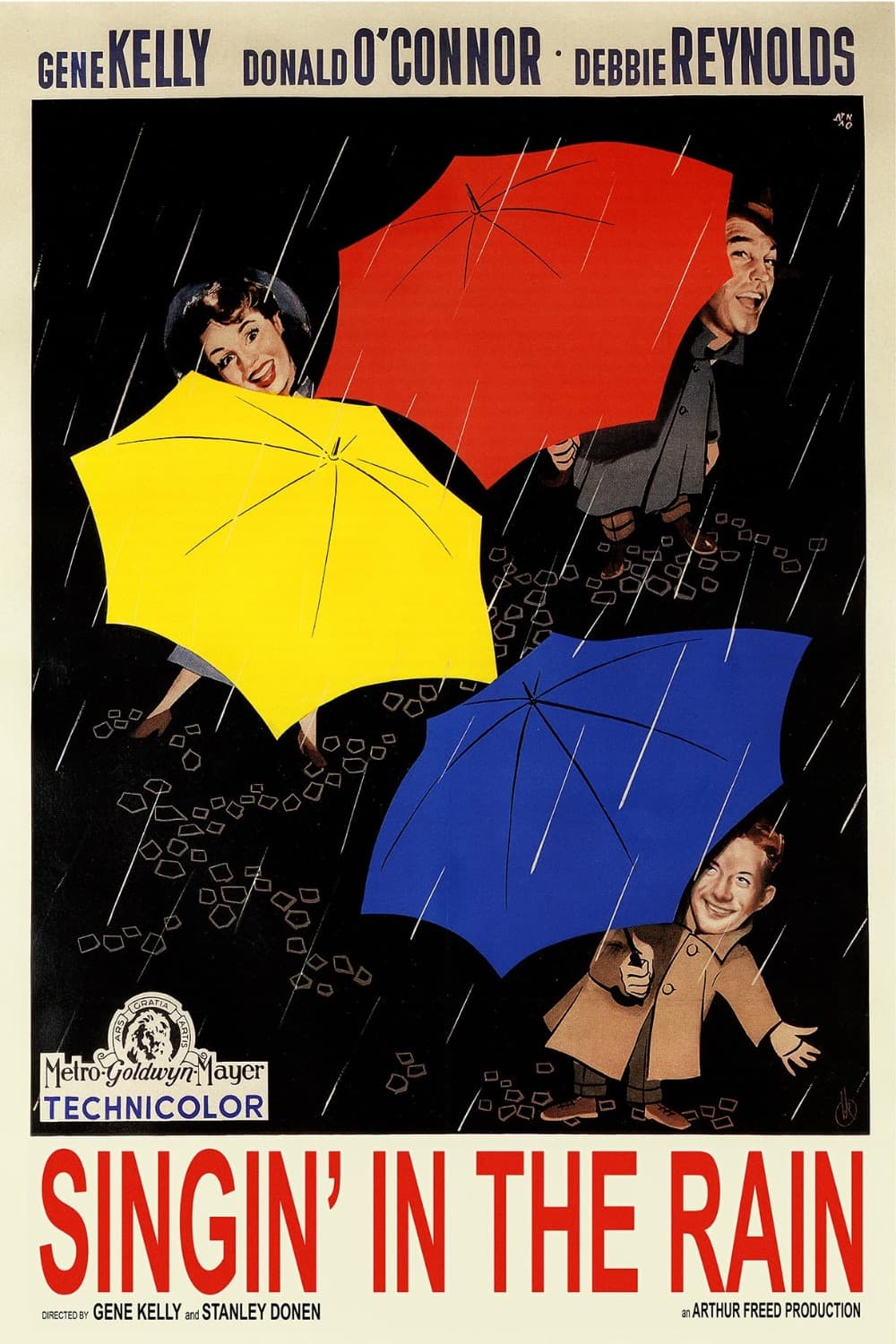
Nothing else on film is this happy, and the subject is an industry in a panic: Hollywood's terror at the arrival of sound became two hours of pure delight.
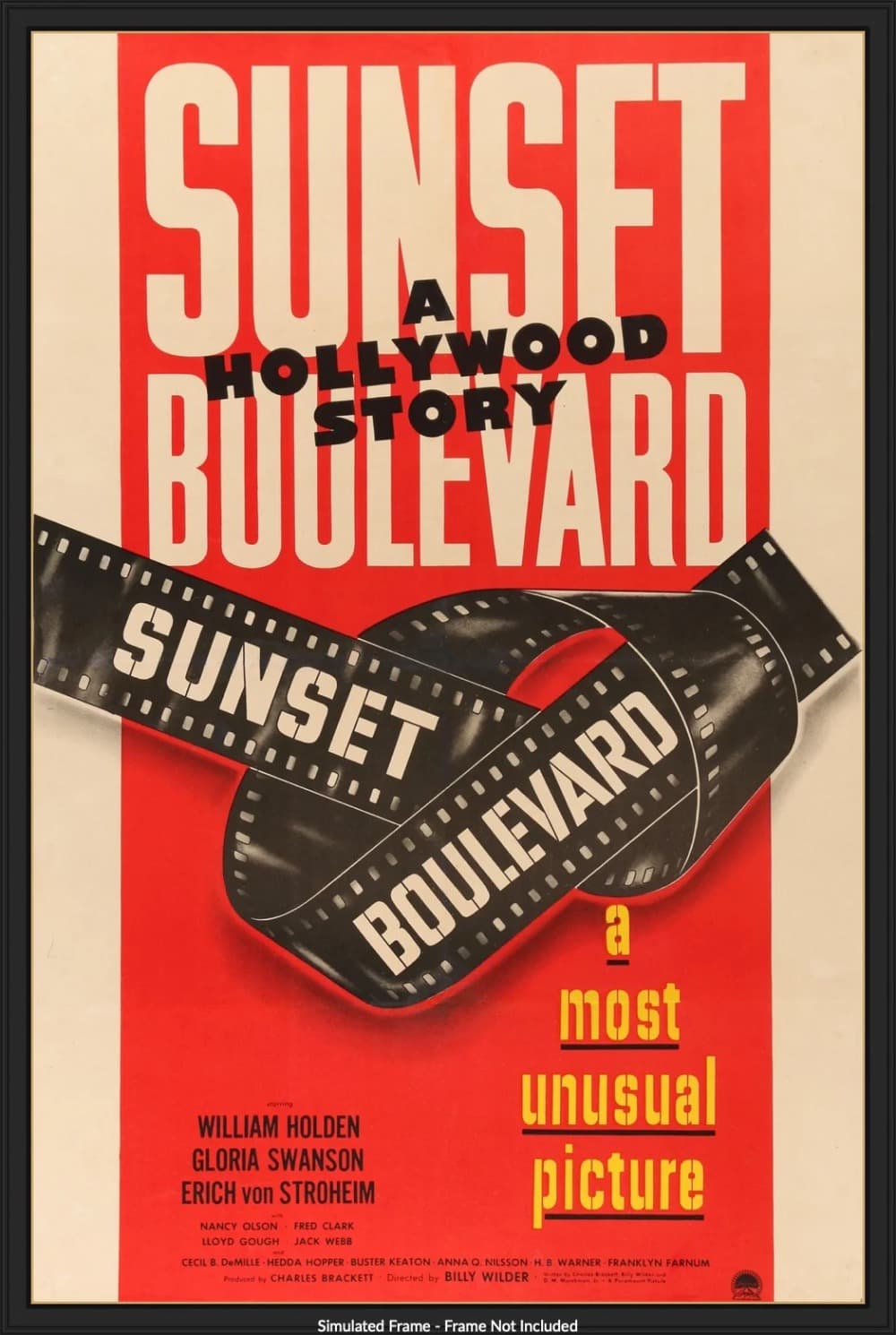
Hollywood has never been crueler about itself: Louis B. Mayer told Wilder he had disgraced the industry, which is the highest praise the film could possibly have received.
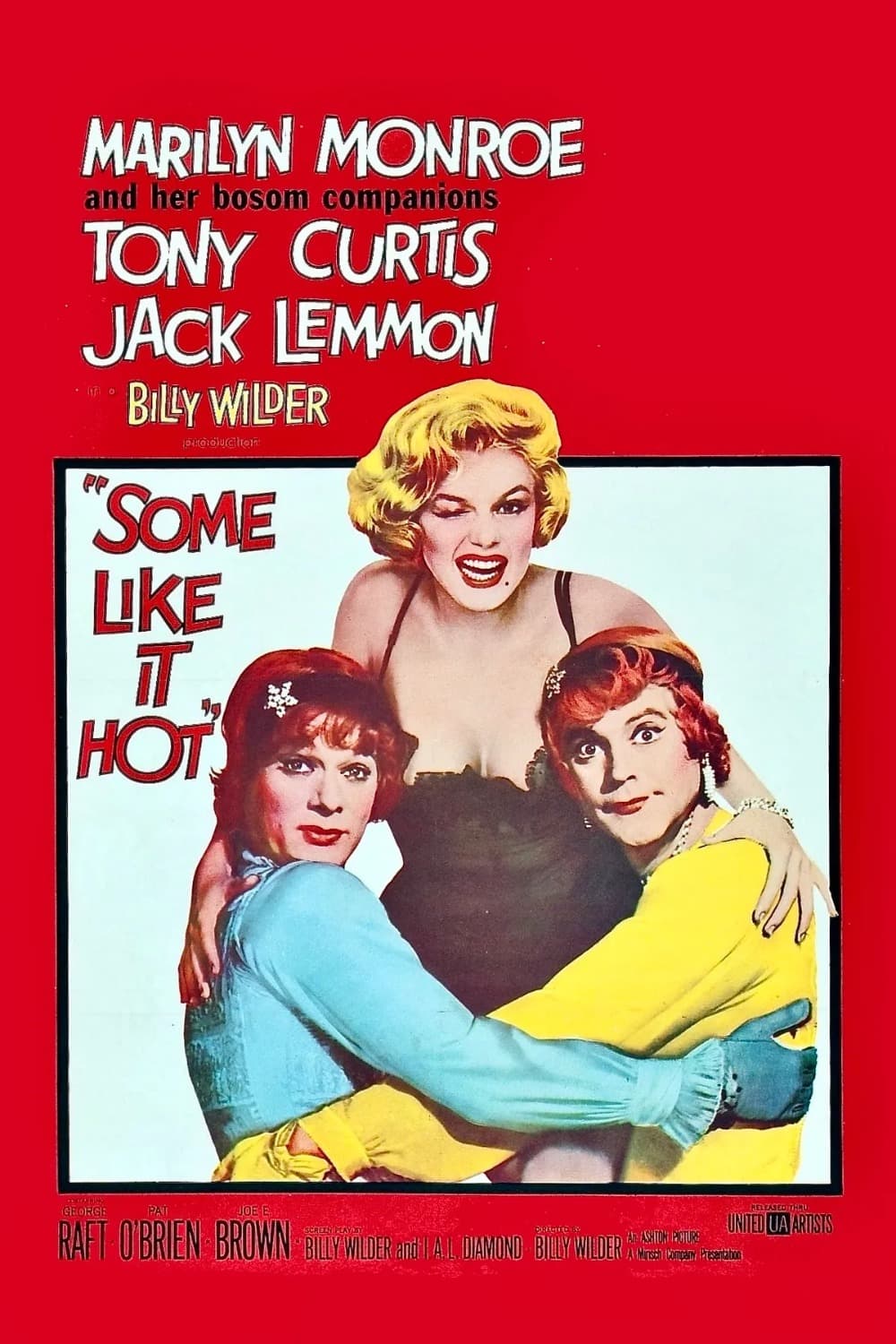
American comedy has never been funnier, and the Legion of Decency was appalled: Wilder ran a single disguise for two hours without ever letting the joke thin out.
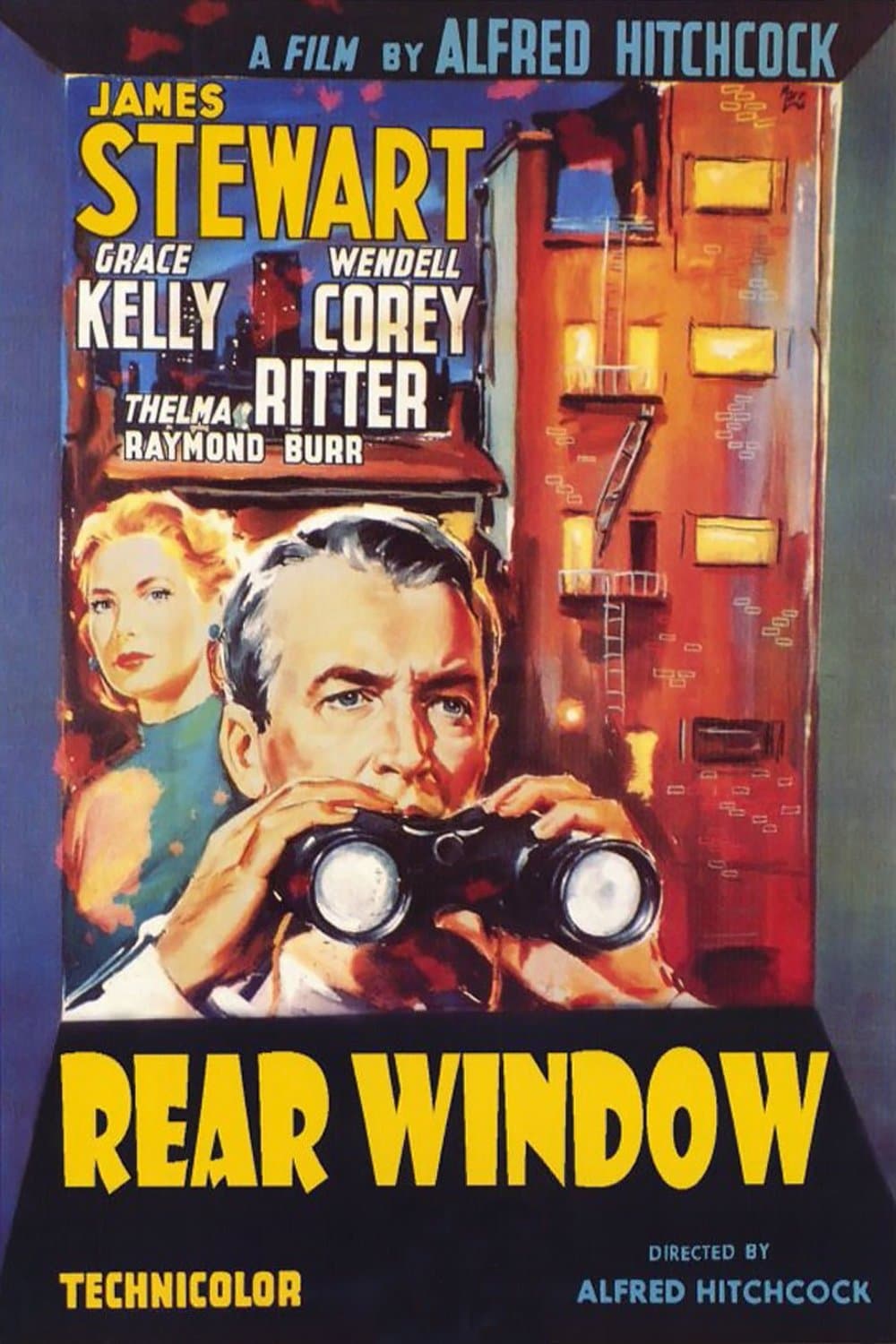
Suspense has never been constructed more purely, and the real subject is the audience: Hitchcock traps you in one room with a man who cannot stop watching his neighbors.
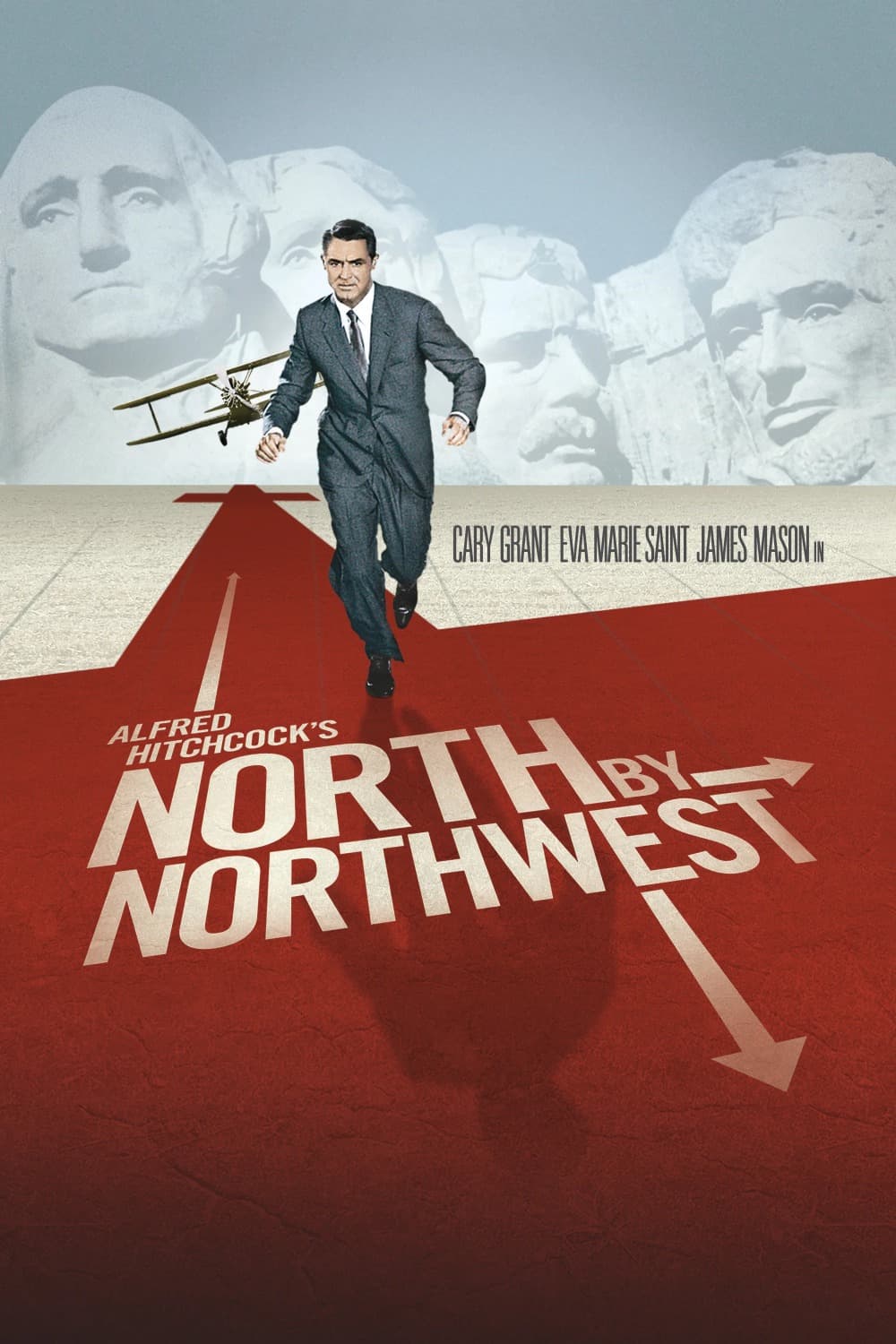
Every spy thriller since owes it something, James Bond most of all: Hitchcock chases an innocent man across America by crop duster and over Mount Rushmore, enjoying himself throughout.
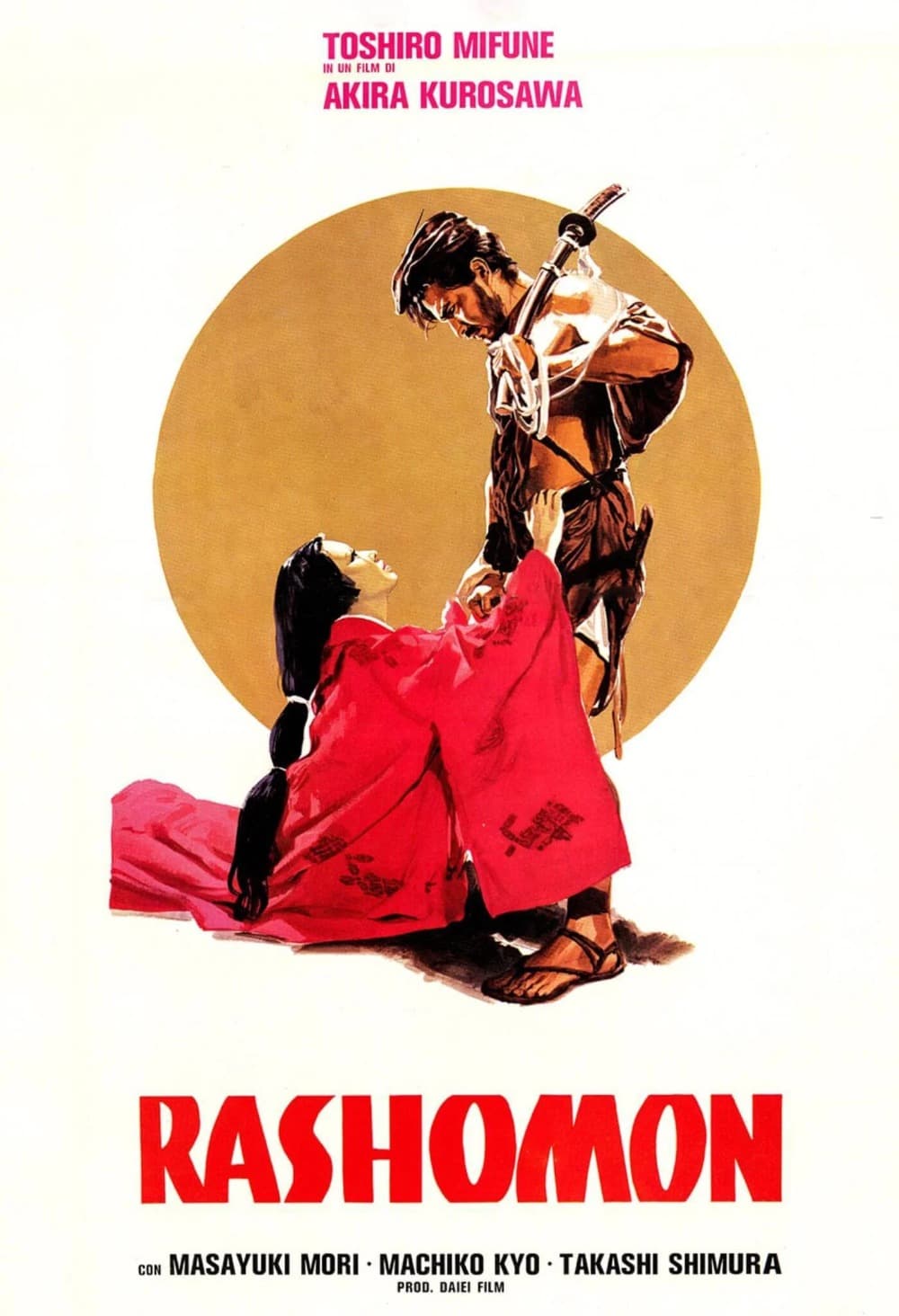
Kurosawa gave the language a word for irreconcilable testimony and opened Japanese cinema to the world: four accounts of one killing, none of which can be squared with another.
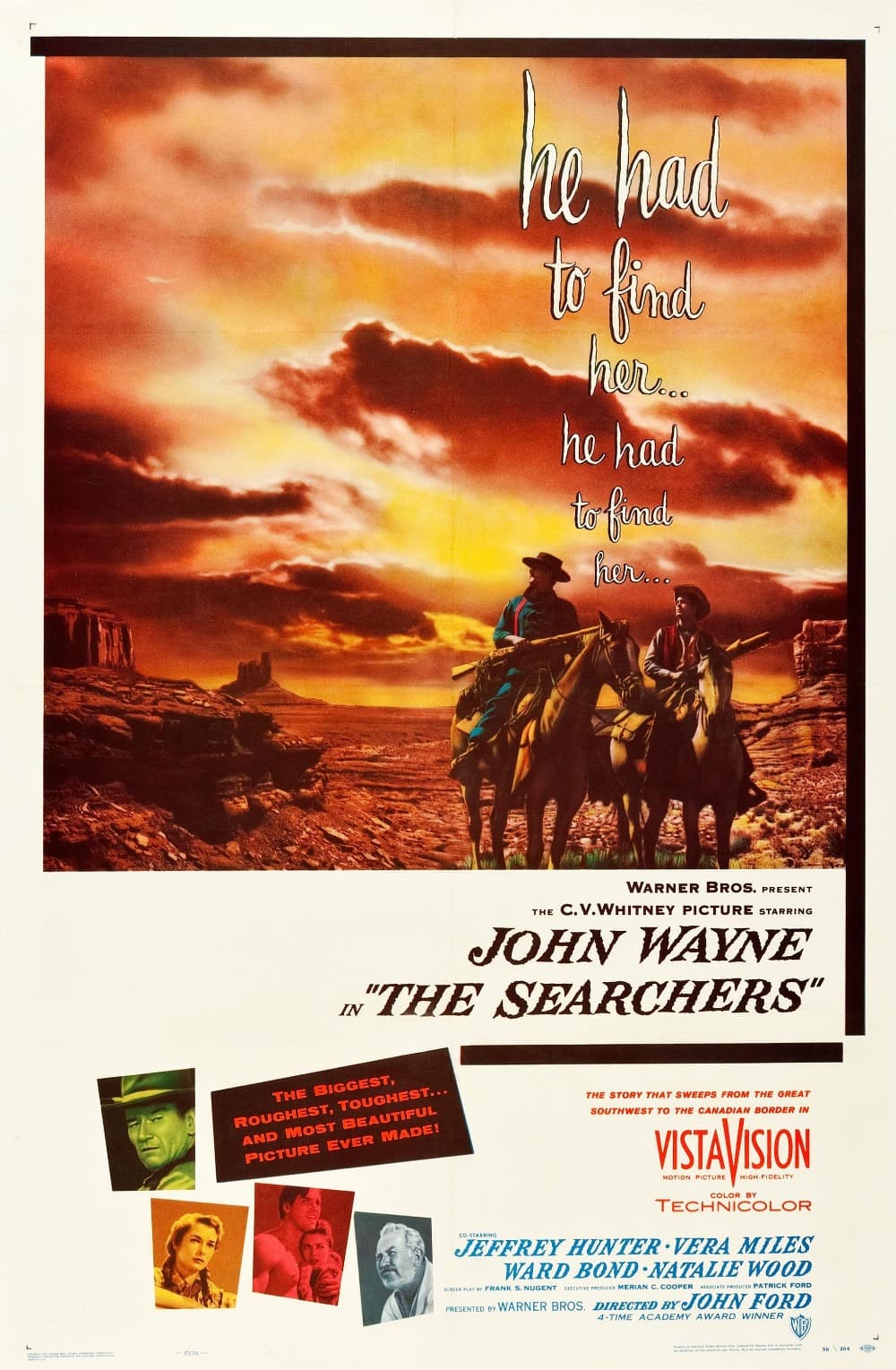
Other directors have been stealing from this western for seventy years: Ford put John Wayne's racism on screen without excusing it, and framed his story in a much-copied doorway.
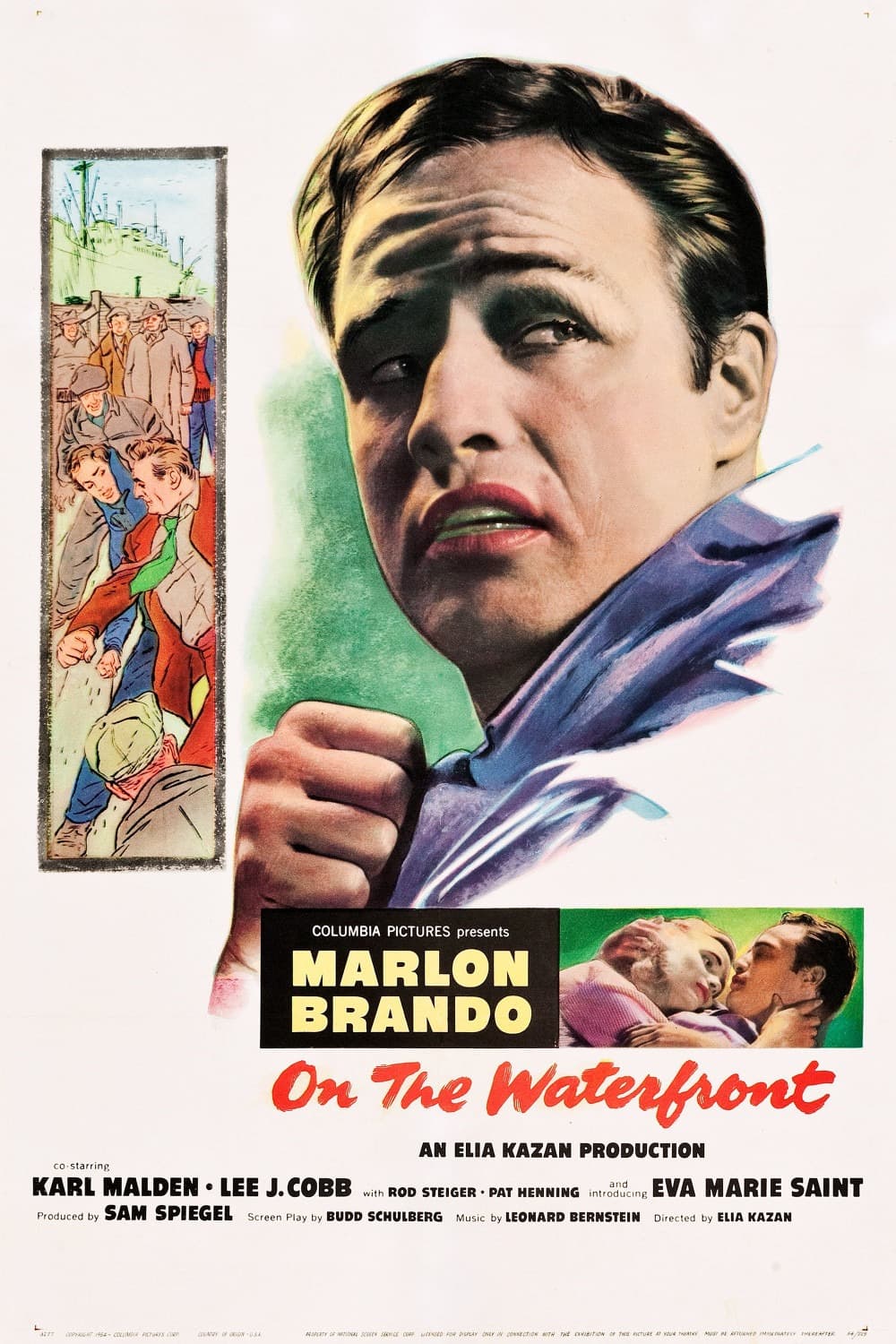
Screen acting changed with Brando in the back of that taxi: Kazan made the film to justify naming names, which gives the whole thing an uncomfortable heat.
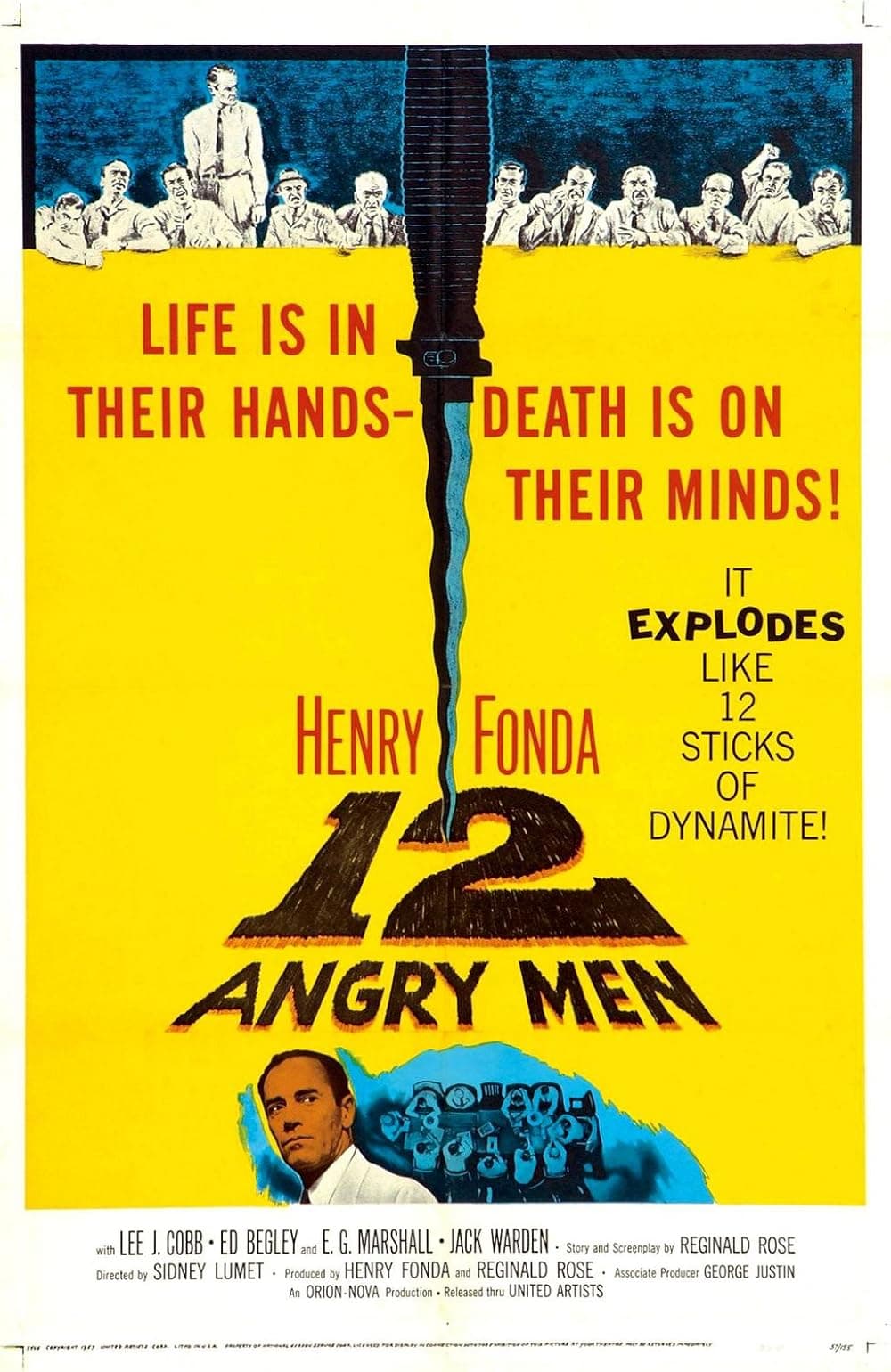
Nothing beats it as a filmed argument, and it happens in a single room: eleven jurors want to go home, one will not, and the temperature keeps rising.
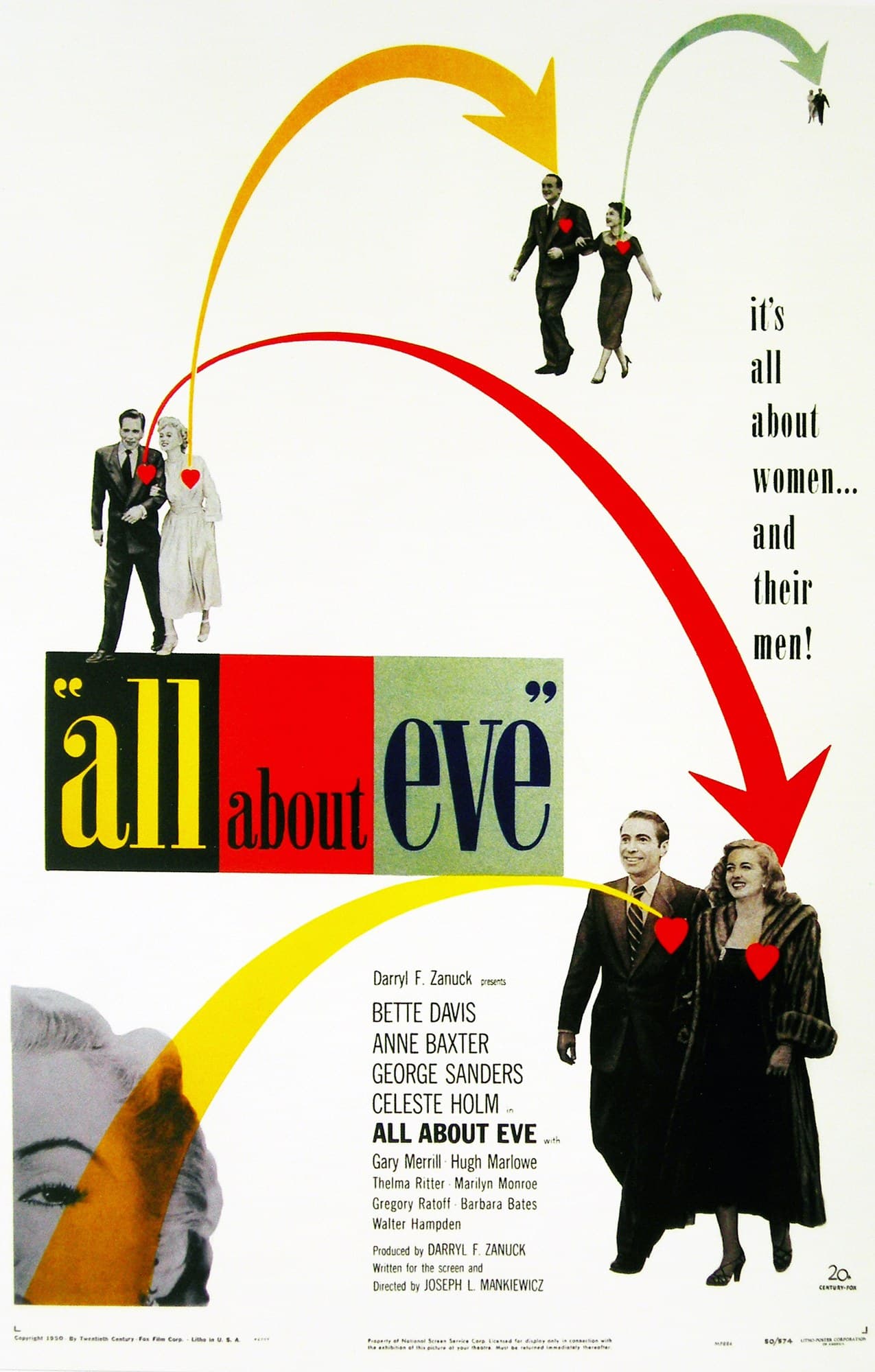
The sharpest script ever written about ambition: an aging star takes in an adoring young fan, and theater people have been quoting the lines for three-quarters of a century.
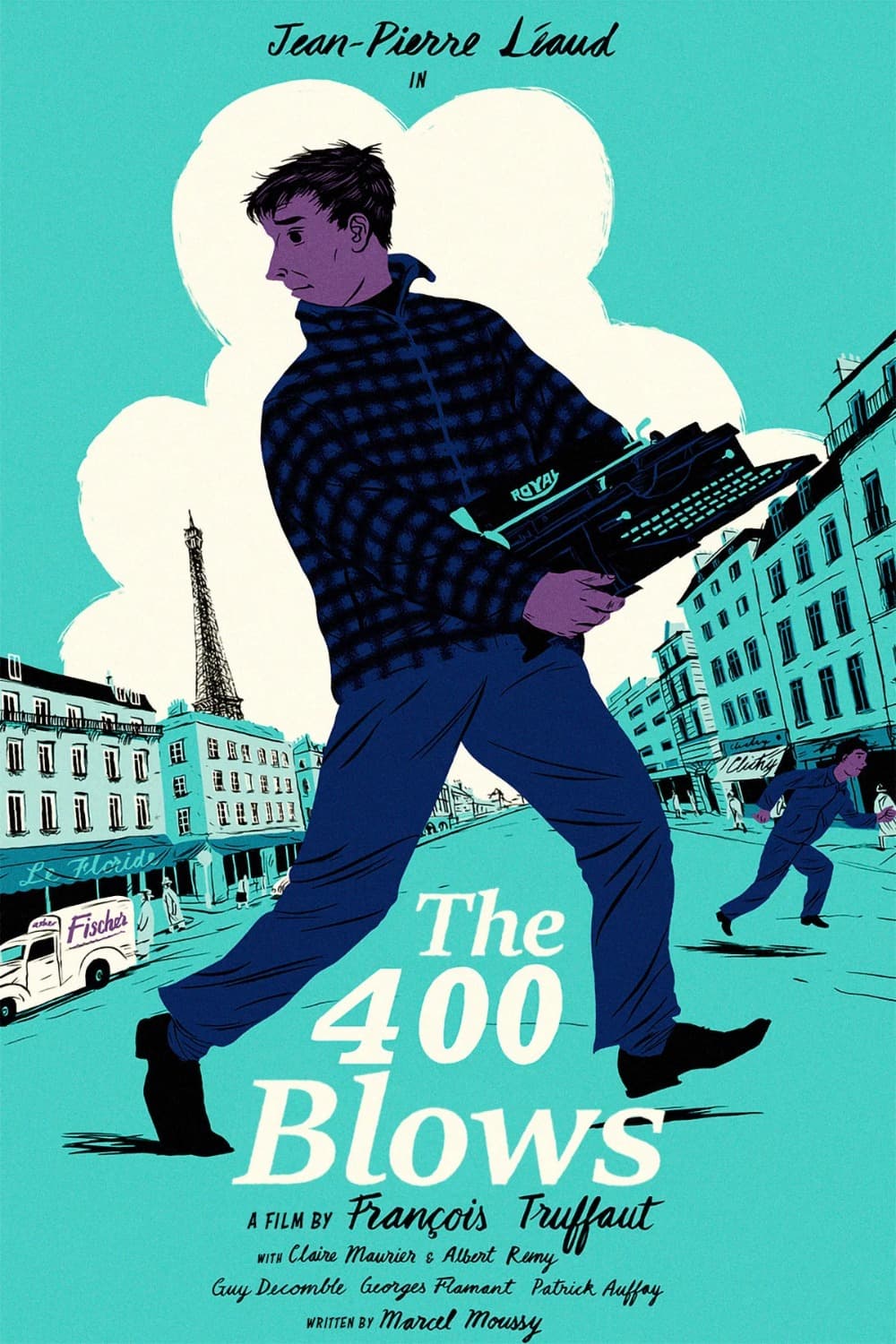
The French New Wave announces itself: Truffaut put his own miserable childhood on screen at twenty-seven, and the last shot changed what an ending was allowed to do.

Indian cinema arrived in the world with this: Ray shot it on weekends with a first-time crew and no money, and the children seeing a train is pure wonder.
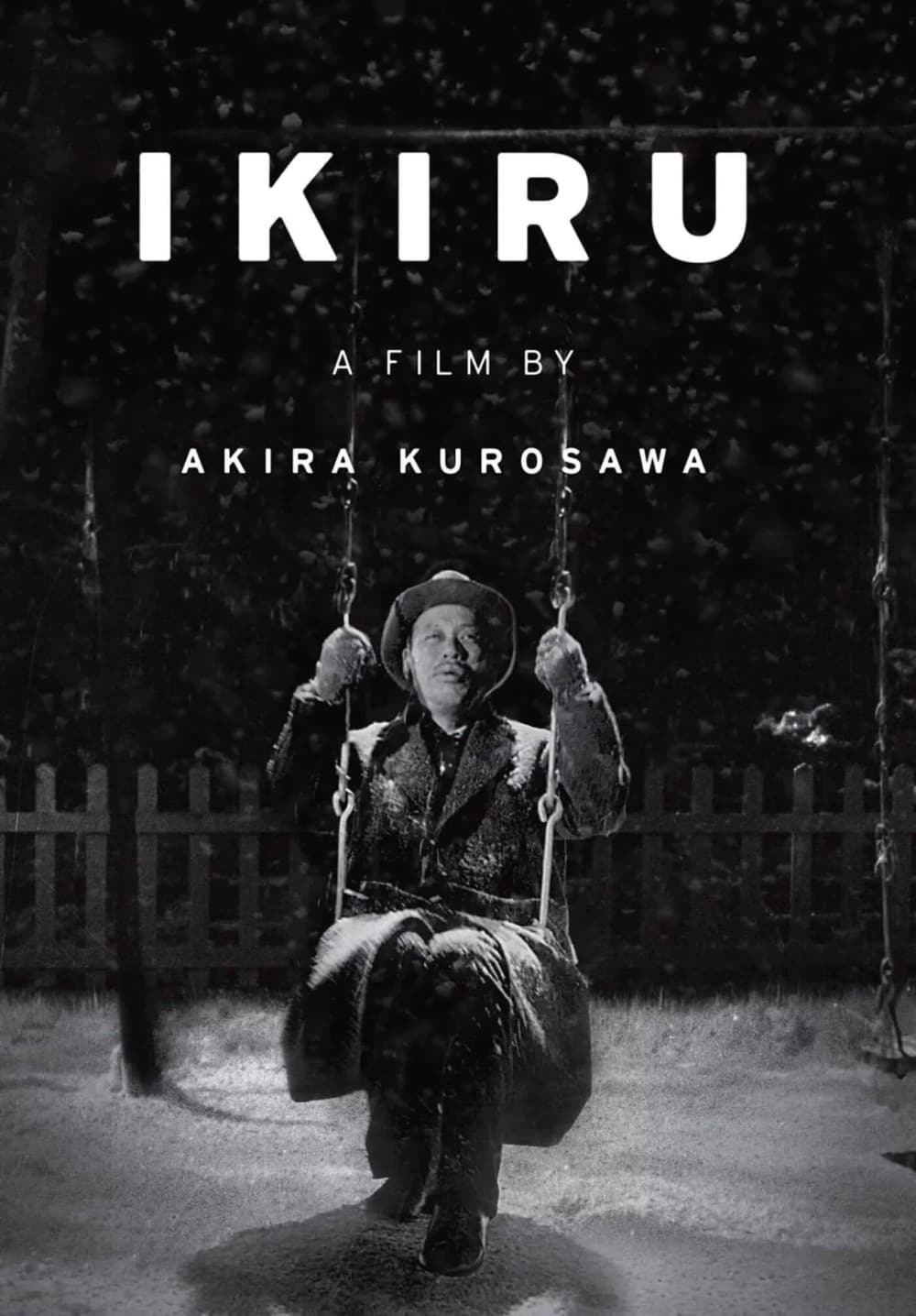
Kurosawa's answer to how a life should be spent: a bureaucrat gets one piece of terrible news and starts spending what is left deliberately, which will change how you see your job.
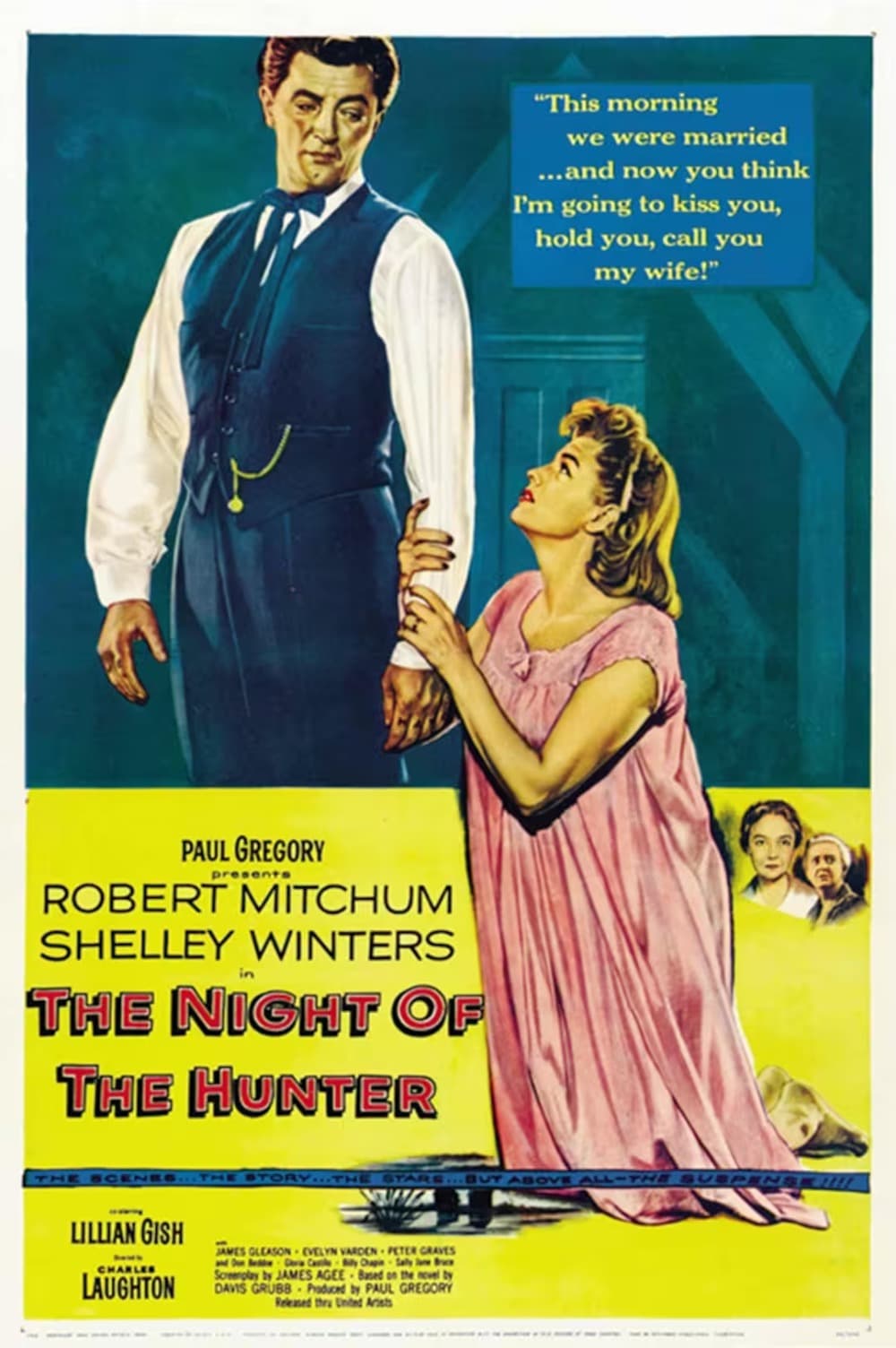
Charles Laughton never directed again after it failed, and critics have spent seventy years calling it a masterpiece: a preacher with tattooed knuckles and two children on a river.
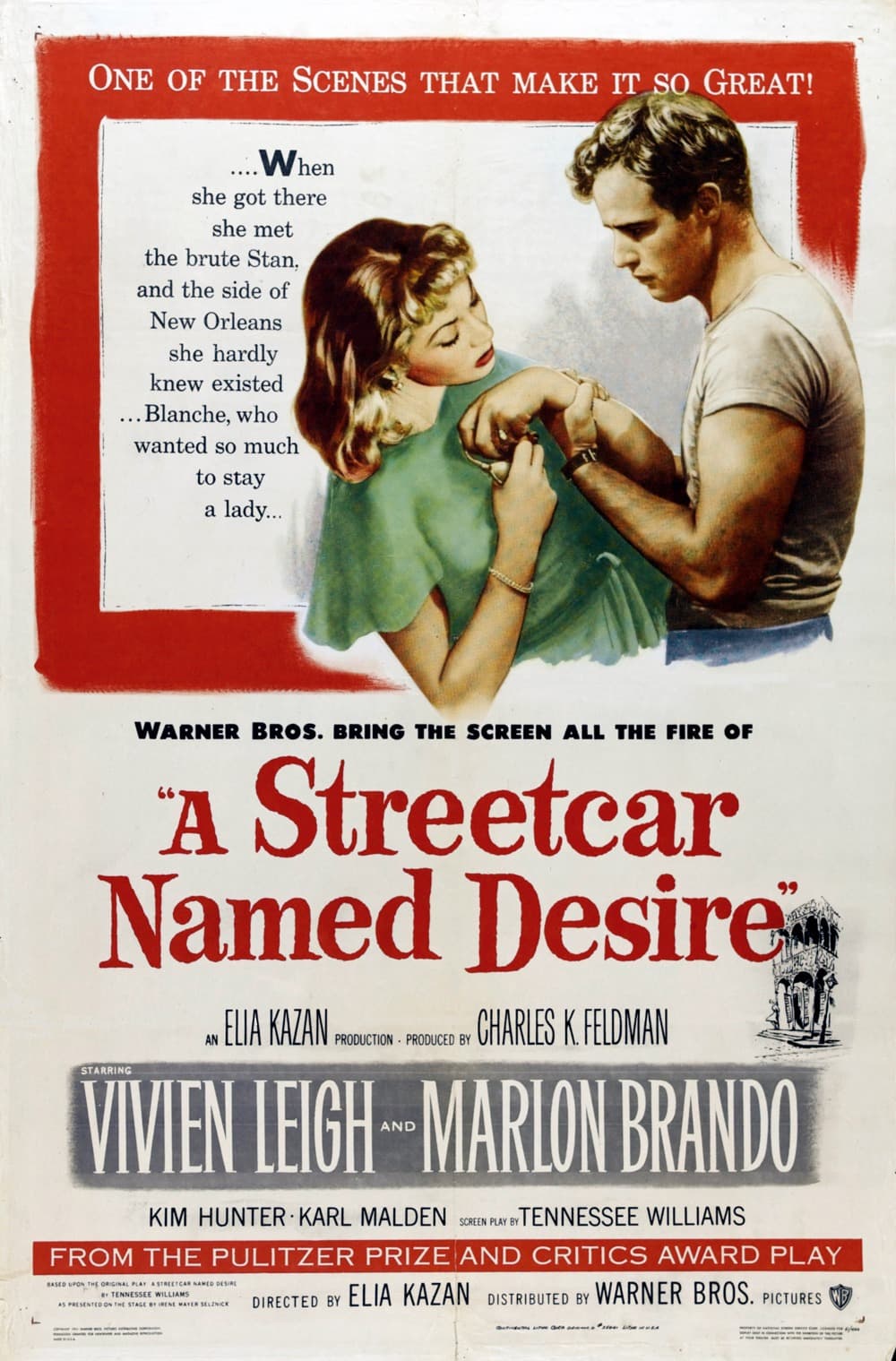
Three of its four leads won Academy Awards and the fourth was Brando: this is where screen acting stopped being theatrical and started being something else entirely.
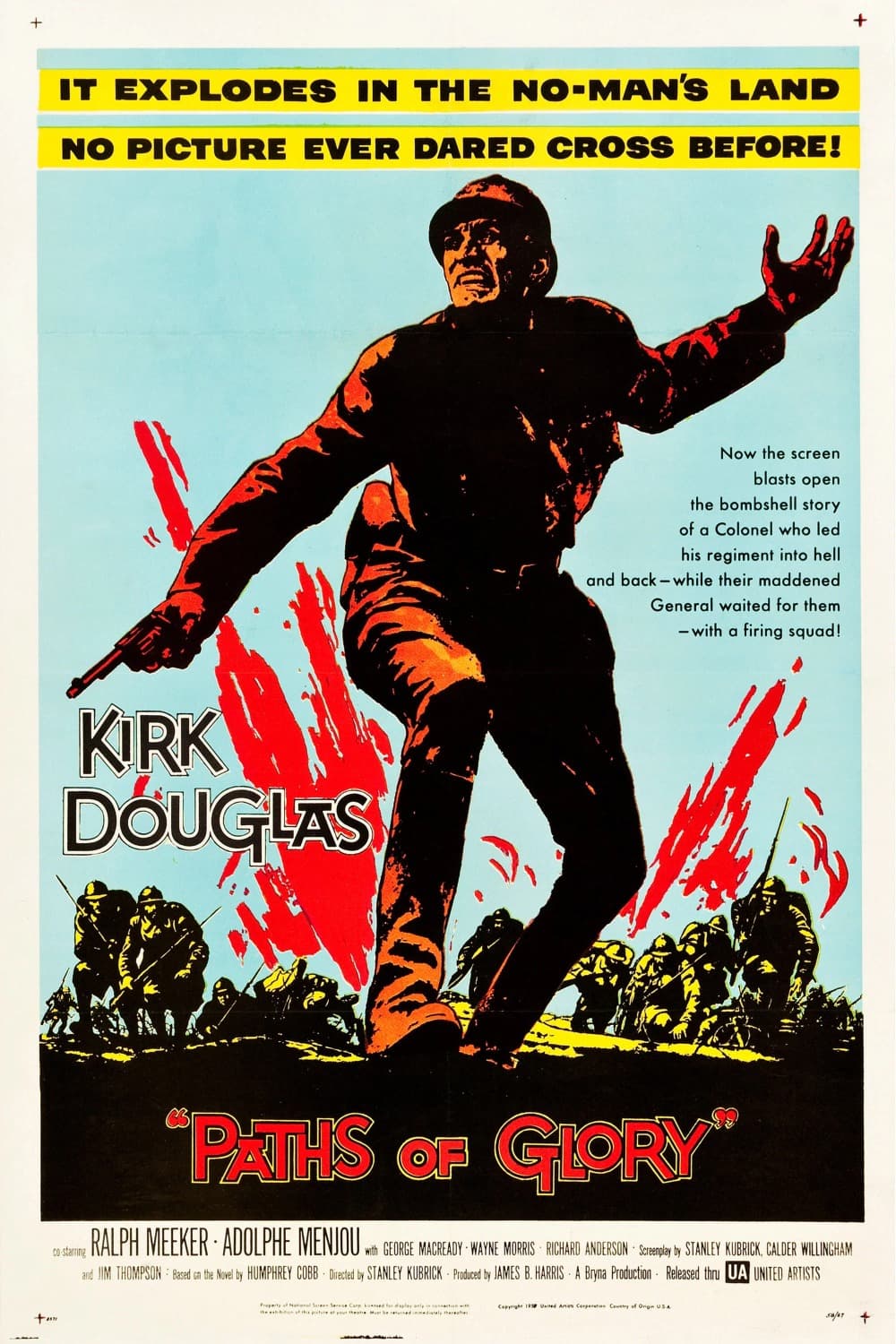
France stayed uncomfortable enough to keep it out of cinemas for eighteen years: Kubrick tracked the camera down the trenches and staged an injustice that still makes people furious.
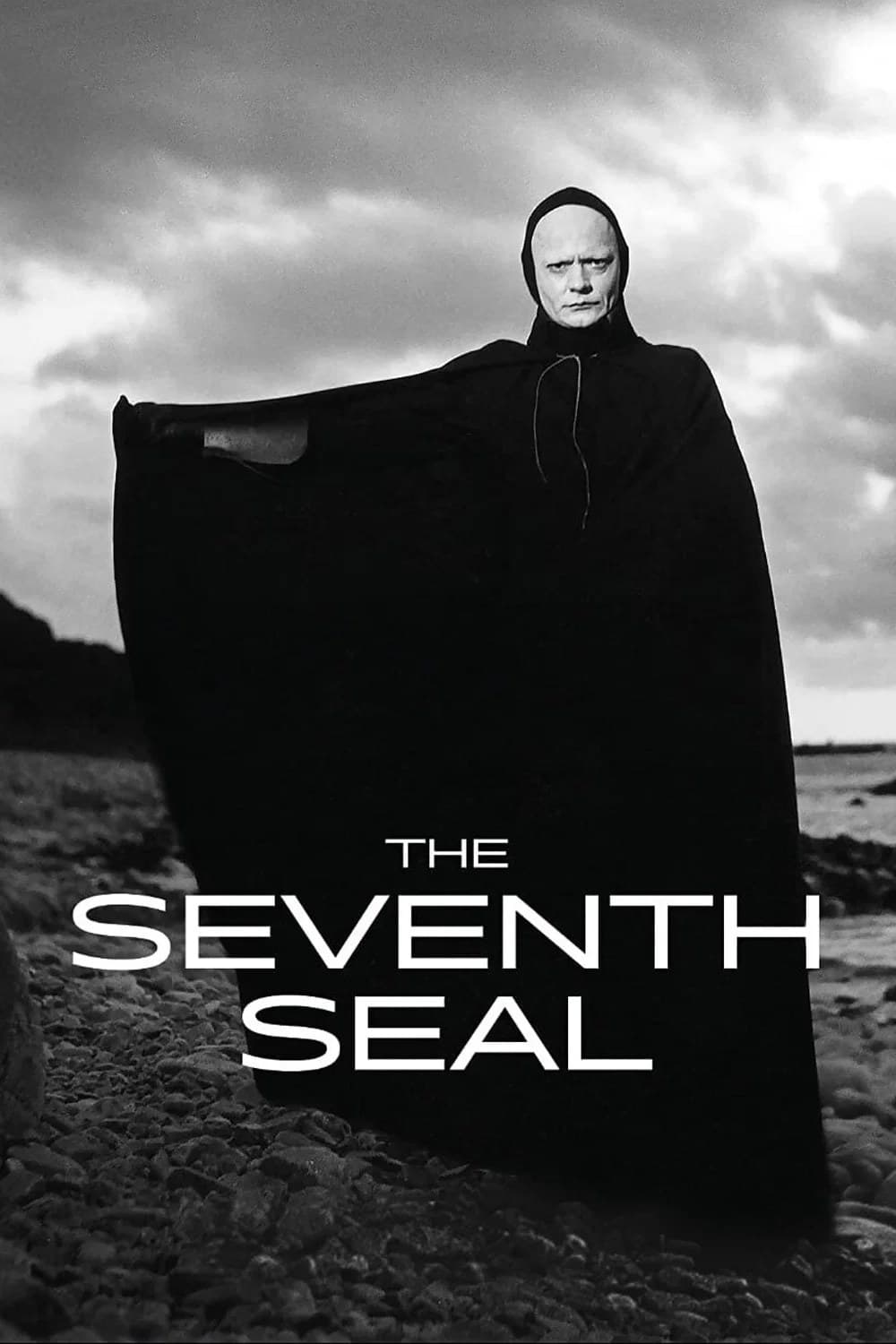
No image from any film has been parodied more: a knight plays chess with Death on a beach, and Bergman is completely serious about the question underneath it.

Lean built an epic about the seduction of a job well done: a British colonel in a Japanese prison camp finds a strange satisfaction in building their bridge properly.
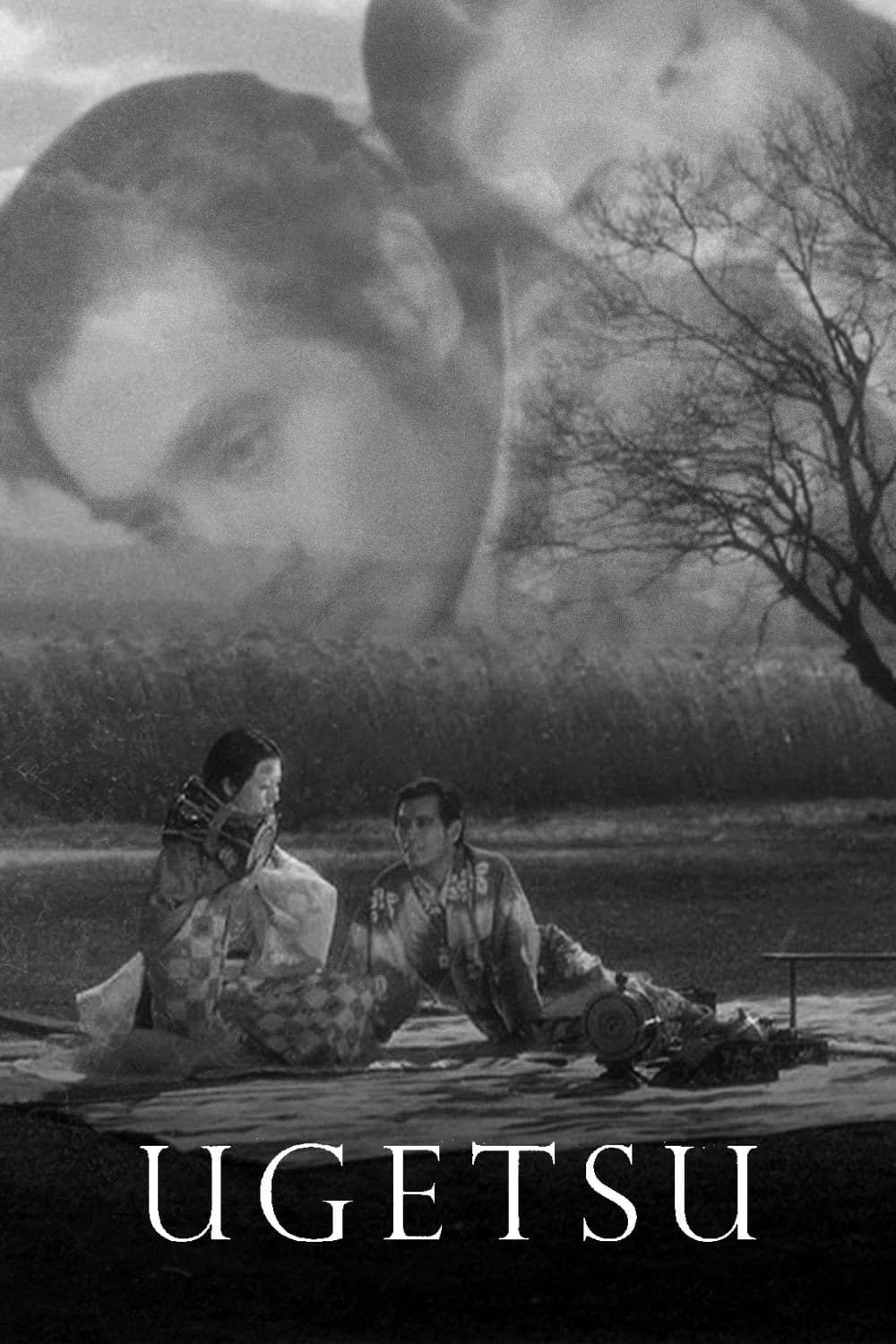
Mizoguchi's ghost story is the one other directors mention when asked what changed them: two peasants chase money through a civil war, and the crossing through fog is unearthly.
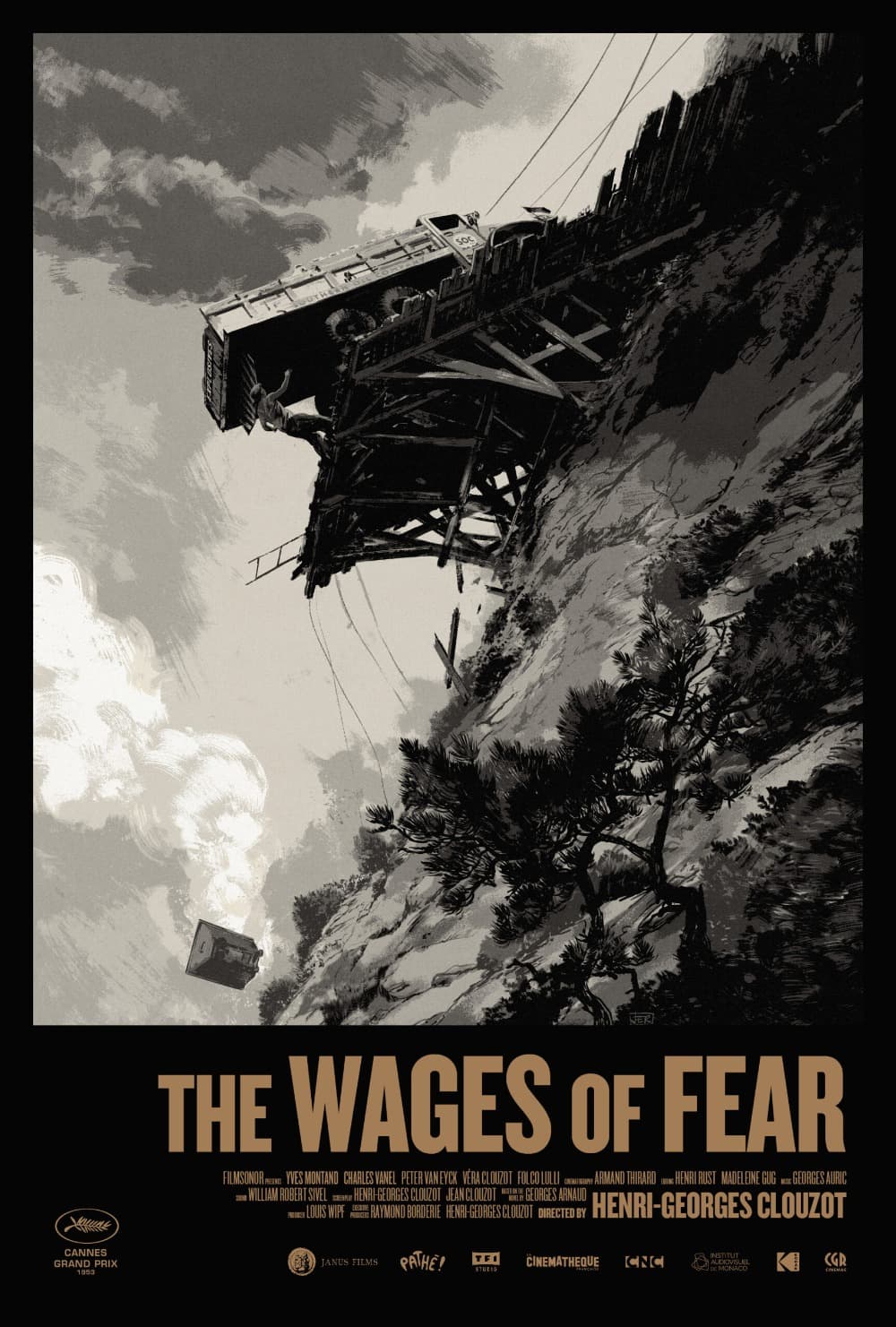
Suspense does not get more physical than this: four desperate men drive truckloads of nitroglycerin over mountain roads, and every rut in the surface becomes an ordeal.
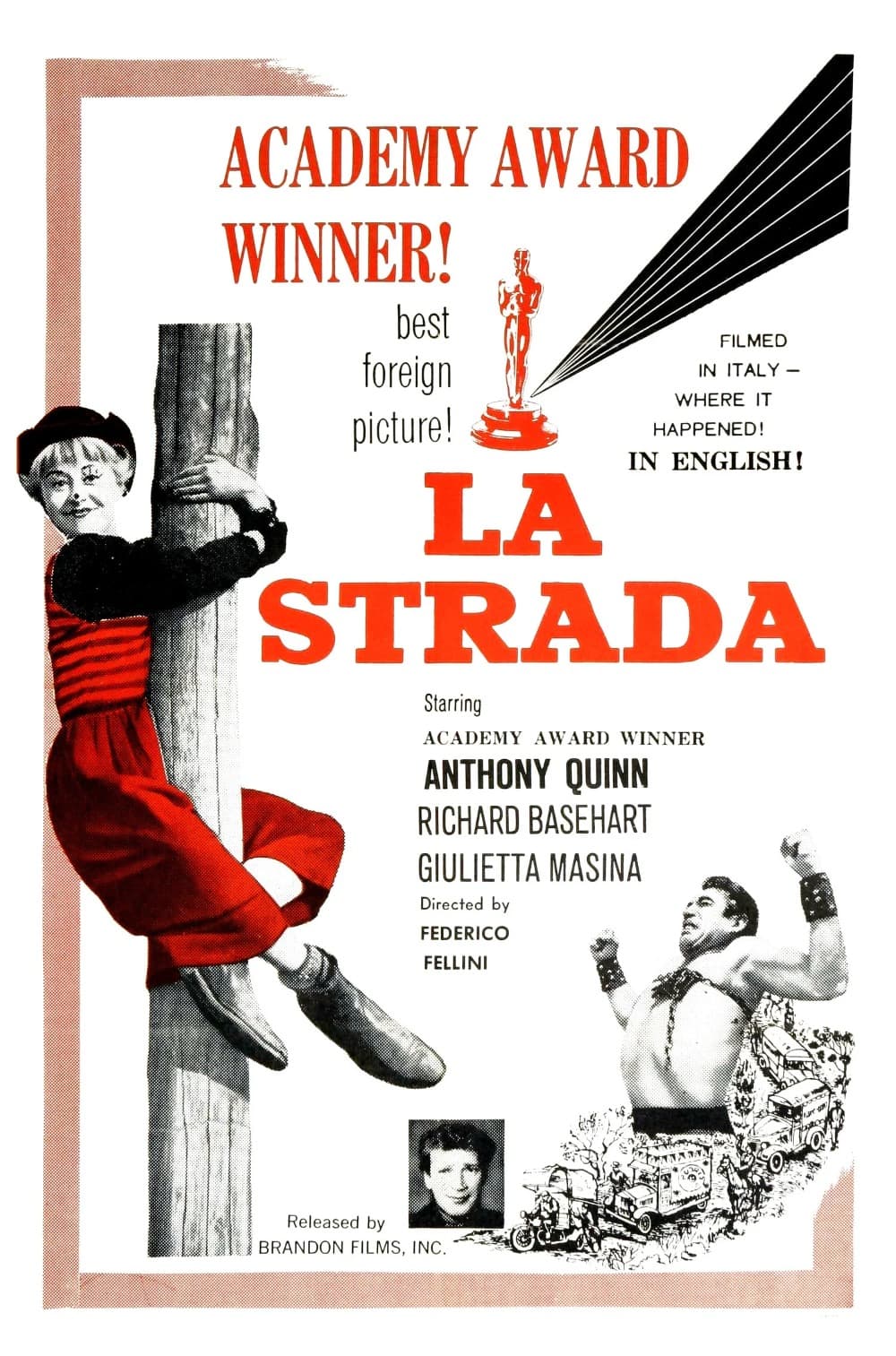
It took the very first competitive foreign language Academy Award, and Giulietta Masina is the reason: her face does more with one shrug than most performances manage in full.
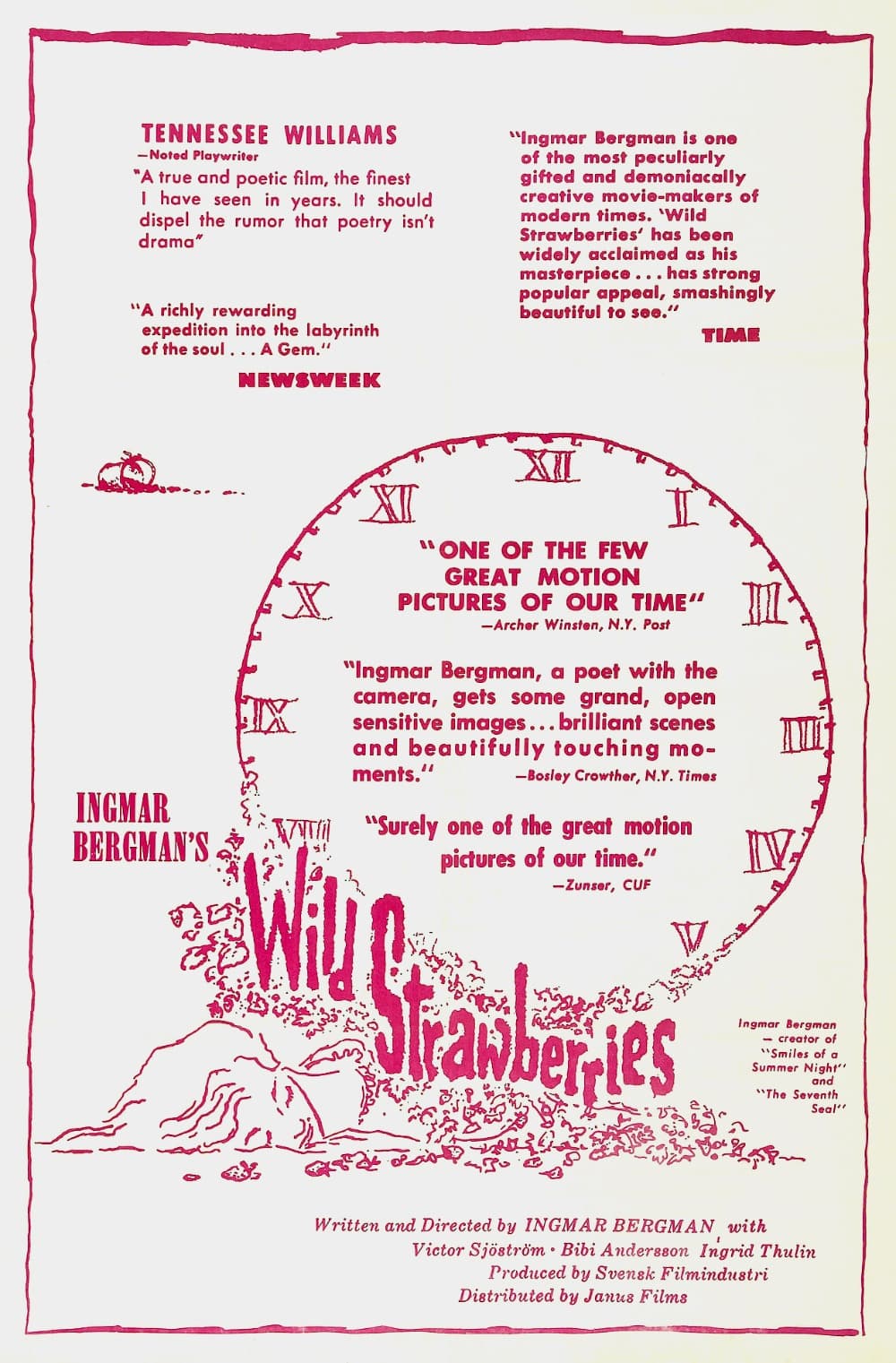
Bergman cast the founding father of Swedish cinema as an old man reckoning with his own coldness: a drive across the country, punctuated by dreams that keep ambushing him.
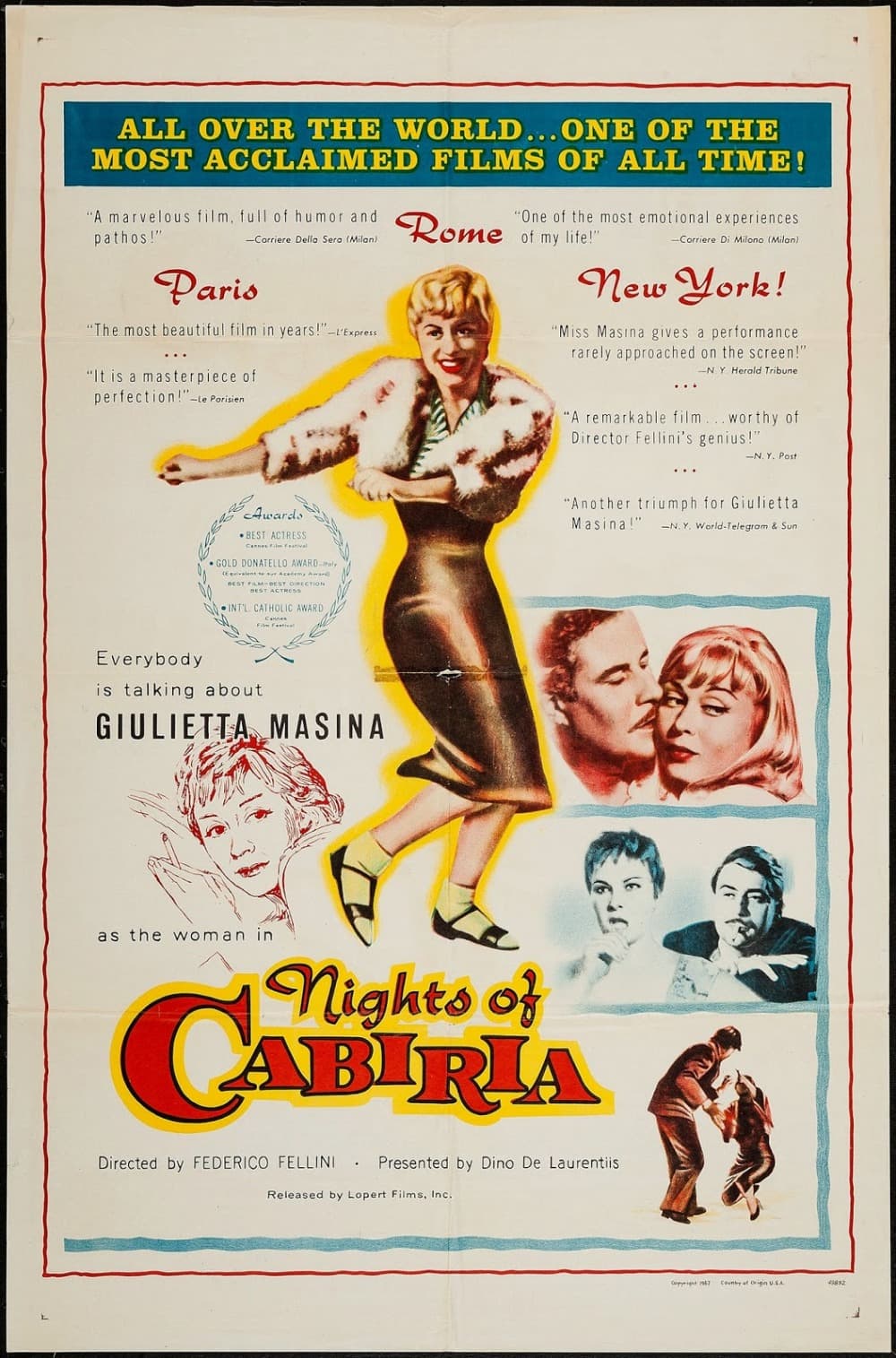
Giulietta Masina gives the performance that everyone remembers from Fellini: a Roman streetwalker keeps hoping harder than her luck deserves, and the film never once pities her.
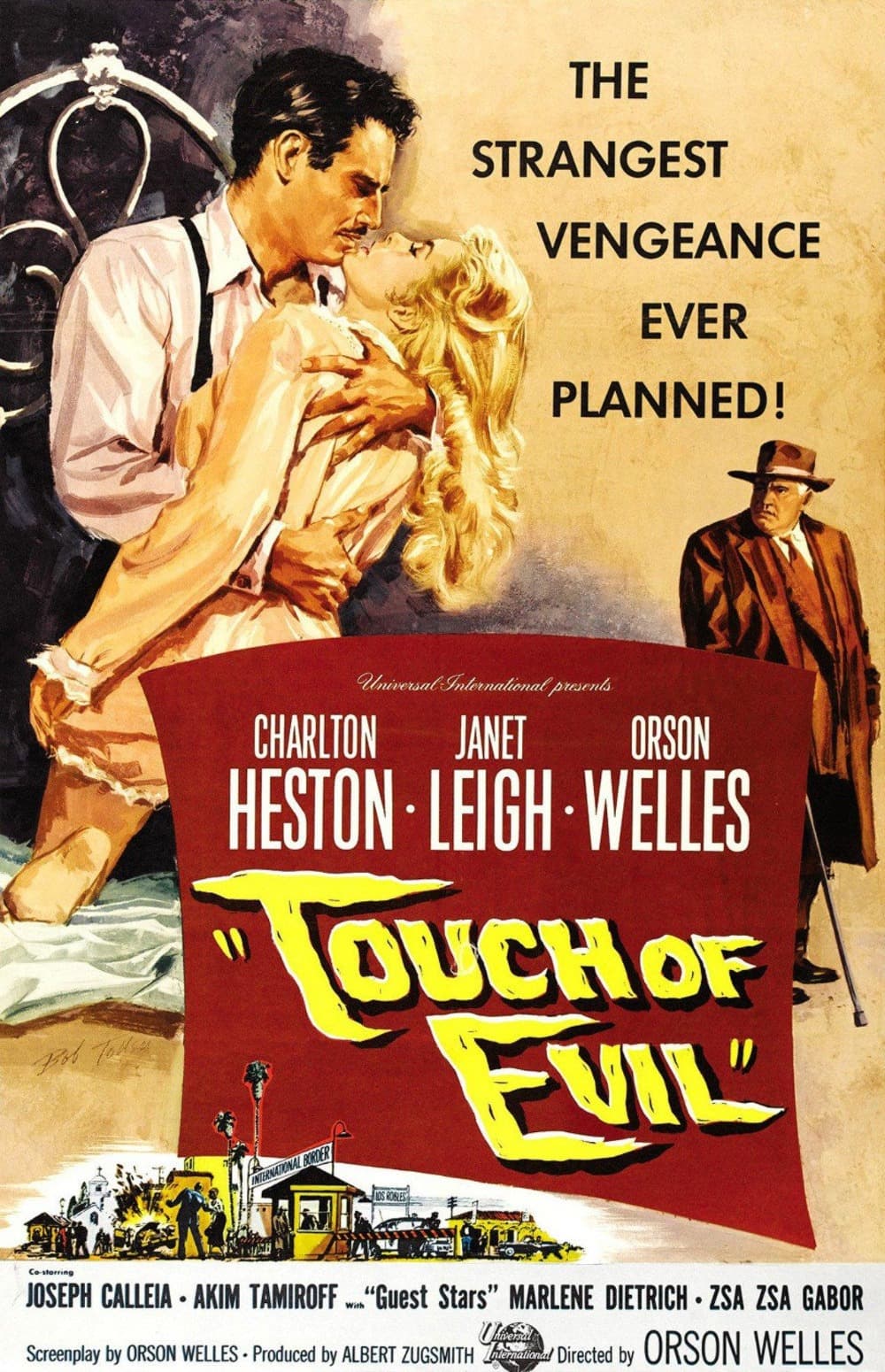
The opening crane shot is the most studied three minutes in film school: Welles was fired off his own picture, and the version we watch was restored from his memo.
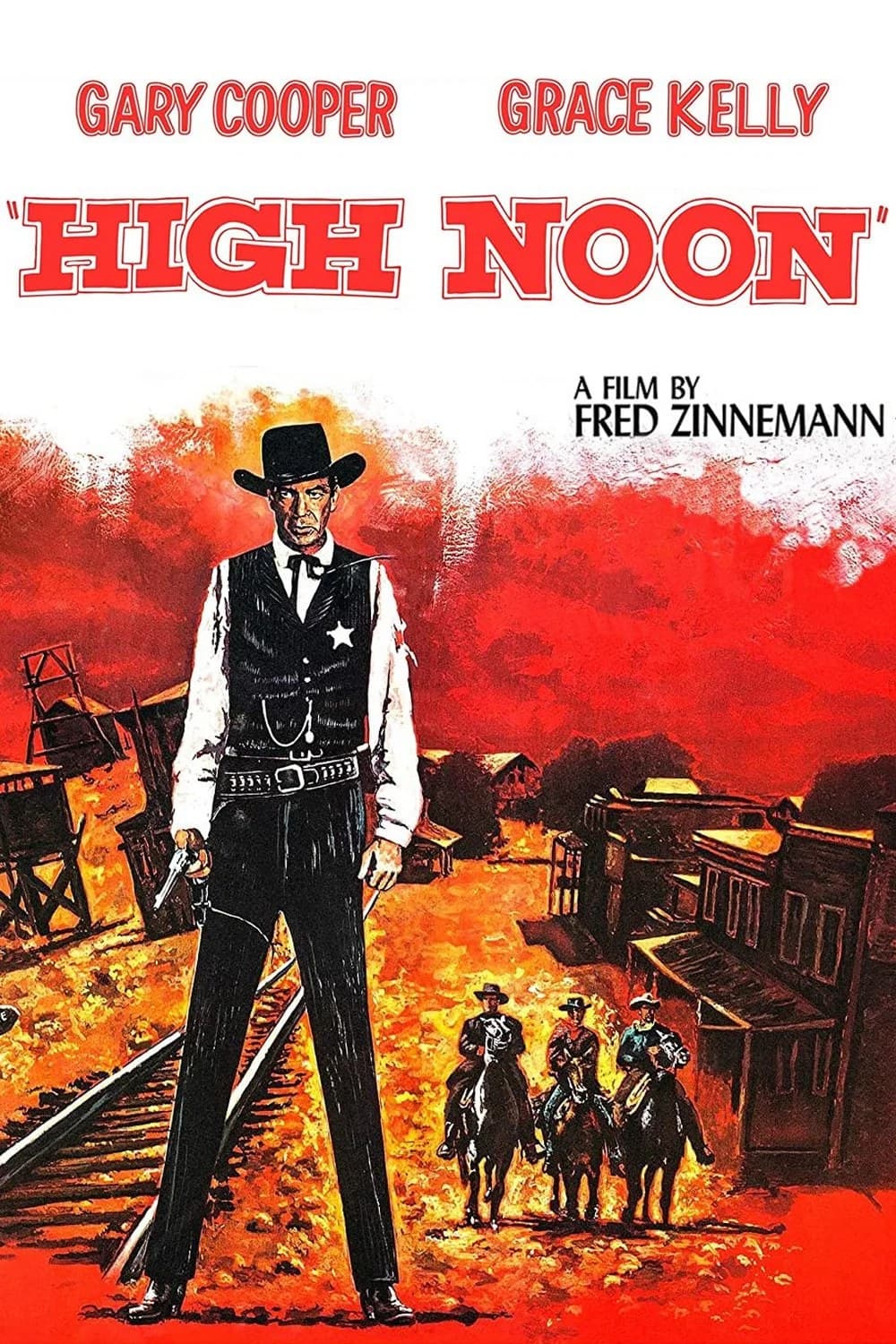
Written as an allegory about the blacklist by a man about to be blacklisted: a marshal has eighty-five minutes before the noon train, and the film runs them in step.
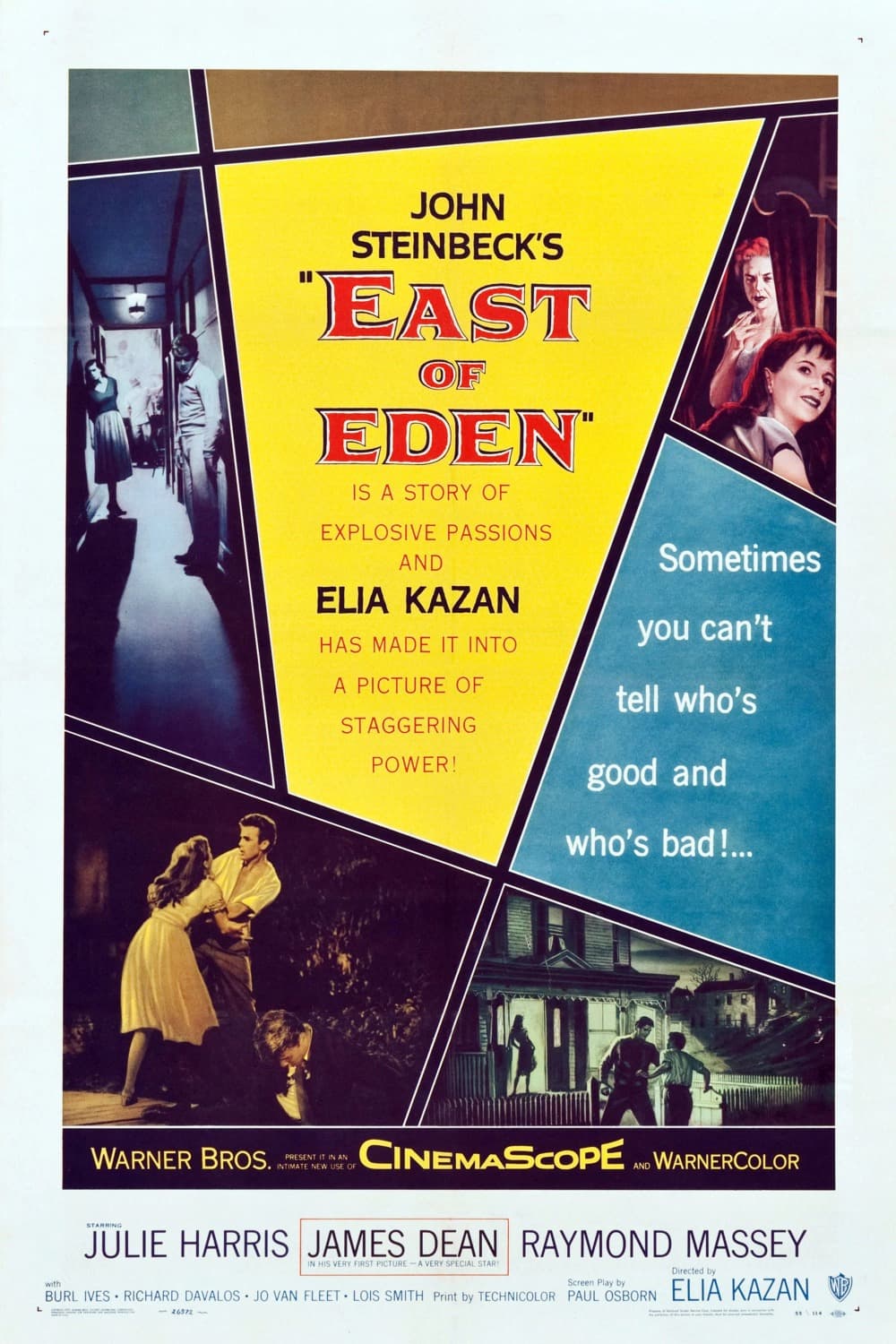
The only James Dean performance released while he was still alive: Steinbeck's Cain and Abel moved to a California lettuce valley, and Dean improvises his way through it.
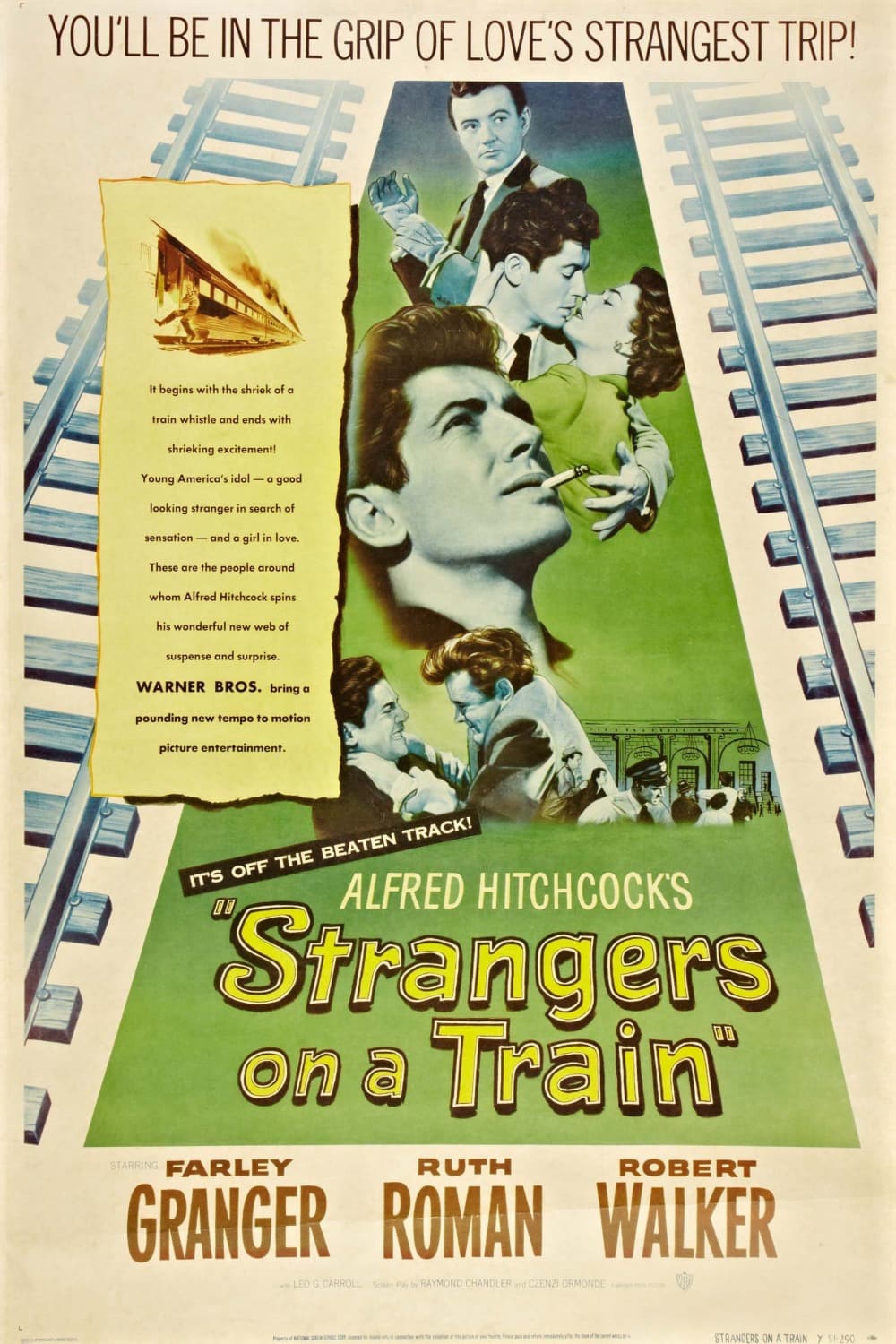
The premise is so clean that thrillers have been borrowing it for seventy years: two men meet on a train and one of them proposes swapping murders.
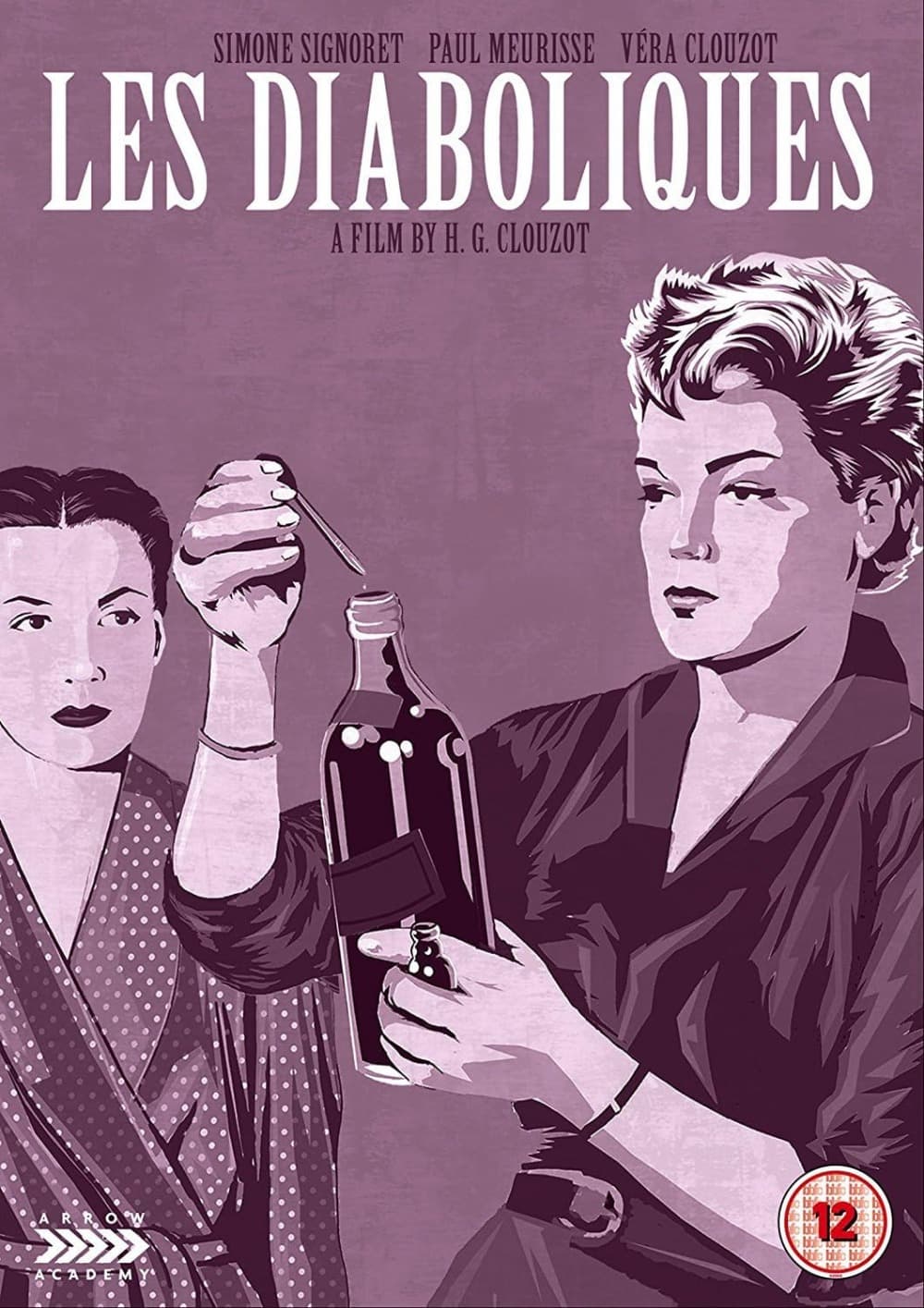
Clouzot got to the material just before Hitchcock could buy it and made the more frightening film: a wife and a mistress conspire against the same terrible man.
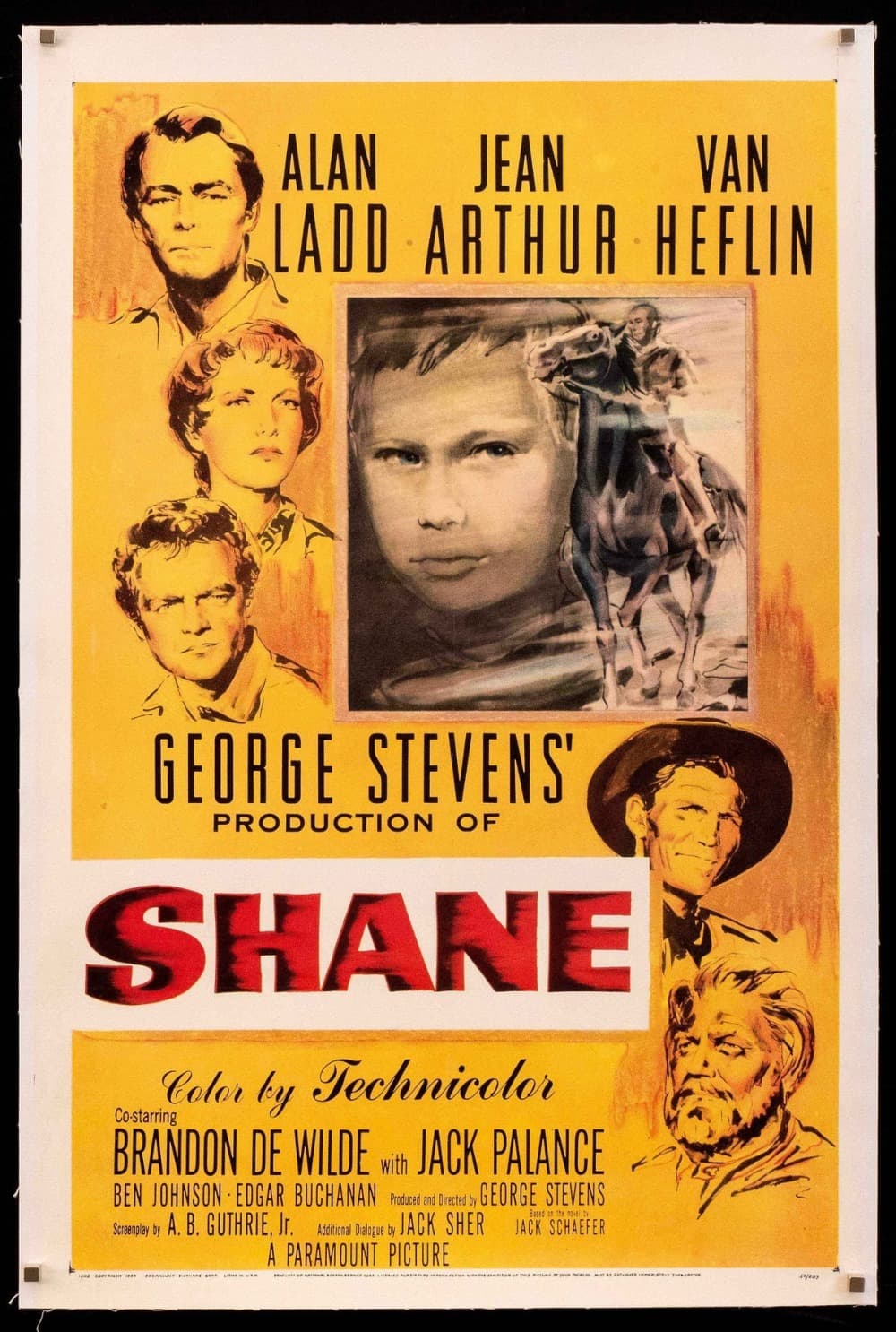
The western seen entirely through a small boy's worship, which is the honest way to look at it: a gunfighter tries to stop being one and cannot.
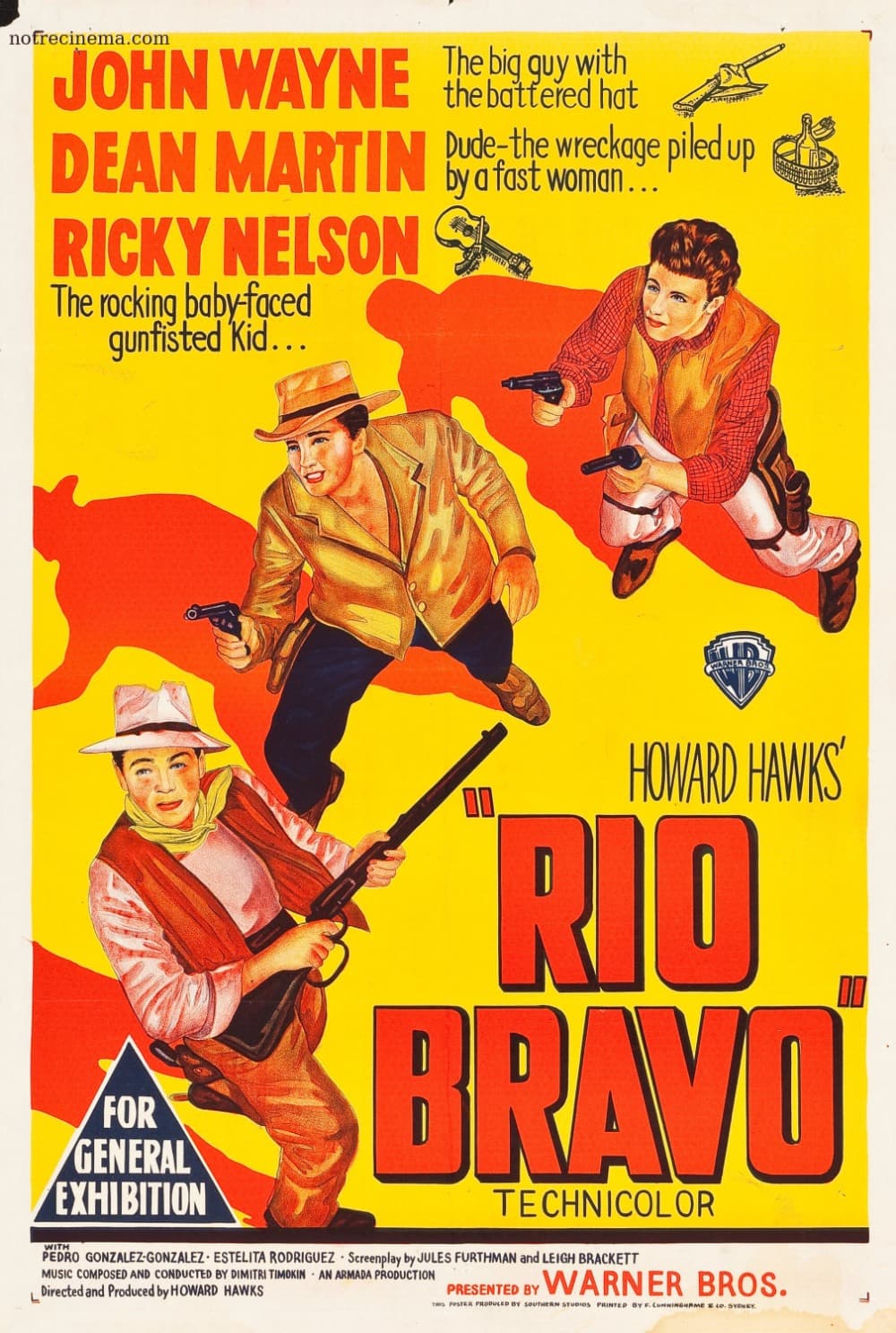
Hawks made it as an argument against High Noon: instead of a marshal begging for help, four flawed men hold a jail and enjoy each other's company doing it.
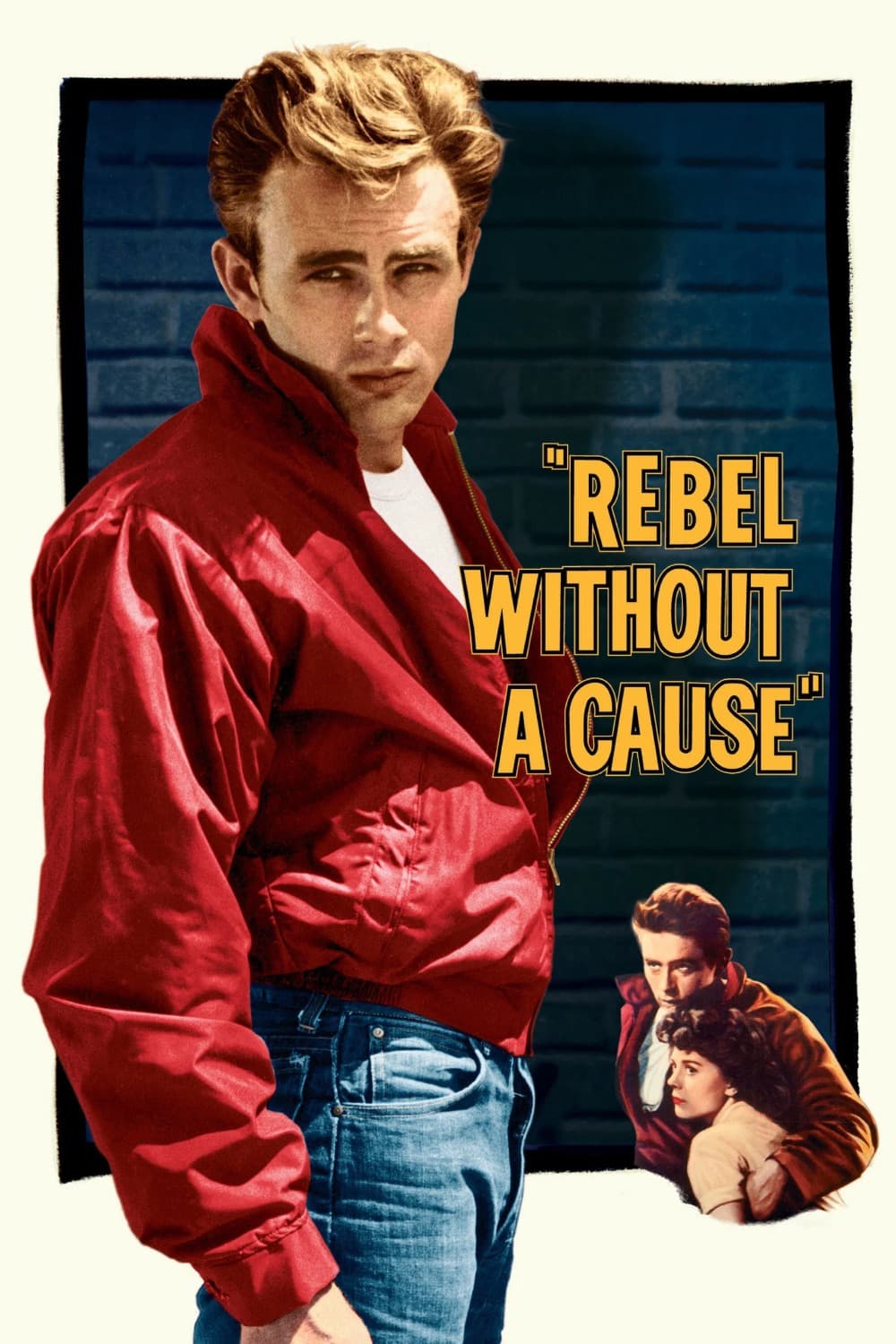
The teenager as a subject starts here: James Dean in a red jacket, a knife fight at an observatory, and parents who have no idea what is happening.
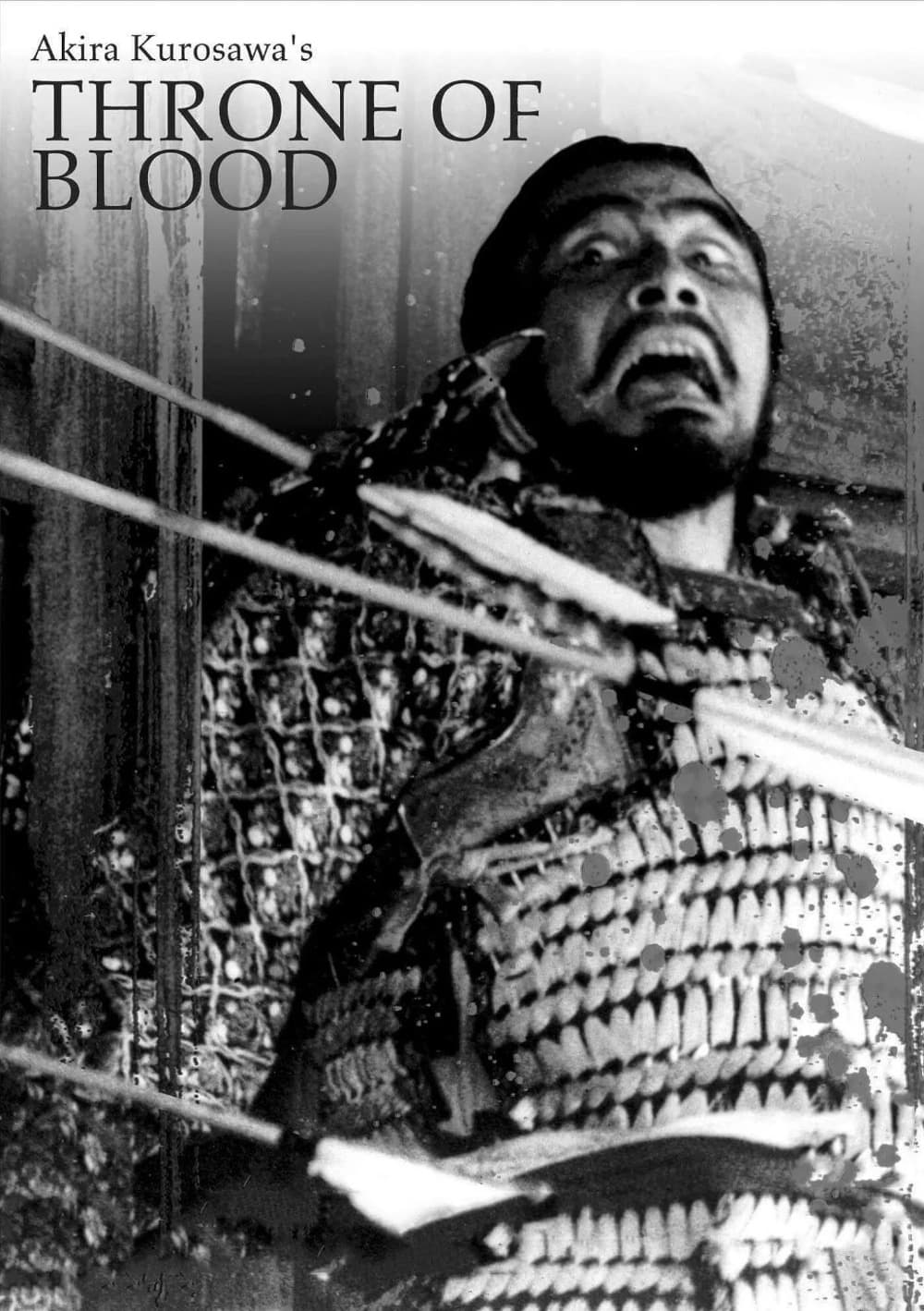
Shakespeare's Macbeth moved to sixteenth-century Japan with every line of the poetry gone: Kurosawa substitutes fog, Noh masks worn as faces, and a forest that seems to be watching the castle.
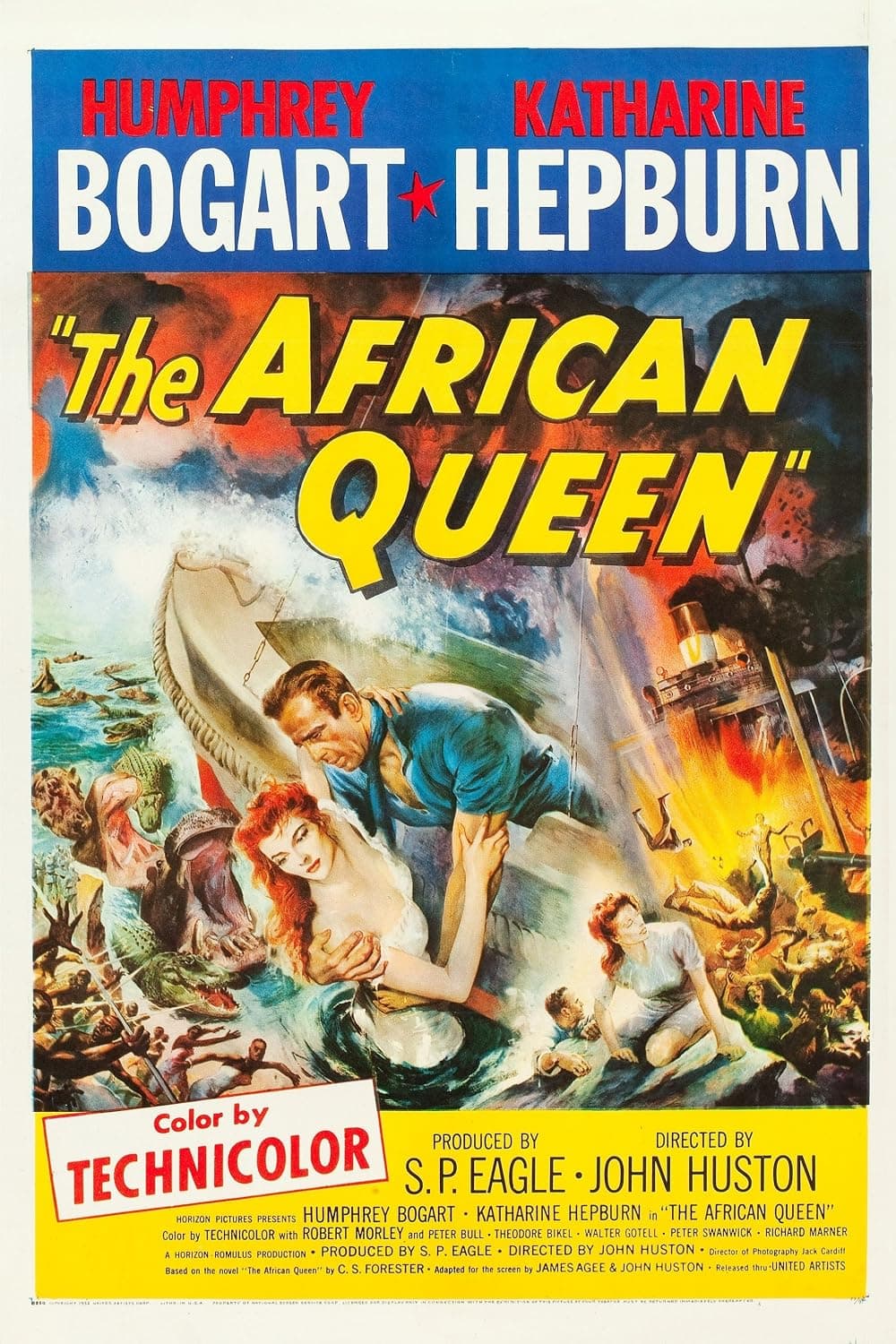
Huston took the production into the Congo and almost everyone fell ill: what came back is Bogart and Hepburn on a battered steam launch, insulting each other into something like love.
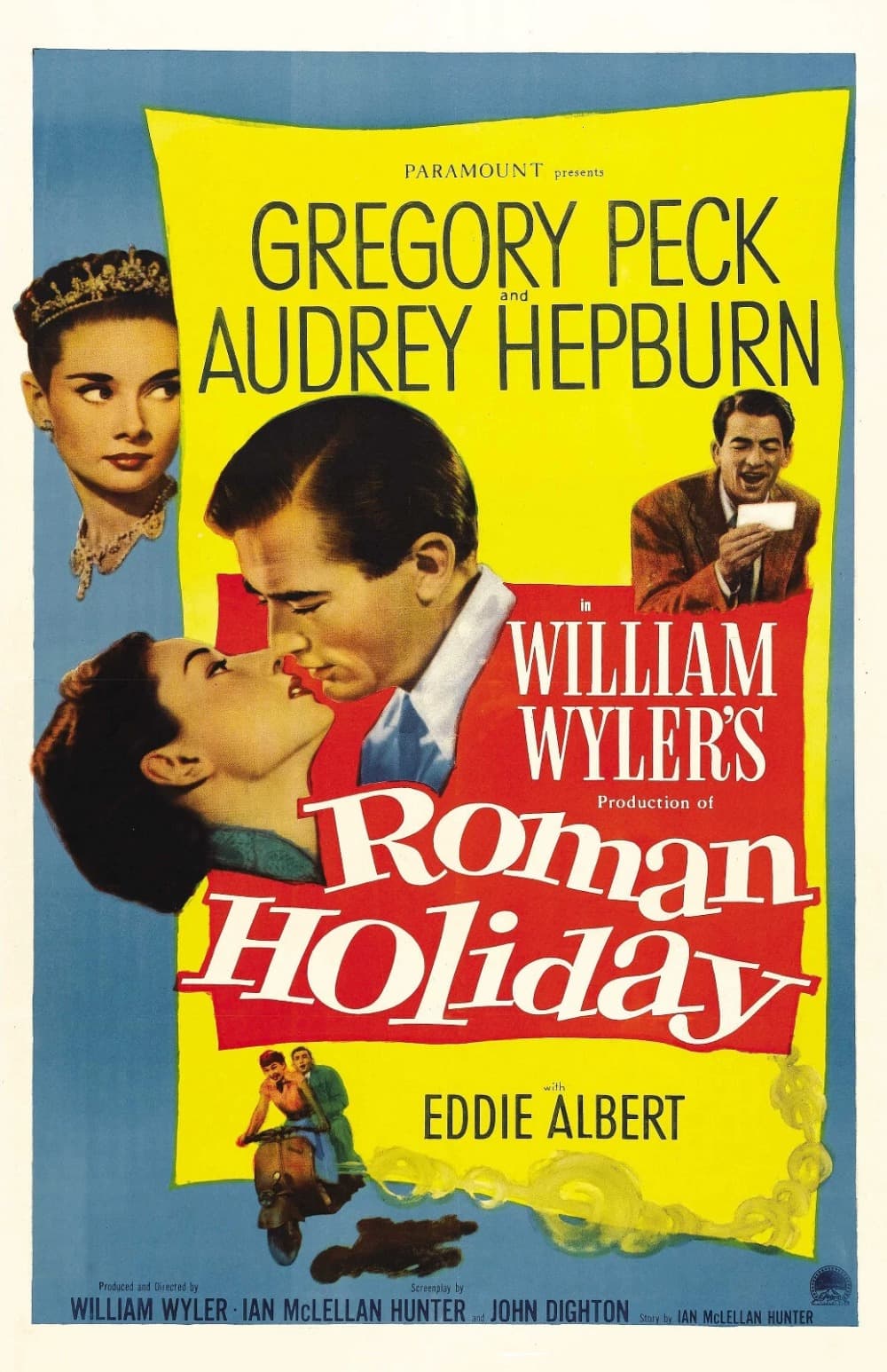
Audrey Hepburn became a star overnight and Dalton Trumbo wrote the script while blacklisted: a princess slips her handlers for one unscheduled day in Rome, with a reporter who knows who she is.
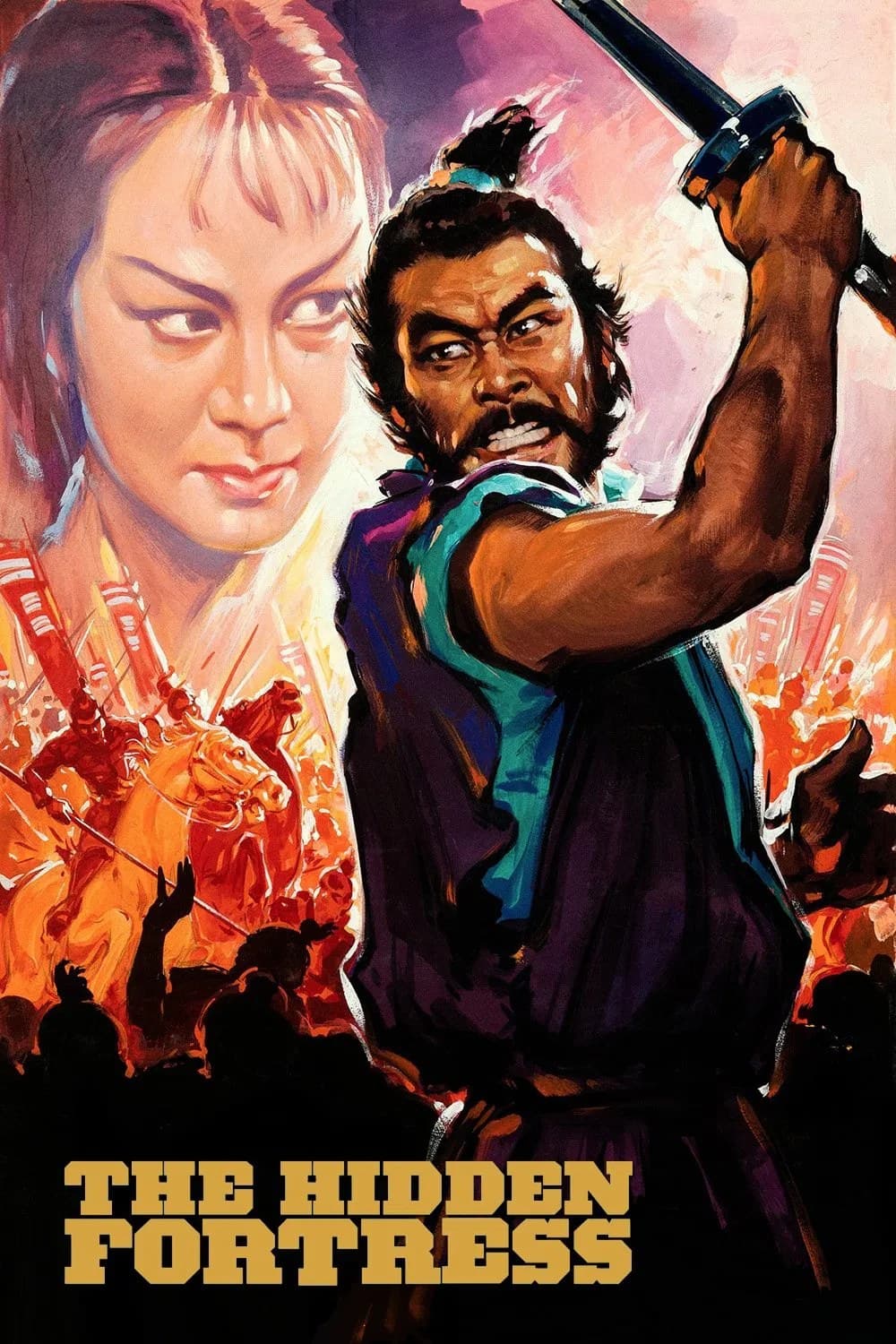
Lucas took the two bickering peasants and turned them into R2-D2 and C-3PO: Kurosawa's first widescreen film tells an escape story from the point of view of its most useless characters.
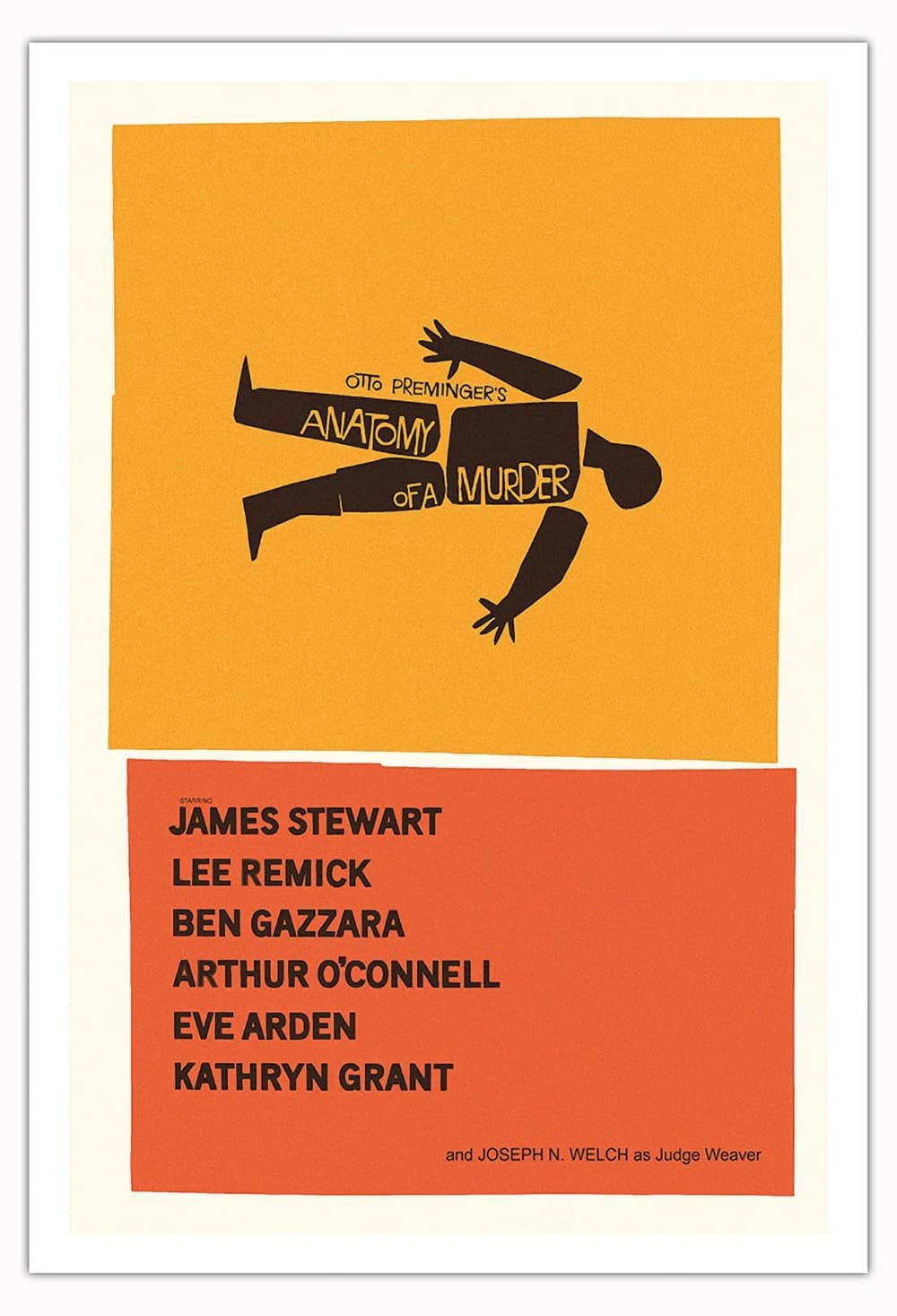
The Army-McCarthy hearings lawyer Joseph Welch plays the judge and Duke Ellington wrote the score: a murder trial turning on an alleged rape, argued in language so frank that 1959 audiences were shocked.
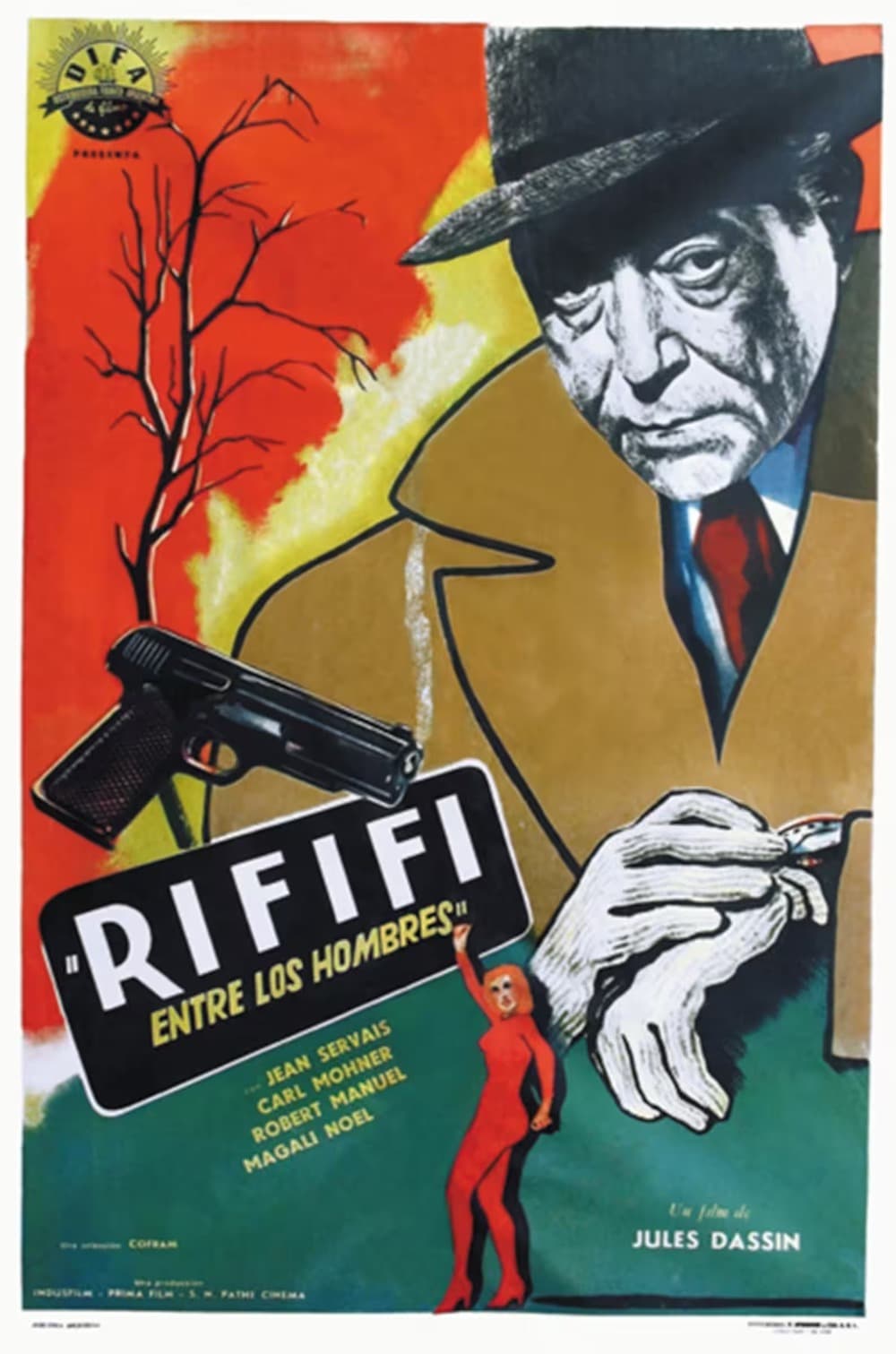
Dassin was blacklisted out of Hollywood and made this in France for almost nothing: the half-hour robbery at its center plays in near-total silence, and the genre has been imitating it since.