
19th century
Showing 2,087 works across all media from the 19th century
War and Peace
Five families carried through Napoleon's invasion of Russia, with battle, marriage, farming, and a theory of history held in one design. You finish it knowing these people better than your own friends.

Symphony No. 9
Amateur players filled out the orchestra at the premiere after only two rehearsals, and the singers complained that the high notes were unsingable.

The Brothers Karamazov
Old Karamazov is murdered and each of his three sons had reason. Around the crime Dostoevsky stages the fiercest argument fiction has ever made about God and the suffering of children.
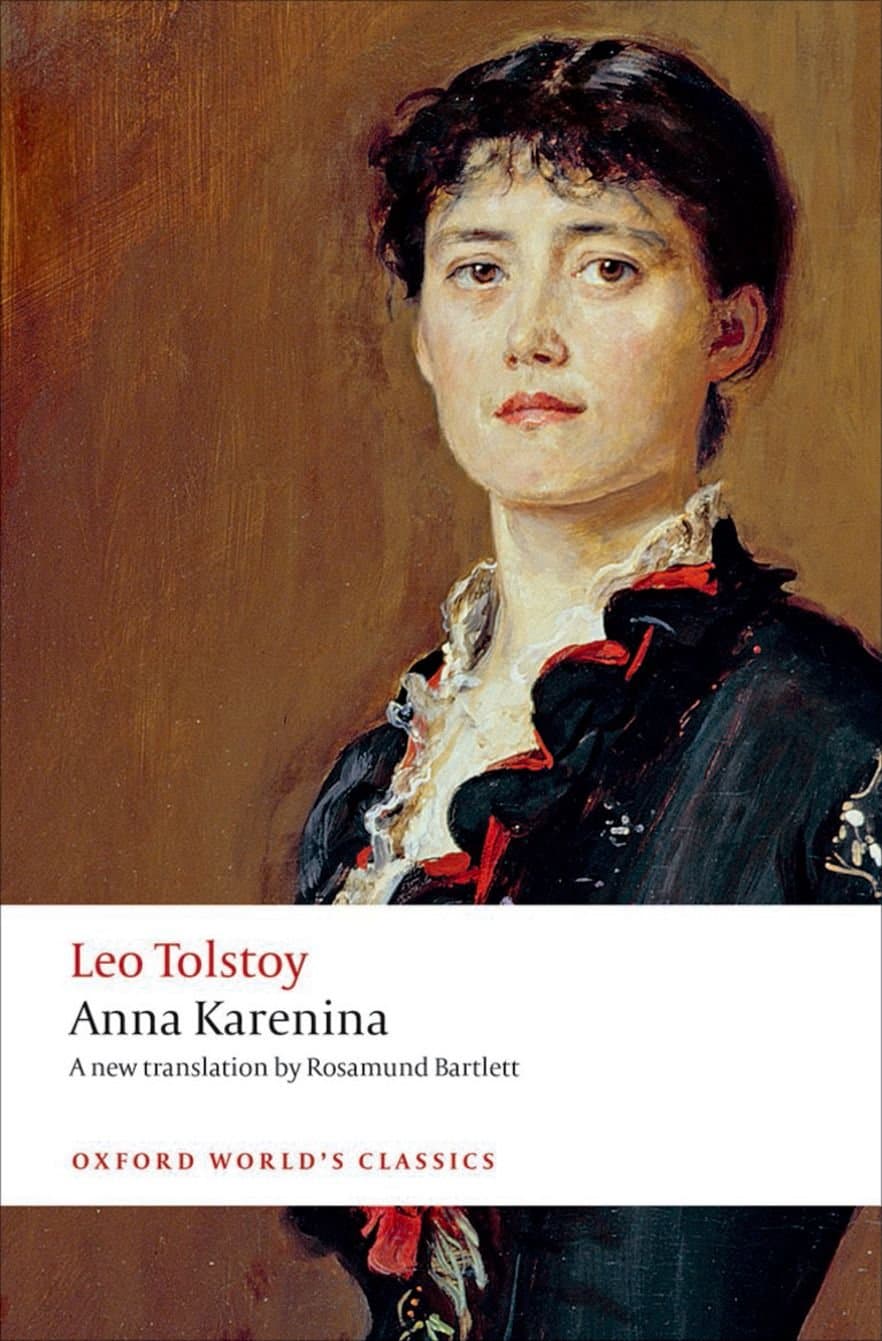
Anna Karenina
Anna leaves her husband for a young officer while, in the other half of the book, Levin farms and marries and worries about God. Tolstoy gives both lives the same total sympathy.
The history of all hitherto existing society is the history of class struggles.

Crime and Punishment
Raskolnikov murders a pawnbroker to prove he stands above ordinary morality, then comes apart as a magistrate circles him. It reads like a thriller and works like a confession.
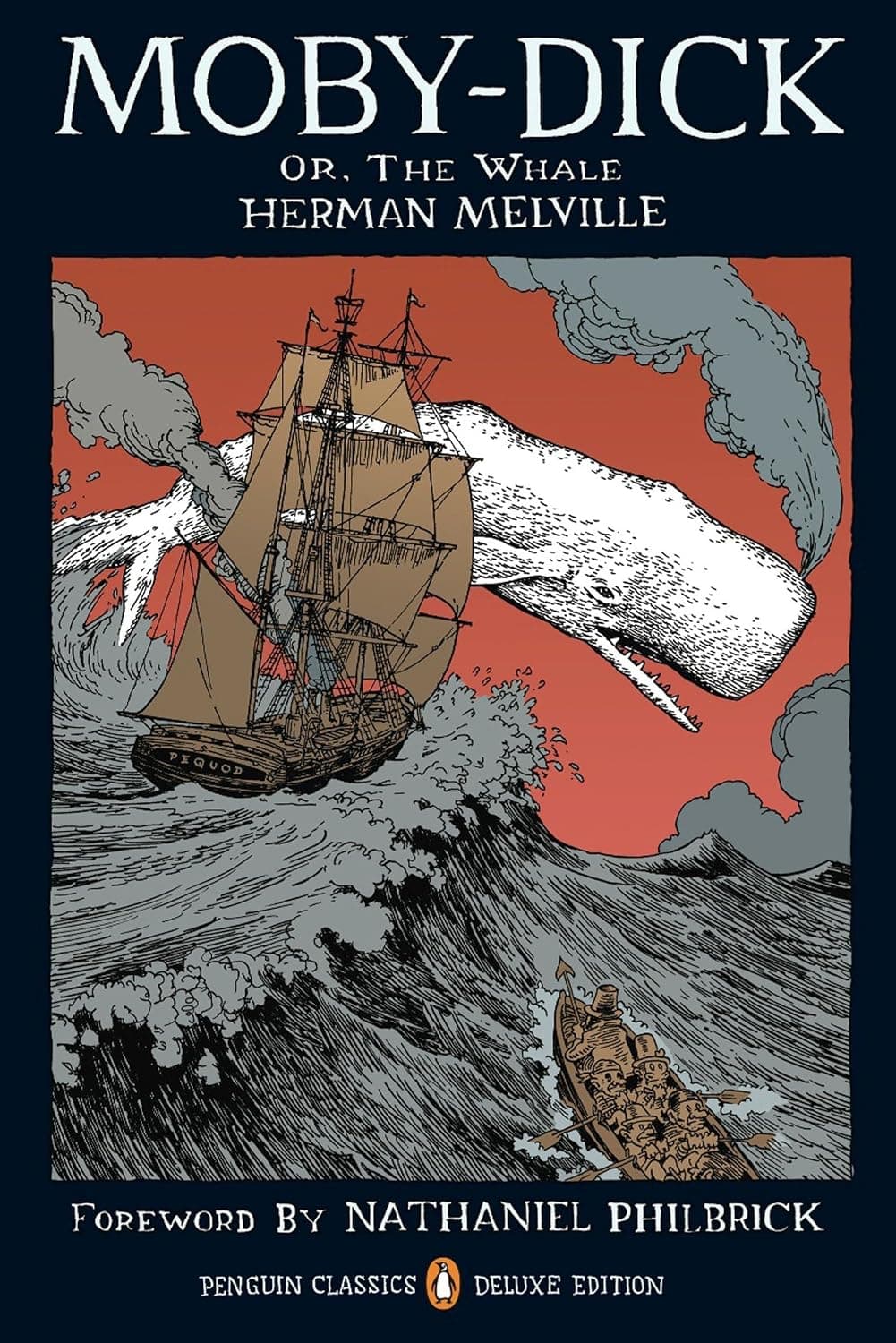
Moby Dick
American fiction has attempted nothing bigger. Ahab drags a whaling crew across the world after the whale that took his leg, and Melville keeps stopping the hunt to explain whales.
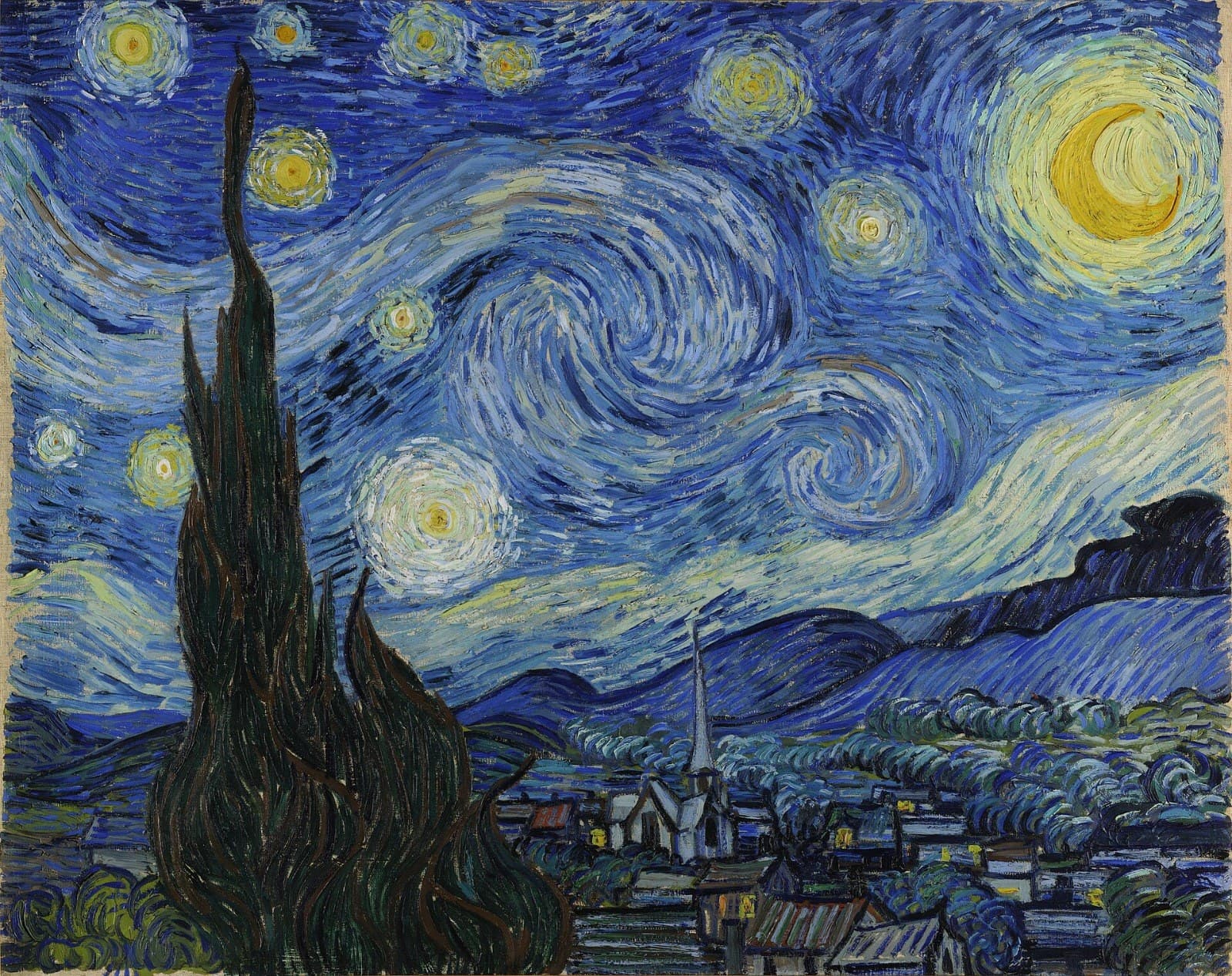
Starry Night
Van Gogh painted the churning sky and its eleven stars from a window of the asylum at Saint-Rémy, partly from memory.
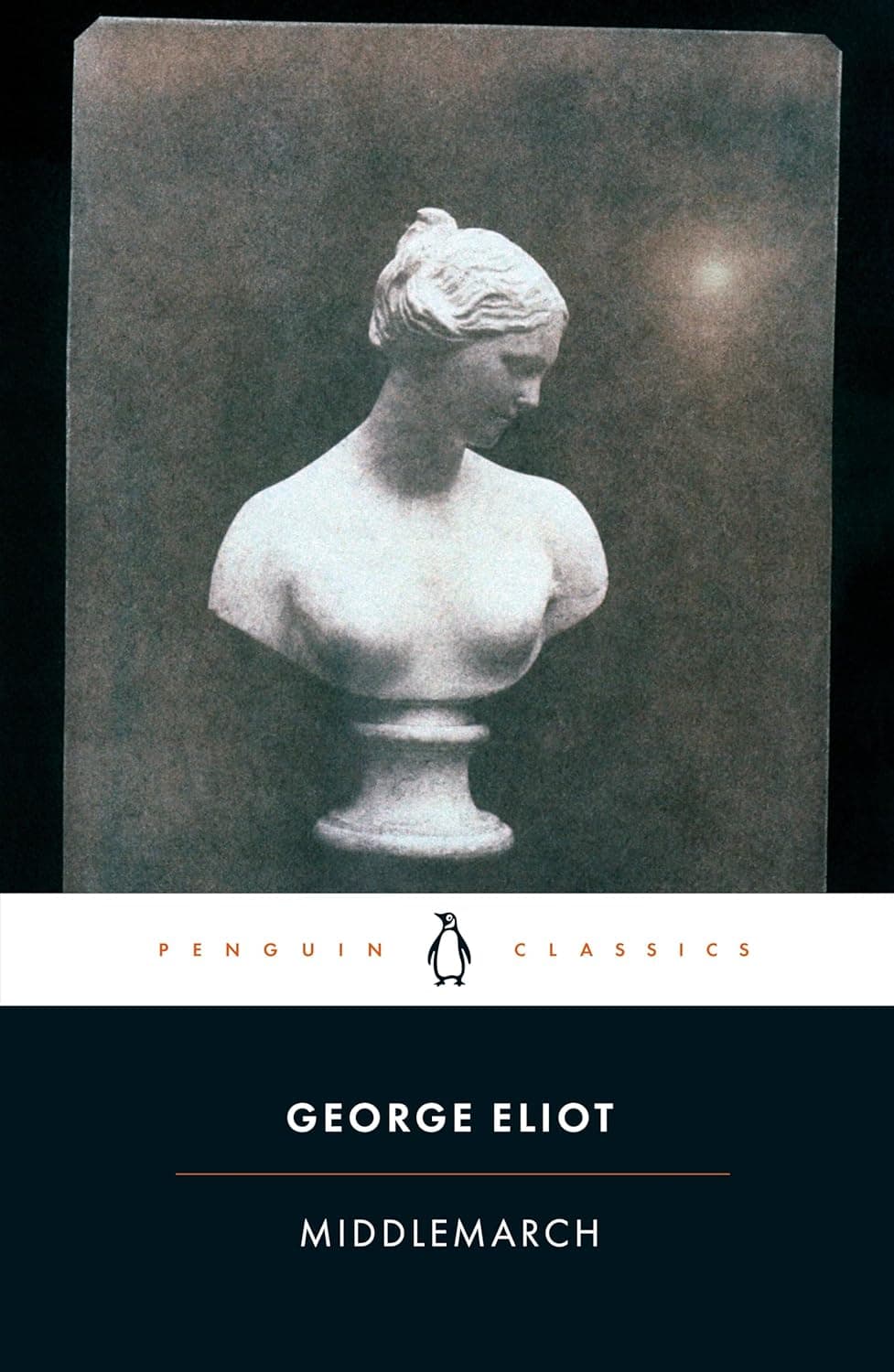
Middlemarch
Dorothea Brooke marries a dry scholar for the wrong reasons and a gifted doctor lets small compromises close around him. Eliot knows more about how people actually fail than any English novelist.
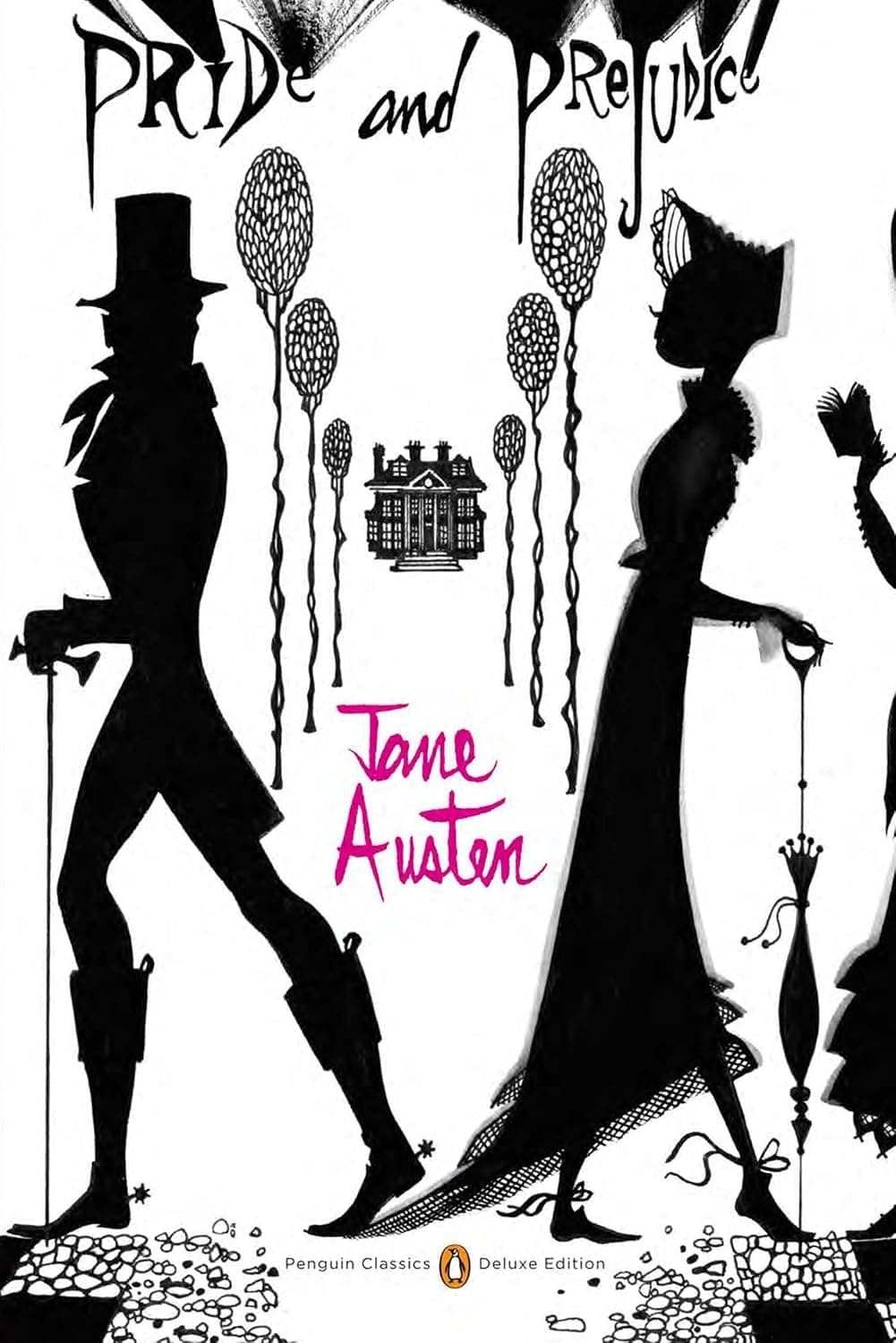
Pride and Prejudice
Elizabeth Bennet and Darcy dislike each other on sight and spend the novel being wrong. Austen wrote conversation better than anyone in English, and readers return to it their whole lives.
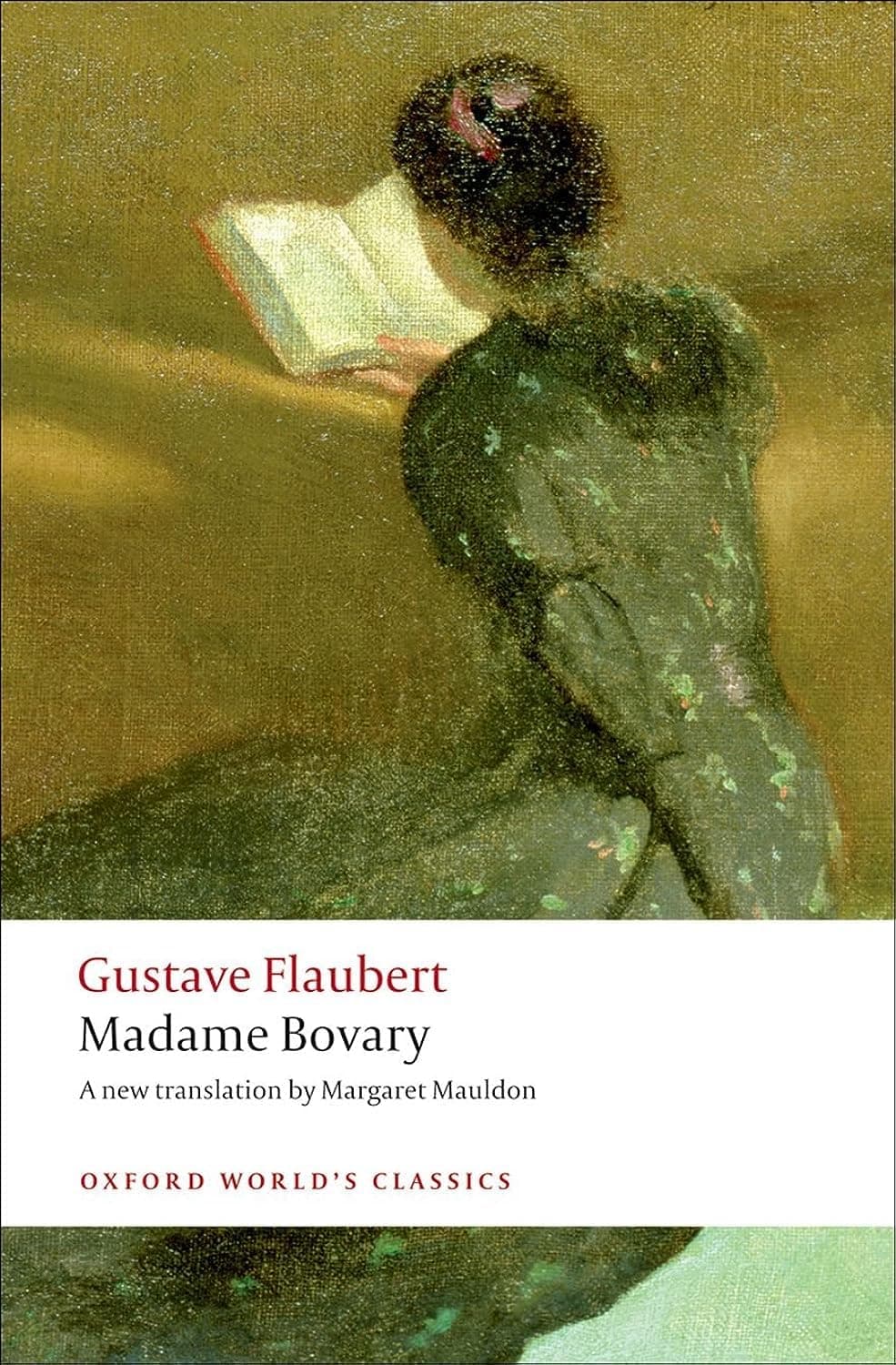
Madame Bovary
Emma Bovary reads romances, takes lovers, and runs up debts trying to feel something in a provincial town. Flaubert weighed every sentence, and modern fiction's idea of style begins with him.
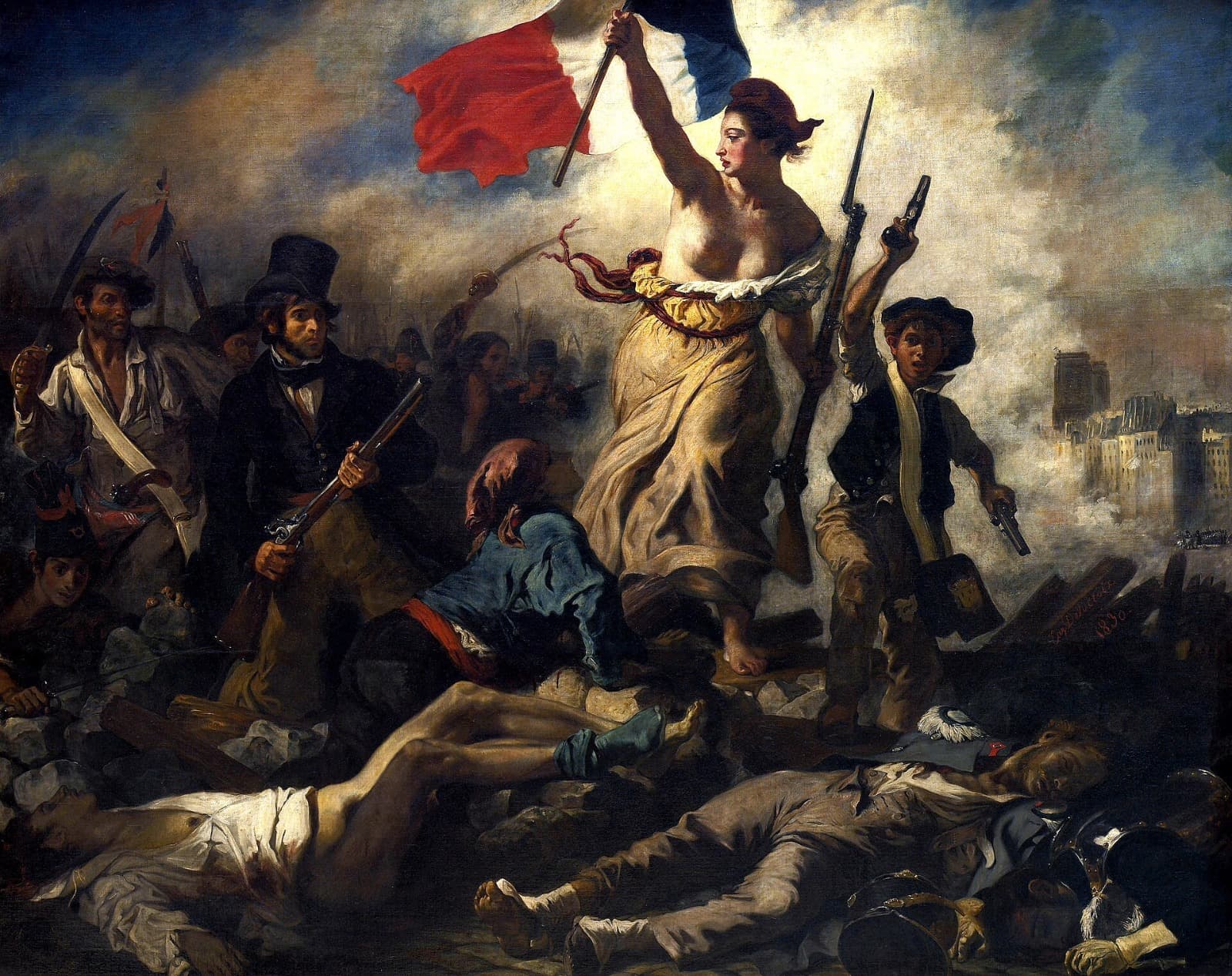
Liberty Leading the People
Liberty carries the tricolor over the barricade with a boy waving pistols beside her, painted within months of the revolution it shows.

The Third of May 1808
A lantern lights a man in a white shirt throwing his arms wide before the firing squad. Goya painted it six years later.
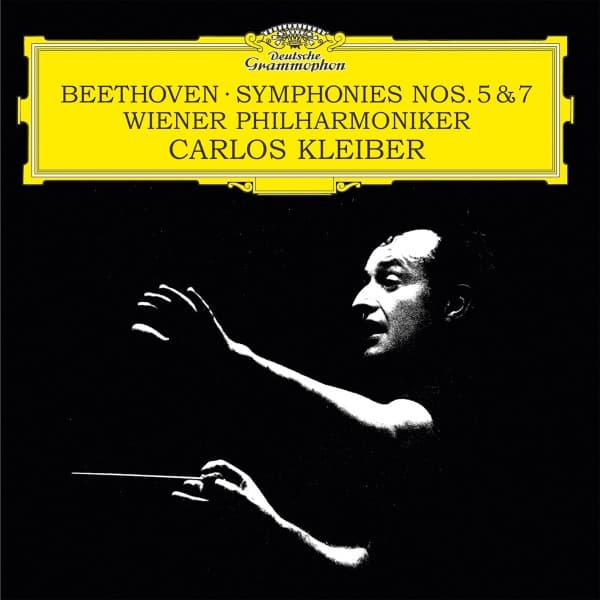
5th Symphony
Four notes, then half an hour that never lets up. It premiered in an under-rehearsed, freezing four-hour concert that nobody enjoyed.

The Great Wave off Kanagawa
Hokusai was in his seventies when he made this, using a Prussian blue newly imported from Europe, with Fuji small and calm in the trough.

Adventures of Huckleberry Finn
Huck runs off down the Mississippi with Jim, who is escaping slavery, and the moment he decides he would rather go to hell than turn him in is the hinge of American fiction.
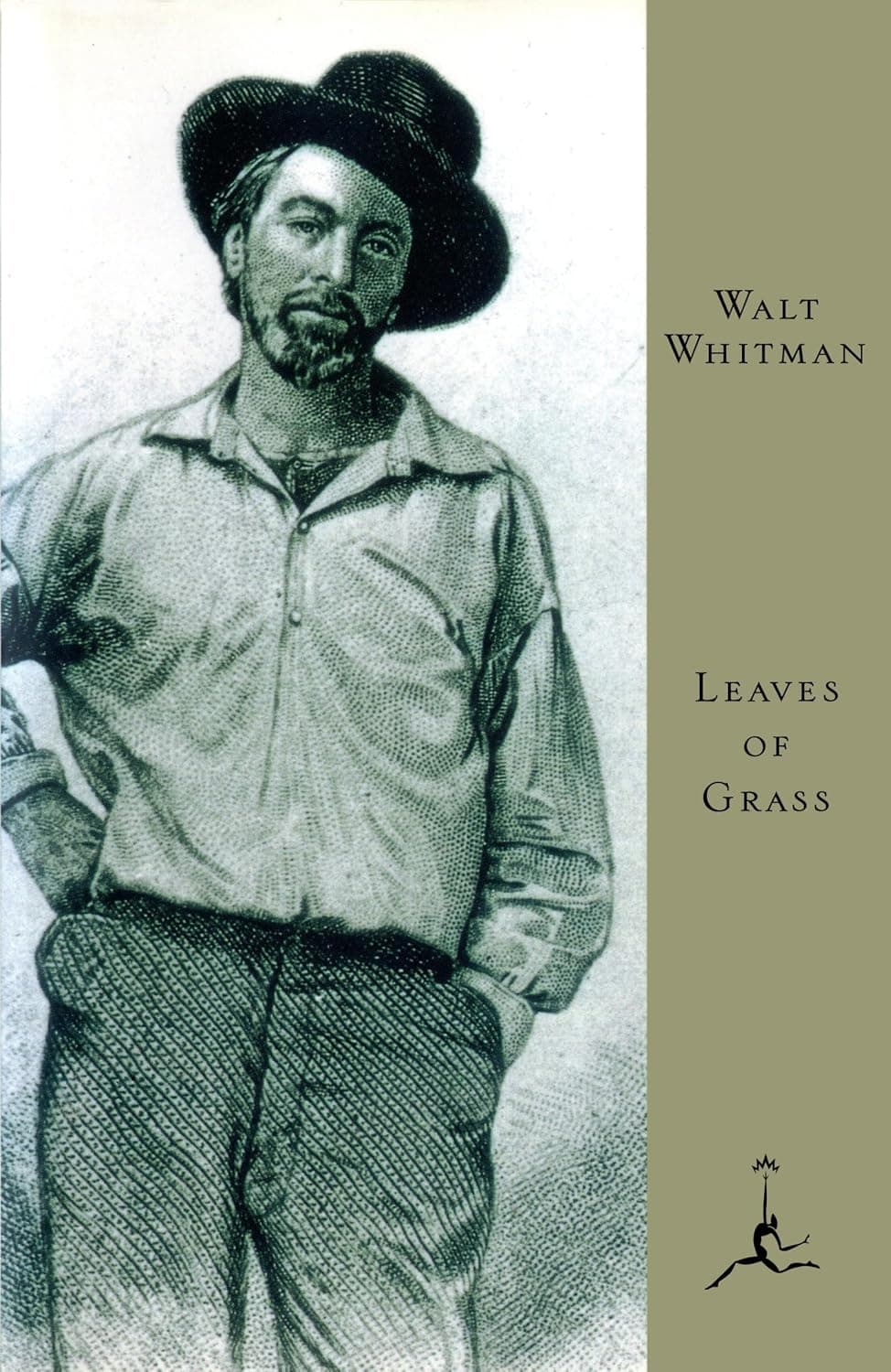
Leaves of Grass
Whitman threw out rhyme and meter to write the body, the country, and himself at full voice. In "Song of Myself" he speaks straight at you, delighted that you finally showed up.
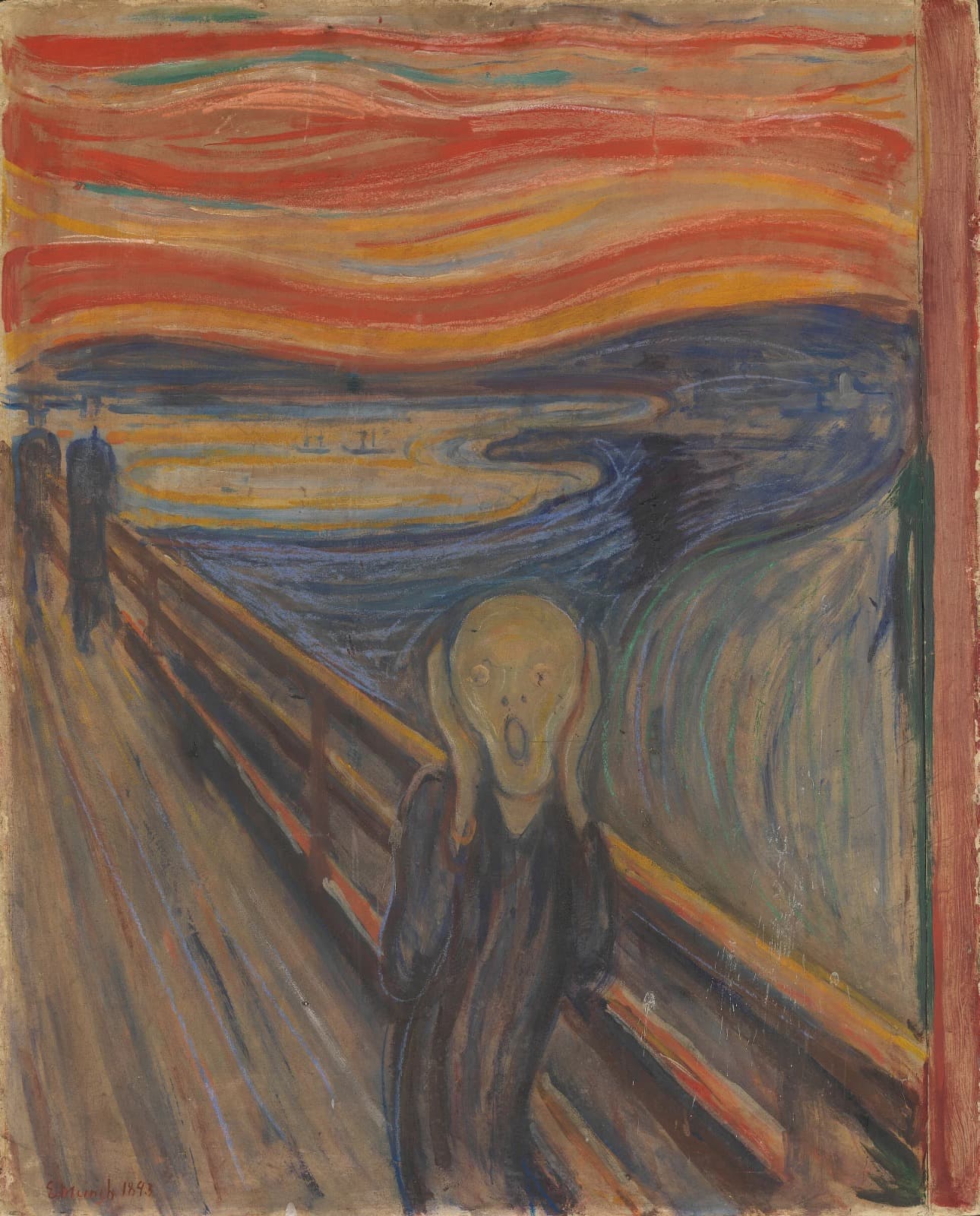
The Scream
Munch said an infinite scream was passing through nature, and put two figures on the bridge behind who walk on without noticing.
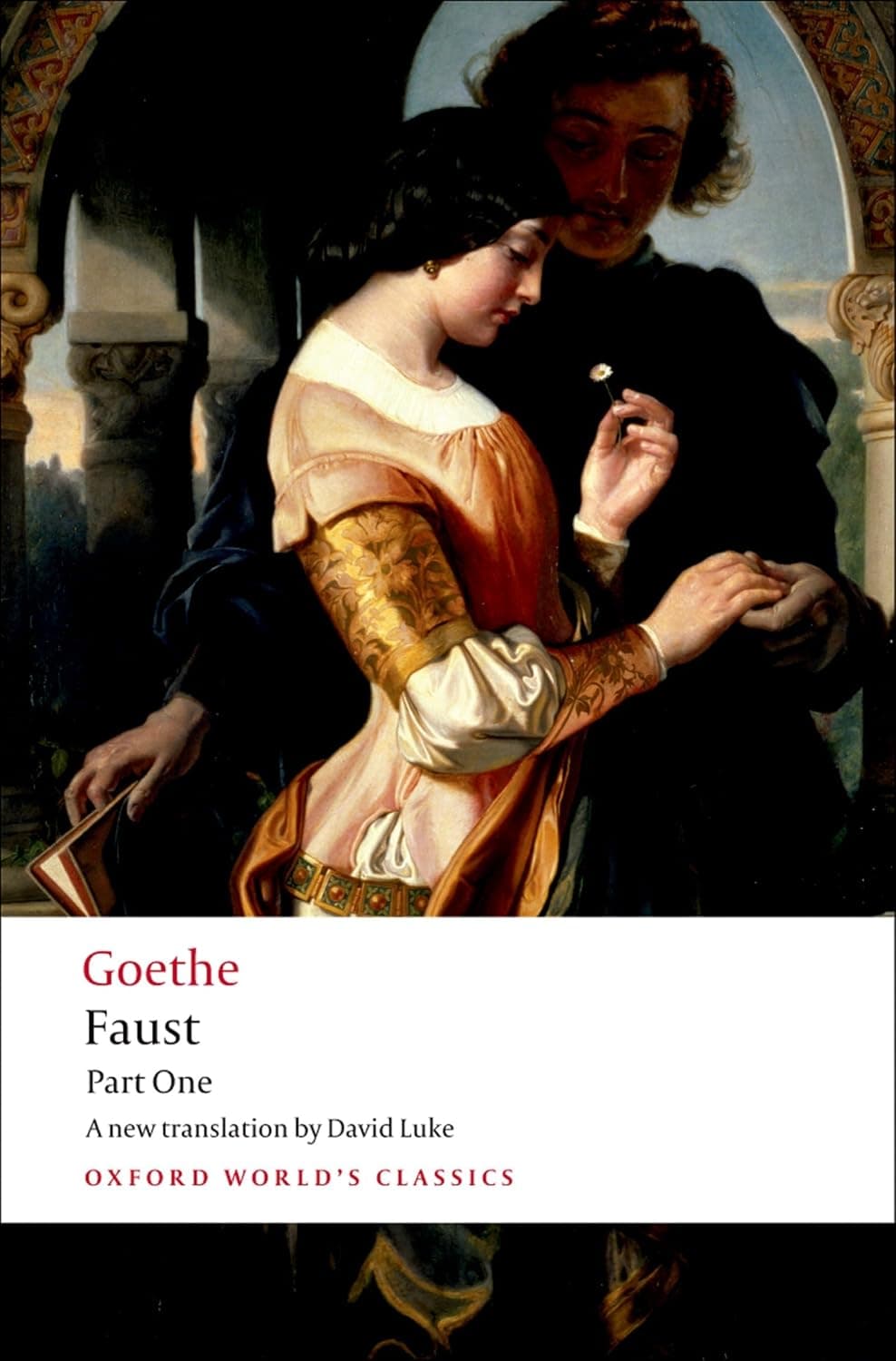
Faust, Part One
Having learned everything and felt nothing, a scholar bets the devil that no moment will ever satisfy him. Then Mephistopheles introduces him to a girl named Gretchen, and Goethe follows the damage down.

On The Origin of Species
More creatures are born than can survive, they differ, and the useful differences carry forward. Darwin builds that one plain idea into an explanation of every living thing on earth.
Happy families are all alike; every unhappy family is unhappy in its own way.
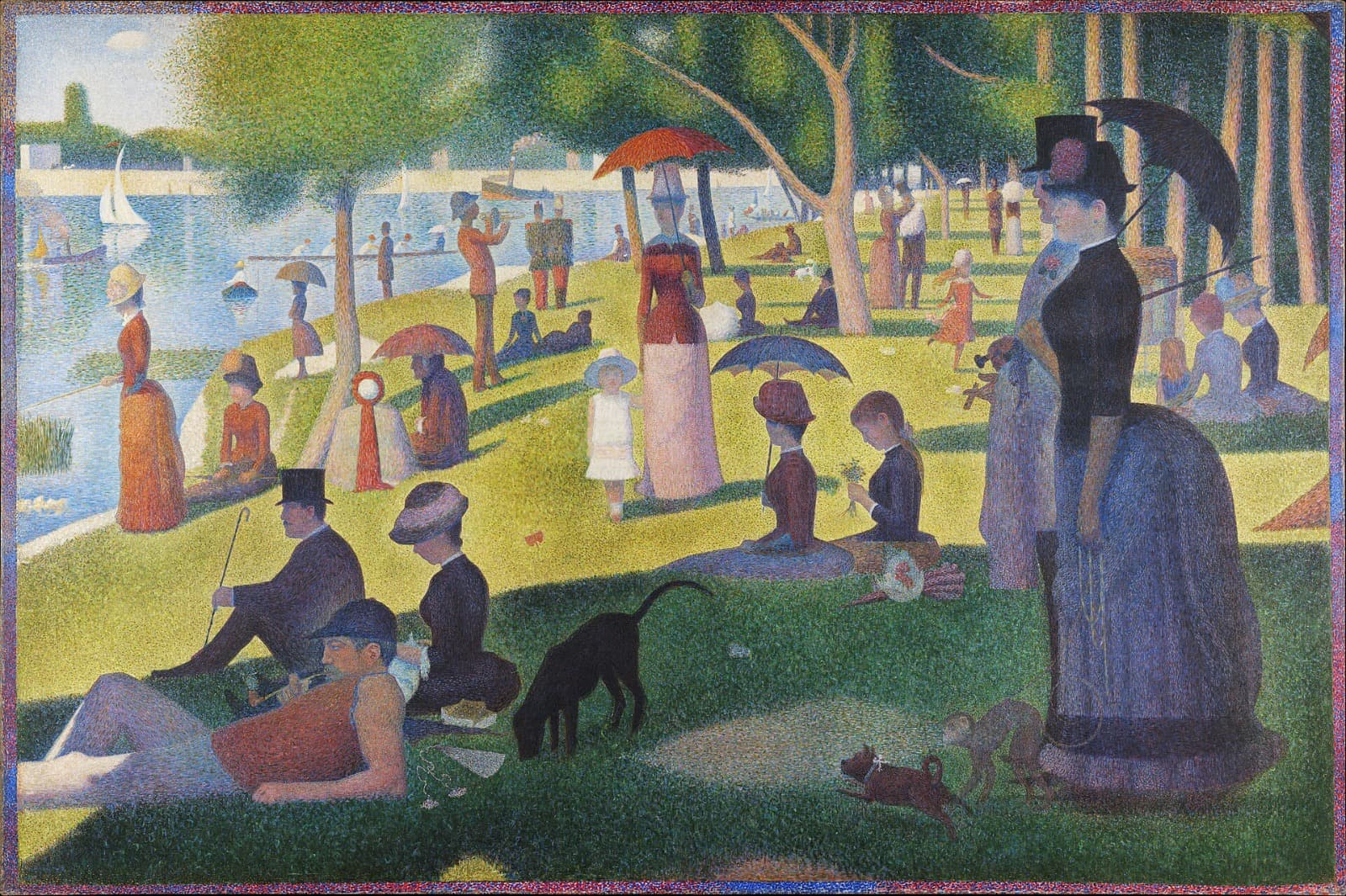
A Sunday Afternoon on the Island of La Grande Jatte
Seurat spent two years building this riverbank out of tiny dots of unmixed color, applying optical theory to a crowd standing oddly still.
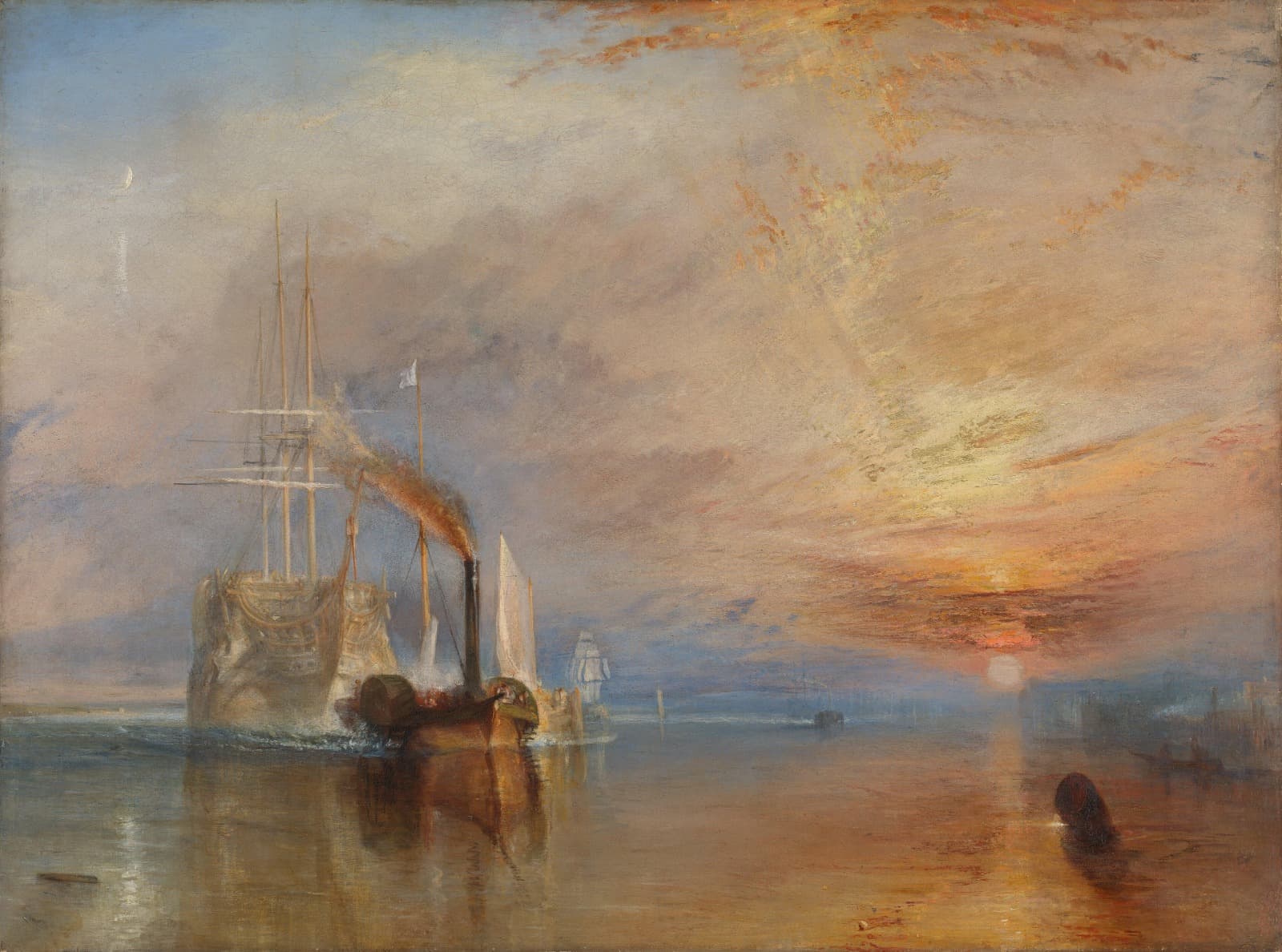
The Fighting Temeraire
A steam tug hauls a Trafalgar warship off to be broken up. Turner refused to sell the picture and left it to the nation.

A Bar at the Folies-Bergere
Manet worked from a real barmaid named Suzon and put her reflection in the wrong place, which people have been arguing about ever since.

Raft of the Medusa
Survivors of a real shipwreck pile toward a speck of sail on the horizon. Géricault studied corpses and asylum patients before he began.

The Essential Emily Dickinson
Dickinson wrote nearly eighteen hundred poems in a Massachusetts bedroom, on death, God, and her own mind, and remade the English lyric. Begin with "Because I could not stop for Death."
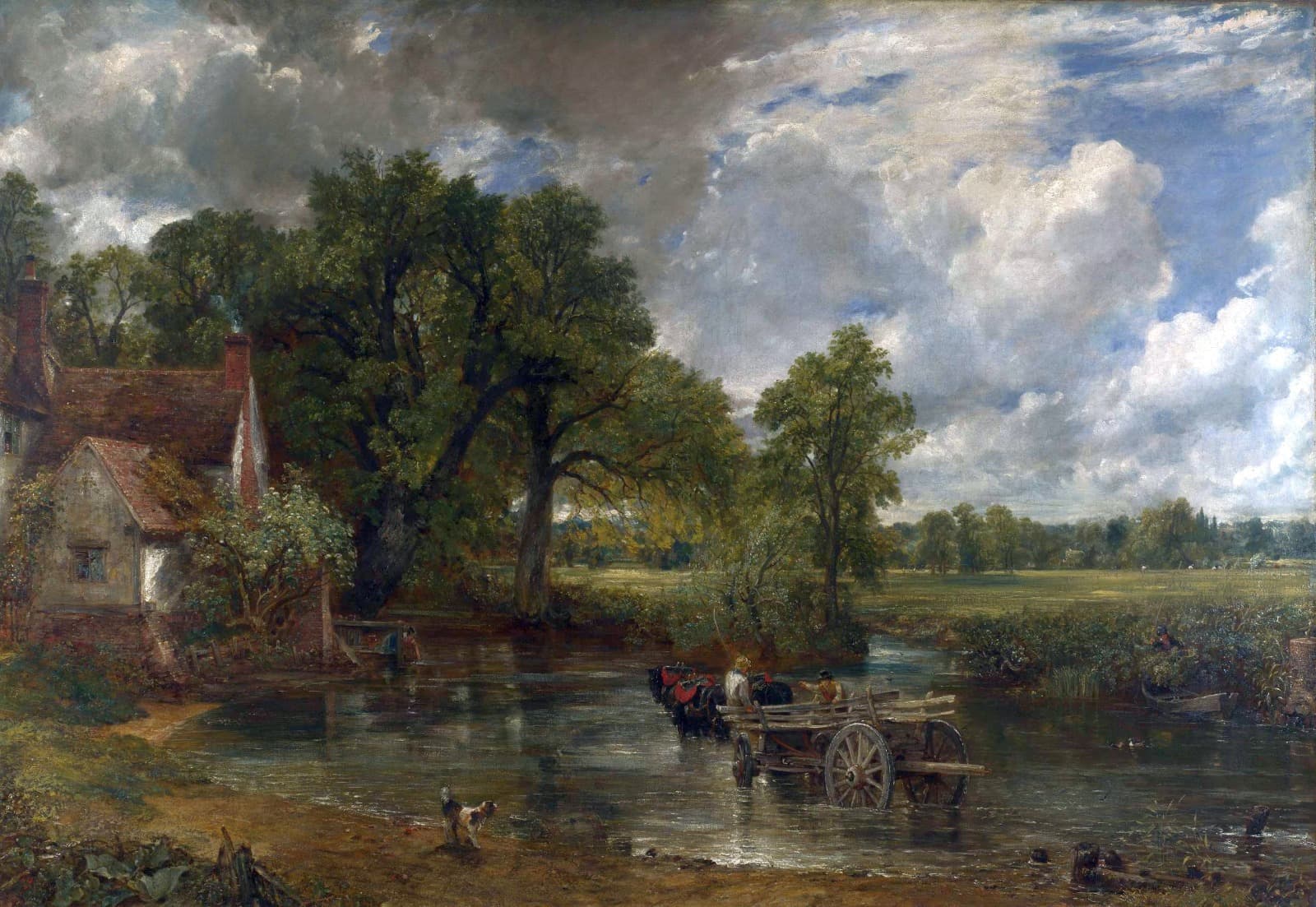
The Hay Wain
England ignored it, but the Paris Salon awarded it a gold medal in 1824 and sent Delacroix back to rework his own canvases.
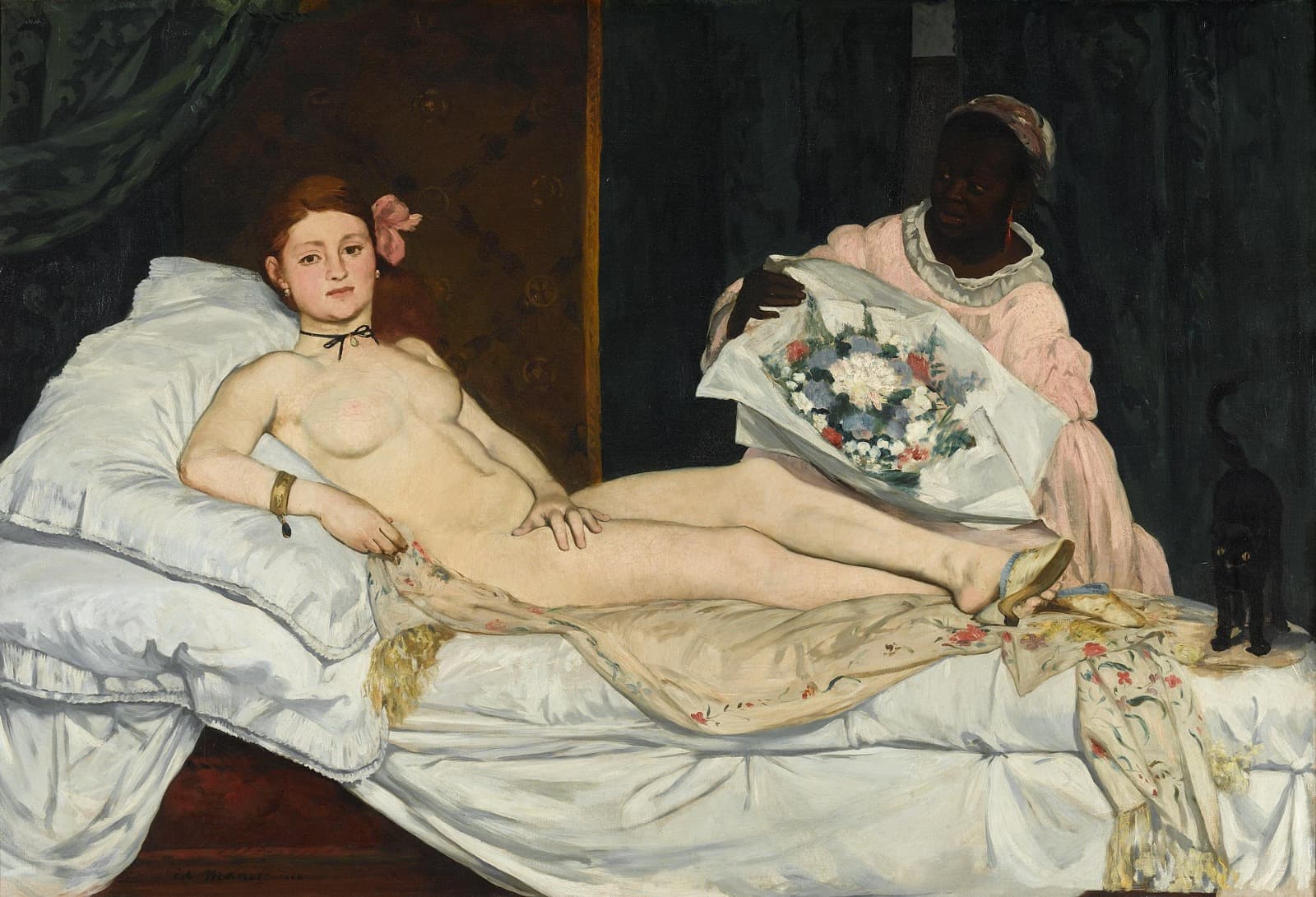
Olympia
Manet took the pose from Titian's Venus of Urbino and gave it to a prostitute who looks straight back. The 1865 Salon was scandalized.

Luncheon on the Grass
A naked woman picnics with two clothed men and looks calmly out at us. The Salon refused it, so it hung with the rejects.