War and Peace
1869 · 1392 pages
Five families carried through Napoleon's invasion of Russia, with battle, marriage, farming, and a theory of history held in one design. You finish it knowing these people better than your own friends.
★ 9.8
 skopia
Five families carried through Napoleon's invasion of Russia, with battle, marriage, farming, and a theory of history held in one design. You finish it knowing these people better than your own friends.

Raskolnikov murders a pawnbroker to prove he stands above ordinary morality, then comes apart as a magistrate circles him. It reads like a thriller and works like a confession.
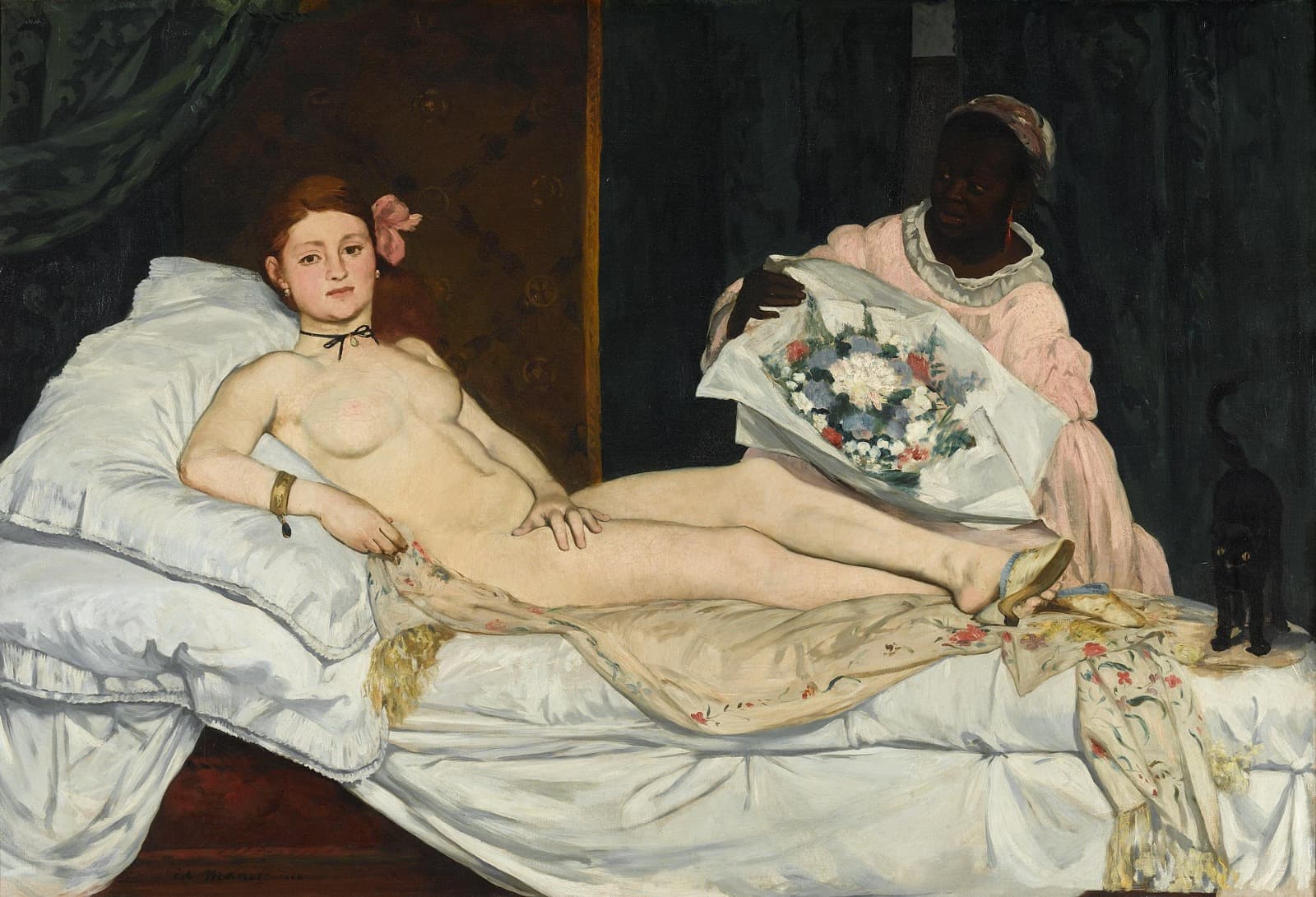
Manet took the pose from Titian's Venus of Urbino and gave it to a prostitute who looks straight back. The 1865 Salon was scandalized.

A naked woman picnics with two clothed men and looks calmly out at us. The Salon refused it, so it hung with the rejects.

Pip, a blacksmith's boy, is handed a fortune by an unknown benefactor and turns snob. Miss Havisham waits in her rotted wedding dress, and Dickens makes the shame of low birth unbearable.
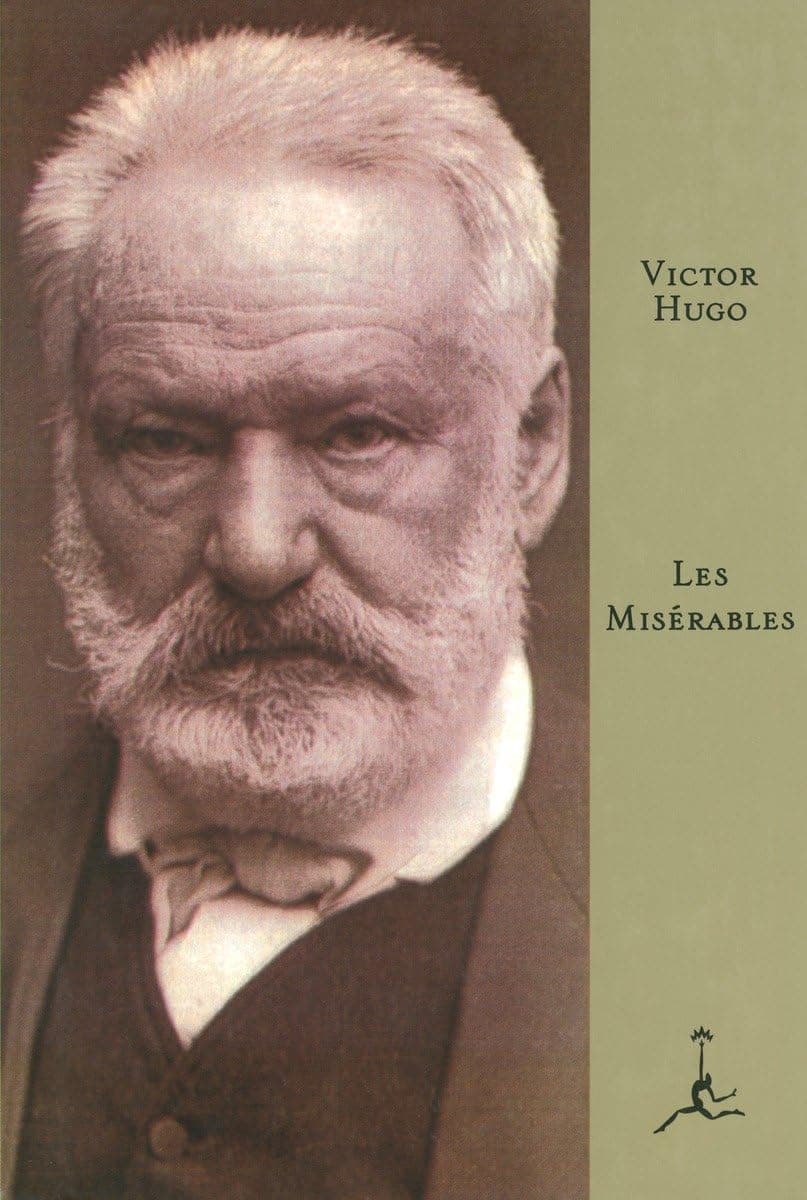
Jean Valjean serves nineteen years for stealing bread, breaks parole, and is hunted the rest of his life by a relentless policeman. Around them Hugo builds the century's great argument for mercy.
Seventy-seven rehearsals in Vienna ended with the opera abandoned as unperformable. It waited six years for a stage willing to try it.

Holed up in a shabby Petersburg room, a spiteful clerk talks at you, insisting people will wreck their own lives to prove they are free. Every alienated narrator since speaks in his voice.

Alice follows a rabbit down a hole into a country where logic runs sideways, ruled by a queen who wants everyone beheaded. Carroll freed children's books from having to teach anything.
Prince Myshkin returns to Russia from a Swiss clinic, epileptic and incapable of guile, and Petersburg cannot decide whether to adore him or use him. The world takes a genuinely good man apart.
Workers create more value than their wages return, Marx argues, and that gap is profit. No economic book has reshaped politics more, and the chapter on the working day still burns.

Burckhardt invented cultural history by looking past popes and battles at how Renaissance Italians lived, finding the moment people began to think of themselves as individuals. We still see the period his way.