
1850s
Showing 291 works across all media from the 1850s
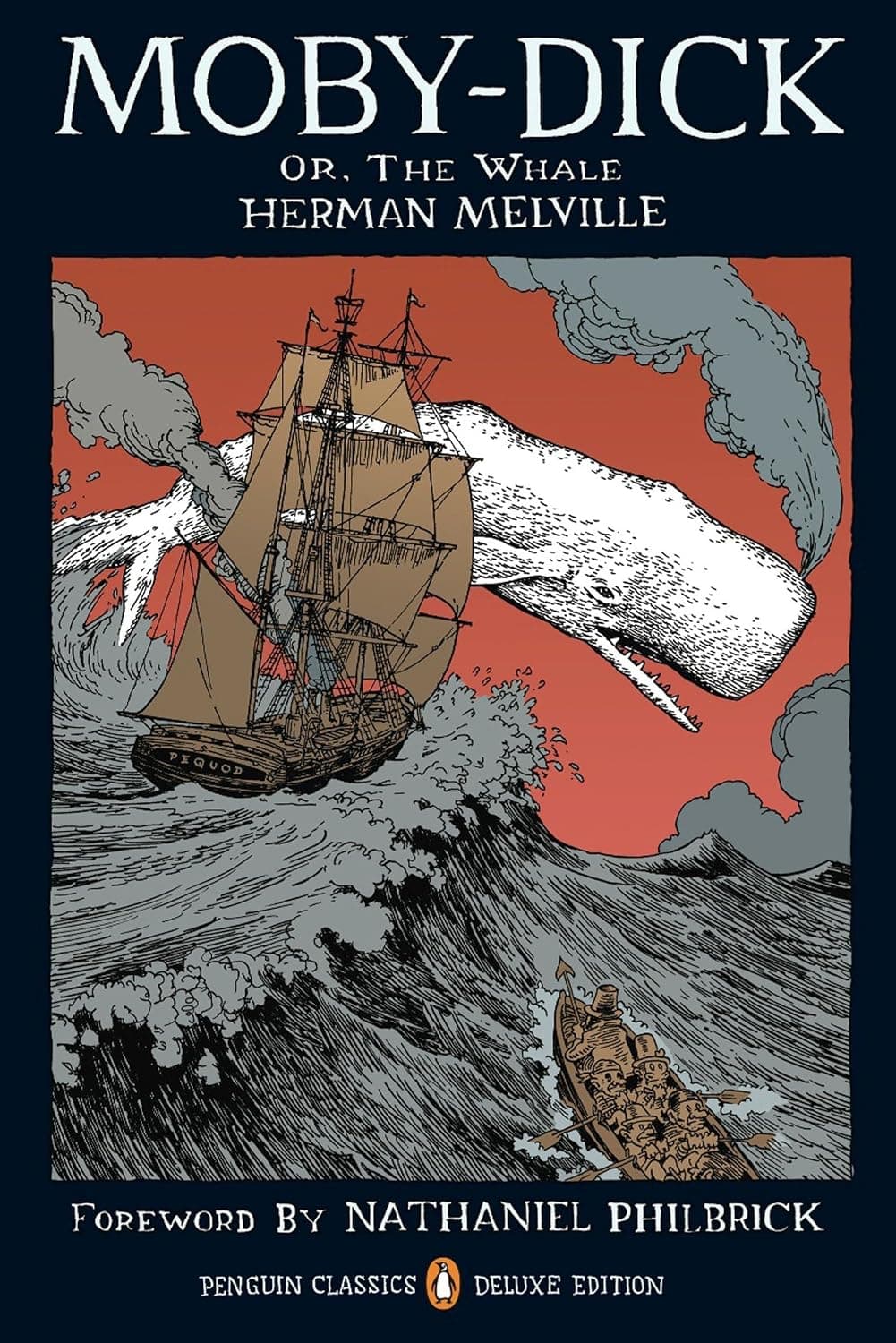
Moby Dick
American fiction has attempted nothing bigger. Ahab drags a whaling crew across the world after the whale that took his leg, and Melville keeps stopping the hunt to explain whales.
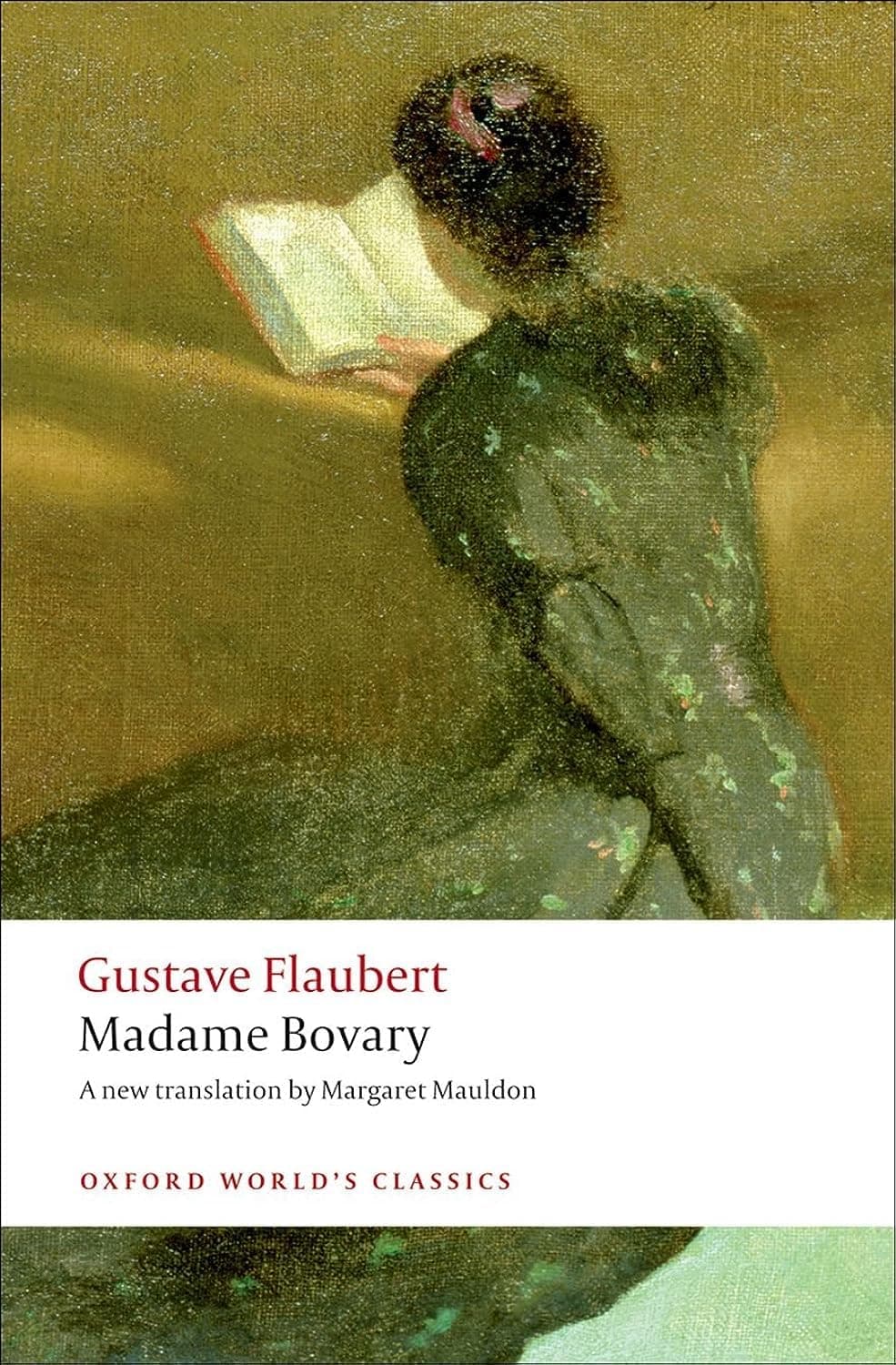
Madame Bovary
Emma Bovary reads romances, takes lovers, and runs up debts trying to feel something in a provincial town. Flaubert weighed every sentence, and modern fiction's idea of style begins with him.
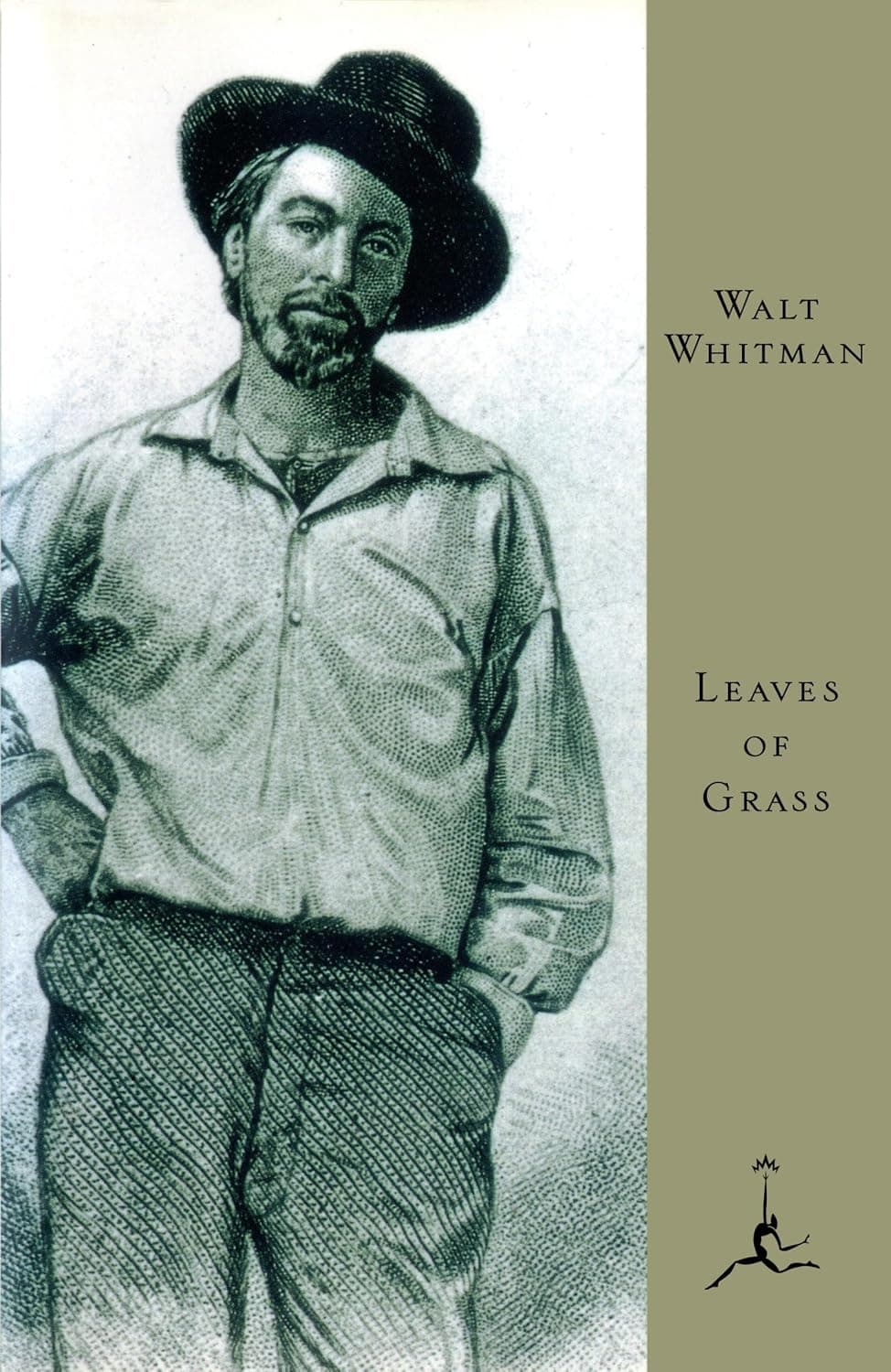
Leaves of Grass
Whitman threw out rhyme and meter to write the body, the country, and himself at full voice. In "Song of Myself" he speaks straight at you, delighted that you finally showed up.

On The Origin of Species
More creatures are born than can survive, they differ, and the useful differences carry forward. Darwin builds that one plain idea into an explanation of every living thing on earth.
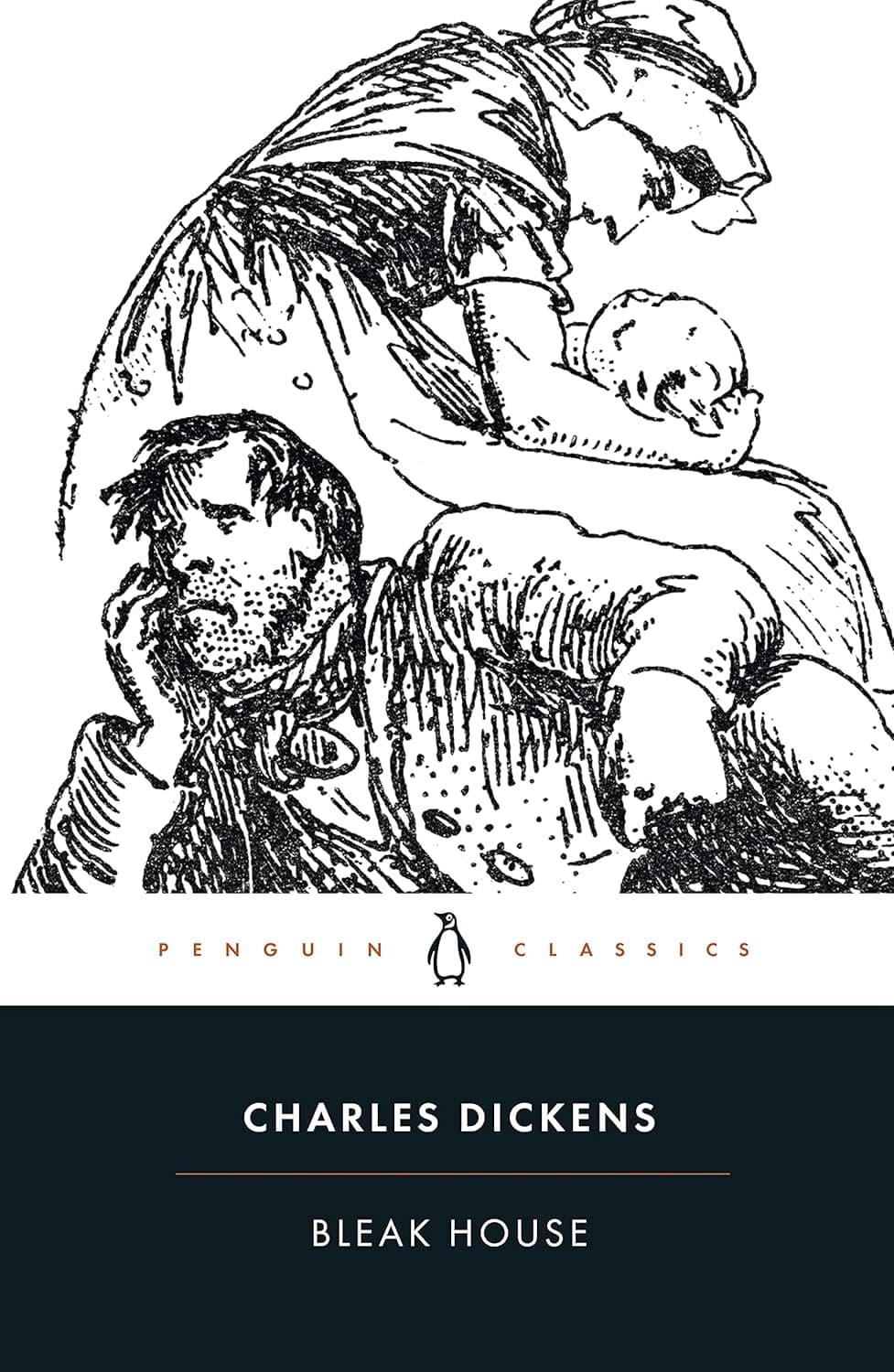
Bleak House
Dickens's supreme achievement, and his angriest. A lawsuit over a will has dragged through the courts so long that nobody alive understands it, and its fog settles over every life in England.

The Flowers of Evil (Oxford World's Classics)
Modern poetry starts here, in gorgeous verse about boredom, rot, and the crowds of Paris. Baudelaire opens by calling the reader his hypocrite brother, then makes ugliness beautiful.

A Burial at Ornans
Courbet gave an ordinary village funeral the scale reserved for kings and saints, and the critics were furious about it.
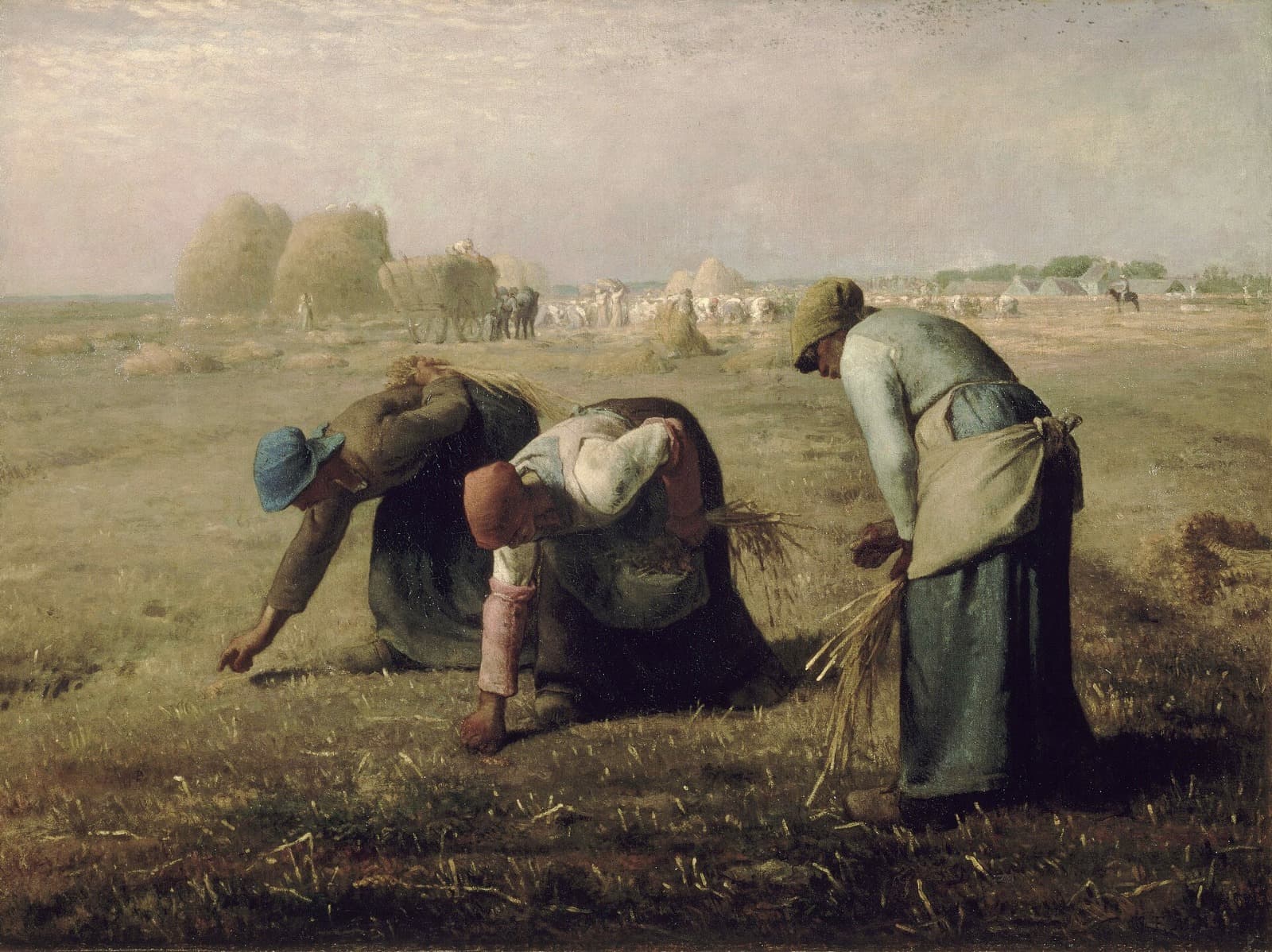
The Gleaners
Three women bend for the stalks left after harvest while a full farm sits small in the distance, which unsettled the people buying paintings.
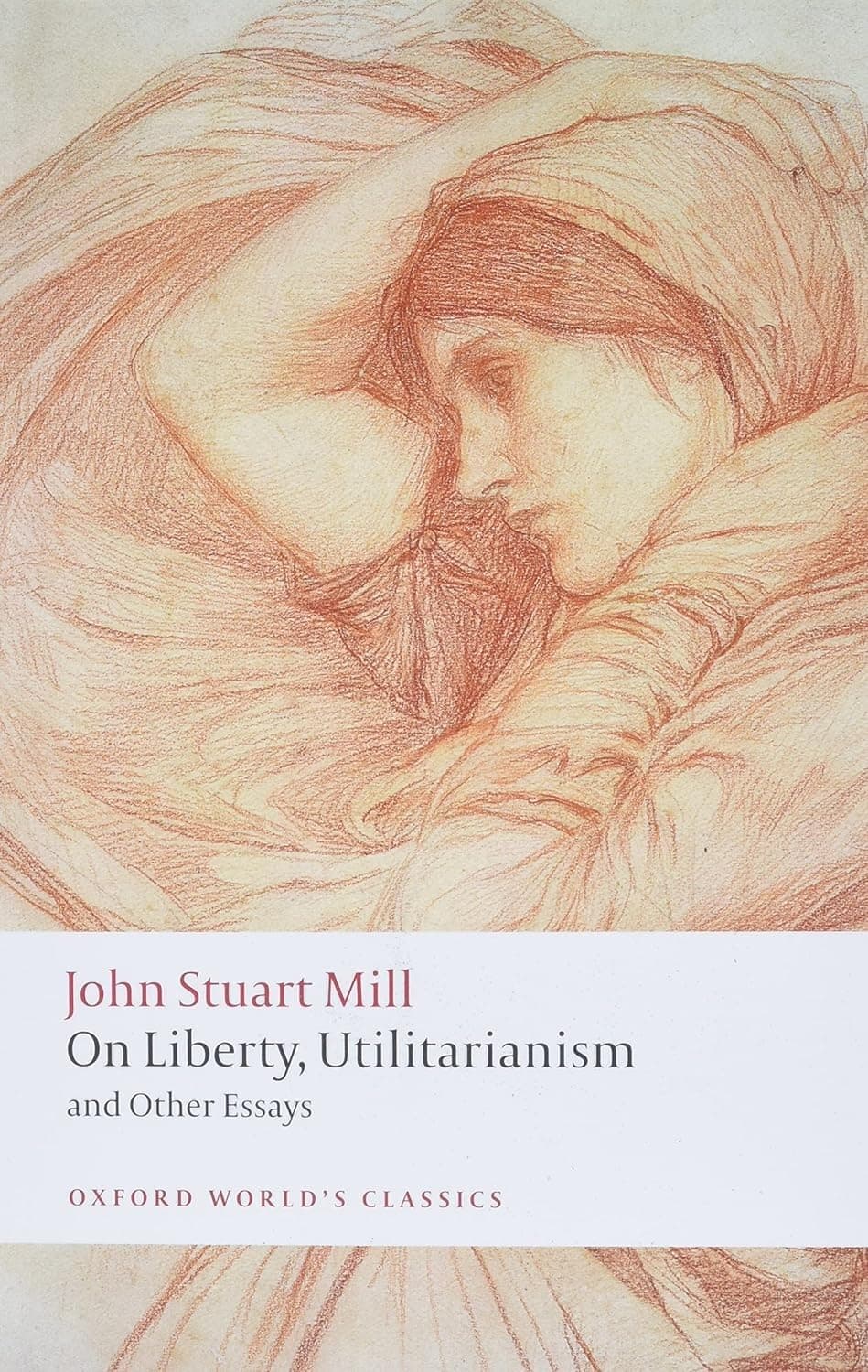
On Liberty
Mill sets the limit that still governs the argument: society may interfere with you only to prevent harm to others. Silence an opinion and you rob everyone, including the people who are right.
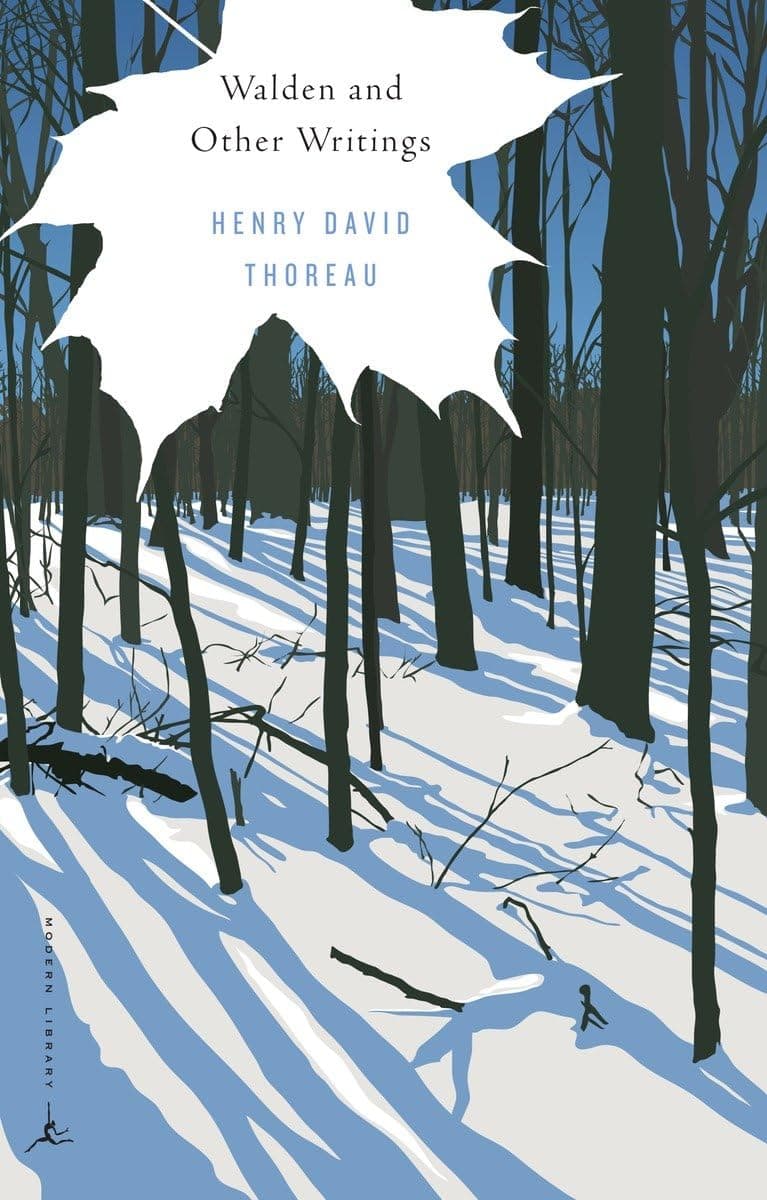
Walden
Two years in a cabin by a Massachusetts pond, and the permanent argument against a life spent earning. Thoreau writes about beans, loons, and why most people lead lives of quiet desperation.

Sudden Shower over Shin-Ohashi Bridge and Atake
Rain falls as fine diagonal scratches over the bridge, a trick Van Gogh admired enough to copy the whole print in oil.

The Scarlet Letter
Puritan Boston fastens a red letter to Hester Prynne's dress for adultery, and she refuses to name the child's father. Hawthorne turns public shame into something you feel in your body.
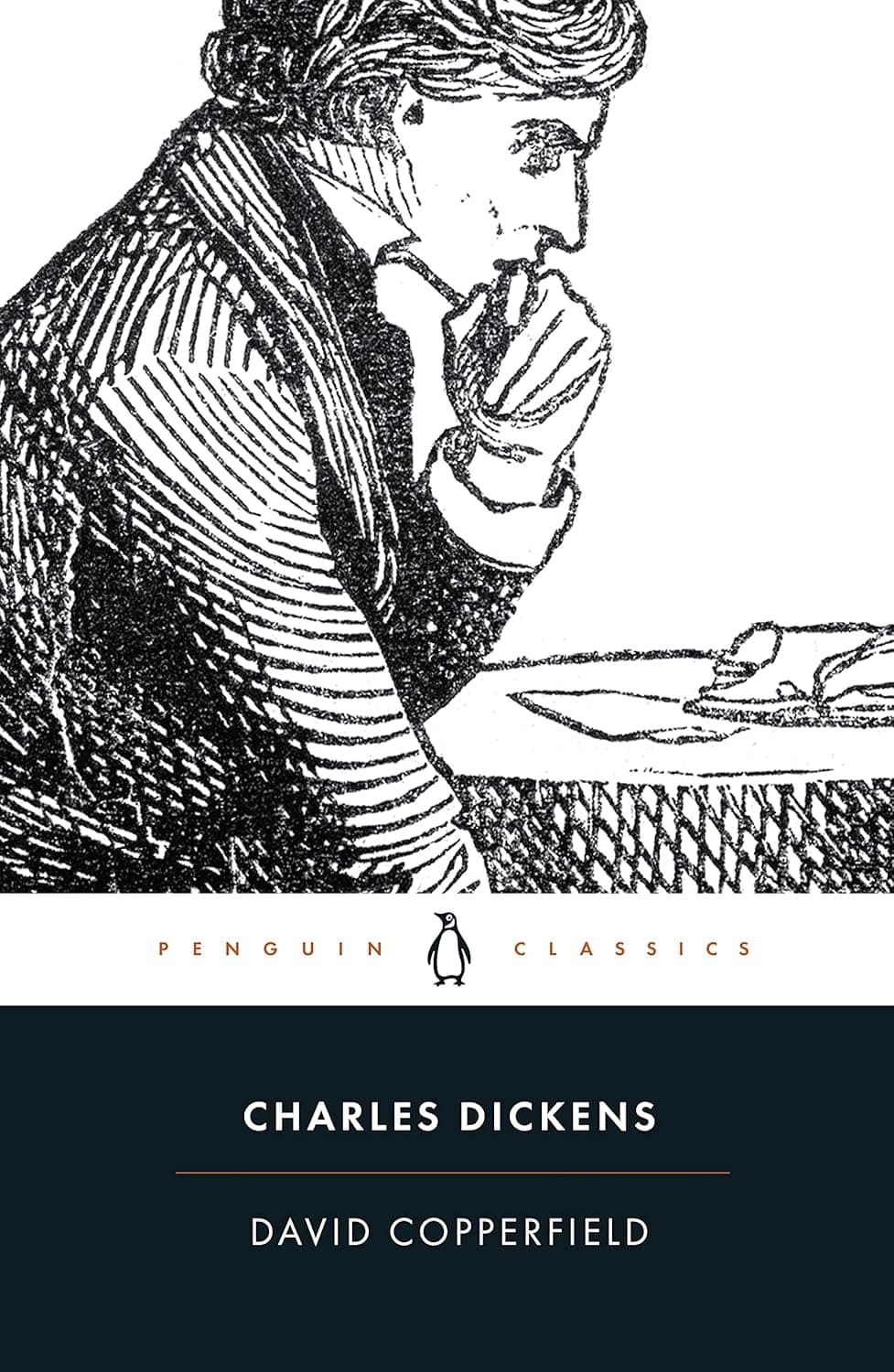
David Copperfield
Put to work in a warehouse as a boy, David escapes to an aunt he has never met. Dickens gave him his own childhood, and loved this novel above all the others.