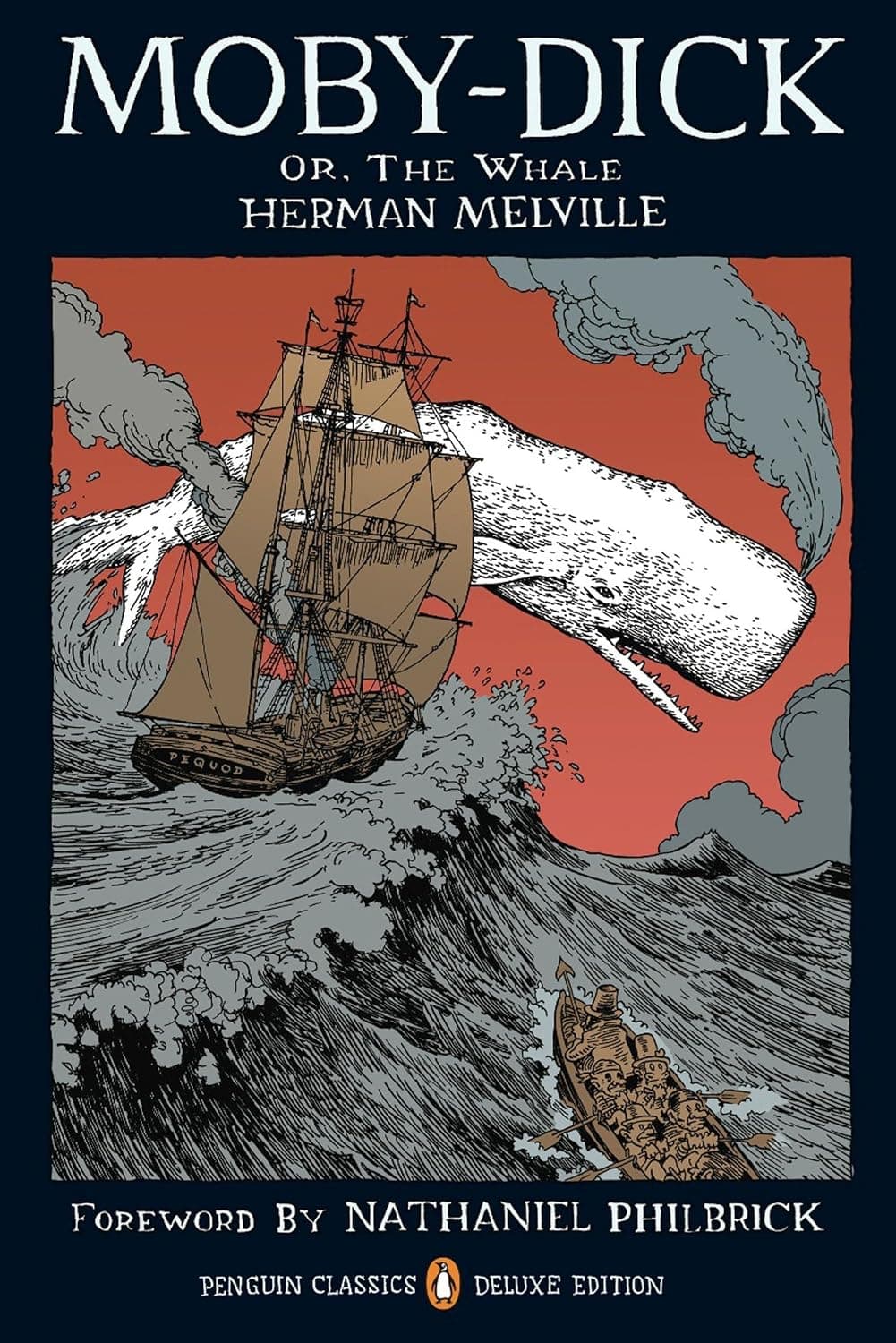
Moby Dick
1851 · 672 pages
American fiction has attempted nothing bigger. Ahab drags a whaling crew across the world after the whale that took his leg, and Melville keeps stopping the hunt to explain whales.
★ 9.6
 skopia
American fiction has attempted nothing bigger. Ahab drags a whaling crew across the world after the whale that took his leg, and Melville keeps stopping the hunt to explain whales.
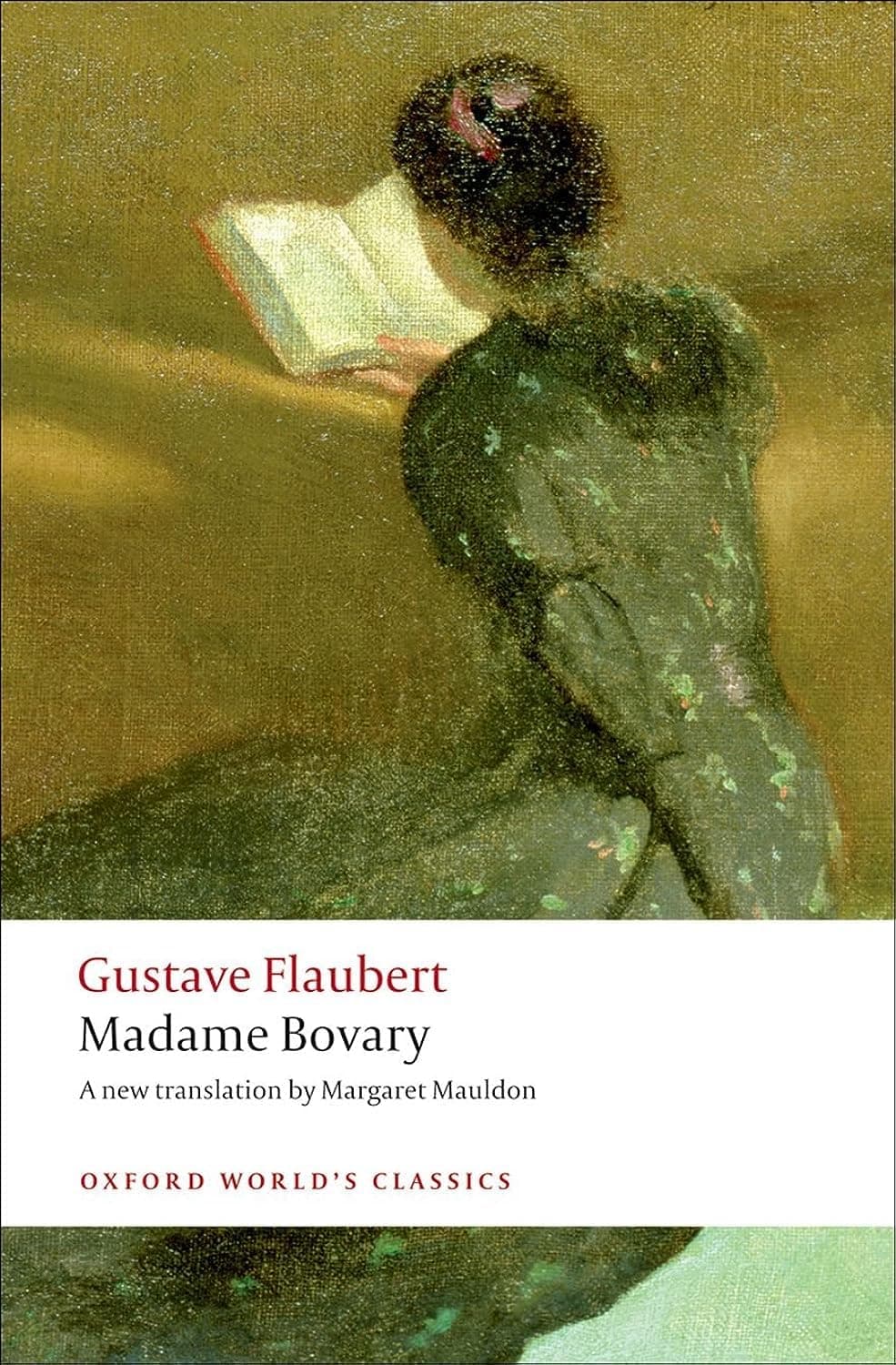
Emma Bovary reads romances, takes lovers, and runs up debts trying to feel something in a provincial town. Flaubert weighed every sentence, and modern fiction's idea of style begins with him.
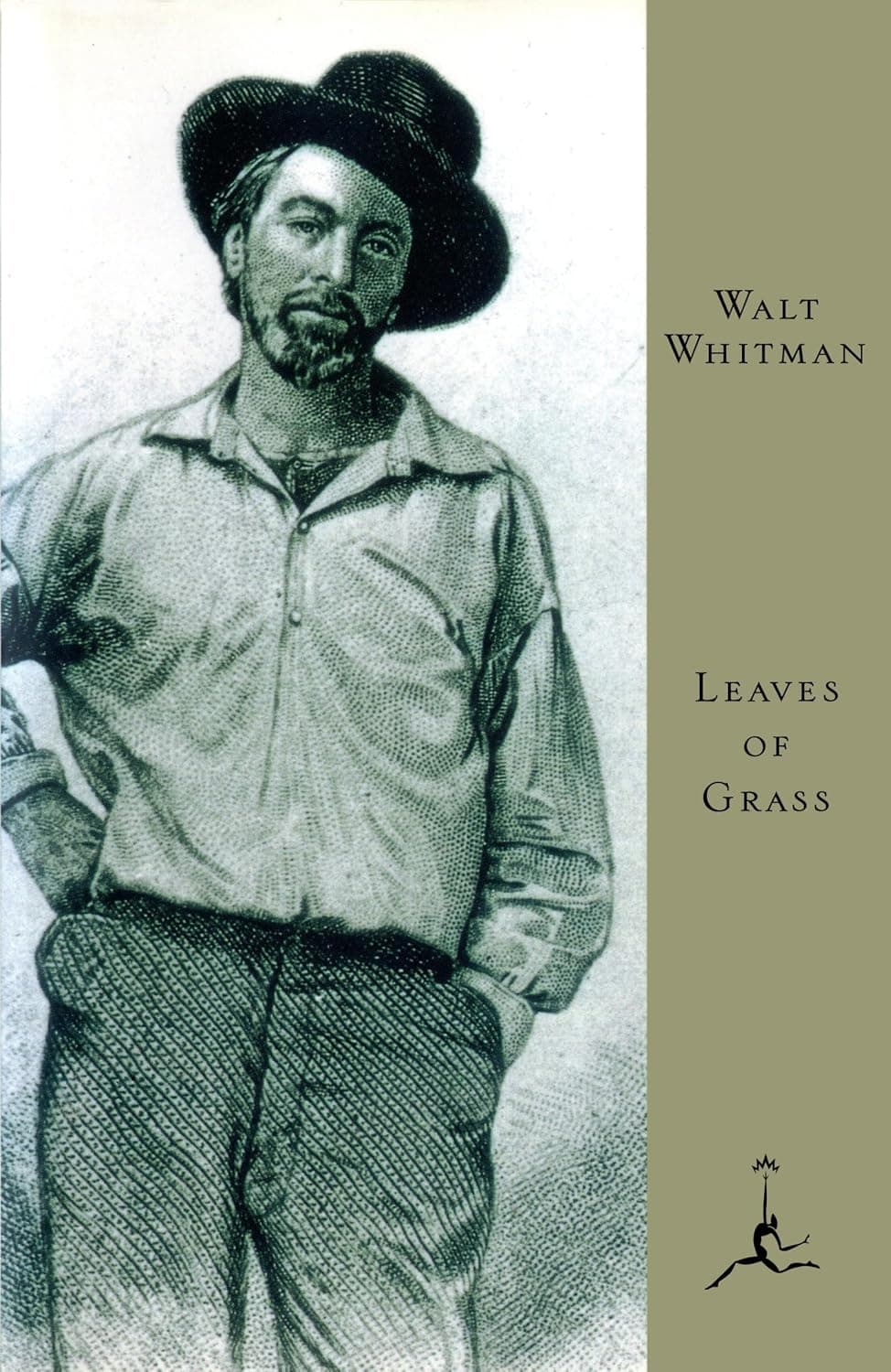
Whitman threw out rhyme and meter to write the body, the country, and himself at full voice. In "Song of Myself" he speaks straight at you, delighted that you finally showed up.

More creatures are born than can survive, they differ, and the useful differences carry forward. Darwin builds that one plain idea into an explanation of every living thing on earth.
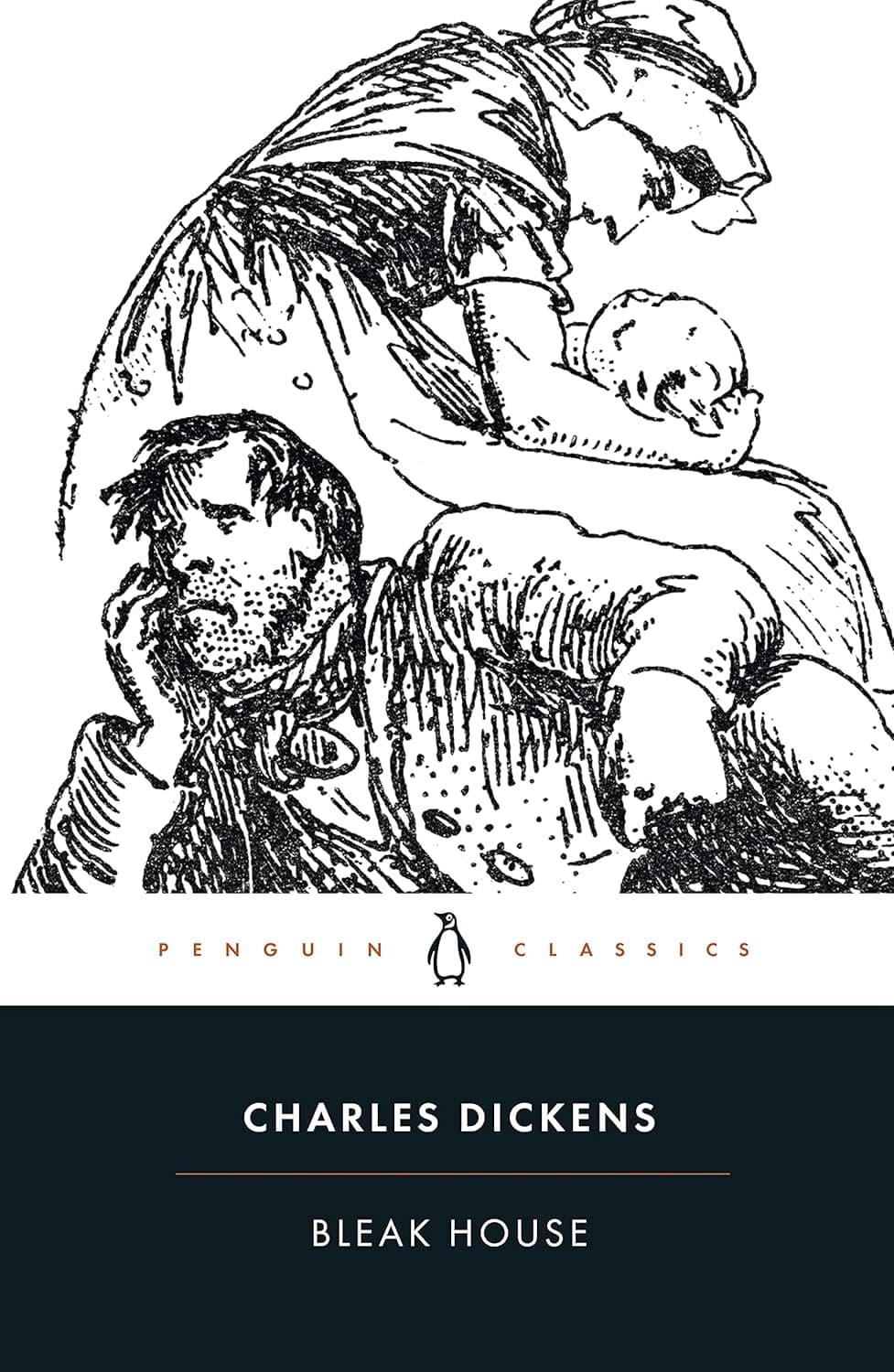
Dickens's supreme achievement, and his angriest. A lawsuit over a will has dragged through the courts so long that nobody alive understands it, and its fog settles over every life in England.

Modern poetry starts here, in gorgeous verse about boredom, rot, and the crowds of Paris. Baudelaire opens by calling the reader his hypocrite brother, then makes ugliness beautiful.
Mill sets the limit that still governs the argument: society may interfere with you only to prevent harm to others. Silence an opinion and you rob everyone, including the people who are right.
Two years in a cabin by a Massachusetts pond, and the permanent argument against a life spent earning. Thoreau writes about beans, loons, and why most people lead lives of quiet desperation.

Puritan Boston fastens a red letter to Hester Prynne's dress for adultery, and she refuses to name the child's father. Hawthorne turns public shame into something you feel in your body.
Put to work in a warehouse as a boy, David escapes to an aunt he has never met. Dickens gave him his own childhood, and loved this novel above all the others.
Daffodils, a solitary reaper singing in a field, and a valley revisited after five years: Wordsworth wrote these in ordinary speech and found that remembering keeps remaking the person who remembers.

Hired to copy documents in a Wall Street office, a clerk answers every request with "I would prefer not to." He explains nothing, and quiet refusal turns out to be unanswerable.

Underneath everything we perceive, Schopenhauer argues, runs a blind will that wants without knowing why. Because wanting never finishes, living is suffering, and only art and music briefly suspend it.

Eighteen years in the Bastille have left Doctor Manette making shoes in the dark. Dickens carries his daughter's household from London into the Terror, where Madame Defarge knits a death list.
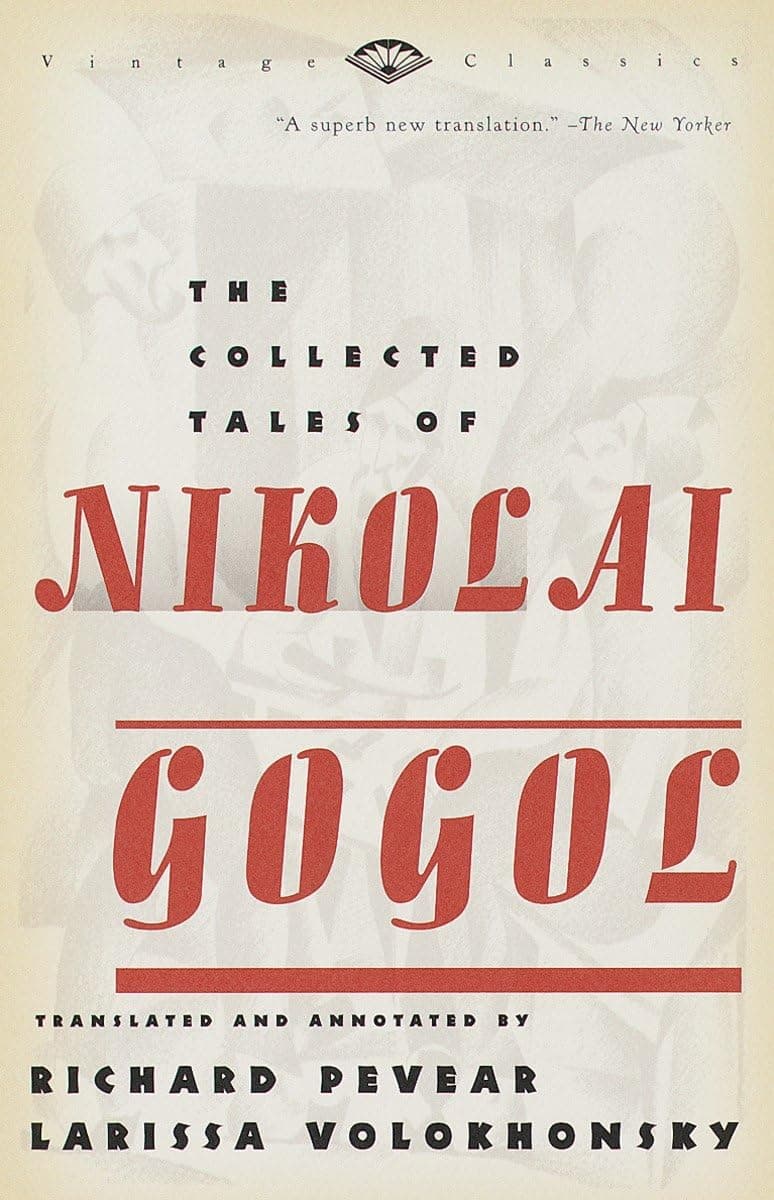
A civil servant wakes to find his nose gone and walking Petersburg in a senior official's uniform. Elsewhere a clerk saves for an overcoat, and Gogol's comedy tips steadily into nightmare.

Northup was a free New Yorker with a family and a violin. Lured to Washington in 1841, he woke chained in a slave pen and spent twelve years on Louisiana cotton plantations.

Revolutions come not when oppression is worst but when it begins to lift. Tocqueville digs through the old monarchy's records and finds the Revolution completing the centralized state it believed it was destroying.

Eliza crosses the frozen Ohio on breaking ice with her child. Stowe sold three hundred thousand copies within twelve months and made slavery intolerable to Northerners who had lived comfortably beside it.

Gaskell moves Margaret Hale from a soft southern parish to a smoke-blackened cotton town, where she despises the mill owner Thornton until a strike teaches her what masters and workers each risk.

Turgenev sends a hunter across the provinces with a gun and a dog, and the serfs he meets emerge as individuals. The book did for serfdom what Uncle Tom's Cabin did for slavery.