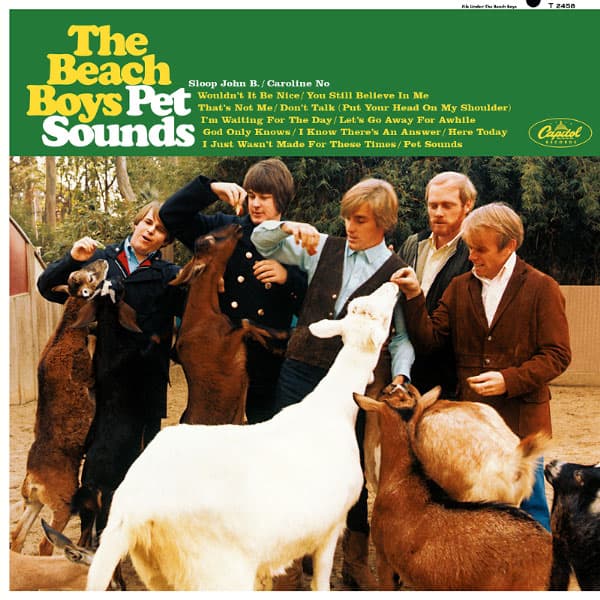
Pet Sounds
1966
Brian Wilson made it with session players while the rest of the band toured, using bicycle bells, dog whistles and a Coca-Cola can.
★ 9.9
 skopia
Brian Wilson made it with session players while the rest of the band toured, using bicycle bells, dog whistles and a Coca-Cola can.
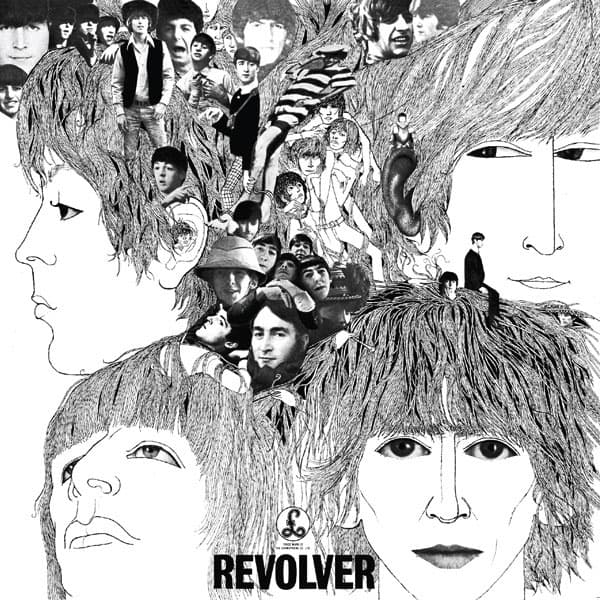
On Tomorrow Never Knows, engineers held five tape loops on pencils and mixed them live. No Beatle plays an instrument on Eleanor Rigby.
Brian Wilson's pocket symphony, months and a fortune spent chasing one shimmering theremin line into the sunlight.
Two takes in different keys and tempos spliced into one, a Mellotron haze over Lennon's Liverpool childhood.
It opens by admitting doubt and spends the next two minutes refuting it; McCartney still calls it the greatest.
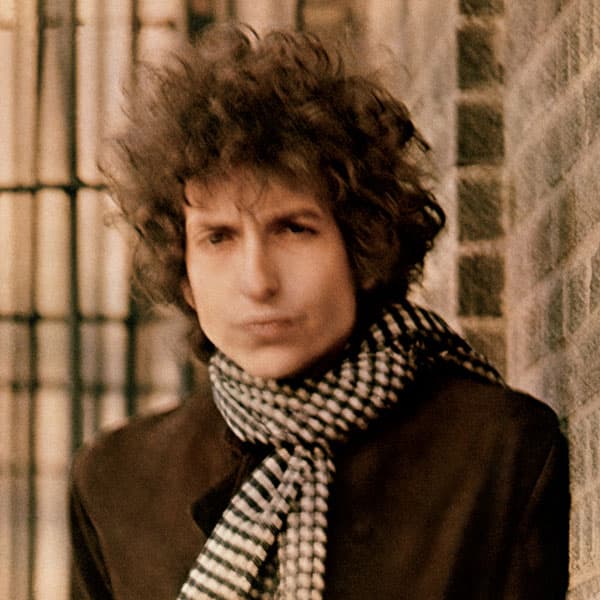
The Nashville session men sat around for hours while Dylan finished writing. Sad Eyed Lady of the Lowlands was cut at four in the morning.
No Beatle plays an instrument on it; George Martin's string octet does everything, sawing away at two solitary lives.

No spaghetti western got higher, and no film score is better known: Leone shoots faces like landscapes, and Morricone's music does as much work as the dialogue.
A 1932 Tin Pan Alley ballad, rearranged by Isaac Hayes, until Redding and Al Jackson tear the roof off.
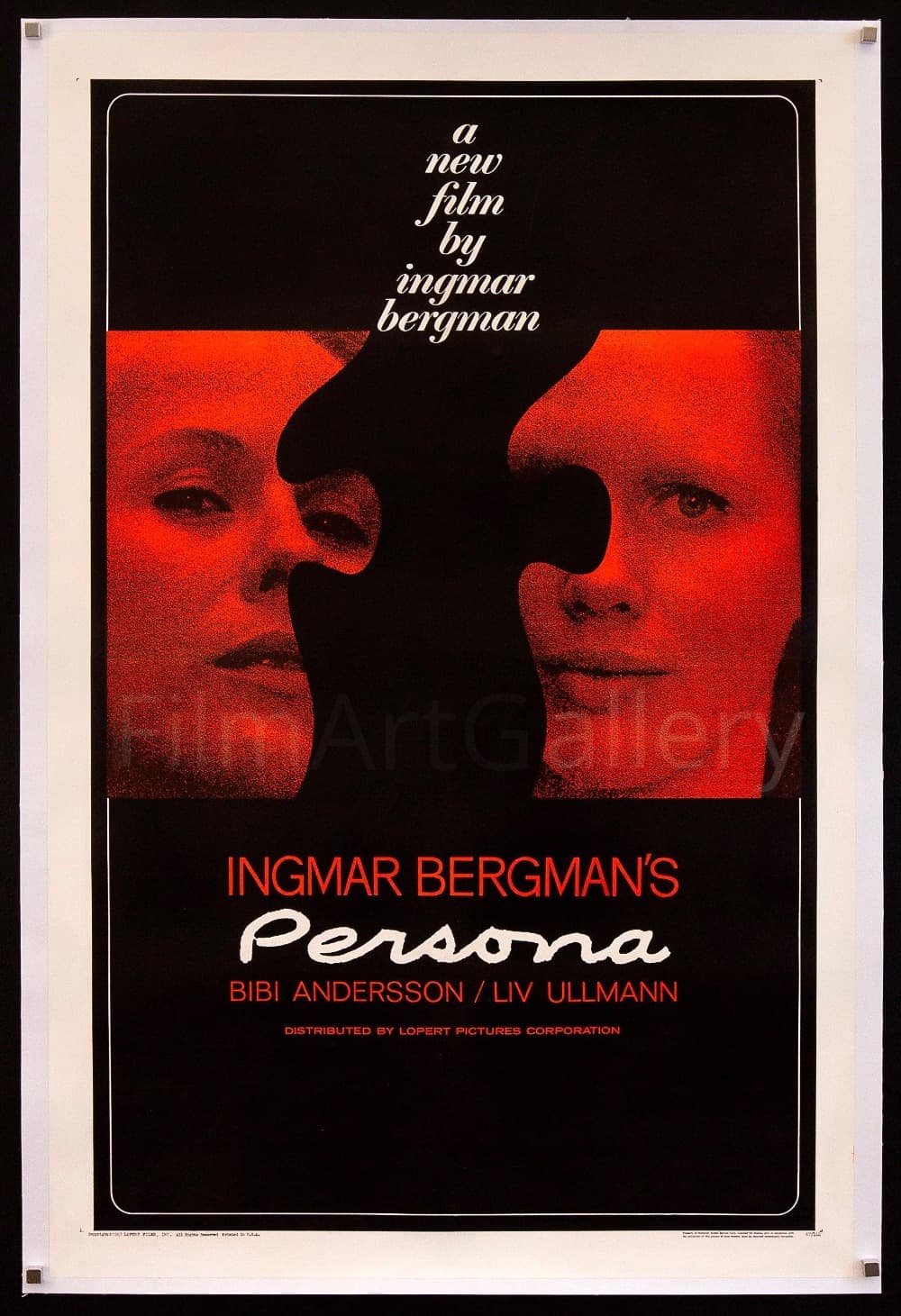
More has been written about this film than almost any other: Bergman put two women on an island until their faces merged, and left everyone to explain what happened.
Jones's sitar made it the first number one to feature the instrument, and Decca added the comma by mistake.
Two accordions, a key change eight beats in, and 21 takes at Gold Star before Wilson sang about growing up.
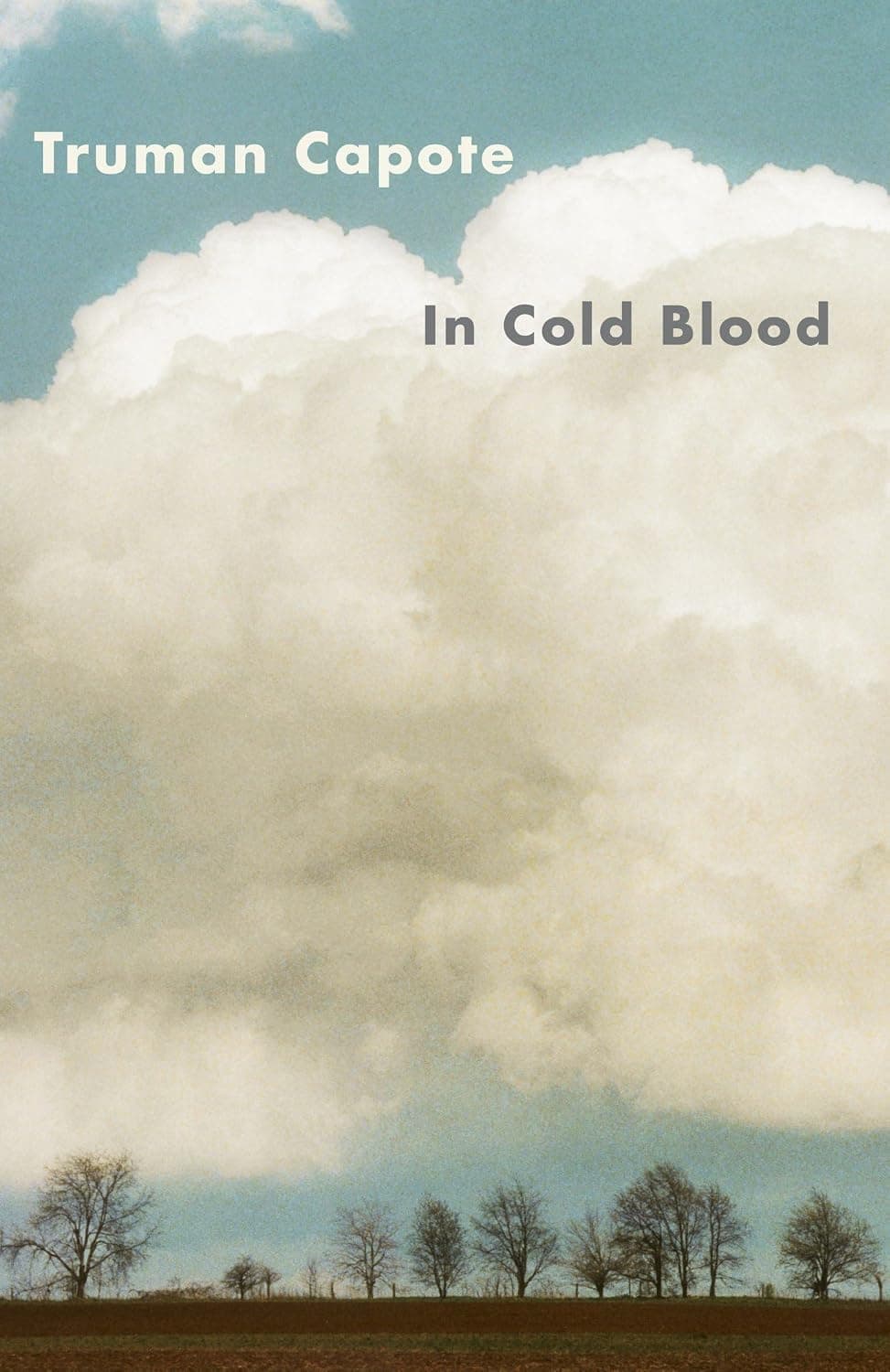
In 1959 two ex-convicts murdered a Kansas farm family of four they had never met. Capote spent years with the killers and turned reporting into a novel, patient and entirely without comfort.
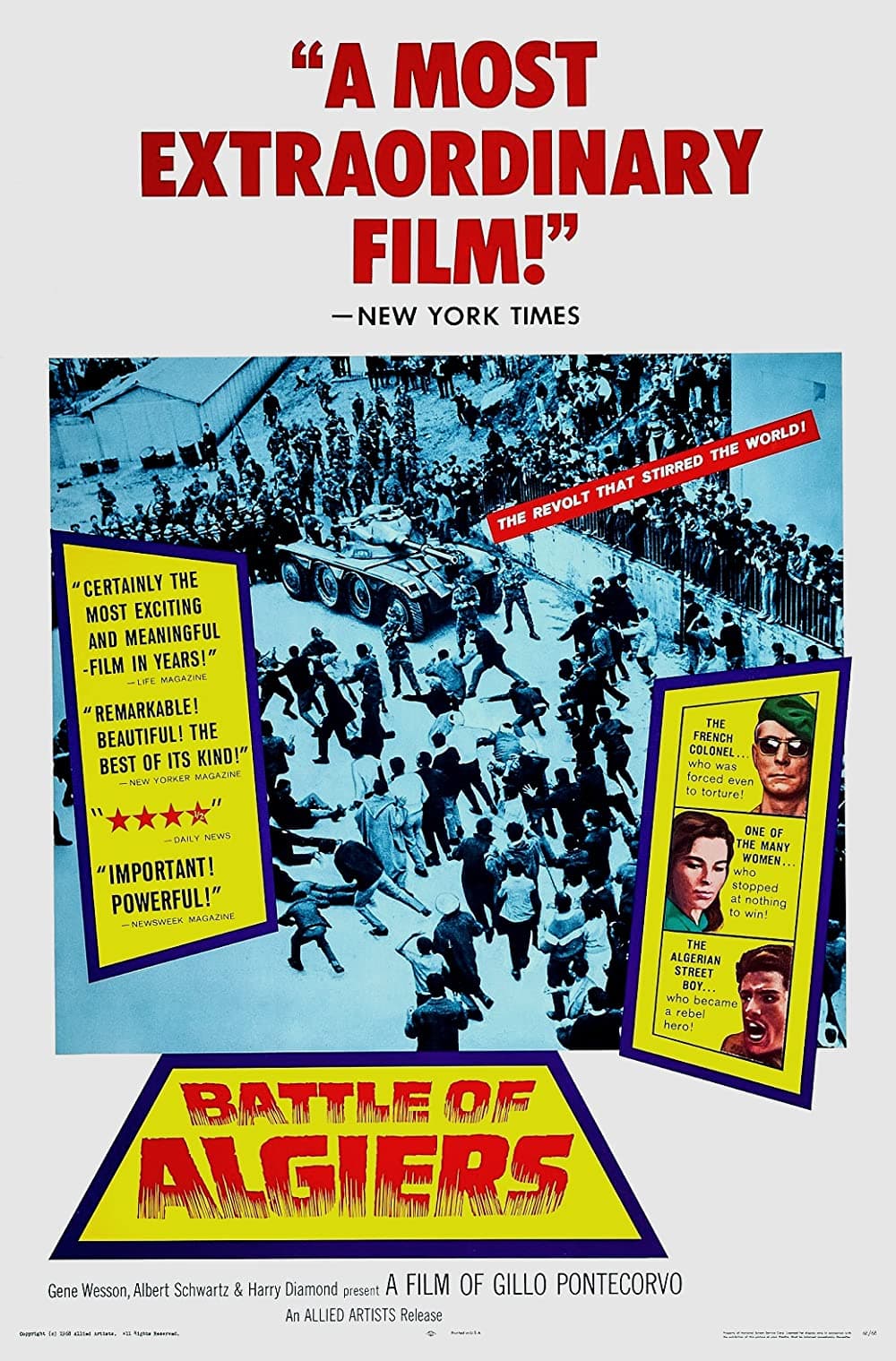
Both armies and revolutionaries have studied it as a manual: Pontecorvo staged the Algerian insurgency so plainly that audiences have always mistaken parts of it for newsreel footage.
Sledge gave the writing credits away to two bandmates, and Atlantic pressed the take with the out-of-tune horns.
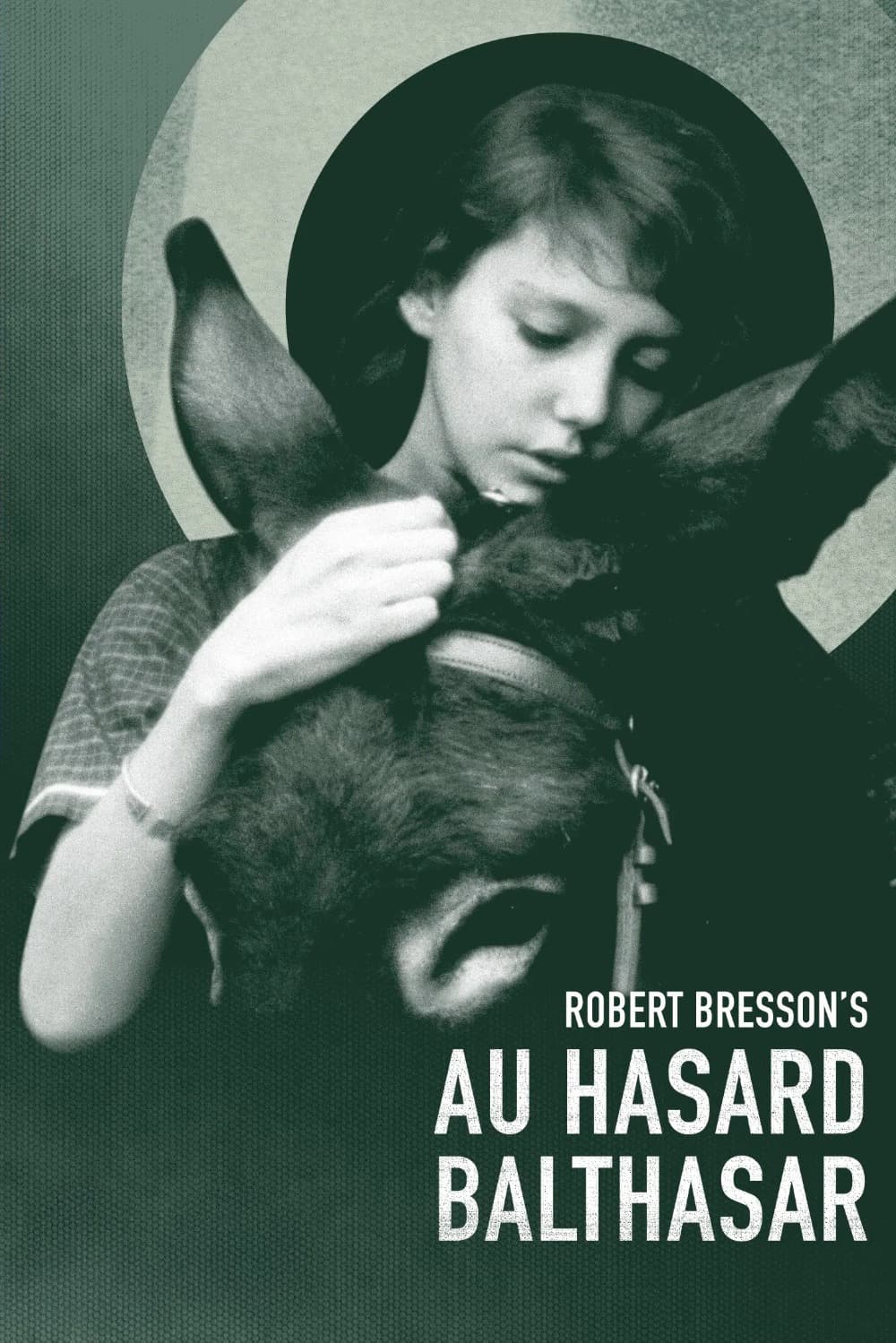
Godard said it contained the world in an hour and a half: a donkey passes from owner to owner, and Bresson makes cruelty and grace arrive without warning.
Betty Jean Newsome shares the credit and later claimed all of it; Sammy Lowe's strings carry Brown's most exposed vocal.
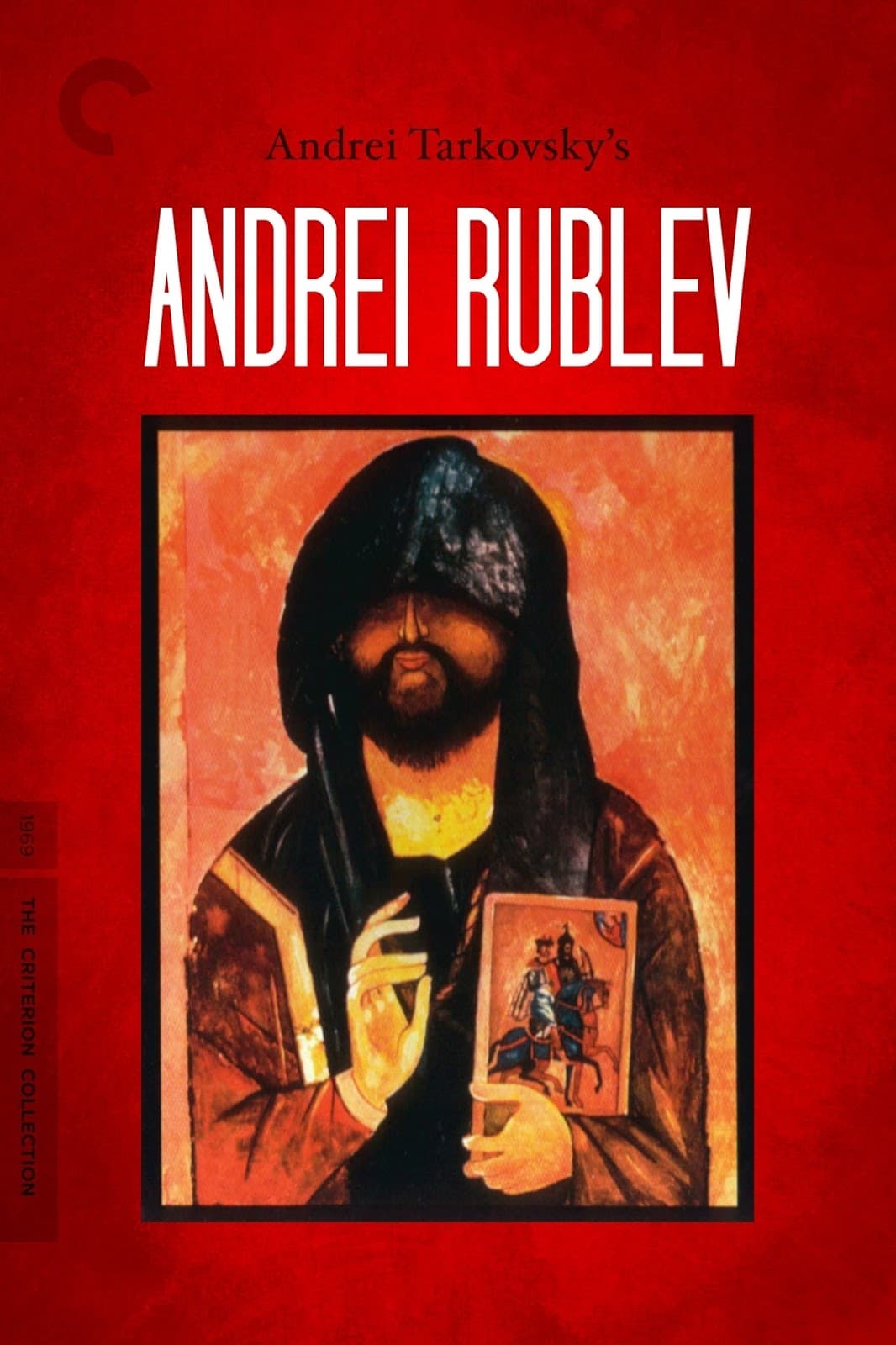
The Soviets shelved it for years and cut it repeatedly: Tarkovsky follows an icon painter through a brutal Russia, and the bell casting sequence justifies the whole three hours.
Columbia rejected the RCA session on a technicality, so McGuinn recut his Coltrane-inspired twelve-string and radio banned it anyway.
Dozier reportedly took the Morse code guitar figure from a radio news signal, and Ross demands her exit over it.