Heartbreak HotelElvis Presley
Heartbreak Hotel
1956
Elvis's first RCA single, all cavernous echo and empty rooms, the loneliest number one ever cut.
★ 9.6
 skopia
Elvis's first RCA single, all cavernous echo and empty rooms, the loneliest number one ever cut.
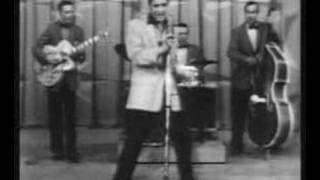
Leiber and Stoller wrote it for Big Mama Thornton; Elvis took it, sped it up, and set it on fire.
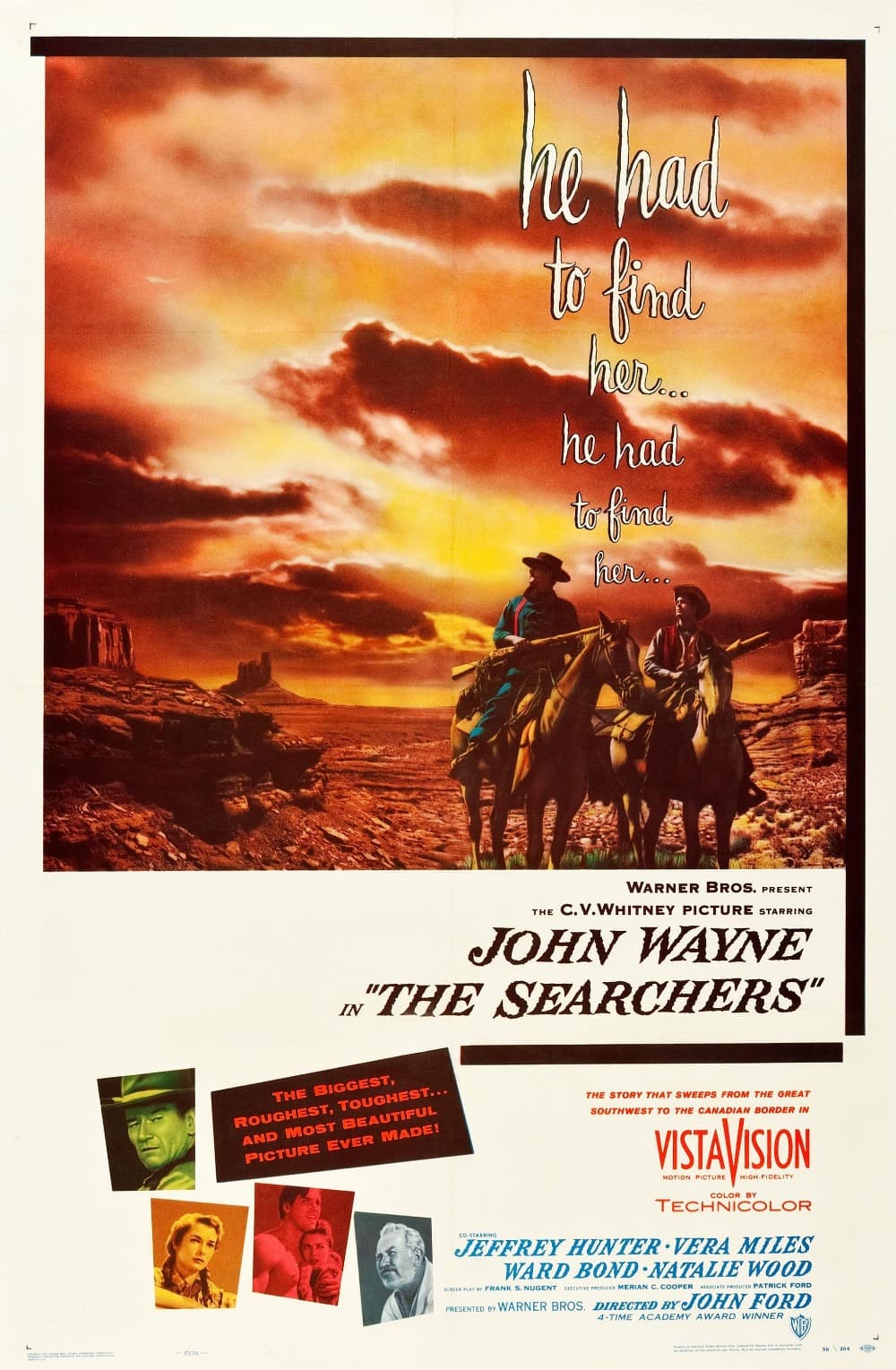
Other directors have been stealing from this western for seventy years: Ford put John Wayne's racism on screen without excusing it, and framed his story in a much-copied doorway.
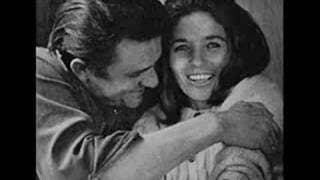
Cash slipped paper under his guitar strings for that snare tick, and hums to find each new key.
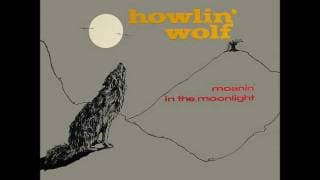
One chord, no changes, Sumlin's guitar circling, and Wolf's howl answering the trains whose sparks named the song.
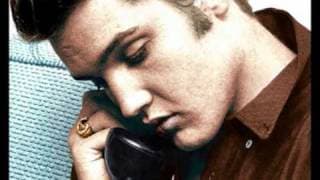
Blackwell gave Presley half the writing credit; the Jordanaires hum behind a vocal so relaxed it barely seems to try.
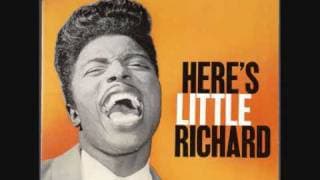
Blackwell built the lyric to run too fast for Pat Boone, and Richard shouted it out at Cosimo Matassa's J&M.
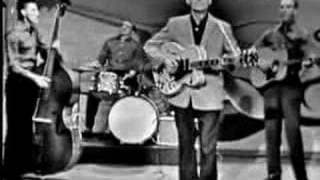
Cash suggested the phrase, Phillips talked him into changing one word, and Sun got its first million seller.
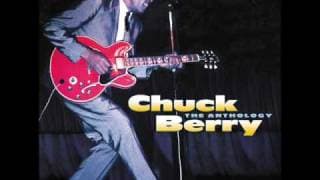
His sister Lucy monopolized the family piano for classical, so Berry wrote his rebuttal, with Johnnie Johnson answering back.
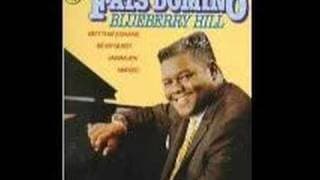
Nobody in the room had the lyrics, so Bunny Robyn spliced three broken takes into Domino's biggest hit.
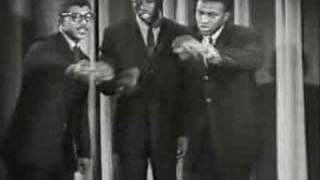
February 1956, a New Haven church basement, and a song Parris had written on Army guard duty.
Herman Santiago built it from a neighbor's love letters; Lymon, thirteen, took the lead and the credit fight ran decades.
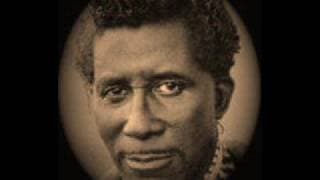
Intended as a blues ballad until the producer brought wine; Hawkins said he never remembered recording it.
Cut in Nashville as a B-side, flipped by radio, and Cliff Gallup's guitar breaks took it to number seven.

Two rectangles with feathered edges, built from thin washes so the color seems lit from behind rather than laid on.
Scotty Moore and Bill Black behind him in New York, and Presley made RCA hold the single for Perkins.
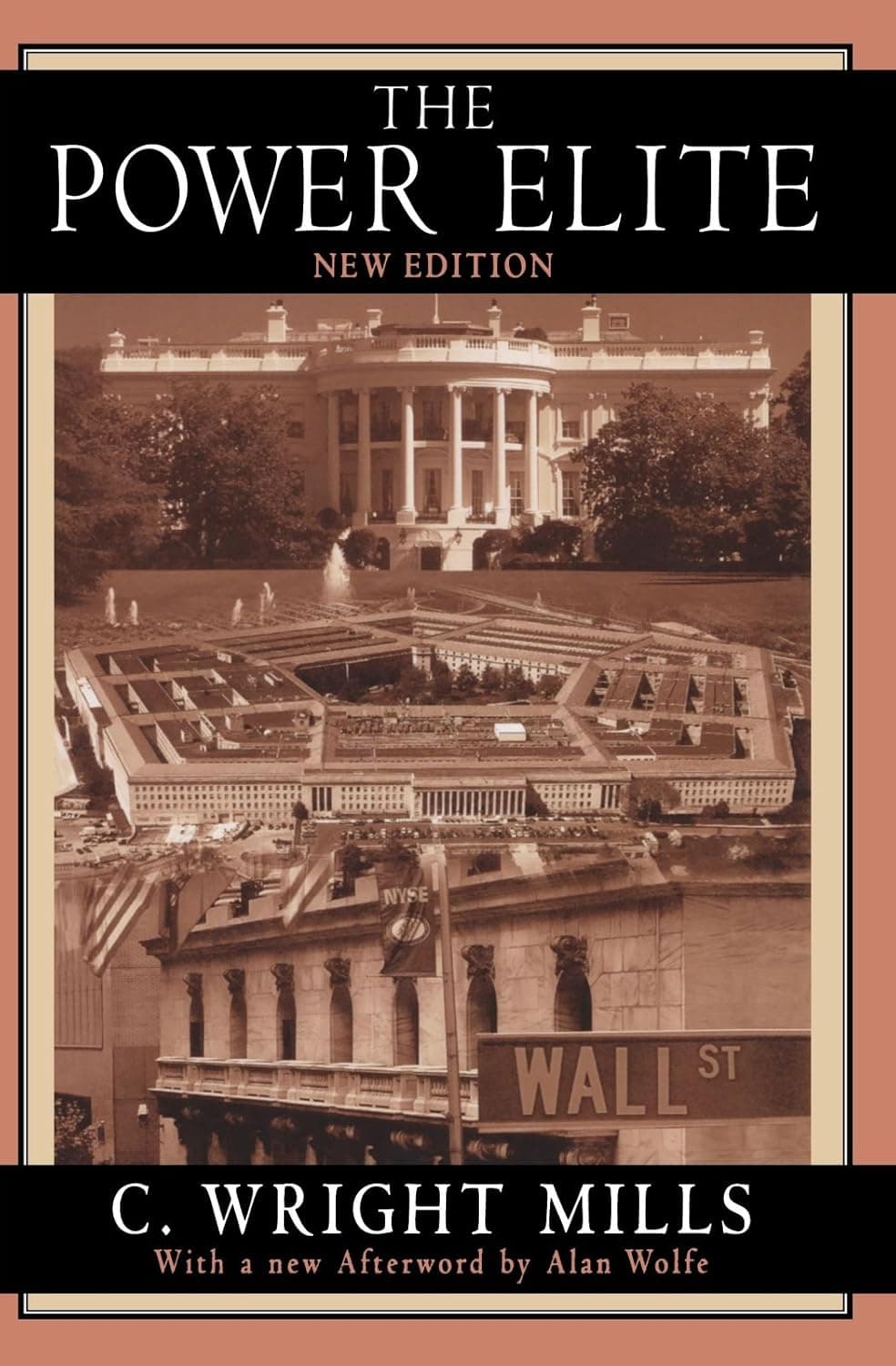
Three sets of men run America, the sociologist Mills argued: corporate chiefs, politicians, and generals drawn from the same schools and clubs. The New Left took its name and its target from him.

Mizoguchi stammers, and the beauty of Kyoto's Golden Pavilion stands between him and every living thing. Mishima builds the 1950 arson by an acolyte into a case for destroying what you cannot possess.
Syd Nathan hated it and fired Ralph Bass for cutting it, then rehired him when it reached R&B's top five.
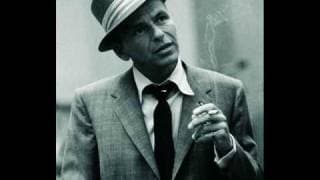
A 1946 film tune reborn in Riddle's arrangement on the album that topped Britain's first LP chart, Sinatra audibly beaming.
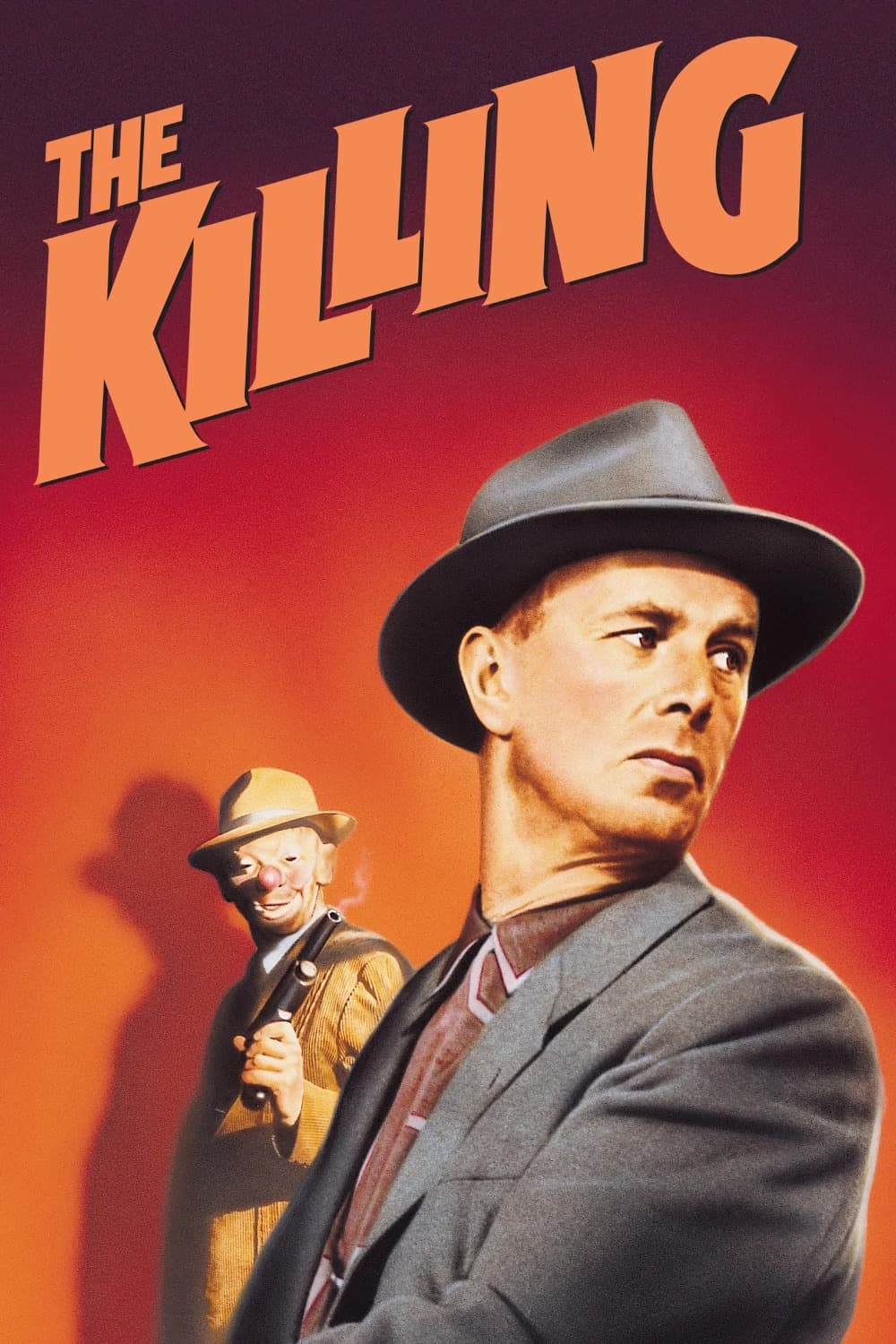
Kubrick was twenty-seven and this is where he became Kubrick: a racetrack robbery told out of order, doubling back to catch each man's hour, thirty years before that felt like a style.
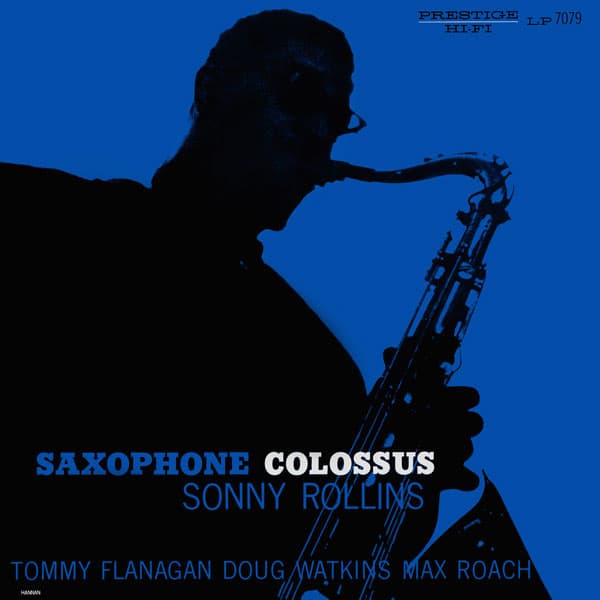
St. Thomas is a calypso his mother sang him as a child. A critic later analyzed one solo bar by bar to show it was composed.

Stampp argued in 1956 that Southern slavery was a profitable labor system sustained by violence, not the benign paternalism white historians taught. The plantation legend never recovered its standing in American history departments.

The trombone solo in I've Got You Under My Skin was played by a man standing on a box to reach the microphone.
Berry wrote it after watching an arrest in California, then cut it in Chicago with Johnnie Johnson and Willie Dixon.
A Civil War ballad from 1861, reworked by Ken Darby and sung on Ed Sullivan weeks before the single arrived.

Whyte went into corporations and the new suburb of Park Forest and found Americans trading the old ethic of individual striving for belonging. The organization wanted the whole man, and got him.
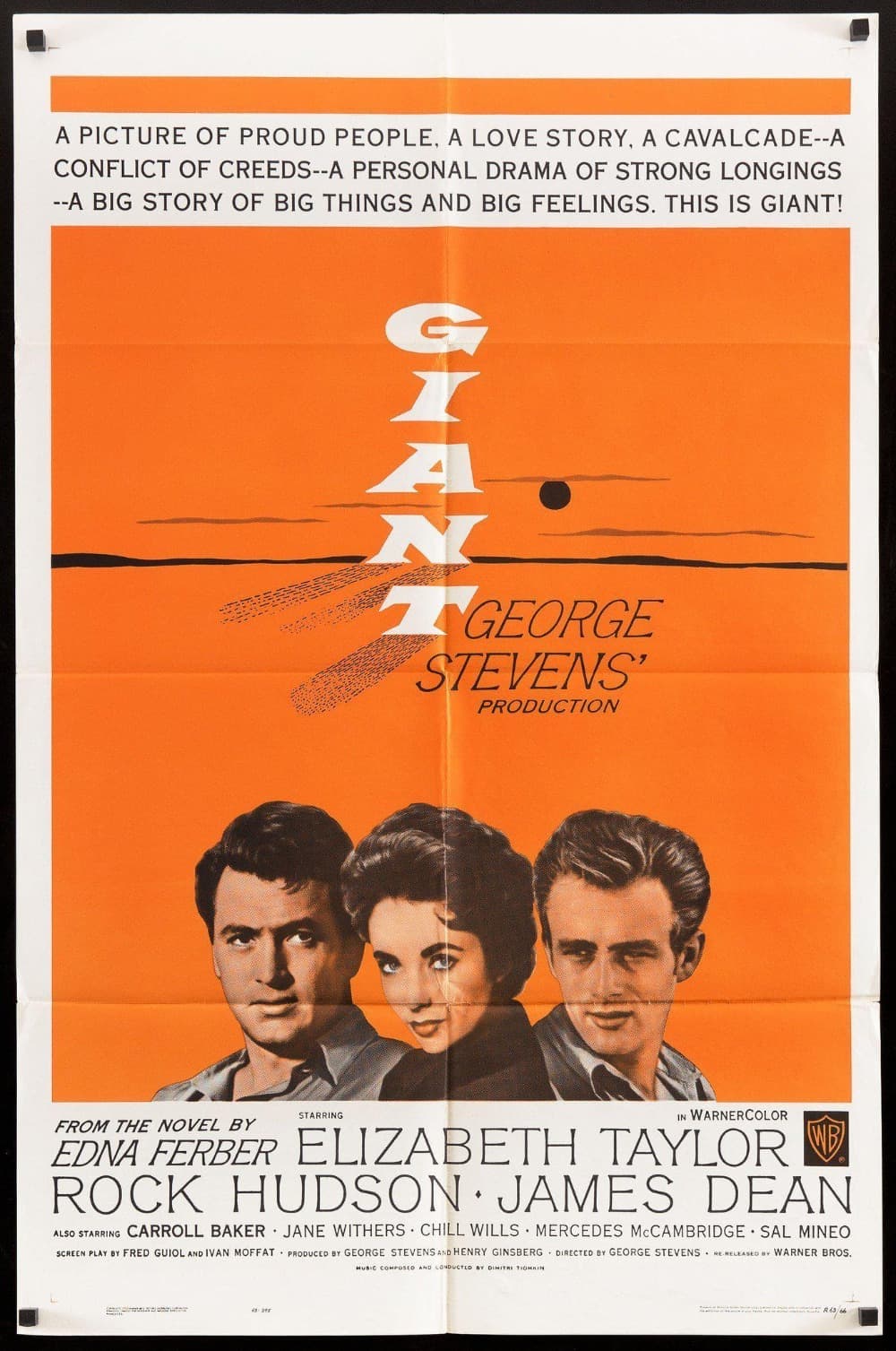
James Dean died before it was finished and his last scenes had to be dubbed: three hours of Texas oil money, filmed as a family argument that runs thirty years.
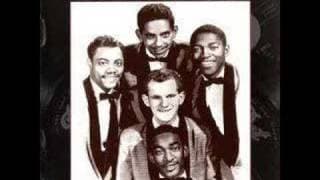
Airmen stationed in Pittsburgh, a demo cut in a DJ's basement, and bass singer Clarence Quick's nonsense-syllable hook.
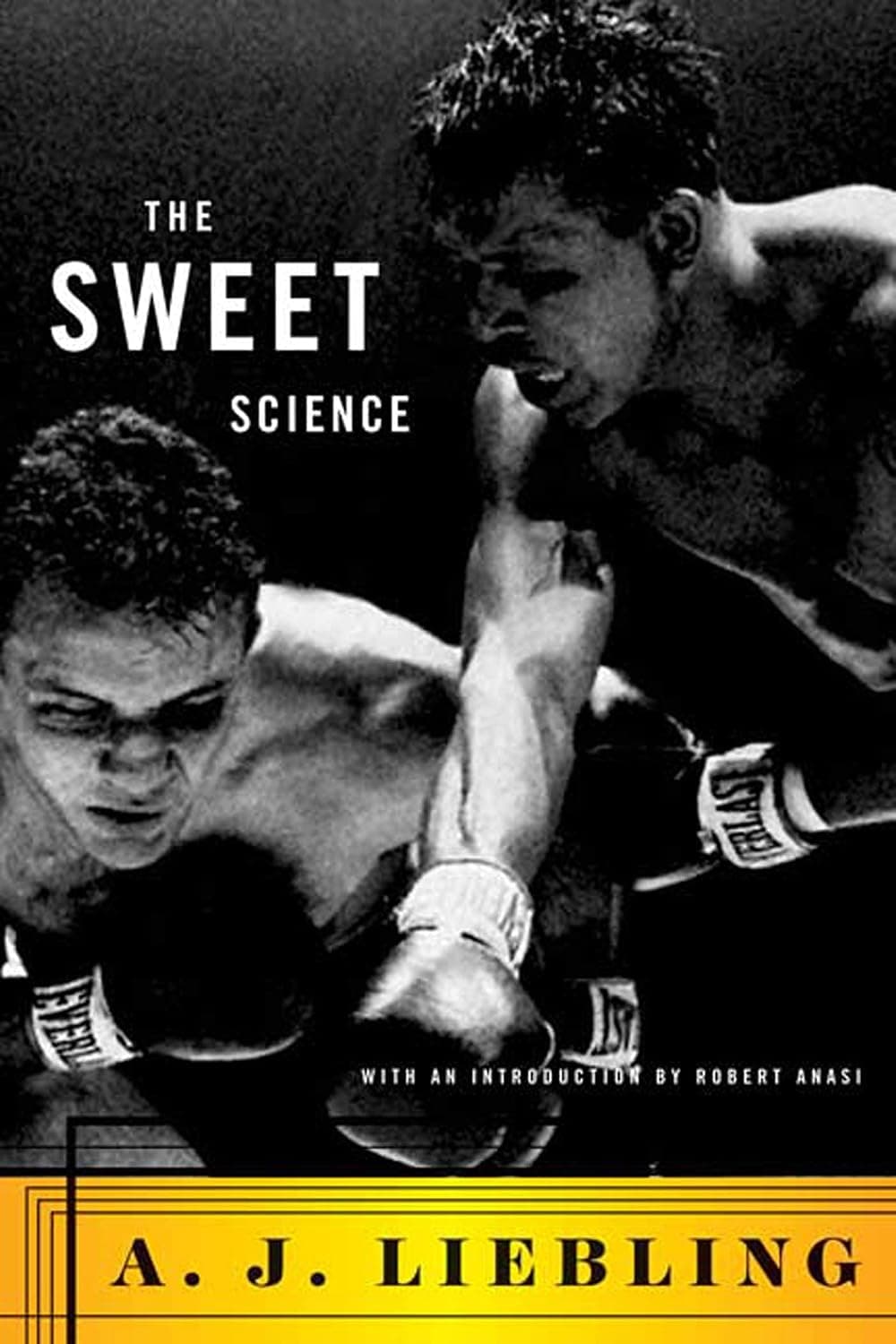
Liebling covered Rocky Marciano knocking out an aging Joe Louis, writing the trainers and cornermen with as much relish as the champions. He set the standard American boxing writing still works from.
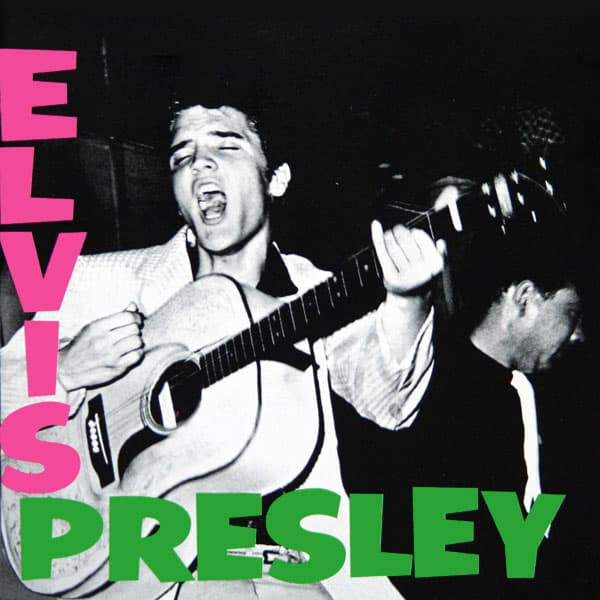
Five of the tracks were leftovers from his Sun sessions. The Clash copied the sleeve, pink and green lettering and all, twenty-three years later.
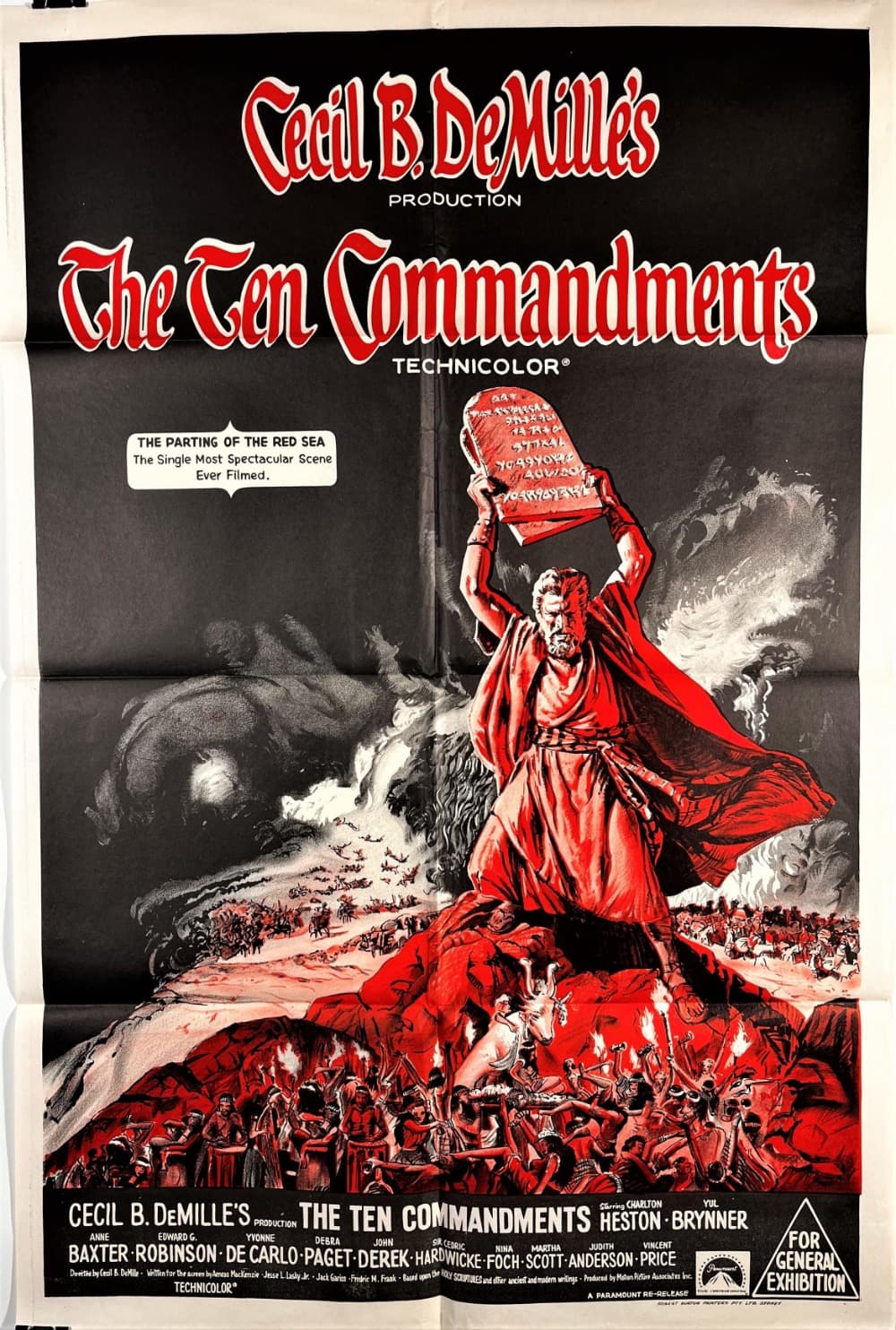
American television has run it every Easter for over fifty years: DeMille parted the Red Sea with gelatin, dumped water and a reversed film, and nobody has topped the sheer nerve of it.
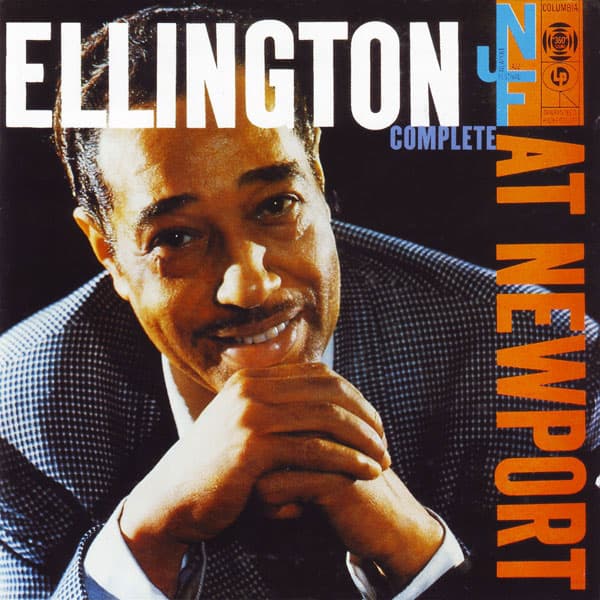
The tenor player Paul Gonsalves took twenty-seven choruses in a row and the crowd nearly rioted. Much of the record was quietly redone afterward.

On Corfu in the 1930s a boy hunts scorpions and owls while his mother and three grown siblings supply the chaos. Durrell describes every creature exactly and every relative without mercy.
Flipside of Blue Suede Shoes, cut at Sun with both Perkins brothers, and later Ringo's turn on Beatles for Sale.
Sam "The Man" Taylor blows the solo, Panama Francis drives the beat, and Baker makes a comic rescue swing.
Vee-Jay released it in 1956 as doo-wop; the Dells recut it thirteen years later and reached the pop ten.
Leiber and Stoller's first single for the group, Stoller himself at the piano, climbed to number eight R&B.