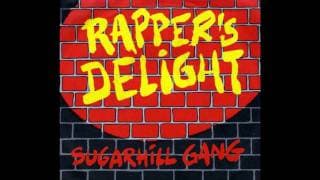
Rapper's Delight
1979
Big Bank Hank auditioned outside the pizzeria where he worked, rapping lines borrowed from Grandmaster Caz's notebook.
★ 9.0
 skopia
Big Bank Hank auditioned outside the pizzeria where he worked, rapping lines borrowed from Grandmaster Caz's notebook.
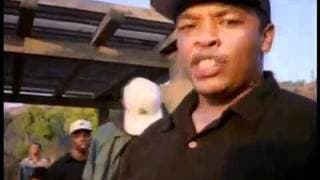
Dre built G-funk on a Leon Haywood sample, handed Snoop the mic, and gangsta rap reached number two.
Cut May 3, 1968 with an ABC film crew rolling, and it became Hendrix's only British number one, posthumously.
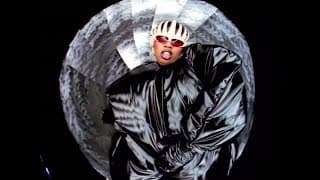
Timbaland flipped Ann Peebles into stuttering space, and Hype Williams shot Elliott in an inflated suit through a fisheye.
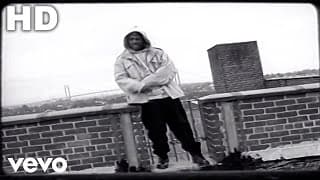
Eight MCs, a beat RZA scrapped and rebuilt, and a 12-inch the group pressed themselves before any label would.
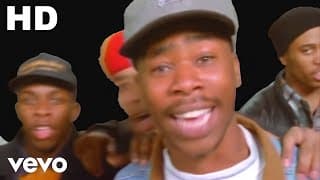
Five MCs passing the microphone, and Busta Rhymes at nineteen turning a guest verse into an entire career.
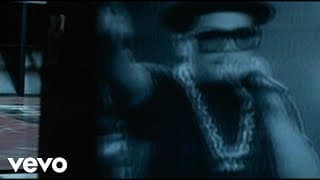
An Oberheim drum machine, a few scratches, and two voices. Everything before it suddenly sounded old school.
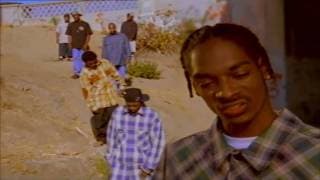
Dre stacked Atomic Dog over Parliament and Funkadelic, and Snoop's debut single walked straight into the top ten.
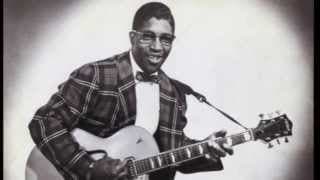
Jerome Green's maracas, a tremolo guitar shaking like heat haze, and the beat that took Bo Diddley's name.
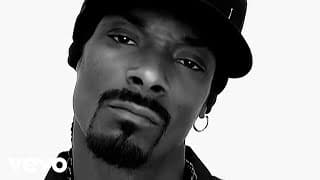
The Neptunes built it from tongue clicks and almost nothing else, and it gave Snoop his first number one.
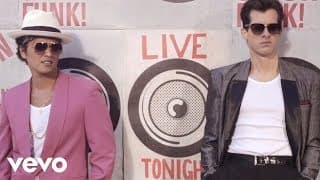
Six studios, eighty-two takes at the guitar part, Ronson collapsing in the studio, and fourteen weeks at number one.
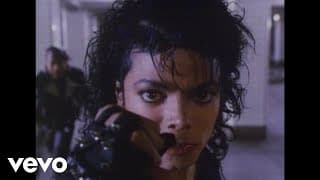
Scorsese shot eighteen minutes in a Brooklyn subway station, and the brass hits point straight back at James Brown.
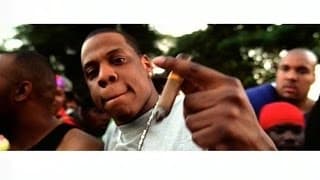
Timbaland looped a flute from a 1957 Egyptian record, and Pimp C nearly turned the beat down for sounding pop.
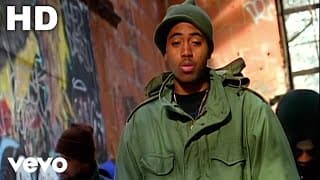
Large Professor looped Human Nature into a hush, and Nas closed Illmatic with his most dazzling stretch of technique.
One chord cut at Chess in March 1955, and Muddy Waters answered it with Mannish Boy by May.
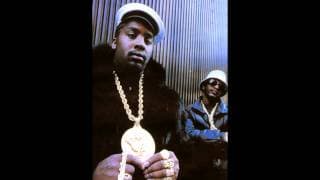
By Eric B.'s account he paid Marley Marl to engineer it in Queensbridge; Rakim arrived rapping like nobody before.
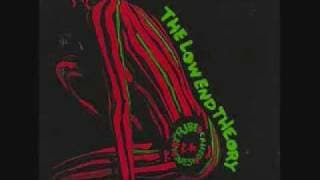
A borrowed Lou Reed bassline that reportedly took all the royalties, and a call-and-response hook the crowd finishes.
A Jackson 5 chop, an arena chant, and Jay-Z's first solo top ten, courtesy of a young Kanye West.
A diss aimed at Chubb Rock, by B-Real's account, over a squealing hook DJ Muggs still won't explain.
Andre 3000's stepfather, Reverend Robert Hodo, plays the harmonica breakdown; the woman in the title sued.
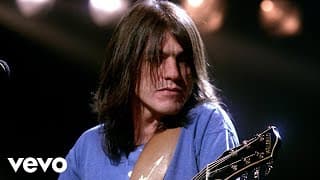
Angus called it a little guitar trick; Malcolm added the rhythm underneath, and it lands before Johnson sings a word.
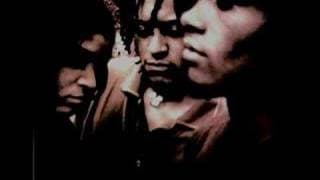
Butler built it from an Art Blakey bassline in his father's jazz records, three voices making cool sound effortless.
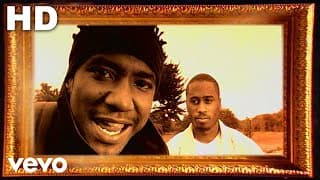
Q-Tip flipped a Weldon Irvine bassline, Trugoy took the hook, and the chorus name-checks cities from New York to Tokyo.
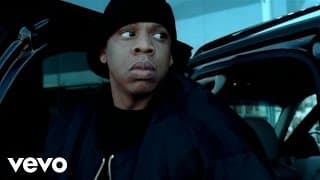
Timbaland's beat is all snap and space, and in 2008 a presidential candidate borrowed the shoulder-brush on a Raleigh stage.
A Bobby Byrd loop that sent every producer digging for James Brown, and Rakim rhyming coolly off the beat.
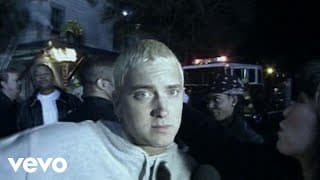
Eminem wrote the verses as a reference for Snoop Dogg, by Dre's account, and Dre kept the guide vocal.
Jerome Green's maracas, Jody Williams on lead guitar, graveyard imagery, and a shuffle that skips the Bo Diddley beat.
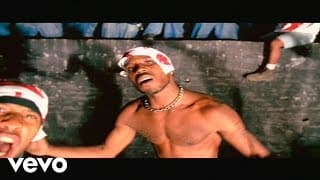
DMX turned the beat down for sounding too rock; his uncles talked him into it, and Swizz Beatz arrived.
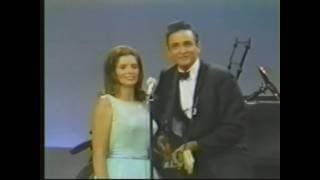
Wheeler got the idea from Who's Afraid of Virginia Woolf, and Cash and Carter trade the taunts like they mean them.
RZA cut it at Firehouse Studio on almost no budget, Method Man co-produced, and the chorus became the Clan's motto.
Ernie Maresca offered it to Nino and the Ebb Tides first; buried as a B-side, it went to number two.
A Mothership Connection sample, RBX writing Dre's verses, and the Grammy win that turned it into a hit.
The Think break from a 1972 Lyn Collins single, and two Harlem kids made the party record of 1988.
Uncleared, the Enya sample nearly brought a lawsuit; she heard the finished record and chose to settle instead.
Cypress Hill could not write to Muggs's beat and Ice Cube passed on it; it reached number three anyway.
OutKast were booed at the 1995 Source Awards and answered with a title splicing Atlanta and aliens over echo-heavy dub.
Dixon's title was blues code for adultery, cut by Wolf at Chess and reopened by the Doors in 1967.
A joke about radio playlists, built on Vic Juris's "Horizon Drive," and it became Gang Starr's most recognizable record.
Slayer's Kerry King plays the solo, the title bends Motorhead's, and Rubin welds rap to metal without apology.
KRS-One produced it himself over a Stanley Turrentine loop, from the first album made after Scott La Rock's murder.
Marley Marl on the beat, Kane's debut twelve-inch in 1987, and a rapid-fire delivery that reset the bar.
Cosimo Matassa's J&M studio, December 1949: Earl Palmer's backbeat, Domino's wordless wah-wah, and a million copies sold.
DJ Toomp turned a Roberta Flack interpolation into a synth fanfare, and T.I. won a Grammy for the performance.
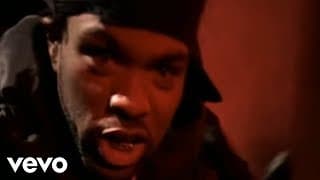
RZA's murk, Method Man's first single away from the Wu-Tang, and a title Chris Rock borrowed for his 1996 special.
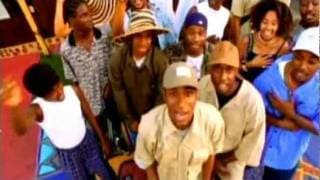
Hi-Tek loops Boogie Down Productions while Mos Def and Kweli revive KRS-One's demand that the violence stop.
A lyric lifted from "Lovey Dovey", a misheard doo-wop coinage, and a Levi's ad that made it Britain's number one.
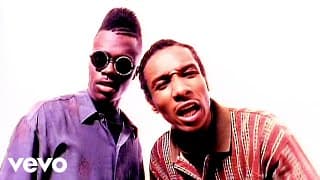
An upright bass loop, a playground chant for a hook, and a remix that so eclipsed the original nobody plays it.
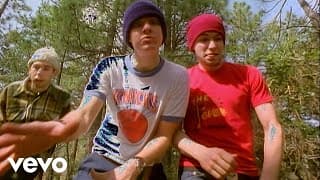
Vocals barked through a karaoke microphone, Money Mark's organ underneath, the Beasties back on their own instruments at G-Son.
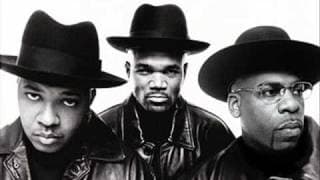
Bells lifted from a Bob James record, nursery-rhyme characters conscripted, and Jam Master Jay finally getting his own showcase.
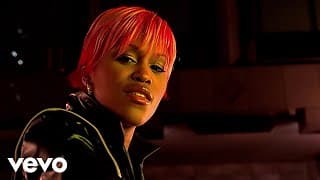
Ninety beats a minute, Dr. Dre and Scott Storch on the track, Gwen Stefani's hook, Eve at number two.
Bill Brown's bass voice, not McPhatter's tenor, carried fourteen weeks at R&B number one past nervous radio programmers.
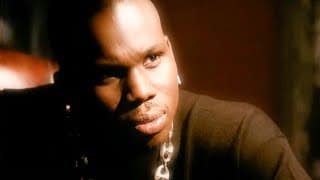
Tom Tom Club's Genius of Love beat rebuilt as smooth British R&B, and Morrison sounding utterly unbothered about being wronged.
Neptunes production at its bounciest, with Kelis on the hook a month before her own debut single.
Predator-era Cube with Das EFX in tow; the remix rode the Message beat to number one R&B.
El-P's beat, de la Rocha recruited a day after a chance encounter, and the fiercest track on the album.
A Sly Stone drum loop, a fake nose, and Shock G inventing Humpty Hump, the funniest alter ego in rap.
More Bounce to the Ounce plus a Jungle Boogie sample, cut in West Babylon, and EPMD sounding utterly unhurried.
Rick James sued over the Super Freak riff and settled for a co-writing credit; Hammer's pants did the rest.
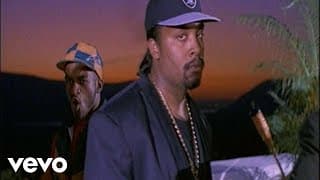
Cut at the Hit Factory for their final album together, Eric B.'s jazz loops under Rakim's most unhurried flow.
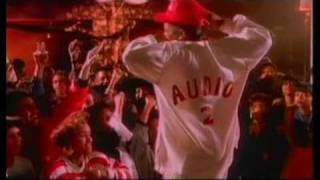
Milk Dee built the beat from the Impeach the President break; over 300 records borrowed it since.
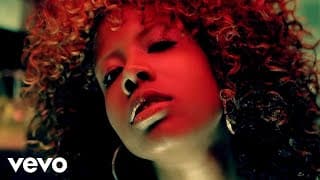
A darbuka drum, finger cymbals, and almost nothing else; the Neptunes' emptiest beat became Kelis's biggest hit.
DJ U-Neek's beat, Shatasha Williams on the hook, and the harmonized Cleveland flow Eazy-E had to be talked into releasing.
An old dancehall toast opens it, the beat switches mid-song, and 2 Chainz walks off with the whole posse cut.
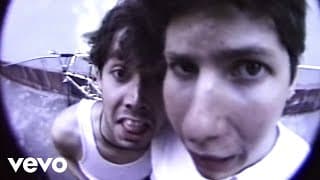
Rubin piled samples where everyone else looped one, and the title itself comes from Kurtis Blow's Christmas Rappin'.
First record to lift the Synthetic Substitution break, which hip hop never stopped using, with Kool Keith rhyming deliberately off-beat.
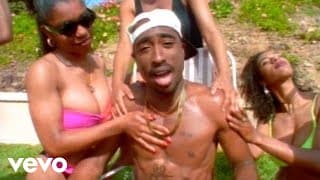
Shock G's beat was meant for Digital Underground, and by his account Shakur wrote Shock's verse for him.
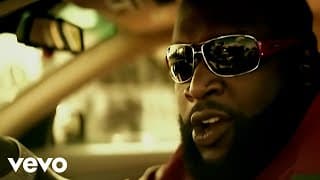
Produced by the Runners in 2005, it drew bids from Bad Boy and Murder Inc. before Def Jam won.
EPMD signed them off a talent show they lost, and the iggedy style swallowed hip hop for two years.
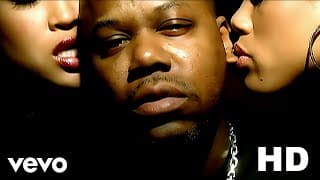
Lil Jon's beat never cracked the Hot 100, yet it became Too Short's signature, later borrowed by Drake and Saweetie.
Bangladesh built the beat around Harry Belafonte's Day-O, and Wayne released it six weeks after leaving jail.
Mike Zombie's beat samples a Bruno Sanfilippo ambient piano piece; the title came out of a Future studio session.
Easy Mo Bee built that beat for Apache, who was on tour; Mack took it and made 1994's sparest hit.
Dropped without warning on a Saturday in August, an Outkast sample underneath, Minaj arriving to claim the rap crown.
Boi-1da, Vinylz and Frank Dukes built the boast; Nineteen85 and 40 flip a James Blake sample for the reckoning.
Dre and Sam Sneed rebuilt The Sequence's Funk You Up as G-funk, Nanci Fletcher singing the hook to number ten.