Dreams (Fleetwood Mac)Fleetwood Mac
Dreams (Fleetwood Mac)
1977 · From Rumours
Nicks wrote it in a black velvet studio room at Sausalito's Record Plant; it remains the band's only US number one.
★ 8.9
 skopia
Nicks wrote it in a black velvet studio room at Sausalito's Record Plant; it remains the band's only US number one.
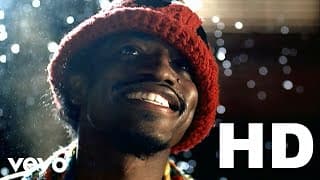
Andre 3000 apologizing to Erykah Badu's mother, who liked it enough to buy a Ms. Jackson license plate.
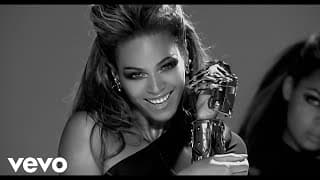
Beyonce found Bob Fosse's Mexican Breakfast on YouTube; three Grammys and a decade of wedding receptions followed.
Presley started clowning through an Arthur Crudup blues on a break; Sam Phillips heard it and rolled tape.
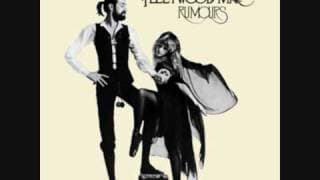
Buckingham aimed Mick Fleetwood at the Street Fighting Man groove, then sang a breakup line Nicks demanded he cut.
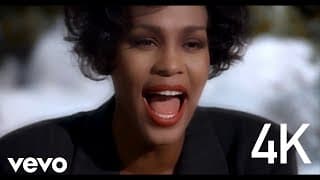
Parton wrote it to leave Porter Wagoner; Houston opened a cappella and held the Hot 100 for fourteen weeks.
Buried as a B-side until DJs flipped it, and Gaynor cut the vocal in a back brace after spinal surgery.
Percy Mayfield mailed it in as an a cappella demo; Margie Hendrix answers Charles line for line.
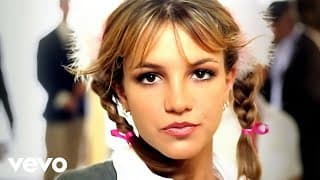
Max Martin built it at Cheiron in Stockholm after TLC and the Backstreet Boys passed, and Spears was sixteen.
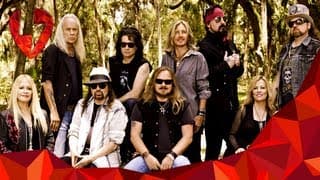
Collins's chords sat unused for two years until Van Zant found the melody; the long outro was his onstage rest.
Razor-blade tape splices turned rejected scraps into the one Rumours song credited to all five, McVie's bass ending it.
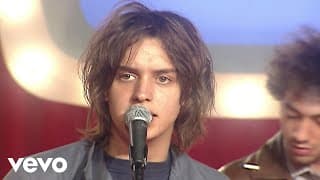
Built on the bones of Tom Petty's American Girl, which Petty confirmed without complaint, and recorded in Gordon Raphael's basement.
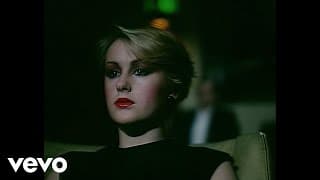
Oakey thought it the weakest thing on Dare; it became Britain's best-selling single of 1981 and Christmas number one.
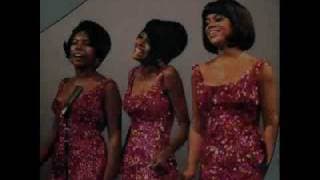
Dozier reportedly took the Morse code guitar figure from a radio news signal, and Ross demands her exit over it.
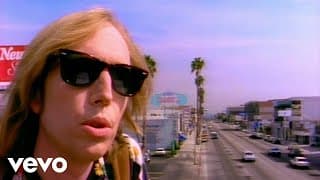
Two days of writing with Jeff Lynne, Mike Campbell's twelve-string, and Ventura Boulevard turned into the whole San Fernando Valley.
A Vox Continental organ, a Michigan basement studio, a tiny local label, and somehow the number one record in America.
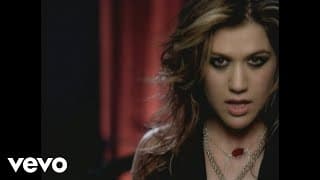
Pink passed on it and Duff couldn't hit the notes, so Clarkson asked for heavier guitars and won a Grammy.
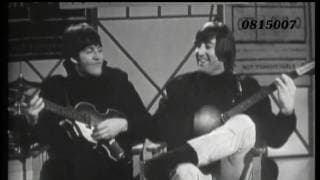
Cut at EMI in February 1965, with Harrison's Rickenbacker riff and a record Lennon later called the first heavy metal.
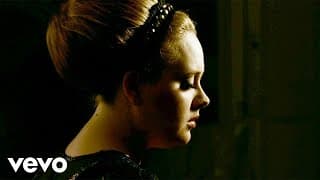
Written with Paul Epworth in one afternoon after a breakup, and the credits list stiletto heels as percussion.
Johnson's 1936 triplet figure run through an amplifier, Sonny Boy Williamson on harmonica, and a riff everybody stole.