MacarenaLos del Rio
Macarena
1995
Romero improvised the chorus for a flamenco dancer in Venezuela; the Bayside Boys remix ran fourteen weeks at number one.
★ 0.9
 skopia
Romero improvised the chorus for a flamenco dancer in Venezuela; the Bayside Boys remix ran fourteen weeks at number one.
Cut at the Record Plant with The Underdogs, 130 BPM of house that gave Brown his first UK number one.
Two uncleared vocal samples and a thirty-second meme put Baauer at number one the week Billboard started counting YouTube.
RedOne produced it with Bilal Hajji, a dance-floor emergency that peaked at number five and opened Miss Universe.
A Juventino Rosas waltz from 1888, fitted with English words for The Great Caruso and sung to number three.
Glenn borrowed 2,500 dollars from his parents to press 800 copies; it sat at number two for seven weeks.
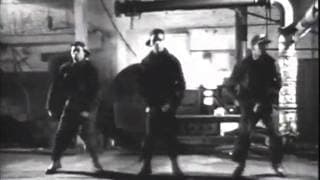
Donnie Wahlberg produced his brother's number one around a Loleatta Holloway sample, and Holloway herself appeared in the video.
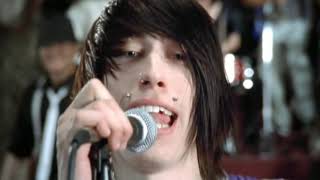
Trace Cyrus, Billy Ray's adopted son, and Mason Musso built a synth hook that went double platinum.
Dutch singer, German producers, and a Gilbert Montagne sample underneath; the Roxbury soundtrack later handed it a second life.
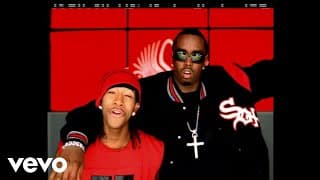
R. Kelly wrote and produced it, Diddy guested, and B2K got their only week at number one.
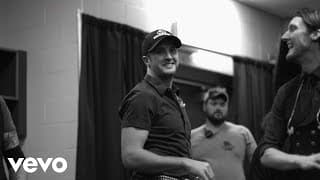
Davidson and Gorley's tailgate story carried Bryan to the top two Country Airplay spots at once, a chart first.
A Dallas dance named after Doug E. Fresh, a cowbell-driven beat from Runway Star, and Inglewood teaching everyone else.
Finger snaps where the snare should be, E-40 riding shotgun, and Lil Jon proving crunk could whisper.
DJ Frank E's video-game synths cut at the Record Plant, and Brown's return to pure pop after the mixtape years.
A 1966 Ventures instrumental on loop, twice a minor British hit, then a Mitsubishi advert made it inescapable.
Rihanna's team turned it down for Loud, and Usher took it to number four with Pitbull along for the ride.
Atlanta radio had it in March 2006; by September the country did, and Outkast joined the remix.
will.i.am heard electro in Sydney nightclubs while filming Wolverine, then rode that beat to twelve weeks at number one.
A stadium war chant repurposed for the Bad Boys II soundtrack, and a Grammy for the three of them.
Eight weeks at number one, backwards clothes, and two Atlanta thirteen-year-olds rapping over Jermaine Dupri's beat.
Cut at Criteria in Miami by Scott Storch and Sean Garrett, with Brown topping the Hot 100 at sixteen.
Thea Austin's vocal over a Newcleus sample, six weeks at number one and Britain's second biggest seller of 1992.
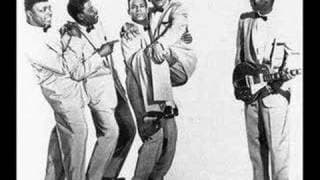
Leiber and Stoller's first single for the group, Stoller himself at the piano, climbed to number eight R&B.
A soca ballad cut in Saint Vincent for fifteen hundred East Caribbean dollars, later remixed into a worldwide hit.
A slasher-film joke rewritten on Phil Ramone's orders into Flashdance's training montage, and two weeks at number one.
Doroschuk wrote it after a bouncer threw him out for pogo dancing, and Tim Pope filmed maypoles in Wiltshire.
Los Da Mystro's synths and a title the radio had to clean up; The-Dream made desire sound weightless.
Eighteen years after the O'Jays cut it in Philadelphia, Teddy Riley rebuilt it as hip-house for Heavy D.
Written first as a Doublemint gum jingle, then extended by Polow da Don into a wedding-aisle staple.
Martha Wash sang the hook uncredited, then sued; her settlement put vocalist credits on MTV, and the floor still fills.
DJ Montay's beat, T-Pain on the hook, and the first song to sell four million digital copies in America.
Teddy Riley's beat rides a Lafayette Afro Rock Band sax loop, and a nineteen-year-old Pharrell wrote Riley's verse.
Number three on the Hot 100, co-produced by Beyonce, the last single cut with Luckett and Roberson.
A steelpan loop built on a demo copy of FL Studio, seven weeks at number one, three million downloads.
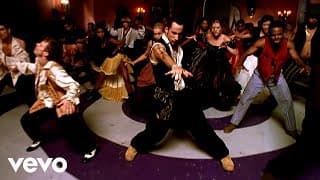
Denniz Pop and Max Martin cut it at Cheiron in Stockholm, and Joseph Kahn's haunted-mansion video did the rest.
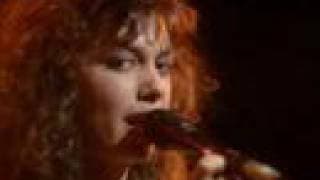
A tape loop, a LinnDrum, and a whistled hook: David Kahne built it while three Bangles split the verses.
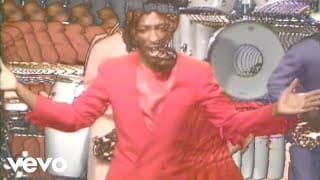
Deodato's production strips it to bassline and handclaps, and J.T. Taylor asks the only question a dancefloor needs.
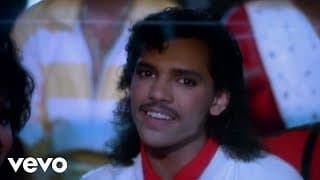
Warren wrote it for a Motown kung fu film, Perry swapped the drum machine for live players, DeBarge soared.
Scott Storch's beat, three weeks at number one, and a hook that instructs the room not to dance.
A club patron asked the band's drummer for funky music; Parissi wrote the answer on an order pad.
Brown put the writing credit in his wife's and daughters' names over IRS debts, then cut it live in two takes.
Top three in America across three decades, three different singers, and Eva Boyd invented the dance after the hit.
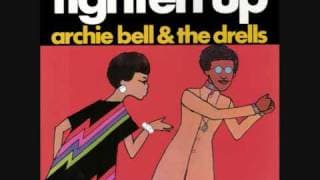
Houston's T.S.U. Toronadoes laid down the groove, and Bell was serving in Vietnam when it topped both charts.
Fifteen years old, a debut single that went top five, and Aaliyah already sounding unhurried and completely in command.
Jazze Pha built the beat on an Akai MPC3000, and Missy Elliott cut her verse before ever meeting Ciara.
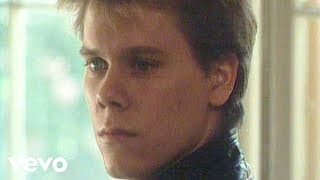
Pitchford wrote the screenplay first, then the lyrics; Loggins supplied the tune and his only number one.
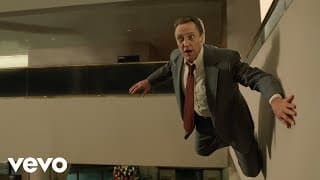
Bootsy Collins doubled in both channels, a Sly Stone sample, and Christopher Walken dancing through a Los Angeles hotel lobby.
Smith calls out the steps over a rolling left hand, on the first record to carry boogie woogie in its title.
Cara and Forsey wrote most of the lyric in a cab to the studio; six weeks at number one followed.
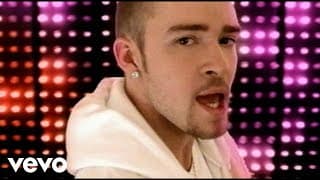
The Neptunes wrote it for Michael Jackson's Invincible; he passed, Timberlake took it, and the falsetto glides straight into disco.
Lenky Marsden's Diwali riddim is mostly handclaps and space, and Sean Paul rode it to three weeks at number one.
Written after a show in Utrecht by the band's own drummer, it walked Latin percussion onto American pop radio.
Ridgeley scrawled a note to his parents, doubled a word by mistake, and George Michael built a number one on it.
A guitar solo recorded slow and played back at double speed opens KC's first American number one.
Los Lobos took a Veracruz wedding dance to number one, in Spanish, for the Ritchie Valens biopic.
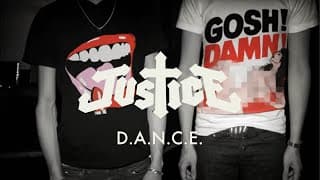
Justice built it from Michael Jackson song titles and handed the chorus to a London children's choir.