How Country Feels
2012
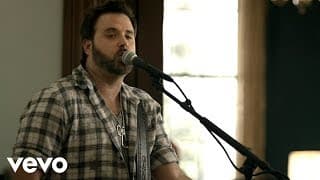
Three Nashville writers and producer Derek George handed Houser his first Country Airplay number one, and a platinum single.
★ 0.9
 skopia
Three Nashville writers and producer Derek George handed Houser his first Country Airplay number one, and a platinum single.
Nick Rhodes of Duran Duran co-produced it, and Limahl rode the hook to two weeks at UK number one.
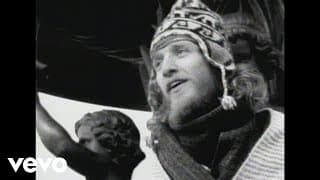
A video at Bethesda Fountain, a six-dollar hat, and a hook that pushed the album past five times platinum.
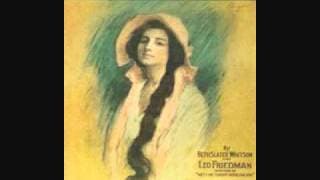
Leo Friedman's tune, Beth Slater Whitson's words, and a 1911 quartet disc now in the National Recording Registry.
Cut at Criteria in Miami by Scott Storch and Sean Garrett, with Brown topping the Hot 100 at sixteen.
The woman turning him down is Positive K himself, pitched up in the studio, and that duet is the joke.
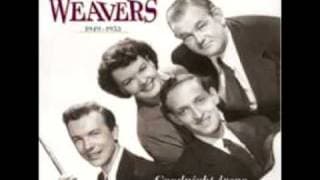
Cecil Sharp collected it in Appalachia in 1916; Seeger's arrangement and Terry Gilkyson's voice sold a million.
Foreigner's riff, a Funkadelic drum break, and a phrase borrowed from Flavor Flav, built into a top-three hit.
Young MC wrote the words, an uncredited Van Halen sample carried them, and Tone Loc's rasp did the rest.
Harrison bought the James Ray original in Illinois in 1963; Jeff Lynne turned it into his last American number one.
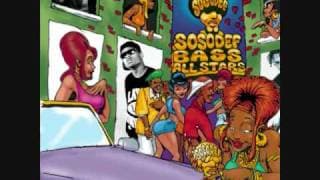
Bass from Atlanta, an R&B vocal on top, and a 2016 dance craze that beat its 1996 chart peak.
Twenty-four weeks atop the country chart, a Nelly remix, and the first country single ever certified diamond.
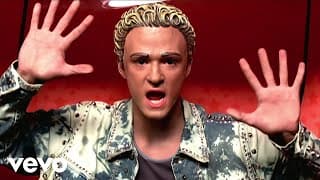
Max Martin coached Timberlake into pronouncing the last word "may", and 'N Sync got their only Hot 100 number one.
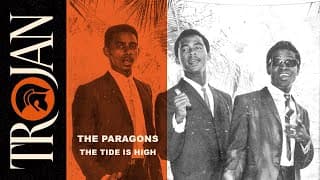
Holt's rocksteady original for Duke Reid, White Rum Raymond on violin, and a chorus Blondie later took to number one.
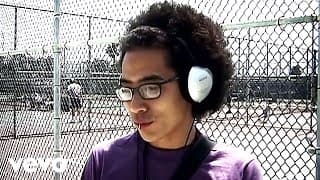
DiFiore's trumpet lick, chords borrowed from Sweet Jane, and McCrea deadpanning a want ad for the ideal woman.
Graham Gouldman's father handed him the opening lines; Gouldman finished the middle eight on his own bus to work.
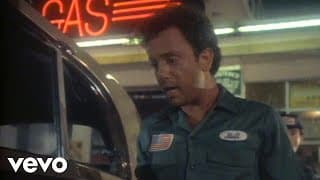
Joel chasing Frankie Valli's falsetto and the Four Seasons' bounce; five weeks at number one, his only UK chart-topper.
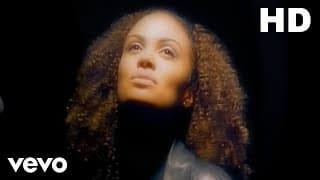
Larrieux's feathery lead over Bryce Wilson's interpolation of the Mary Jane Girls, and neo soul had its blueprint.
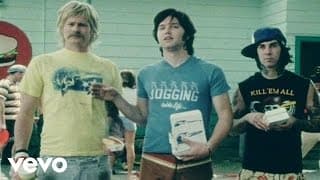
DeLonge wrote it after the band's manager complained the album had no feel-good song; a SeaWorld date supplied the rest.
Released as a B-side, produced by Full Force, and Roxanne rejecting all three MCs set off dozens of answer records.
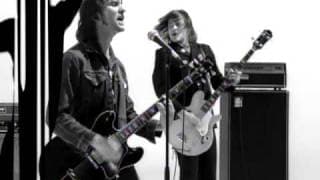
A cough left in from the demo, a Motown-derived stomp, and a riff everyone insisted they had heard before.
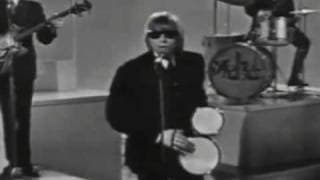
Brian Auger's harpsichord and Denny Piercy's bongos on a pop single, with Clapton confined to the middle break before quitting.
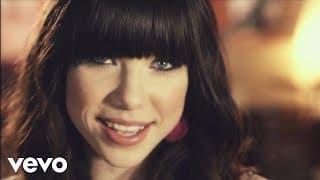
A folk song on tour until Josh Ramsay poppified it, then nine weeks at the top of the Hot 100.
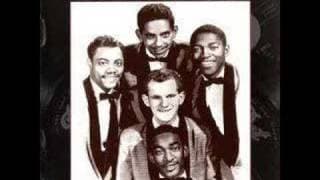
Airmen stationed in Pittsburgh, a demo cut in a DJ's basement, and bass singer Clarence Quick's nonsense-syllable hook.
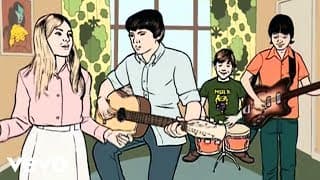
Yttling whistled a placeholder melody, ran it through tape delay, and kept it; Bergsman answers line for line.
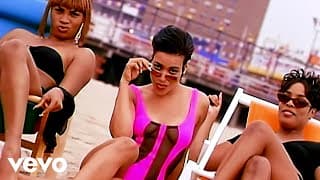
Built on a Sweet Inspirations sample, with Salt and Pepa flipping the gaze and riding it to number four.

Scoop DeVille built it from Janet Jackson's "Any Time, Any Place", heard on the studio radio, and Drake glides in.

Twain and Lange built it on three men who fall short, and that hooded leopard print did the rest.
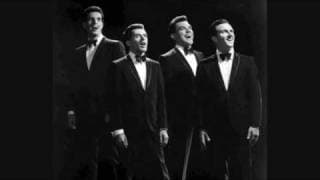
Gaudio wrote it in fifteen minutes by his account, and Valli's falsetto carried it to five weeks at number one.
Jim Beck offered a free demo in his Dallas studio; Frizzell's stretched phrasing became the template Haggard and Jones inherited.
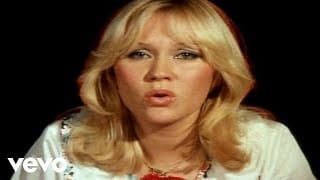
Ulvaeus chanted "tck-a-ch" to pace his jogging; it became the a cappella hook on ABBA's seventh UK number one.
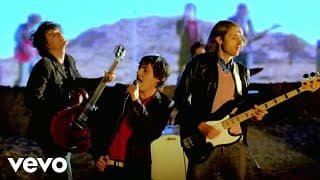
Flowers called it the story of trying to meet someone in a club; Keuning's hook does the flirting.
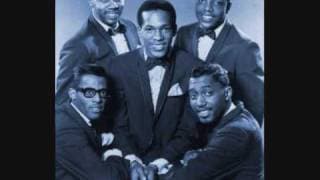
Smokey's song, Kendricks singing lead, number one R&B but only twenty-nine pop, which handed the group to Whitfield.
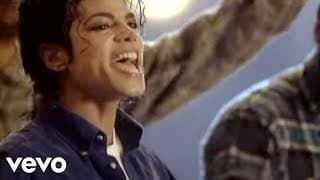
Cut at Westlake with Quincy Jones, a shuffle Jackson wrote himself, and Bad's third straight Hot 100 number one.
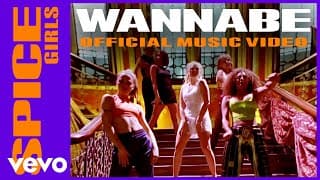
Seven weeks at UK number one for a debut single, and a chorus that puts her friends before any suitor.
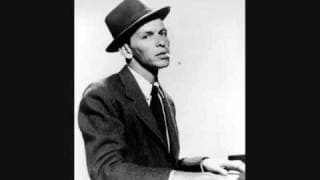
Cahn and Van Heusen wrote it to order, and Billy May's first Sinatra arrangement made travel sound like swagger.
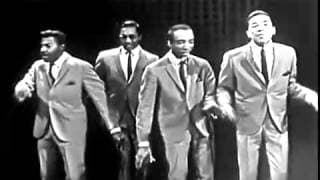
Motown's first million-seller, recut at three in the morning with Gordy at the piano chasing a poppier hit.
Jerome Green's maracas, Jody Williams on lead guitar, graveyard imagery, and a shuffle that skips the Bo Diddley beat.
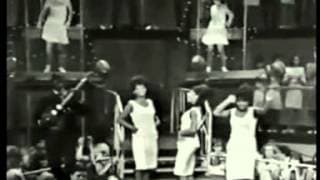
Nonsense syllables meant to be replaced by real words, La La Brooks on lead, and Spector's Gold Star thunder.
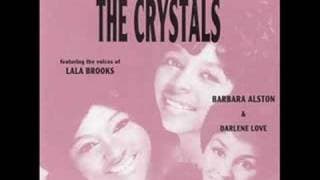
Larry Levine stumbled onto that echo by accident, and LaLa Brooks sings a whole courtship in under three minutes.
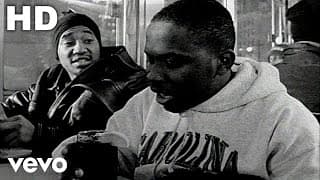
Q-Tip built the beat in his grandmother's basement from a Ronnie Foster loop, and Phife traded lines with him.
Argent and Blunstone rowed over the vocal at Abbey Road, and the band had broken up before America noticed.
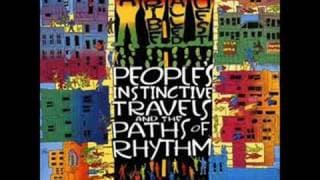
Q-Tip read Miles Davis on space, then rapped conversationally over a Rotary Connection loop and made desire sound utterly relaxed.
Williams wrote it for Little Jimmy Dickens, recorded it first himself, and held country number one for eight weeks.
Two songs welded together, the tempo dropping a minute in, and a sniper film lending Kapranos his double-edged title.
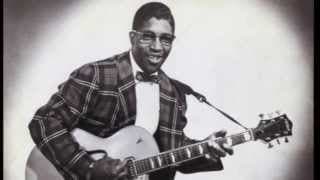
Jerome Green's maracas, a tremolo guitar shaking like heat haze, and the beat that took Bo Diddley's name.