The Reason
2004
Estrin mailed Robb an instrumental demo; the lyrics came from scraps in a journal, the strings from Capitol.
★ 1.7
 skopia
Estrin mailed Robb an instrumental demo; the lyrics came from scraps in a journal, the strings from Capitol.
Vocoder all over an R&B ballad in 2001, years before the effect took over pop radio; the Haileys wrote it.
A slow burn, Hugh Padgham at the desk, Stephen Bishop harmonising behind, and Collins's fourteenth and final American top ten.
Sonefeld's idea, written by committee on acoustic guitars, and Rucker addressing time itself like it owed him something.
J.R. Rotem looped Imogen Heap's Hide and Seek under a debut single, and Derulo had a number one within months.
Rosenberg cut it in a Sydney studio with Australian session players, and a Dutch fan's email set it loose.
Rutherford and B.A. Robertson had both just lost their fathers; Carrack, who lost his young, sang it.
Scalzo sang lead from behind the bass, Hammond organ carrying it, and Machine Gun Kelly later borrowed the chorus.
Forty-five minutes to an hour, by Kroeger's account, then more US radio plays than any song of the decade.
Mark Wills cut it first in 2003; Dann Huff's production turned Steele and Robson's ballad into a country number one.
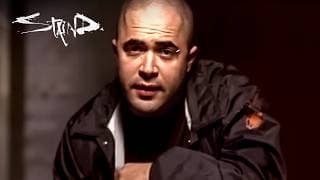
Written in 1996 for an acoustic side project and shelved, it returned to spend twenty weeks atop Mainstream Rock.
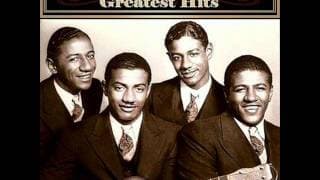
Doris Fisher's music, Allan Roberts's lyric, four voices in close harmony, and a B-side, "Till Then," that charted too.
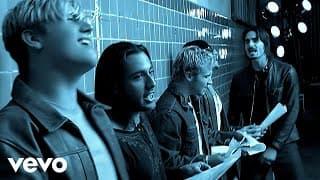
Max Martin and Rami built it with Lisa Miskovsky, and the video sat atop TRL for sixty-five days.
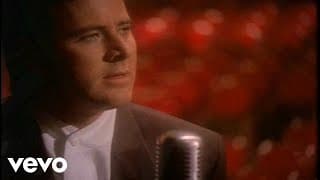
Gill and John Barlow Jarvis turned an apology for neglect into a ballad, and Gill's first country number one.
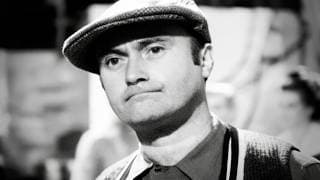
Clapton plays the lead over Padgham's production, the closest Collins had then come to writing a blues song.
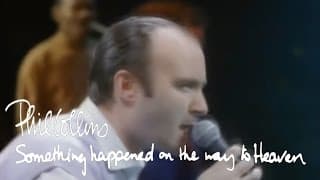
Phenix Horns brass over Nathan East's bass, on a song Collins first wrote for The War of the Roses.
Beckett and Crowley wrote it after two bandmates' breakups, and Lambert and Potter's production held number one for three weeks.

Seven minutes long, never a single, self-produced by the trio, and the longest slow burn on Writer's Block.
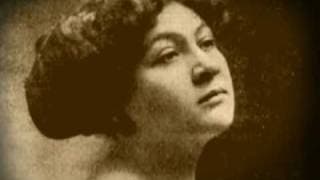
Tucker's maid pressed Shelton Brooks's song on her in 1910, and it stayed her signature for the rest of her career.
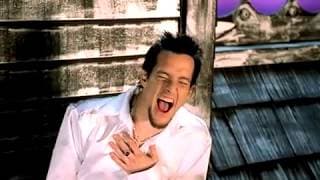
Patrick's blackouts and a father's disappointment sit behind it, six minutes of guitar haze on Title of Record.
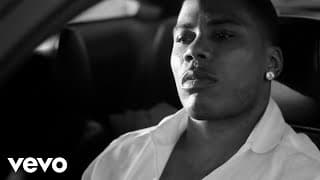
Jim Jonsin and Rico Love built the beat, and Nelly took the heartbreak to number three.
Foster brought in three Toto members and saved Chicago's horns for the coda, returning the band to number one.
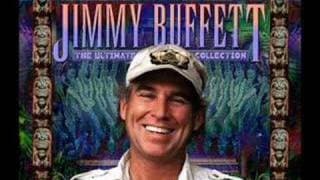
Buffett was twenty-seven when he wrote it, about a Chart Room regular in Key West and a life at sea.
Cuomo re-recorded it after crowds sang his original melody back at him, and it topped alternative radio for four weeks.

Hucknall wrote the words at seventeen, his punk band cut it first, and the chorus made it an American number one.
Cut for Victor in July 1918 by the singer billed as Queen of the Blues; jazz kept it.
Buckland gave up on a guitar part and played maracas instead, and Martin's slow crawl back still aches.

Spiccato strings, a skipping piano, and a breakup lyric; Malkovich and Hugh Laurie costar in the period video.
A 1966 Four Seasons song rebuilt as a medley, John Edwards out front, and two weeks at British number one.
Campbell cut the track at home before Henley and Souther added words, and forgiveness never sounded so hard-won.

Kozelek grew up in Massillon, Ohio, and this is what he sends back: an apology set to ringing acoustic guitars.
Duritz wrote it before dawn while a friend lay in hospital, and the band cut it almost entirely live.
Hoppus and DeLonge wrote in separate rooms, choruses and verses, and Barker's beat locked them together in a day.
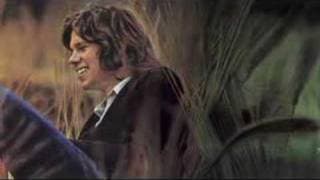
John Cale's viola and harpsichord circle Drake's plea for a second chance, and Wes Anderson later borrowed it.
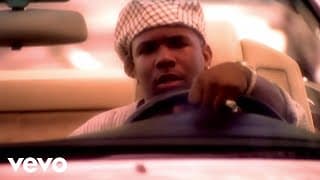
Only the Beatles had replaced themselves at number one before Jimmy Jam and Terry Lewis handed the group this.
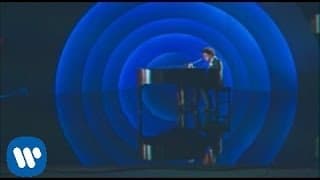
Voice and piano, nothing else, Mars playing it himself at Levcon and singing a regret he cannot take back.
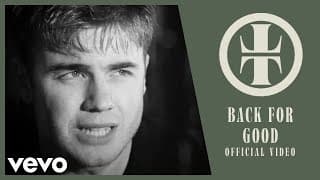
Barlow says it took fifteen minutes to write; the BRIT Awards debut pushed the release forward to an instant number one.
Diane Warren got on her knees begging Cher to cut it; the video was shot aboard the USS Missouri.

In his father's Wisconsin hunting cabin, Vernon shaped the melody wordlessly, then wrote his gambling losses into it.
Guitar jangle, Wheeler's voice, and a US Modern Rock number one that Britain never received as a single.