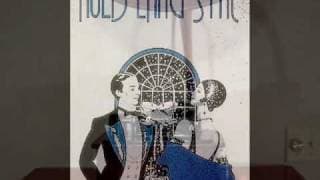
Auld Lang Syne
1910
Burns said he took the song down from an old man; Stanley's 1910 disc is probably the first commercial recording.
★ 1.3
 skopia
Burns said he took the song down from an old man; Stanley's 1910 disc is probably the first commercial recording.
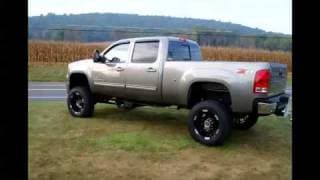
Mac McAnally's 1990 original about his Mississippi hometown reached number fourteen; Chesney's cover went gold without ever being a single.
Jack & Diane, Only the Good Die Young, Rock'n Me: the songs Chesney says drag him back.
Alex da Kid's beat, Hayley Williams on the hook, and a wish on a passing plane that went diamond.
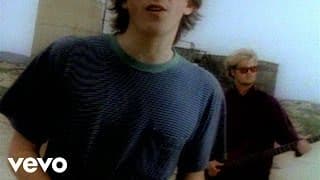
Phillips wrote it after a trip to Orcas Island, keeping the placeholder lyrics because nothing he tried afterward worked better.
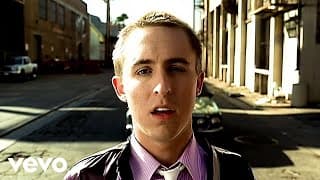
Sean Mackin's violin cutting through the guitars, and an avenue that is really a boulevard in Atlantic Beach, Florida.
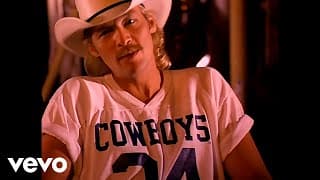
Keith Stegall produced it, Jim McBride supplied the title line, and Jackson water-skied through the video in red cowboy boots.
Brian Deck built a loop for Beam to layer guitar over; Stewart reportedly chose it for Twilight's prom.
Funkadelic's Can You Get to That, looped and sweetened, under the one Sleigh Bells song that whispers.
A homesick lullaby from No Need to Argue, with a string arrangement O'Riordan scored herself over Noel Hogan's chords.
Four voices, no instruments, a 1975 Cooley High ballad rebuilt a cappella and carried to number two.
Jackson wrote it alone, a whole marriage from courtship to old age, and country radio held it at number one.
Sixteen weeks in the top ten, more than any other single of the eighties, and Aronoff's drums never let up.

Cut with Joel Little in a small Auckland studio, the beat built before a word, that "Yeah" doing everything.
Rice-Oxley hammered it out on piano after "Heroes", and Keane proved a rock band could skip guitars entirely.
Moretti woke to hear Casablancas inventing the melody in the bathroom, and it became the warmest song on Is This It.
Five mics from The Source for The Fix, a Mike Dean beat, and Scarface drawing his Houston block affectionately.
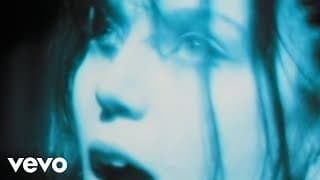
Guitar jangle, Wheeler's voice, and a US Modern Rock number one that Britain never received as a single.
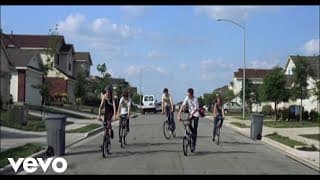
A rolling piano, Butler's boyhood in The Woodlands outside Houston, and an album he called a letter from the suburbs.
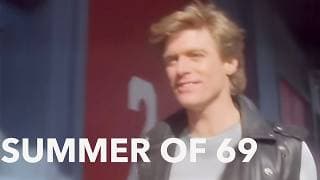
A twelve-string riff swapped for six and doubled for thickness, then a chorus about a summer Adams never actually had.
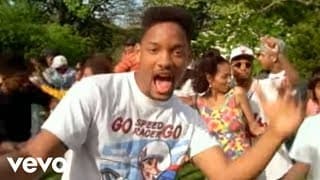
Hula and K. Fingers looped Kool and the Gang's Summer Madness, and the duo won a Grammy for it.
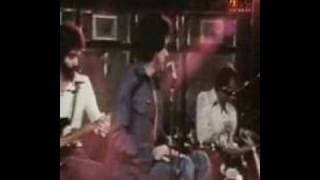
Gaudio first wrote it about Prohibition's repeal, then Judy Parker rewrote the lyric and drummer Gerry Polci sang lead.
Ervin Drake's vintage-wine conceit reached Sinatra via the Kingston Trio, and Gordon Jenkins's arrangement won its own Grammy.
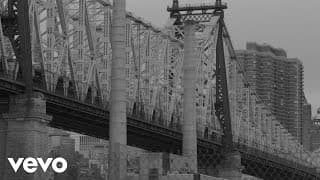
Rostam's harpsichord reharmonizes a melody that traveled from Bread through Grover Washington Jr. to Souls of Mischief, then here.
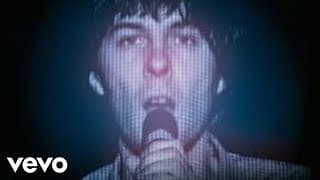
A fantasy of Belle Epoque Paris, handed out free online, that then spent thirty-one weeks climbing to alternative number one.
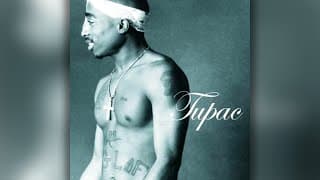
Released two days after Shakur's death, Daz Dillinger's loop of DeBarge's A Dream carrying a farewell to lost friends.
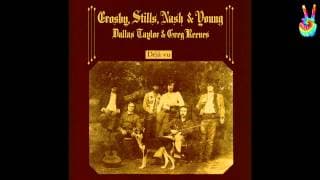
One of three Deja Vu tracks the four cut together, Young keening about the Ontario town of his childhood.
Armstrong wrote it in 1993 about a girlfriend leaving for Ecuador; Cavallo added the strings while the band played foosball.
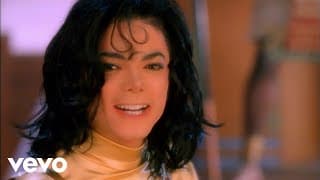
Teddy Riley's new jack swing under a nostalgia lyric, with John Singleton staging the video in ancient Egypt.
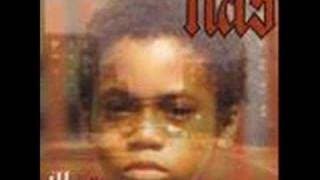
Nas was twenty and already writing memoir here, over DJ Premier's loop of a Reuben Wilson organ.
Pitchfork's fifteenth-best song of the 2000s, the Dreijer siblings' synth pulse, later stripped to one acoustic guitar by Jose Gonzalez.
Sixteen national number ones, then a second life at 12:01 a.m. on 1 August 1981 as MTV's first video.
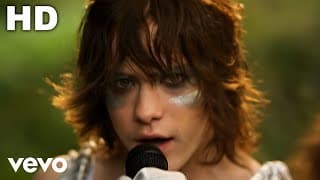
Goldwasser wrote the music at nineteen in a dorm room, an exercise in stereotypical pop that outgrew itself.
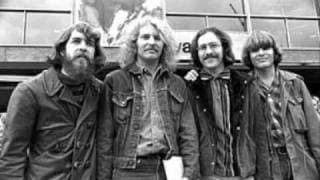
Fogerty wrote it in a California apartment, never having set foot in Louisiana, and still summoned the swamp.
Seger walked out of American Graffiti with a story of his own, and took six months finding the words.
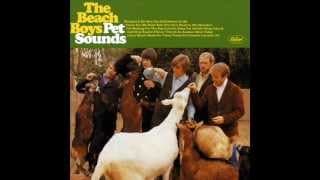
Twelve players at Western, an empty water jug for percussion, and Murry Wilson speeding the tape a semitone.
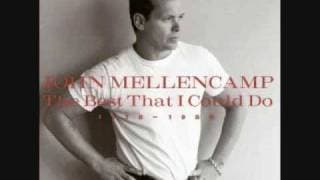
Mick Ronson suggested the baby rattles and sang the "let it rock" hook; the handclaps were only a guide track.
Mills cut the piano at Criteria on the instrument heard on "Layla," and John Paul Jones arranged the strings.
Flood said it wasn't good enough, so Corgan rewrote it that night and got the band's biggest hit.
Campbell built the track on a LinnDrum, Petty passed, and Henley wrote middle age onto somebody else's demo.