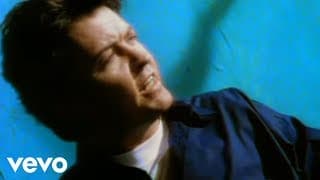
Oh Girl (Paul Young)
1990
Eugene Record's Chi-Lites ballad, harmonica and all, remade by Young in 1990 for a number eight American hit.
★ 1.2
 skopia
Eugene Record's Chi-Lites ballad, harmonica and all, remade by Young in 1990 for a number eight American hit.
Todd Pipes drew the lyric from Roman Holiday, swapped in a different Hepburn title, and Britain sent it to number one.
Hammond and Warren's song first surfaced on a Tina Turner B-side; Aswad, then Ace of Base, found the hit inside.
David Frank and Steve Kipner handed a boy band a breakup song about ending an affair; it reached number five.

Diplo and Switch wrapped a breakup song in dubstep, and a Microsoft browser ad made it a worldwide hit.
A slow burn, Hugh Padgham at the desk, Stephen Bishop harmonising behind, and Collins's fourteenth and final American top ten.
Written in a garden shed at Farrington's father's house, stalled at fifty-eight in Britain, then Napoleon Dynamite happened.
Forty-five minutes to an hour, by Kroeger's account, then more US radio plays than any song of the decade.
Three writers, a Pretty Woman soundtrack slot, and the most cheerful denial ever to reach the American top ten.
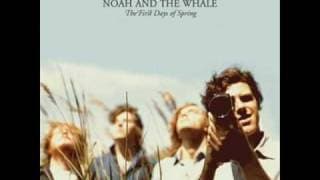
Fink wrote the whole album around his split with Laura Marling; this became its first single, and its way out.
Fifty-five weeks on the Hot 100 without ever passing number sixteen, and Sheik got a Grammy nomination out of it.

One week of downloads lifted it from sixty-six to three, a Hot 100 record, with JoJo just fifteen.

James Ford produced it, all three sisters wrote it, and the harmonies turn a plea into a groove.
Wilde rebuilt the Holland-Dozier-Holland original as hi-NRG and became the second act to take it to number one.
Cut at EMI Studios in Stockholm, Gessle's deliberate pastiche of overblown American FM rock, and it hit number one.
Three voices, one mixtape: McCall produced and guested, Tyga rapped, and Brown took a breakup to number one R&B.
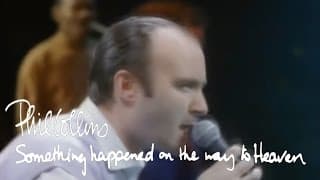
Phenix Horns brass over Nathan East's bass, on a song Collins first wrote for The War of the Roses.
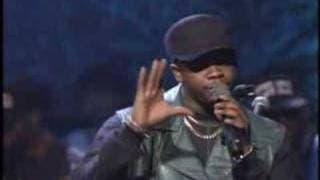
Twenty-four hours to learn a Stevie Wonder ballad for MTV Unplugged, and K-Ci and JoJo owned it.

Seven minutes long, never a single, self-produced by the trio, and the longest slow burn on Writer's Block.
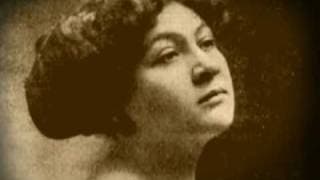
Tucker's maid pressed Shelton Brooks's song on her in 1910, and it stayed her signature for the rest of her career.
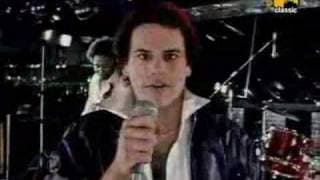
Casey and Finch's first ballad after a run of dance hits, and the first American number one of the 1980s.
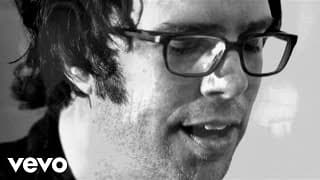
Folds went back to a trio for Songs for Silverman, and made its lead single a phone call home.

Max Martin and Dr. Luke's pop machine at full tilt, a runaway-groom video, and 39 weeks on the Hot 100.

Written for her own concert film with Max Martin and Dr. Luke, it climbed to number two in America.
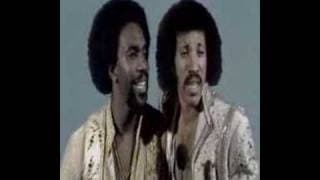
Richie handed a funk band a country ballad, rode it to number four, and re-cut it with Tim McGraw.

Tedder wrote it, Timbaland remixed it, and radio played the result 10,394 times in a single week.
A synth flute over a Banbarra drum sample, cut at Cheiron in Stockholm, and Billboard's biggest single of 1994.
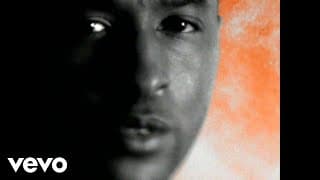
Babyface stripped back to acoustic guitar, won his first performing Grammy, and landed his highest solo placing at number four.

StarGate and Ne-Yo tracked the ballad in three studios on two continents, and it vaulted from fifty-three to number one.
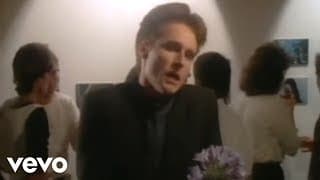
Waite heard a guitar melody on cassette and improvised the first verse on the spot; its chorus is pure denial.
Buckland gave up on a guitar part and played maracas instead, and Martin's slow crawl back still aches.
Unhappy with the mix, Walla squashed the drums through speech-therapy hardware and rebuilt the track around a glove compartment.
Parazaider heard it on the radio while cleaning his pool and assumed McCartney, not his own band.
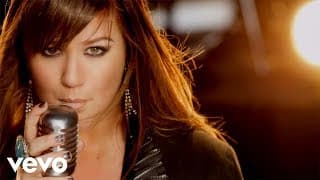
Nietzsche by way of a co-writer's mother, Greg Kurstin's production, and Clarkson's third number one.
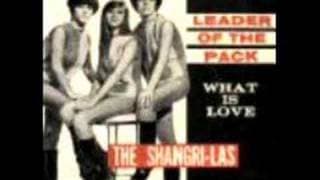
Shadow Morton production, Greenwich and Barry words, and a narrator who quietly hands her boyfriend back to the streets.
Fifty-two weeks on the Hot 100 for a breakup song that began with Cadogan picking up an autoharp.
Campbell cut the track at home before Henley and Souther added words, and forgiveness never sounded so hard-won.

Danielle, Este and Alana wrote it with Morgan Nagler as a stay-strong pep talk, and it moves like one.