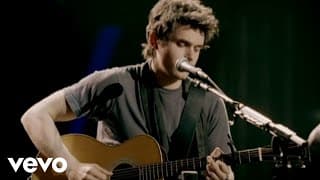
Free Fallin' (John Mayer)
2008
Two days was all Petty and Lynne needed; Mayer's acoustic version, taped at the Nokia Theatre, became a single itself.
★ 2.3
 skopia
Two days was all Petty and Lynne needed; Mayer's acoustic version, taped at the Nokia Theatre, became a single itself.
Ward got the idea riding a bus of Elvis fans to the tenth Graceland vigil, and Myles won a Grammy.
Steve Jordan on drums, Pino Palladino on bass, and a Grammy for a chorus about feeling politically stuck.
Popper wrote it about an unrequited crush, then watched it sit on the Hot 100 for forty-nine weeks.
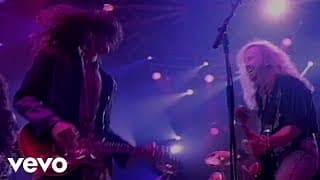
Desmond Child helped Tyler and Perry finish it, and Liv Tyler's debut video kept MTV busy through 1994.
Jack White turned a children's clapping rhyme into a complaint about the phone company, cut in his own living room.
Pino Palladino on bass, Ricky Peterson on piano, Steve Jordan producing, and Mayer singing the moment the dream ends.
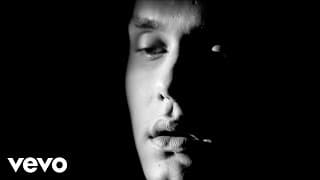
Mayer lobbied his label against releasing it, then won Song of the Year in 2005 and said so onstage.
Piano and Meg's drums instead of a riff, cut at White's Detroit house, thematically the album's one cheerful track.
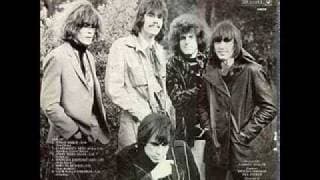
Hoyt Axton's mother held the publishing back over its language; Easy Rider then made Steppenwolf's version unavoidable.
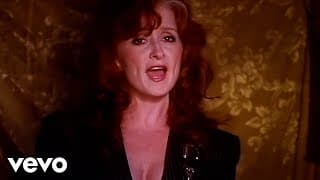
A Shirley Eikhard song Raitt carried to number five, her biggest American hit, and a Grammy for that vocal.
Everlast left House of Pain, picked up an acoustic guitar, and topped both rock charts with three street portraits.
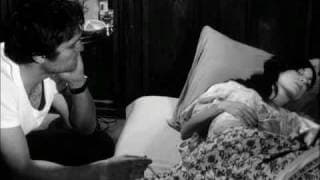
Cut first for the Up in Rags EP, all four members co-producing, a clothesline standing in for one-sided love.
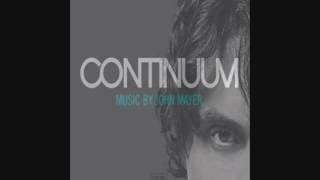
Never a single, still platinum: Mayer, Steve Jordan and Pino Palladino playing a relationship that both parties know is finished.
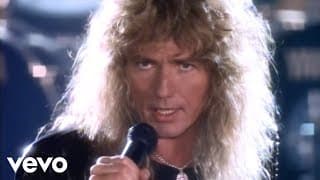
Jon Lord's Hammond organ on the 1982 original, a heartbreak song Coverdale wrote in Portugal, later a number one.
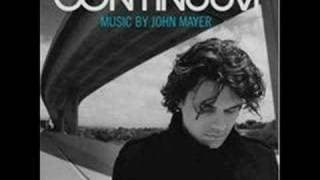
Alicia Keys sings backing behind Pino Palladino's bass, and Mayer called it the most important song he has written.
Pappalardi and Gail Collins wrote new words over a shelved "Lawdy Mama" take, and Clapton borrows Albert King wholesale.
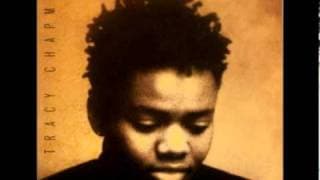
Chapman played it live for seven years before recording it, then a loose blues shuffle became her biggest hit.
Among Plant's first songwriting credits, a CBS contract having blocked him on the debut, over guitars panning across both channels.
Jeff Porcaro's half-time shuffle carried it to Record of the Year, and drummers have been chasing that groove since.
Four Alabama day-jobbers paid for their own sessions at a Nashville home studio, and Rolling Stone named it 2012's best.
McCready's riff was a Ten outtake, and Vedder improvised a lyric he has been rewriting onstage ever since.
Twenty minutes at the tail end of the Fire session, and Hendrix trading fire for something quiet and blue.
Hornsby wrote the words first in a Van Nuys garage; that piano figure later became the spine of Tupac's Changes.
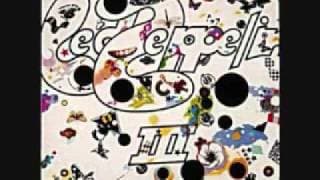
Page cut the unaccompanied solo at Atlantic while the rest of the track was taped across town at A&R.
Densmore's bossa nova drum feel, Krieger's riff borrowed from a Butterfield blues cover, and a refrain their producer censored.
A lyric lifted from "Lovey Dovey", a misheard doo-wop coinage, and a Levi's ad that made it Britain's number one.
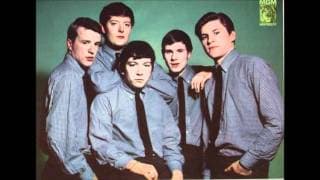
Written after Horace Ott quarreled with his girlfriend, and sped from Simone's ballad into Burdon's pleading.
Cut live at Winterland in March 1968, Robert Johnson's blues sped up under two of Clapton's most copied solos.
A thank-you note to Jagger for shouldering the band, by Richards' account, with Wood taking the solo.
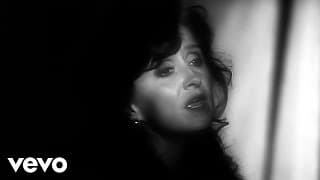
Bruce Hornsby's piano behind a vocal Raitt cut in one take, then refused to try again.
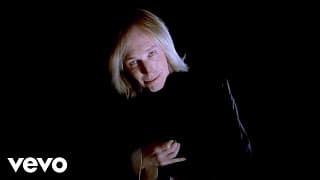
Originally called Indiana Girl, until Petty decided he couldn't sing that line; Stan Lynch's last sessions with the Heartbreakers.
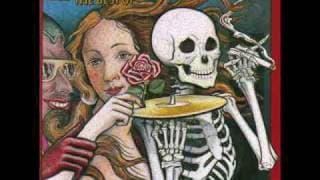
Hunter's lyric folds in a 1970 New Orleans bust, and the Library of Congress declared the record a national treasure.
A 5/4 intro that worried the label, Pappalardi's violas, Baker's timpani, and Clapton's wah-wah doing the talking.
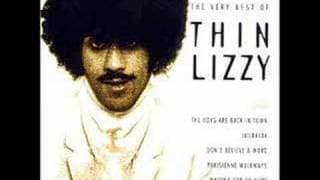
Gorham and Robertson's twin leads on a track the band nearly left off Jailbreak; Kentucky radio saved it.
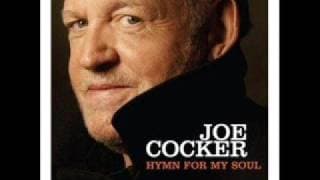
Cocker slowed a Beatles album track to gospel tempo, with Jimmy Page on guitar and Tommy Eyre's organ intro.
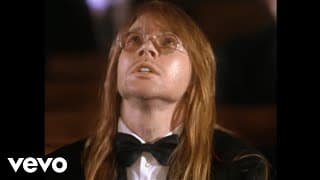
Slash's solo grew from an improvisation, Rose had chased the song since 1986, and nine minutes went top three.
An ironing board cover, charcoal from spent matches, and Berry Oakley's bass counting the intro in eleven menacing beats.
Young wrote it in bed with a 103-degree fever, and Crazy Horse stretched it to nine ragged minutes.
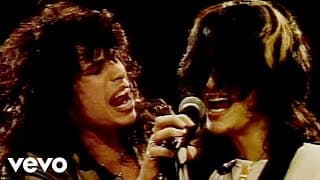
Tyler had the tune on his family's New Hampshire lodge piano years before Aerosmith; a reissue reached number six.