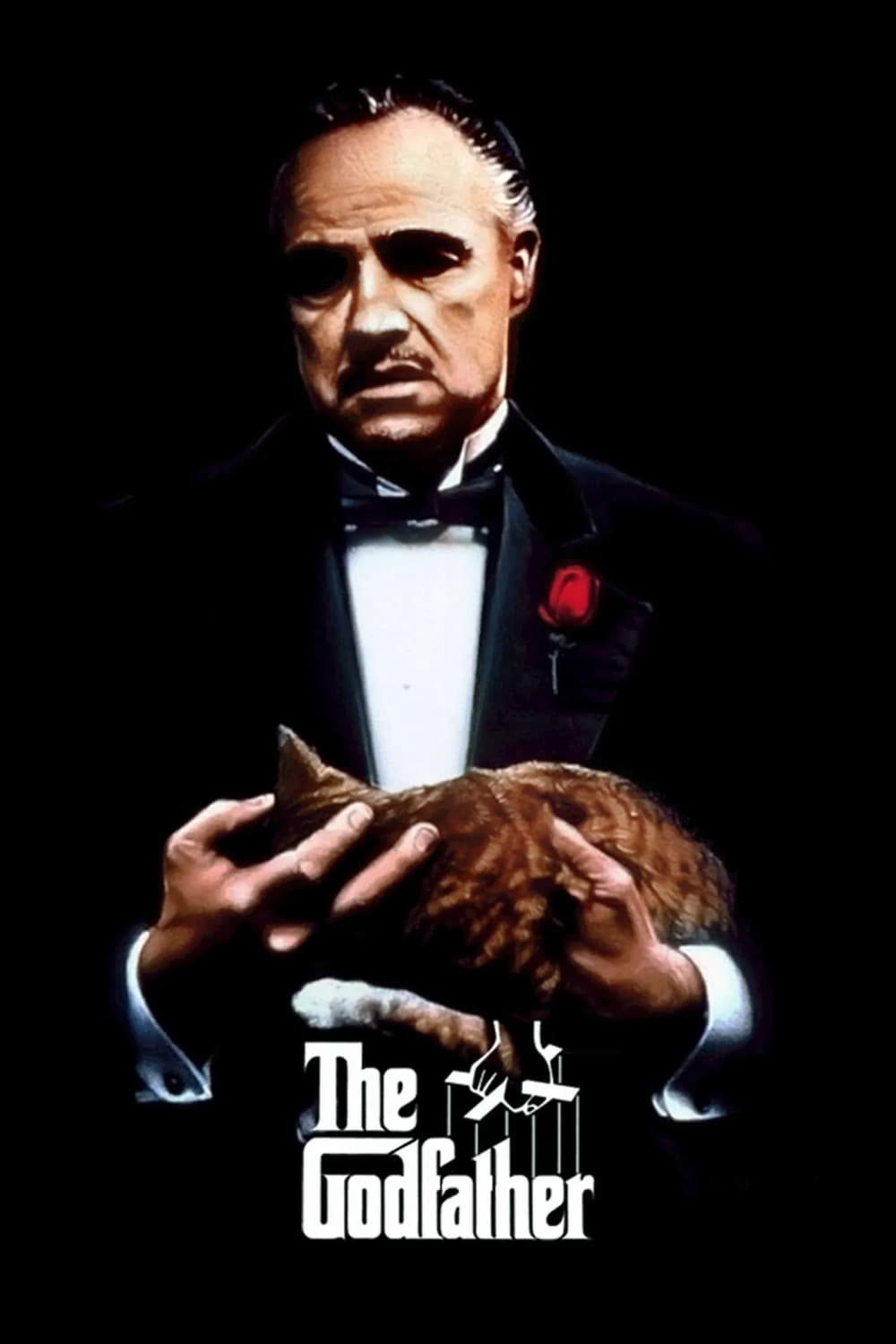
The Godfather
Directed by Francis Ford Coppola
1972
The summit of the American crime film: Coppola turned an immigrant family's rise and rot into the country's own epic, and made damnation look like a coronation.
★ 10.0
 skopia
The summit of the American crime film: Coppola turned an immigrant family's rise and rot into the country's own epic, and made damnation look like a coronation.
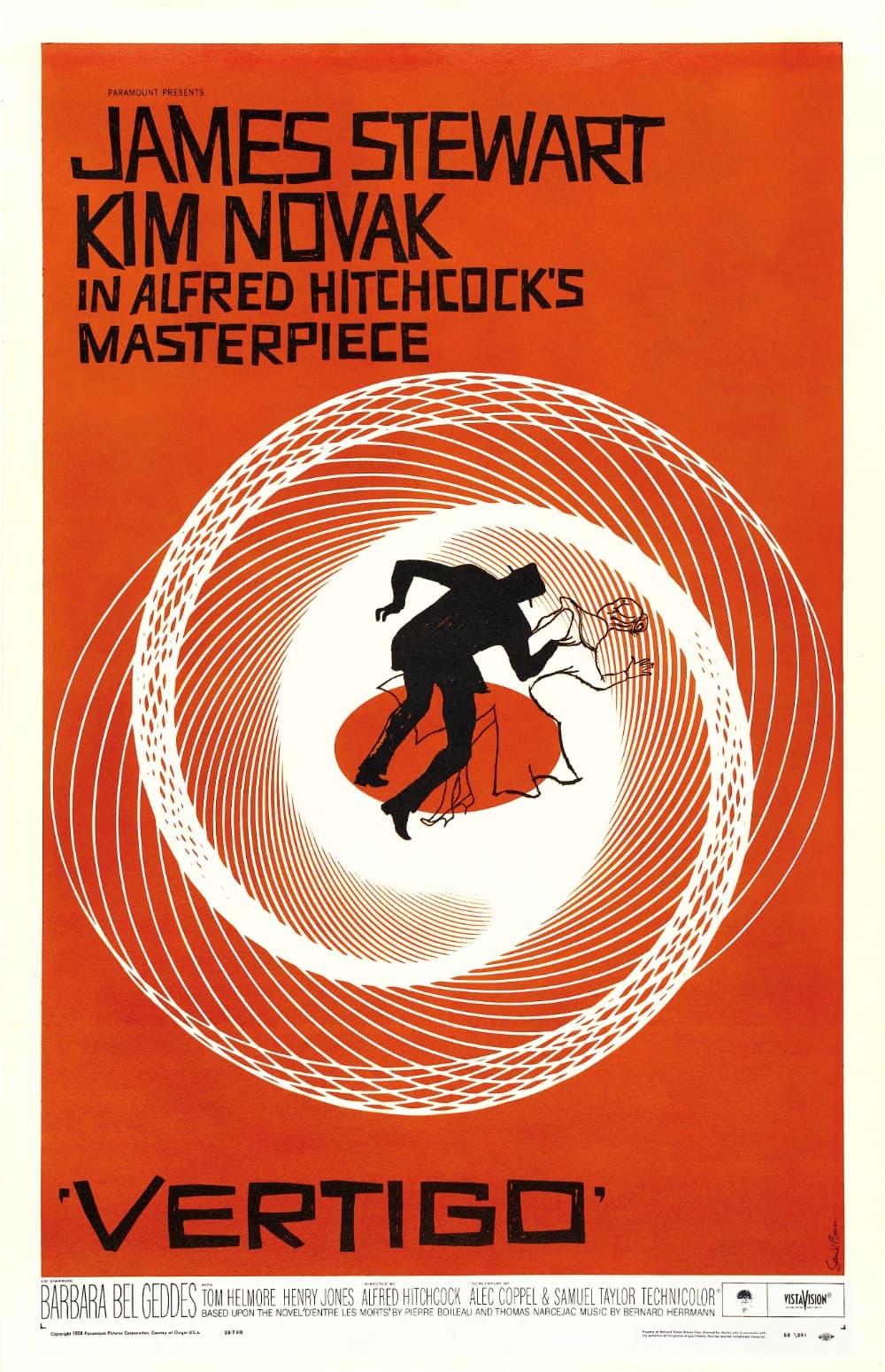
Nobody has ever made obsession look this beautiful or this sick: a man falls for an image instead of a person, and Hitchcock follows him past every point it should stop.
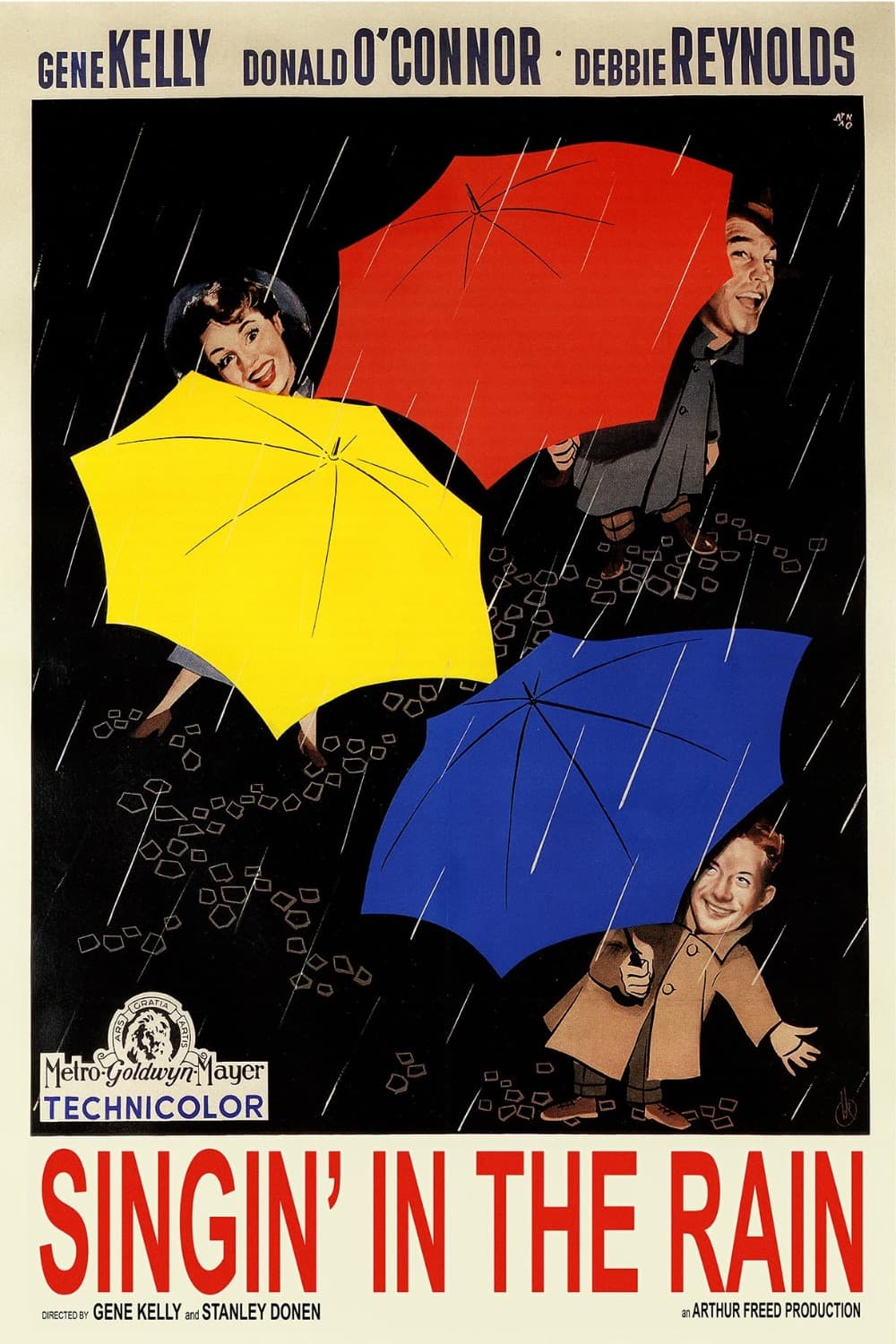
Nothing else on film is this happy, and the subject is an industry in a panic: Hollywood's terror at the arrival of sound became two hours of pure delight.
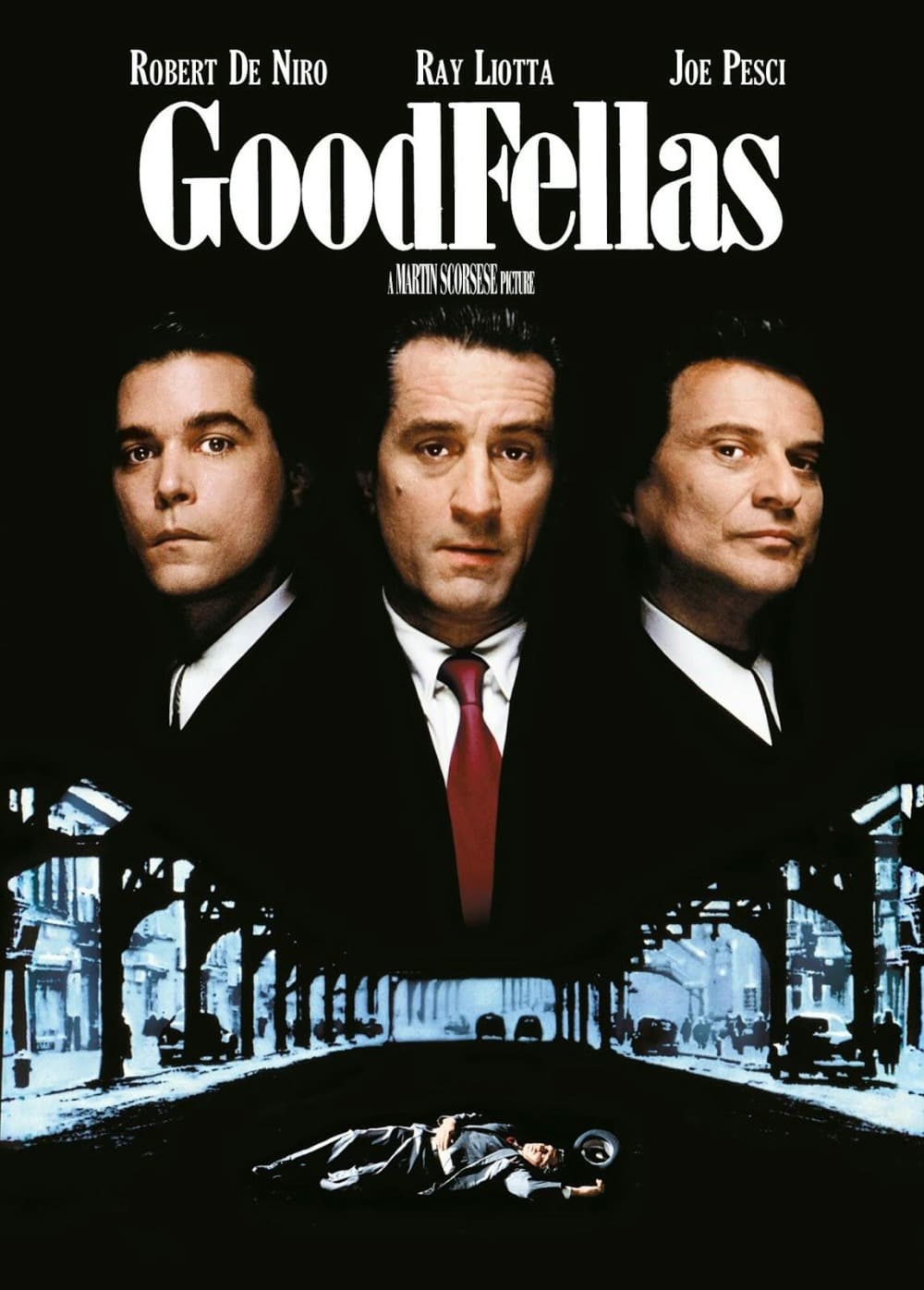
Every gangster film of the last thirty years is arguing with this one: Scorsese made the life so intoxicating for an hour that the comedown lands like a physical event.
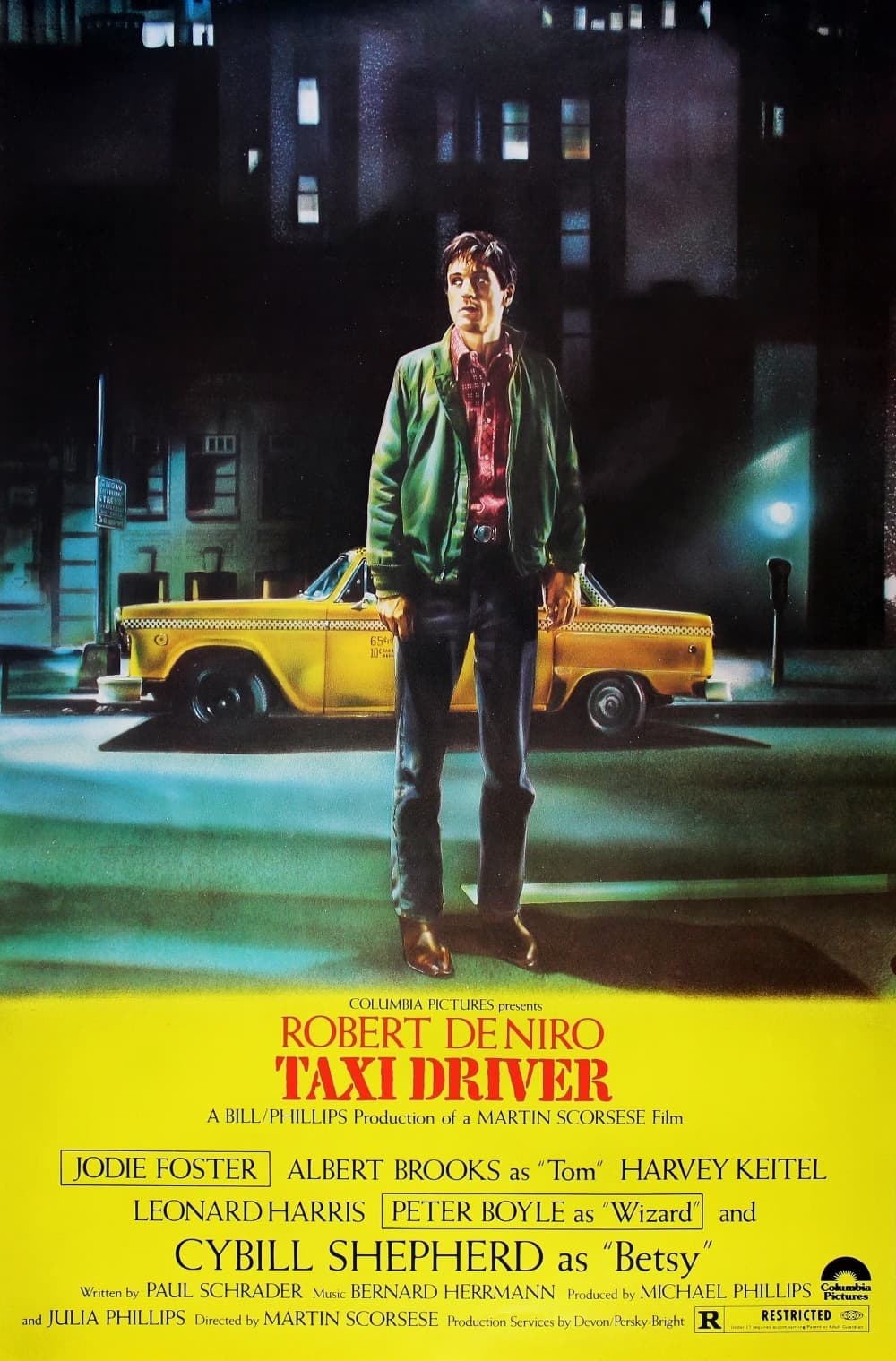
Travis Bickle escaped the picture and entered the language: Scorsese and De Niro made a lonely man's interior so exact that it stopped being about one man at all.
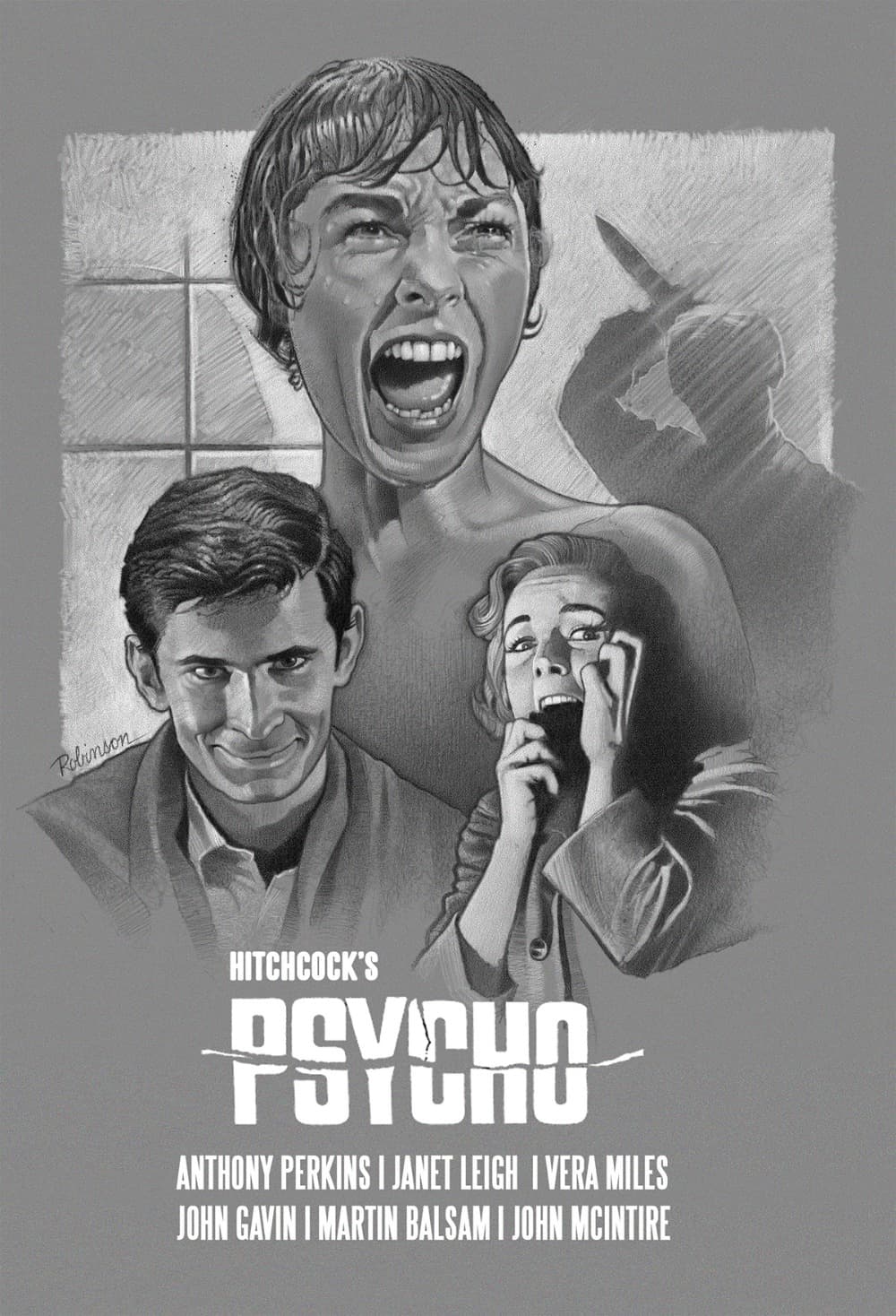
The film that invented modern horror: Hitchcock broke an unspoken rule about how a story is meant to behave, and every thriller since has been working in the space he opened.
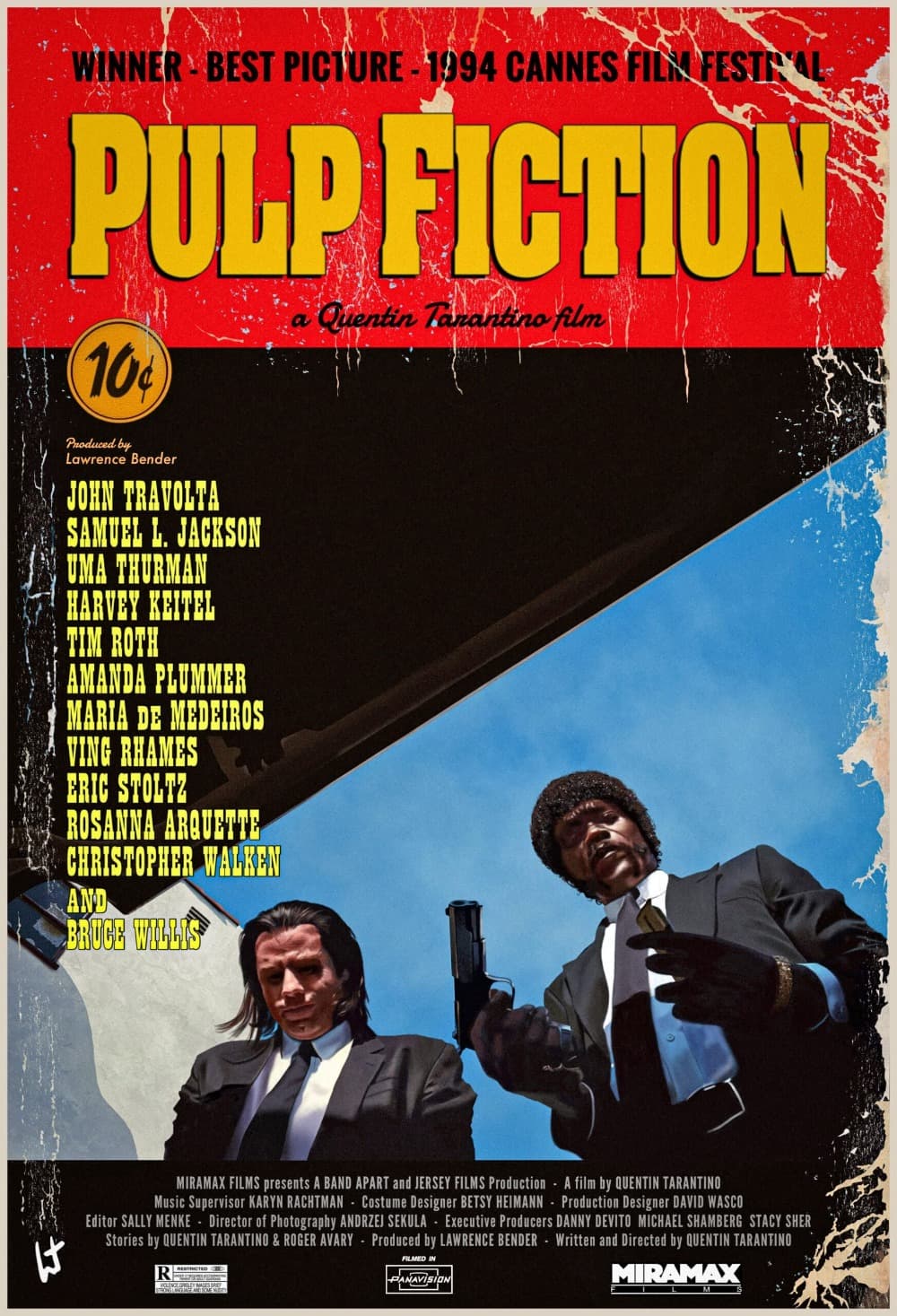
Young filmmakers were allowed to sound different after this one: Tarantino let two hitmen argue about hamburgers for ten minutes, and an entire decade of American cinema followed.
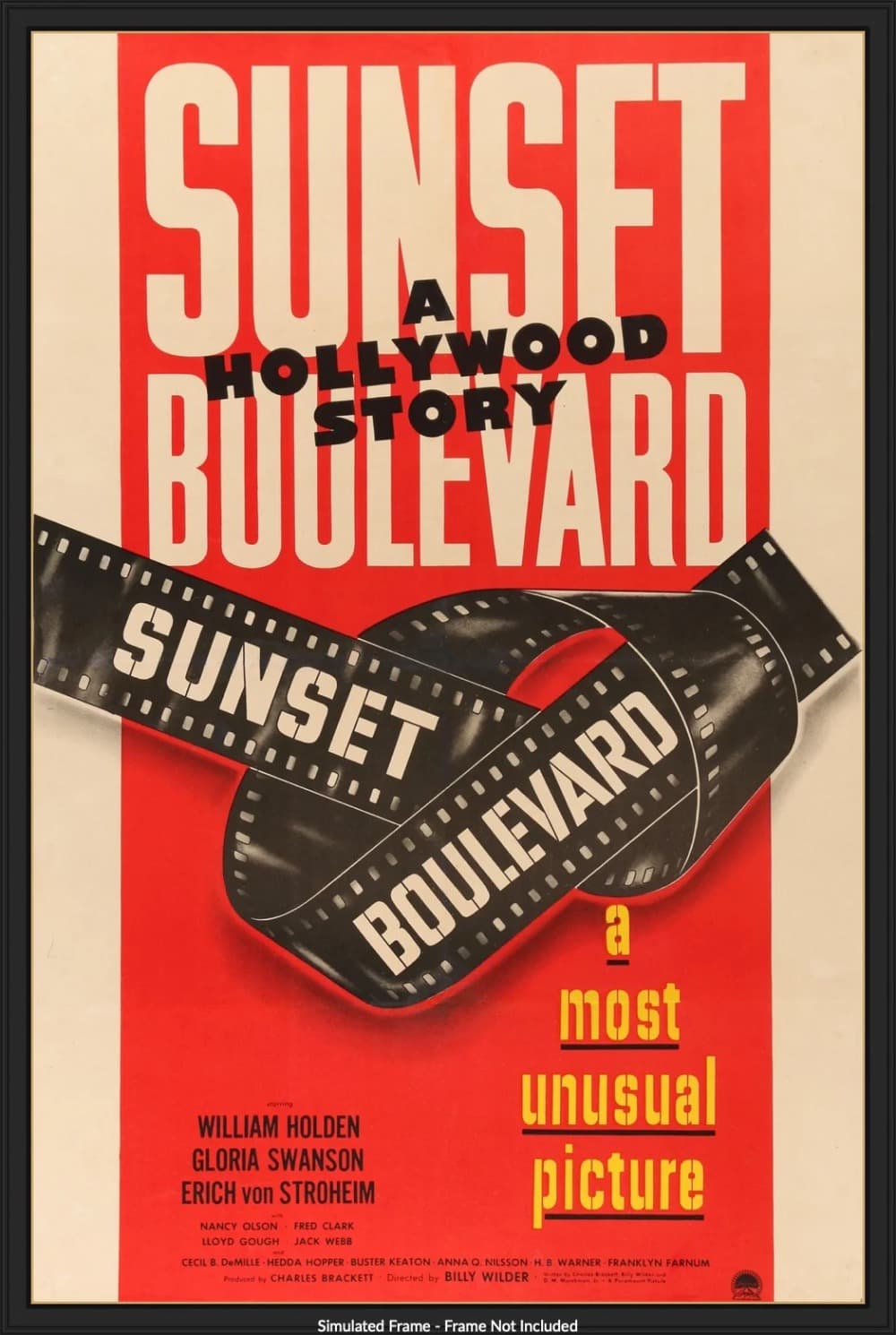
Hollywood has never been crueler about itself: Louis B. Mayer told Wilder he had disgraced the industry, which is the highest praise the film could possibly have received.
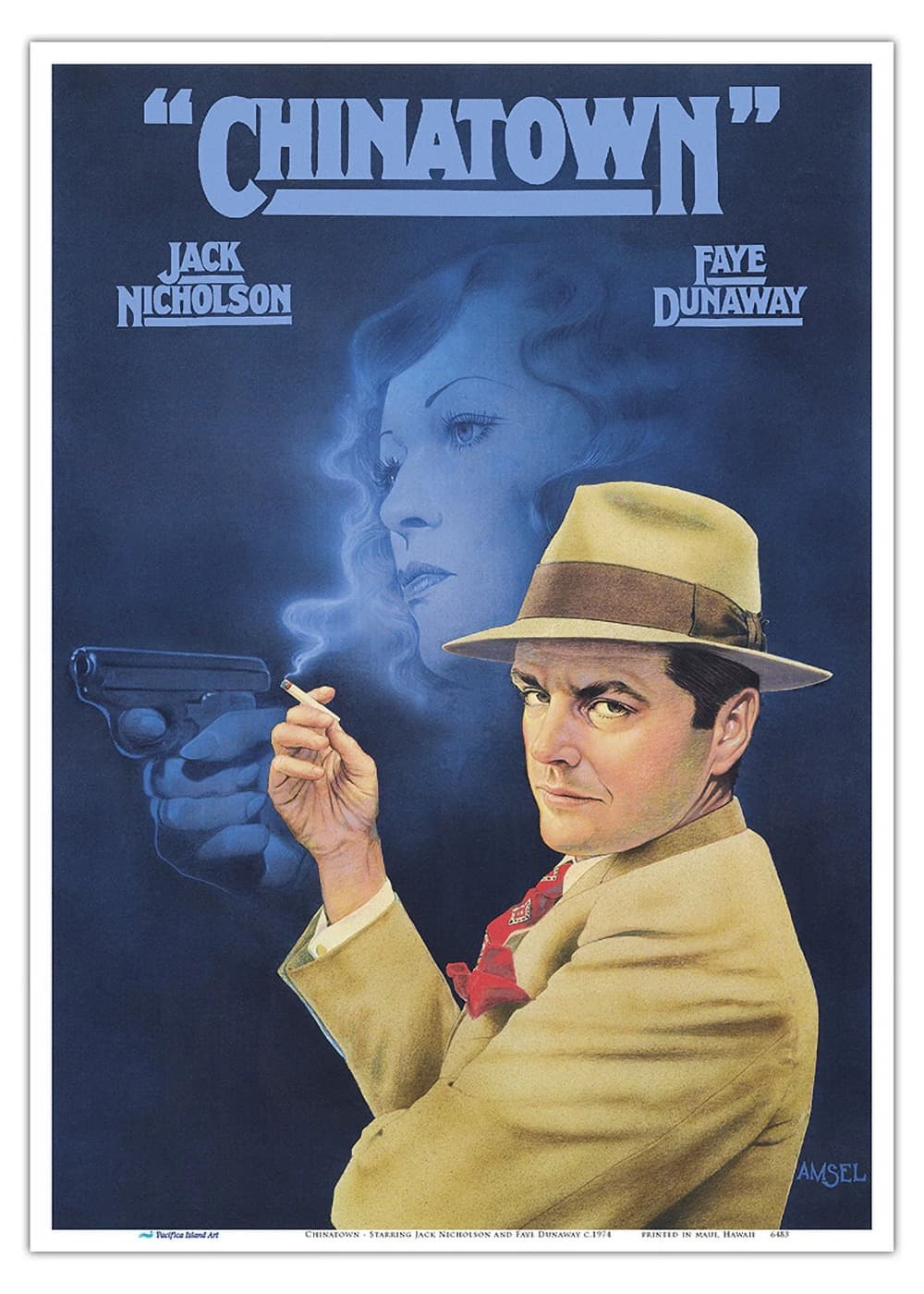
Screenwriters still take this one apart scene by scene to see how it works: Towne and Polanski built a mystery about stolen water that ends without a shred of mercy.
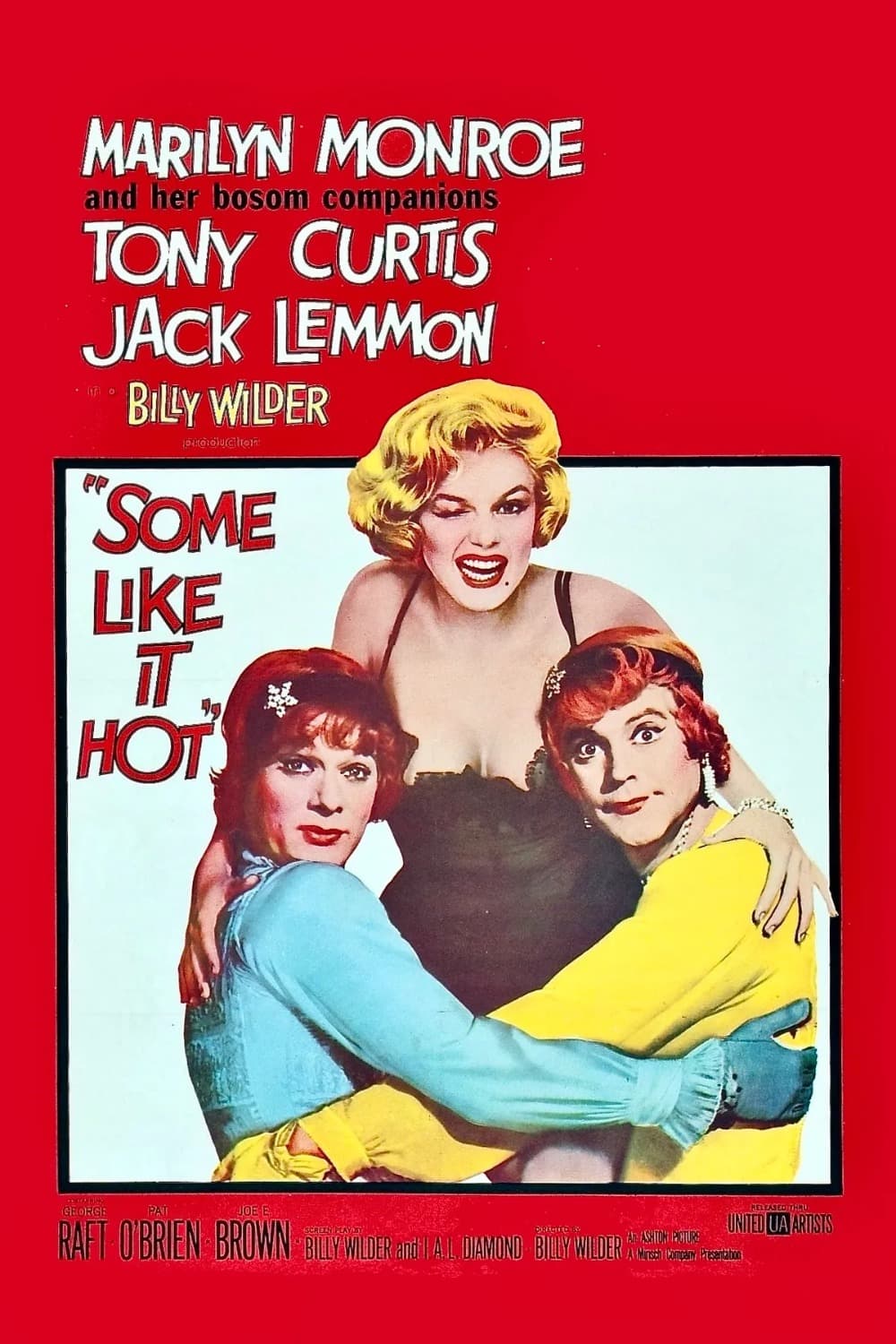
American comedy has never been funnier, and the Legion of Decency was appalled: Wilder ran a single disguise for two hours without ever letting the joke thin out.
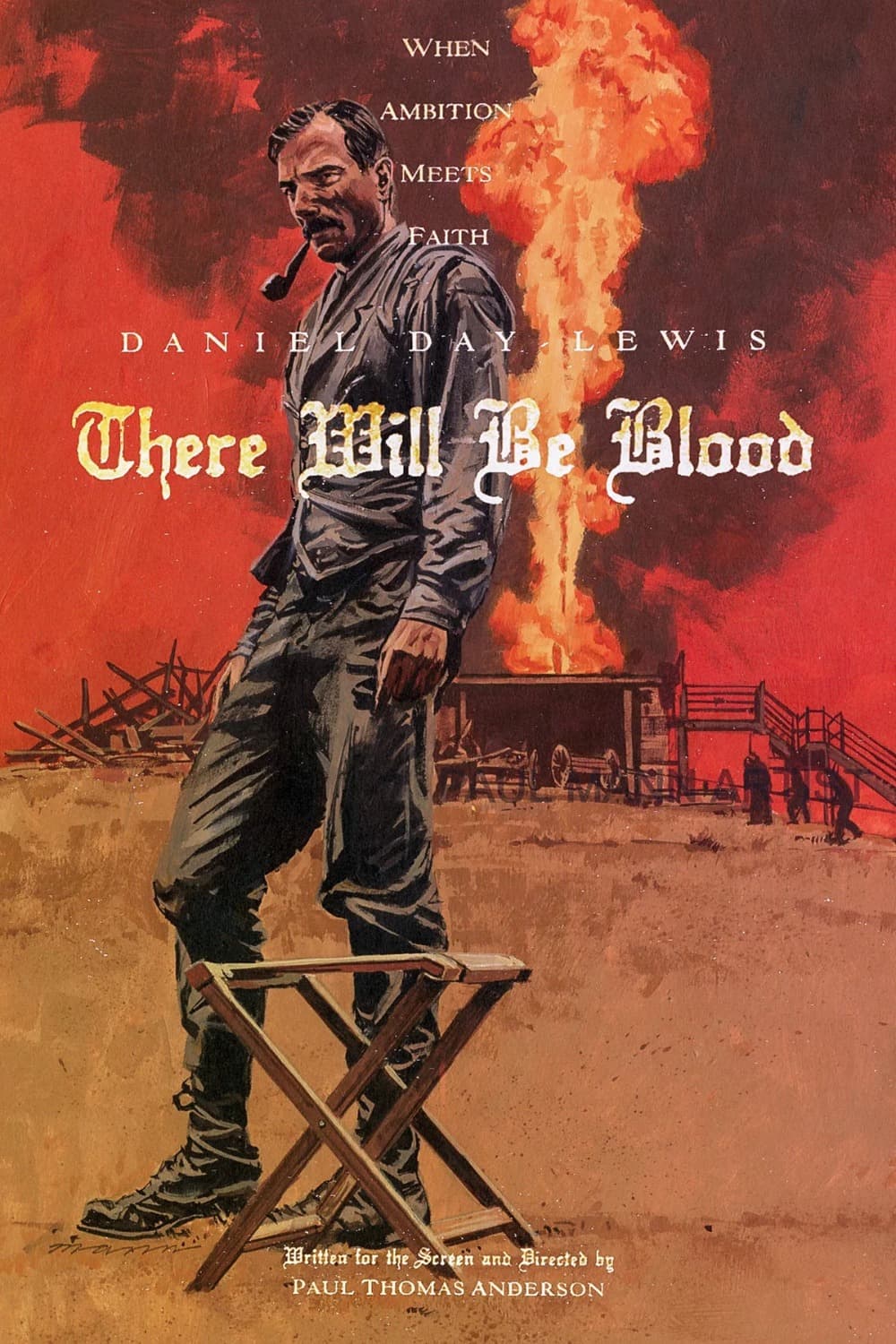
Day-Lewis builds an American monster out of oil and resentment, and Jonny Greenwood's score scrapes at the nerves for two and a half hours without once letting up.
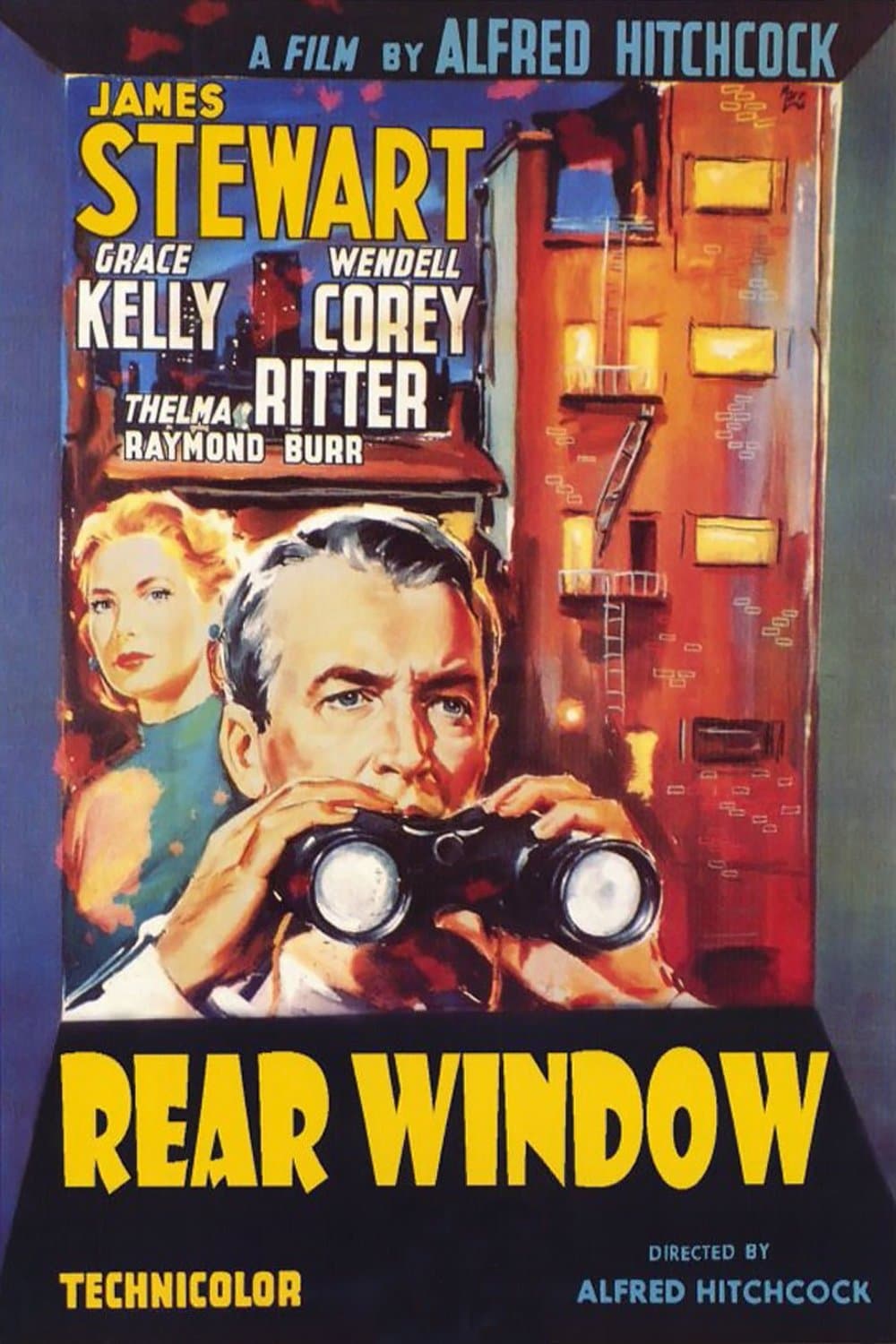
Suspense has never been constructed more purely, and the real subject is the audience: Hitchcock traps you in one room with a man who cannot stop watching his neighbors.
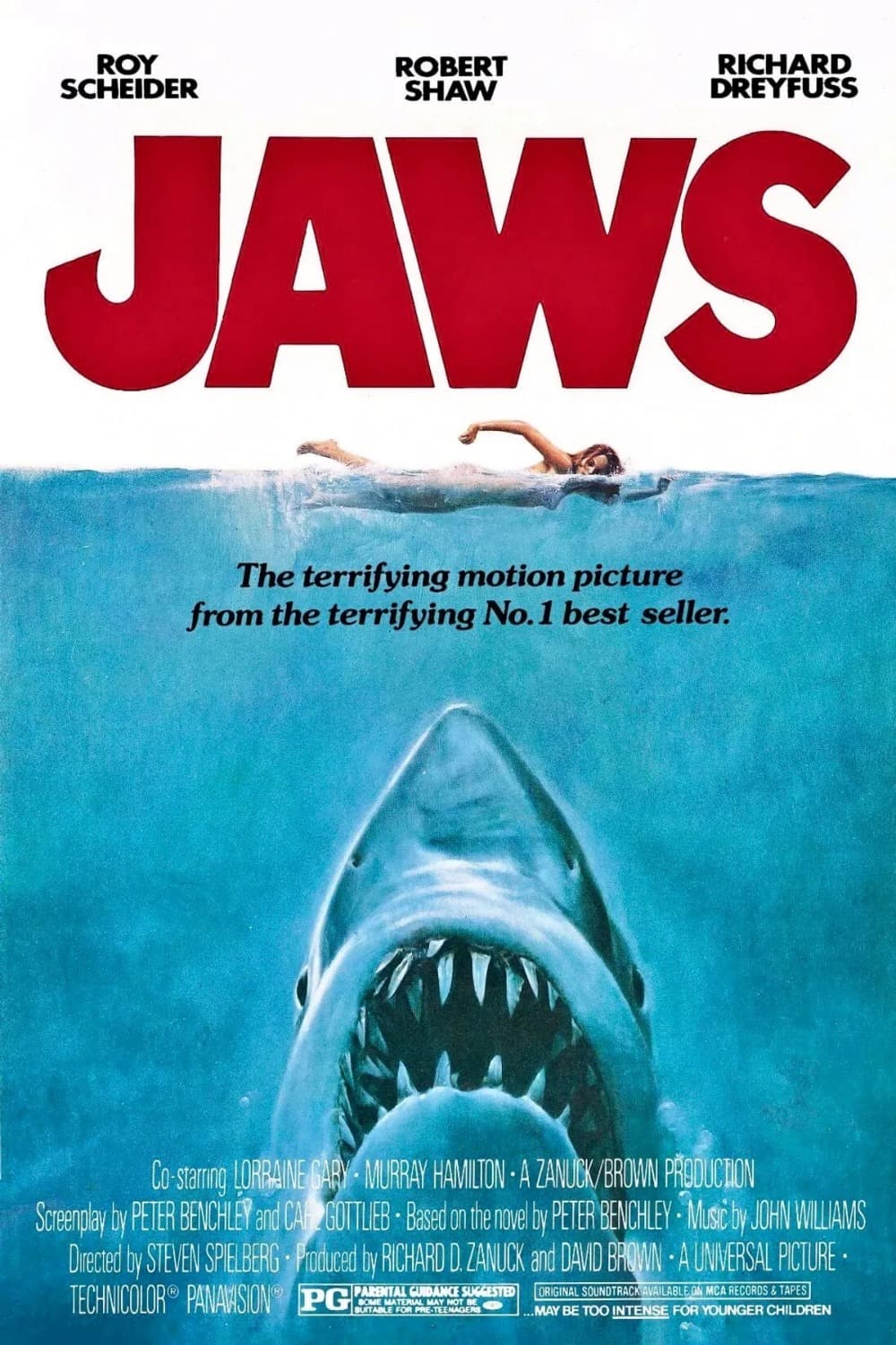
Summer blockbusters start here: the mechanical shark kept breaking, so Spielberg hid it, and accidentally proved that what you cannot see is worse than what you can.
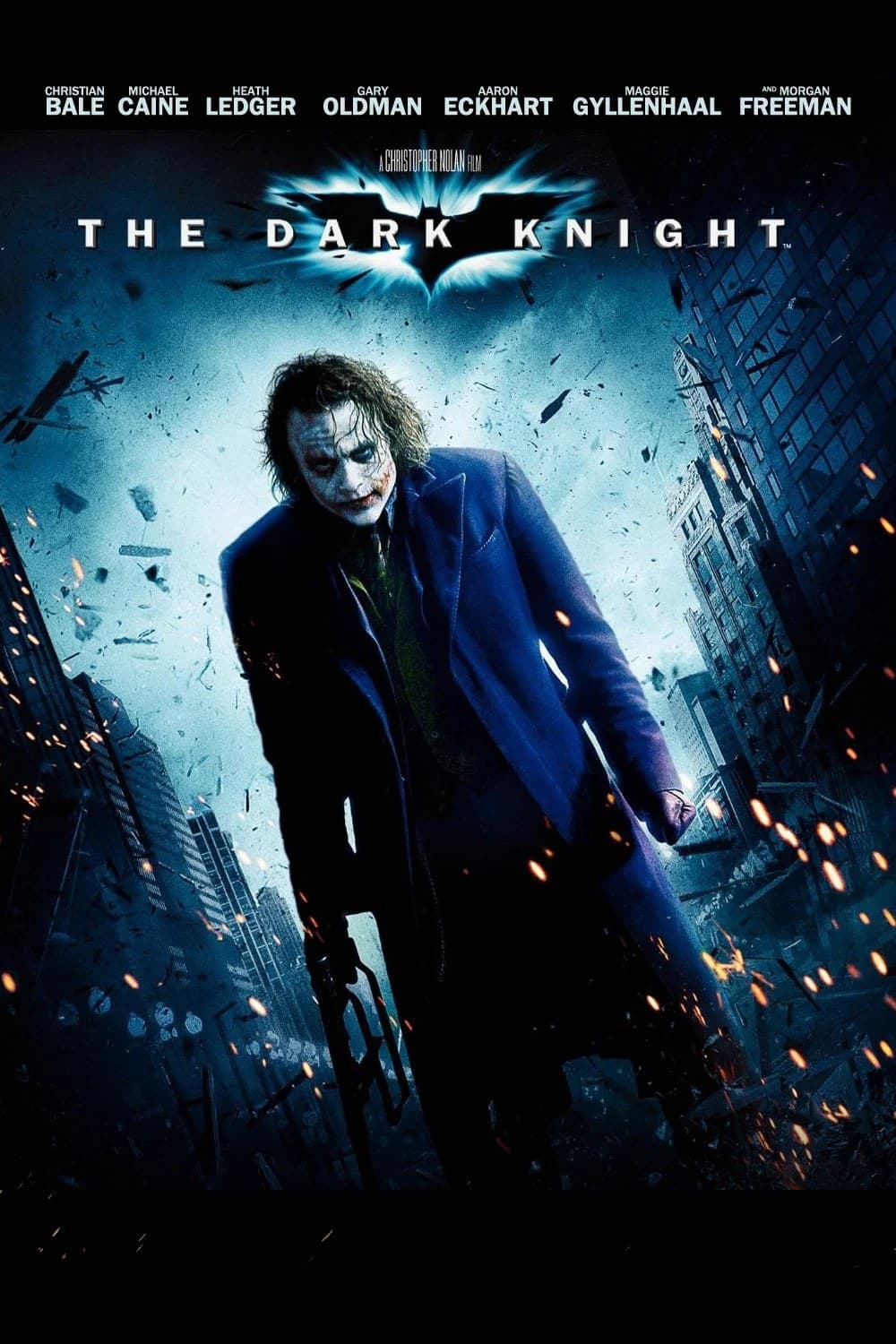
Adults started arguing about superhero films because of this one: Ledger's Joker is so unnerving that the Academy gave a posthumous Oscar to a man in clown makeup.
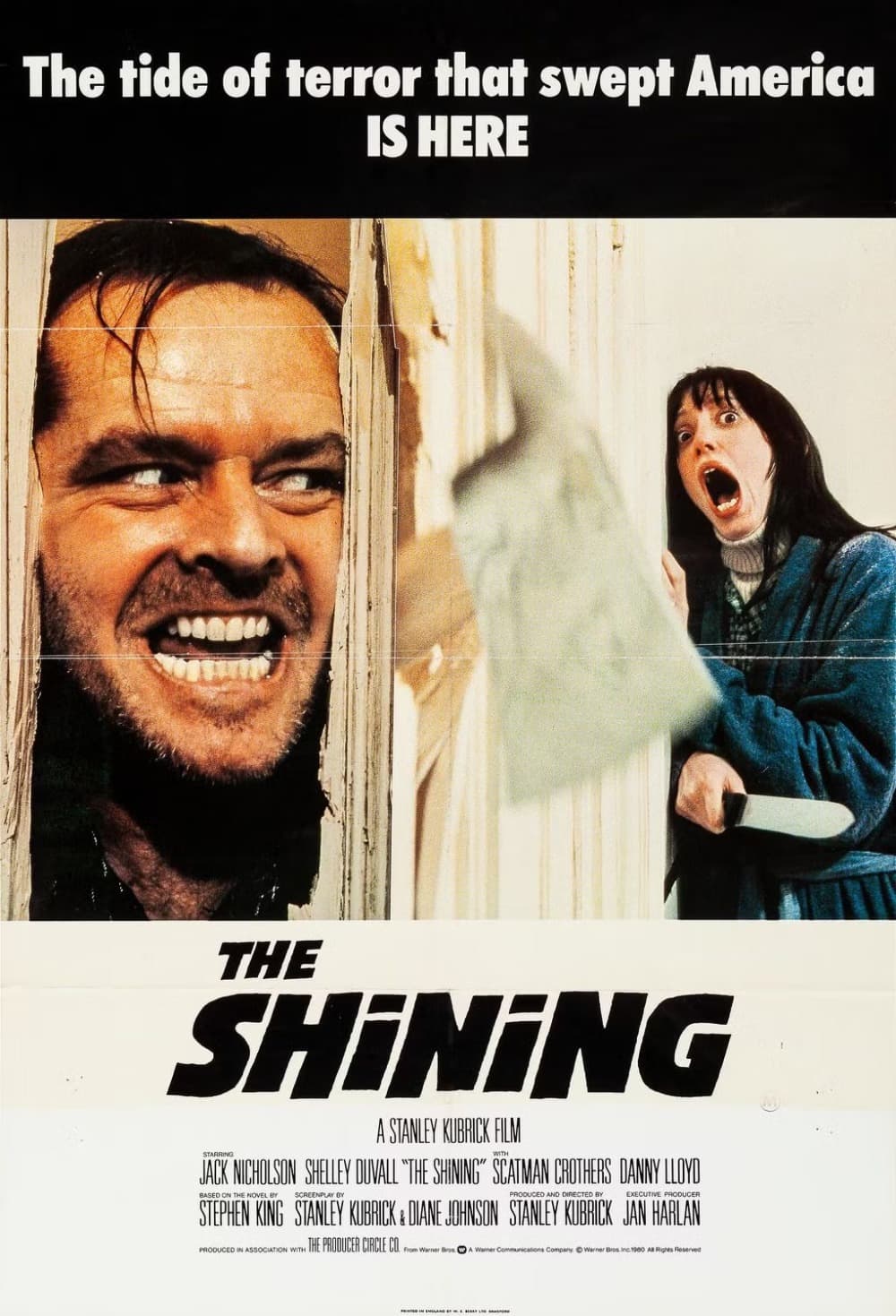
Whole documentaries exist about what this film means: Kubrick threw out most of King's novel, sent a Steadicam gliding down those corridors, and left a dread nobody can explain away.
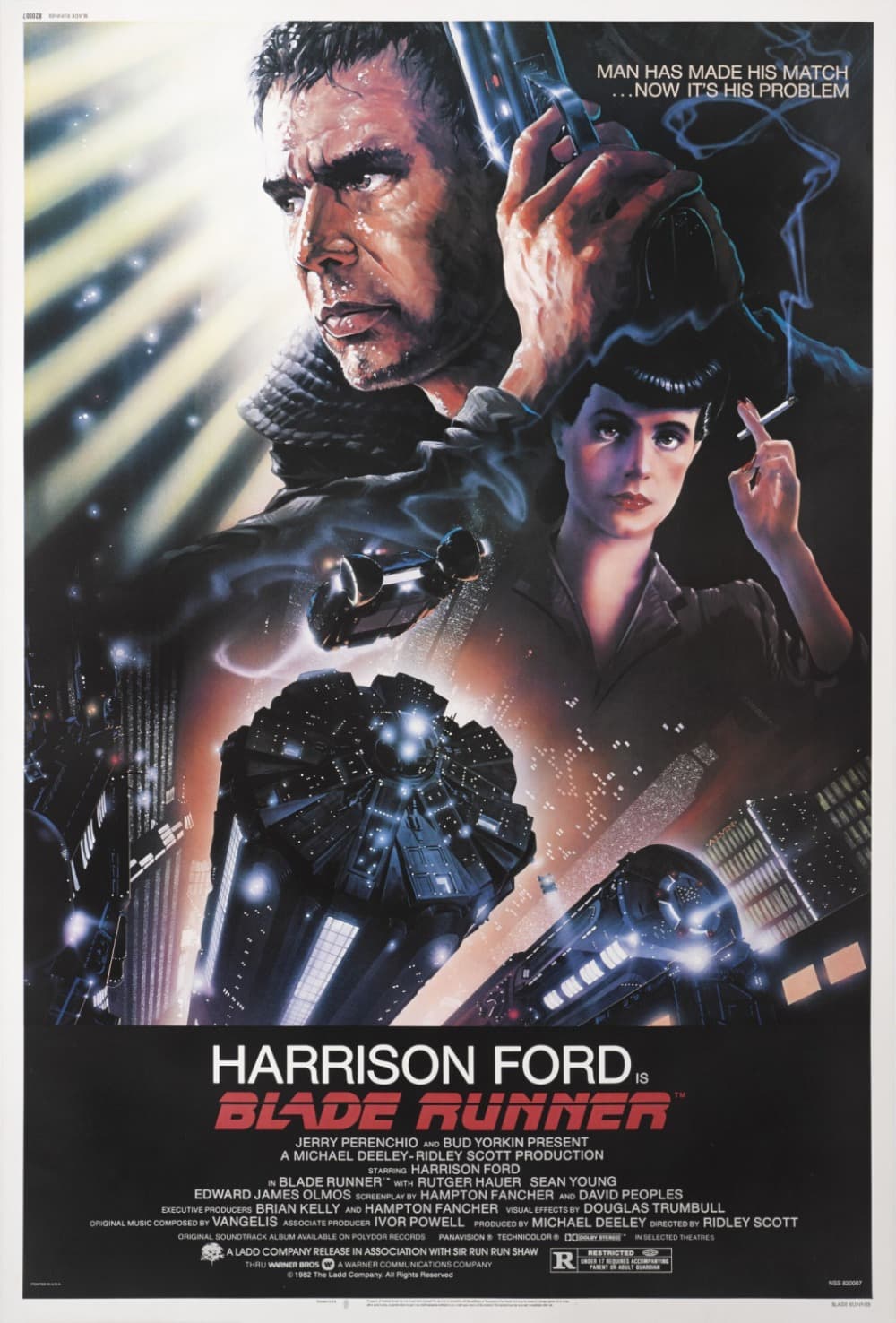
It flopped, then quietly redesigned the future: every rainy neon city of the last forty years is borrowing from Ridley Scott, and the mood still outlasts the plot.
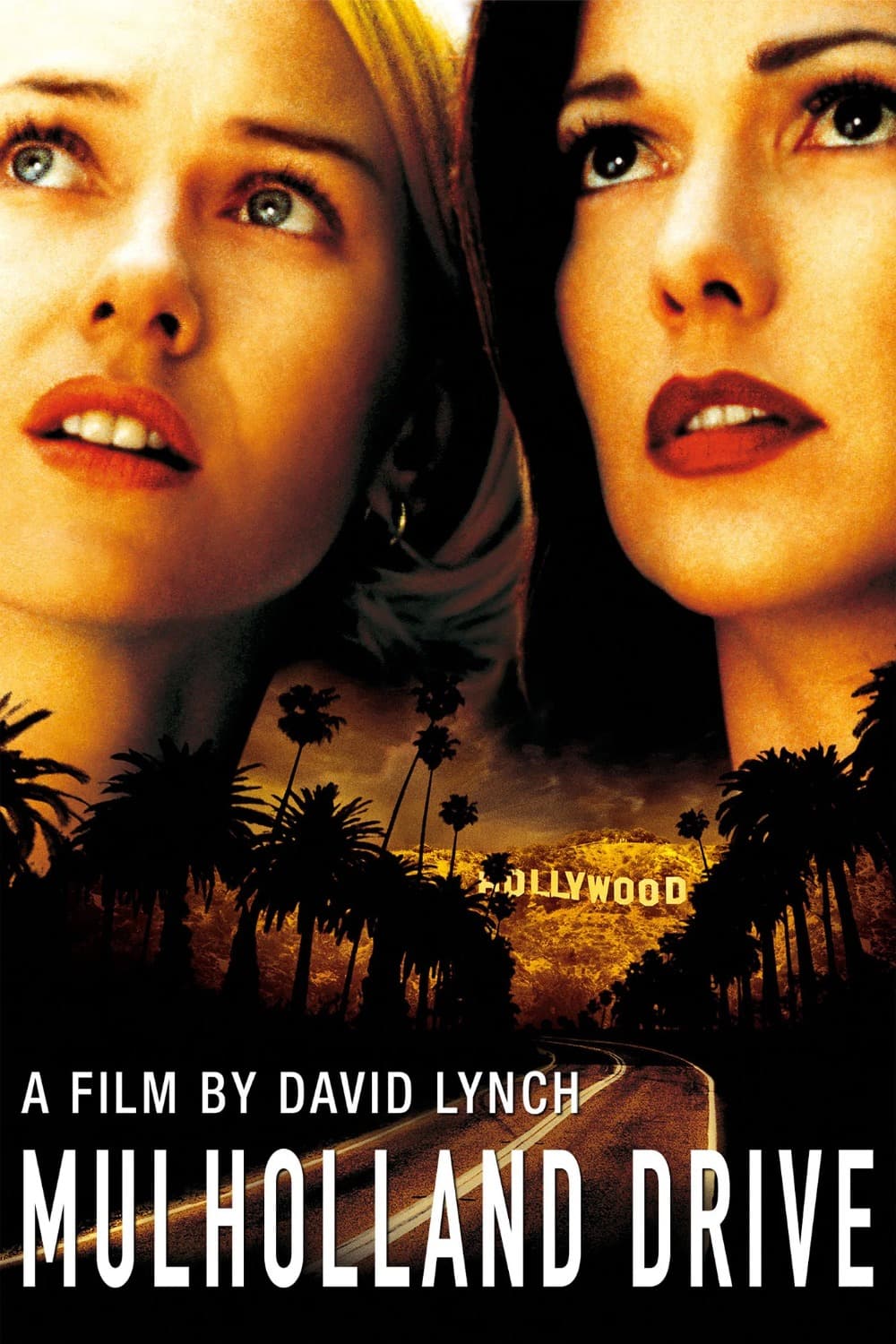
Lynch built a Hollywood that runs entirely on dream logic and trusted the audience to assemble it: the whole thing feels like a half-remembered dream, and people keep returning.
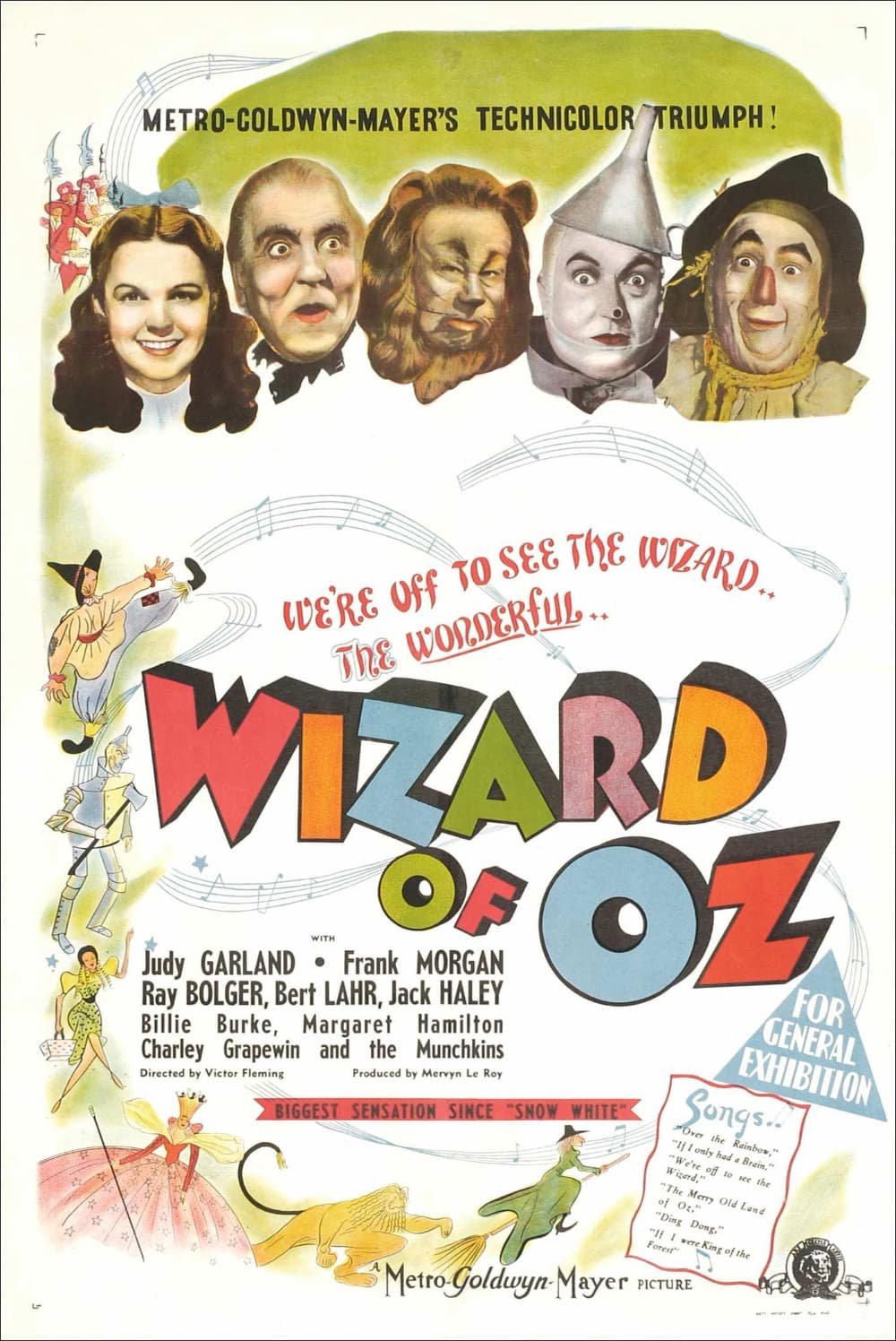
Decades of television broadcasts made it what the Library of Congress calls the most-seen film in history: the switch from sepia Kansas into Technicolor Oz still lands like a door opening.
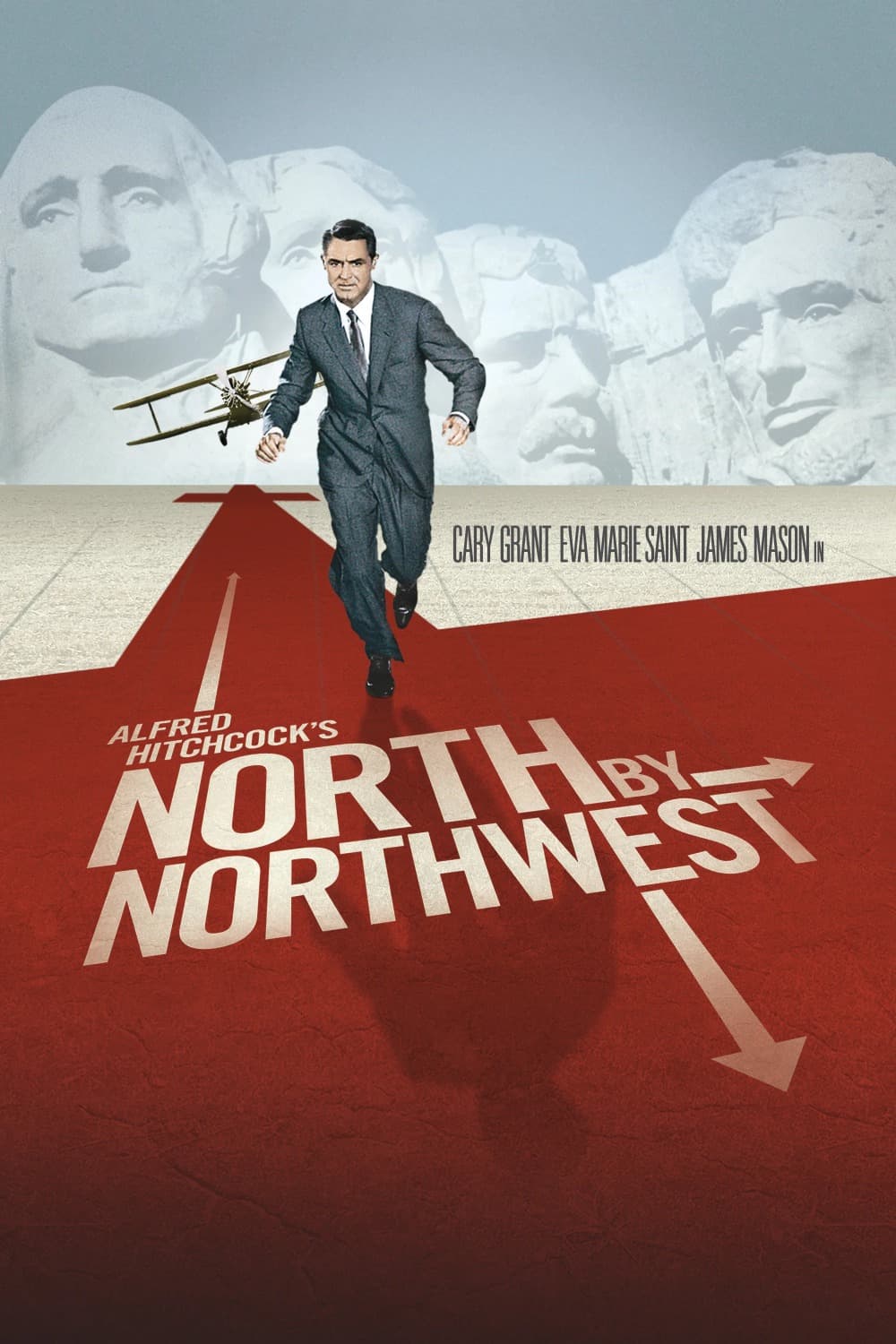
Every spy thriller since owes it something, James Bond most of all: Hitchcock chases an innocent man across America by crop duster and over Mount Rushmore, enjoying himself throughout.
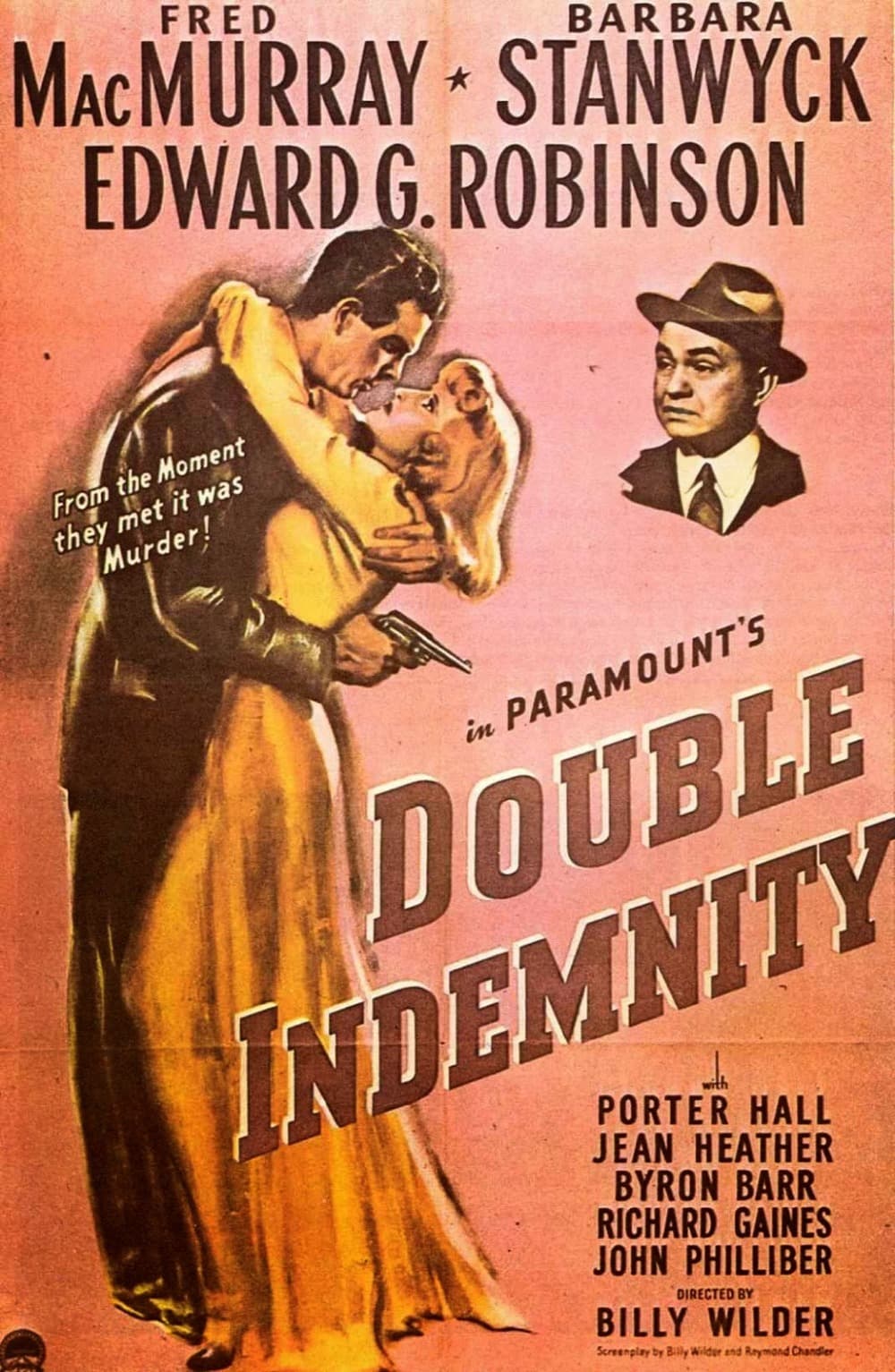
Film noir gets its blueprint here: Wilder and Chandler wrote dialogue nobody has matched for hardness, and set the pattern of the doomed man telling his own story.
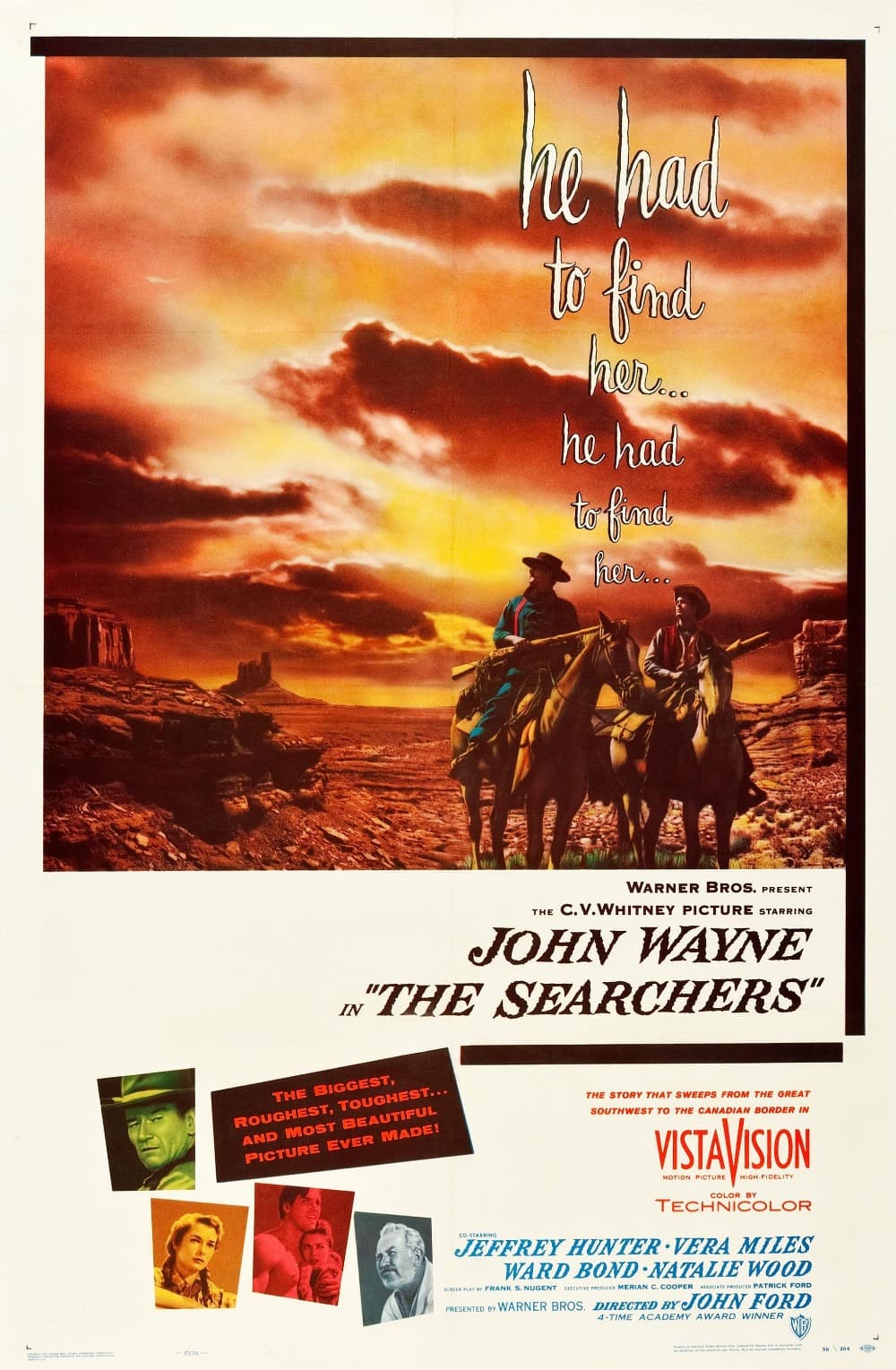
Other directors have been stealing from this western for seventy years: Ford put John Wayne's racism on screen without excusing it, and framed his story in a much-copied doorway.

Nicholson against Nurse Ratched is the great screen battle of wills: a convict fakes insanity to serve his time in a hospital, and finds the ward already has a ruler.
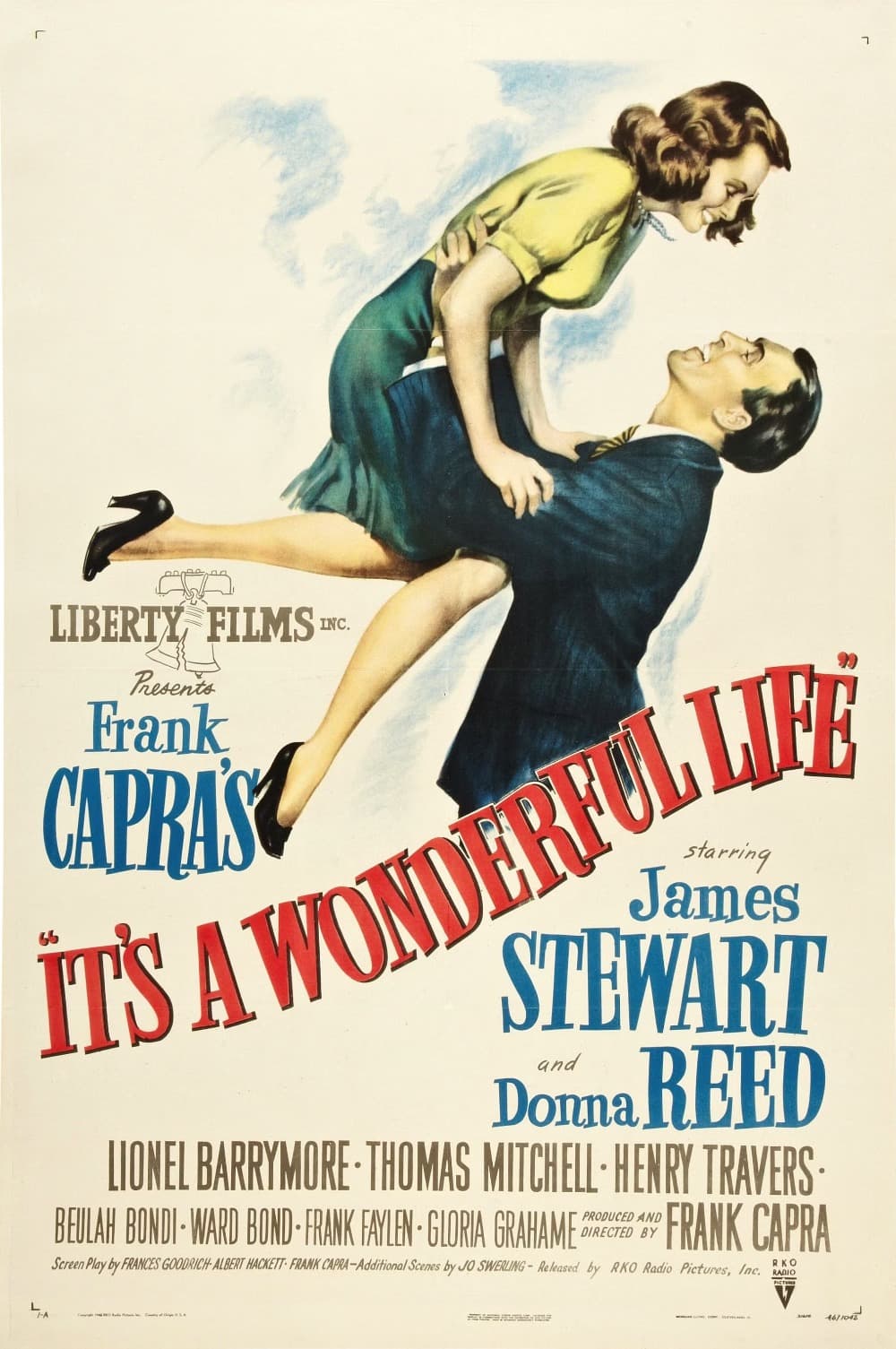
A commercial failure that decades of Christmas television turned into a national ritual: it is far darker than its reputation, and the ending earns every tear it gets.
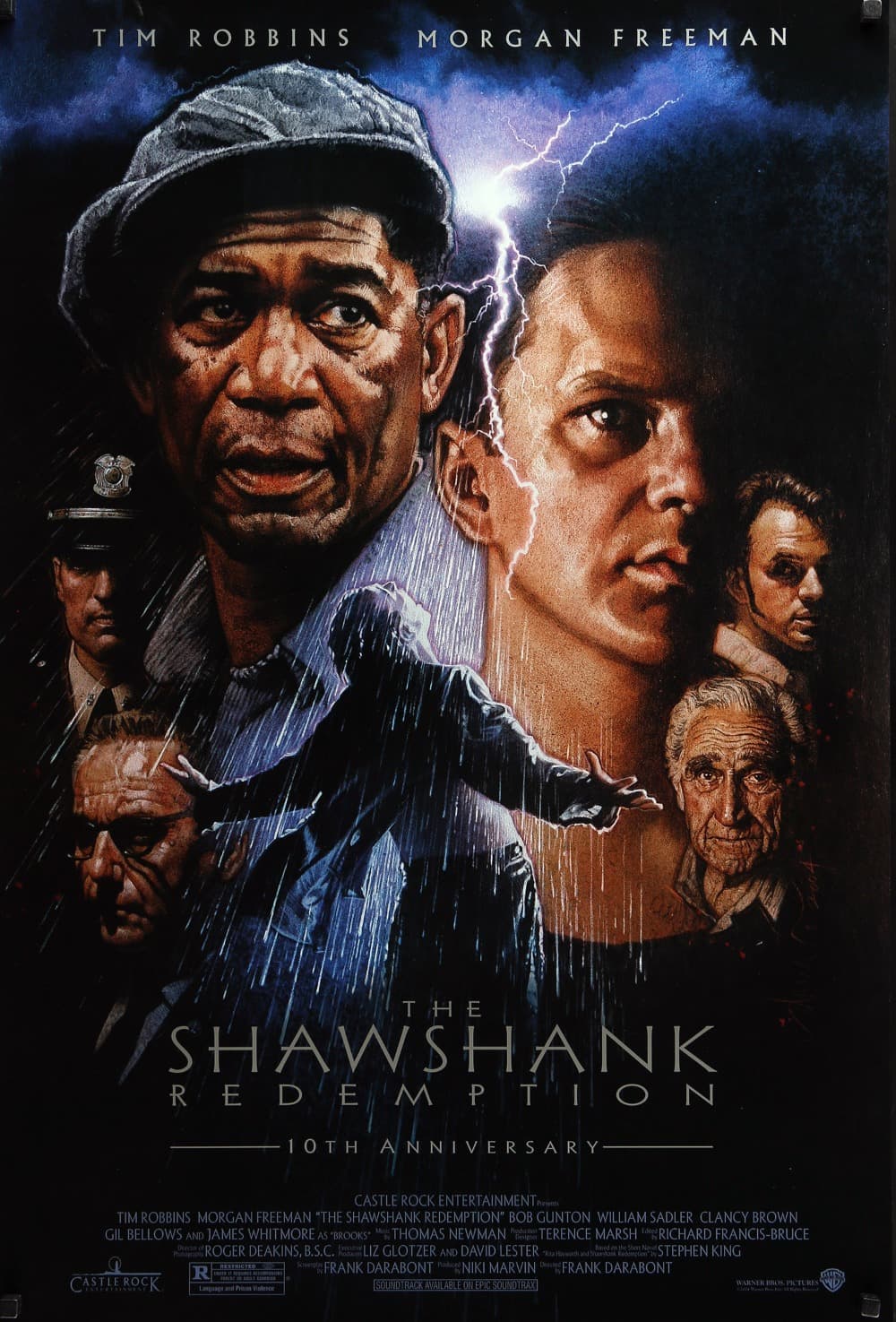
It lost money in cinemas and has sat at the top of IMDb's ranking since 2008: a prison friendship, told patiently, that pays off better than almost anything.

No romance this century has come close: Kaufman's premise, that you could pay to have someone erased, turns out to be the most honest thing anyone has said about breakups.
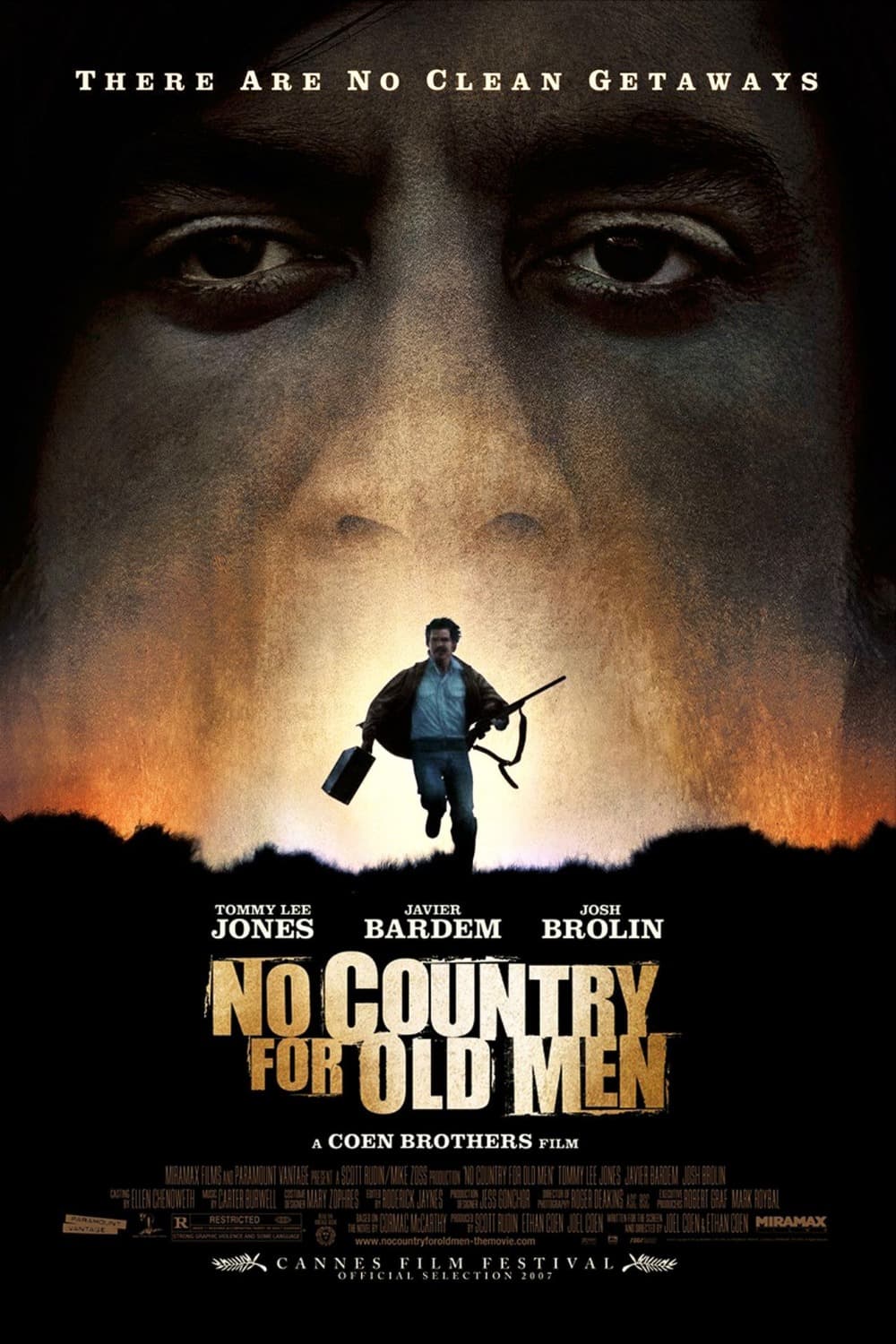
The Coens made a chase film with almost no music in it at all: Javier Bardem's killer with a cattle gun became the most frightening figure of the decade.
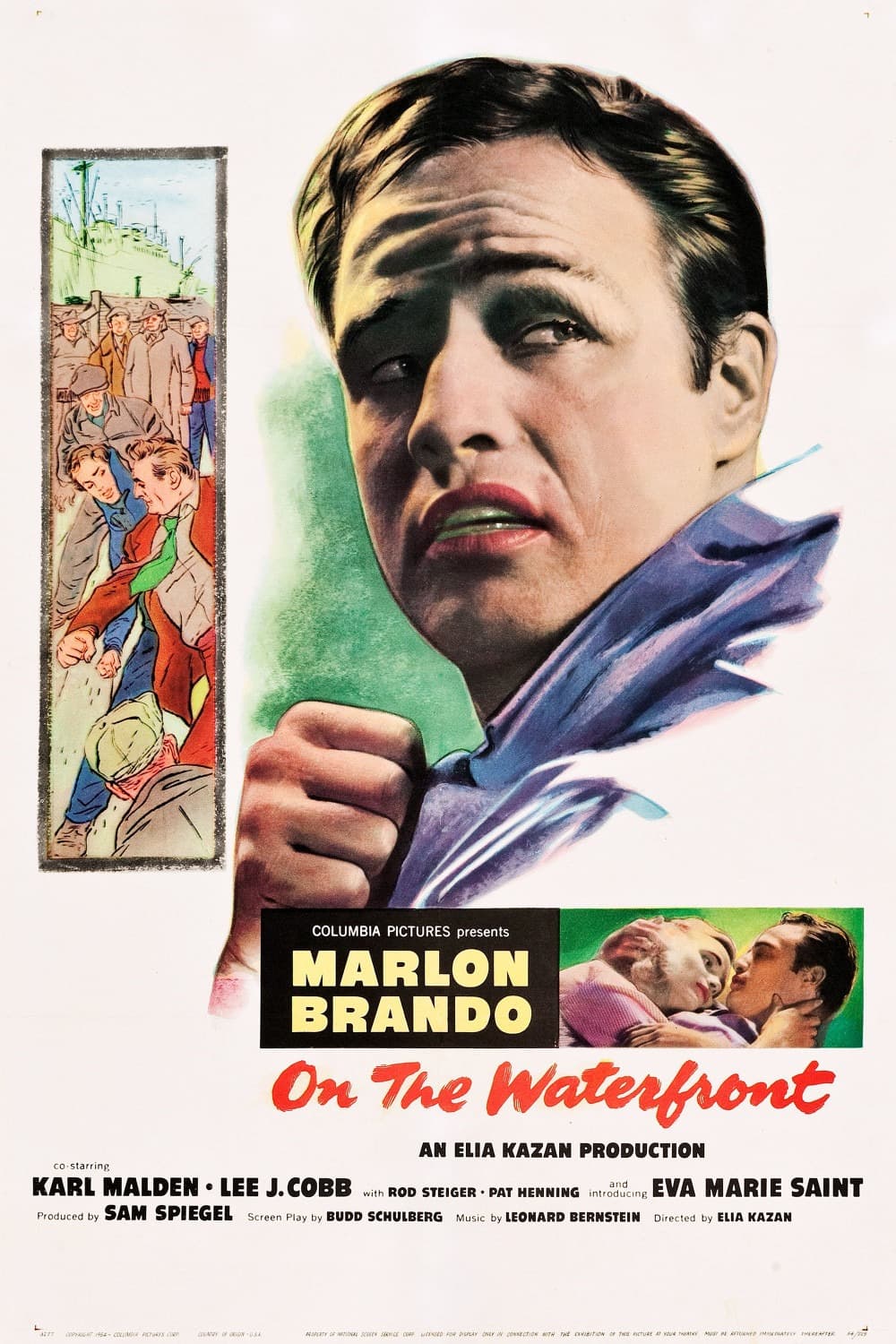
Screen acting changed with Brando in the back of that taxi: Kazan made the film to justify naming names, which gives the whole thing an uncomfortable heat.

No spaghetti western got higher, and no film score is better known: Leone shoots faces like landscapes, and Morricone's music does as much work as the dialogue.
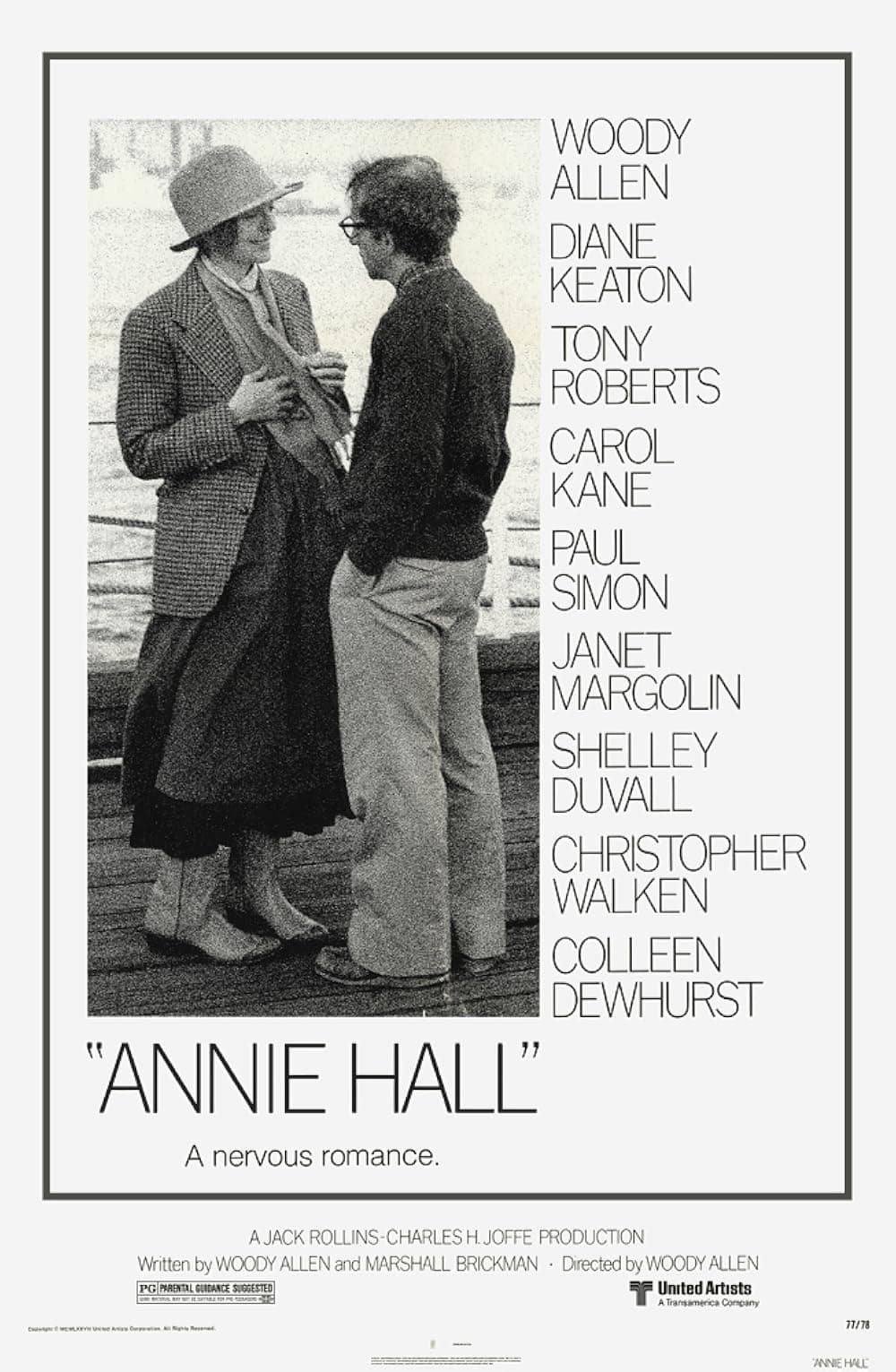
The romantic comedy has never recovered from it: Allen talks to the camera, walks into his own memories, drops subtitles over small talk, and breaks every rule the form had.
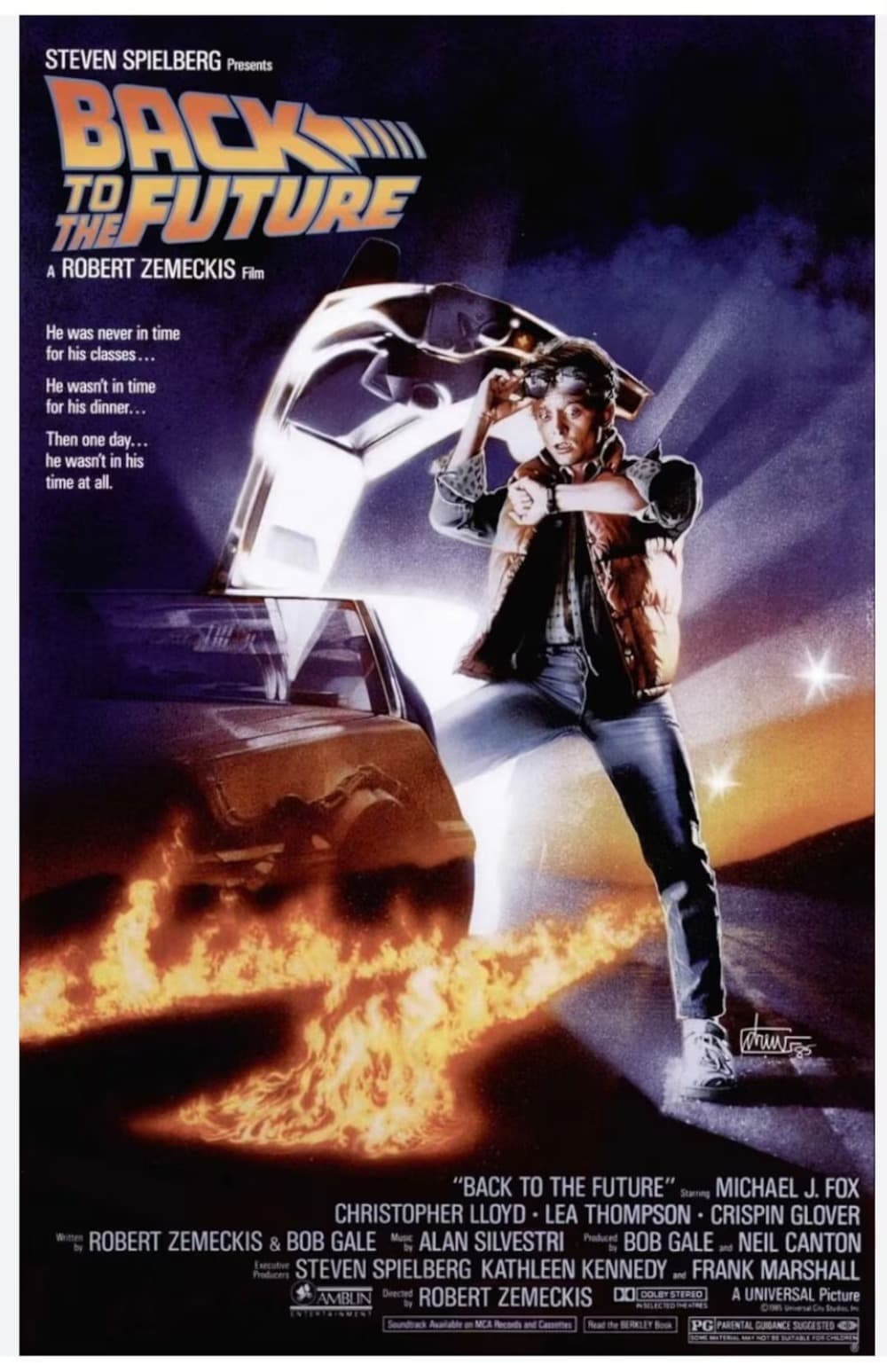
Screenwriting teachers use it as the worked example: every joke and every prop planted early comes back later, and the whole machine runs without a single wasted second.
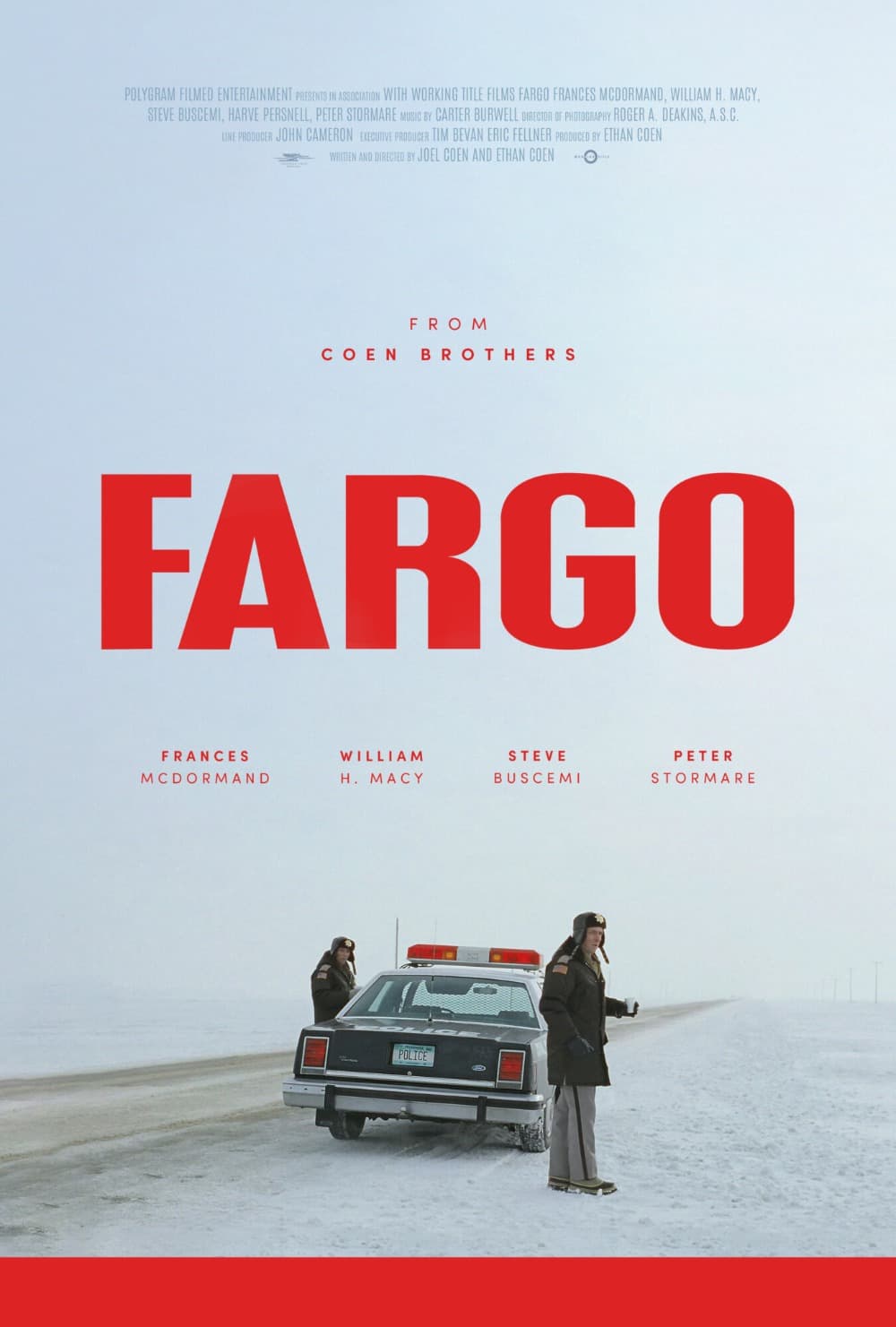
Marge Gunderson is the warmest character the Coens ever wrote, and the reason this one lasts: a kidnapping goes wrong in the snow and she is the only calm person in it.
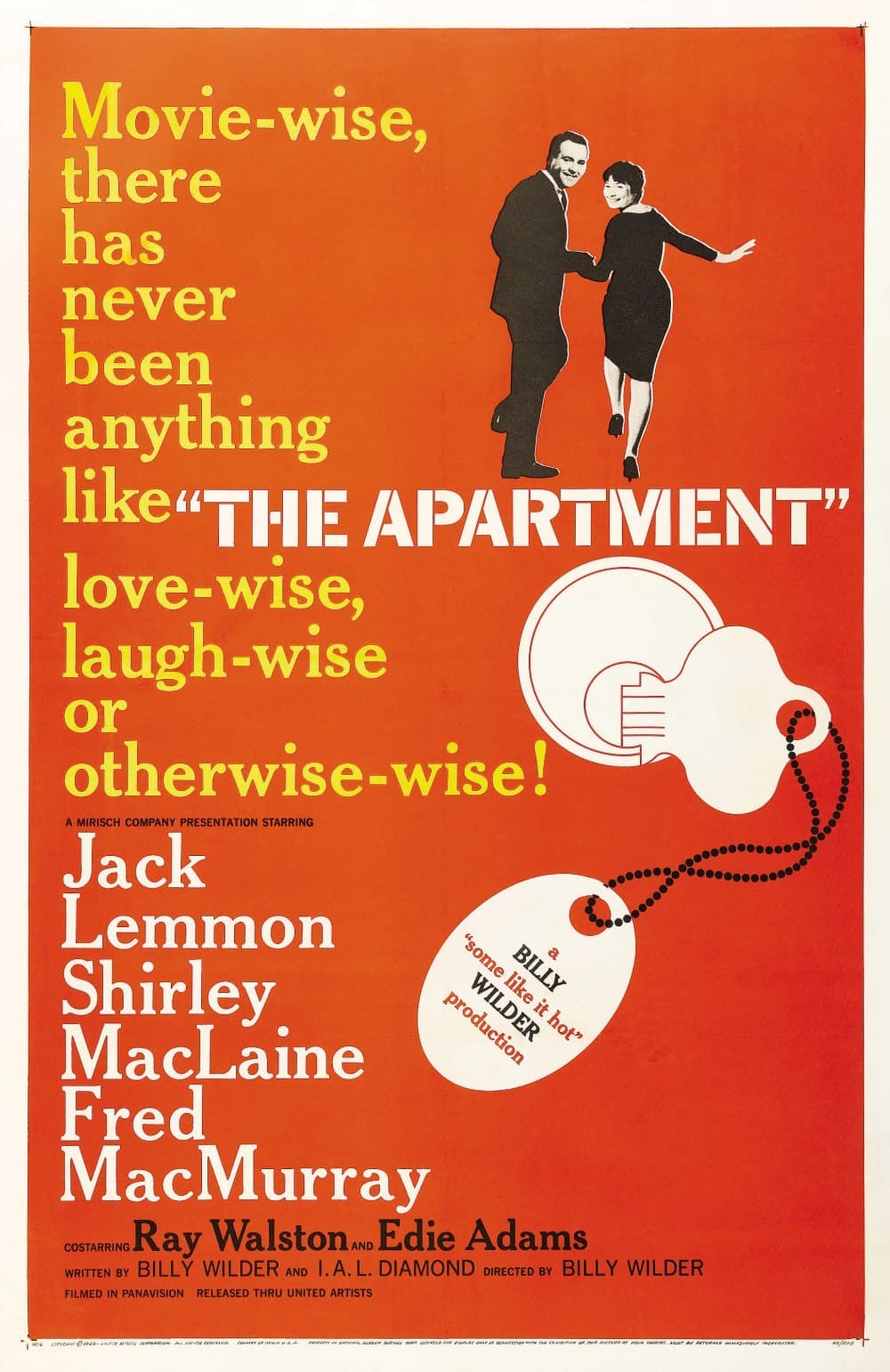
A comedy that breaks your heart and stays funny while doing it: Wilder took the sourest possible subject, a man lending his bed to his bosses, and made it warm.
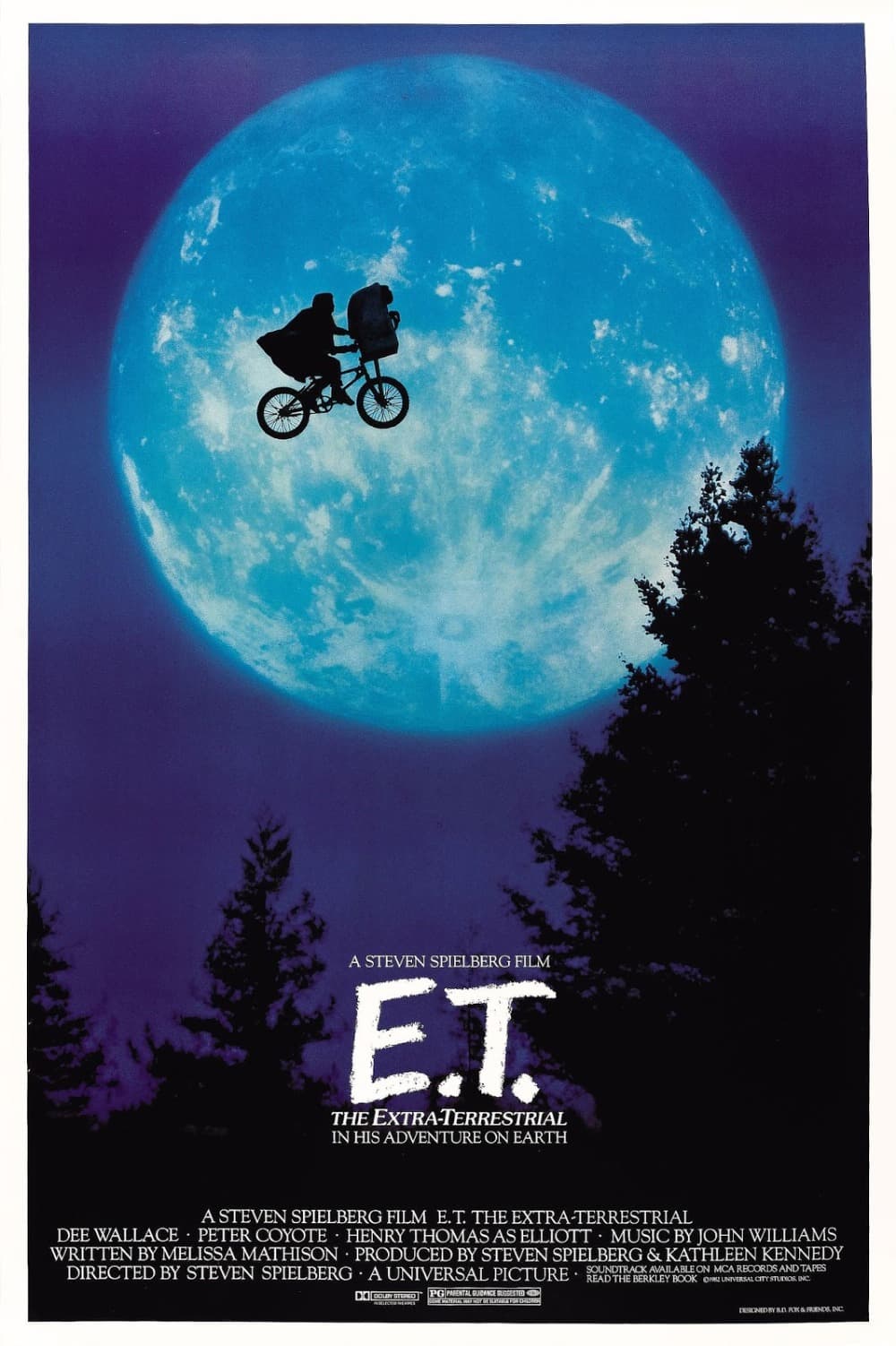
Highest grossing film in the world for a decade, and it earns every cent: Spielberg shot at child height so the adults are legs and voices, and wrecks entire cinemas.
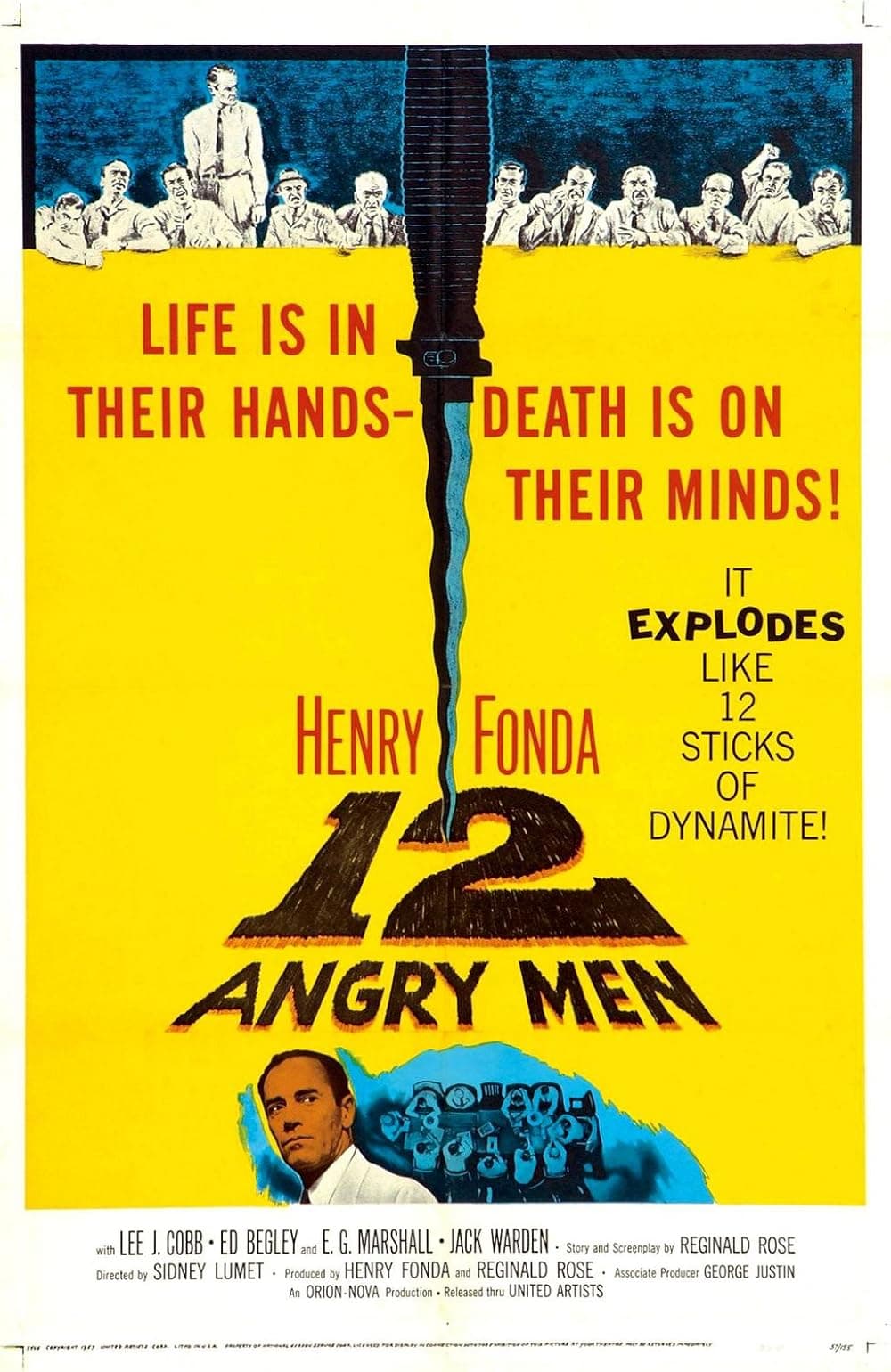
Nothing beats it as a filmed argument, and it happens in a single room: eleven jurors want to go home, one will not, and the temperature keeps rising.
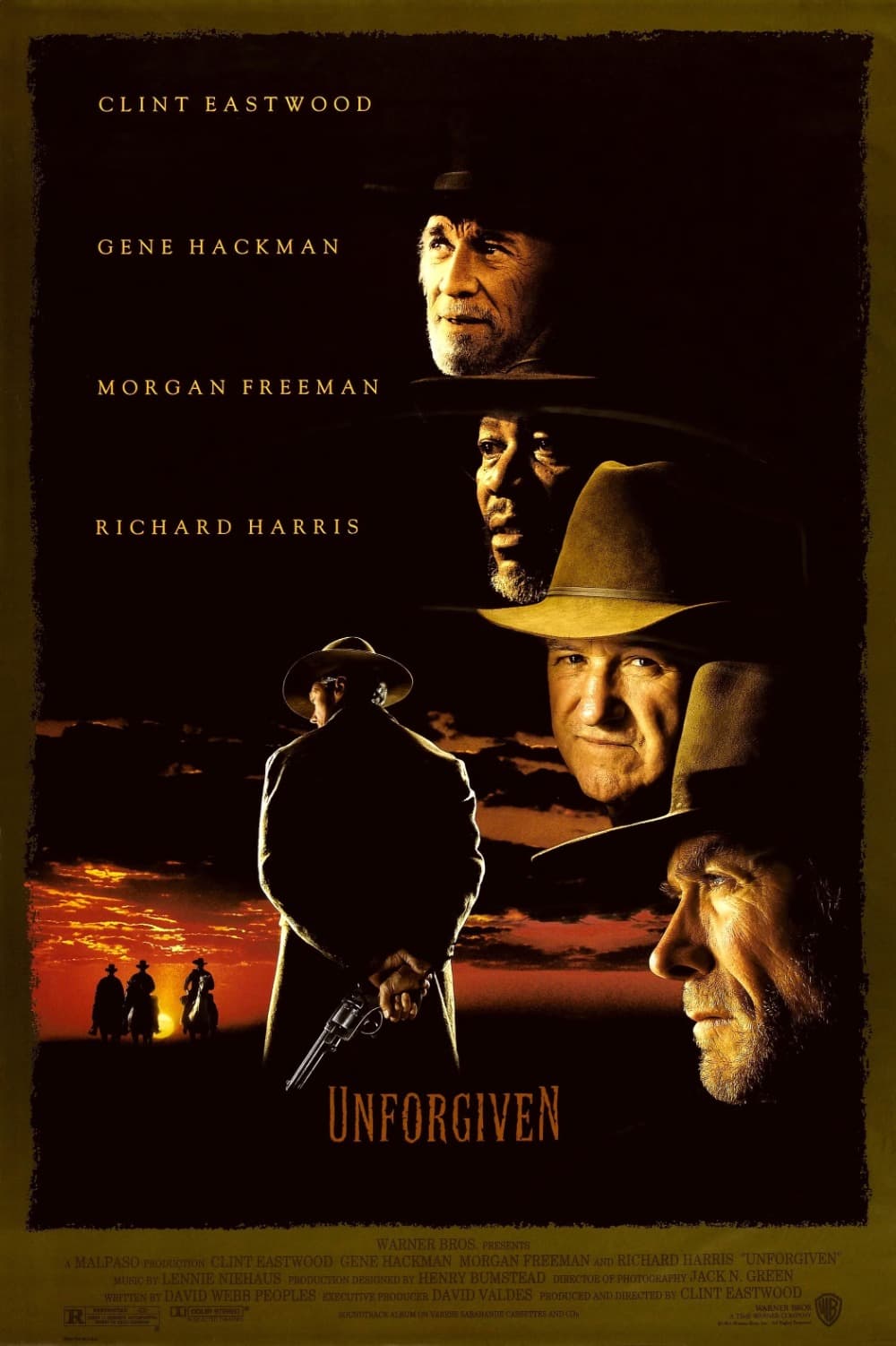
Eastwood spent thirty years building the myth this film takes apart: no western has been harder on the pleasure of violence, or on the men who deal it out.
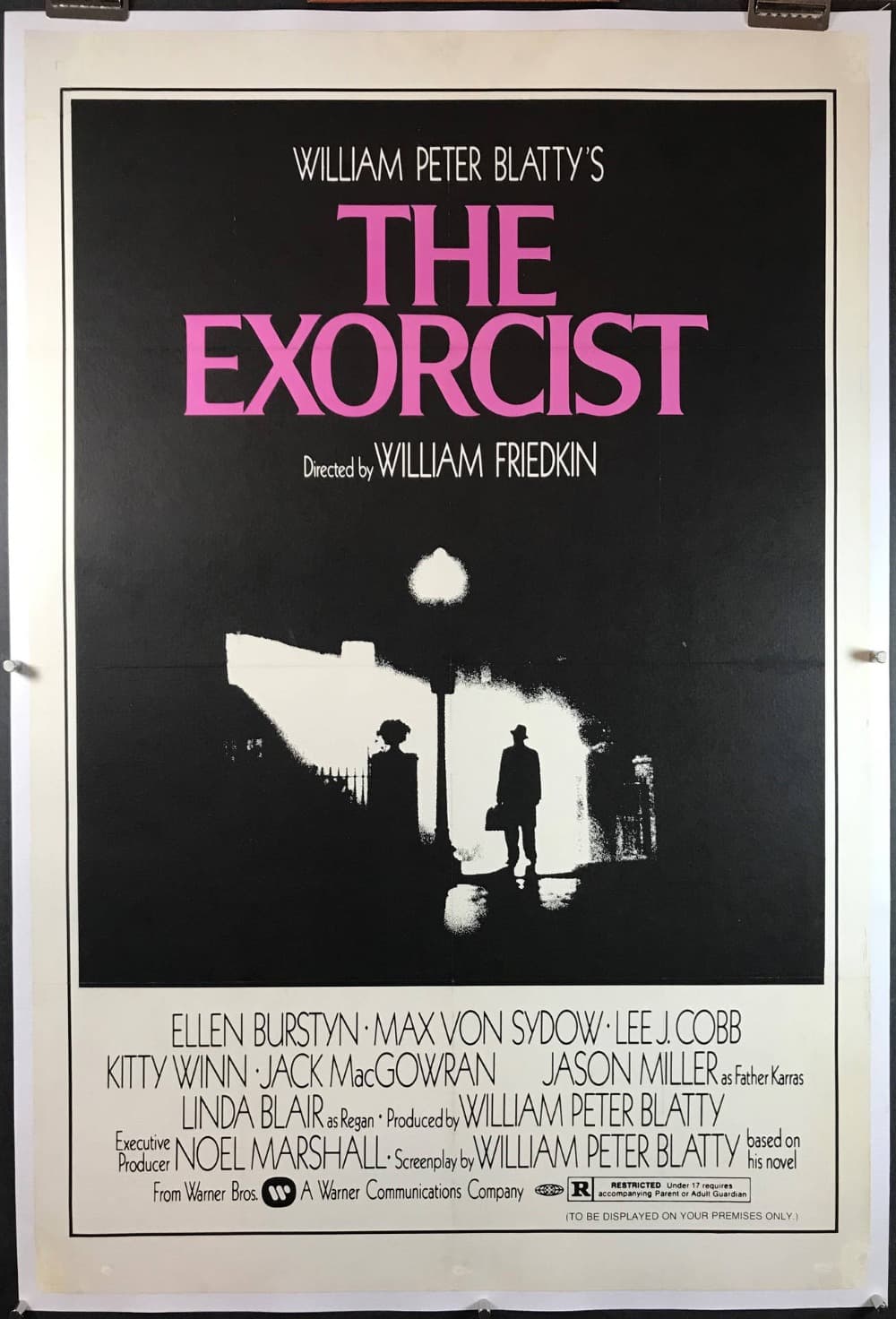
Still the one people watch with the lights on fifty years later: Friedkin shot a possession story like a documentary, and the restraint is what makes it unbearable.
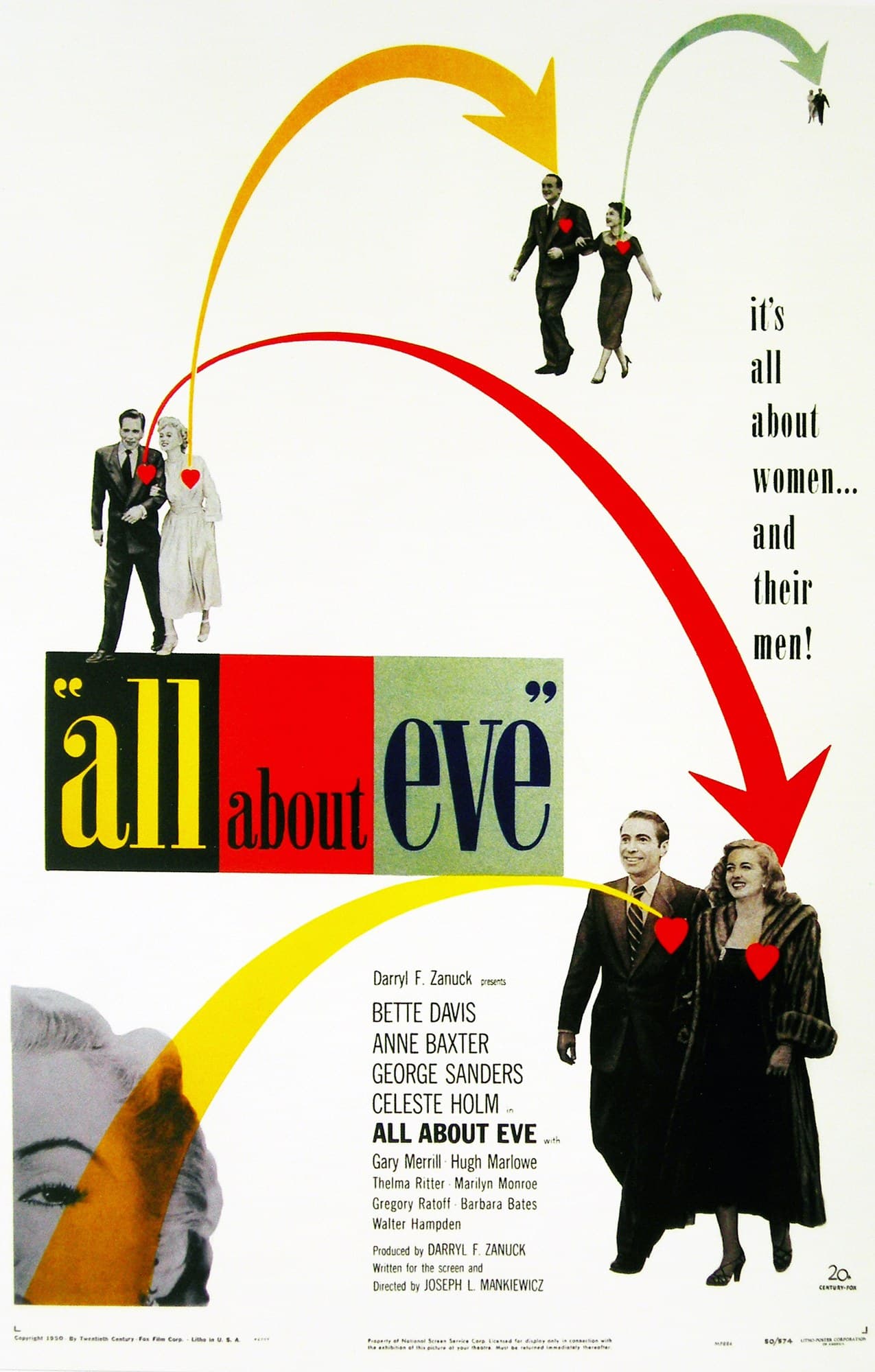
The sharpest script ever written about ambition: an aging star takes in an adoring young fan, and theater people have been quoting the lines for three-quarters of a century.
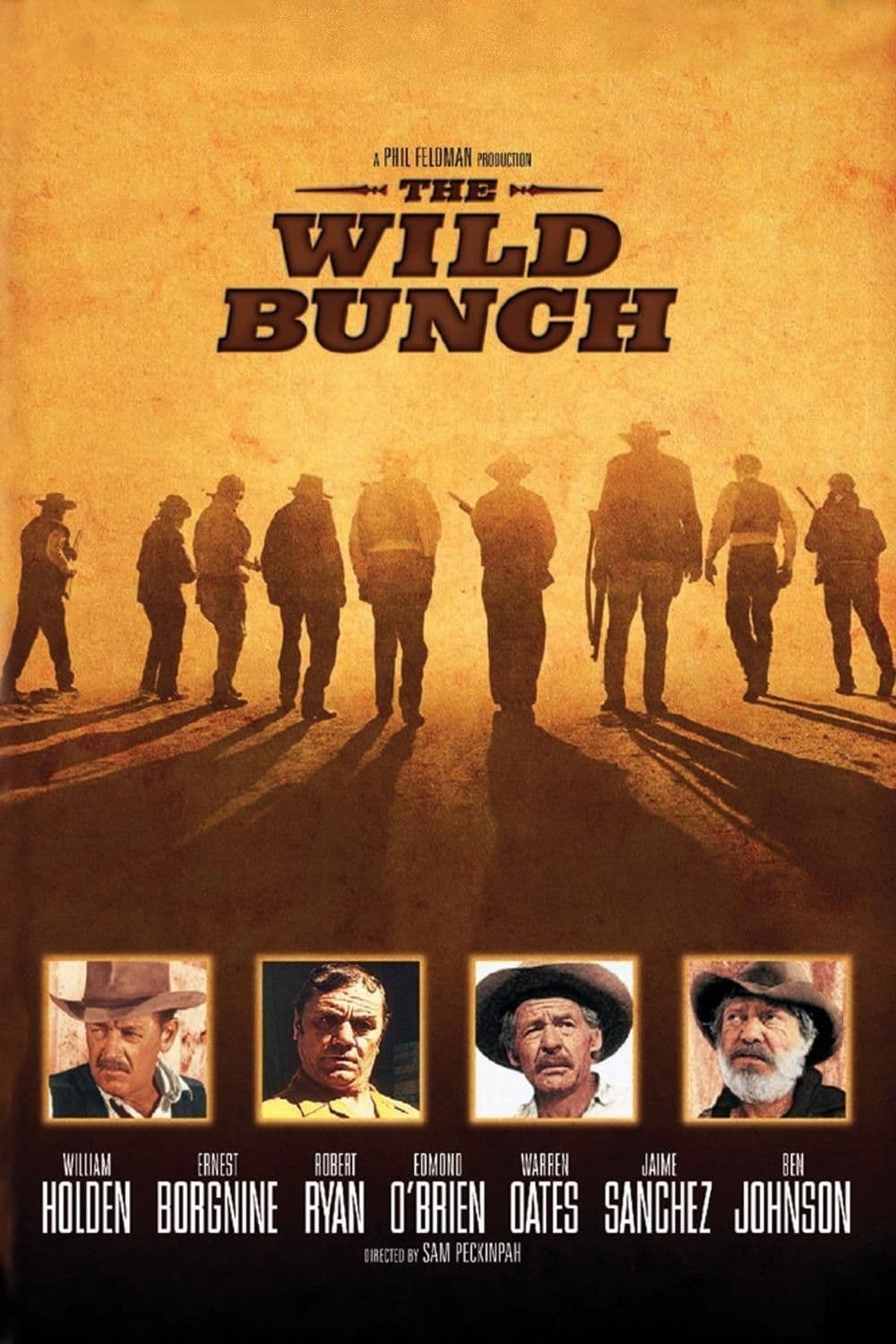
Peckinpah showed at once what the new ratings system had licensed: slow motion, six cameras firing together, and a body count that made every western before it look polite.
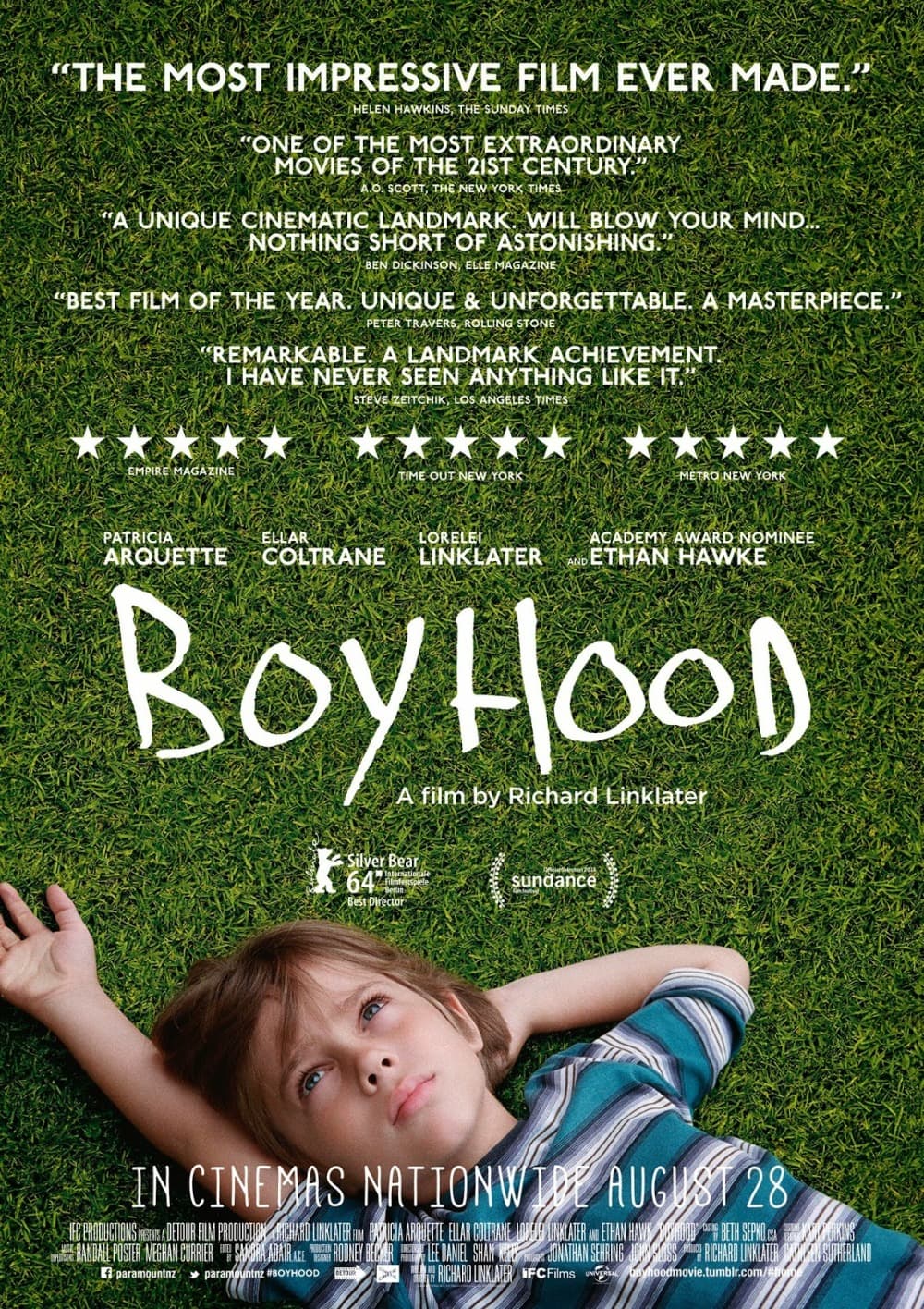
Nobody had tried this before: Linklater filmed the same cast a few days a year for twelve years, so you watch a real child turn into a real adult.
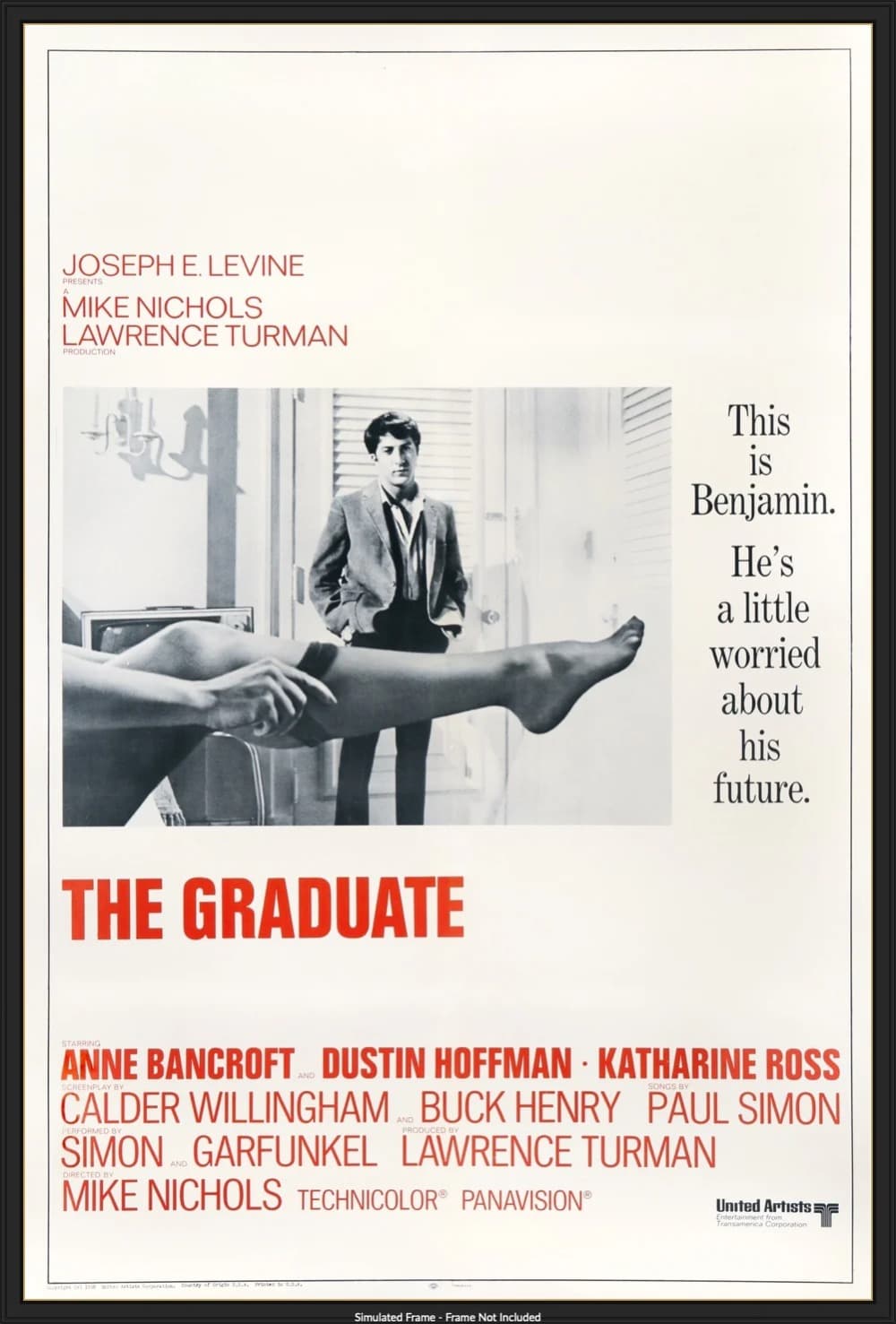
A generation was told their parents were wrong and believed it: Nichols made aimlessness look cinematic, and the soundtrack put Simon and Garfunkel into every house in America.
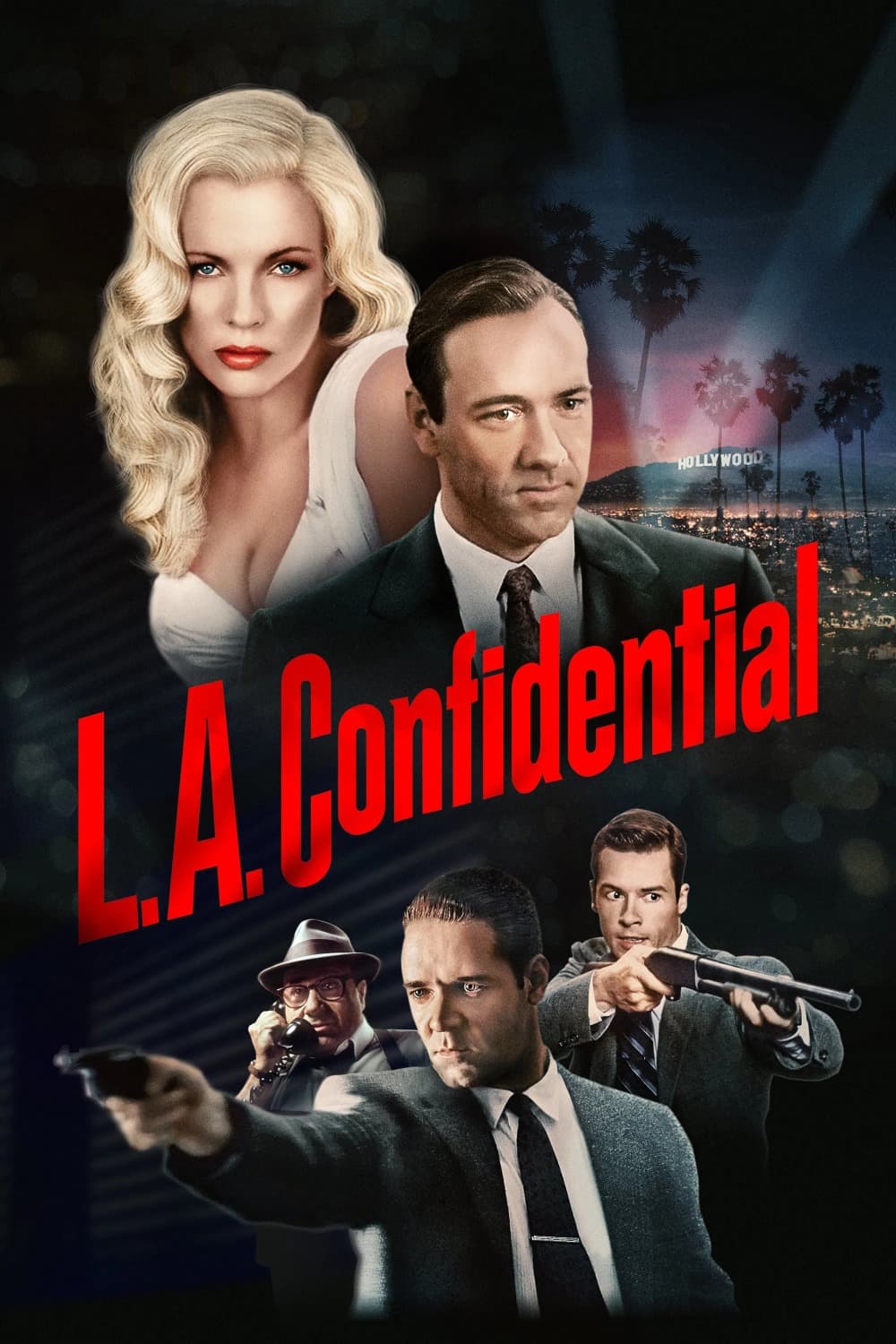
Modern film noir does not get better than this: three Los Angeles cops with nothing in common, and a plot so tightly wired people rewatch it to follow the connections.
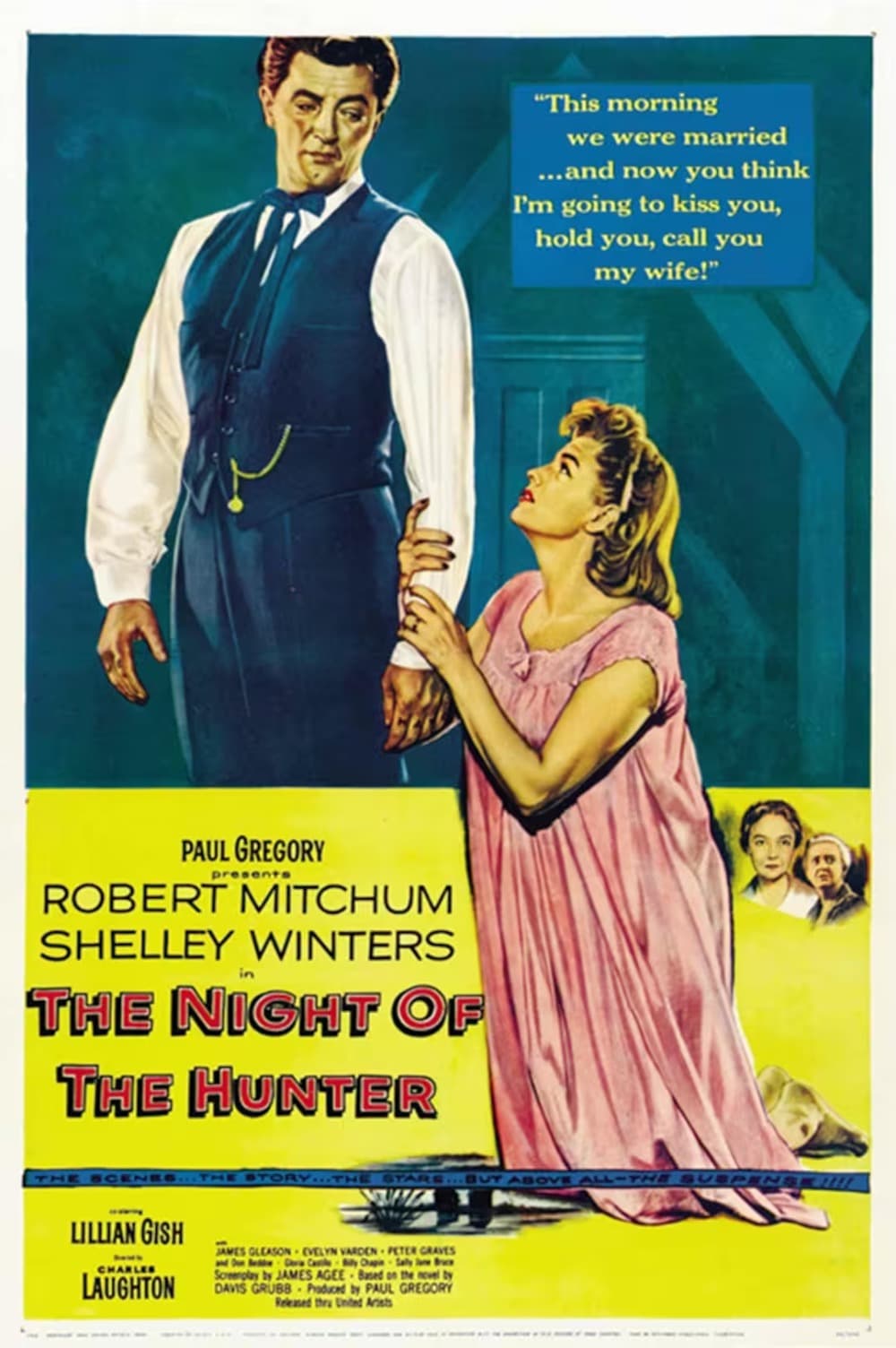
Charles Laughton never directed again after it failed, and critics have spent seventy years calling it a masterpiece: a preacher with tattooed knuckles and two children on a river.
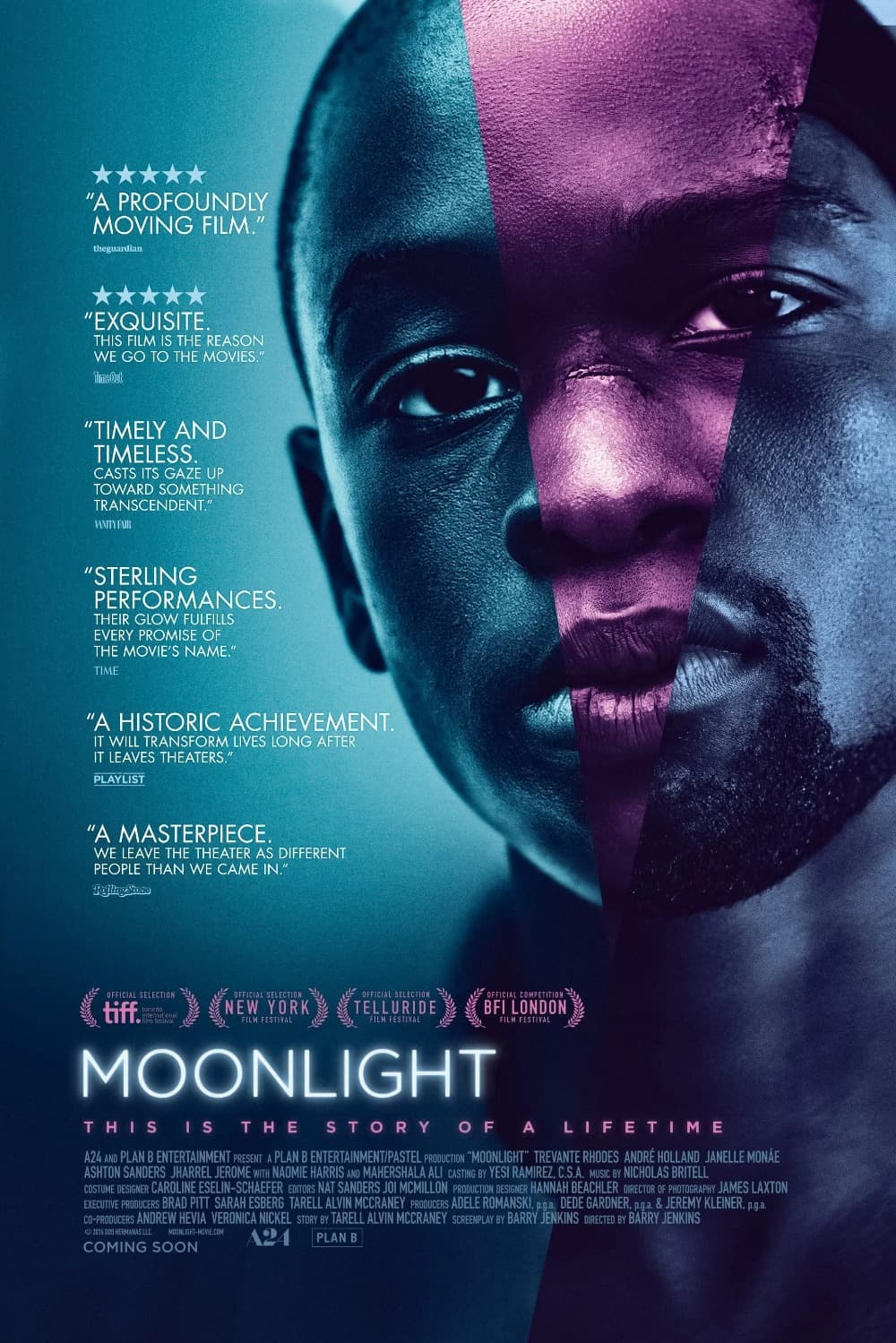
One life told in three chapters by three different actors, and shot in blues and purples so tender the film almost hums: nothing about it looks like anything else.
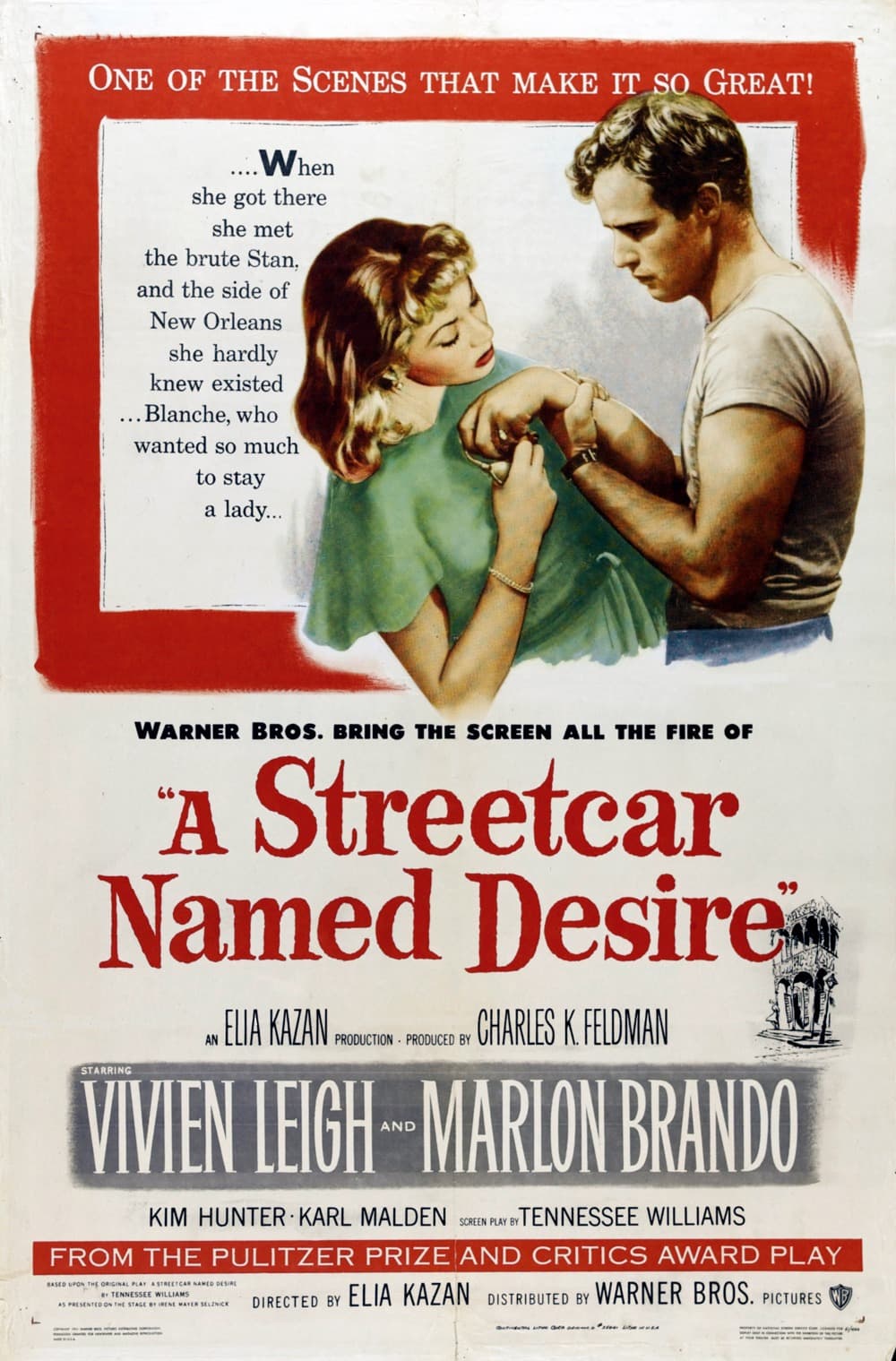
Three of its four leads won Academy Awards and the fourth was Brando: this is where screen acting stopped being theatrical and started being something else entirely.
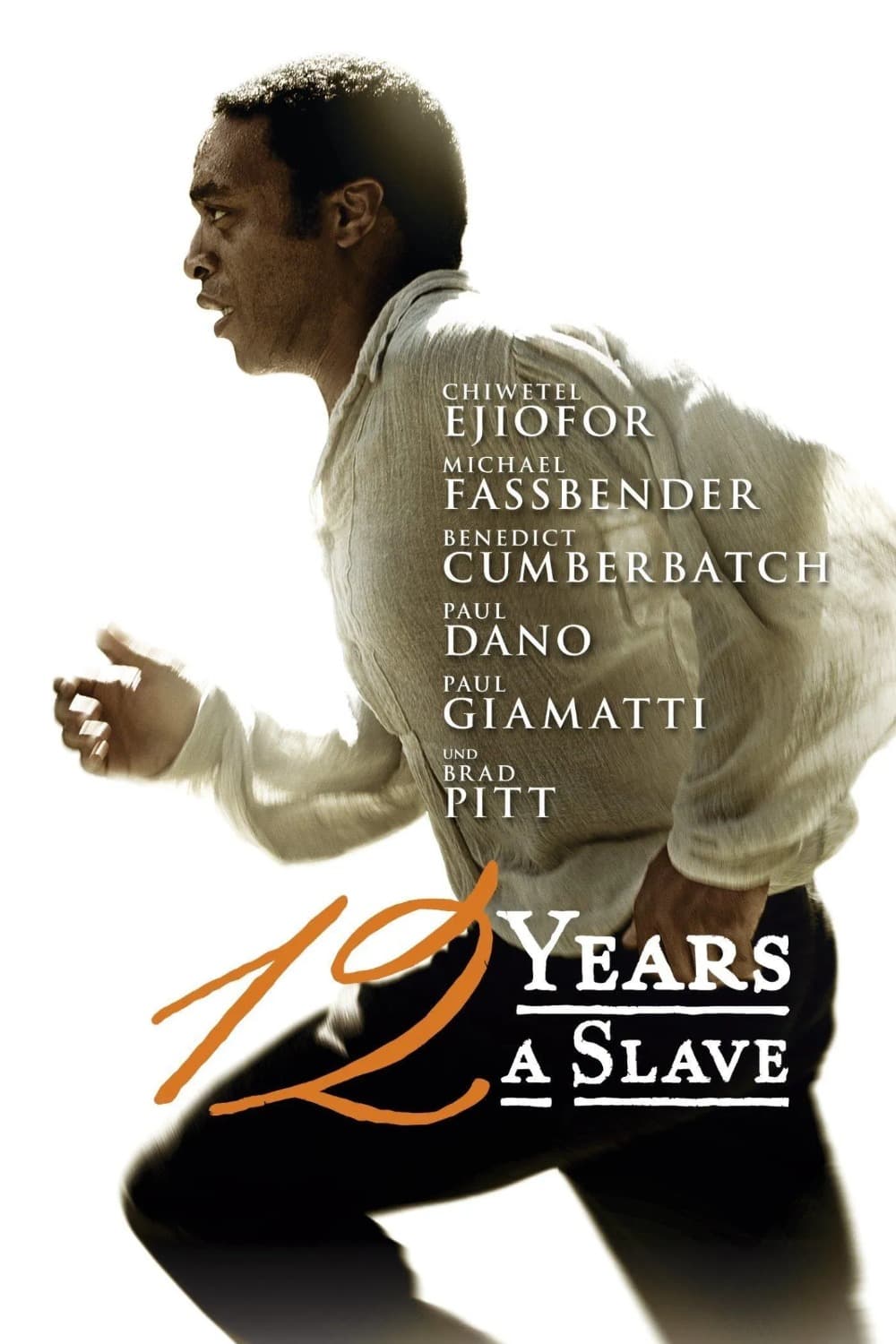
The first Best Picture from a Black director, and the least evasive film ever made about American slavery: McQueen holds shots long past comfort and refuses to look away.
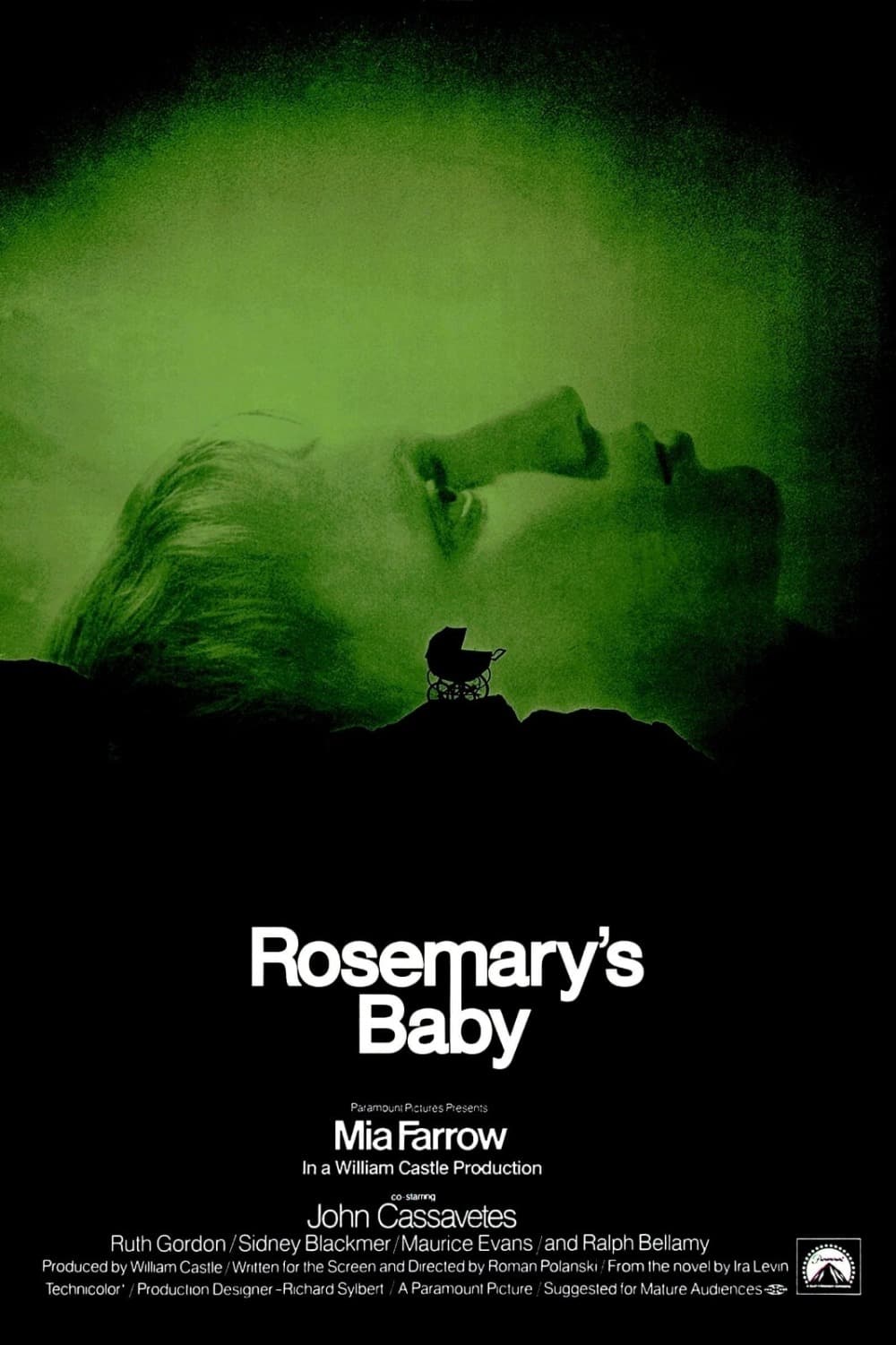
Horror discovered it did not need monsters: Polanski built two hours out of a young wife nobody believes, and the dread comes entirely from politeness and closed doors.
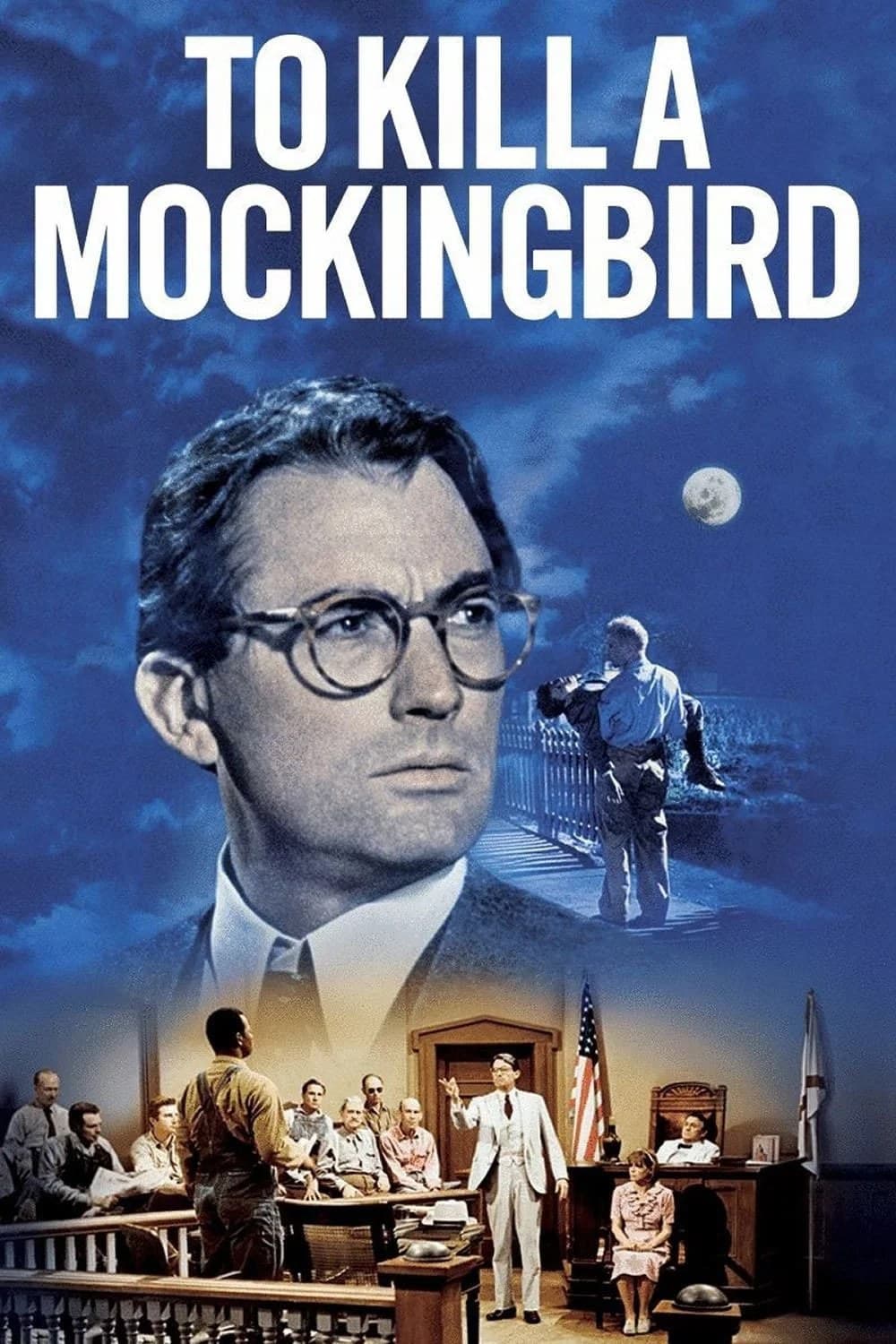
Gregory Peck gave America the father it wanted to believe in: a small-town lawyer defends a Black man in a case the town has already decided, seen through his daughter's eyes.
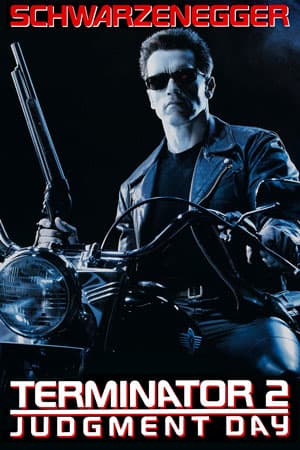
Computer effects became believable overnight: Cameron spent more money than anyone ever had, put a liquid metal killer on screen, and every studio in town immediately started writing checks.
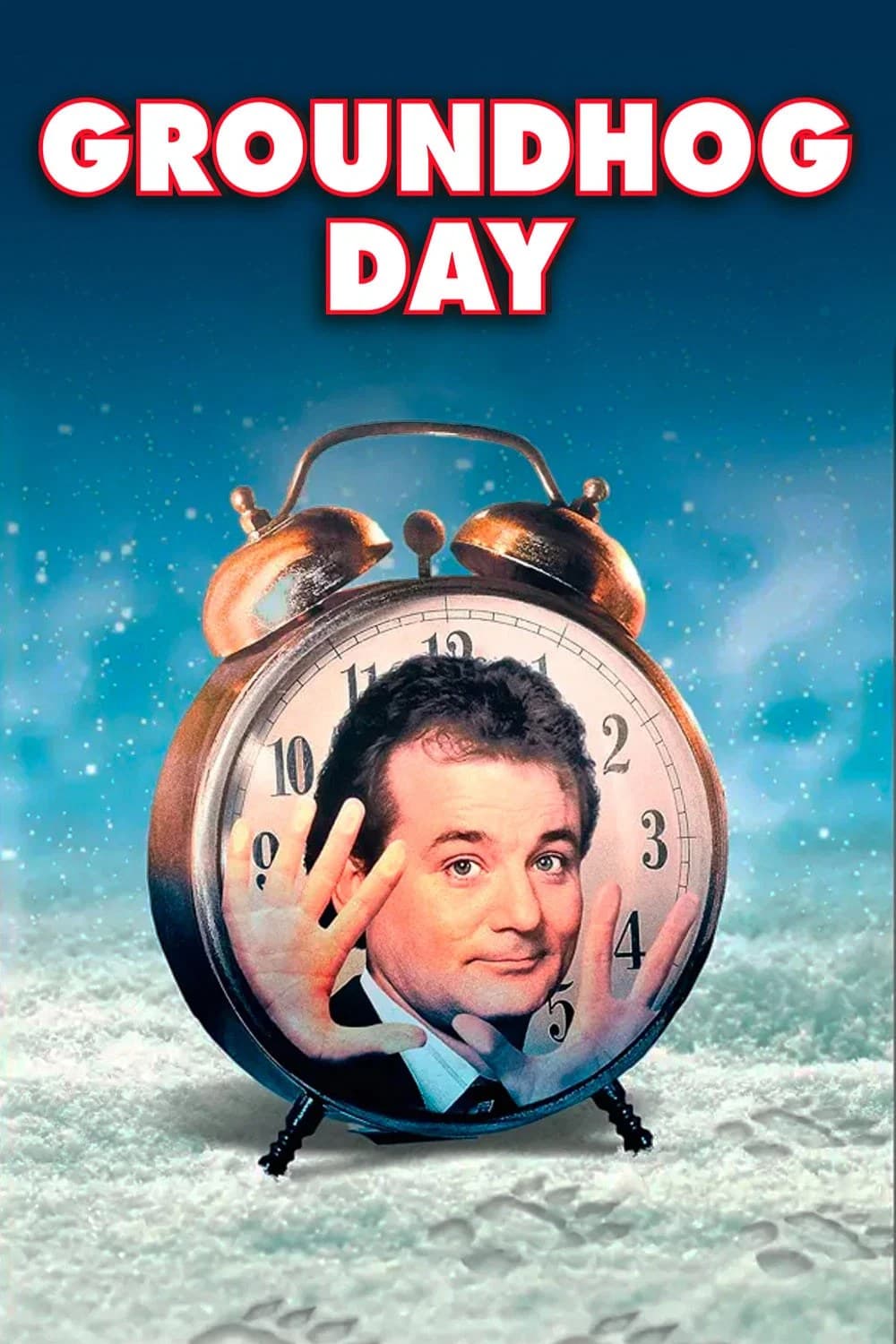
The title became a phrase people use without knowing the film: a comedy about repeating one day turned into the most quietly serious argument about how to live.
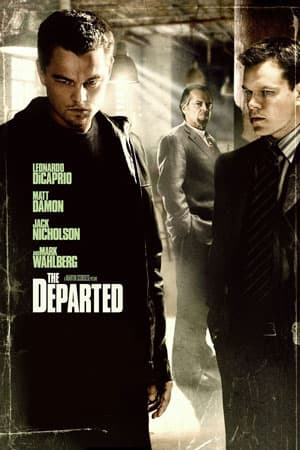
Scorsese remade a Hong Kong thriller and made it entirely his own: a cop inside the mob, a mobster inside the police, and a pitch that never once relaxes.
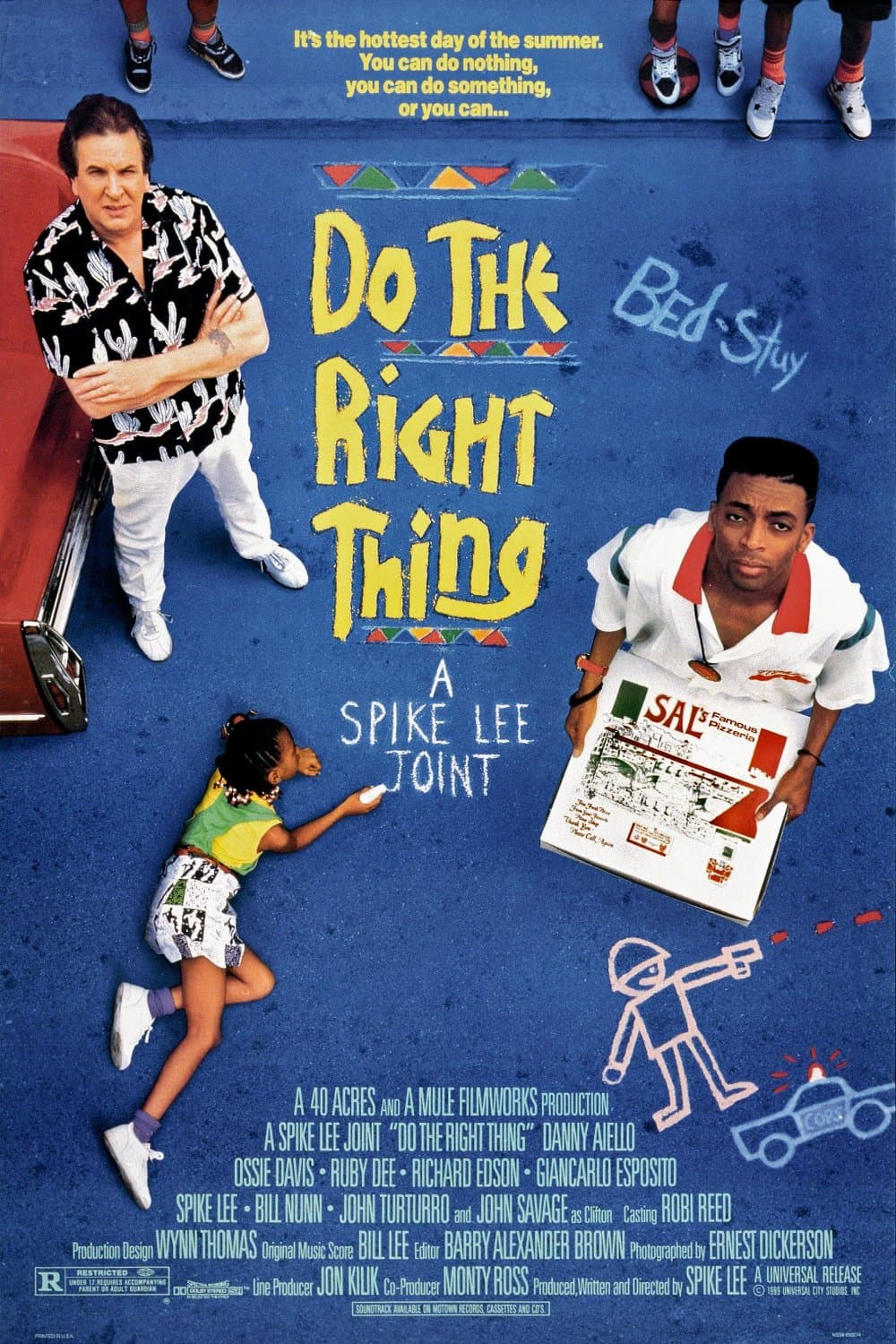
No American film has been braver about refusing to resolve: one Brooklyn block on the hottest day of the year, and Lee will not tell you who was right.
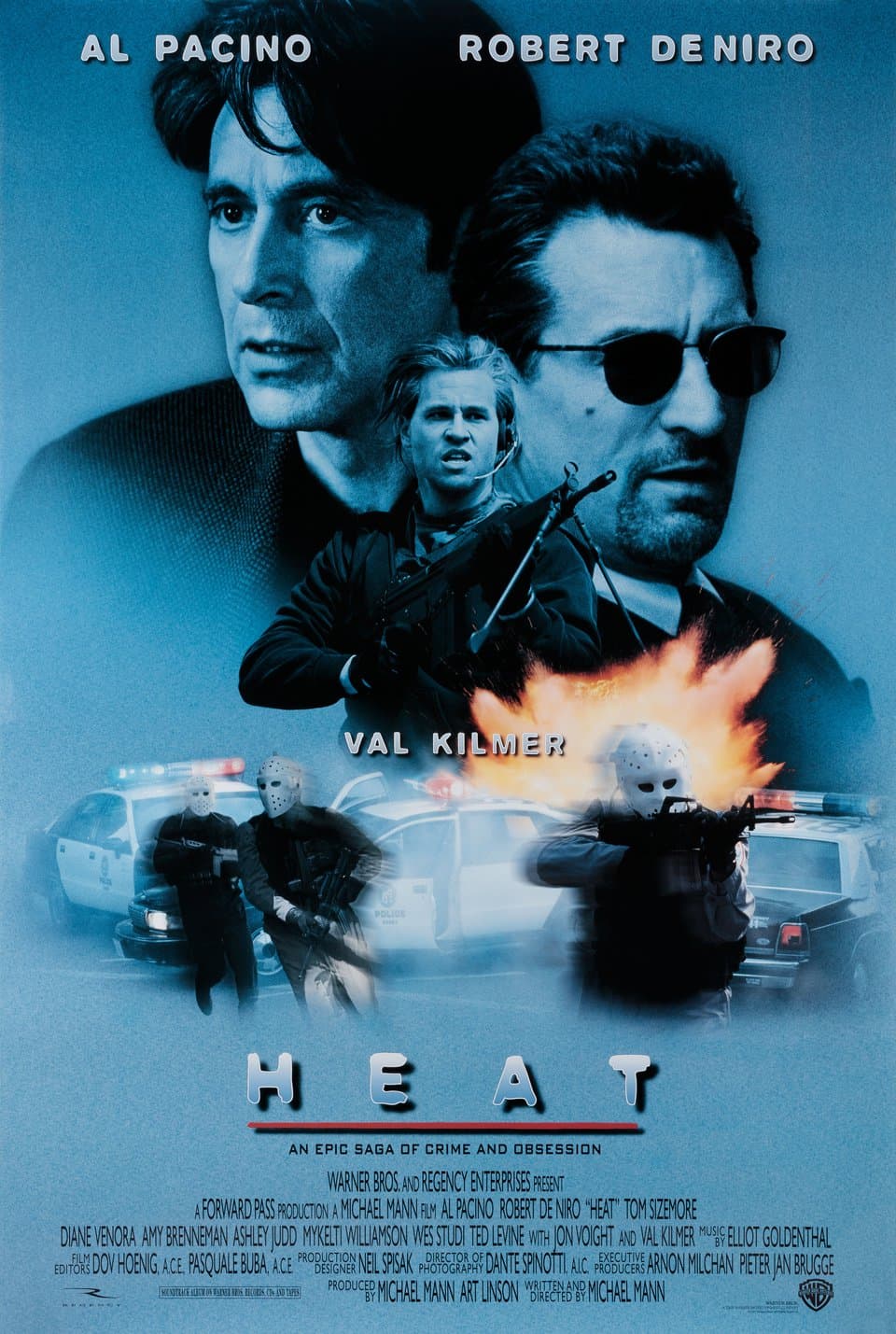
Police forces train on the shootout and every heist film since has copied it: Mann also got De Niro and Pacino into one diner booth for the first time.
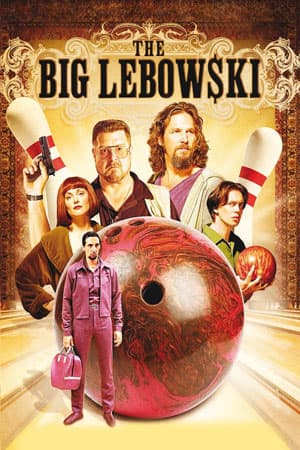
It underwhelmed in cinemas and then grew a festival, a religion and a vocabulary: the Coens built a Chandler plot around a man whose only ambition is getting his rug replaced.
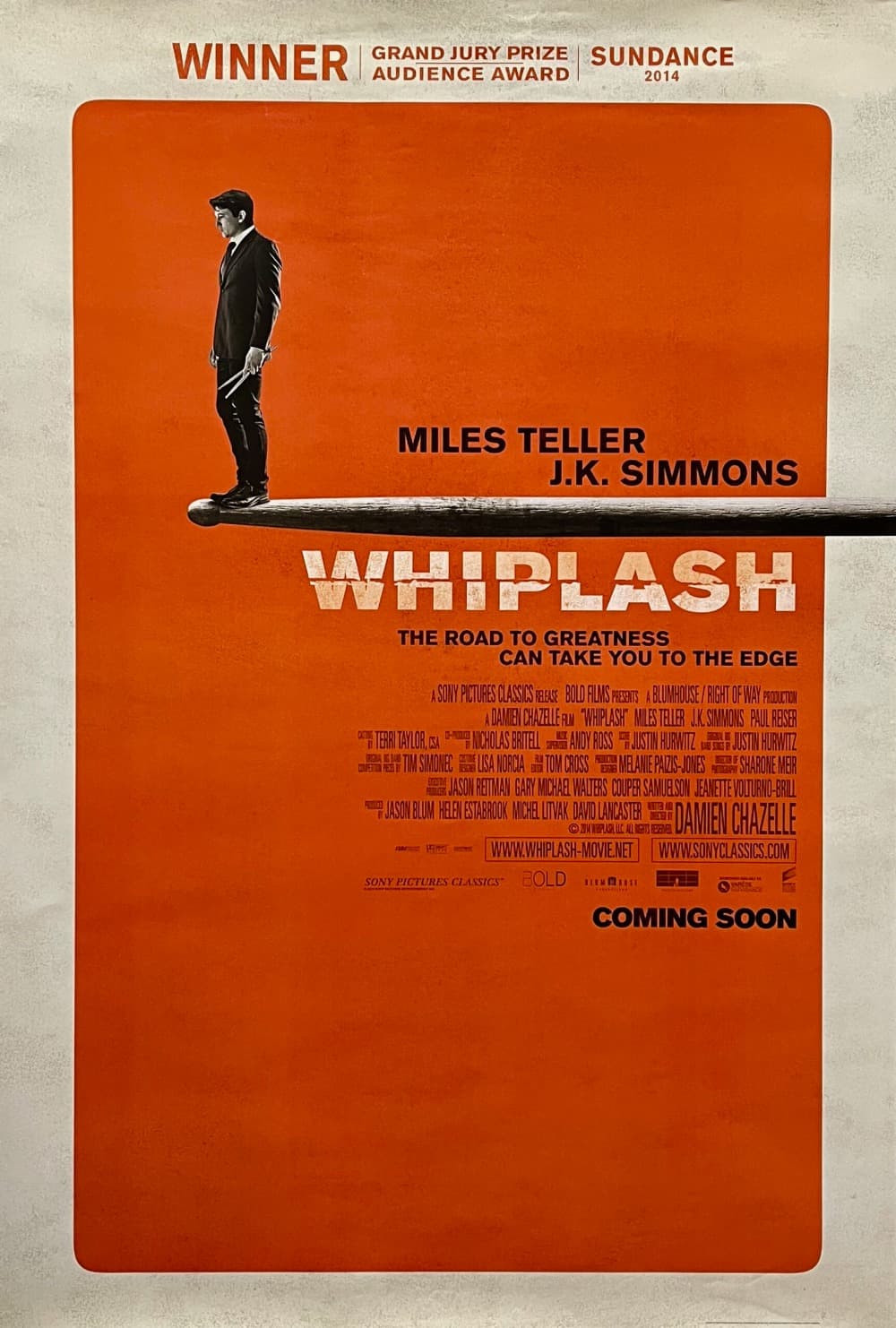
Shot in nineteen days on three million dollars, and cut like a thriller: a drummer, a teacher who throws chairs, and the question of what greatness costs.
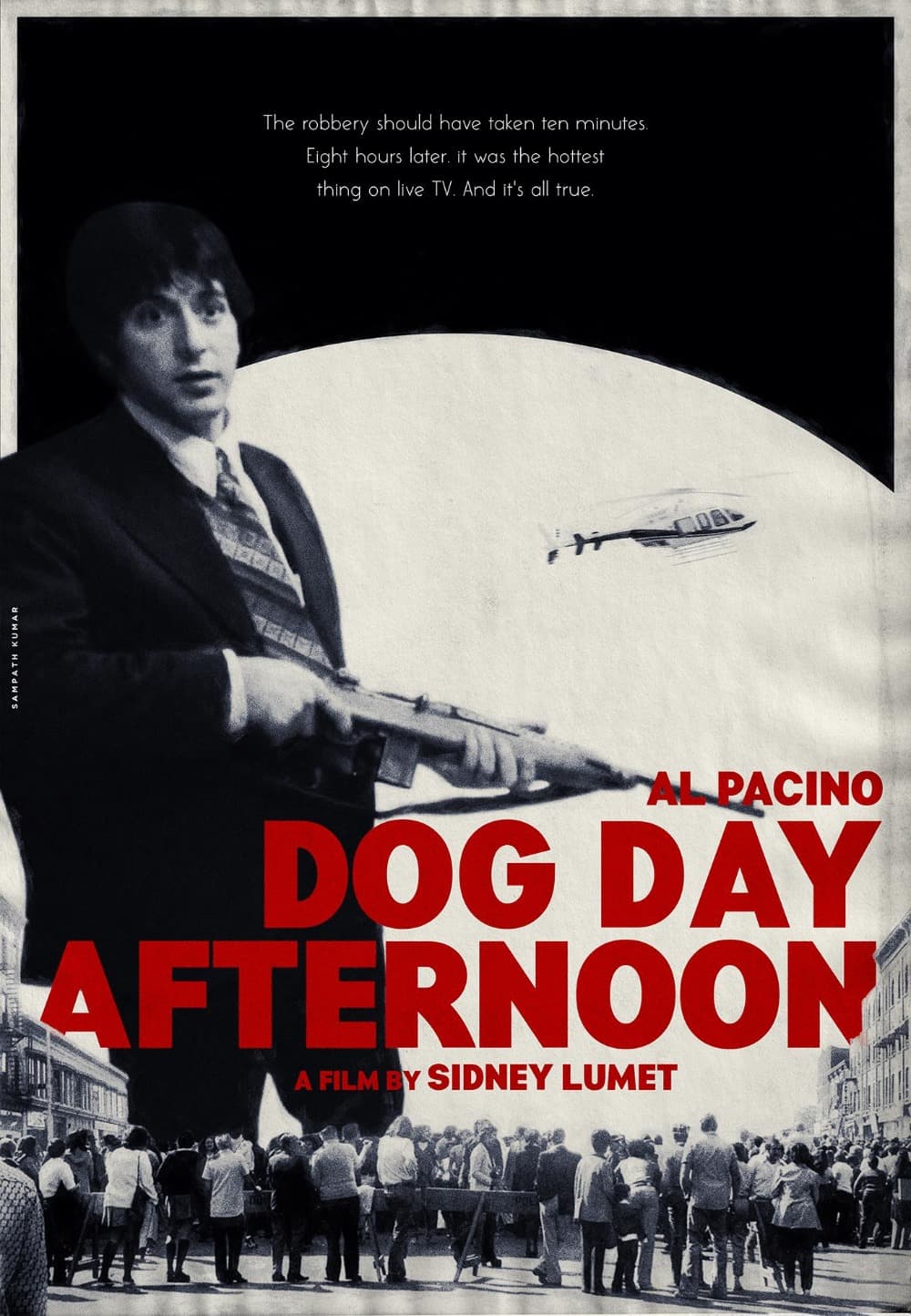
Pacino turned a real 1972 Brooklyn robbery into the most electric performance of the seventies: a bank job collapses in ten minutes and becomes a street carnival.
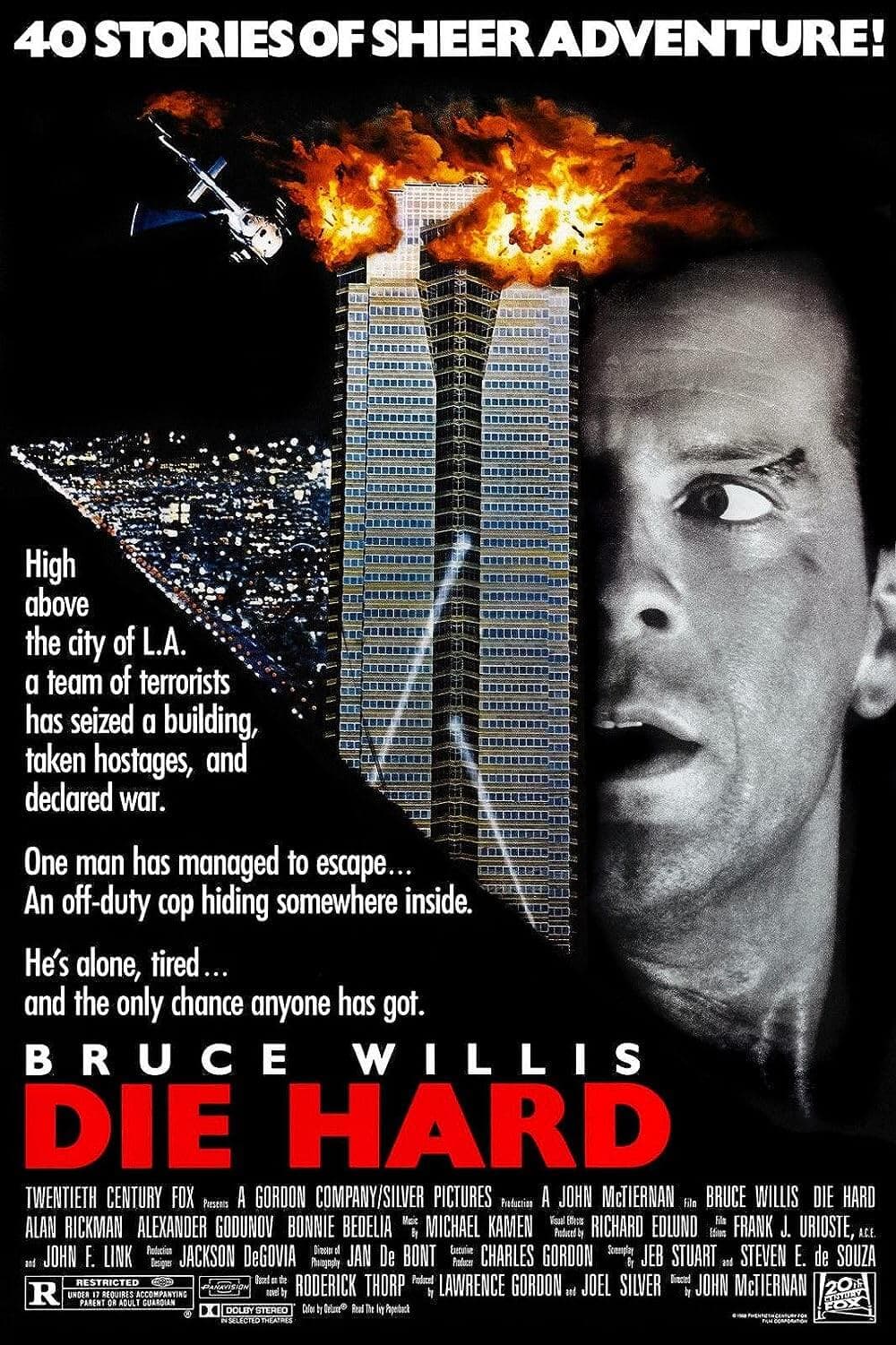
Hollywood spent the next decade pitching films as Die Hard on a boat, a bus, a plane: McTiernan built the action machine everyone has been copying since 1988.

American distributors cut ninety minutes out of it and destroyed the reviews: restored to full length, Leone's fifty-year gangster elegy drifts between decades like an opium dream.
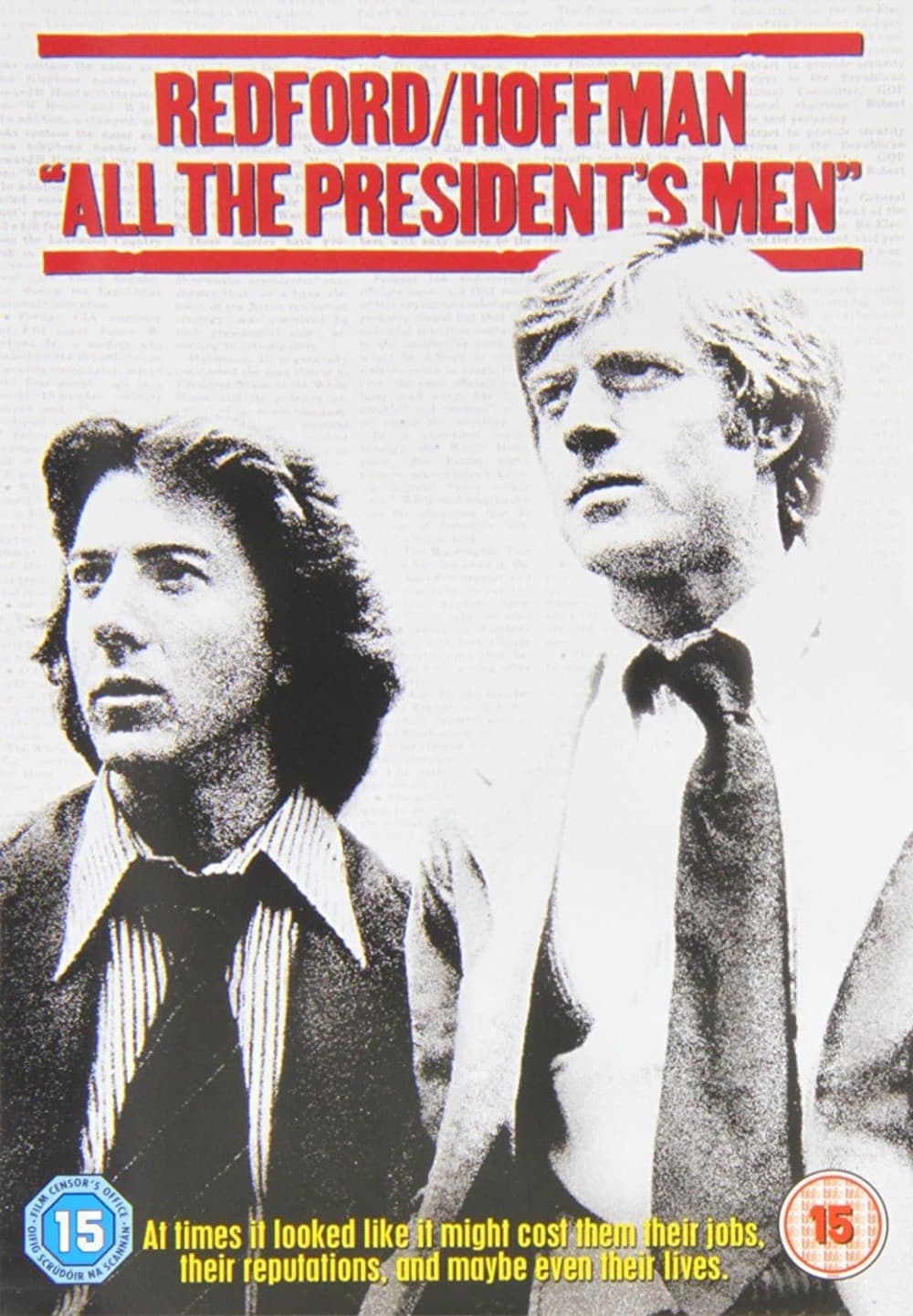
Every journalism film gets held up against this one: two reporters chase Watergate through phone calls and parking garages, and verifying a single fact becomes unbearably tense.
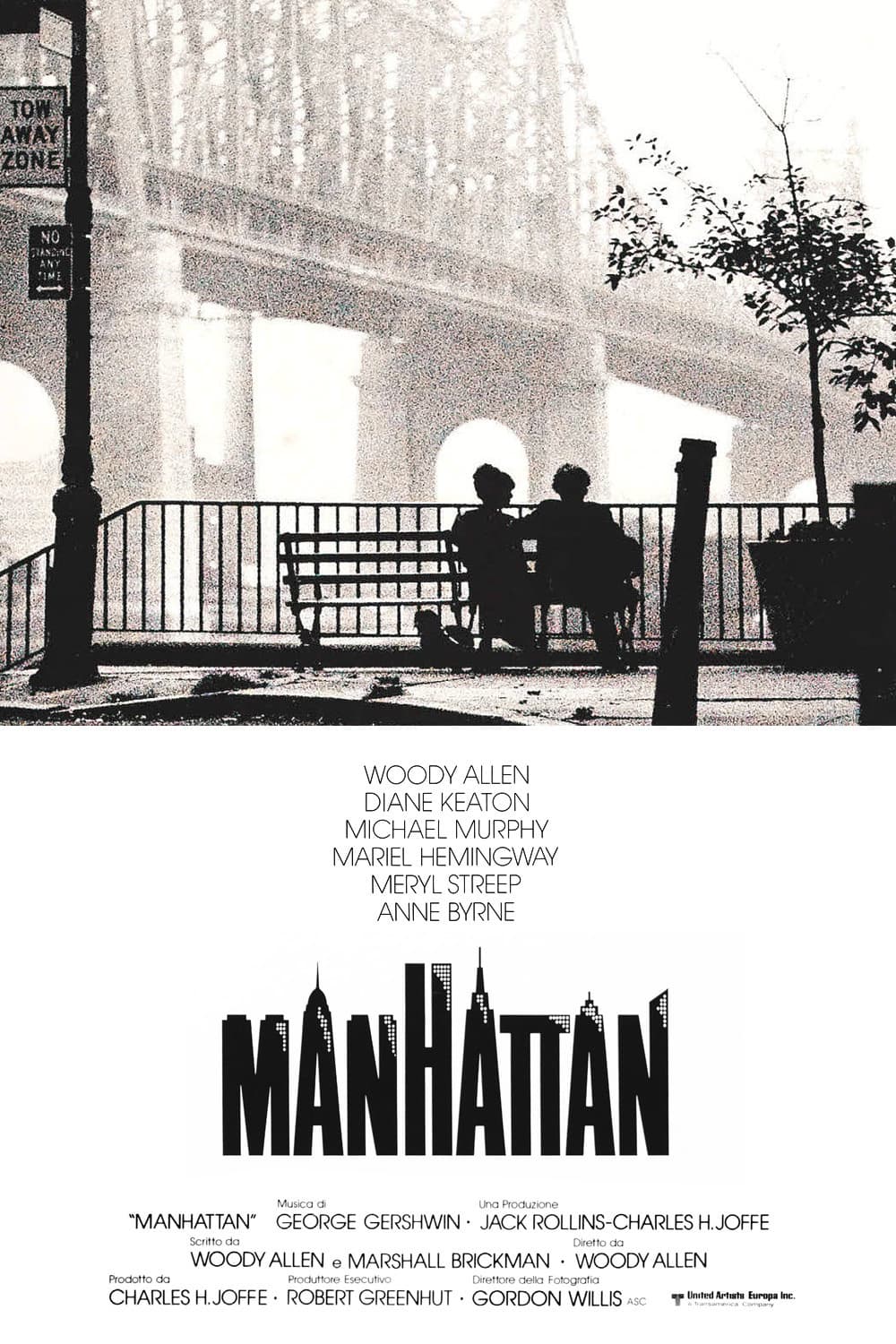
It opens with the best love letter any city has received: Gershwin over black and white Manhattan, and then two hours of people ruining their lives beautifully.
Cameron made it for six million dollars and launched two careers and a franchise: a machine that cannot be bargained with, cannot be reasoned with, and absolutely will not stop.
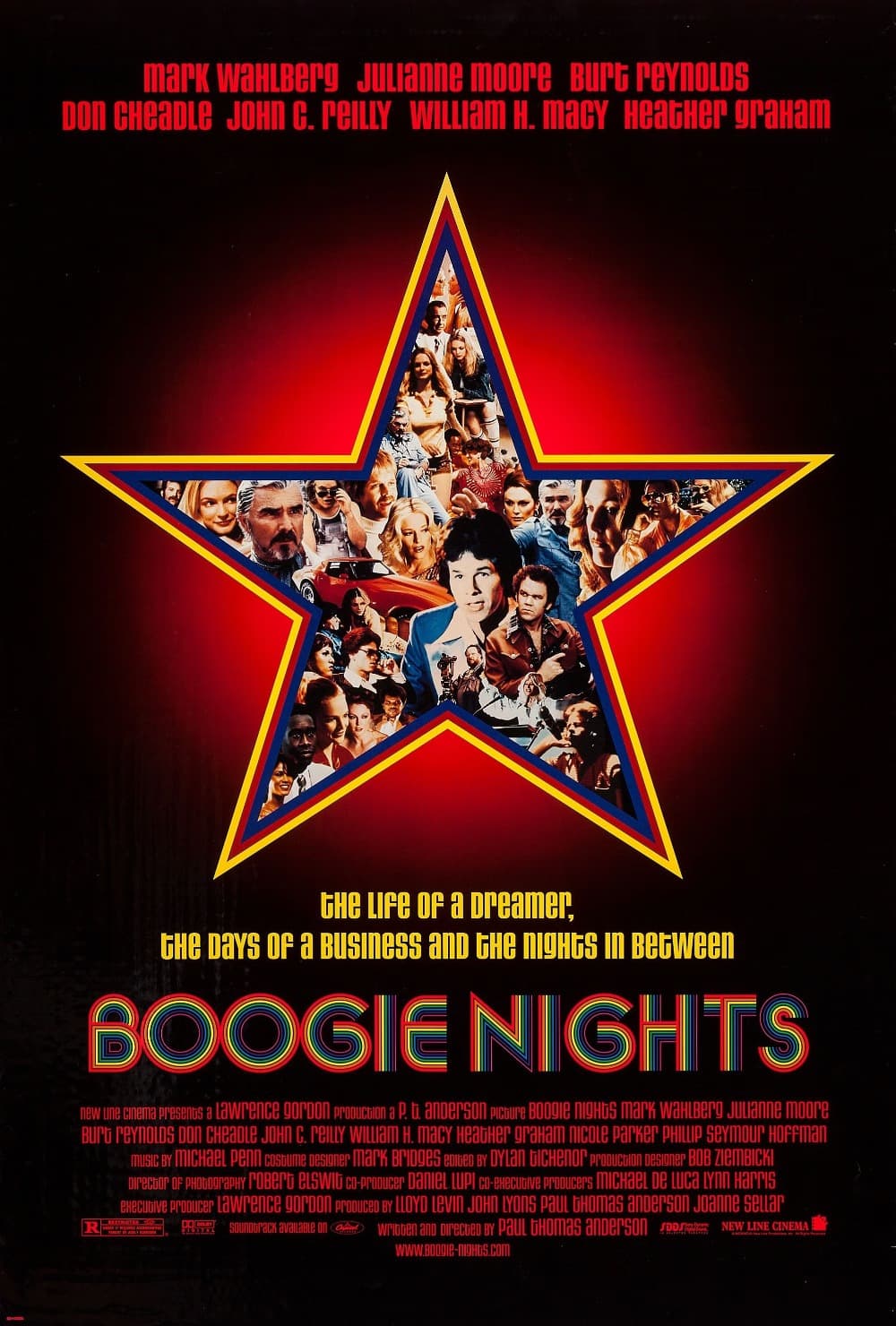
Anderson was twenty-seven and announced himself completely: a San Fernando Valley porn crew who treat each other like family, filmed with far more warmth than the subject suggests.
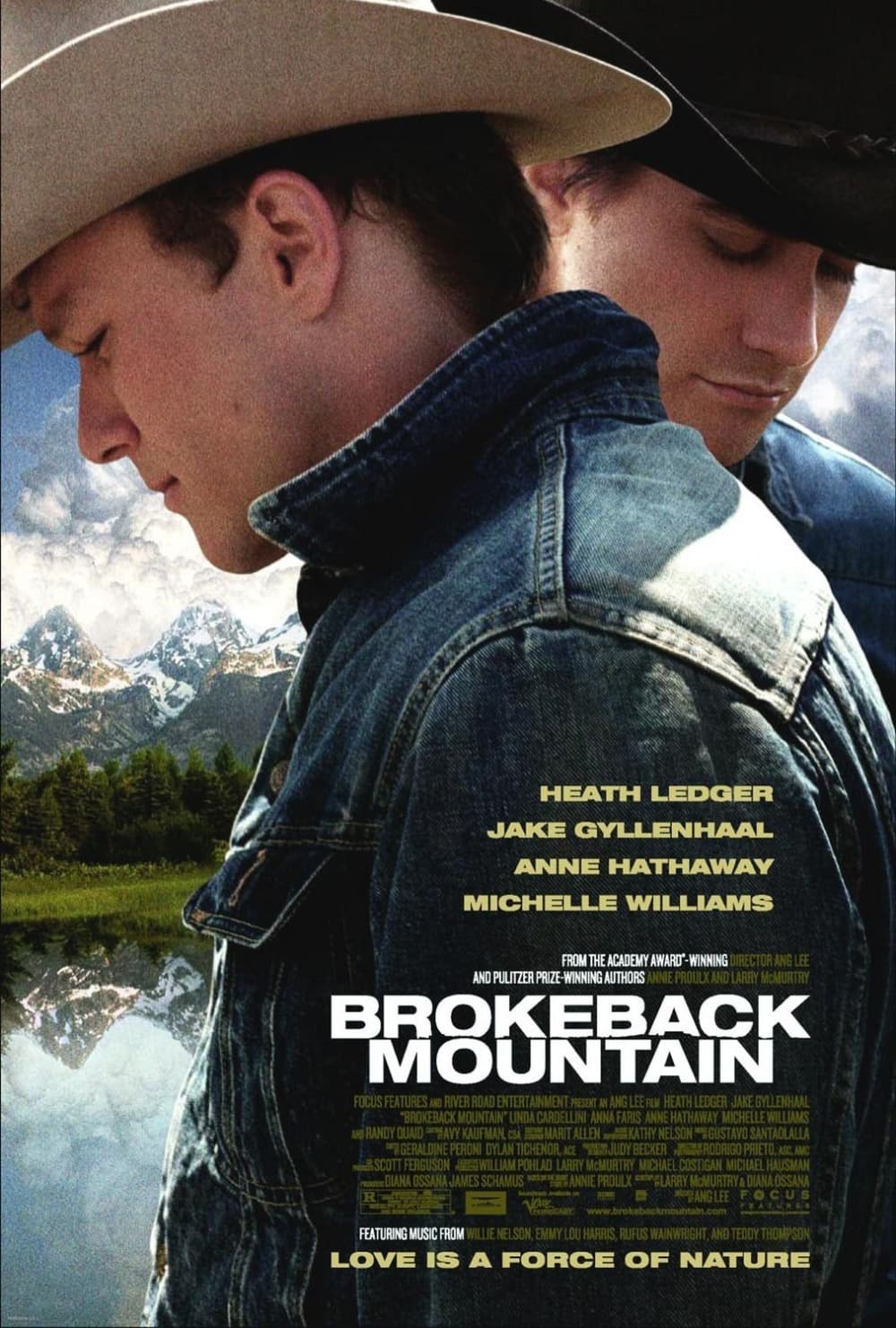
It changed what a mainstream American film could be about: Lee filmed twenty years of two men unable to say what they are, almost entirely in silence.
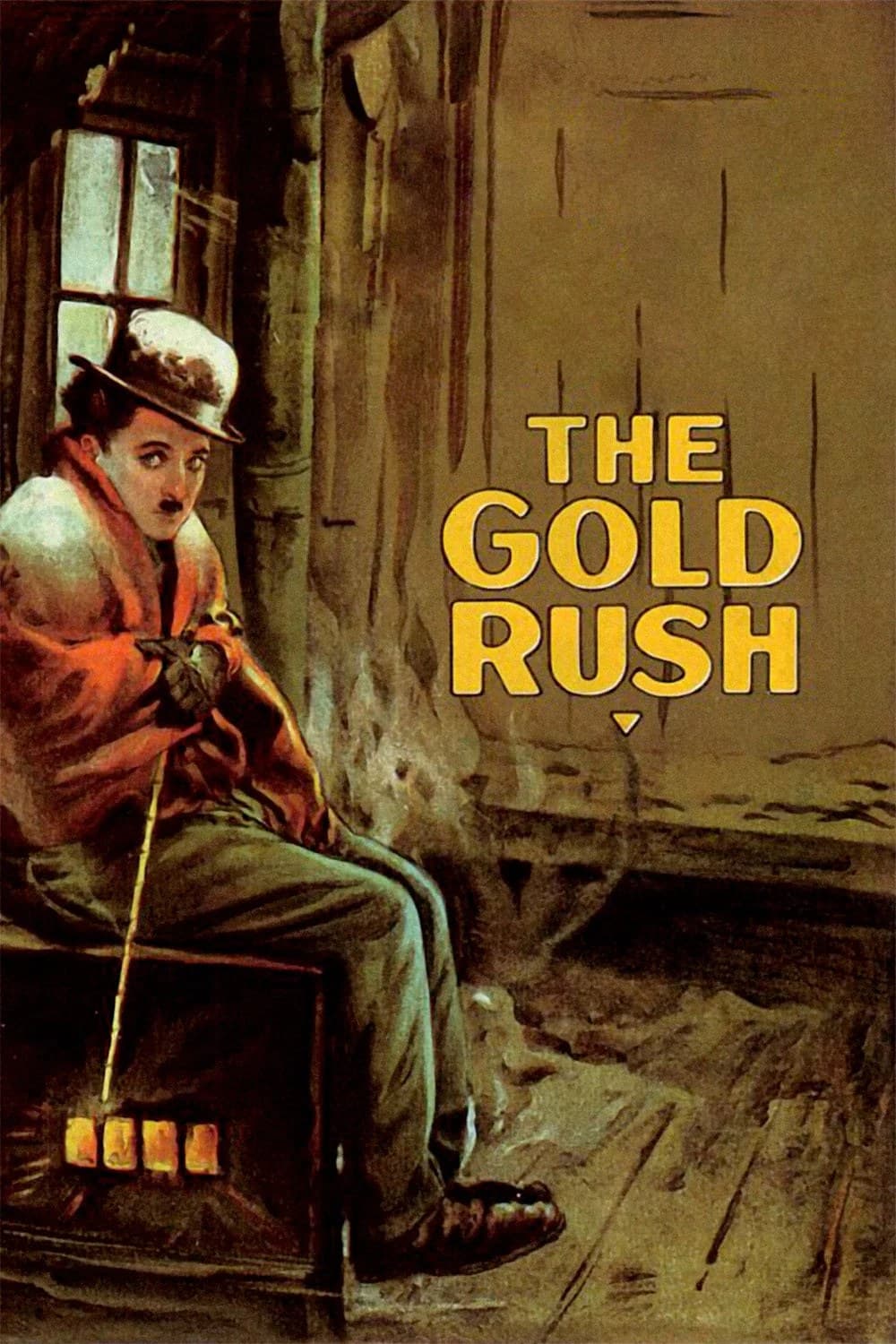
Chaplin said this was the film he wanted to be remembered for: the boiled boot eaten like a banquet, the dancing dinner rolls, and a cabin on a cliff edge.
It won the Palme d'Or and audiences walked out of it: Malick set a 1950s Texas boyhood against the formation of the universe and left the connections to you.
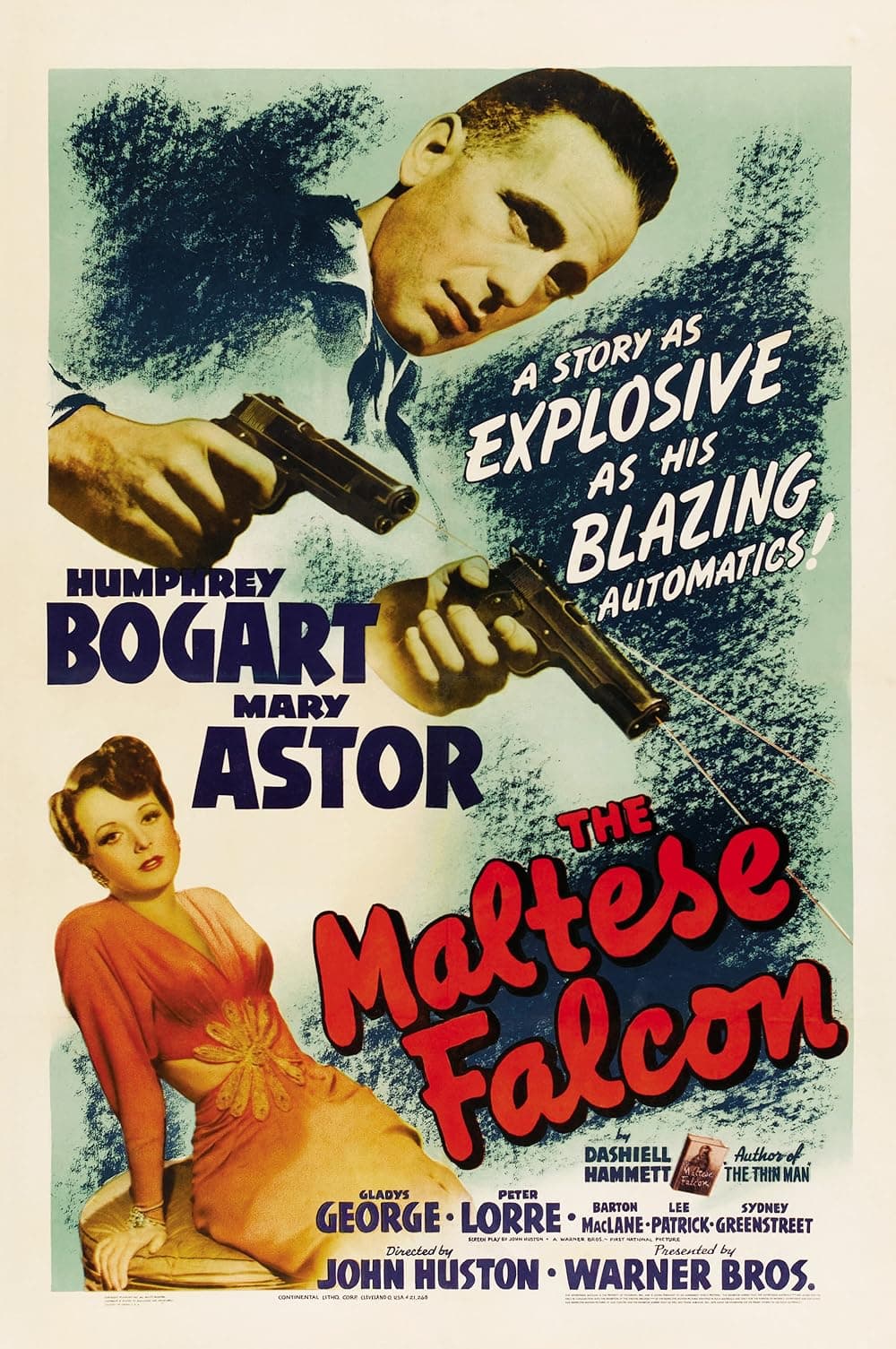
Huston's first film as a director, and the one that finally made Bogart a star: everyone chasing the black bird lies about it for a hundred straight minutes.
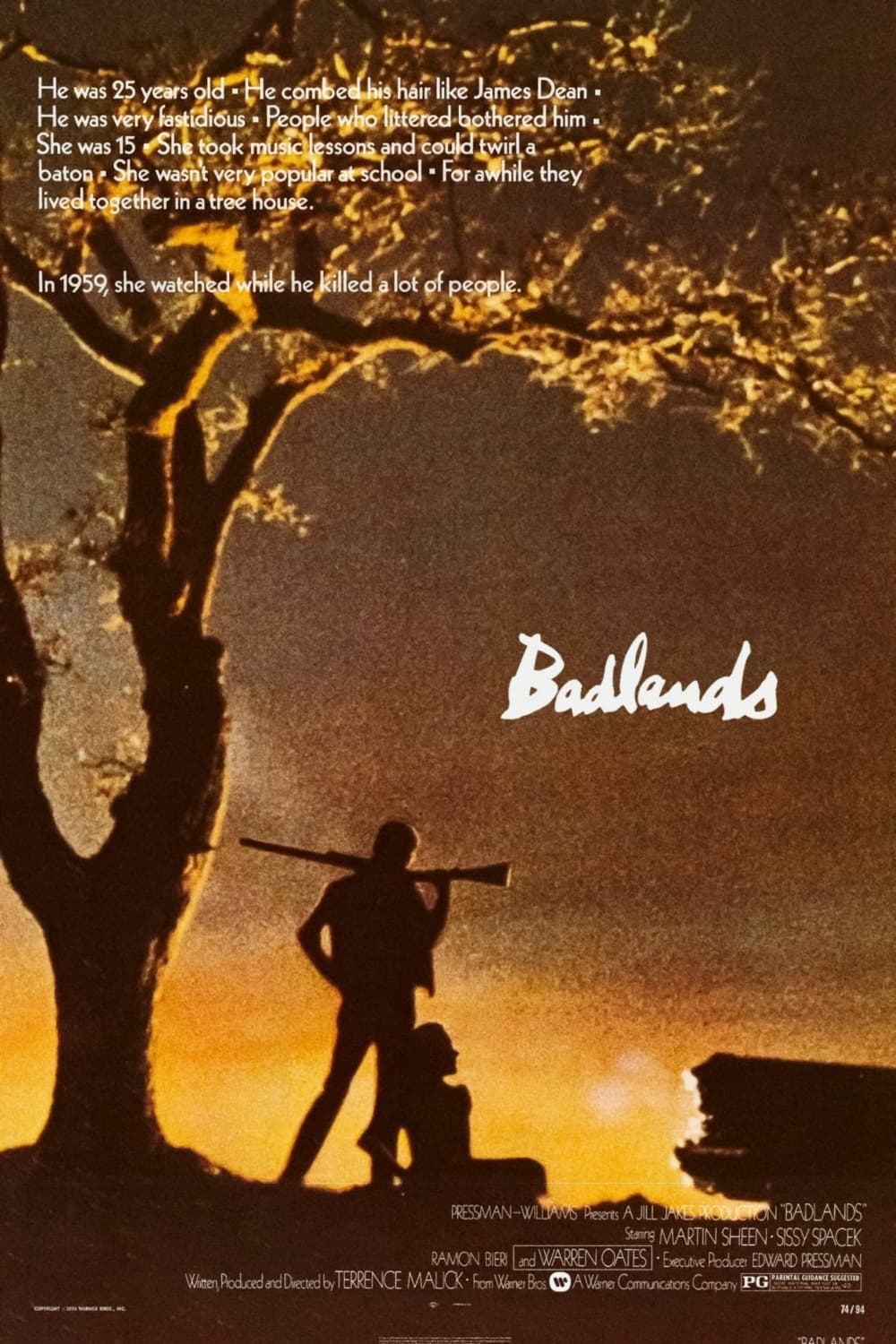
Malick's first film, and the model for every young couple on a killing spree since: the girl narrates it in the flat voice of a magazine horoscope.
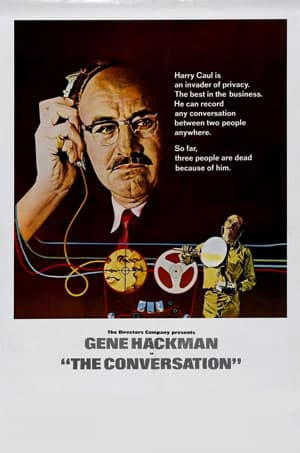
Written years before Watergate and released at its climax, it looked like prophecy: a surveillance expert starts hearing something terrible inside his own recording, and his paranoia does the rest.
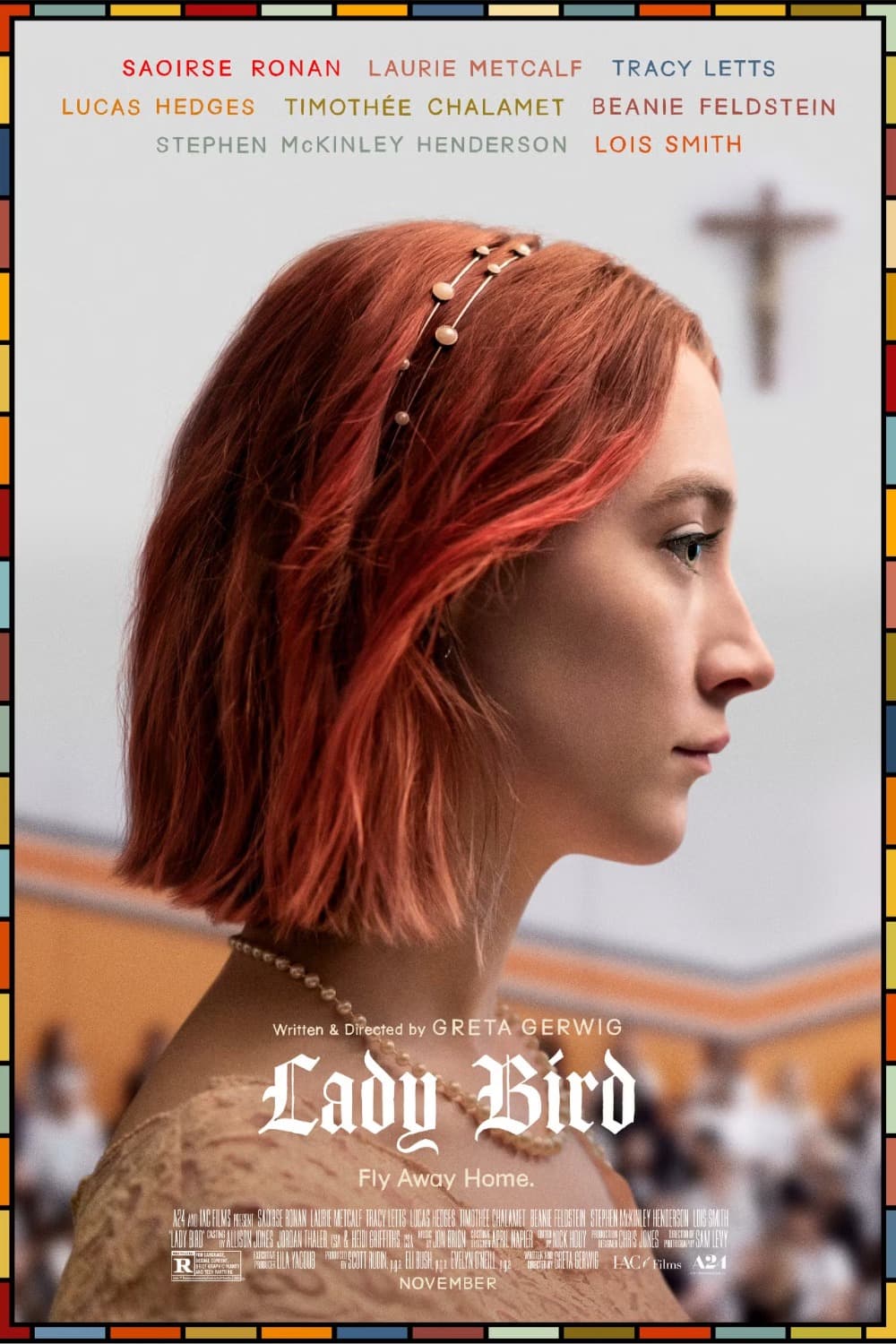
Gerwig's first solo film became the best reviewed of its year: a Sacramento teenager and her mother fight about everything, and the film refuses to take a side.
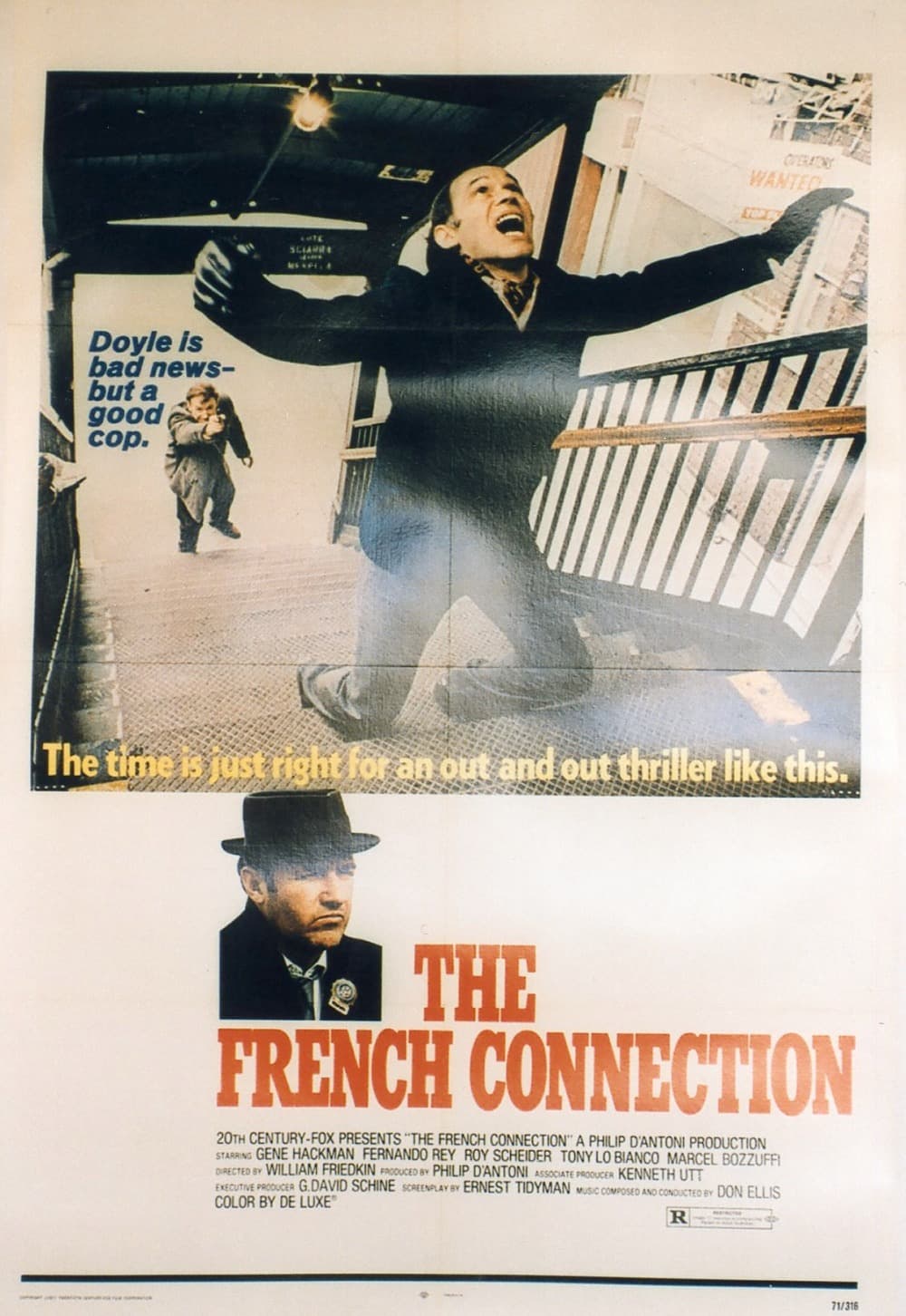
It made the car chase in Bullitt look choreographed: this one was shot without permits, at ninety miles an hour, through real Brooklyn traffic that nobody had cleared.
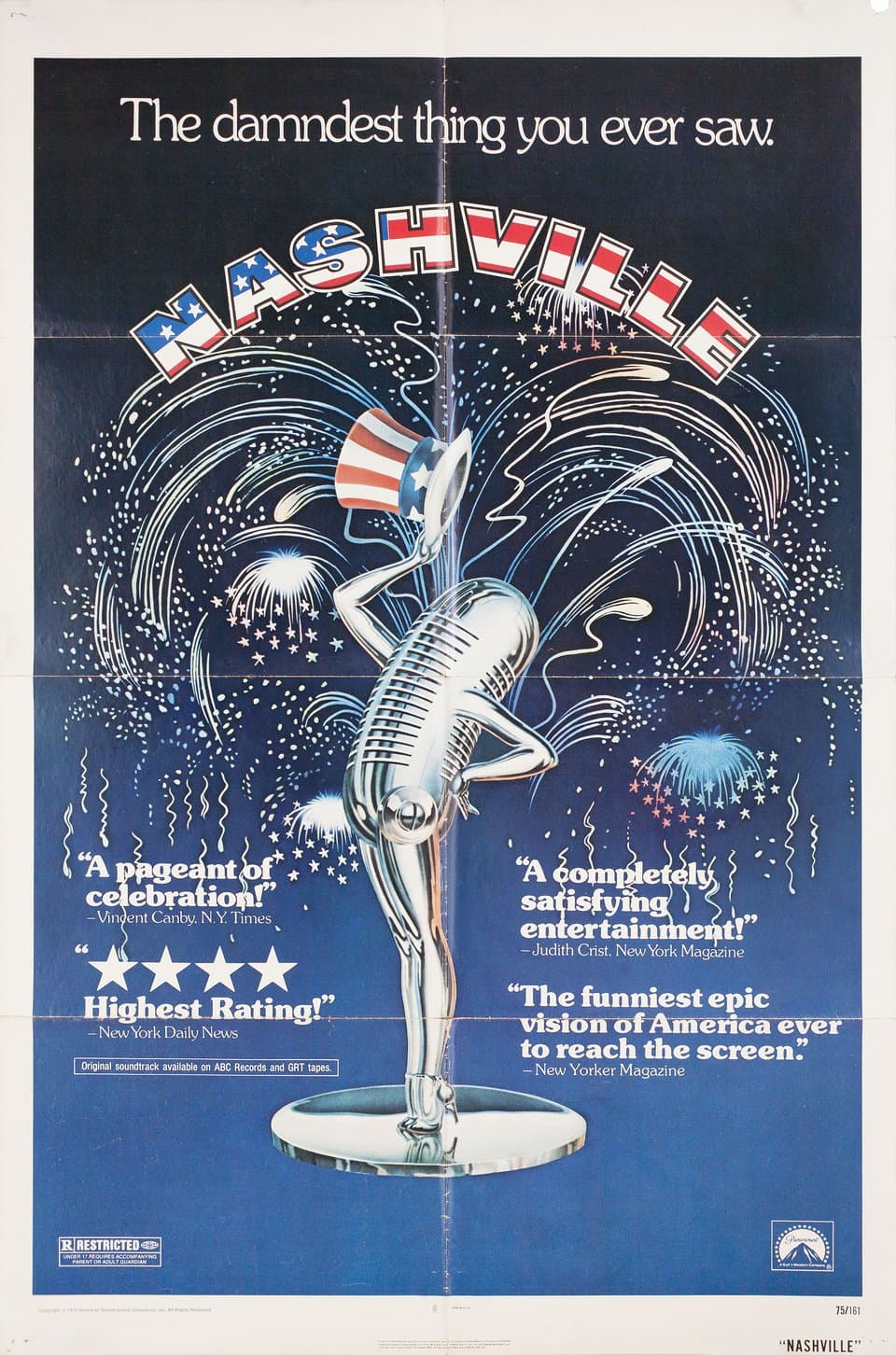
Altman's method arrives here fully formed: twenty-four characters, overlapping microphones, and five days of country music and politics that add up to a portrait of the whole country.
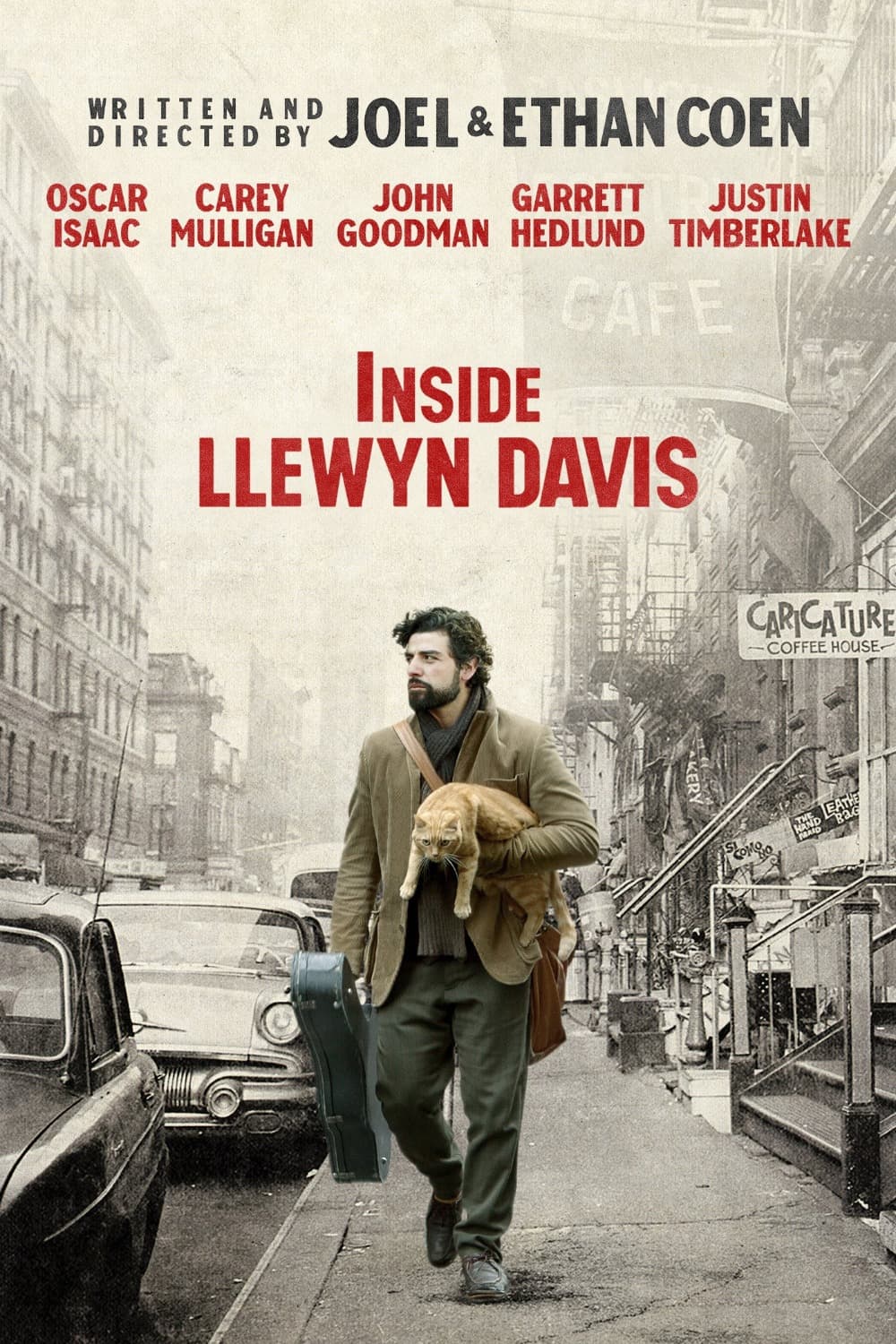
The Coens made the saddest film about failure that anyone has managed to make funny: a folk singer plays beautifully, sleeps on couches, and gets absolutely nowhere at all.
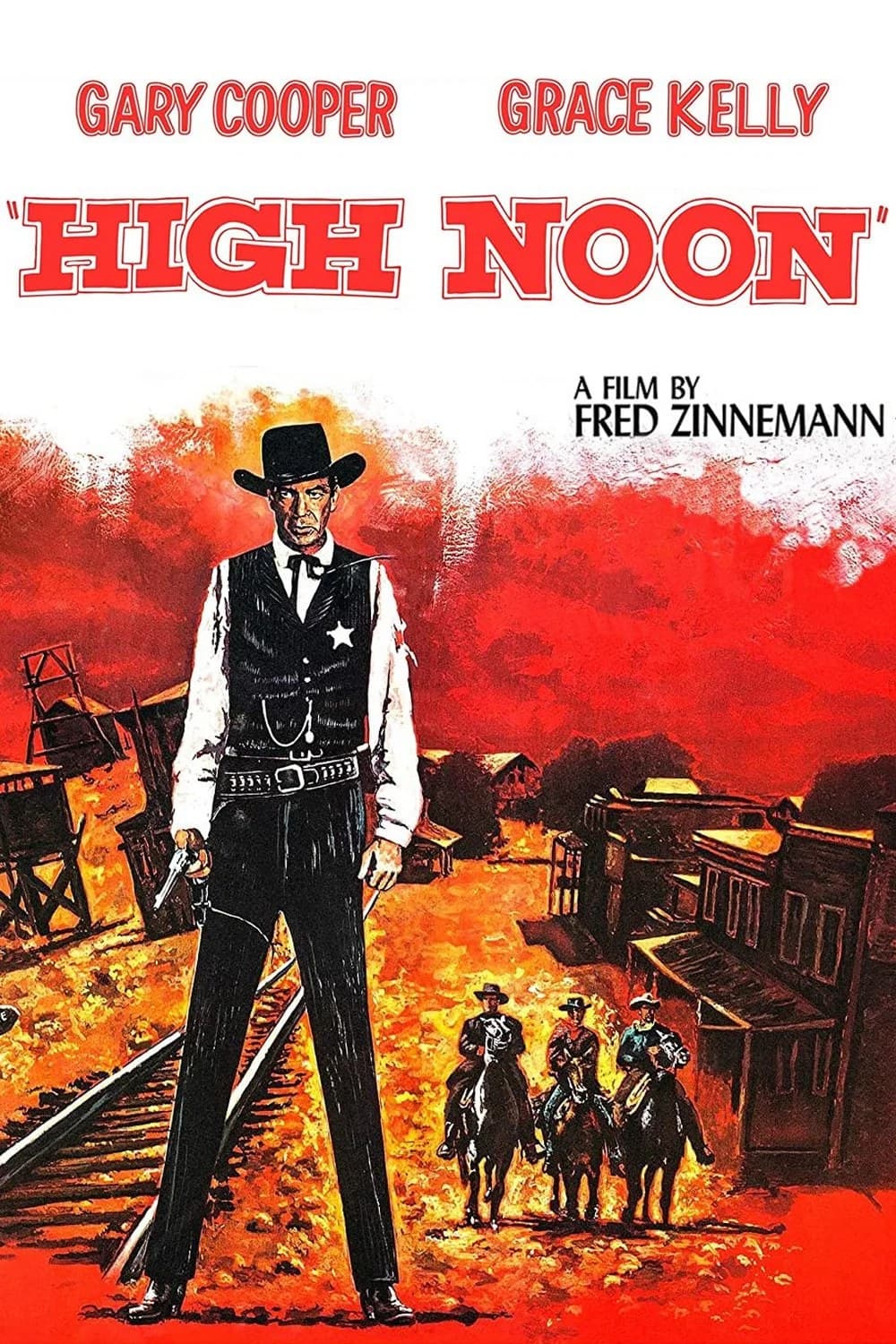
Written as an allegory about the blacklist by a man about to be blacklisted: a marshal has eighty-five minutes before the noon train, and the film runs them in step.
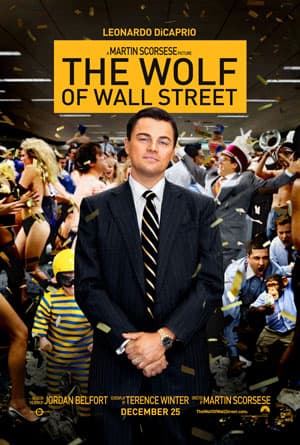
Three hours of pure excess that never once slow down: Scorsese was seventy-one years old, and it moves faster than films made by directors a third his age.
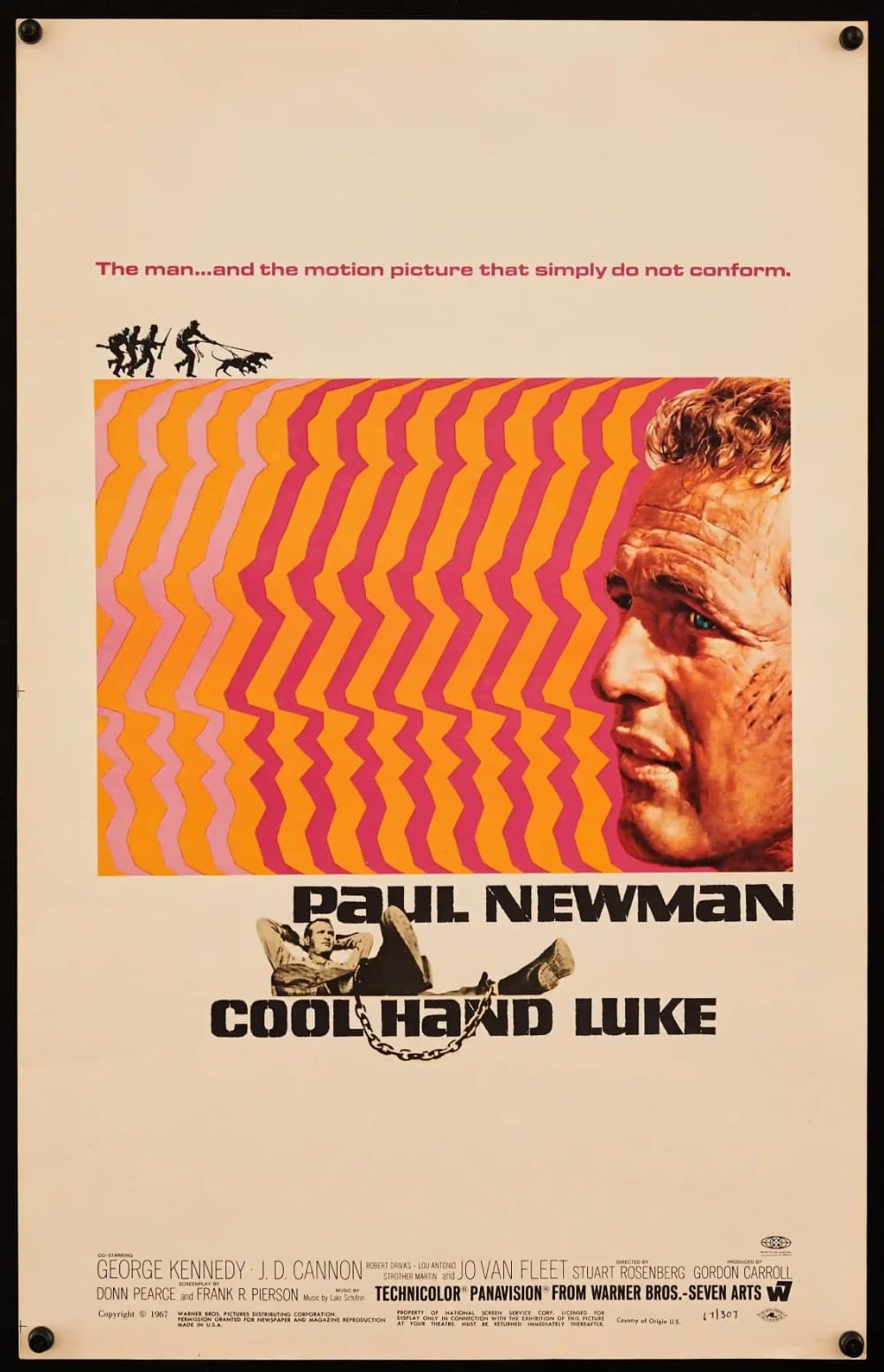
American English took a line about failure to communicate from it, and Newman his best role: a man who will not be broken, on a chain gang that keeps trying.
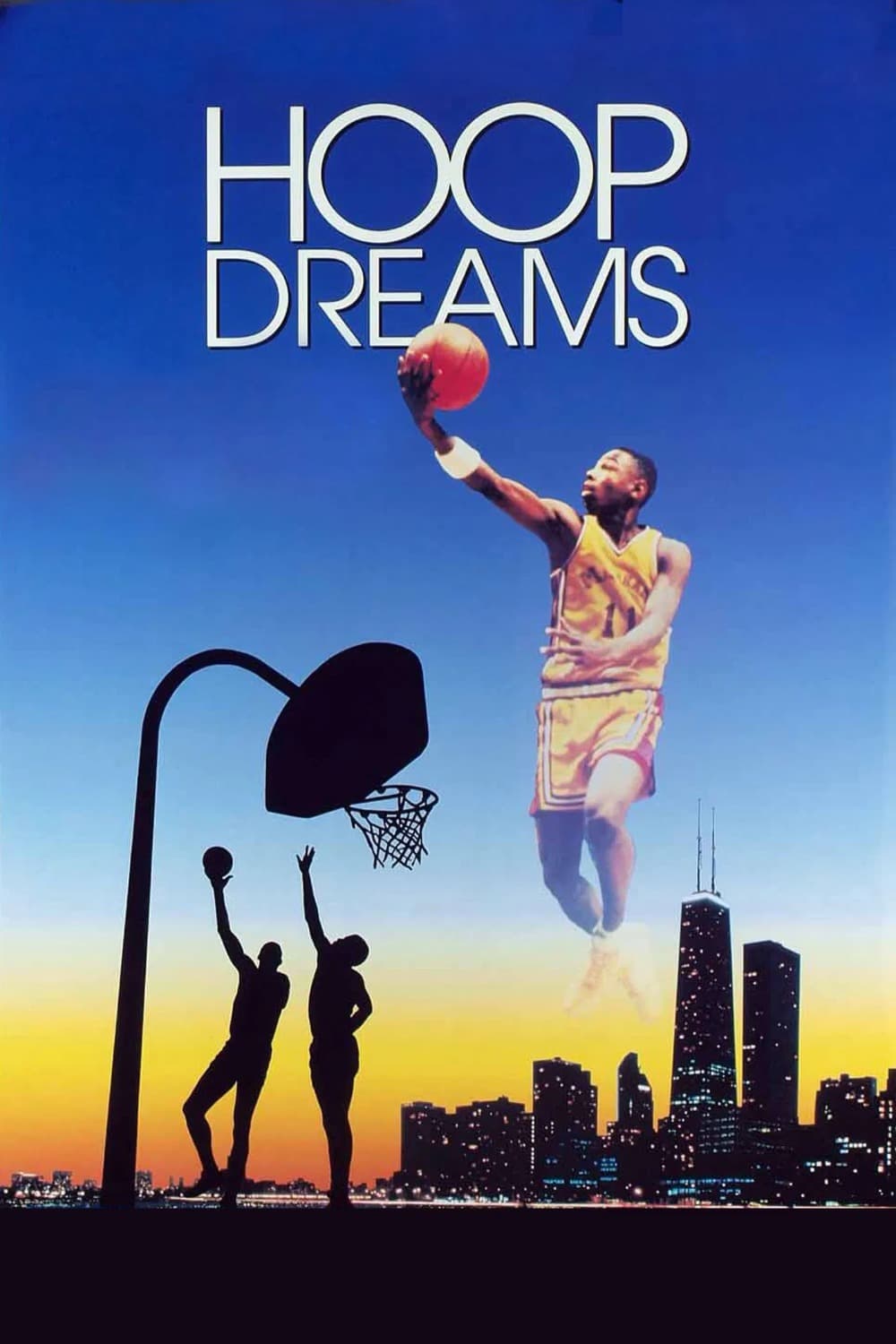
Its exclusion from the documentary Oscar shortlist caused enough outrage that the Academy changed its rules: five years with two Chicago teenagers, and it is barely about basketball.
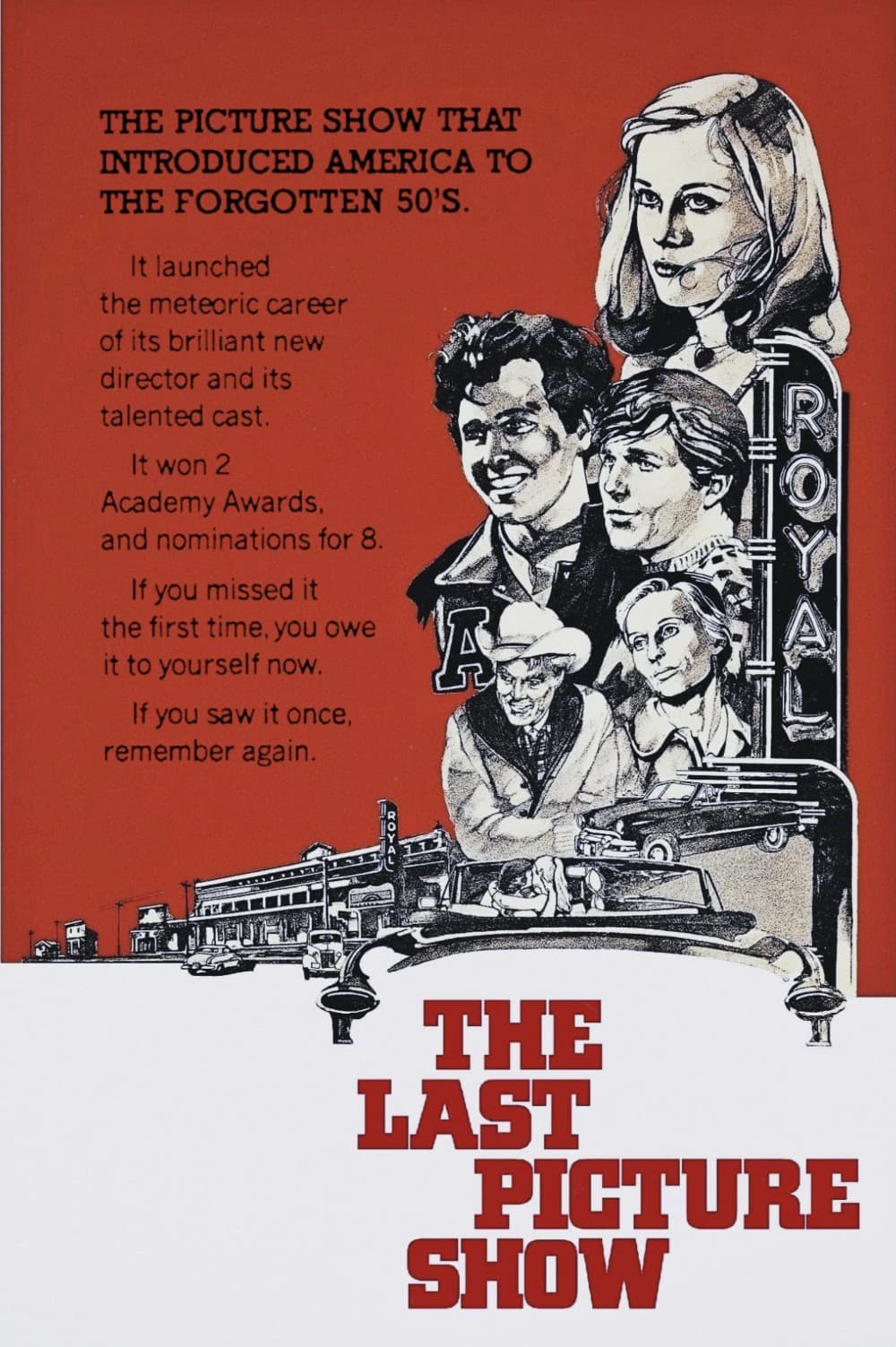
Bogdanovich insisted on monochrome in 1971, when absolutely nobody did that: a Texas town running out of reasons to exist, and the teenagers running out along with it.
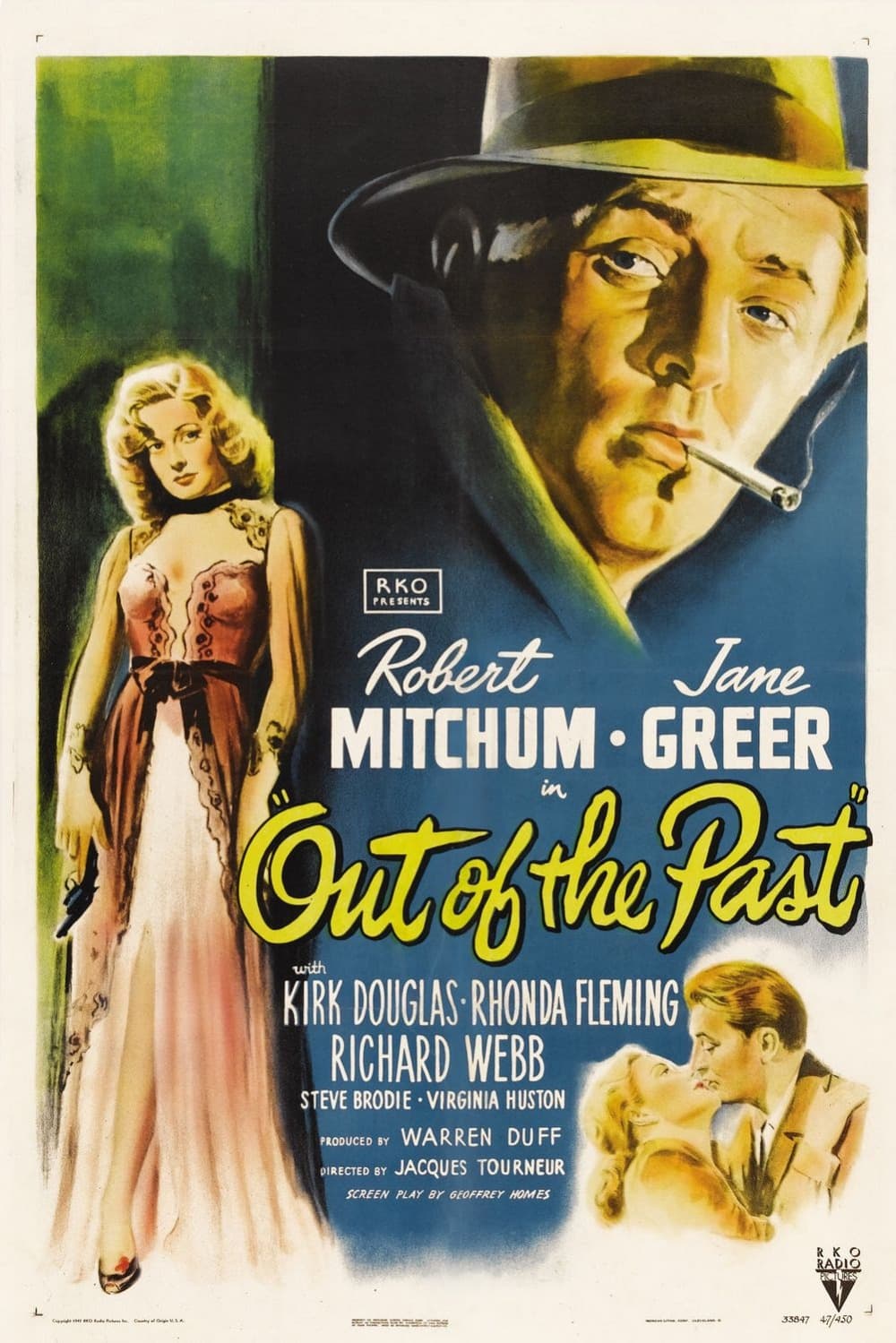
If you want to know what film noir means, this is the film people hand you: a gas station owner's past arrives in the form of a woman he once found.
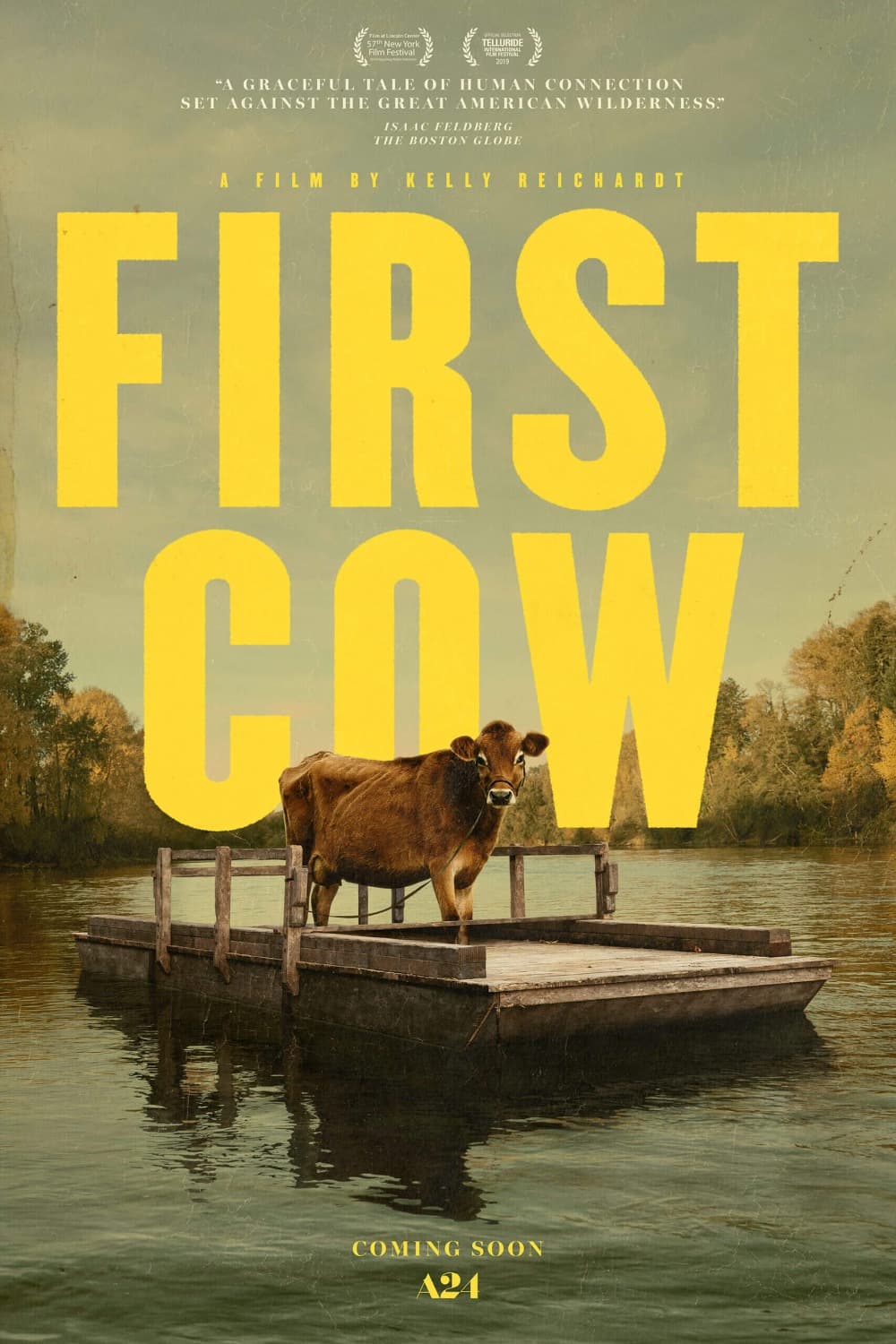
Reichardt makes the quietest films in American cinema, and this one is her warmest: two men on the Oregon frontier, one borrowed cow, and one very small crime.
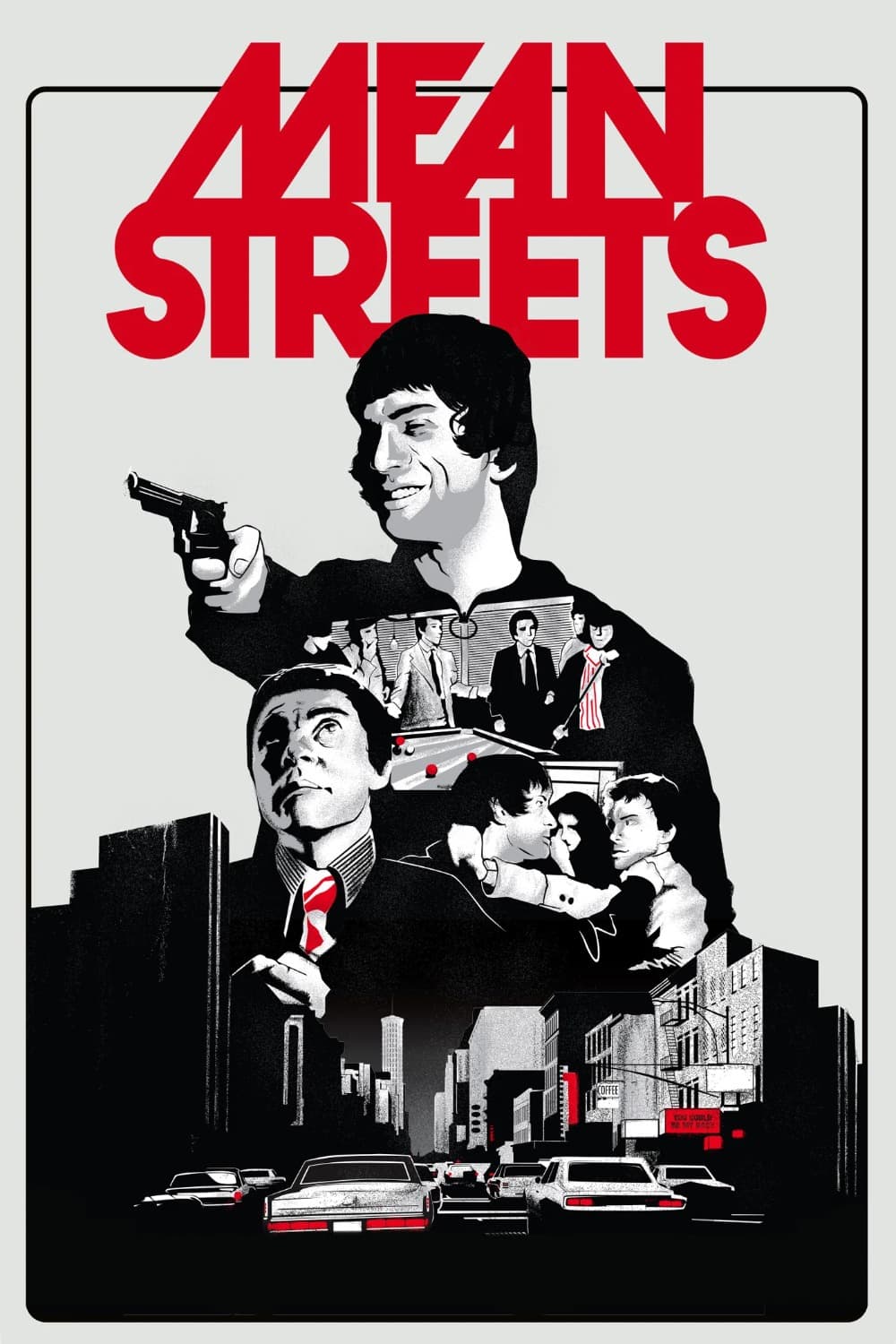
Scorsese found his whole method here at thirty: Little Italy, Catholic guilt, a handheld camera and a jukebox that never stops, most of it shot in Los Angeles.
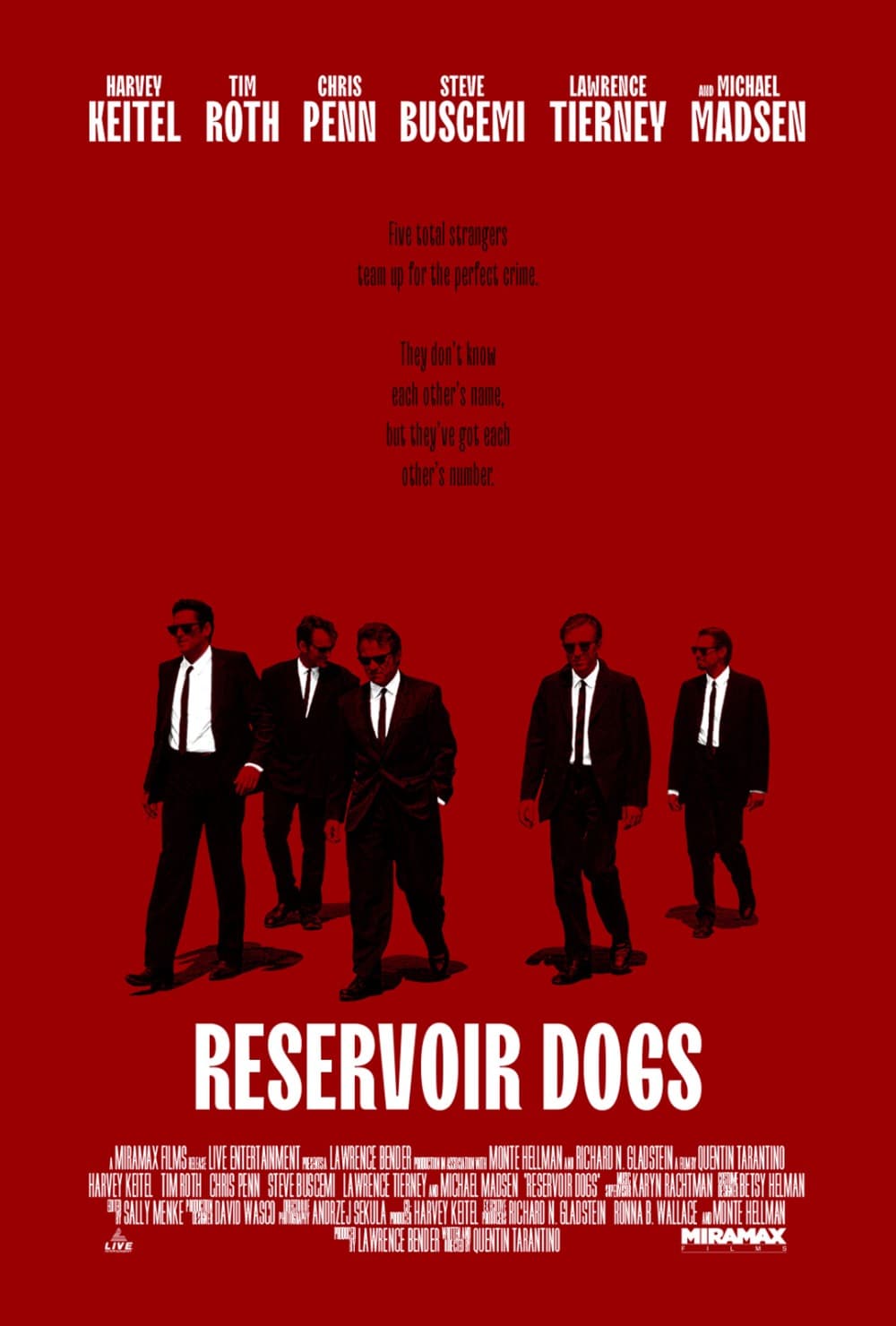
Tarantino arrived fully formed with a heist film that never shows the heist: everyone is in a warehouse afterward, suspecting everyone else and talking far too much.
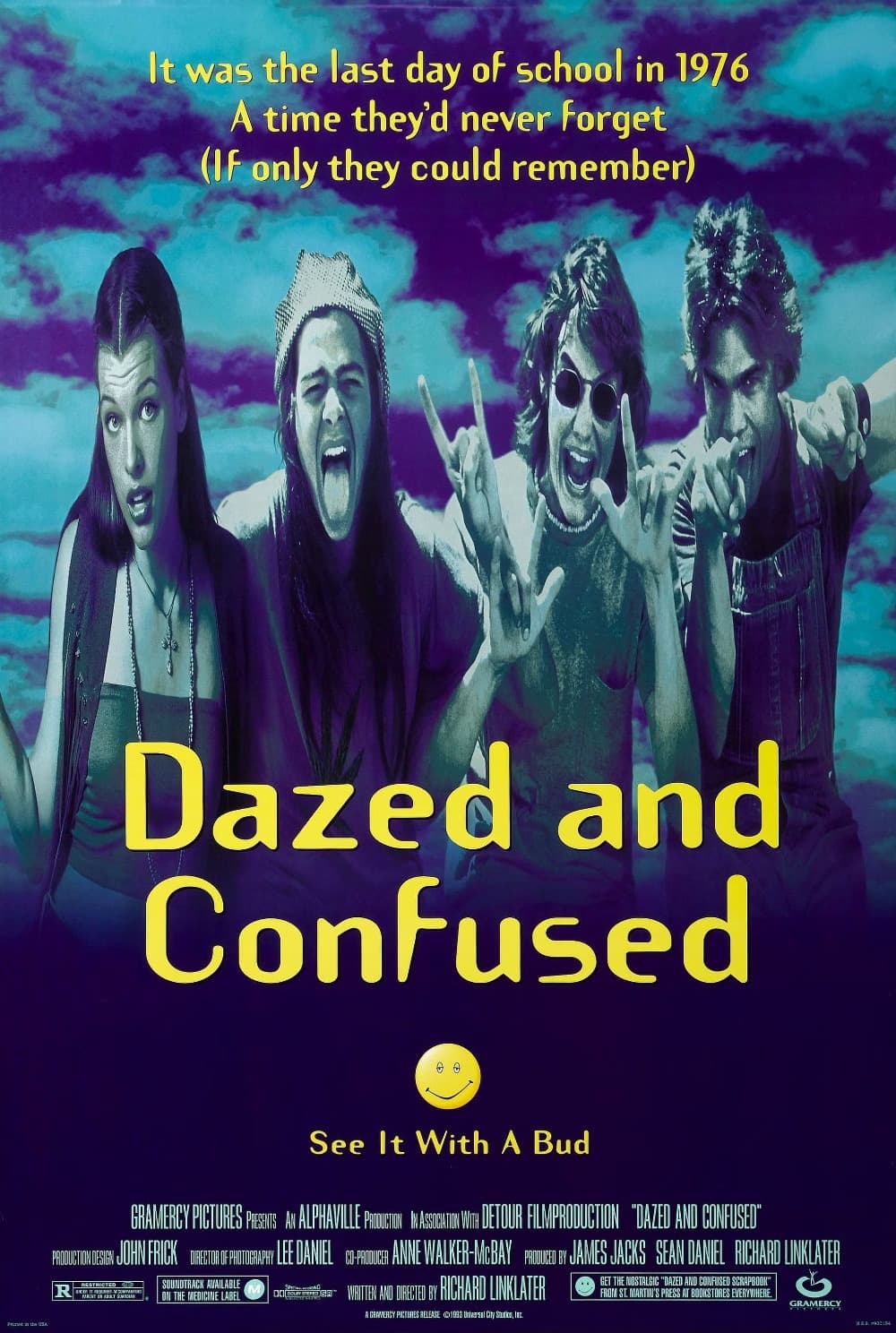
Nothing happens and that is the entire point: Linklater catches the last day of school in 1976 so exactly that people who were not there remember it anyway.
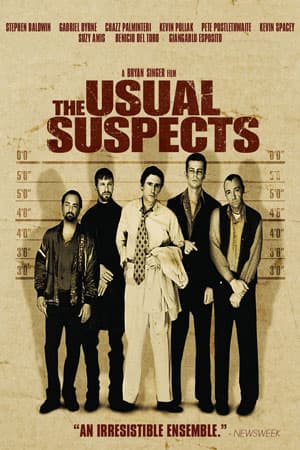
Almost nobody guesses where it is going the first time: five criminals meet in a police lineup, and the whole story reaches you secondhand from an interrogation room.

Two men have never been better company on screen: Newman and Redford spend the film running out of frontier and enjoying each other far too much to panic.
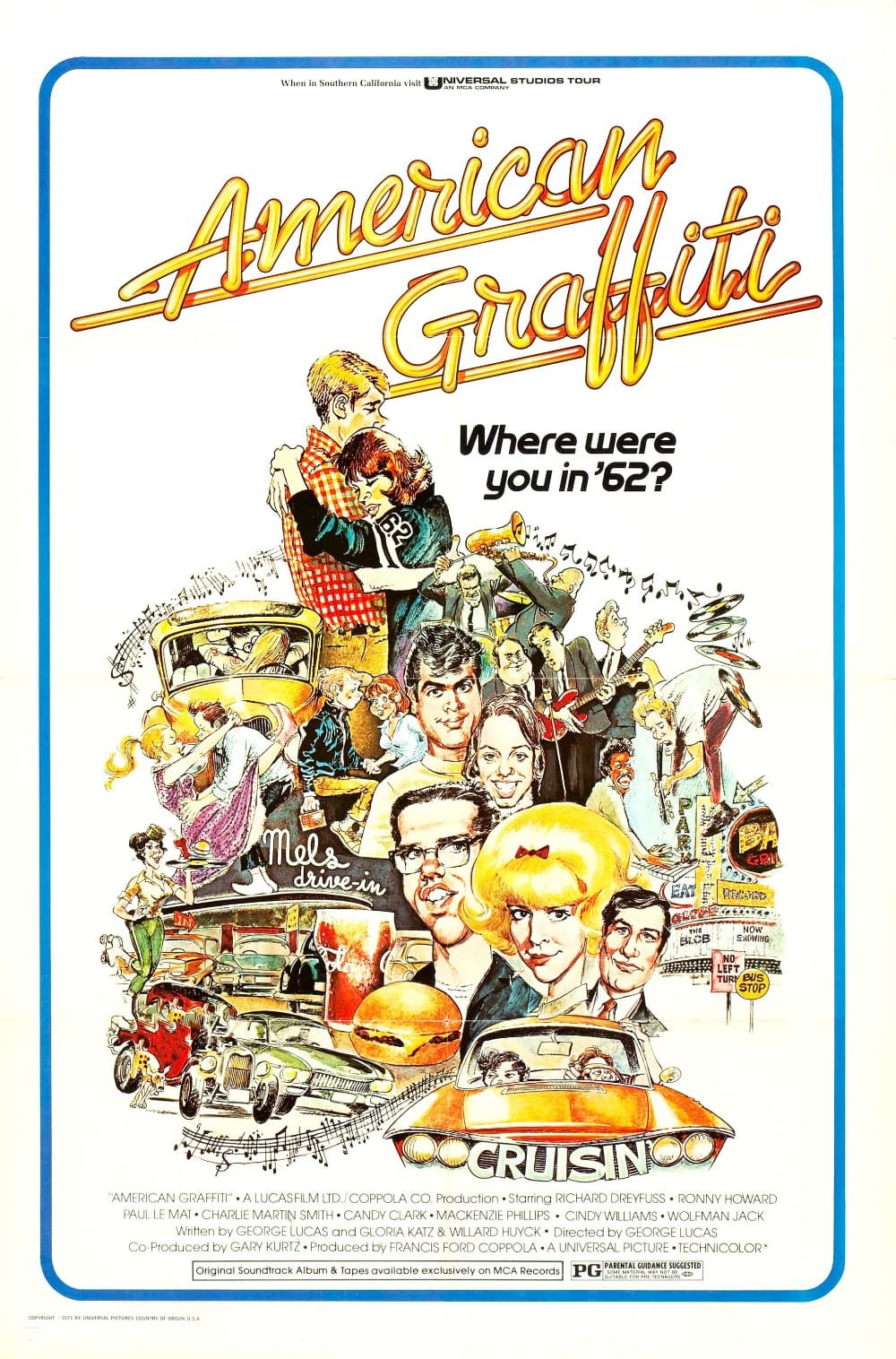
One night of cruising in 1962, with the radio playing wall to wall from start to finish: Lucas caught an America that was about to stop existing.
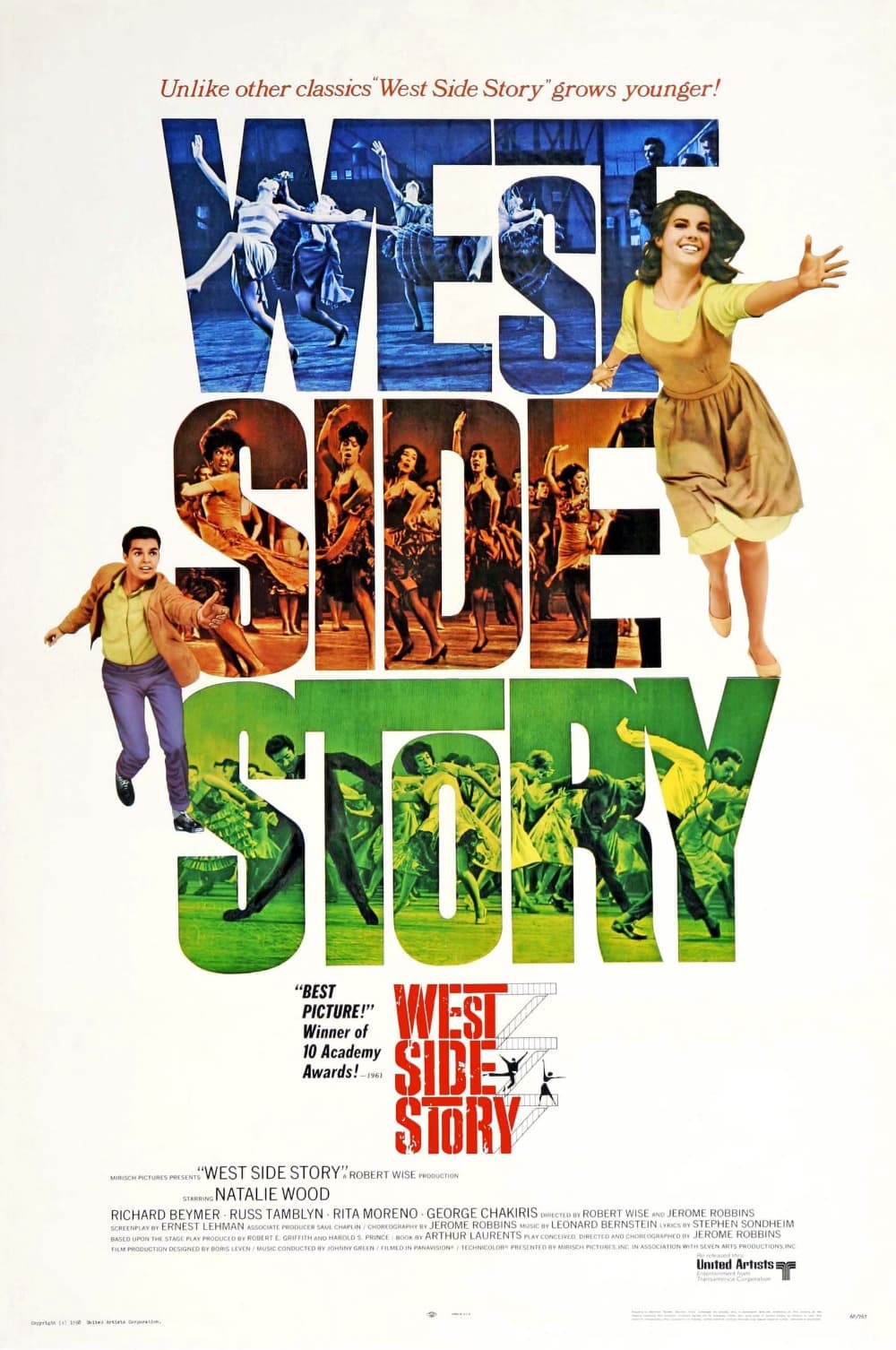
Romeo and Juliet moved to two New York gangs, and the dancing spills out of the theater into real streets: nothing on film snaps like Robbins's choreography.
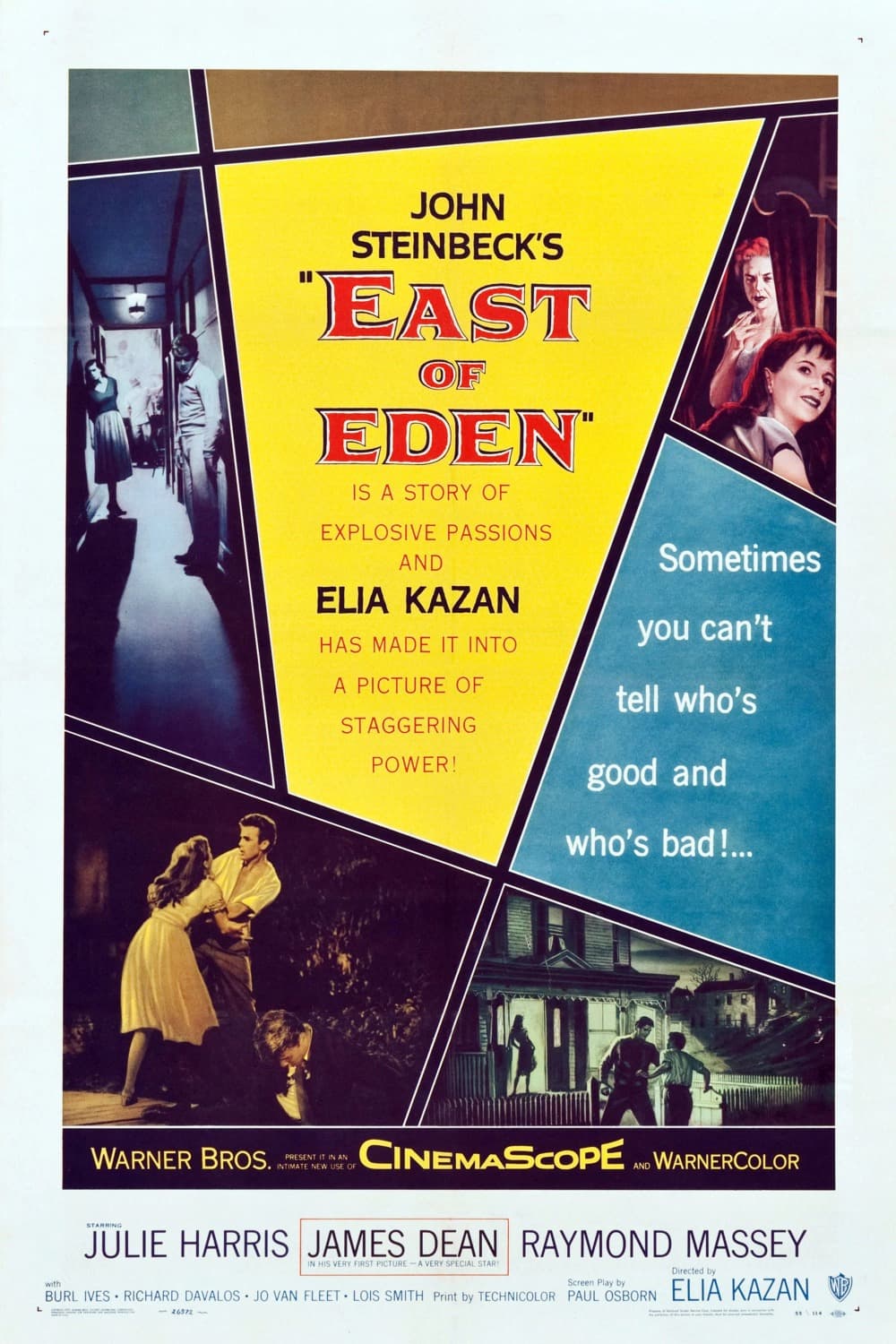
The only James Dean performance released while he was still alive: Steinbeck's Cain and Abel moved to a California lettuce valley, and Dean improvises his way through it.
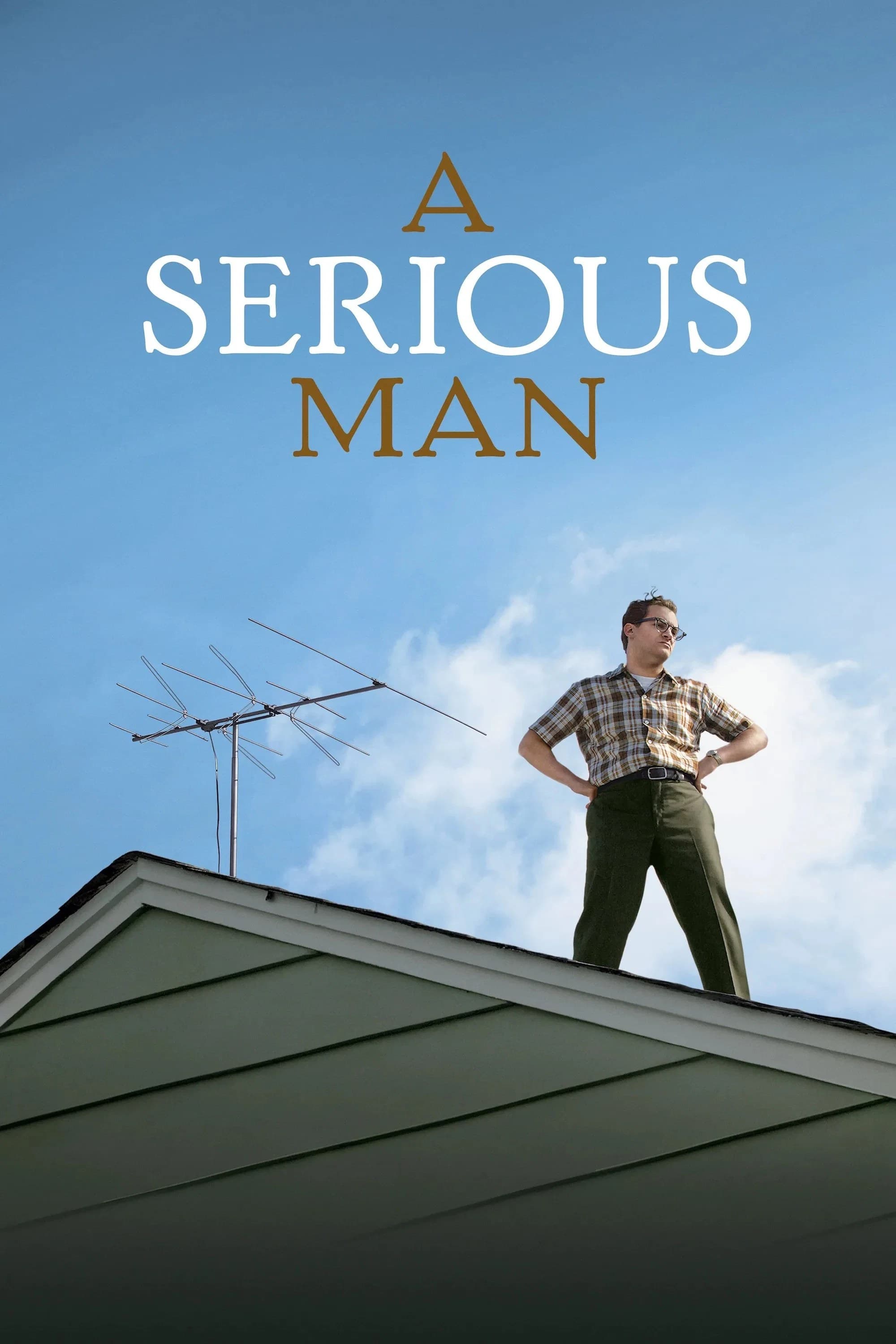
The Coens' most personal film and their least forgiving: a Minnesota physics professor's life comes apart for no reason at all, and nobody in it will explain anything.
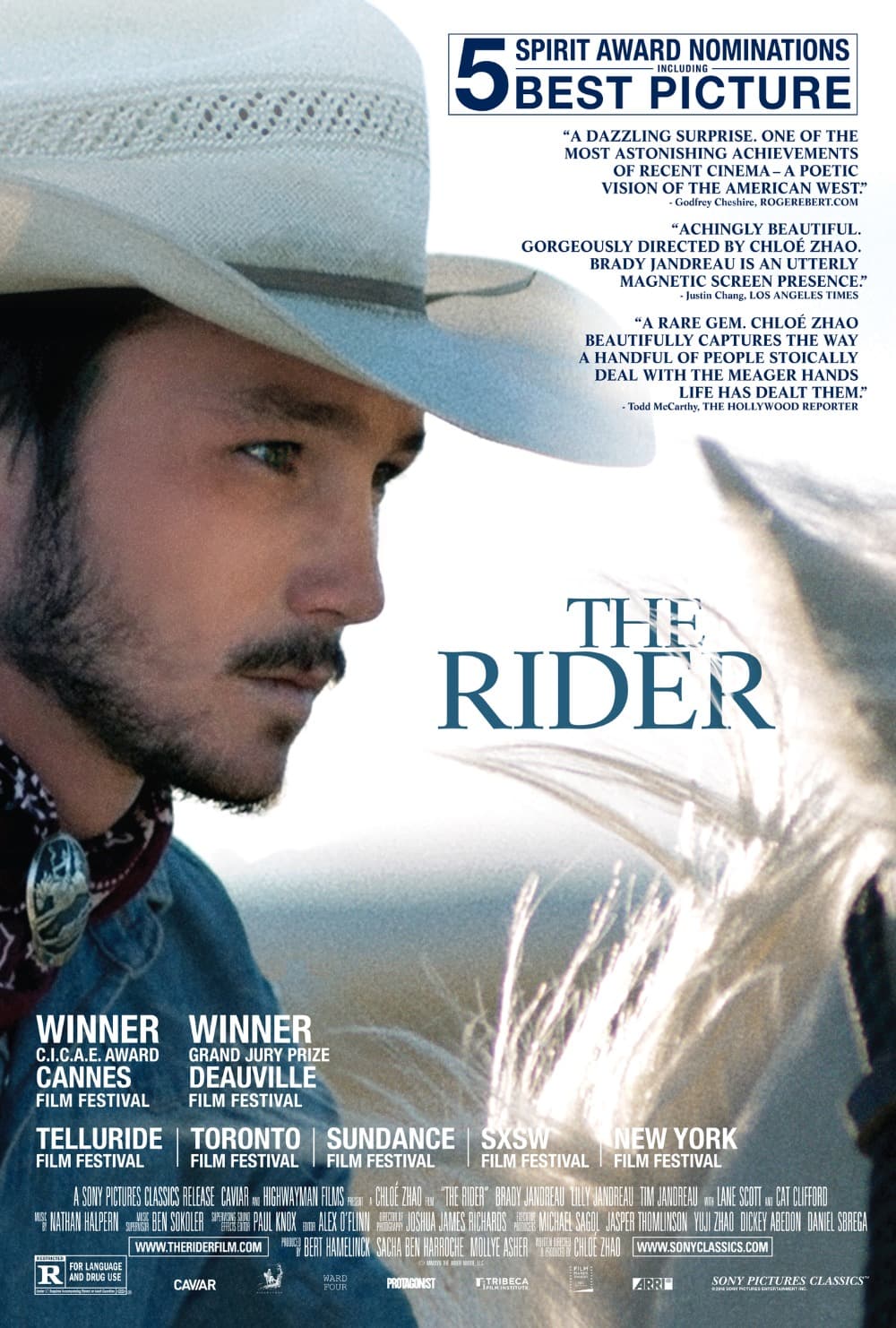
Chloe Zhao cast a real rodeo rider and his real family to play themselves: the line between documentary and fiction never appears, and neither does a false note.
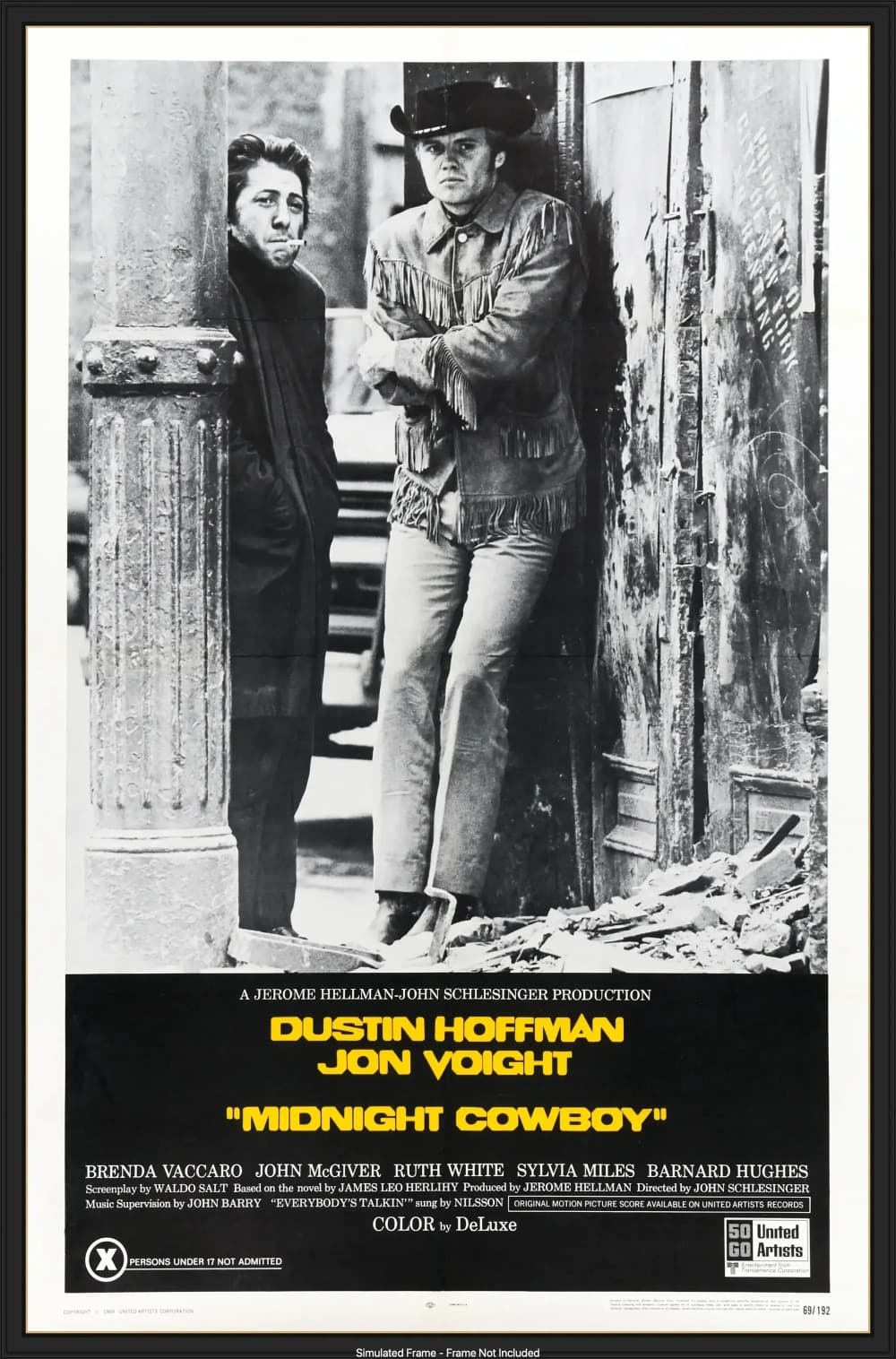
The only X-rated film that ever took Best Picture: a Texas hustler and an ailing con man share a condemned New York apartment, and the friendship is the whole thing.
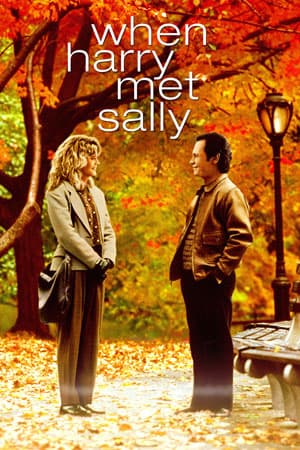
Every romantic comedy since has been trying to write this conversation: two people argue for twelve years about whether men and women can be friends, and Ephron's dialogue wins.
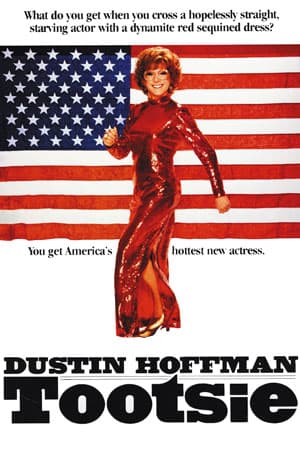
Hoffman said the part permanently changed how he saw women, and what he learned is worked out here as farce: an unemployable actor becomes a soap opera star.
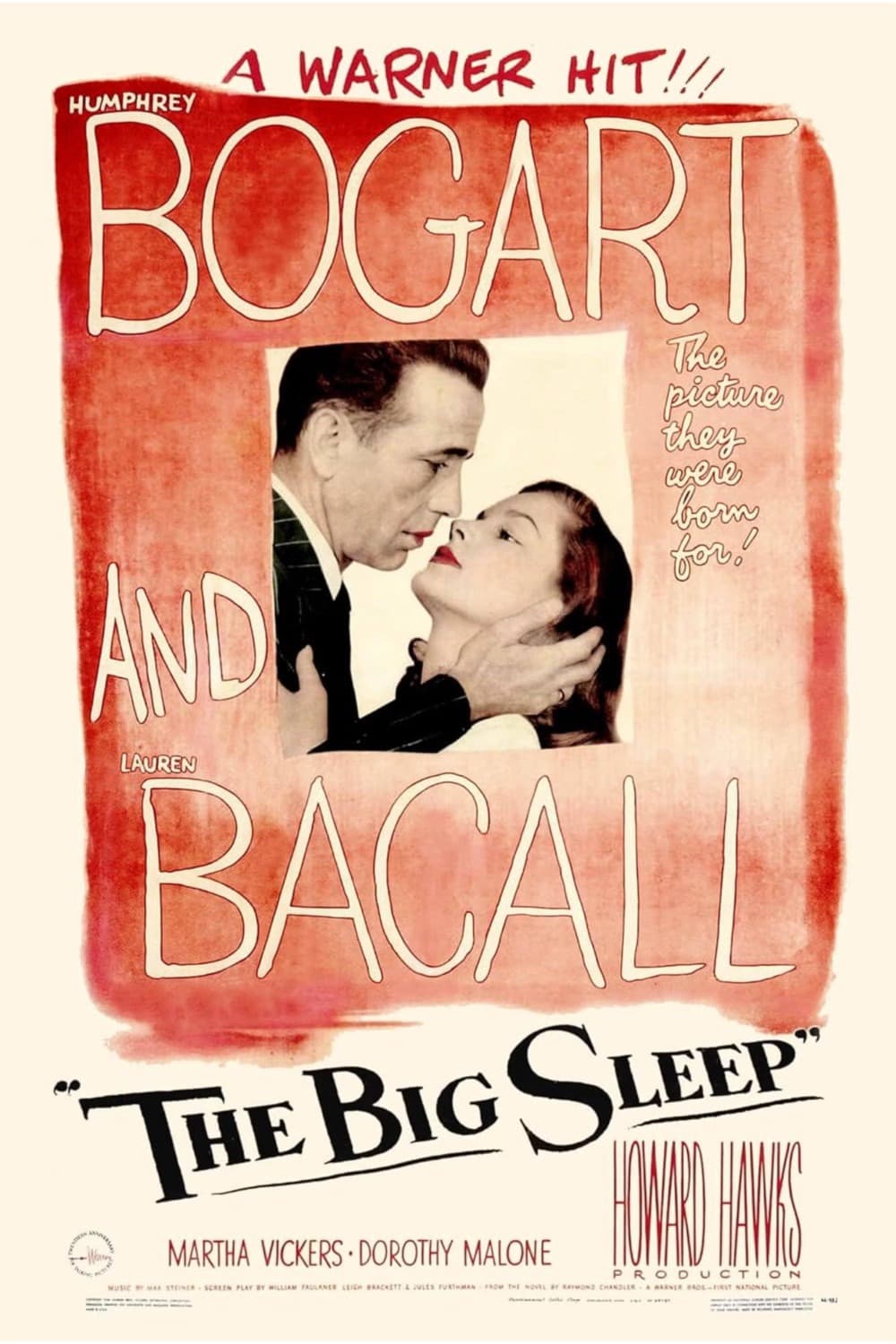
Nobody has ever been able to follow the plot, including the men who wrote it: what you watch it for is Bogart and Bacall talking, which is more than enough.
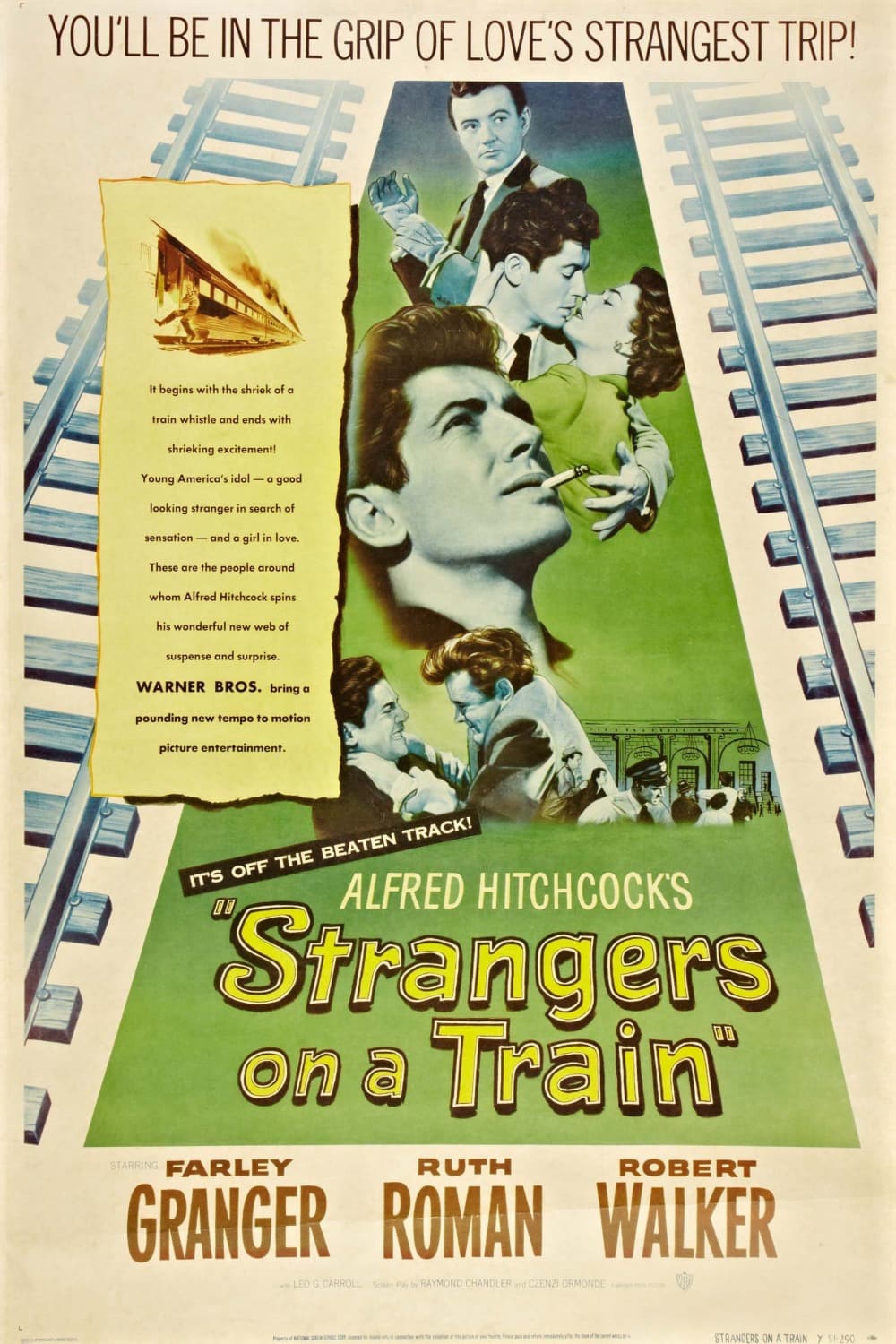
The premise is so clean that thrillers have been borrowing it for seventy years: two men meet on a train and one of them proposes swapping murders.
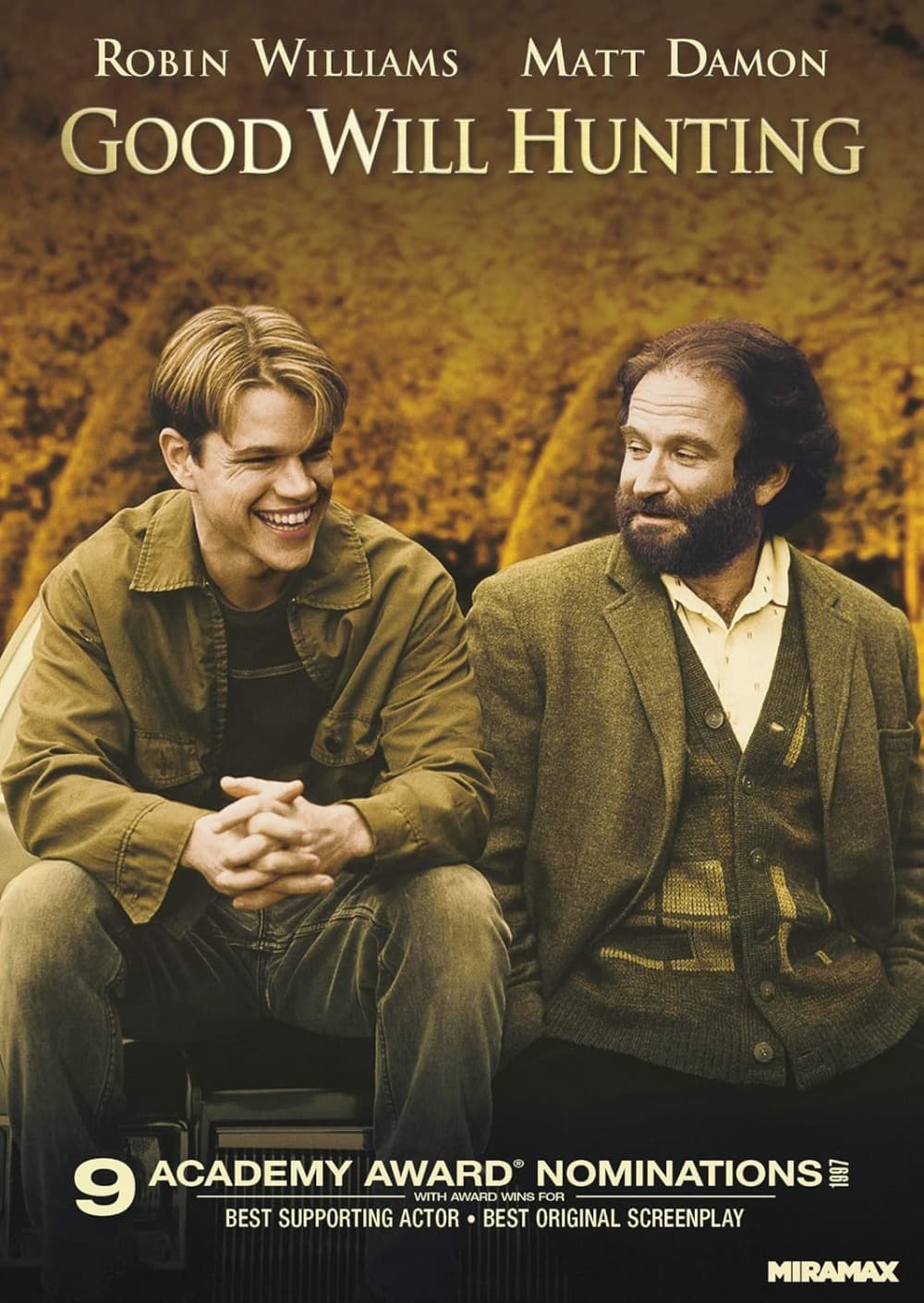
Two unknown actors in their twenties wrote it for themselves and it worked: a janitor at MIT can solve anything except himself, and Robin Williams sits opposite him.

Wyler cast a veteran who had lost both hands to play a veteran who had lost both hands, and audiences in 1946 recognized their own living rooms.
It answers the only question that matters about the space race, which is why anyone would climb in: test pilots, astronauts, and the real Chuck Yeager tending bar in a cameo.
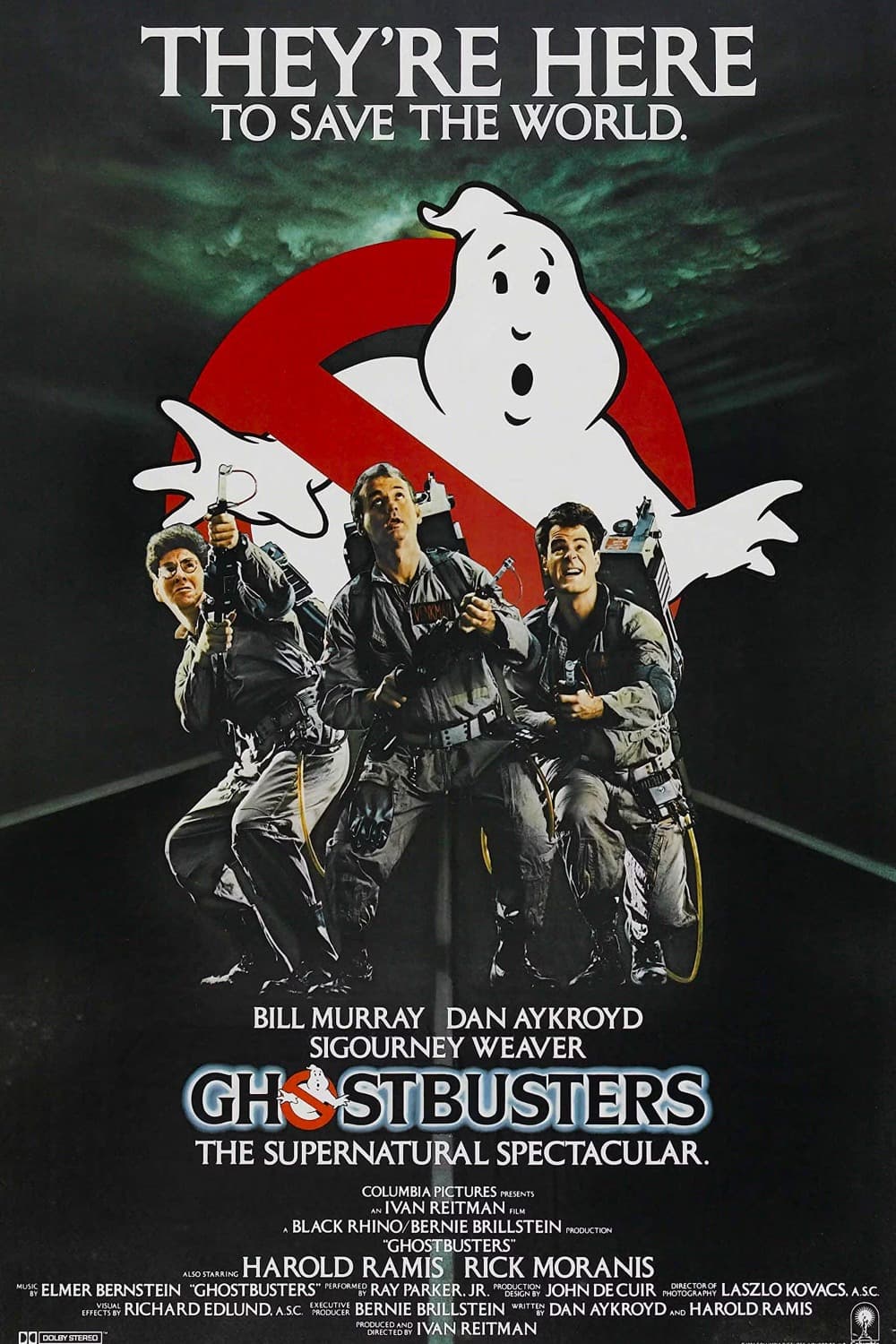
It should not work at all and it works completely: three academics start a small business catching ghosts in New York, and Murray ad-libs freely on top of the script.
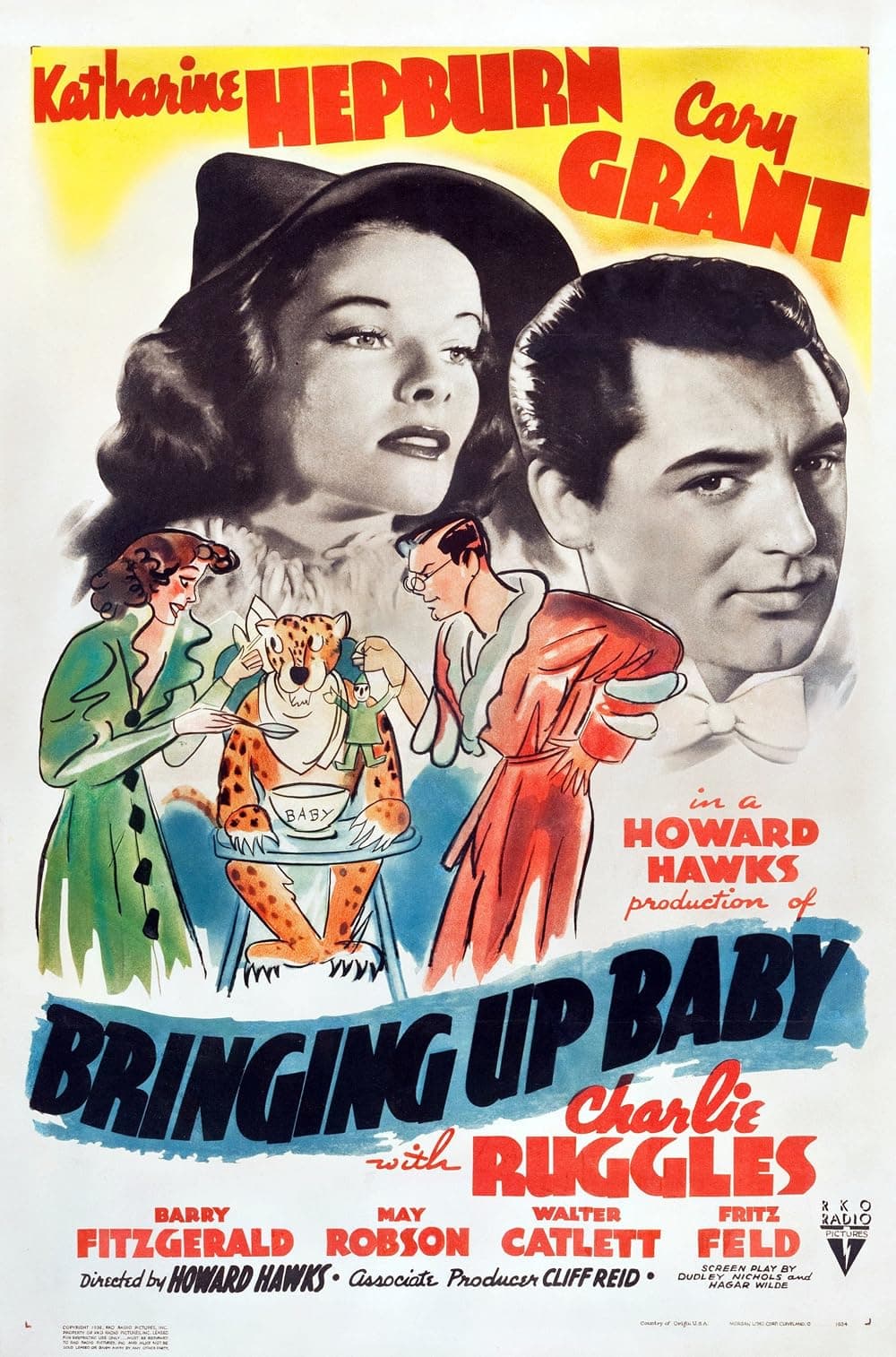
Nobody talks faster than this: Hawks overlapped every line until the dialogue becomes a physical event, and it did badly enough that exhibitors called Hepburn box office poison.
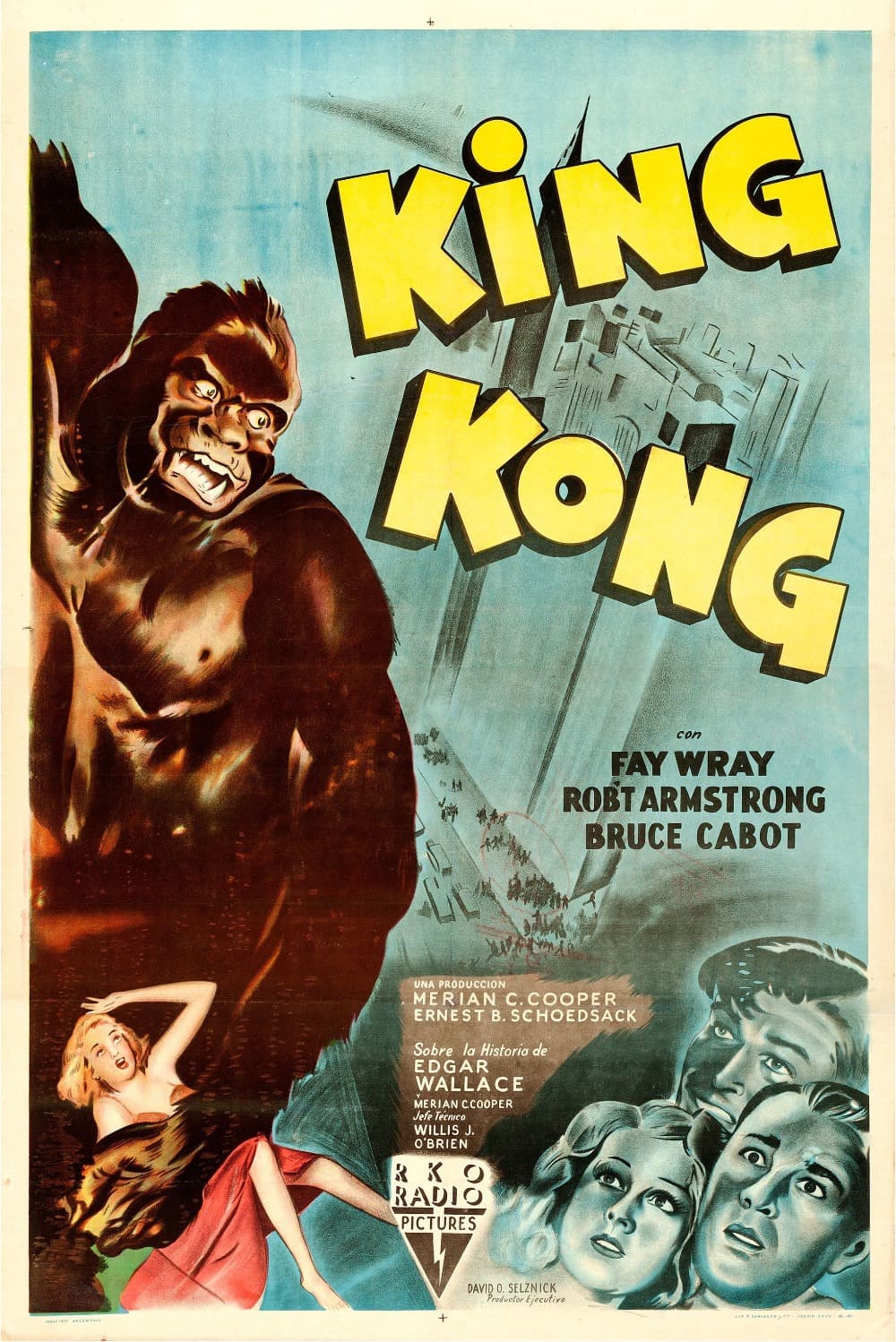
Willis O'Brien animated it a frame at a time and audiences in 1933 had never seen anything like it: the ape on that building is known to people who never watched it.
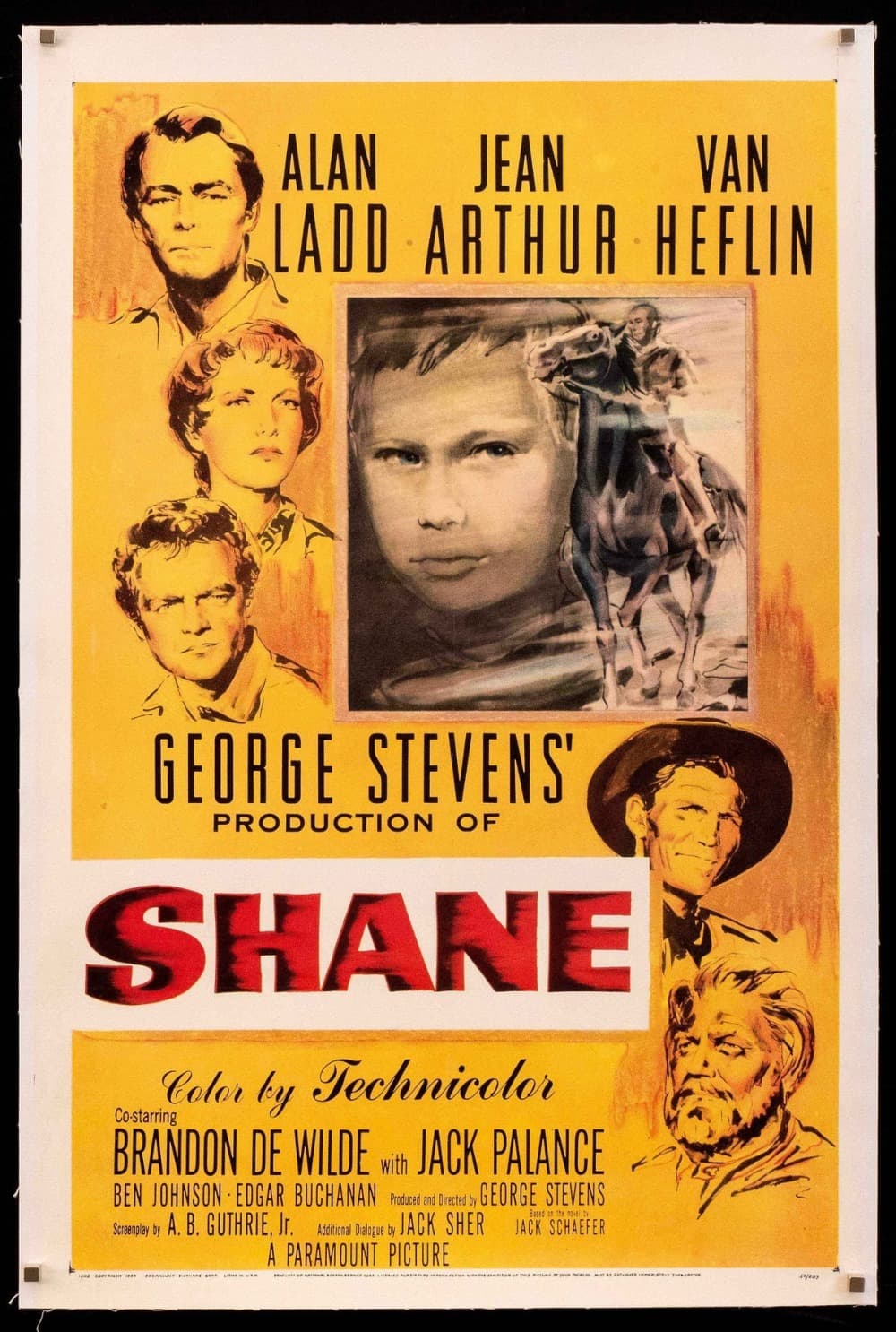
The western seen entirely through a small boy's worship, which is the honest way to look at it: a gunfighter tries to stop being one and cannot.