
Maus
1991 · 300 pages
Spiegelman drew his father's survival of Auschwitz as a comic, Jews as mice and Nazis as cats, and drew himself failing to get along with the old man telling it.
★ 8.3
 skopia
Spiegelman drew his father's survival of Auschwitz as a comic, Jews as mice and Nazis as cats, and drew himself failing to get along with the old man telling it.

O'Brien lists what a platoon in Vietnam hauled around, down to the ounce, then tells war stories and takes them back. The invented ones carry the war more exactly than facts could.
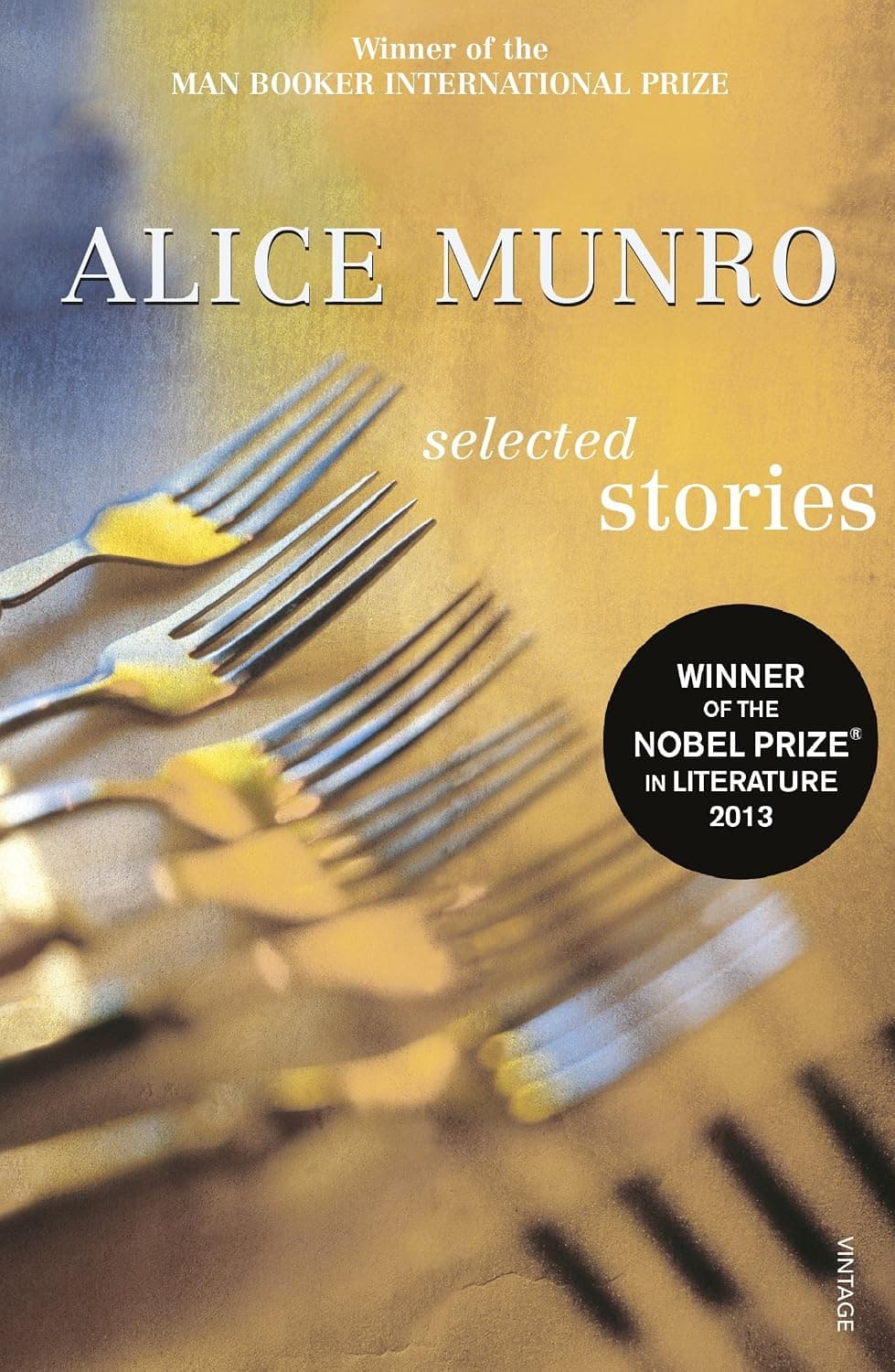
Munro set her stories in Ontario towns where a woman's life can turn on something said at a kitchen table. She fits more into forty pages than most novelists get into a novel.
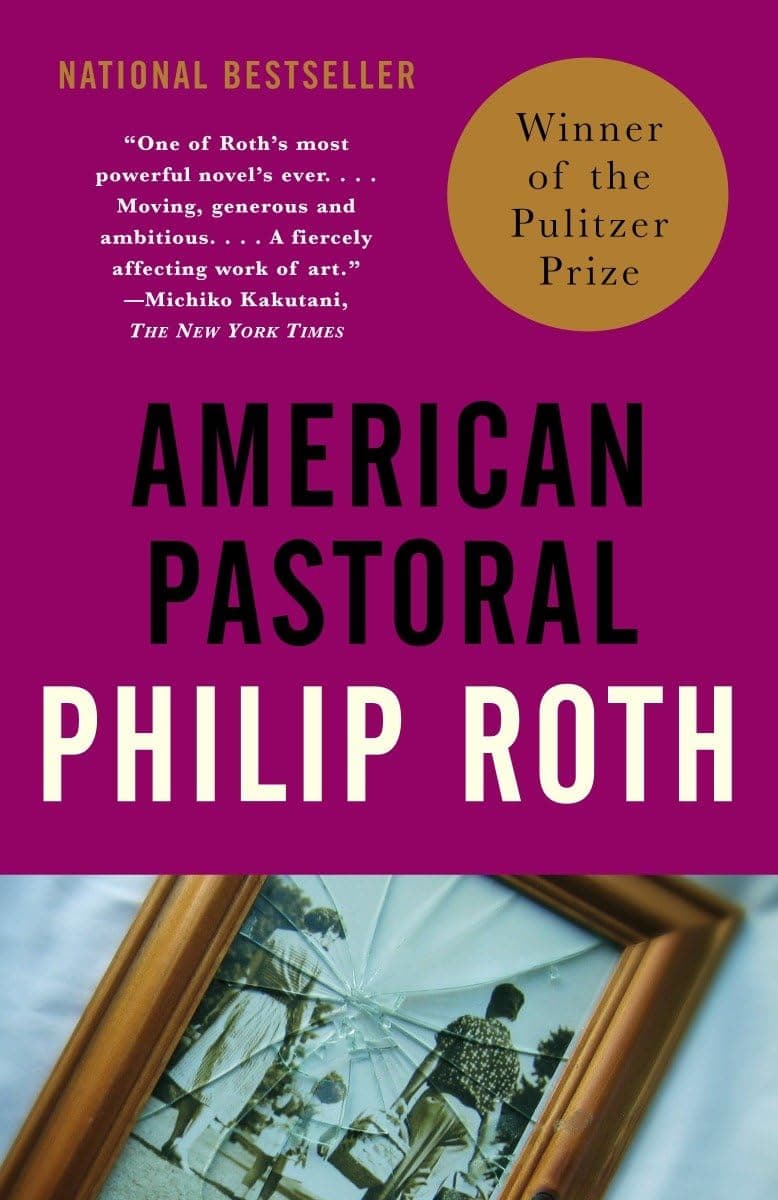
Seymour Levov has a glove factory, a beauty queen wife, and the whole postwar American promise, until his stuttering daughter plants a bomb in 1968. Roth takes a decent man apart.

Somewhere there is a film so entertaining that anyone who watches it stops eating. Wallace chases it through a tennis academy and a halfway house full of addicts he writes with real love.

Two young poets calling themselves visceral realists vanish into the Sonoran desert hunting a woman who published a single poem decades earlier. Forty voices over twenty years piece together where they went.
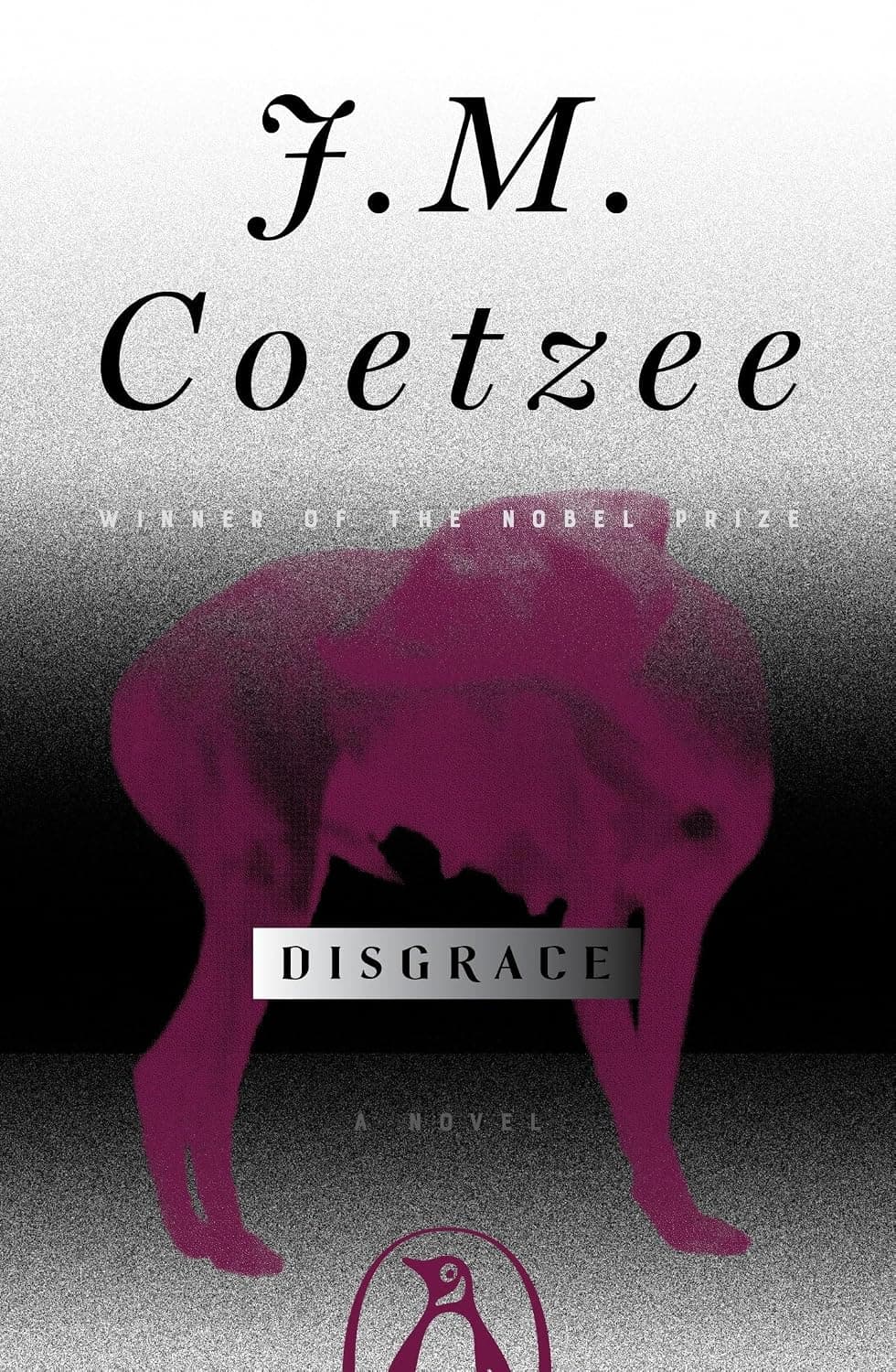
David Lurie loses his professorship over an affair with a student and retreats to his daughter's farm in the new South Africa, where three men arrive. Coetzee offers no comfort and no absolution.

Sixteen years old and landless, John Grady Cole rides into Mexico in 1949 and finds work breaking horses on a great hacienda. McCarthy writes horses and hard country better than any American novelist.

Toru Okada looks for his wife's cat, then his wife disappears. He sits in a dry well while the novel opens onto Japan's war in Manchuria and atrocities the country never faced.
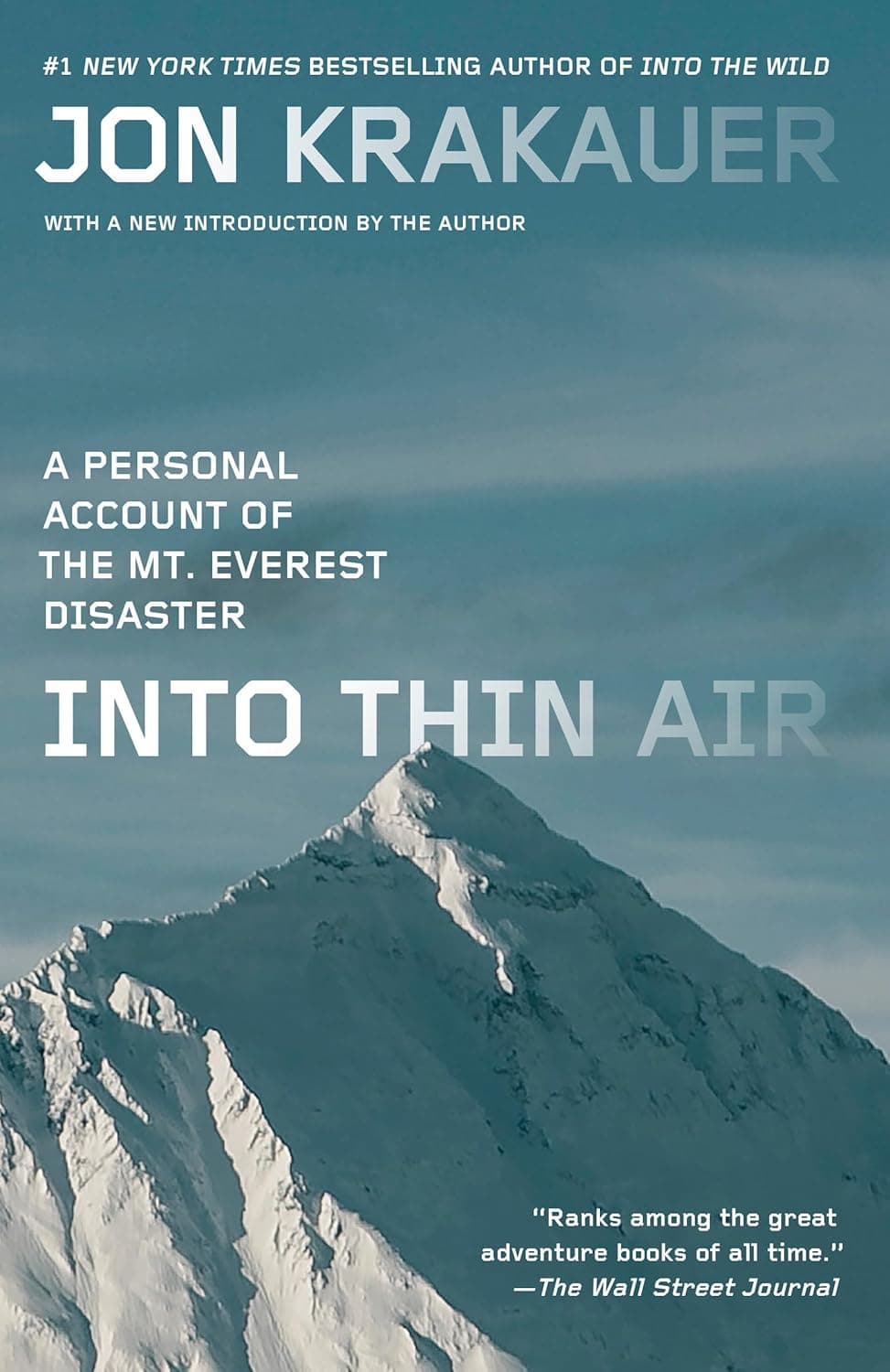
Krakauer climbed Everest on assignment for Outside magazine, summited on May 10, 1996, and came down through the storm that killed eight climbers. He is hardest on his own conduct.

Sebald walks the Suffolk coast, and each mile opens onto herring fleets, the wandering skull of the physician Thomas Browne, a town swallowed by the sea. Essayists have spent thirty years imitating this.

Rockefeller controlled ninety percent of American oil refining by the time he was forty, tithed to his church weekly, and saw no contradiction. Chernow makes him legible without absolving him.
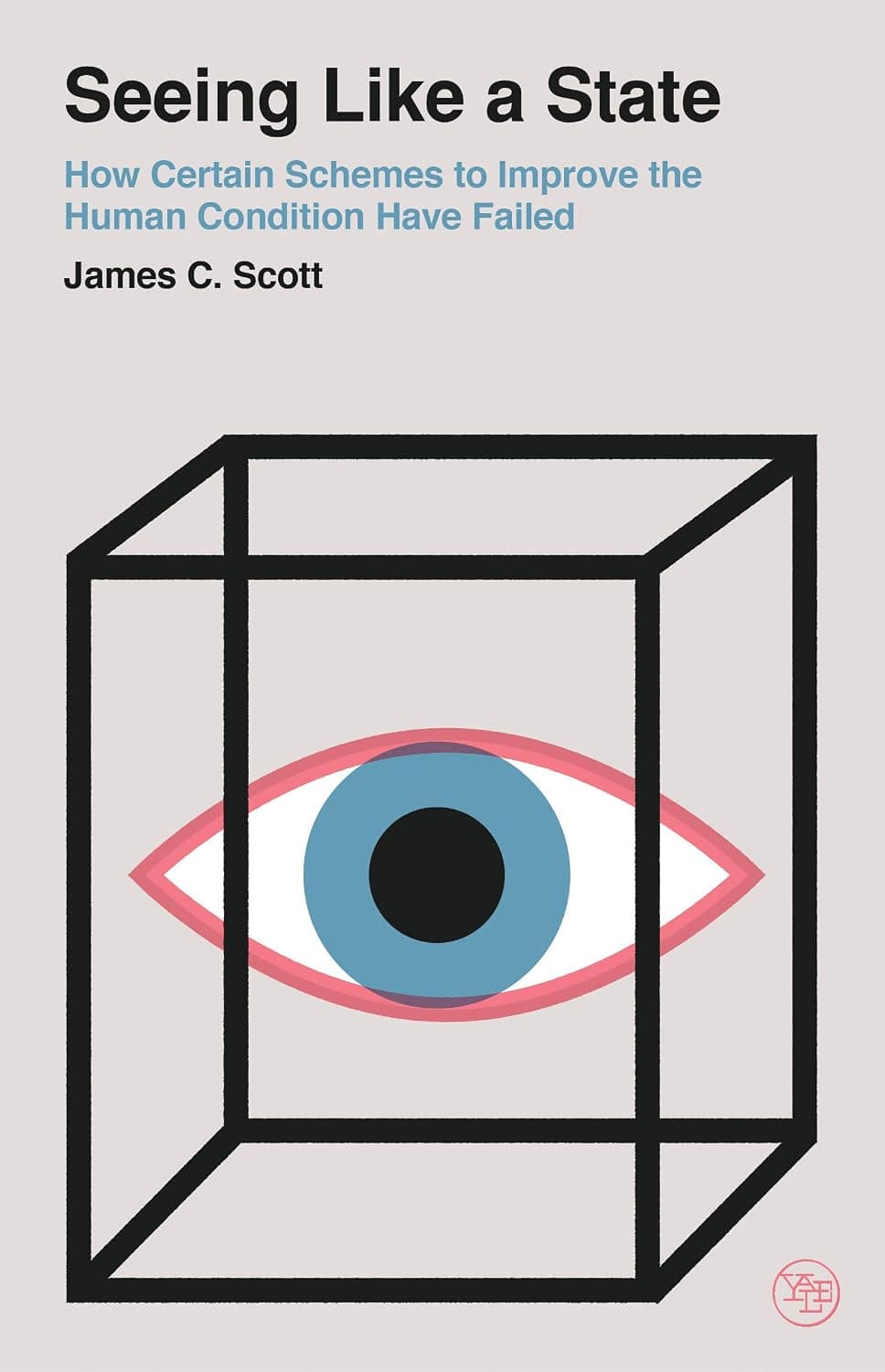
States can govern only what they can see, so they flatten society into maps and census rows, then plan from the flattening. Scott traces Soviet collectivization and Tanzanian villagization to that one mistake.
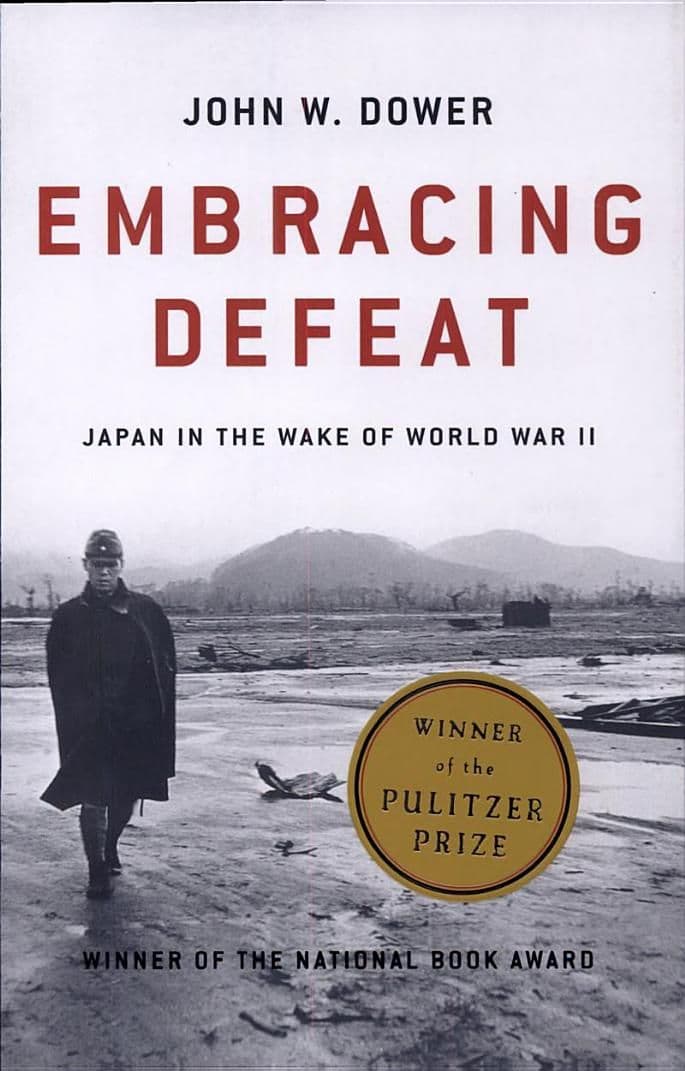
Defeated Japan is starving and occupied. Dower tells the years after 1945 from street level, through black markets, pulp magazines, and letters to MacArthur. The Japanese emerge remaking themselves rather than remade.

A New Guinean politician asked why white people had so much cargo and his people so little. Diamond answers with barley, cattle, and smallpox, and historians have been writing rebuttals for a generation.

Twin brother and sister in Kerala watch their divorced mother fall in love with Velutha, a carpenter of the untouchable caste. Roy hands you the catastrophe first and then makes you understand it.

The dead man narrates his own murder, and so do a coin and a tree, in the Istanbul of 1591 where painting a face as the eye sees it is treated as blasphemy.

The twentieth century runs from 1914 to 1991 in Hobsbawm's account, moving through catastrophe, a golden age of postwar boom, then landslide. No later history of the century has displaced it.

Bissinger spent the 1988 season in Odessa, Texas, where a whole town's self-worth rode on schoolboy football and one black star's ruined knee took his only way out. Odessa answered with death threats.

At Mann Gulch in 1949 a wildfire turned uphill and killed twelve smokejumpers and a fire guard in minutes. Maclean, past seventy, walked that Montana slope for years to learn what happened.
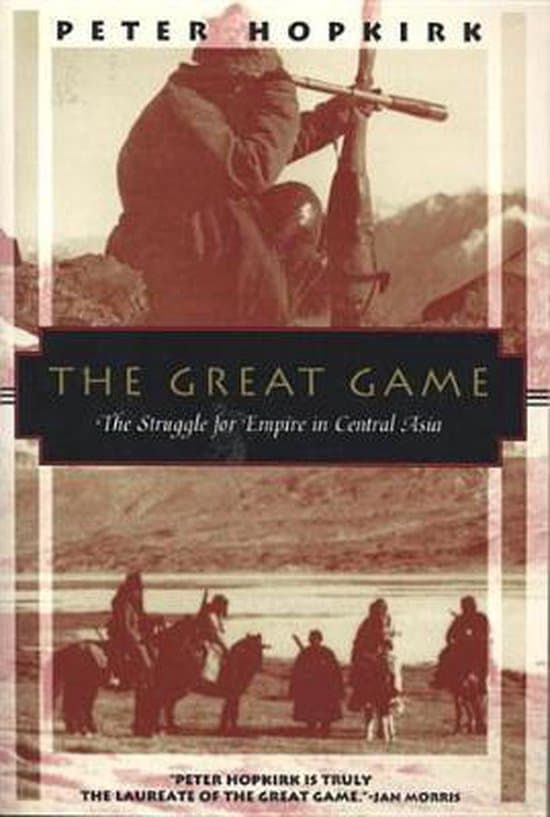
Britain and Russia crept toward each other across Central Asia until two thousand miles between them became twenty. Hopkirk tells it through the officers who rode alone into Bukhara, Khiva, and Kabul.

Oil is the story of the modern world, Yergin argues, and he follows it from the first Pennsylvania derrick through two world wars that ran on it to Saddam Hussein's tanks in Kuwait.
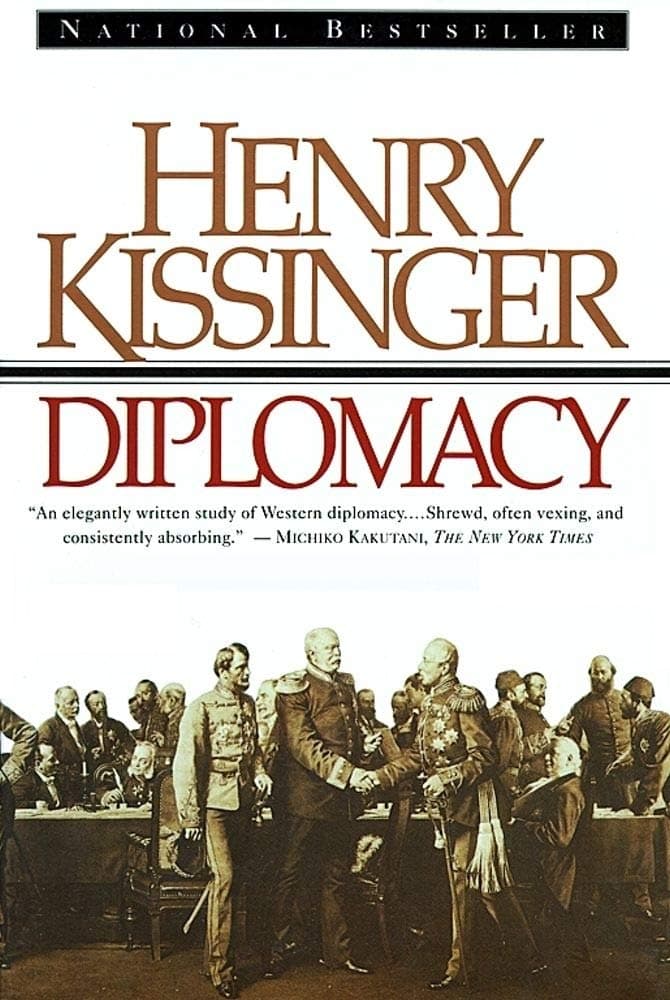
The fullest modern defense of power politics, written by a secretary of state who practiced it. Kissinger runs from Richelieu to the Cold War, insisting that order rests on balance, not moral aspiration.

Freedom from interference and freedom to become your true self are different things, the philosopher Isaiah Berlin warned, and tyrants prefer the second. His Tolstoy essay divides all thinkers into hedgehogs and foxes.

Borges wrote criticism the way he wrote fiction, in short pieces with trapdoors, on subjects from Dante to King Kong. Every writer creates his own precursors, he argues, and literary history rearranges itself.
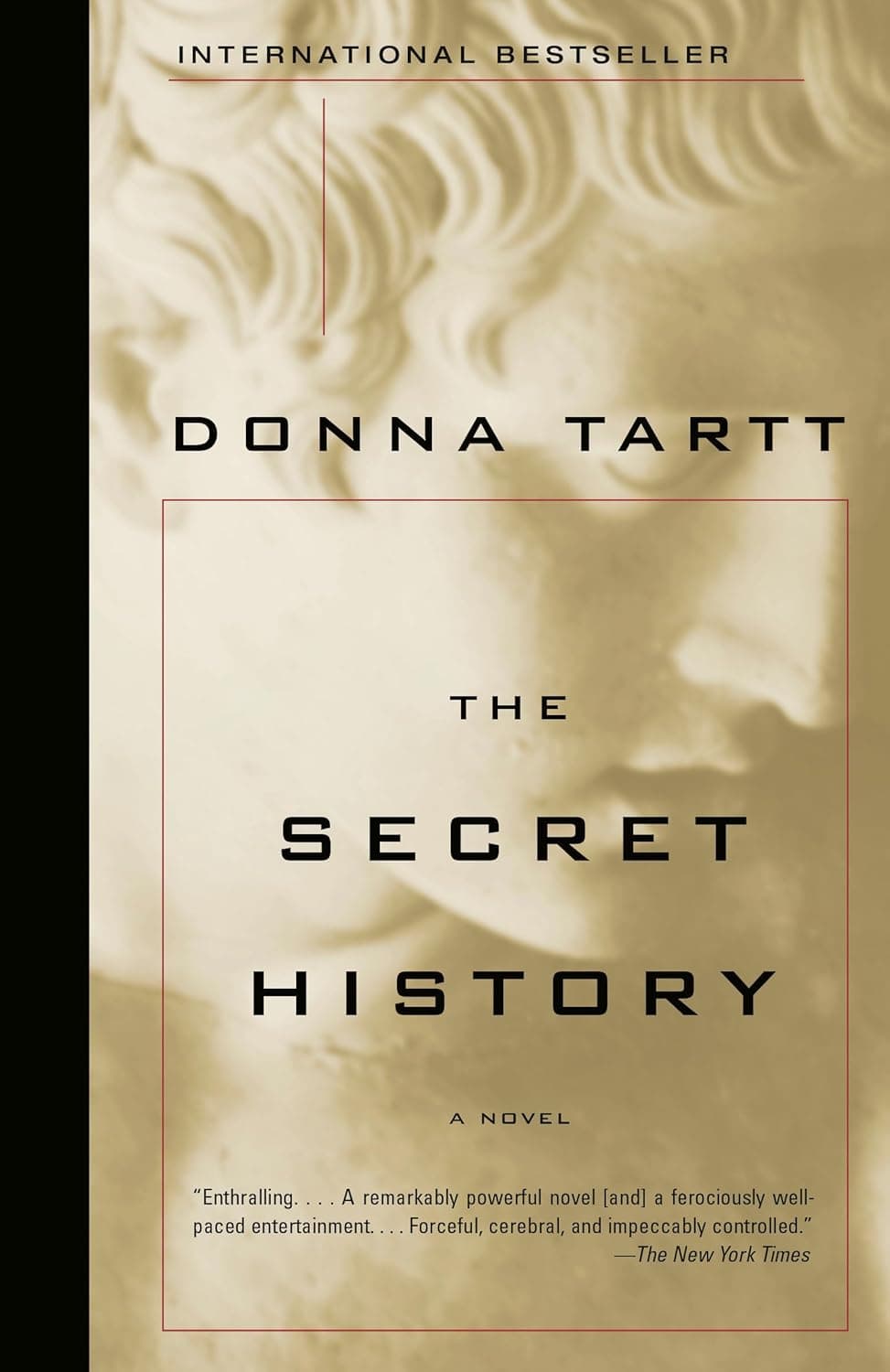
At a Vermont college a transfer student joins five classics majors and their charismatic tutor, then learns their rite to Dionysus left a farmer dead. Dark academia has been rewriting it since.

A woman returns from her honeymoon, goes to the bathroom, and shoots herself while the family eats lunch. Marías gives the story to her nephew, an interpreter afraid to know.

McCourt's father drank the wages and his mother begged for coal in a Limerick lane, and three of his siblings died before he turned seven. He tells it laughing.

Seven nights on a Caribbean luxury liner, where the pampering drives Wallace to despair. He also traces how television swallowed the irony American novelists invented, and why that irony became a trap.

Letters arrive for the boy in the cupboard under the stairs: he is a wizard and Hogwarts wants him. Rowling built that school so completely that the series has sold 600 million copies.
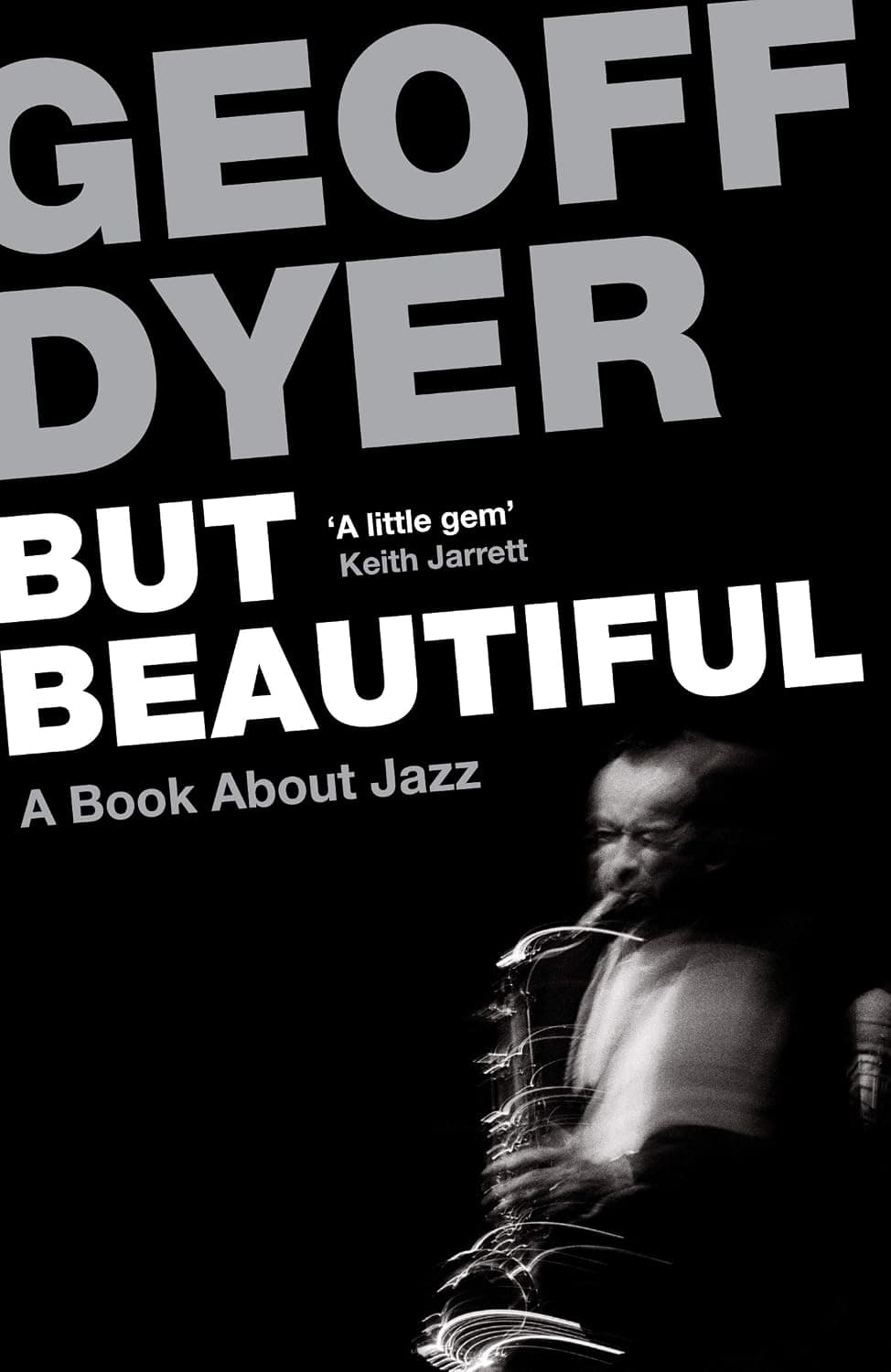
Dyer imagines his way into the nights of jazz musicians, Lester Young after the army broke him and Thelonious Monk alone at a piano, inventing scenes to reach what no biography can.
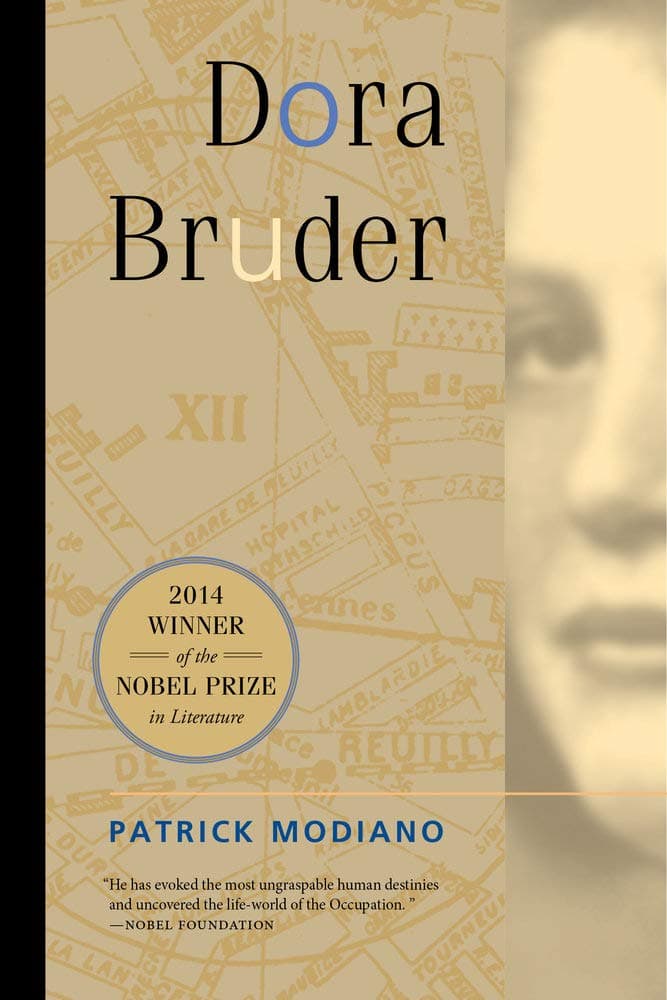
A missing-person notice from December 1941 sends Modiano into Paris archives after Dora Bruder, a Jewish fifteen-year-old who fled her convent school. He recovers her addresses and the date she was deported.

Du Bois took the first Harvard doctorate given a Black American, wrote The Souls of Black Folk, and helped found the NAACP. Lewis won Pulitzers for this volume and for its sequel.

Figes runs the Russian Revolution from the 1891 famine to Lenin's death in 1924, following peasants, soldiers, and the writer Gorky. He shows the terror arriving with the Bolsheviks, not after them.

Wood argues the American Revolution was as radical as any in history: it dissolved a world of patronage, deference, and rank, and produced a society of equal, money-minded, self-interested citizens.
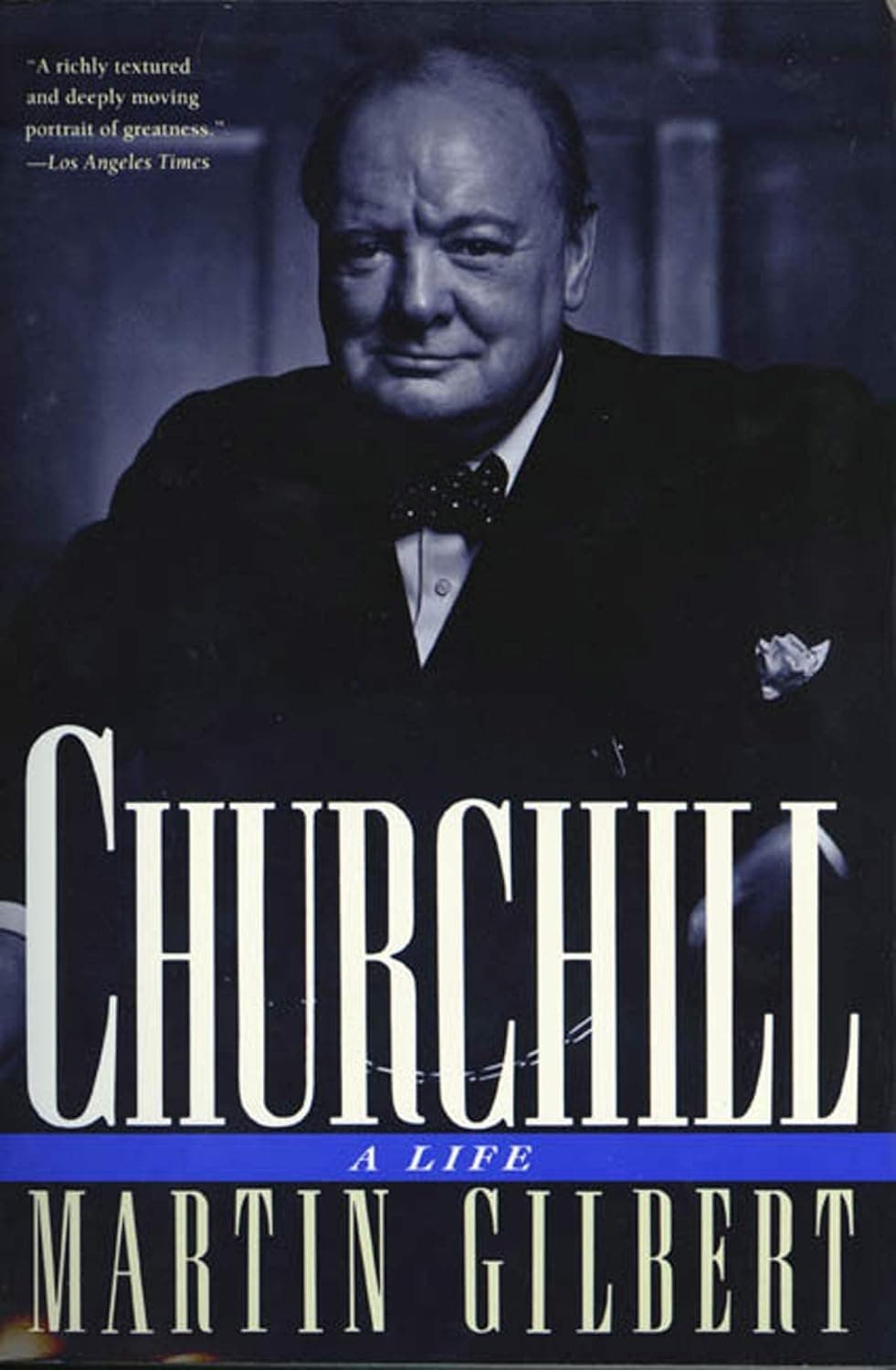
Having written six volumes of Churchill's official biography, Gilbert put the whole life into one book, from the cavalry charge at Omdurman to 1965, drawing on twenty years inside the papers.
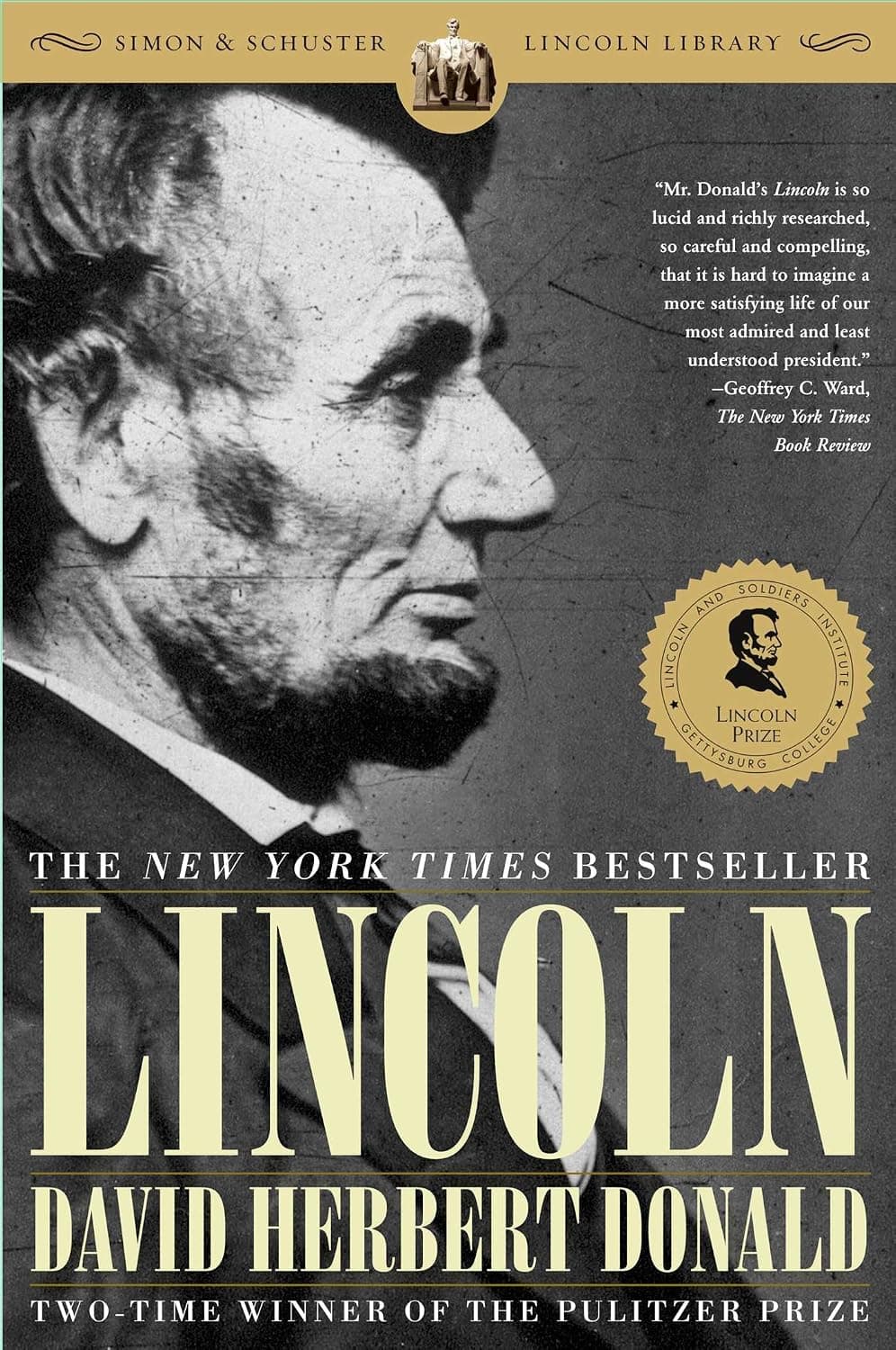
The standard one-volume Lincoln, and the method is severe: Donald allows him only the information he actually had when he acted. Out of it comes colossal ambition joined to a fatalist's passivity.

Forty years of poems that begin with an ordinary question and end somewhere you never agreed to go. In "Cat in an Empty Apartment," a cat waits for the owner who has died.
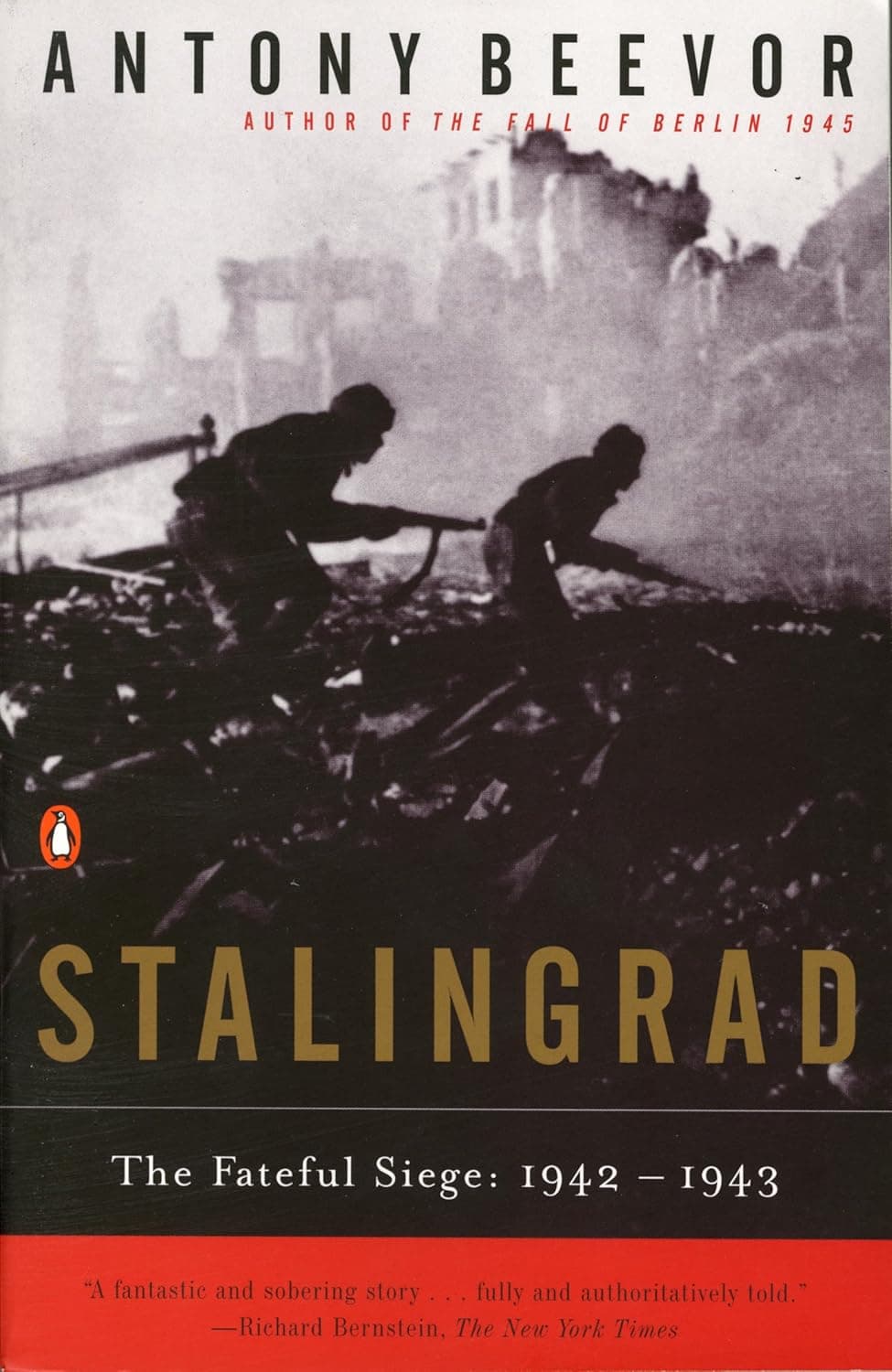
Beevor follows the German Sixth Army from conquest through encirclement to starvation and surrender in a city ground to rubble, the Soviet defenders alongside. He made military history a bestselling genre.

Twenty-seven years in apartheid South Africa's prisons, set down without self-pity by the man who opened negotiations with his jailers from inside and then governed the country that had caged him.

Sebald follows four émigré lives quietly undone by the twentieth century, each coming apart decades after the danger had passed. Unlabeled photographs surface throughout the prose and you read them as evidence.

A Liverpool shipping clerk noticed ships leaving the Congo loaded with rubber and arriving with only guns and chains. Hochschild pulls that thread into Leopold's private slave state and its millions of dead.

One driver stops at a traffic light and cannot see. Within days the city is blind and quarantined, and one woman who kept her sight watches how fast people stop being people.

Reader runs from the first hominids to apartheid, showing how Africa's exhausted soils and its diseases kept a vast continent thinly peopled, then how the slave trade turned people into its chief export.
Azaro is an abiku, a spirit child who keeps refusing to die, and Okri sets him loose in a Nigerian slum where ghosts crowd the bar and political thugs hand out poisoned milk.

Kien spends the peace gathering the dead from the jungle that swallowed his battalion, and the war returns out of sequence. Bao Ninh enlisted at seventeen among five hundred, and ten came home.
A widow takes in two tailors fleeing caste violence and a student, and under Indira Gandhi's Emergency the four become a family. Mistry lets you love them before the sterilization camps arrive.
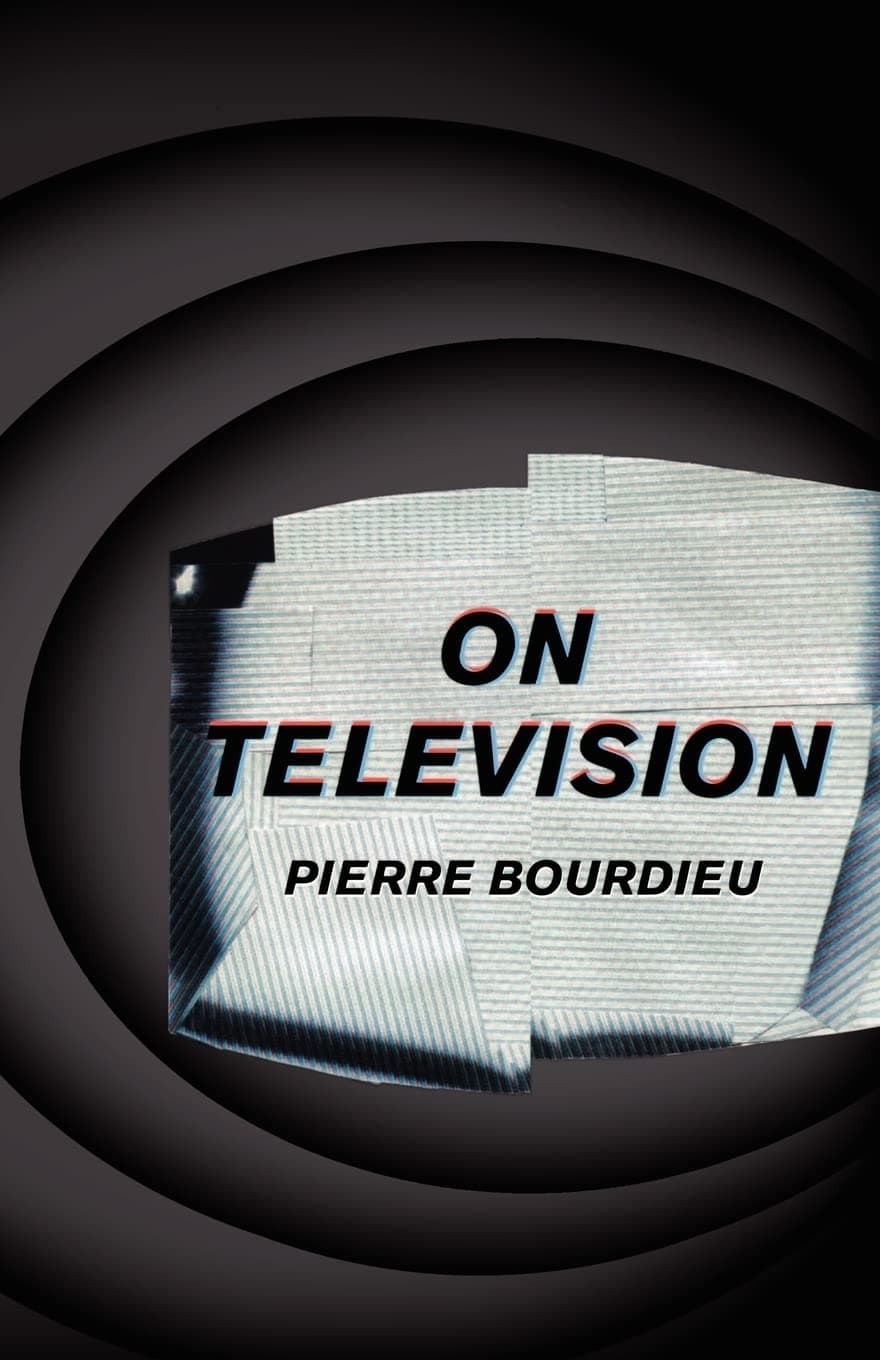
Television censors without a censor, Bourdieu argues: the clock and the ratings guarantee that only fast thinkers trading in received ideas can speak, and journalism drags politics and scholarship down with it.

Mitchell listened to New York for decades: the regulars at McSorley's, the fishermen at Fulton Market, and Joe Gould, a Village drifter compiling a nine-million-word oral history from everything he overheard.

There is little dignity in how we die, the surgeon Nuland writes, and he shows why: what heart failure, stroke, cancer, and Alzheimer's do to a body. Dignity belongs to the life before.

Wonder was never innocent, Greenblatt argues. Reading Columbus's landfall and the travel writers around him, he catches the moment when amazement at a new world hardens into a claim to own it.

Genius does not explain art, Bourdieu argues. Value is manufactured by the whole apparatus around the work: critics, dealers, publishers, rival artists. In this economy refusing money is precisely what buys prestige.
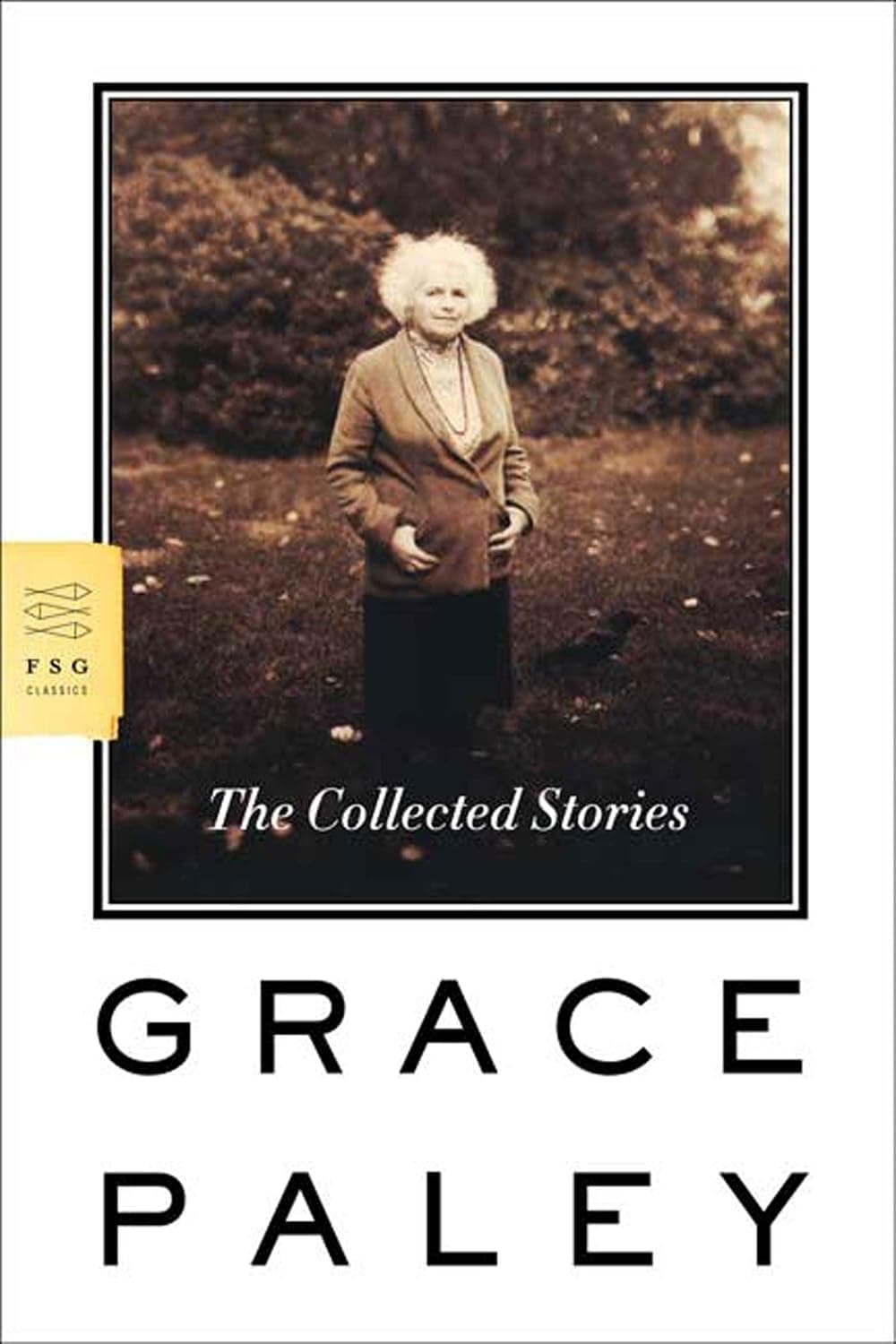
Paley wrote as people talk, in the Bronx Yiddish and Greenwich Village argument of women raising children alone, and got more life into three slim collections than most novelists manage in a career.

The camera is a sketchbook, Cartier-Bresson insists, an instrument of intuition and not of art. These short essays hand you the working method that made modern photojournalism look the way it does.
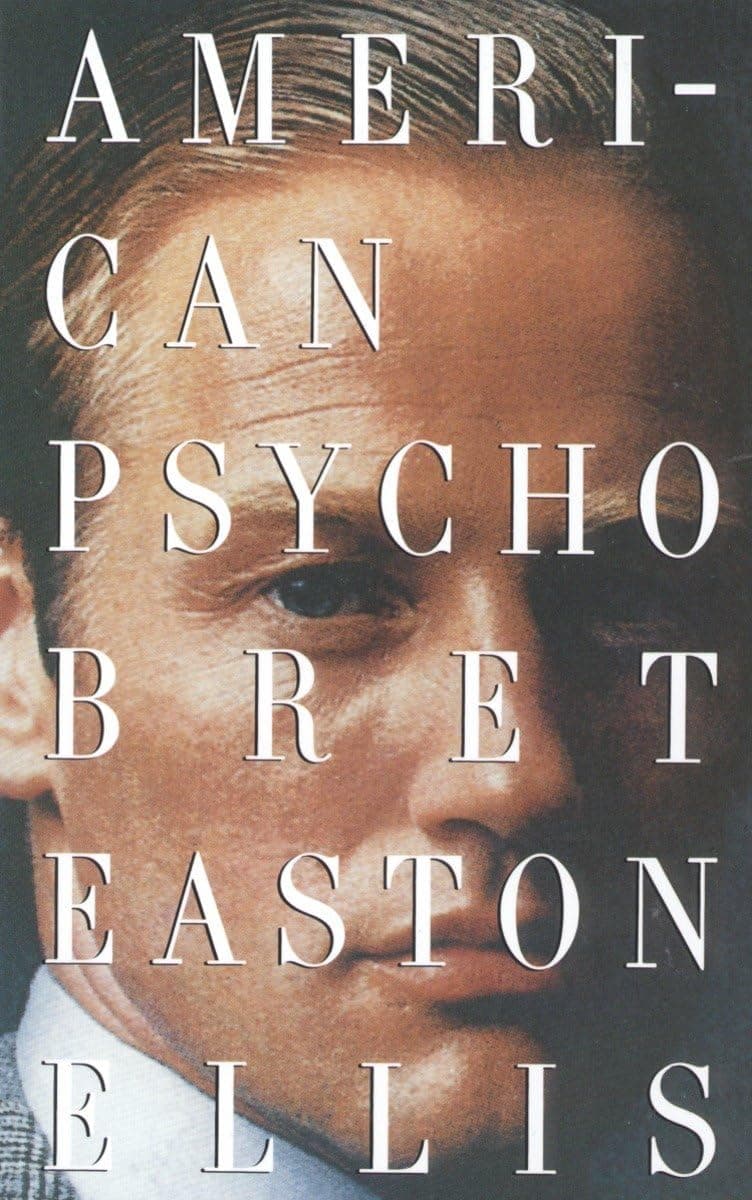
Patrick Bateman works mergers and acquisitions, agonizes over the typeface on a colleague's business card, and narrates atrocities in the voice he uses for Huey Lewis albums. Reagan's Wall Street becomes horror comedy.
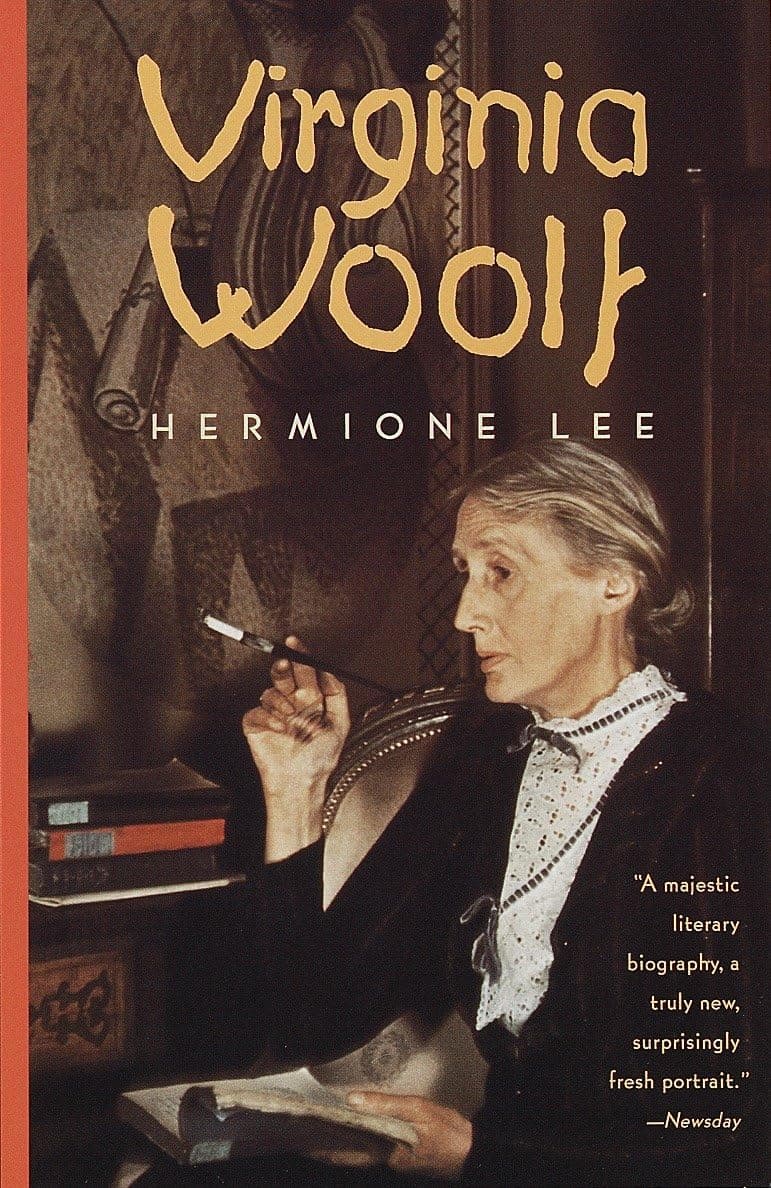
Lee refuses the fragile madwoman of legend and gives back a working writer: funny, ambitious, hard on her friends. She holds the breakdowns and the novels together and lets neither explain the other.

Every journalist knows what he does is morally indefensible, Malcolm opens, then proves it through a convicted murderer suing the writer who befriended him and delivered him to readers as a sociopath.

Beauty in things imperfect, impermanent, and incomplete. Koren traces the aesthetic from the Japanese tea room to the cracked bowl, and gives Western design a language for everything corporate polish cannot reach.

Four generations of one bank, from Victorian London to the crash of 1987. Chernow's Pierpont Morgan locks New York's bankers in his library until they agree to end the Panic of 1907.
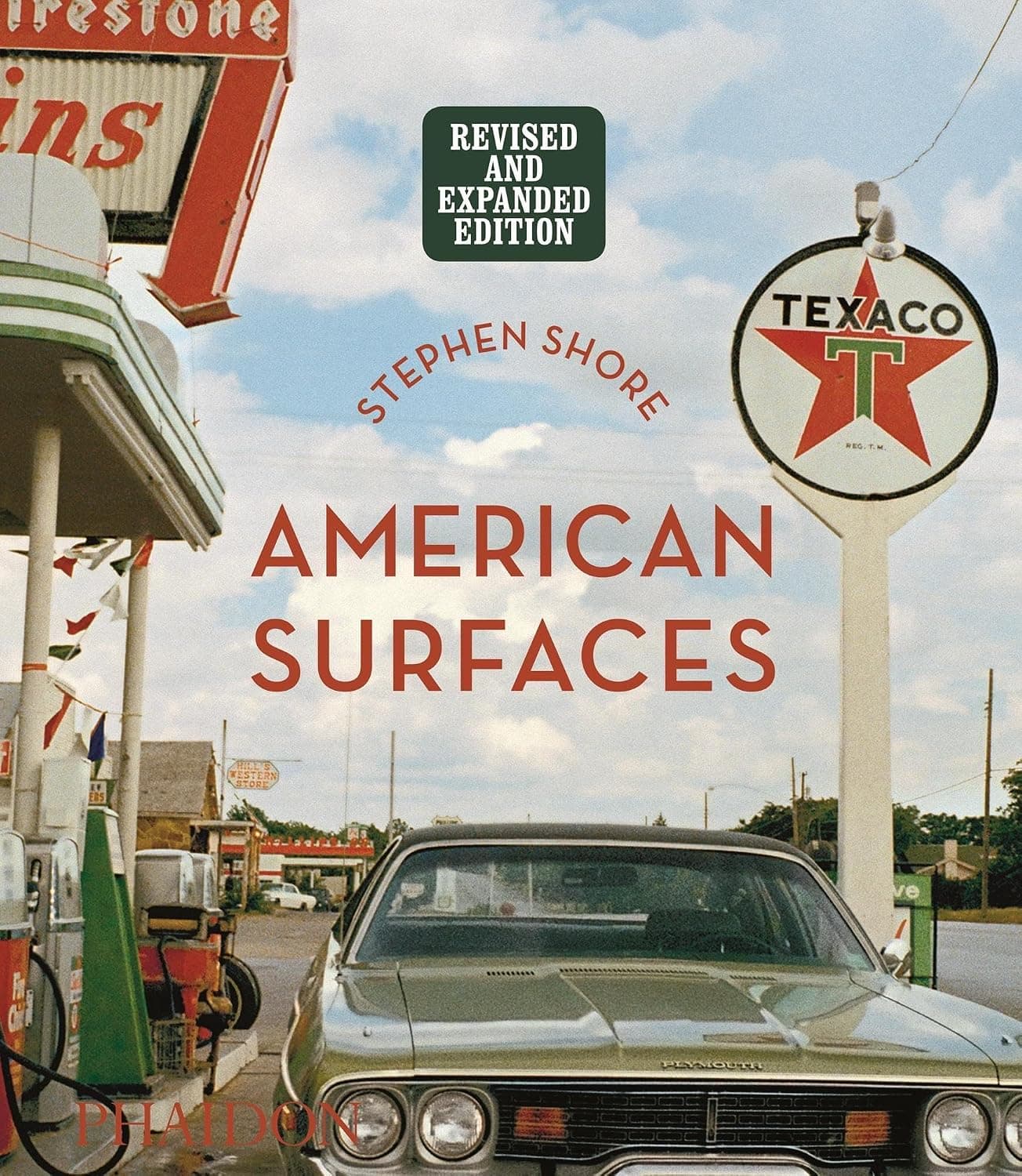
Every meal, every motel bed, every stranger the photographer Stephen Shore met driving America in 1972, printed cheap at a drugstore. He made the throwaway snapshot into how America gets pictured.