
Philosophy in the Boudoir
1795 · 173 pages
Two libertines take a girl of fifteen through atheism, pleasure and cruelty, pausing for a pamphlet urging the Republic to abolish God with the king. Sade takes reason to its worst conclusion.
★ 4.2
 skopia
Two libertines take a girl of fifteen through atheism, pleasure and cruelty, pausing for a pamphlet urging the Republic to abolish God with the king. Sade takes reason to its worst conclusion.
Twelve years old and orphaned, Justine chooses virtue and is punished for it by monks, surgeons, and noblemen who argue at length that nature rewards cruelty. Napoleon had Sade arrested for writing it.

A boy called Africa stares into the wolf's cage and will not leave. The one-eyed wolf gives in, and each reads a whole life in the other's eye: Alaska's snow, then the deserts.

Two bodies lie on a Kyushu beach, arranged as lovers who died together, and the case turns on four minutes at Tokyo Station. Matsumoto pointed Japanese crime fiction straight at government corruption.

A war widow receives photographs of the husband she buried. The trail runs into a London fog where the killer Jack Havoc is loose, and Allingham makes the thriller an argument about evil.

Inspector Maigret arrives fully formed in his first case, following a con man off the Paris express to a Normandy fishing port. He solves people rather than puzzles, and Simenon wrote seventy-four more.

A husband hires Lew Archer to find the bride who fled their honeymoon, and the trail runs back decades into two families' history. In Macdonald's California, crimes are inherited rather than committed.

Le Carré called Ambler the source on which we all draw. An English novelist is shown a body from the Bosphorus and traces the dead man through Balkan assassination and Paris drug trafficking.

Bored in a hospital bed, a Scotland Yard inspector studies a portrait of Richard III and reopens the murder of the two princes, working entirely from chronicles and documents fetched to his bedside.
Harriet Vane, mystery novelist, returns to her Oxford women's college, where someone is sending obscene letters and destroying scholarship. Nobody dies. The question is whether a woman can have both work and love.

Morgan Leafy, a British diplomat in a fictional West African state, must bribe an incorruptible Scottish doctor, conceal a venereal infection, and remove the maid lightning killed before the Duchess arrives.

Tradition forbids the youngest daughter to marry, so Tita cooks, and everything she feels enters the food. Her quail in rose petal sauce sends a sister off naked with a Mexican revolutionary.

Lorelei Lee, a blonde from Arkansas, keeps a diary about the men who buy her diamonds and gives away far more than she knows. Edith Wharton called it the great American novel.

Nigeria's political and religious elite trade in body parts stolen from a hospital, a business one surgeon uncovers. Soyinka returned to the novel after nearly fifty years to write this unforgiving satire.

Heinlein's teenage recruit drops from orbit in powered armor and sits through the case that only veterans should vote. His politics still start fights, and his suit outfits half of science fiction.
Men beat each other in basements because nothing else in their lives is real. Palahniuk's narrator fakes illness for the support groups, meets the soap salesman Tyler Durden, and builds an army.

Soldiers killed Sepha Stephanos's father in Ethiopia, and seventeen years on he keeps a failing store in a Washington neighborhood gentrifying around him. With two African friends he plays at naming dictators.

In the summer of 1942, at a New Hampshire boarding school, Gene envies his fearless friend Finny enough to jounce the branch they are standing on. Knowles found the war inside a friendship.
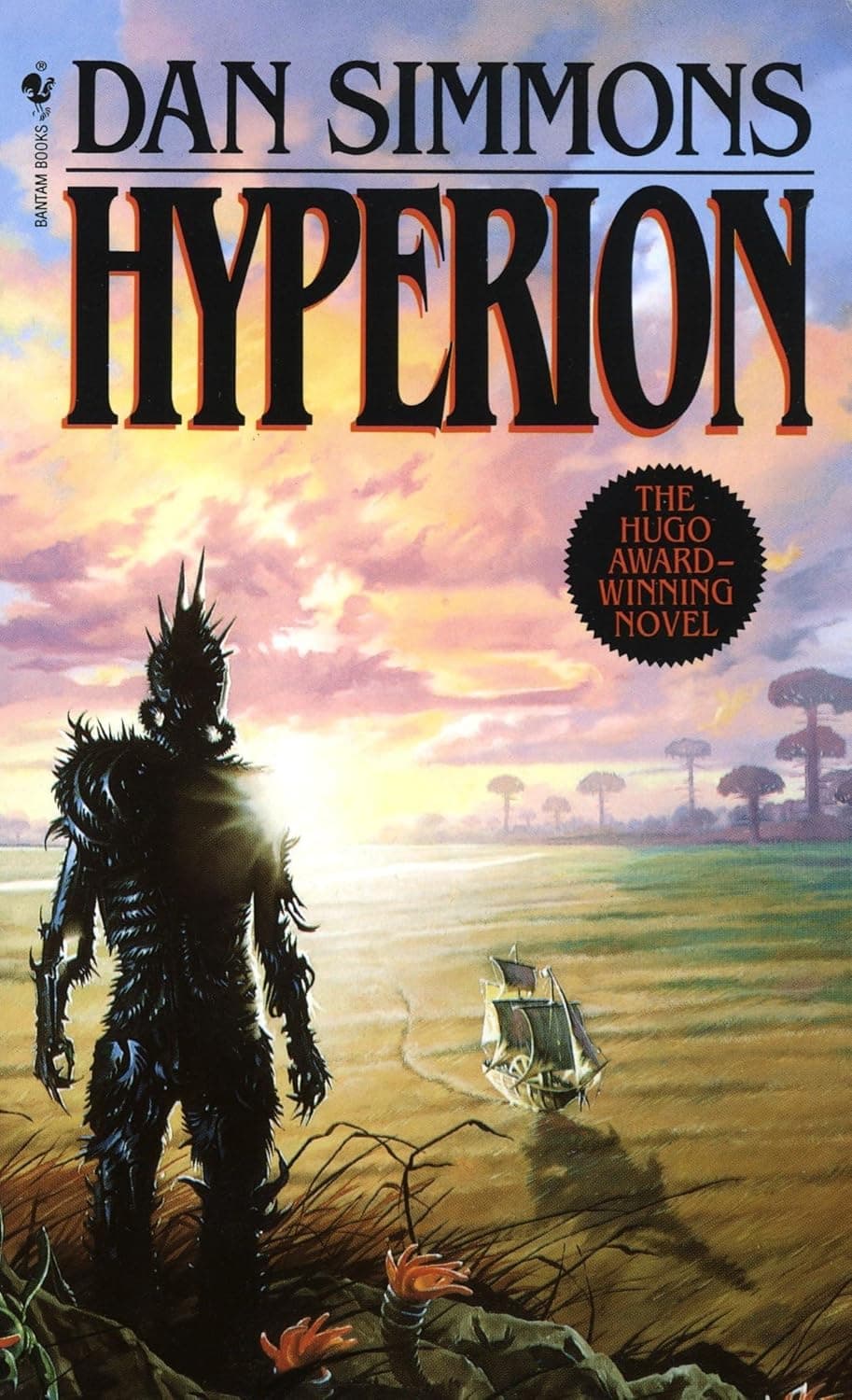
The Canterbury Tales in deep space: seven pilgrims travel to the Time Tombs and the blade-covered creature guarding them, each telling the story that brought them. Simmons switches genre with every tale.
Fame arrived and Kerouac could not survive it. His narrator retreats to a friend's cabin above the Pacific to dry out, drinks instead, and comes apart in a night of delirium.
Stephenson coined the word Metaverse in these pages, and Facebook renamed itself after the idea. His sword-carrying hacker delivers pizza for the Mafia and fights a virus that infects minds through language.

Wanted for a murder in his own flat, Richard Hannay bolts across the Scottish moors with a dead spy's coded notebook. Hitchcock filmed it, and the innocent fugitive became the thriller's engine.

Charles Pooter, a London clerk of vast unearned dignity, records every slight from tradesmen and every dinner-party triumph. He paints his bath red with enamel and mistakes the dissolving water for blood.

Jess can outrun everyone in fifth grade until Leslie moves in next door. They swing over a creek into Terabithia, the kingdom they rule together, and Paterson refuses to protect them from grief.

Three Victorians and a fox terrier row up the Thames, and Jerome turns the holiday into English comedy: a tin of pineapple nobody can open, a Hampton Court maze that traps everyone.
Burroughs reports his heroin years like a chemist writing up an experiment, from New York hustles to Mexico City rooms and cures that never take. There is no remorse and no lyricism.
Four women pack boxed lunches on a Tokyo night shift. One strangles her husband, the others take the body apart, and the invisibility that shrank their lives turns out to protect them.

On a rainy Stockholm night a gunman empties a submachine gun into a bus, killing a detective from Martin Beck's own squad. Sjöwall and Wahlöö make Swedish social democracy the real suspect.

Jackson, a pious Harlem hearse driver, loses his savings to a con man promising to turn tens into hundreds. Himes wrote the funniest and most violent Harlem in American crime fiction.
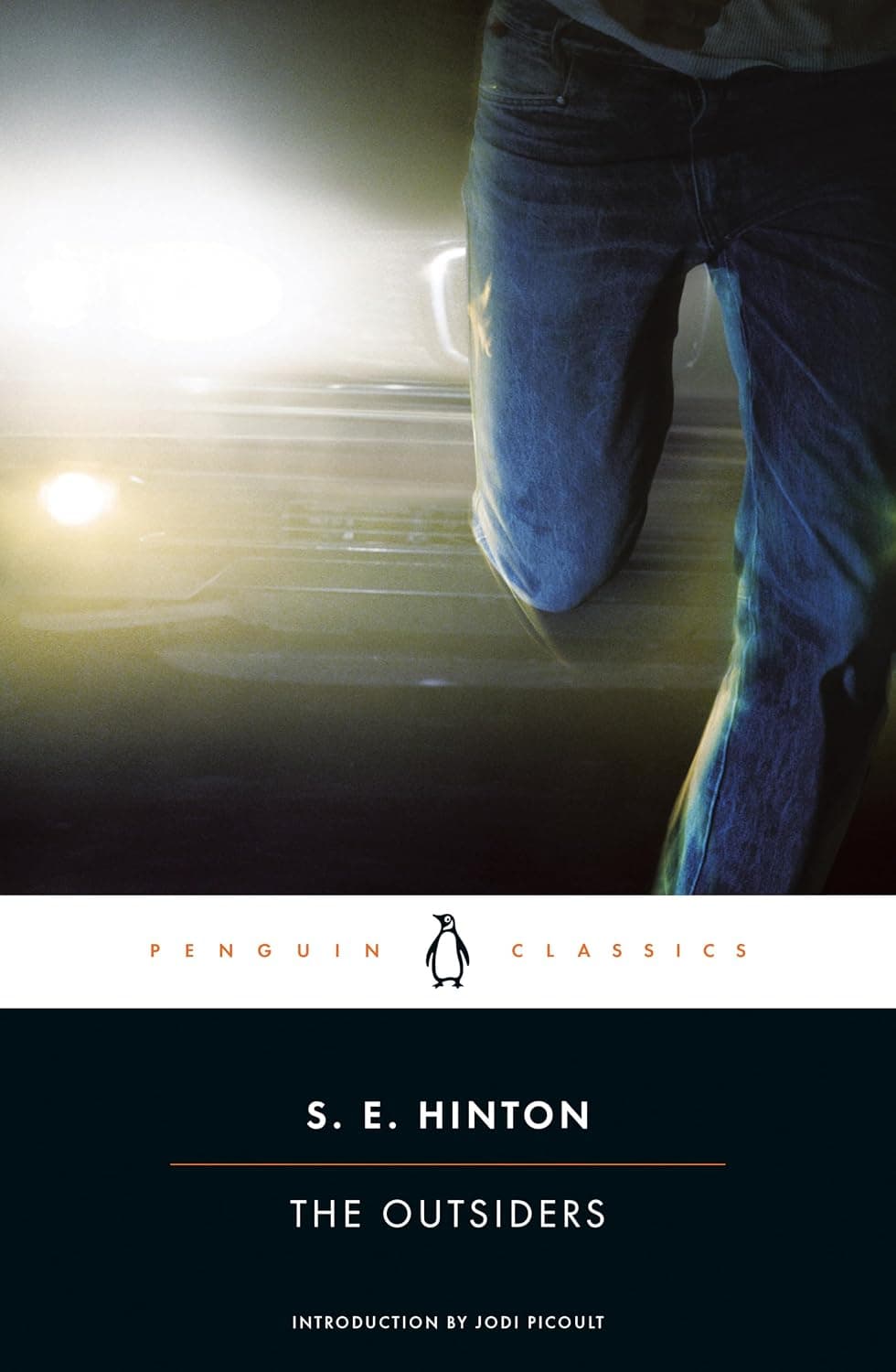
Greasers and Socs settle their hatred with fists and knives in Tulsa, narrated by fourteen-year-old Ponyboy Curtis. Hinton wrote it at sixteen, and it is still the novel American schools hand to thirteen-year-olds.
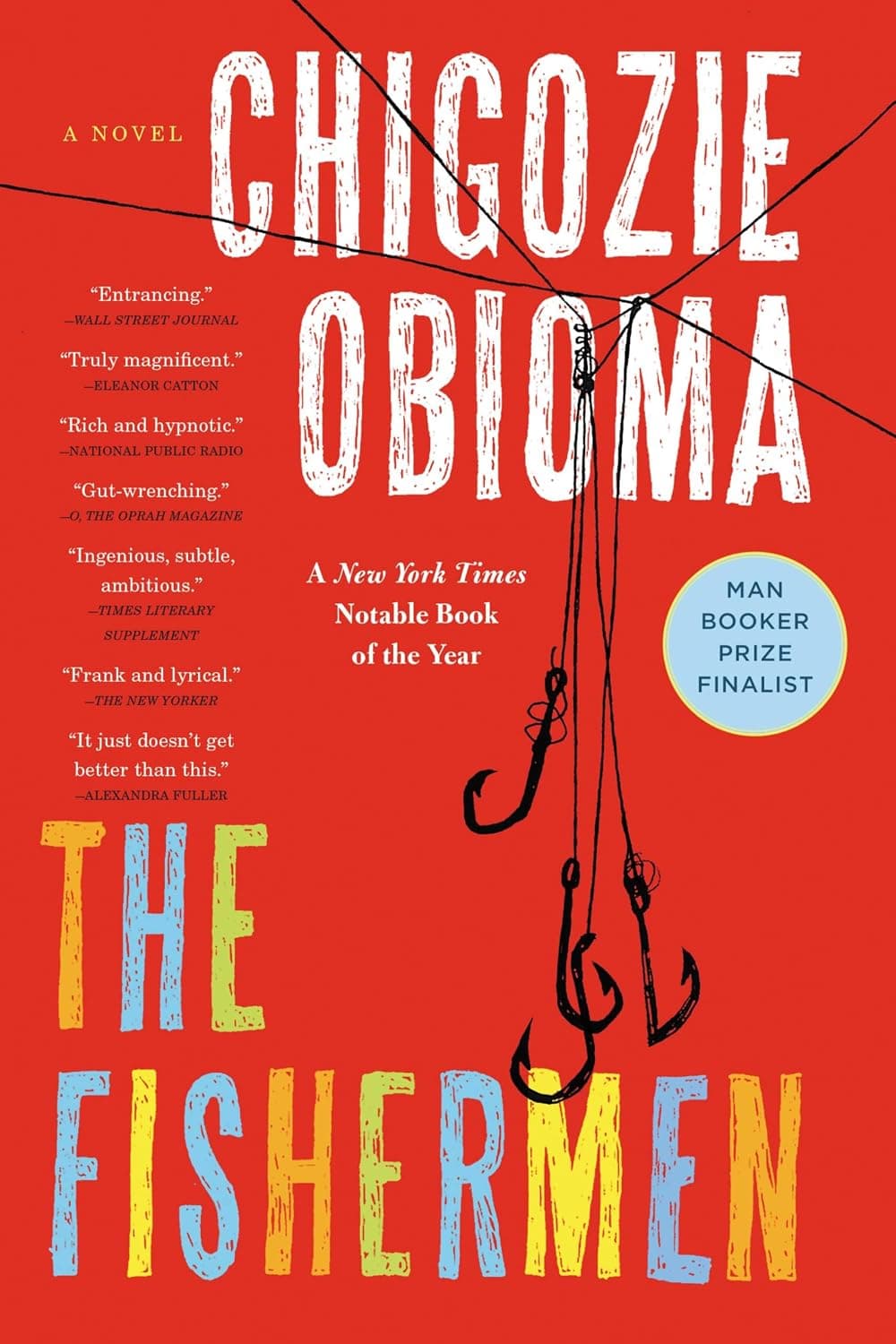
Four brothers fish a forbidden Nigerian river, and a madman tells the eldest he will die at a fisherman's hand. Obioma takes the family apart with the inevitability of Greek tragedy.
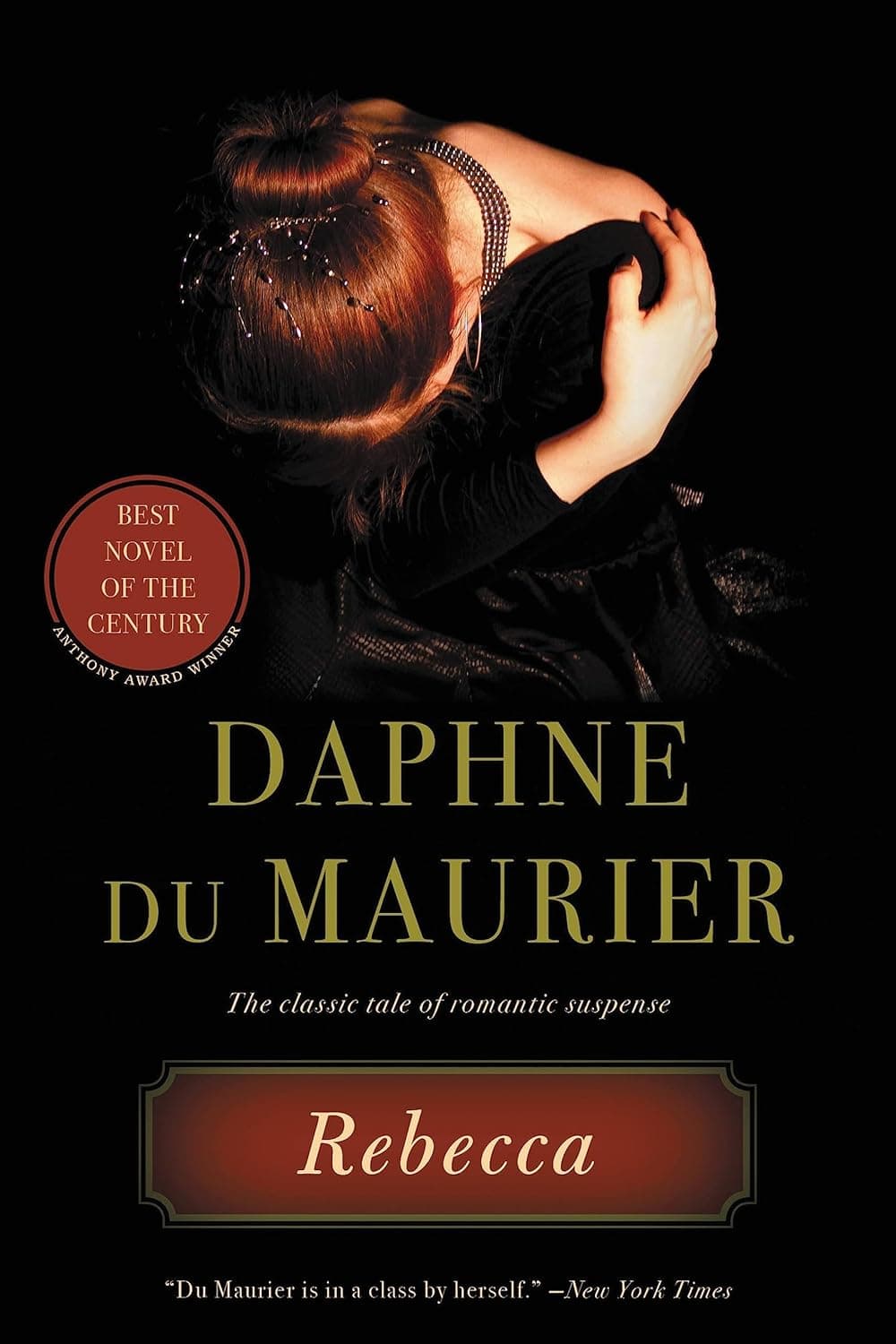
The second Mrs. de Winter is never given a name, which is the point. She marries a widower, arrives at his Cornish estate, Manderley, and finds the drowned first wife occupying every room.

On the Riviera, seventeen-year-old Cécile sets out to break up her widowed father's engagement to an elegant, exacting woman, and finds she is good at it. Sagan wrote it at eighteen.

At Auschwitz a Nazi officer courts the commandant's wife while the commandant, a preening drunk, complains about his workload. The third narrator is a Jewish prisoner made to burn the bodies.

A hurricane wrecks their Jamaican home, so the Bas-Thornton children are shipped to England and captured by pirates. Hughes strips childhood of its innocence, and the pirates prove no match for them.

The comic cycle that became Italian folklore sets a hot-tempered priest against the Communist mayor of a Po Valley village, with the crucifix above the altar talking Don Camillo down from revenge.

Jed Martin, an artist, makes his name photographing Michelin road maps and painting people at their trades. Houellebecq writes himself into the novel, has himself murdered, and gives Jed a dying father.

Nothing in horror is more frightening, and Jackson never shows you the thing doing it. Eleanor, who nursed her mother for years, joins a study at Hill House, and the house wants her.
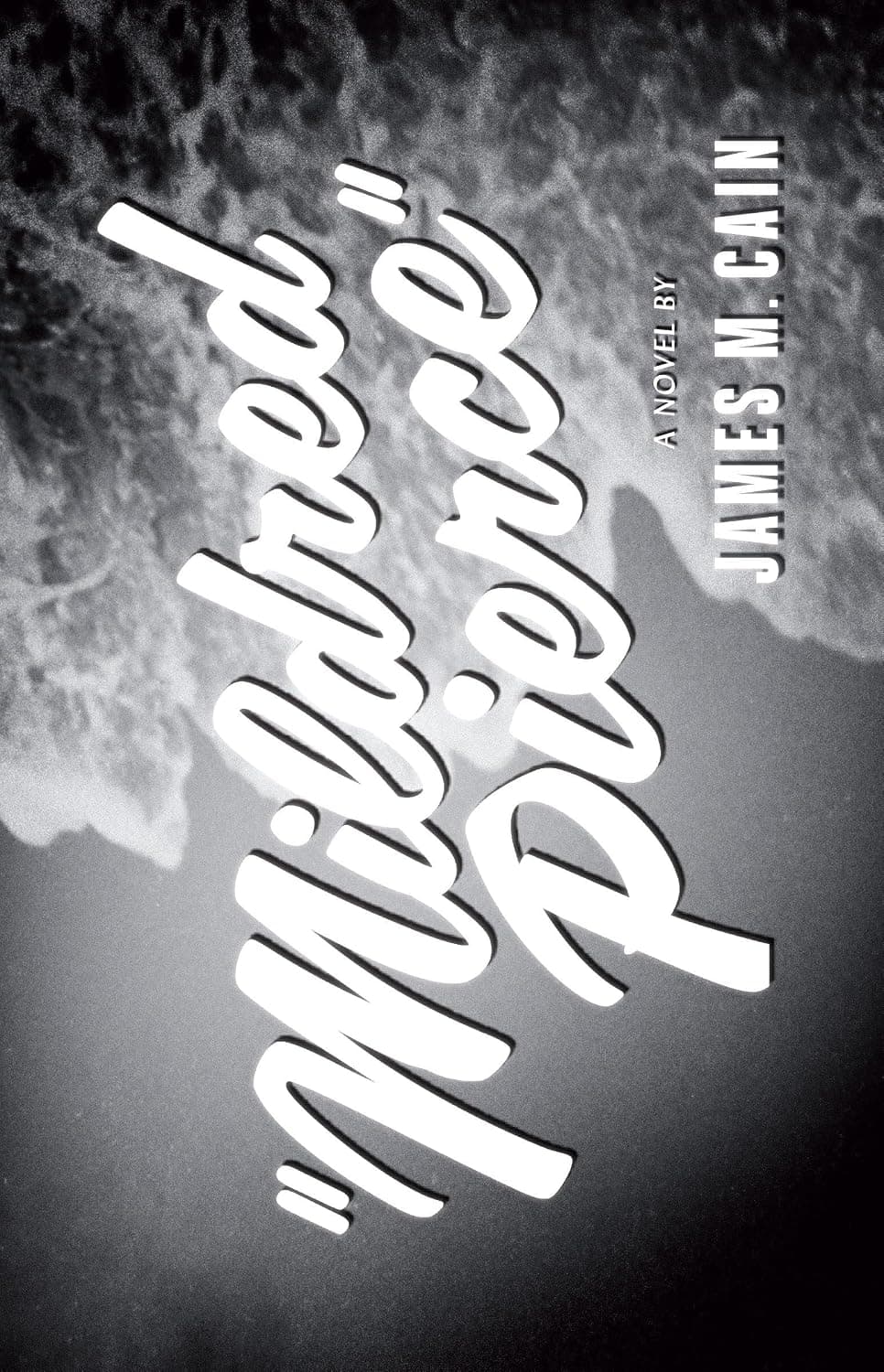
Abandoned in Depression-era Glendale, Mildred bakes pies and builds a restaurant chain, spending every dollar on the gifted, glacial daughter who despises her for working. Cain needs no corpse to write noir.
Hired to clean up a Montana mining town, a nameless detective turns its gangs on each other until the streets fill with bodies. Hammett was a Pinkerton, and the coldness is not invented.
Nick Corey, sheriff of a dirt-poor Southern county, plays the harmless fool while killing people, and his cheerful drawl carries you far before you see what you are laughing at.

Anthony Patch and his wife Gloria decide to wait for his grandfather's millions rather than work. Fitzgerald follows the waiting year by year, as the parties thin out and the drinking never does.

Los Angeles, 1948. Easy Rawlins, a Black veteran fired from the aircraft plant, takes a white man's hundred dollars to find a missing woman, and Mosley rebuilds postwar Watts around the search.

Dark-skinned and Puerto Rican in 1940s Spanish Harlem, Thomas was Black to white America and not Black to his own family. Gangs, heroin, and seven years in prison follow, told in barrio speech.

Oscar is an overweight Dominican nerd in New Jersey, desperate for love and buried in fantasy novels. Díaz runs his family through Trujillo's dictatorship in footnotes where history and comic books collide.

Uncle Matthew hunts his children across the Oxfordshire fields with bloodhounds. Linda Radlett escapes that house into two bad marriages and a French duke, in the funniest English novel of the interwar aristocracy.

The defining novel of African immigration to America. Ifemelu leaves Lagos for university, discovers there that she is black, and turns the discovery into a blog that flays the country's racial pieties.
Two Brooklyn boys meet when one's line drive shatters the other's glasses at a yeshiva ball game. Danny, raised in silence to inherit a Hasidic dynasty, is secretly reading Freud in German.

Iris Chase, old and unforgiving, tells how her sister Laura drove off a bridge in 1945. Inside her account sits a scandalous novel, and inside that a pulp tale of blind child assassins.
Occupied Naples, 1944: soldiers and civilians trading cigarettes, sex, and rumor under the arcade. Burns writes Americans who understand nothing of the country they hold, and a bar where gay soldiers breathe.
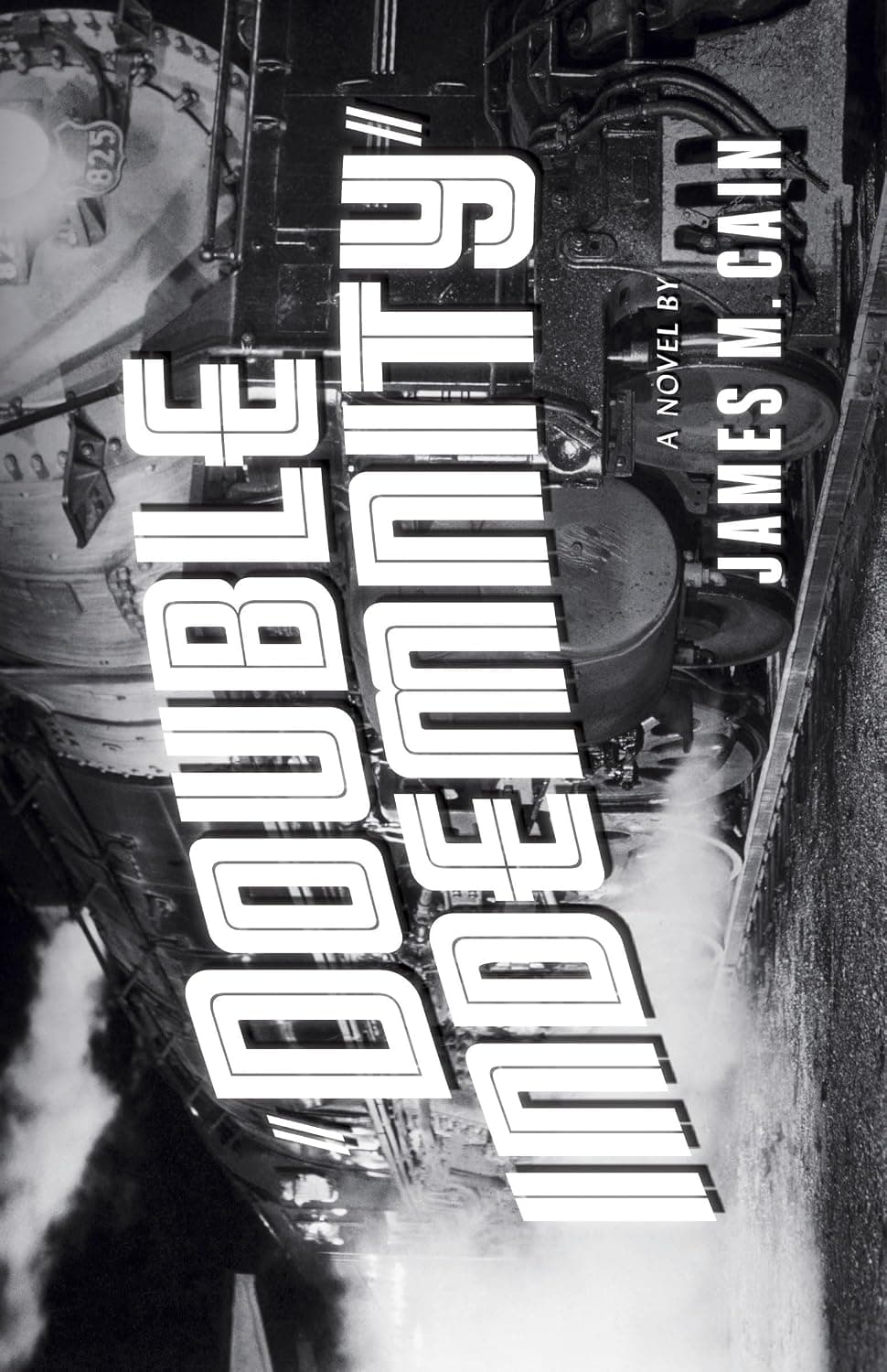
Walter Huff sells insurance, and the wife who wants a policy on her husband starts him on the clause that pays double. Cain tells it as a confession and never slows down.

An undercover narcotics agent is assigned to watch a suspect who is himself, and the drug splitting his brain hemispheres keeps him from noticing. Dick closes by naming the friends he lost.

Cal Stephanides was born a girl in Detroit and became a boy at fourteen, and traces the gene responsible back through Asia Minor to grandparents who were brother and sister.
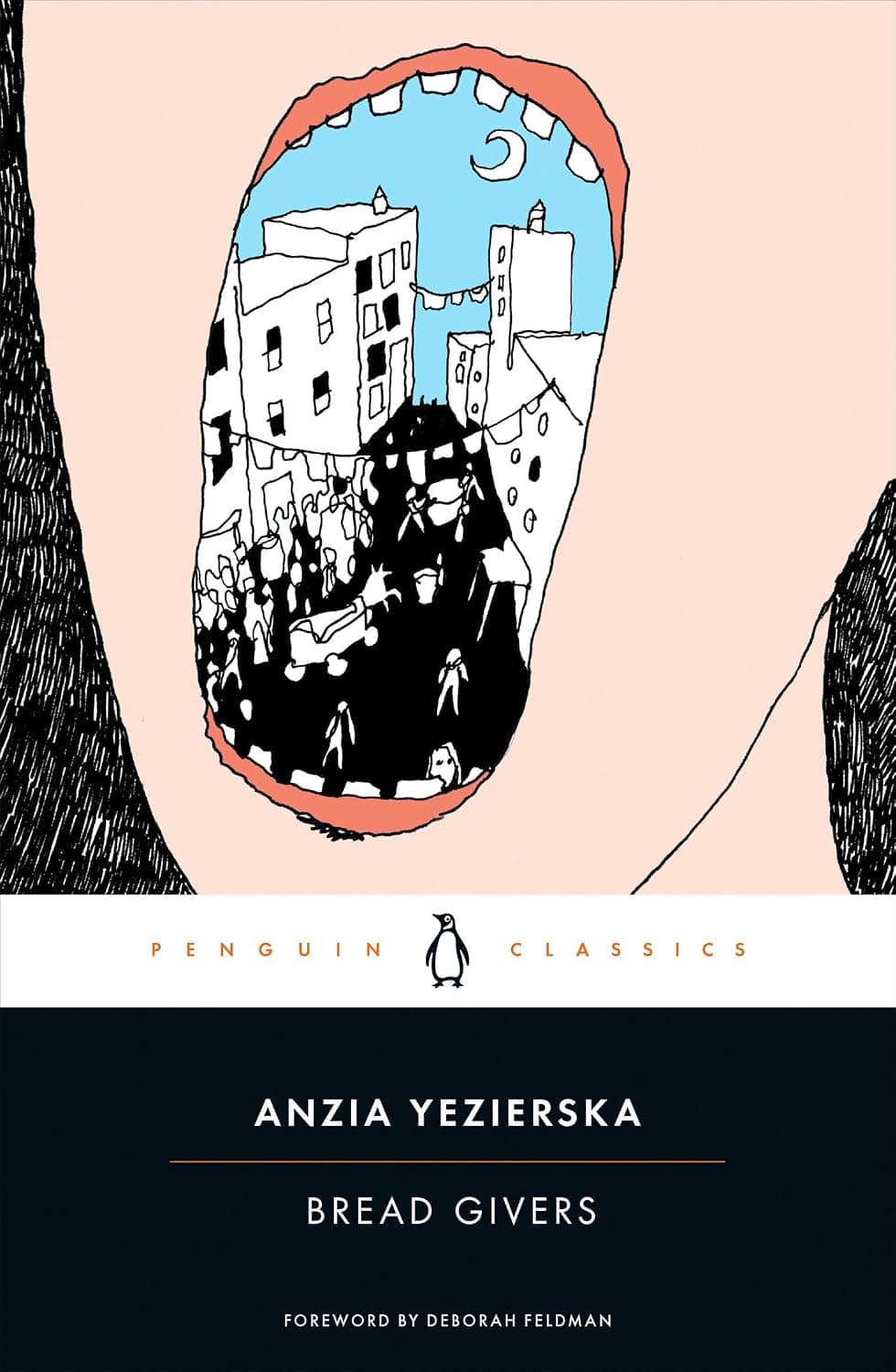
Sara Smolinsky's father studies Torah in a Lower East Side tenement while her mother takes in boarders and he marries her sisters to men they dread. She leaves at seventeen for night school.

Archie Jones and Samad Iqbal met in a tank in 1945 and are still arguing in North London, while their children reject every inheritance on offer. Smith made multicultural Britain a comic epic.

On the Irish Catholic South Side of Chicago, a boy leaves eighth grade certain he is somebody. Farrell tracks Studs through poolrooms, gangs, and drink into the Depression, withholding every consolation.

Snow halts the Orient Express, and an American passenger is found dead in his compartment, stabbed twelve times. Poirot has no police and no laboratory, only what the other travelers tell him.

Persian fiction's darkest book: an opium-addicted painter of pen cases draws the same scene, an old man and a girl in black offering a lily, then finds it living behind his wall.

The best-selling mystery ever written: eight guests and two servants on an island off Devon, accused by a gramophone of murders the law could not touch, then killed to a nursery rhyme.

Assassins wait in a car for Trujillo's Chevrolet on his last night. Vargas Llosa moves between them, the dictator's failing body, and the woman who returns thirty-five years later to accuse her father.

A horse narrates his own life, passed down from a gentleman's stable to the London cab ranks. Sewell wrote to make drivers feel the head-wrenching bearing rein, and England stopped using it.
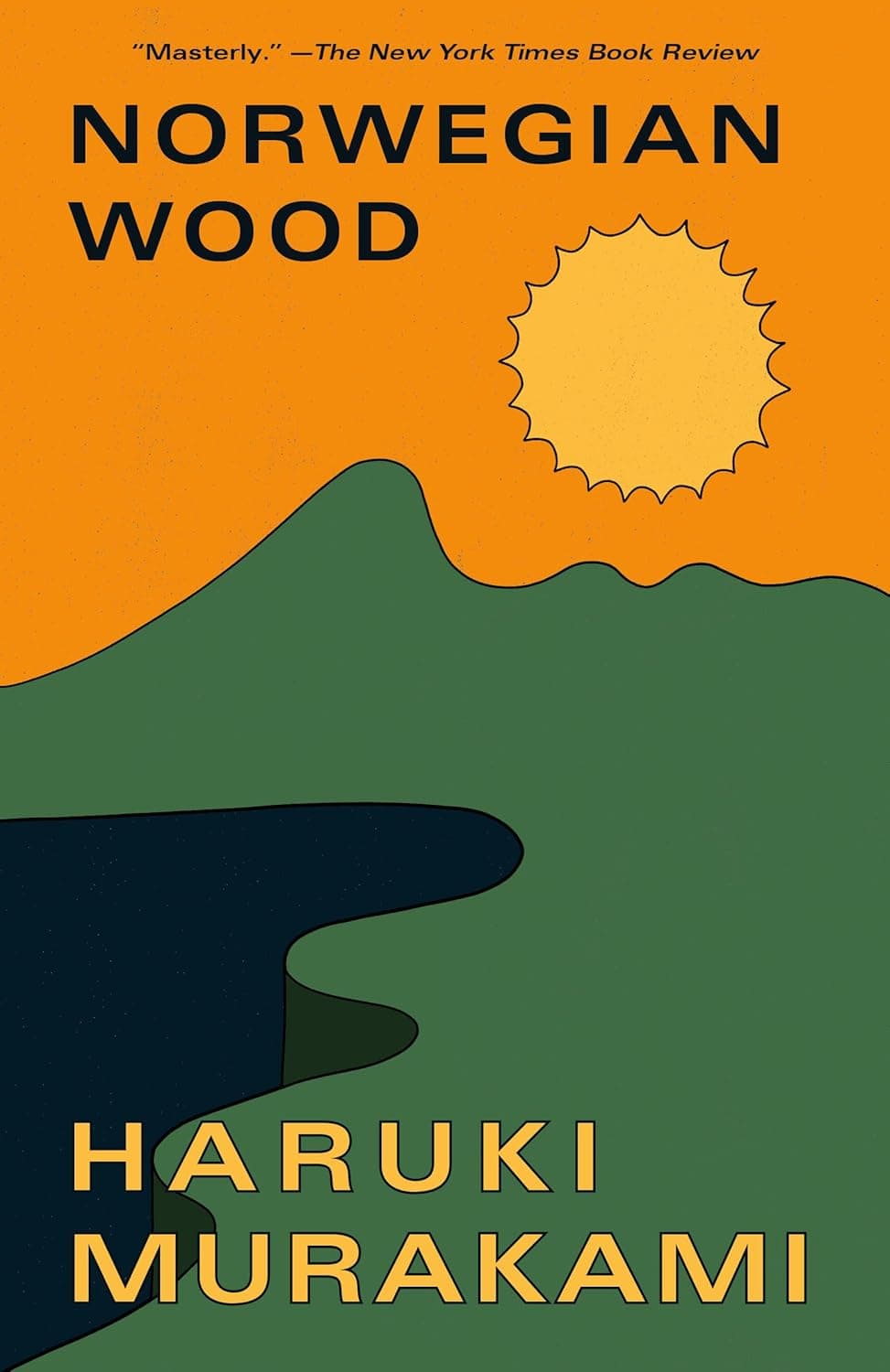
Hearing the Beatles song years later, a man returns to 1969 Tokyo, where his best friend's suicide left him loving two women at once. Murakami dropped the fantastic entirely, and Japan devoured it.

Allan Quatermain, an aging elephant hunter, follows an old map into unmapped Africa and finds a lost kingdom ruled by a tyrant. Hidden-city adventure from Tarzan to Indiana Jones runs on Haggard's machinery.
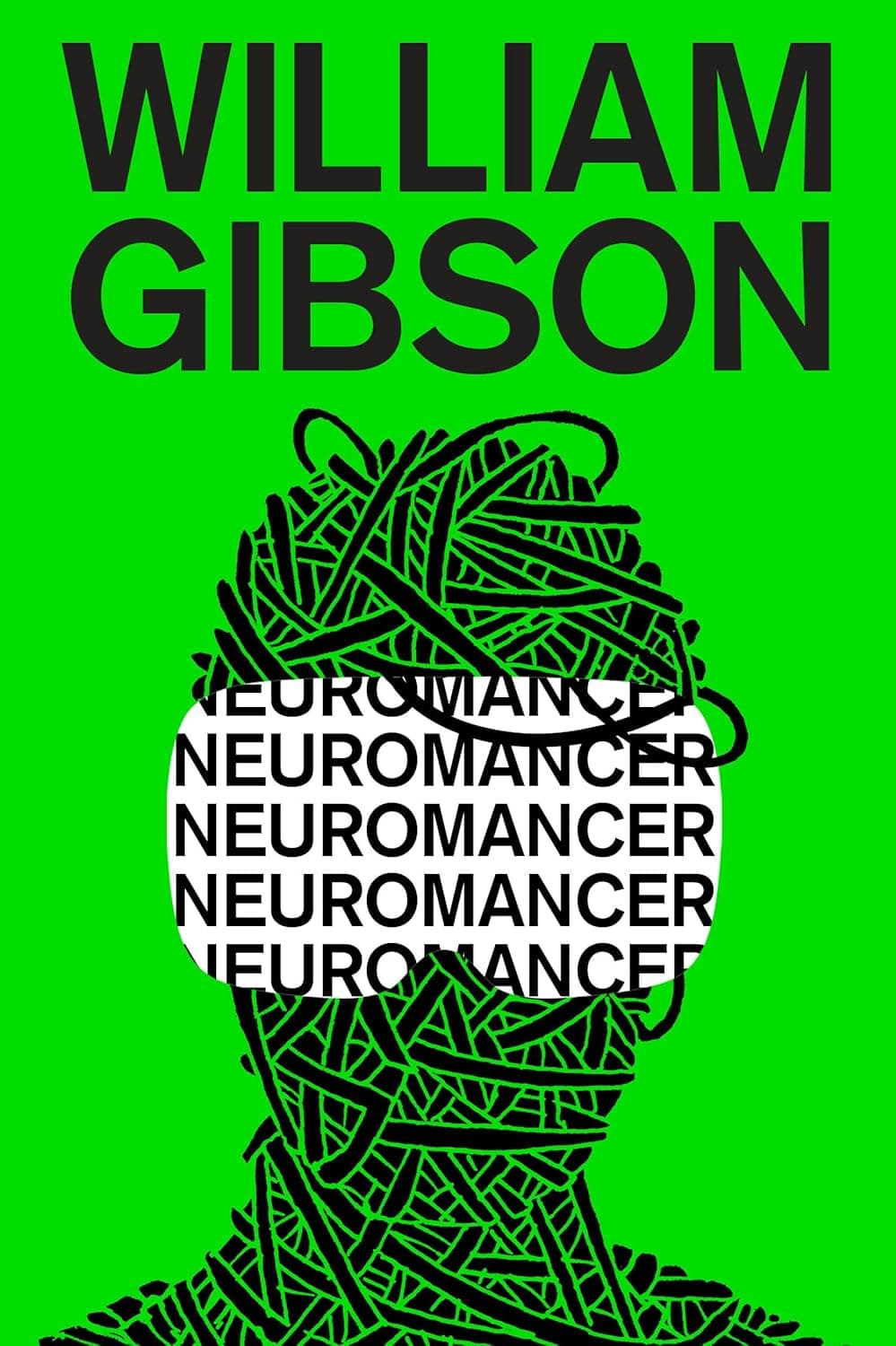
Case, a burned-out hacker in Chiba City, has his nervous system rebuilt in exchange for one last job. Gibson gave cyberspace its look and its slang, and programmers spent decades building toward it.
Twenty years on the musketeers are older and on opposite sides: d'Artagnan and Porthos serve Cardinal Mazarin, Athos and Aramis the rebels, and the quarrel carries all four to Charles I's scaffold.

Thrown off a hay truck, a drifter takes work at a California diner and wants the owner's wife enough to help her kill her husband. Cain does it in a hundred scalding pages.

Sherman McCoy, a Park Avenue bond trader who calls himself a Master of the Universe, takes a wrong turn into the Bronx. A boy is struck, and Wolfe feeds him to New York.

Biafra secedes from Nigeria in 1967, and Adichie follows a houseboy, a radical professor, and twin sisters from talk of independence into blockade, famine, and flight. Her grandfathers both died in it.

Elio is seventeen the summer a visiting scholar stays six weeks at his family's house on the Italian coast. Aciman renders desire from the inside, every calculation and humiliation of wanting someone.

Patrick Bateman works mergers and acquisitions, agonizes over the typeface on a colleague's business card, and narrates atrocities in the voice he uses for Huey Lewis albums. Reagan's Wall Street becomes horror comedy.

In August 1974 a man steps onto a wire between the Twin Towers. Below him McCann gathers the whole city: an Irish monk living among Bronx prostitutes, Park Avenue mothers grieving Vietnam.
Barnes sends a retired English doctor after the stuffed parrot once on Flaubert's desk. The search becomes chronologies, a bestiary, a mock exam, and under all of it the doctor's dead wife.
The people who keep the world running go on strike. Dagny Taggart holds her railroad together as the competent vanish, and Rand's case that selfishness is a virtue still powers American libertarianism.

Three editors, buried in crank manuscripts about the Templars, invent a secret history of the world as a joke and feed it to a computer. Then the actual occultists arrive, wanting the secret.

Smuggled out of occupied Prague in a coffin with the Golem, Joe Kavalier lands in Brooklyn and invents a superhero with his cousin. Chabon makes comics their one weapon against Hitler.

Guerrillas storm a vice president's mansion somewhere in South America and hold the room for months. Among the hostages is a soprano who sings each morning, and everyone begins falling in love.

Phileas Fogg wagers half his fortune that steamships and railways have shrunk the world to eighty days, and leaves that evening. Seventeen years later the reporter Nellie Bly ran the route in seventy-two.

The scout Hawkeye and the last two Mohicans guide two sisters through the French and Indian War. Cooper made the frontiersman a national hero, and the Western has lived off him since.

Ahmet Shabo returns from an Ottoman war to a Sarajevo where his family has died of plague and one honest sentence ruins a man. The marriage he makes there is his only refuge.
Six-year-old Ender Wiggin is taken to a school in orbit, isolated on purpose, and made into a commander by zero-gravity war games. The Marine Corps keeps it on its professional reading list.

Knocked cold in a Hartford arms factory, Hank Morgan wakes in Camelot and sets about industrializing it. The comedy runs a long way before Twain turns it into mechanized slaughter.

Makhaya crosses out of apartheid South Africa into a Botswana village and joins a cooperative, working against drought and a chief who needs the poor to stay poor. Head was a refugee herself.

Two couples meet as junior faculty in Depression-era Madison and stay bound to each other for forty years. Stegner locates the drama of a life in devotion, illness, and one woman's will.
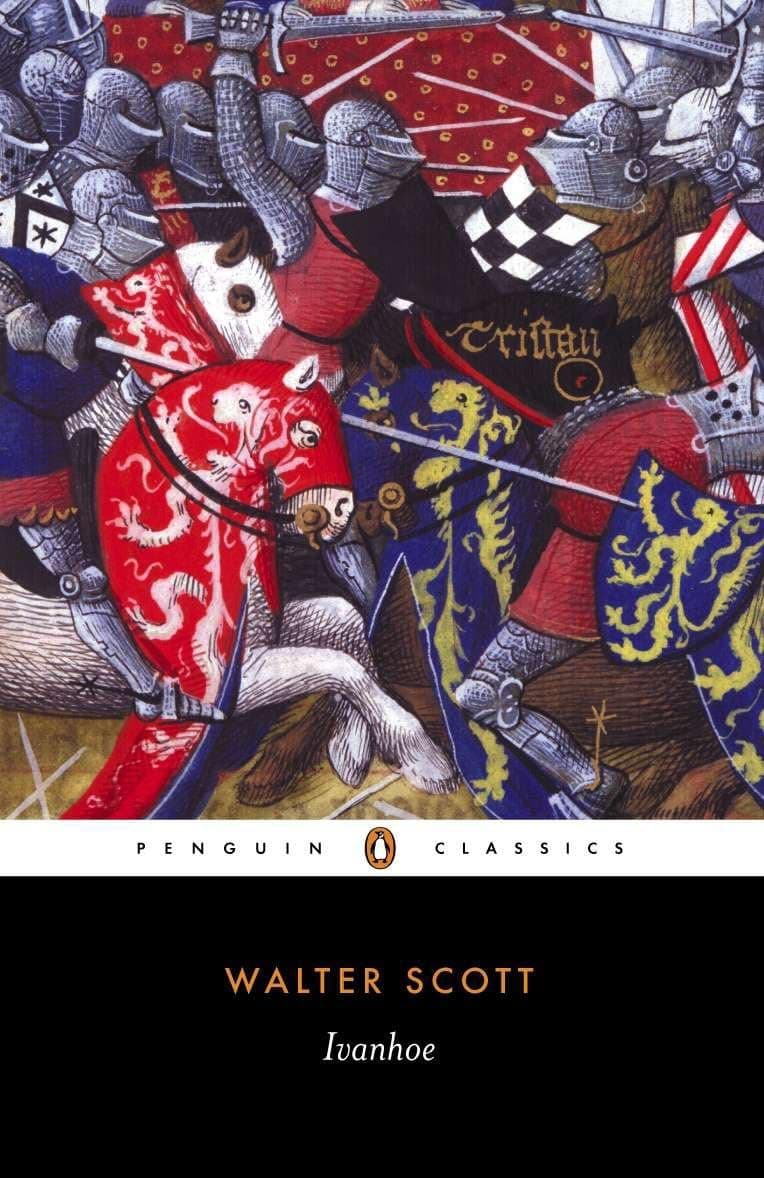
Scott built the Middle Ages everyone still pictures: tournaments, Norman lords over conquered Saxons, Robin Hood in the greenwood, and Rebecca, a Jewish healer tried for witchcraft, who takes the novel over.
Howard Roark would rather break rock in a quarry than compromise a design, and when his housing project is altered he dynamites it. American individualism has had no more seductive hero.
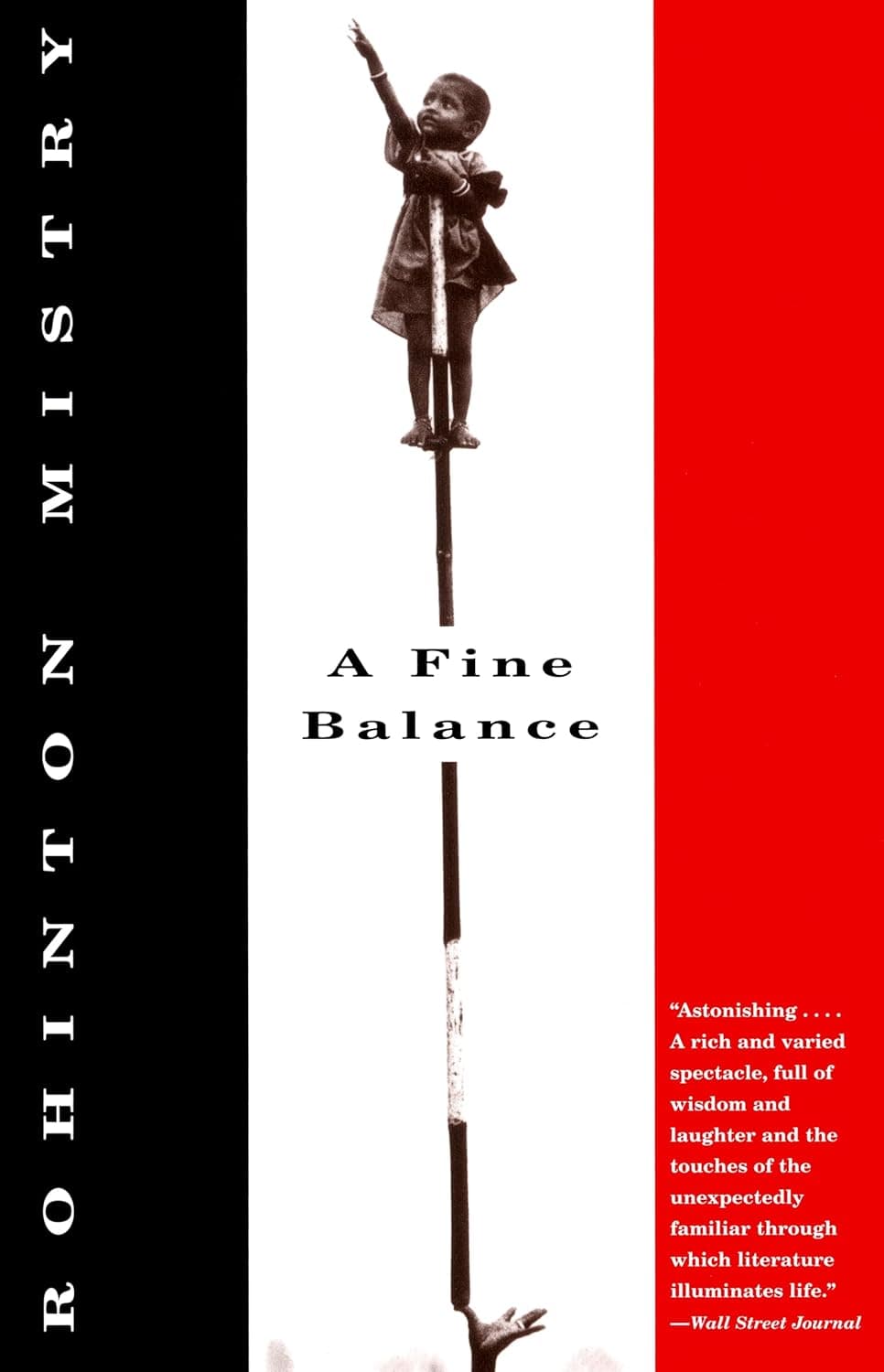
A widow takes in two tailors fleeing caste violence and a student, and under Indira Gandhi's Emergency the four become a family. Mistry lets you love them before the sterilization camps arrive.

The philanthropists of the title are house painters who give their labor away and defend the system that ruins them. Owen, the socialist, cuts up bread to demonstrate the money trick.

Theobald Pontifex beats piety into his son with perfect Christian conviction, and Ernest spends the novel working free of him. Butler handed the revolt against Victorian respectability its sharpest and funniest weapon.

Clara predicts the future and moves furniture without touching it, while three generations of her family reach from the era of the great estates to the 1973 coup that comes for them.

Kien spends the peace gathering the dead from the jungle that swallowed his battalion, and the war returns out of sequence. Bao Ninh enlisted at seventeen among five hundred, and ten came home.
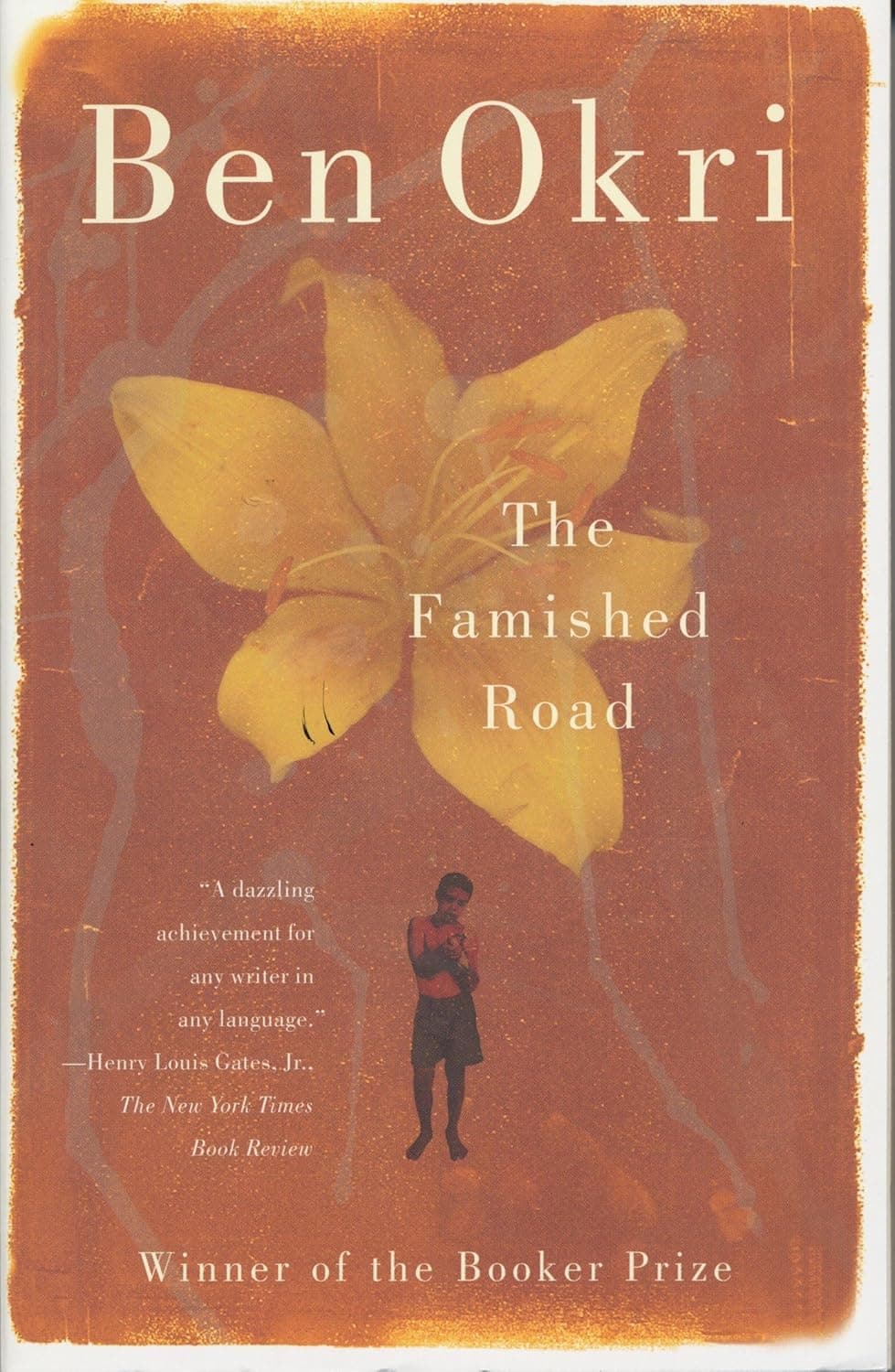
Azaro is an abiku, a spirit child who keeps refusing to die, and Okri sets him loose in a Nigerian slum where ghosts crowd the bar and political thugs hand out poisoned milk.
Full of Emerson, a Harvard student goes west and finances a buffalo hunt into a hidden Colorado valley. The killing lasts weeks, the winter shuts them in, and nature stops being a consolation.
Besieged by rebels in 1857 India, British colonials run out of shot and fire the head of a Shakespeare bust from a cannon. Farrell lets their faith in progress starve alongside them.

In the Brazilian backlands a wandering preacher gathers thousands of the destitute, and the young republic sends four armies to wipe them out. Vargas Llosa grants every fanatic in it his own reasoning.
Dick's most vertiginous novel. After a bomb on the Moon, Joe Chip's world rots and slides back toward 1939, and nobody can say who died. An aerosol called Ubik holds it off.

Three days at Gettysburg from inside the men commanding it: Shaara has Longstreet pleading with Lee not to send infantry across open ground, and Chamberlain, out of ammunition, ordering a bayonet charge downhill.

One driver stops at a traffic light and cannot see. Within days the city is blind and quarantined, and one woman who kept her sight watches how fast people stop being people.

Sebald follows four émigré lives quietly undone by the twentieth century, each coming apart decades after the danger had passed. Unlabeled photographs surface throughout the prose and you read them as evidence.
Born in Newgate prison, five times a wife, once to her own brother, Moll totals her thefts and marriages in pounds and shillings. English fiction had never let a woman talk this way.
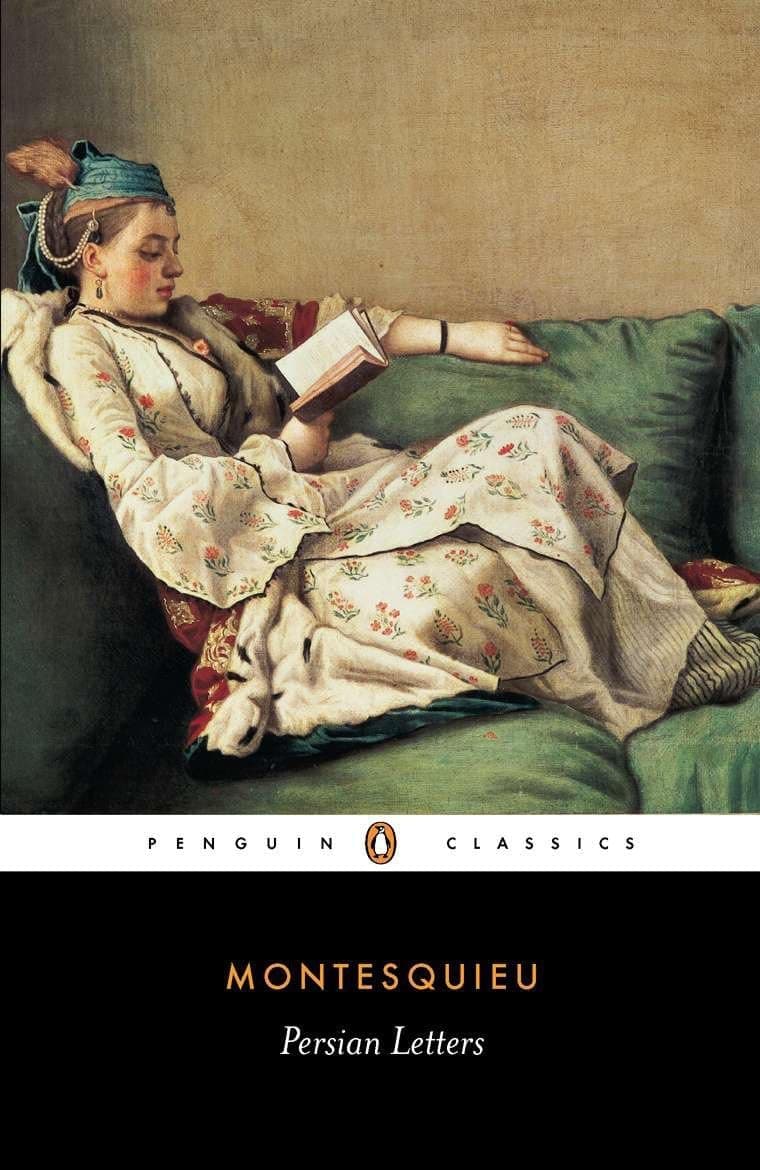
Two Persian travelers in Paris write home about a king who conjures money from paper and a pope who makes bread into flesh. In Isfahan, the harem one of them left is collapsing.
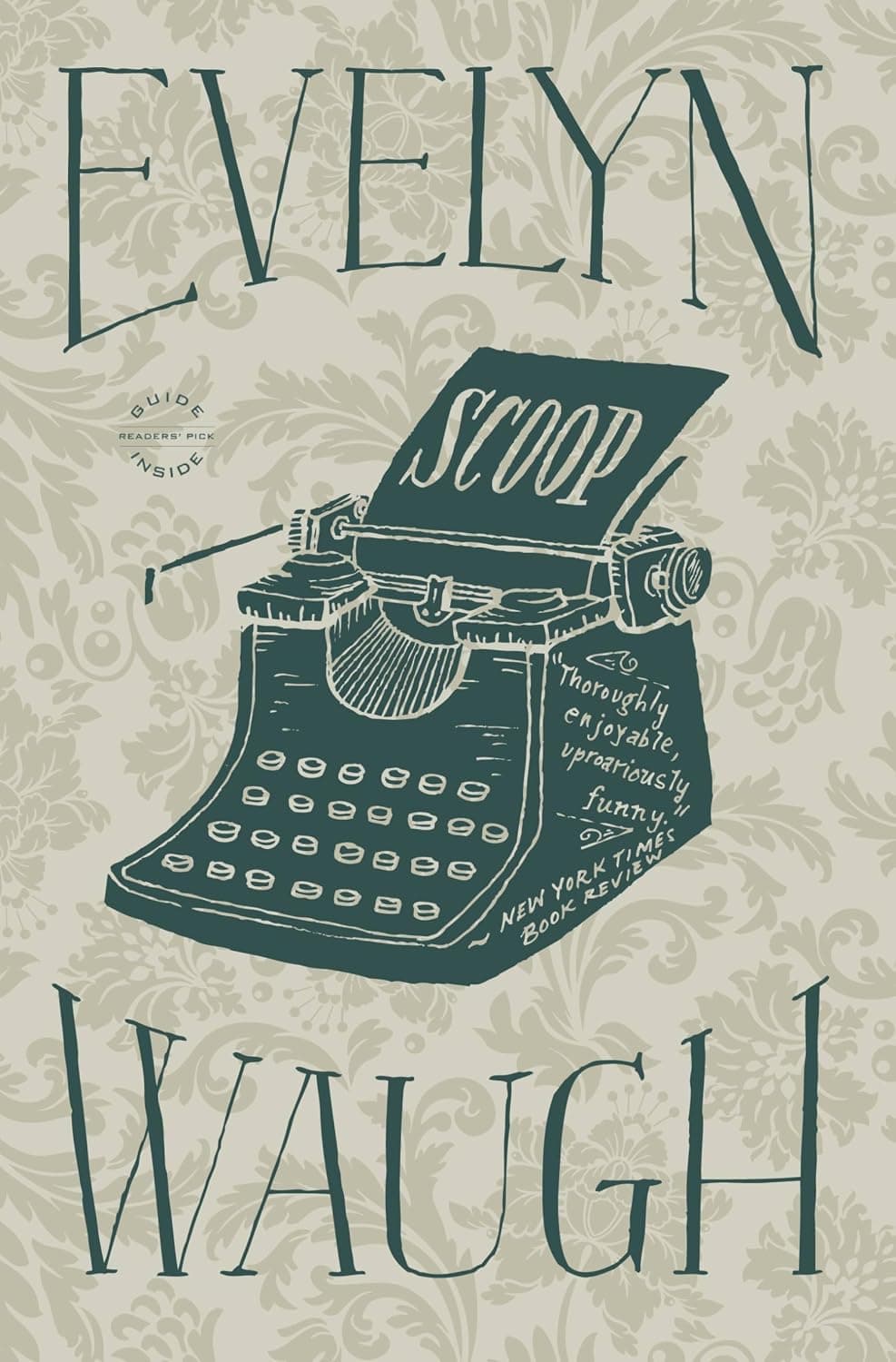
Mistaken for a famous novelist with the same surname, a nature columnist who writes about questing voles is shipped off to cover an African war. Reporters still quote Waugh's newsroom to each other.

Nnu Ego's value is measured in sons, and she spends herself raising them in colonial Lagos while her husband launders clothes for an English family. Emecheta counts every cost the title conceals.
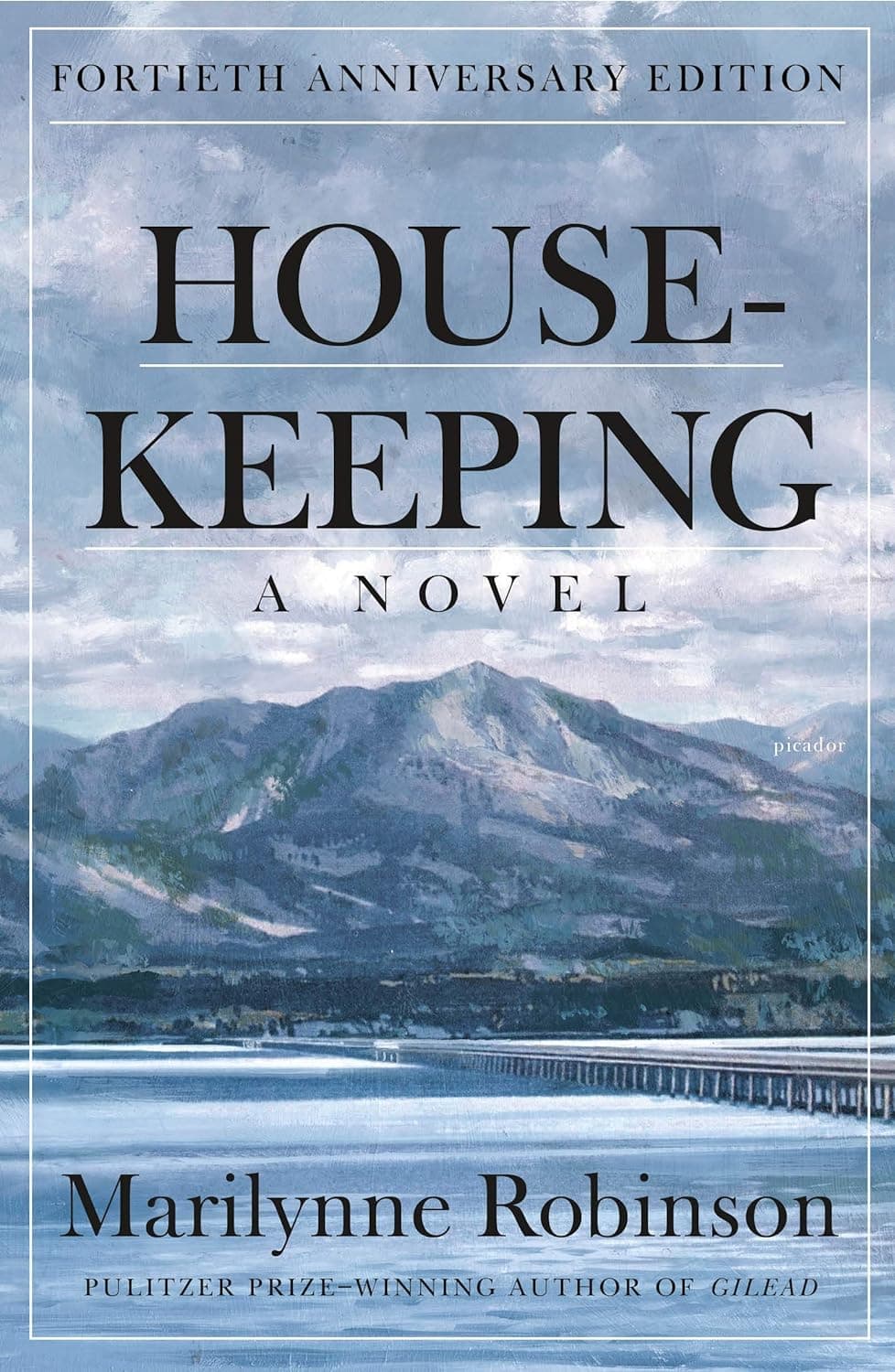
Two sisters in an Idaho lake town are raised by a drifter aunt who leaves the doors open and lets leaves blow through the house. Robinson makes transience a form of faith.

Ray Smith takes up Zen and mountaineering under Japhy Ryder, drawn from the poet Gary Snyder, who foresees a rucksack revolution. Young Americans read it and went to the mountains by the thousand.
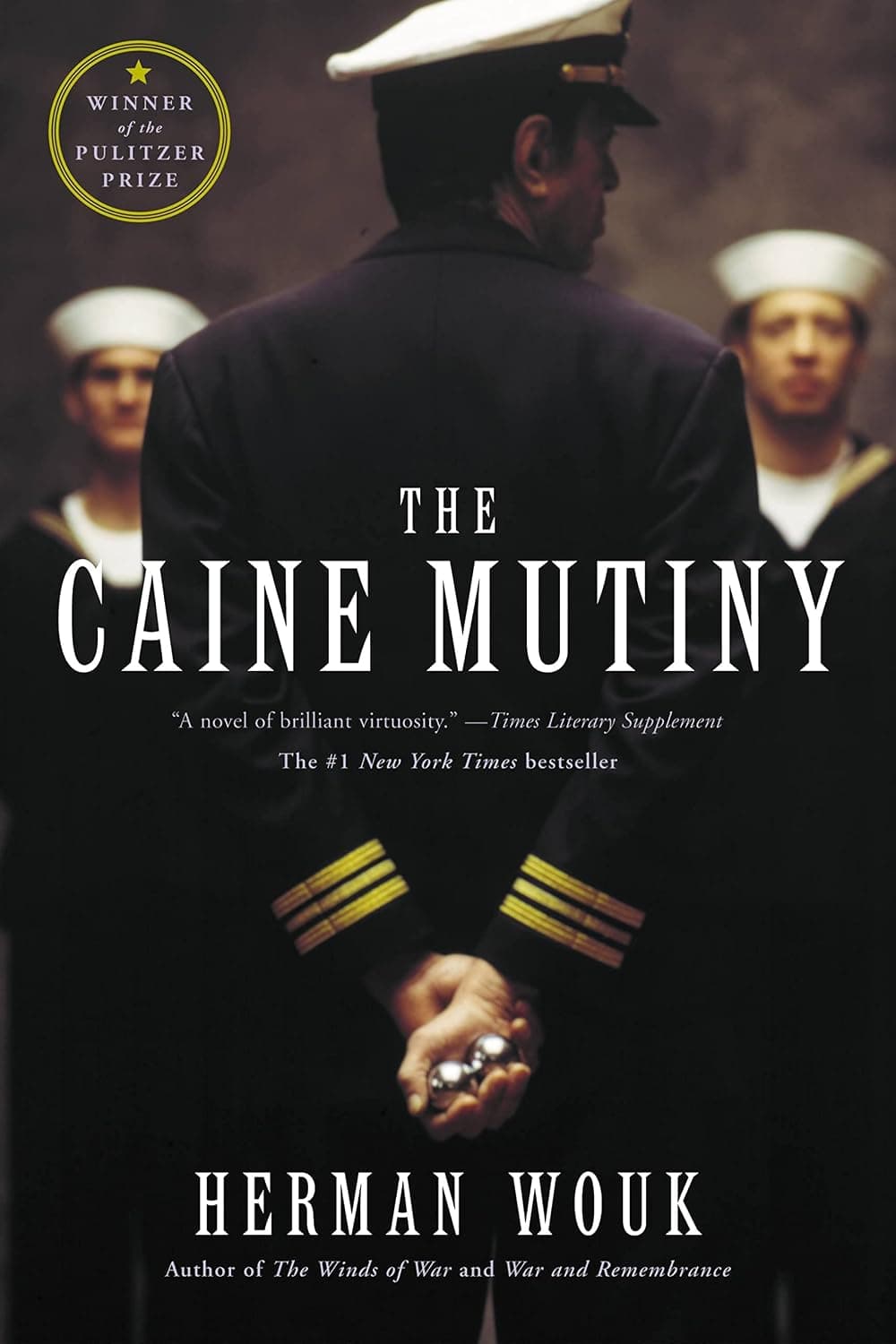
Missing strawberries send Captain Queeg hunting a duplicate key through his own ship, and in a typhoon his executive officer takes command. Wouk's trial asks what a crew owes a failing captain.

Louis, a rich dying lawyer, fills a long letter to his wife with decades of hatred and the fortune he means to withhold from his children. Mauriac tracks the moment the hardness breaks.
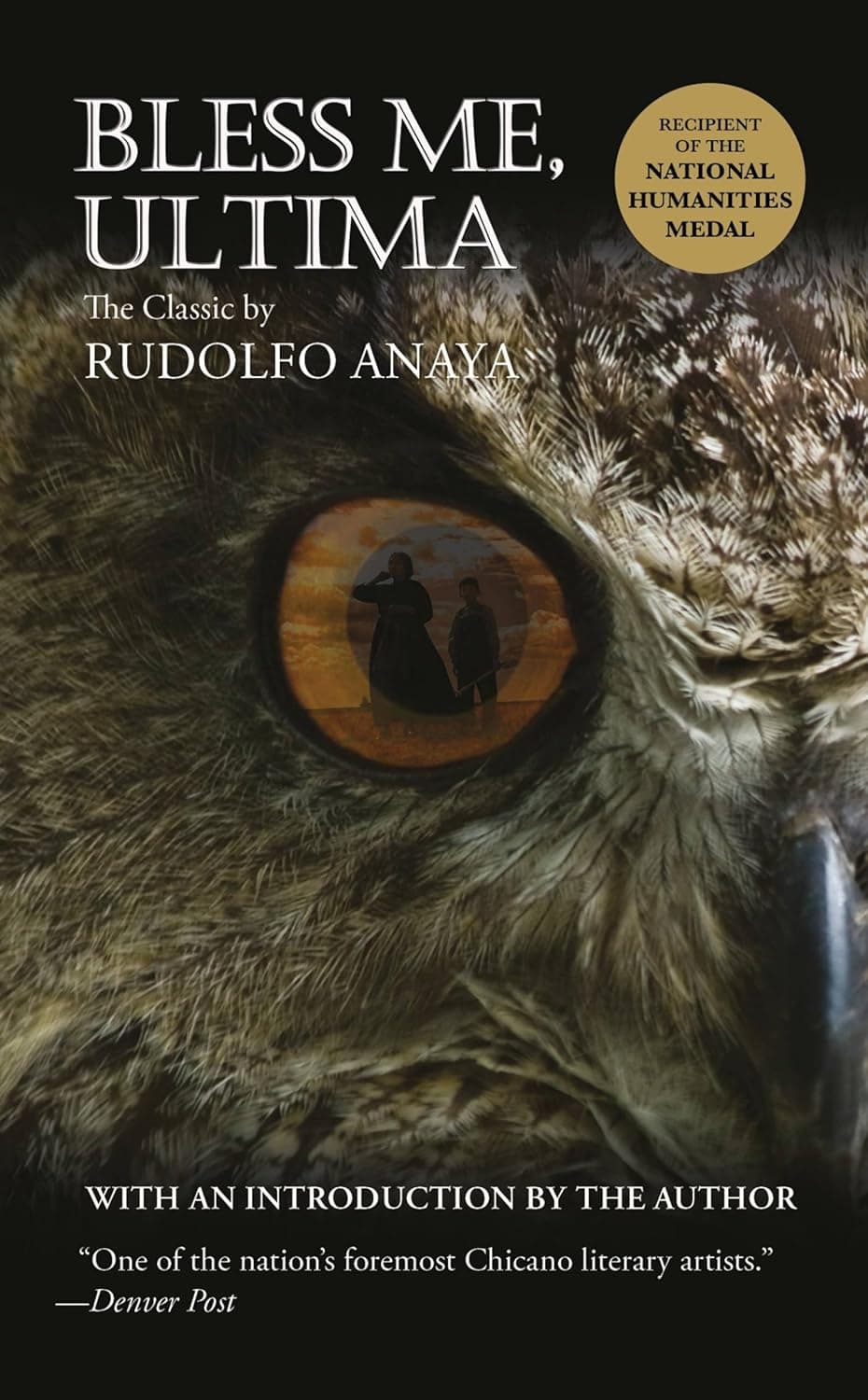
Ultima, a folk healer, joins Antonio's family in wartime New Mexico, and the boy is pulled between his mother's church and his father's plains. Schools have taught it and banned it ever since.

Cleared of poisoning her husband because her family closes ranks, Therese rides home through the pine forests of the Landes trying to explain herself. Mauriac makes provincial Catholic marriage feel like slow suffocation.
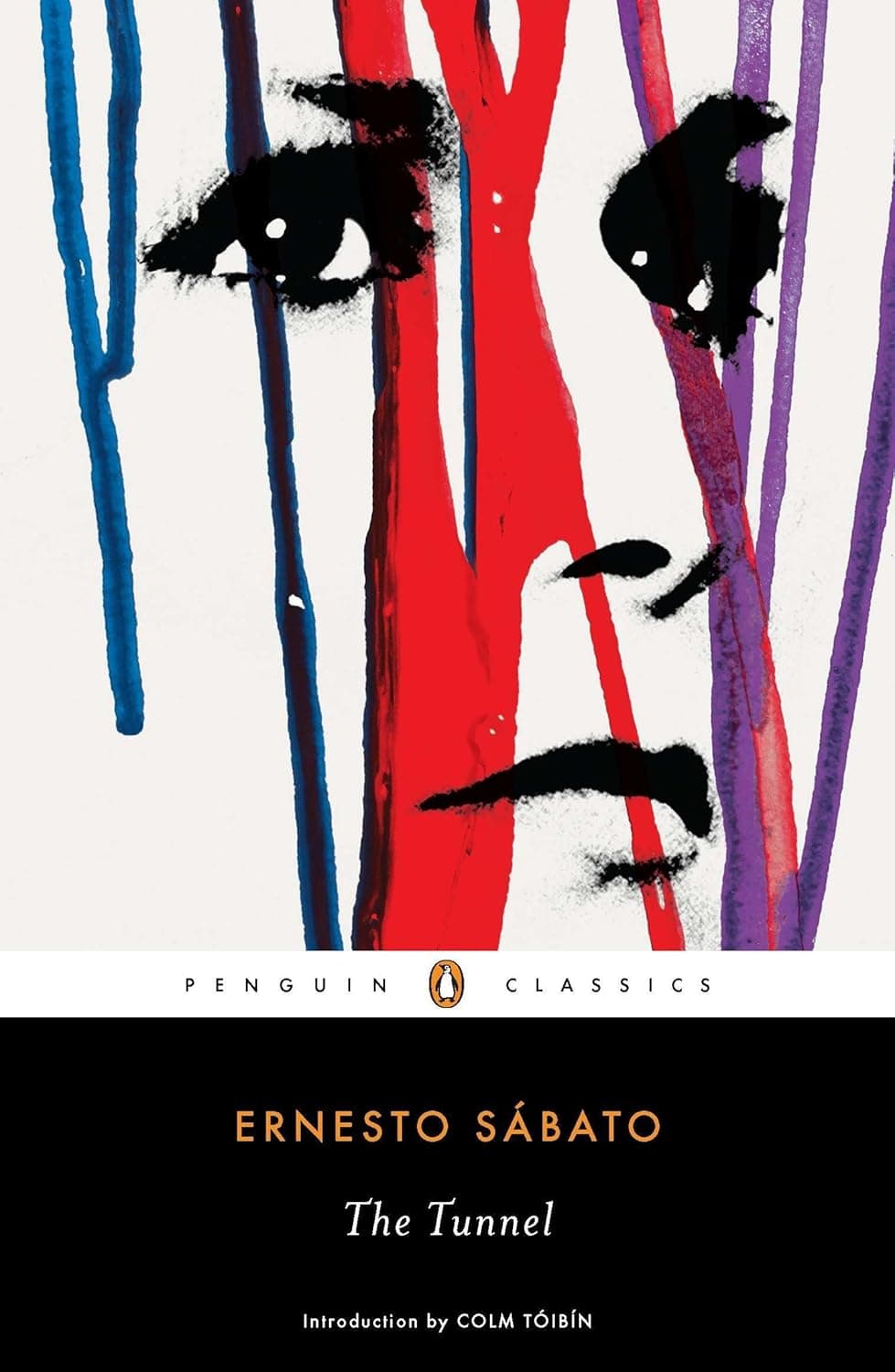
Writing from a prison cell, the painter Juan Pablo Castel explains why he killed the woman who understood his work. Sabato follows a jealous mind step by step until its logic feels ordinary.
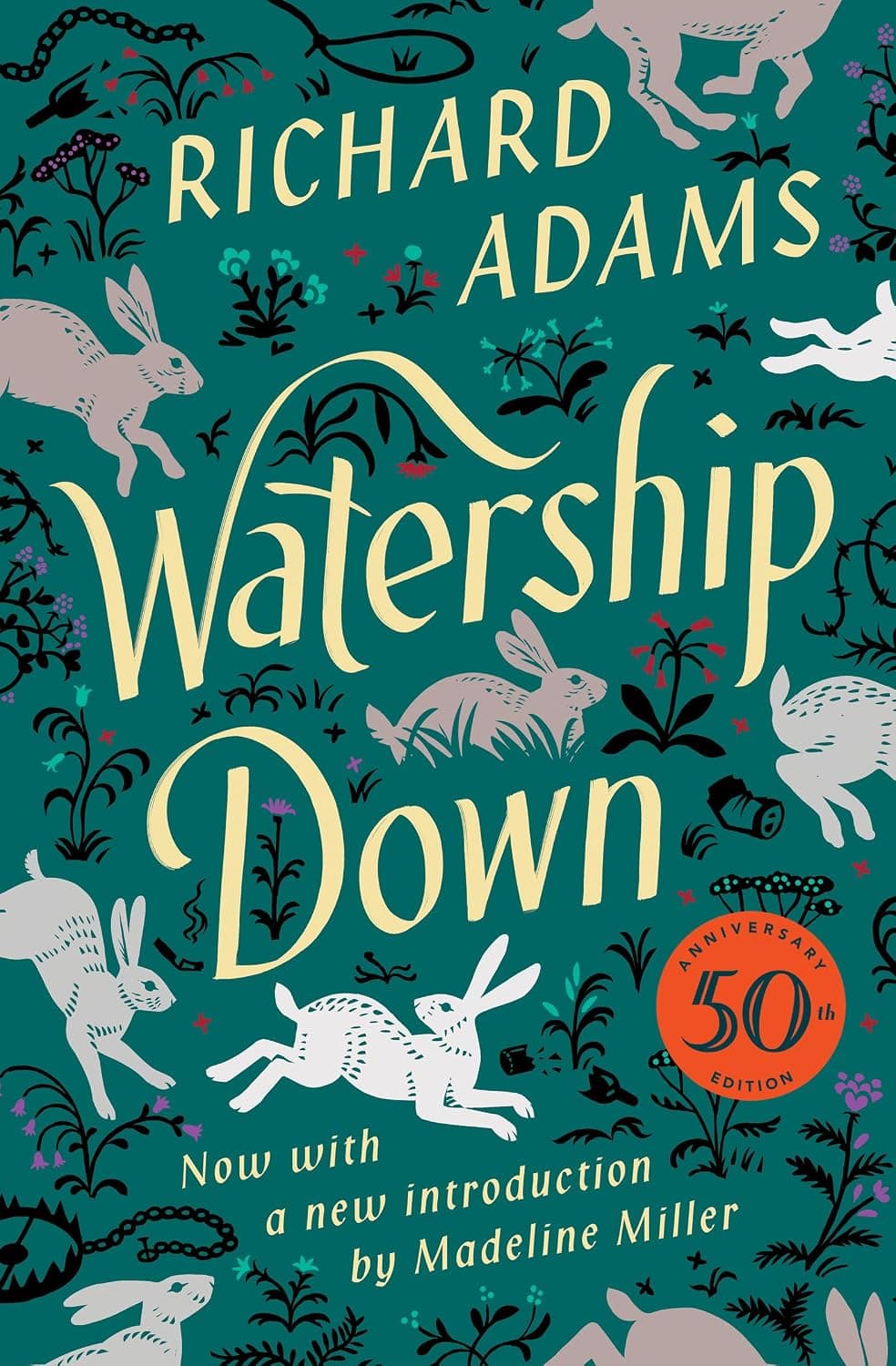
Fiver the rabbit senses blood covering the field, and others follow him out before the bulldozers come. Adams gives them their own language and mythology, then sets them against a rabbit police state.
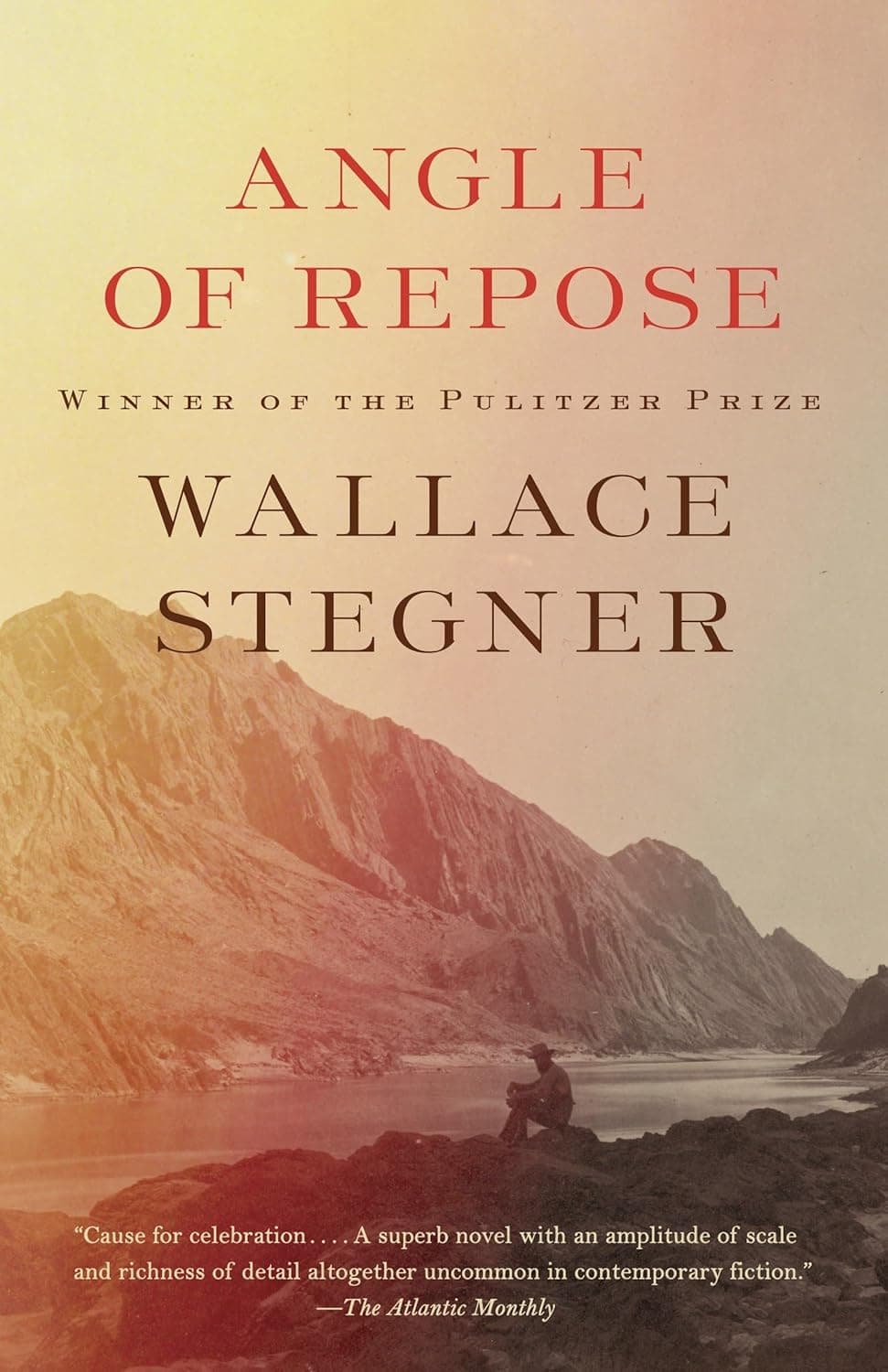
From his wheelchair a historian rebuilds his grandmother's life from her letters: a New York illustrator who followed a mining engineer west. Stegner's Pulitzer novel holds a region in one marriage.

In an Egyptian prison a woman awaiting execution tells a psychiatrist her life: genital mutilation, forced marriage, prostitution, and the man she killed. El Saadawi drew it from a real condemned prisoner.

Widowed after thirty years, a Senegalese teacher writes to her closest friend about the husband who took her daughter's teenage friend as a second wife. It won the first Noma Award.

Four women who fled China met over mahjong in San Francisco, and when one dies her daughter takes the empty seat. Tan's sixteen interlocking stories carry the mothers' buried lives across.

Carol Milford marries a doctor and moves to Gopher Prairie, Minnesota, determined to civilize it. The town wins, and Lewis made Main Street a byword for everything narrow and self-satisfied in American life.
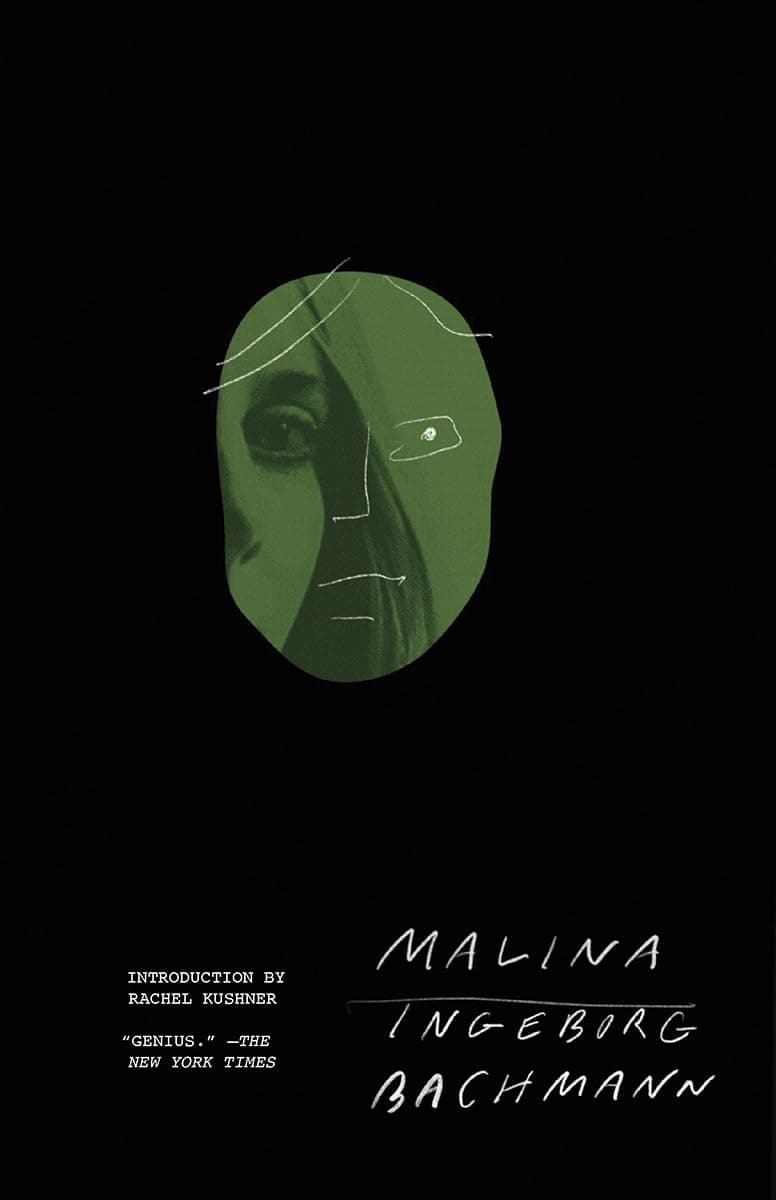
In a Vienna apartment a woman without a name loves Ivan and lives with Malina, and her interior life comes apart. Bachmann writes private ruin and Austria's buried fascism as the same catastrophe.

In a decaying Old Delhi house, two sisters reopen everything the family did to each other in 1947, the year of Partition. Desai makes still summer afternoons unbearable.
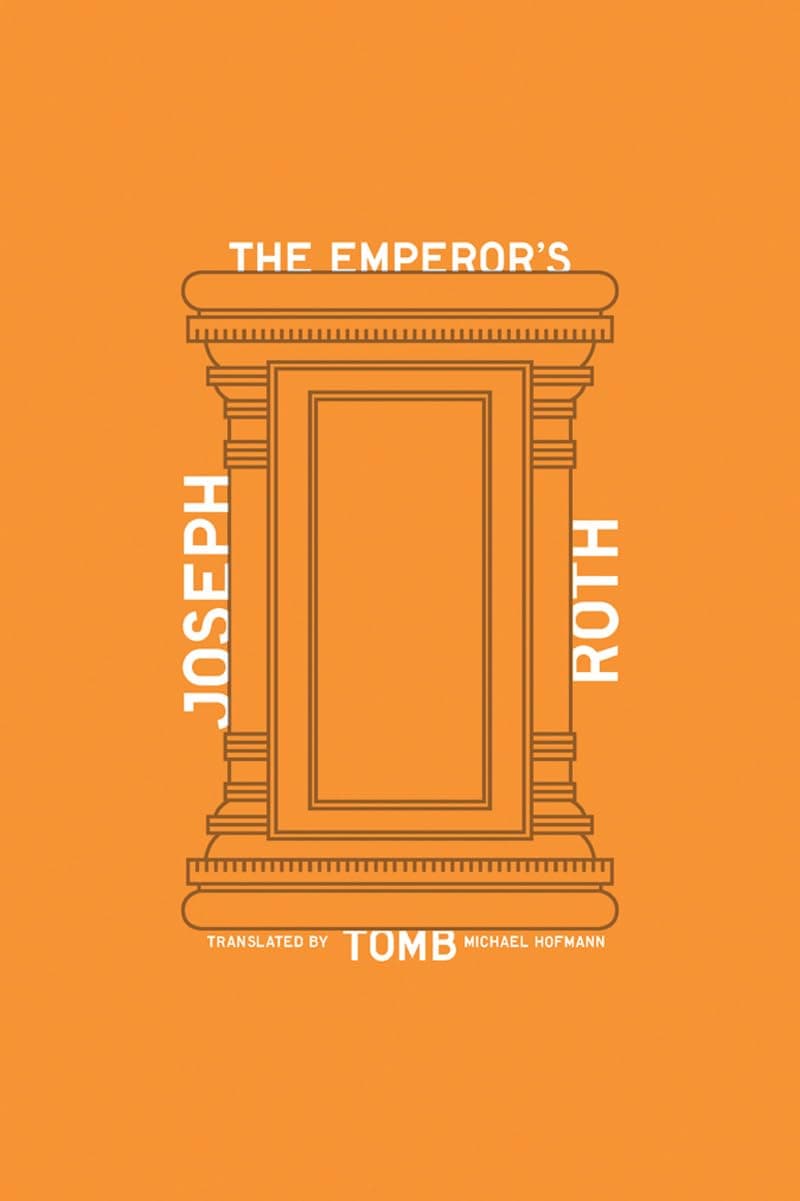
Franz Ferdinand Trotta drinks through the last spring of peace, then loses the war, his money and his wife. On the night Hitler annexes Austria he walks to the emperors' crypt.
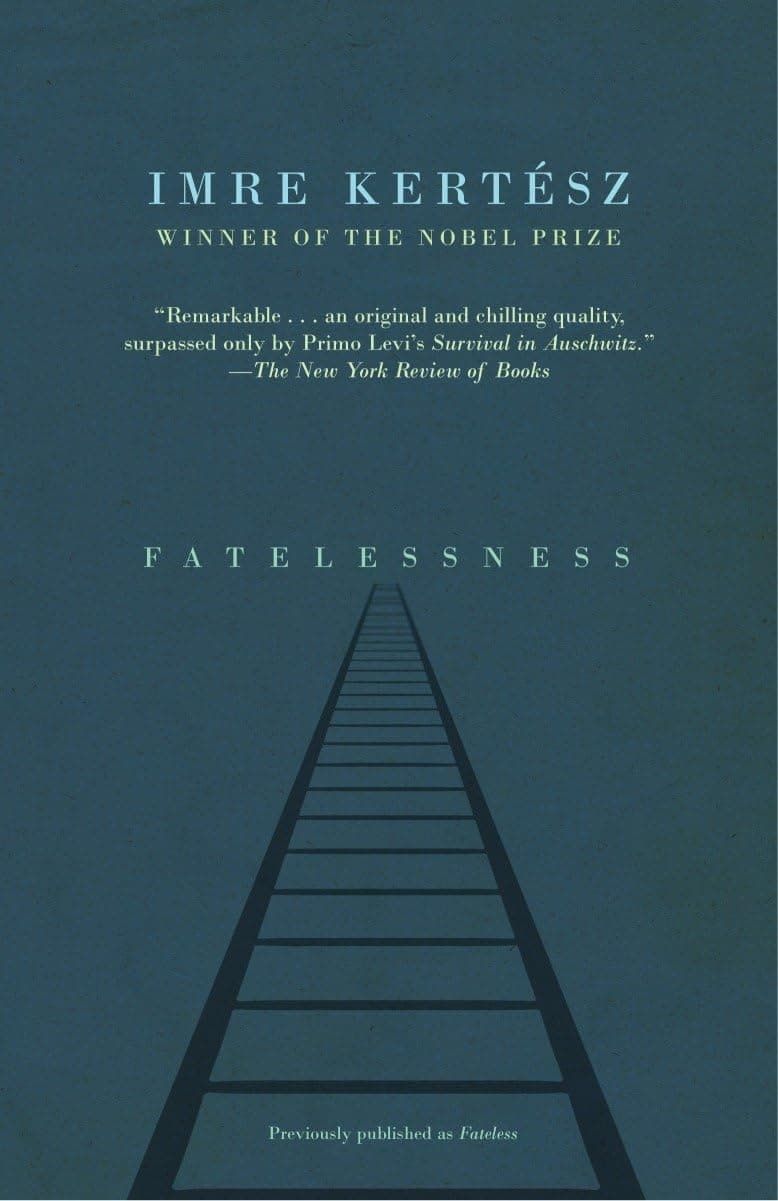
György Köves is fourteen when he is taken from Budapest to Auschwitz, and he reports each stage as it arrives, without hindsight. Back home he tries to explain the camps' happiness.
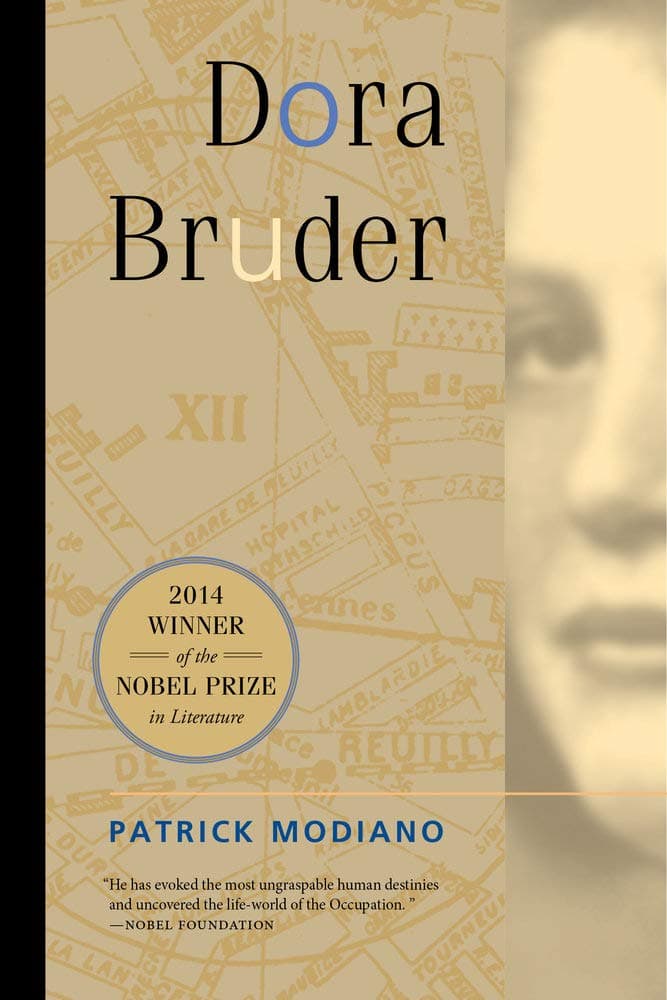
A missing-person notice from December 1941 sends Modiano into Paris archives after Dora Bruder, a Jewish fifteen-year-old who fled her convent school. He recovers her addresses and the date she was deported.
Alexander Portnoy lies on his analyst's couch and confesses everything: a Jewish son's rage at his mother and an appetite he cannot govern. Four hundred thousand copies sold in the first year.
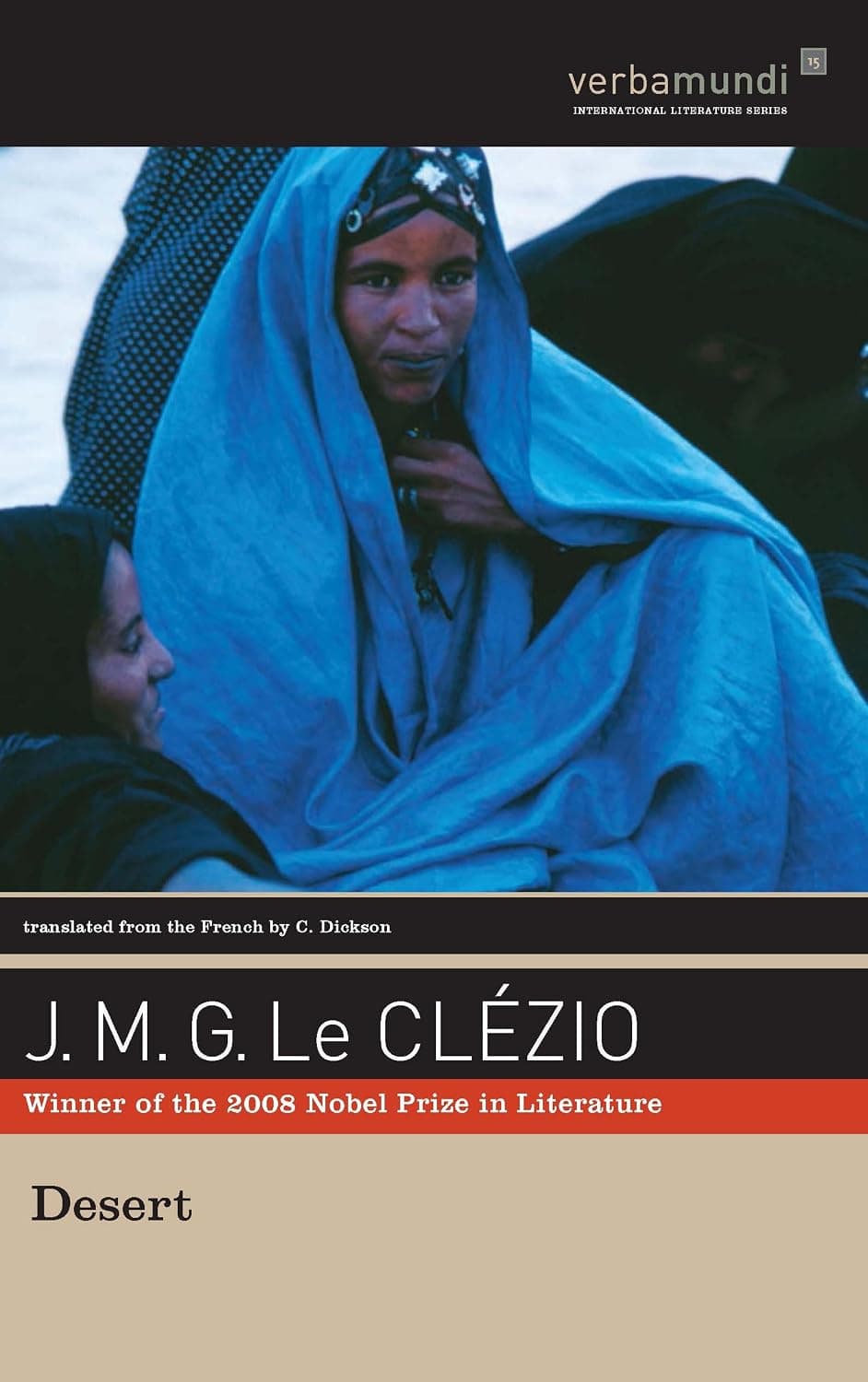
Two journeys decades apart: a boy walking north with the blue-veiled nomads driven from the Sahara by French troops, and a girl of their blood who leaves a Moroccan shantytown for Marseille.
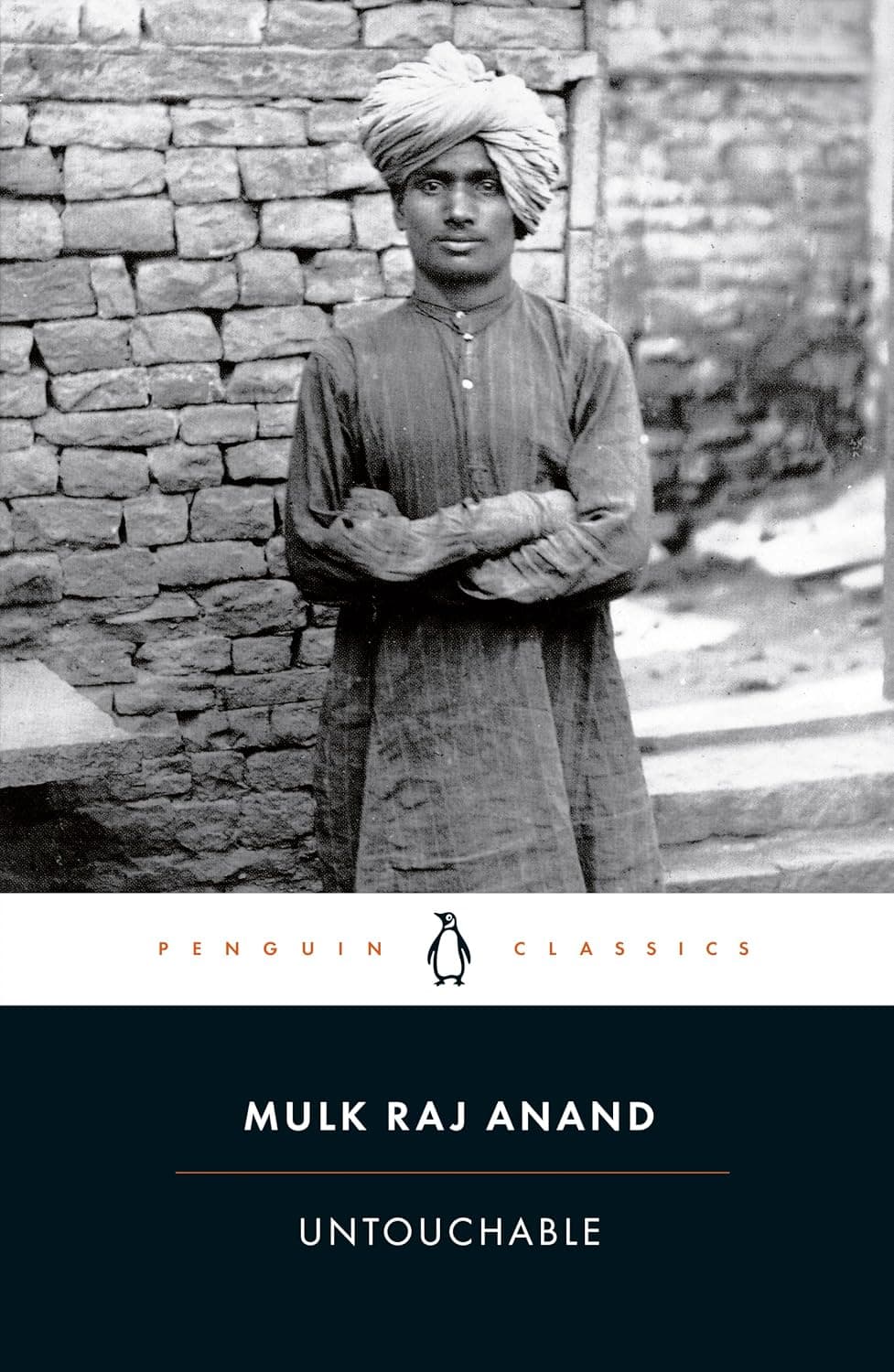
One day in the life of Bakha, who cleans latrines in a small Indian town and is slapped for brushing against a high-caste man. Anand renders caste from its lowest rung.
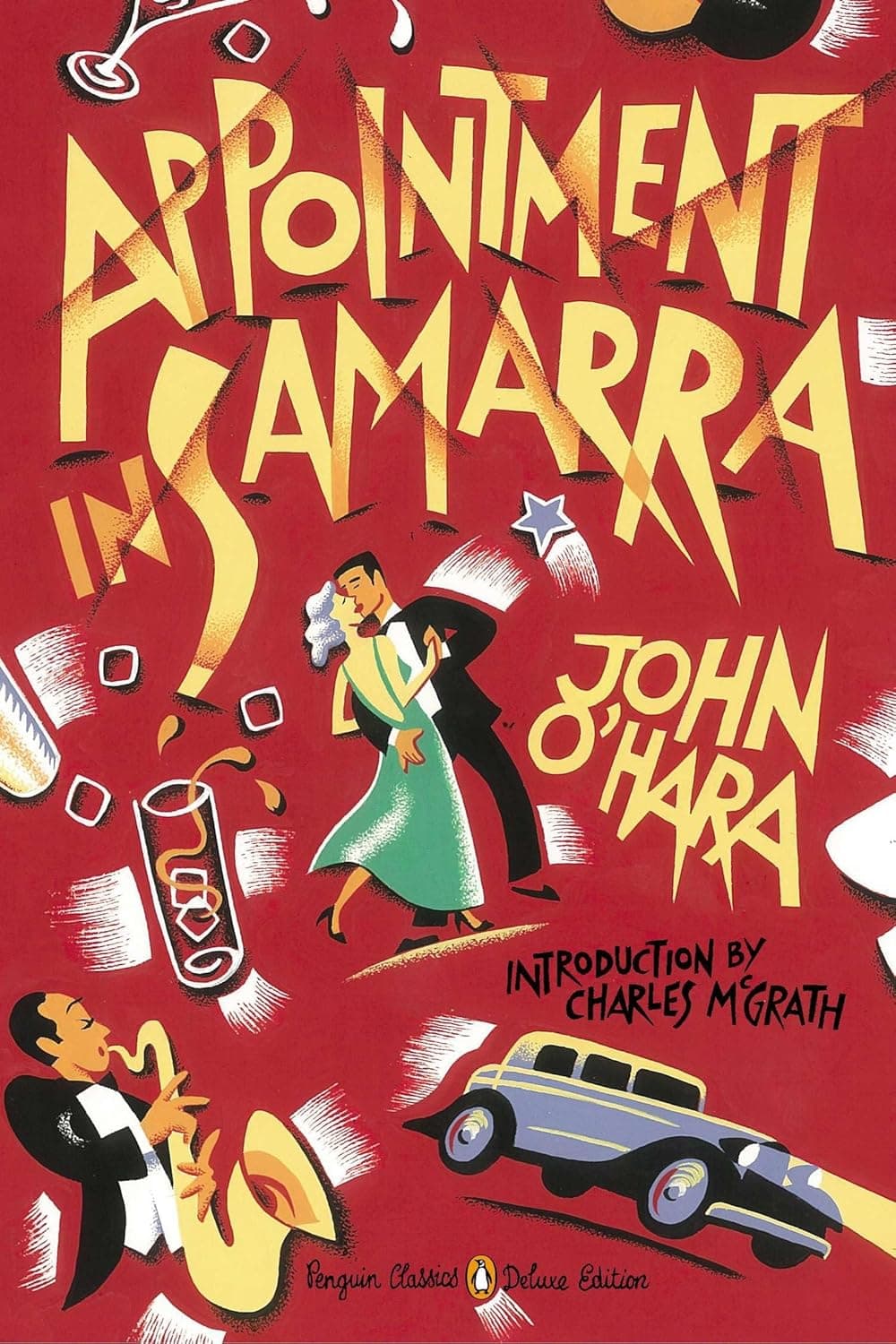
At a country club on Christmas Eve, a Pennsylvania Cadillac dealer throws a drink in the wrong man's face. O'Hara tracks the next three days with pitiless attention to who outranks whom.
Five villages belong to Abdi Agha. The boy Memed runs, is dragged back, kills, and takes to the mountains, where Kemal turns a peasant's revolt into an epic of Turkey's Çukurova plain.
Arturo Bandini starves in a Bunker Hill hotel in Depression Los Angeles, wanting to be a great writer and loving a Mexican waitress he cannot stop insulting. Bukowski called Fante his god.

Powell's twelve novels follow one English generation from a boarding school in 1921 into the 1970s. These first three introduce the narrator Nick Jenkins and Widmerpool, the ridiculous boy whose rise never stops.

Carpentier's preface named the marvelous real: Latin American history already outruns anything the surrealists could invent. He proves it across the Haitian Revolution, watched from below by an enslaved man named Ti Noel.

Shinji fishes off a Japanese island and loves Hatsue, the pearl diver whose father owns the boats. Mishima set the Greek romance Daphnis and Chloe in postwar Japan and left the darkness out.

The first novel any Black Zimbabwean woman published in English opens with a girl not sorry her brother died: his death frees her for the mission school, where education costs her cousin everything.
Xiangzi pulls a rented rickshaw through 1920s Beijing and wants a cart of his own. Soldiers seize the first he buys, a policeman takes his savings, and Lao She grinds him to nothing.

Sally Bowles, the English cabaret singer who became the heart of Cabaret, sings badly in a Berlin nightclub while Isherwood's narrator calls himself a camera, shutter open, recording the city's slide into Nazism.

Shen Congwen's river country: an old ferryman and his granddaughter work a crossing in west Hunan while two brothers from the richest family court her, one singing across the water at night.
Giovanni Drogo rides out to a frontier fortress and gives it his life, scanning an empty desert for the enemy who would justify it. Buzzati turned postponement into a form of terror.

Chieko, a foundling raised by a Kyoto kimono merchant, meets the twin sister who logs cedar in the mountains. Kawabata carries them through a year of festivals in a city losing its crafts.
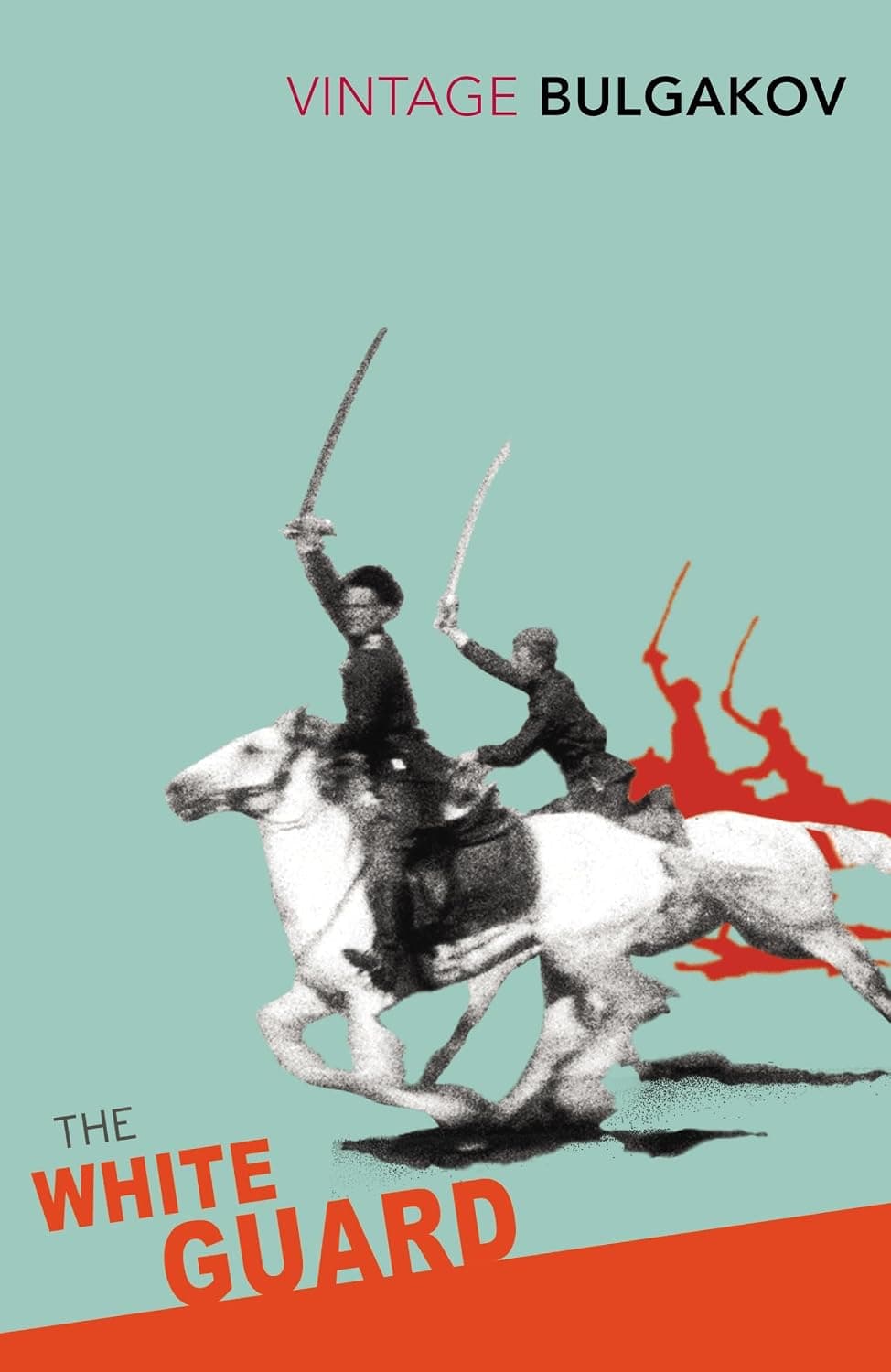
Kyiv, winter 1918: three Turbin siblings hold their apartment while the government falls and Ukrainian nationalists seize the city. Bulgakov's doomed White officers so charmed Stalin he saw the stage version fifteen times.

Esther Greenwood wins a month at a New York fashion magazine and comes home unable to want anything. Plath writes breakdown from the inside, down to the fig tree of futures rotting unchosen.
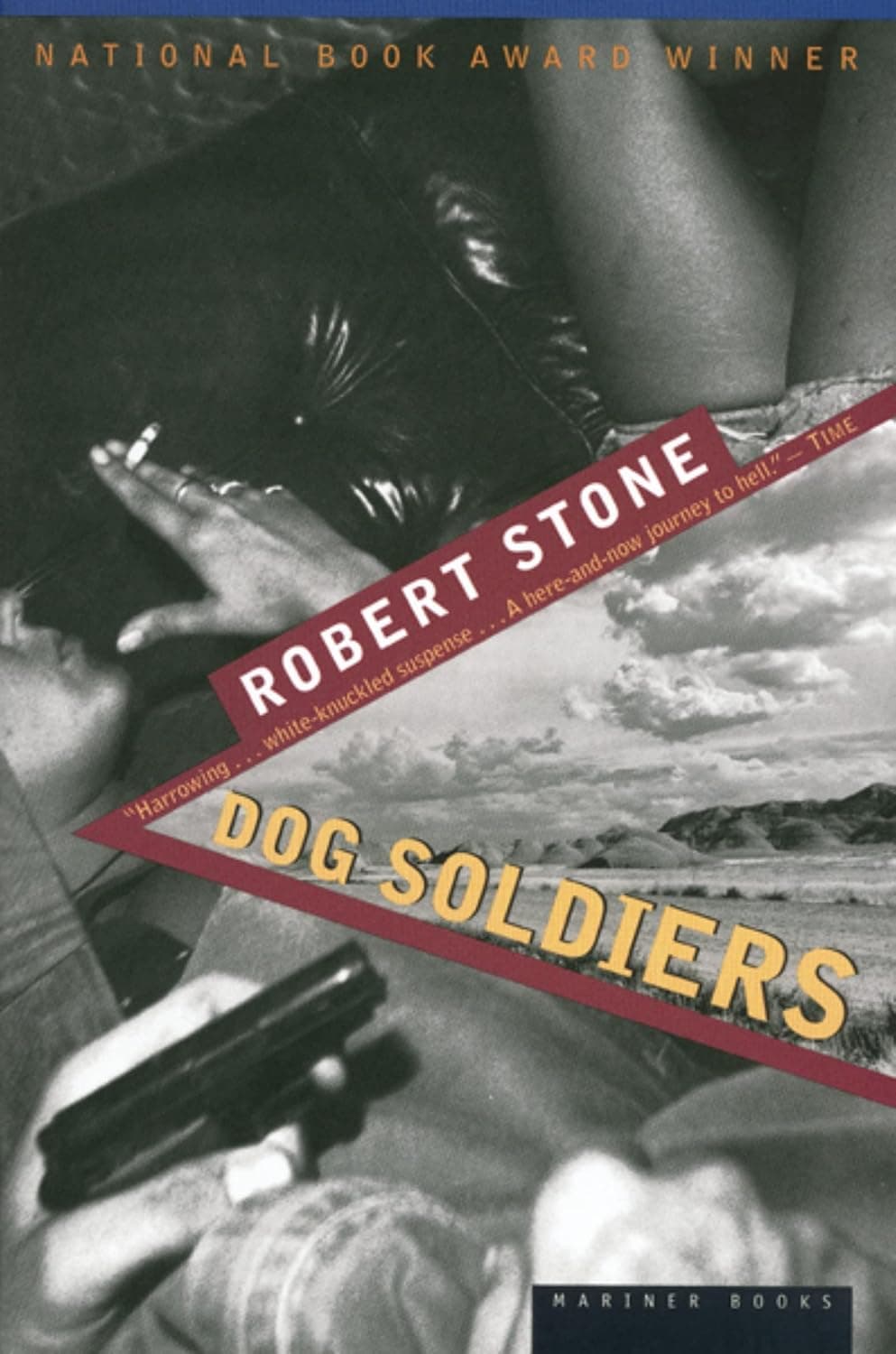
Vietnam comes home in a suitcase. A correspondent buys heroin in Saigon and ships it to his wife in California, where the deal collapses into a chase through a country the war broke.

Joji, a Tokyo engineer, takes home a fifteen-year-old cafe waitress to raise into a Western-style wife, and she ruins him instead. Naomi became the emblem of Japan's modern girl and scandalized older readers.
In a failing Brooklyn grocery, the drifter who helped rob the place returns to work for the Jewish owner without pay. Malamud turned that store into the moral center of Jewish American fiction.

The tabloid Bild-Zeitung had branded Böll a terrorist sympathizer, so he answered with this: a quiet housekeeper spends one night with a wanted man and the papers take her honor apart.

Two friends split the world between them: Narcissus stays in the monastery with logic and God, and Goldmund walks out into women, wandering, and the Black Death, then carves it all in wood.

Knoxville, 1915: a man is called out at night to his sick father and killed on the road home. Agee follows the six-year-old son through the days after, in prose of unbearable precision.
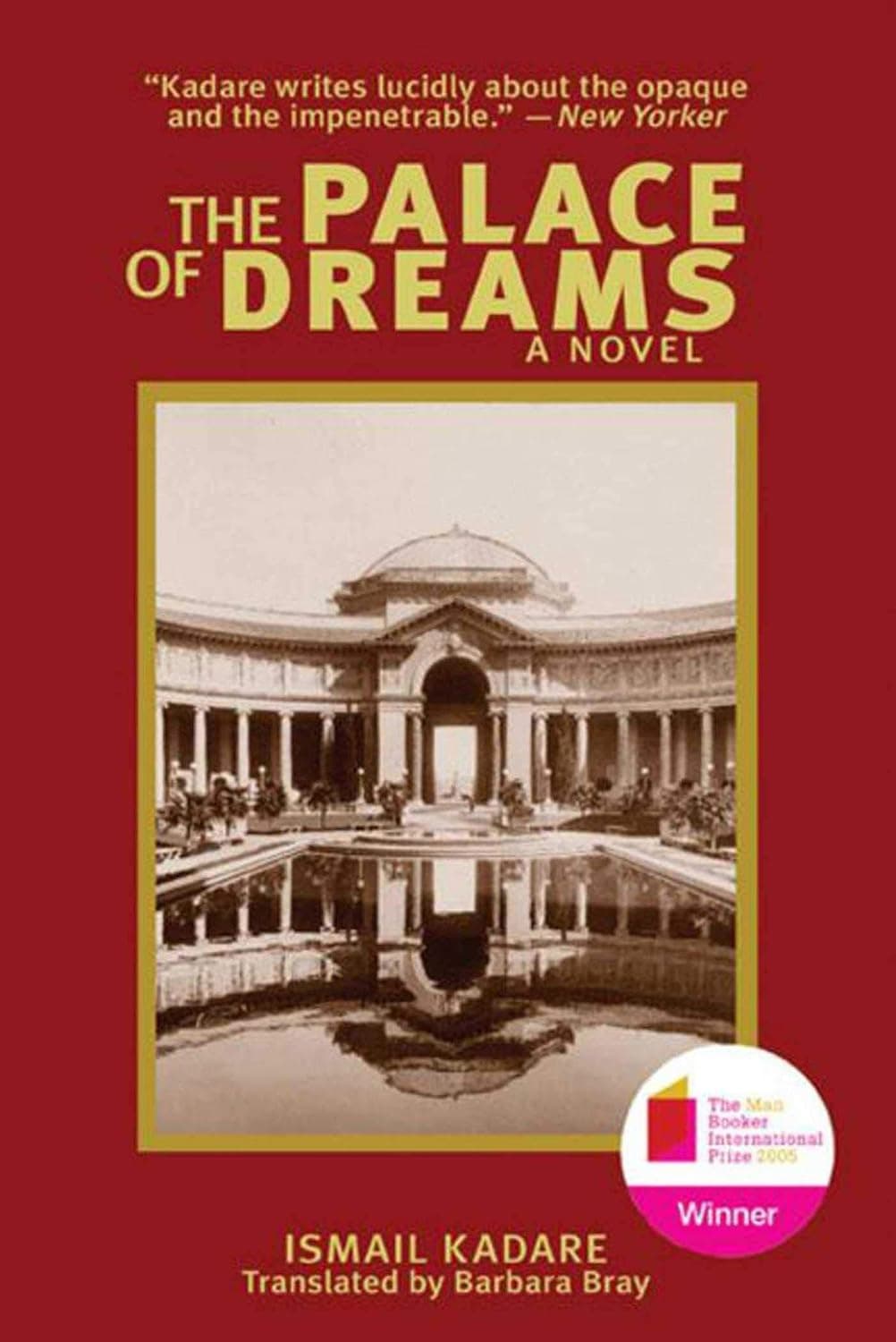
Clerks in an Ottoman ministry collect the dreams of every subject and sift them for the one that foretells the empire's fate. Albania's dictatorship banned it within months, after twenty thousand copies sold.
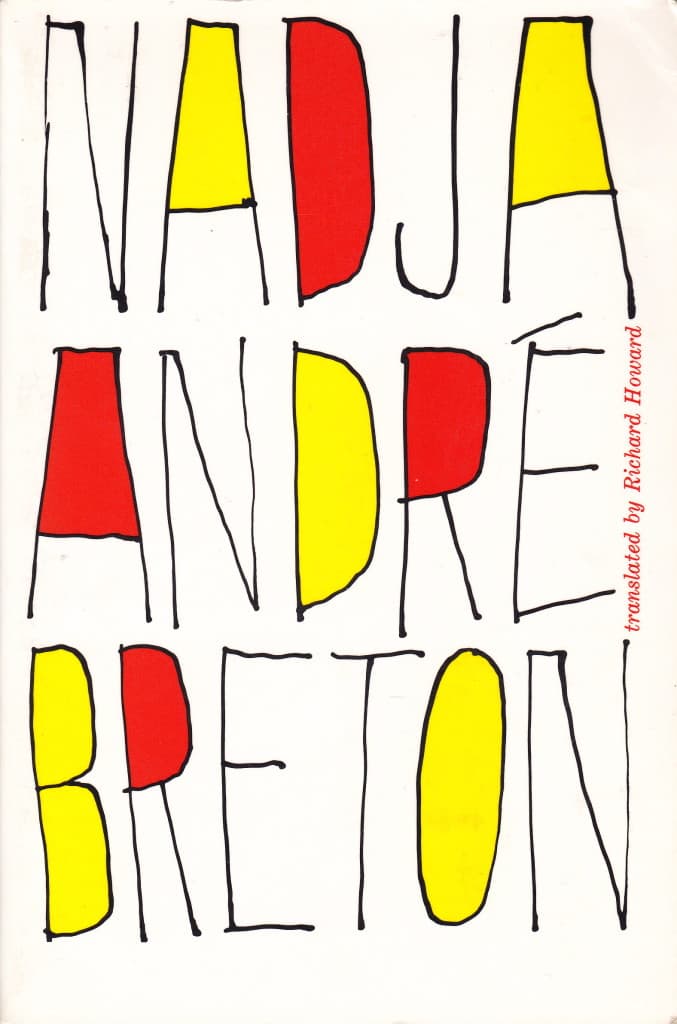
Walking Paris in 1926, Breton meets a woman who calls herself Nadja and lives entirely by chance. Photographs of the real streets interrupt the account, and surrealism never came closer to a novel.
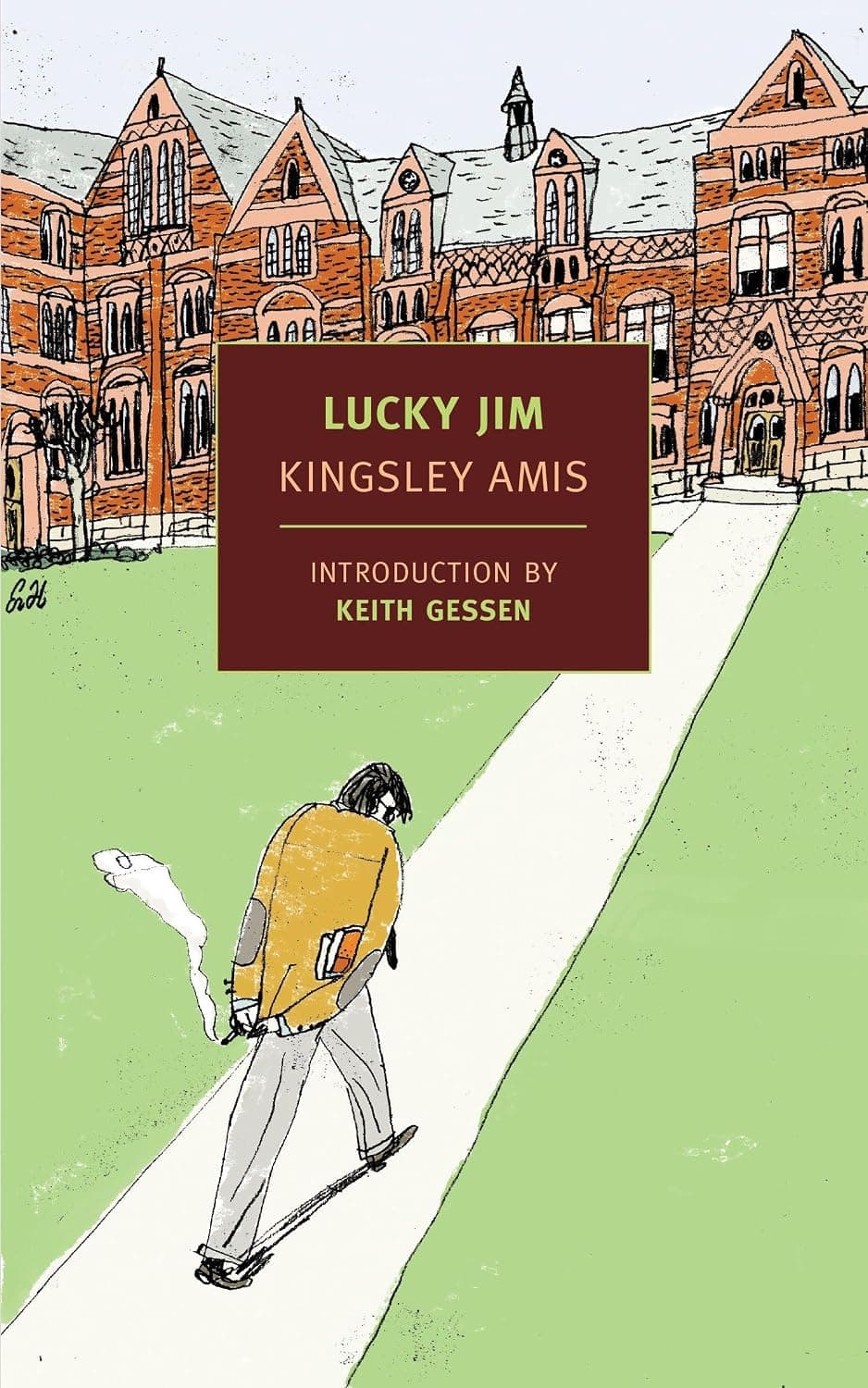
Jim Dixon loathes lecturing in medieval history, his professor's madrigal weekends, and the colleague trapping him with fake suicide threats. His drunken Merrie England lecture is the great set piece of English comedy.

Earth is demolished to make way for a hyperspace bypass and Arthur Dent escapes in his bathrobe. It sold 250,000 copies in three months and put 42 into everyday speech.

Bertie Wooster is ordered to steal a silver cow-shaped cream jug, and, armed by Jeeves with one humiliating fact, tells an aspiring English dictator he is a frightful ass in black shorts.

Sent to Italy to fetch a shipping magnate's son, Tom Ripley falls for the life instead, murders his friend, and wears his name. Highsmith makes you want him to get away with it.
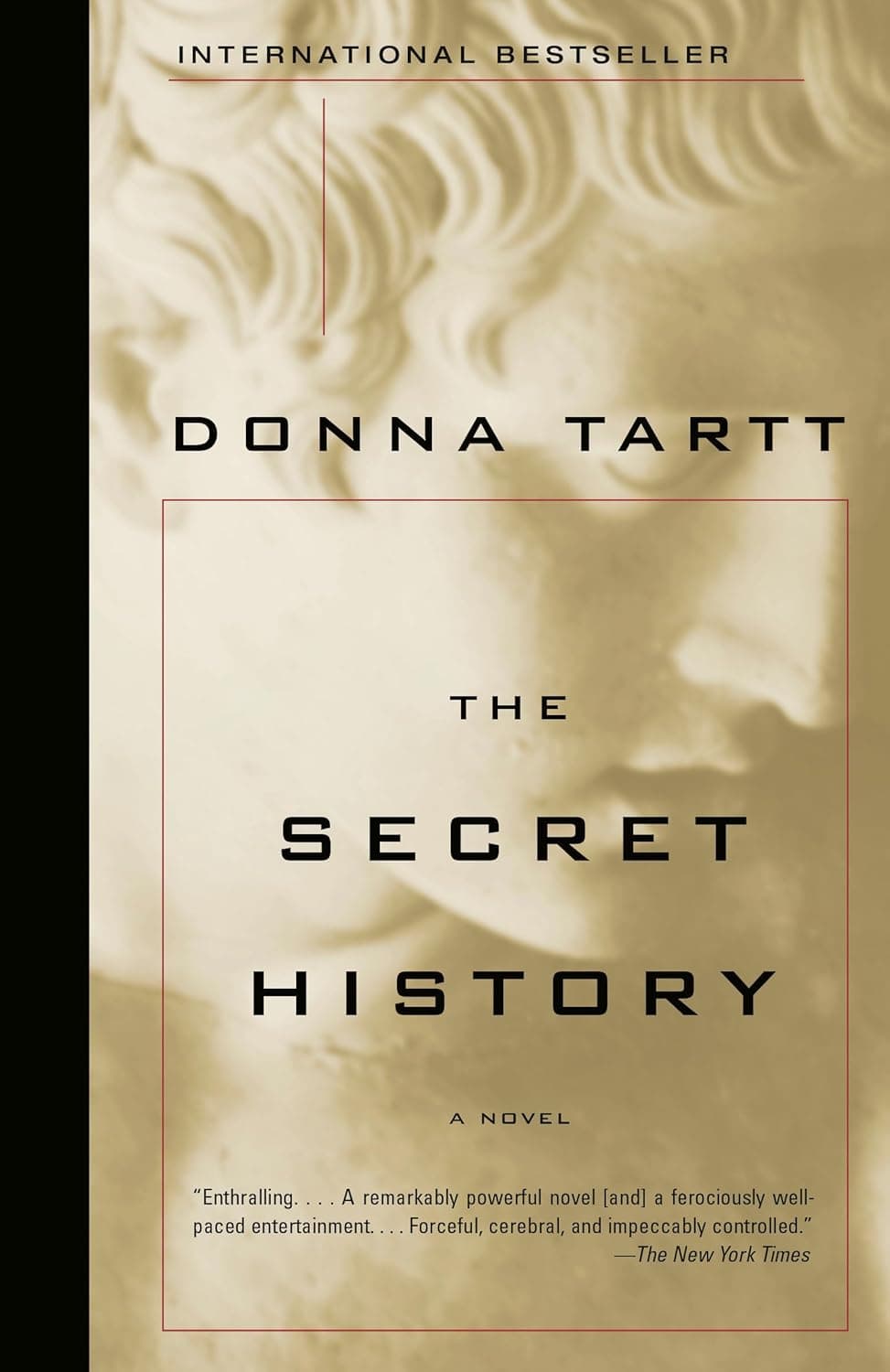
At a Vermont college a transfer student joins five classics majors and their charismatic tutor, then learns their rite to Dionysus left a farmer dead. Dark academia has been rewriting it since.

A woman returns from her honeymoon, goes to the bathroom, and shoots herself while the family eats lunch. Marías gives the story to her nephew, an interpreter afraid to know.
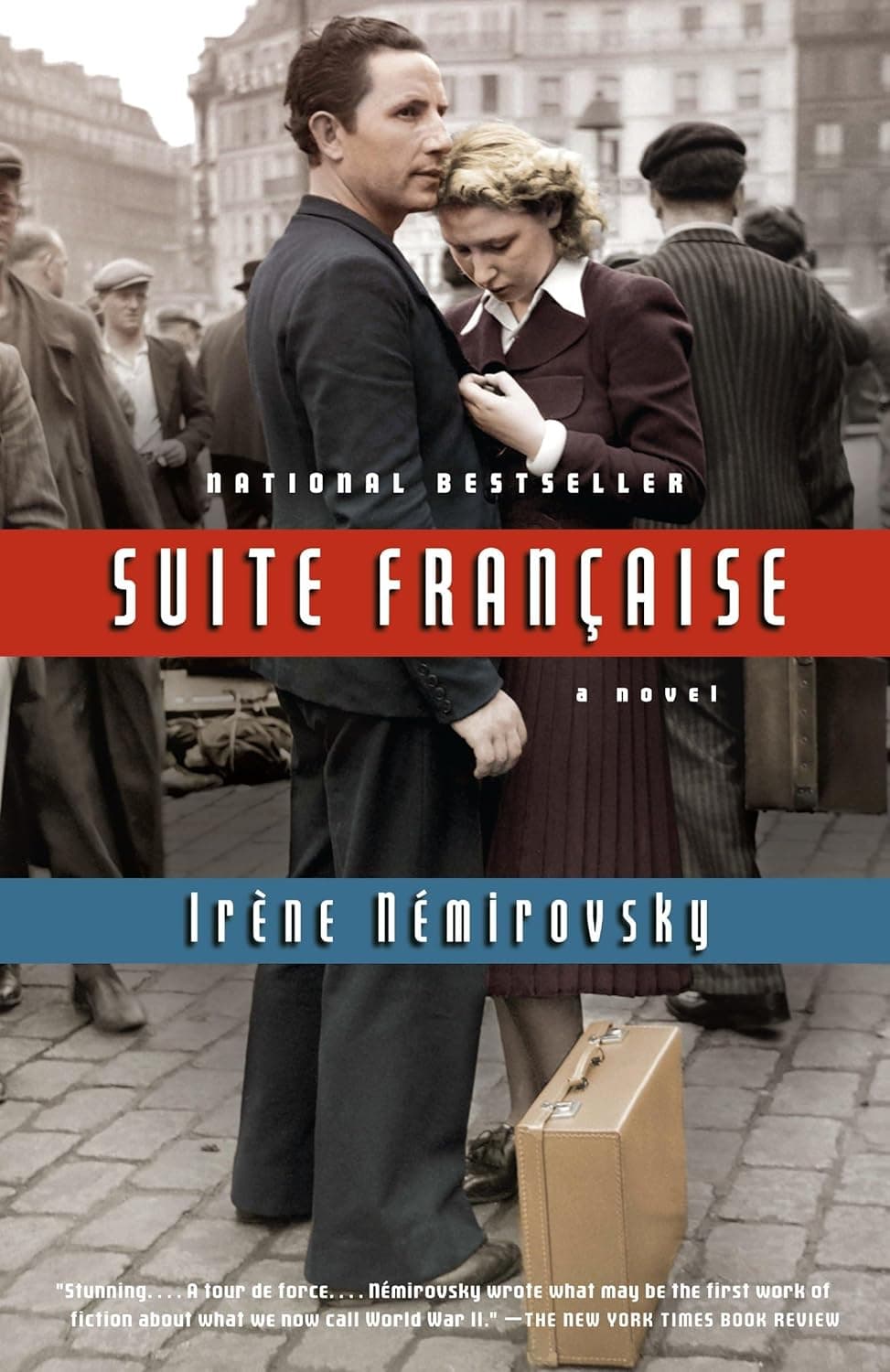
Paris empties in June 1940 and Nemirovsky follows it south, into a village where a woman is drawn to the German officer billeted in her house. She died at Auschwitz in 1942.
John Self drinks and spends himself toward ruin between London and New York while his first film falls apart. Amis gave the decade's greed a voice English comic fiction spent years imitating.

Two stories alternate: a man who encrypts data inside his mind, and a newcomer to a walled town reading dreams from unicorn skulls. Murakami has been returning to that architecture for forty years.

On Dartmoor a legend says a demon hound hunts the Baskervilles, and Sir Charles lies dead with paw prints beside him. Doyle sends Watson onto the moor without Holmes.

Mustafa Sa'eed sailed north to London and left ruined Englishwomen behind him, an African answer to Conrad's Heart of Darkness. Arab writers voted it the century's most important novel in Arabic.

Korea's supreme classical novel banishes a young monk, undone by eight fairies on a bridge, into a life of examinations, armies and love, granted in full so it can be seen through.
Gary's mother told everyone in Vilna that her son would become a French diplomat, a war hero, and a great writer. He became all three, and the debt nearly crushed him.
Dana, a Black writer in 1976 Los Angeles, is pulled to a Maryland plantation and made to keep alive the white boy who will father her line. Each return costs her more.

Rick Deckard hunts androids across a San Francisco emptied by fallout, separating them from people with a test for empathy. At home he keeps an electric sheep and is humiliated by it.
Ice-nine, a crystal left by a father of the atomic bomb, freezes any water it touches. Vonnegut sets the scramble for it on an island whose religion is founded on comforting lies.

Raoul Duke and his attorney drive to Las Vegas with a trunk of narcotics to cover a desert motorcycle race and a drug enforcement conference. The bender becomes Thompson's autopsy of the sixties.

At a tea ceremony in postwar Japan, a young man is steered toward a bride and finds his dead father's mistresses waiting. Kawabata routes the affair entirely through inherited tea bowls.
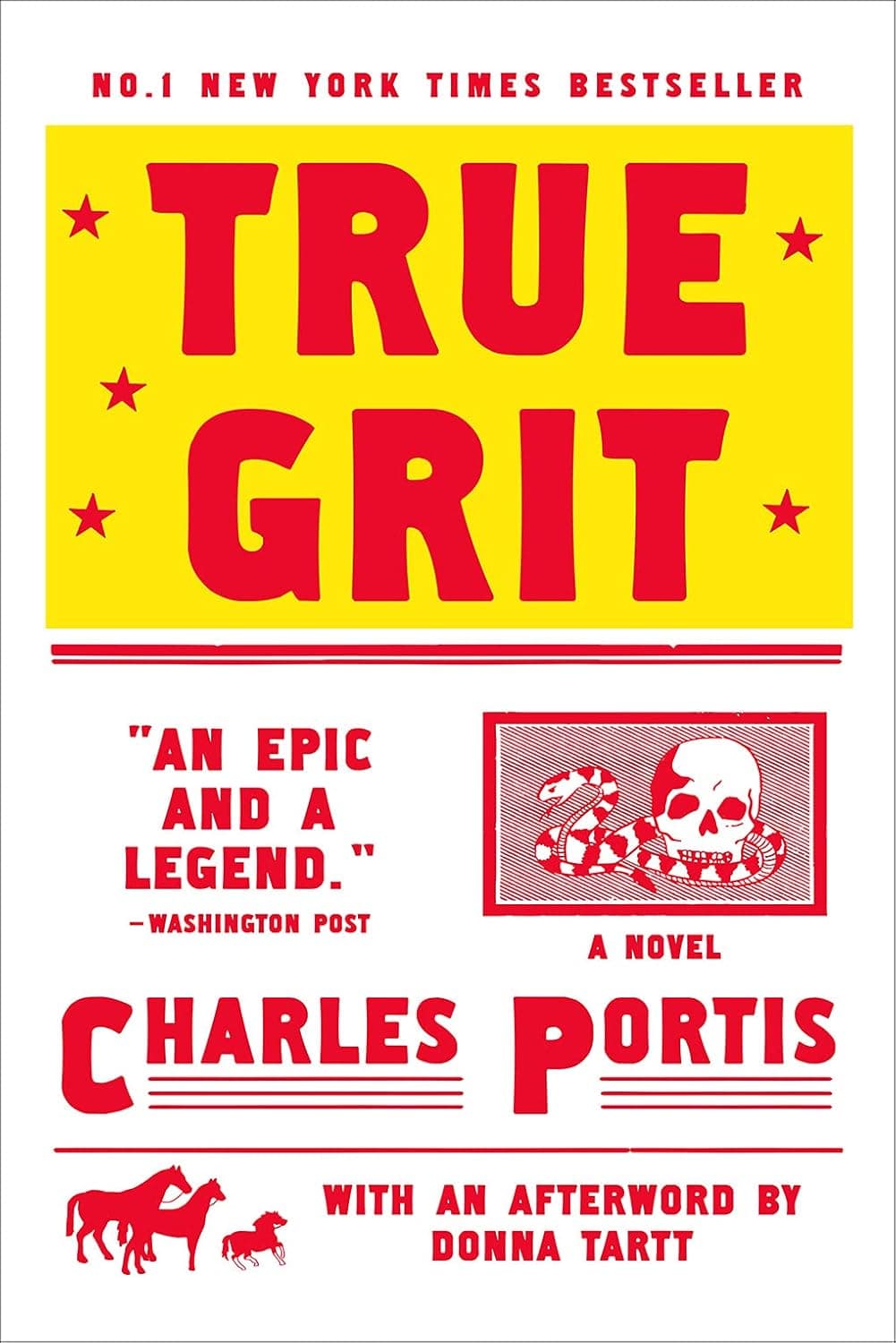
Mattie Ross, fourteen and a relentless Presbyterian bargainer, hires a one-eyed, hard-drinking marshal to hunt the man who shot her father. Portis gives her the funniest, most unbudging voice in American fiction.

Artemio Cruz lies dying in 1959, a newspaper baron who fought in the Mexican Revolution and spent the decades after betraying it. His life returns in three voices: I, you, and he.

A bookish young Greek reopens a lignite mine on Crete and hires Alexis Zorba, an aging laborer who dances, plays the santuri, and treats his employer's reading as a substitute for living.
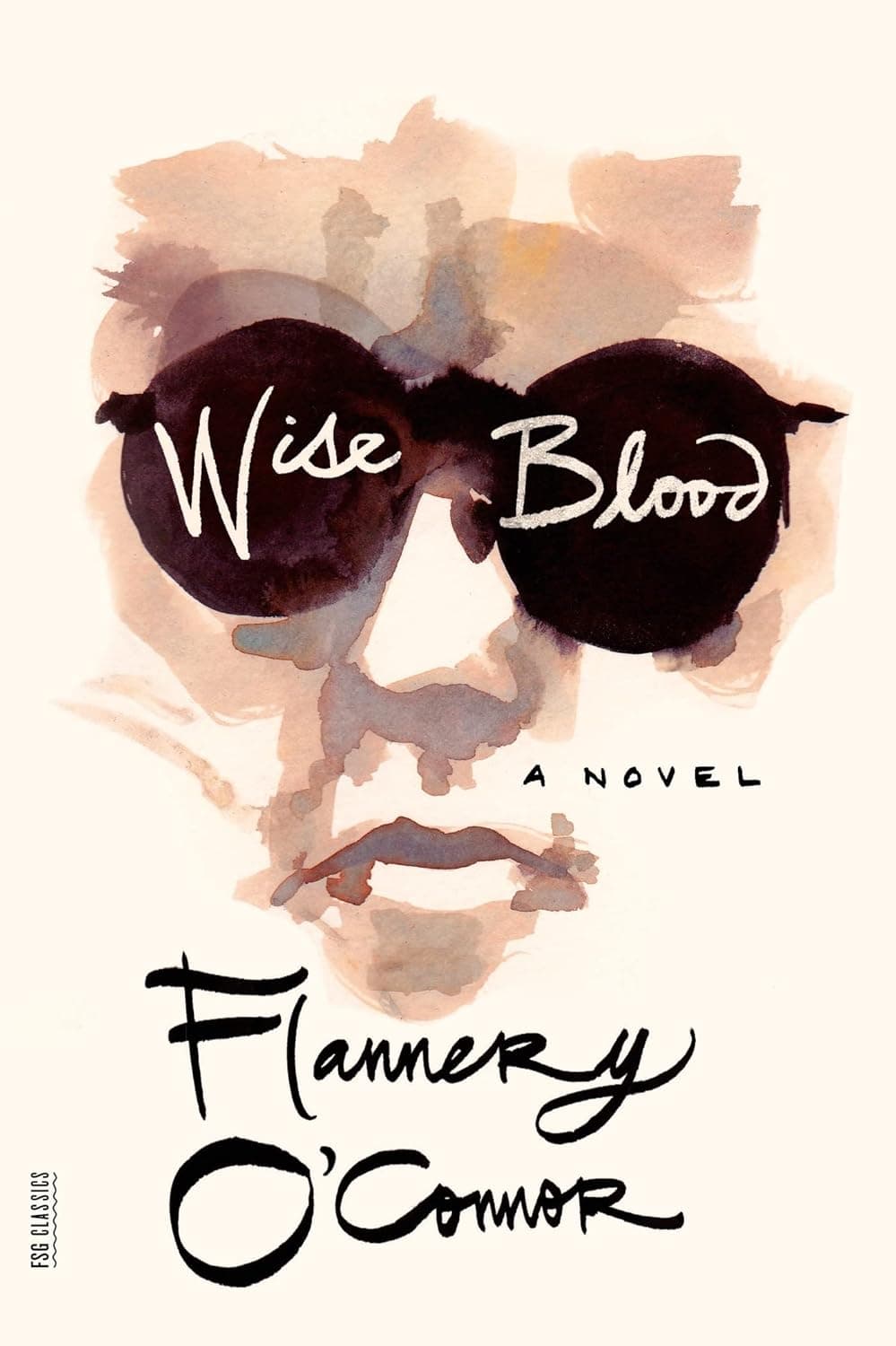
Back from the war, Hazel Motes preaches the Church Without Christ from the hood of a rat-colored car, insisting there was no Fall and nothing needing redemption. O'Connor makes blasphemy sound like faith.

Leander Wapshot pilots a decrepit ferry while his rich cousin dangles the family fortune at his sons, payable only if they father sons. Cheever sends the boys into an America that baffles them.
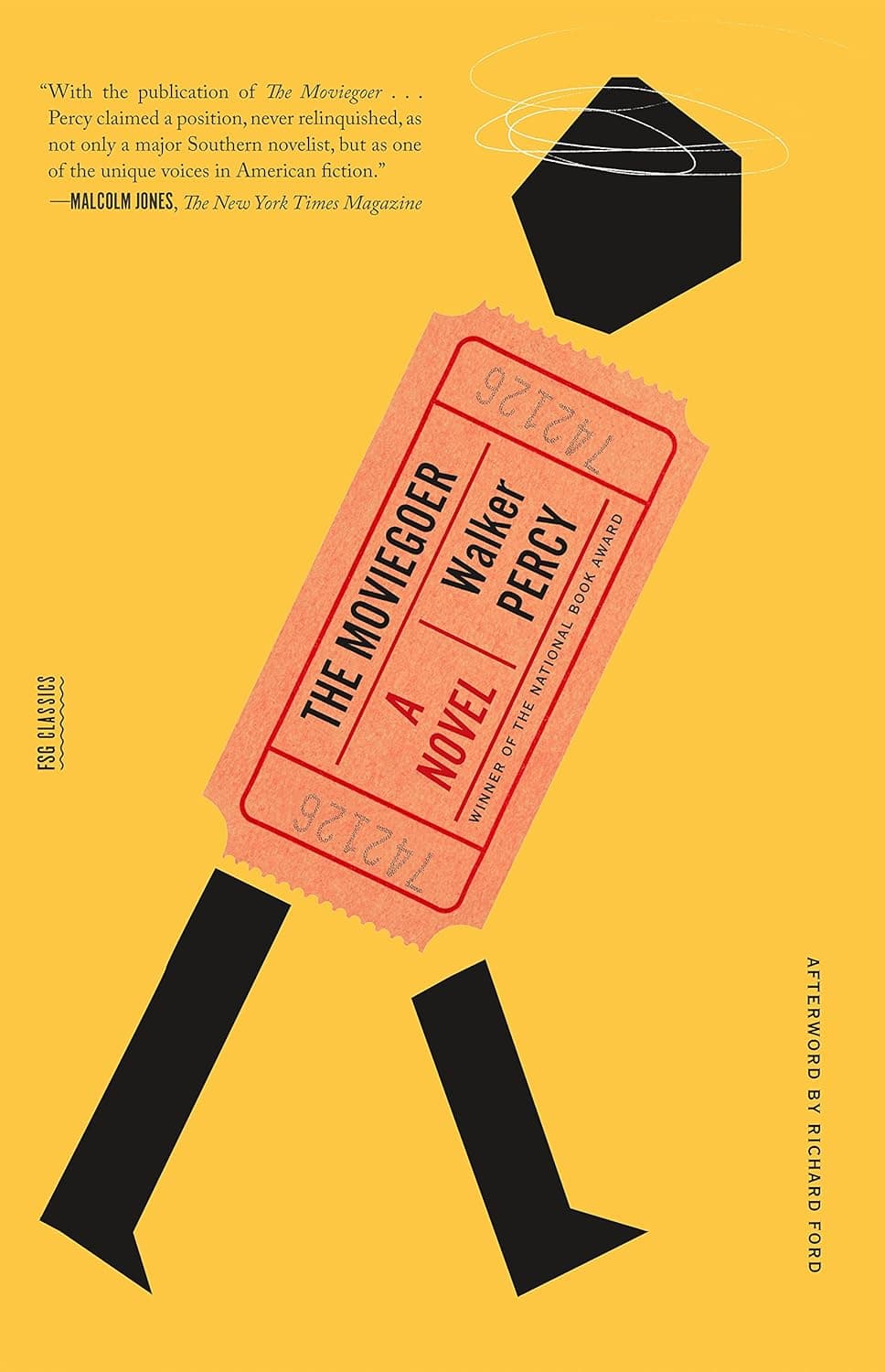
Binx Bolling sells stocks in a New Orleans suburb, sits through afternoon movies, and calls his way out of everydayness the search. Percy's first novel beat Catch-22 to the National Book Award.

America's novel of the Second World War, published when Mailer was twenty-five and just back from the Philippines. A reconnaissance platoon crosses a Japanese-held island while he tracks every man's fear.

Ibarra returns from Europe to build a school and finds the friars who destroyed his father waiting. Spain banned the book, Filipinos smuggled it in anyway, and Rizal faced a firing squad.

In 1714 a rope bridge in Peru snaps and five travelers fall to their deaths. A Franciscan who witnessed it spends six years reconstructing their lives to prove God chose them.

Two officers who trained together meet for dinner after forty-one years. The general has questions about a morning hunt and his dead wife, and the candles burn down while he circles them.

From a medieval massacre of the Jews of York to Auschwitz, one family produces in each generation one of the thirty-six hidden just men whose suffering, by legend, holds up the world.
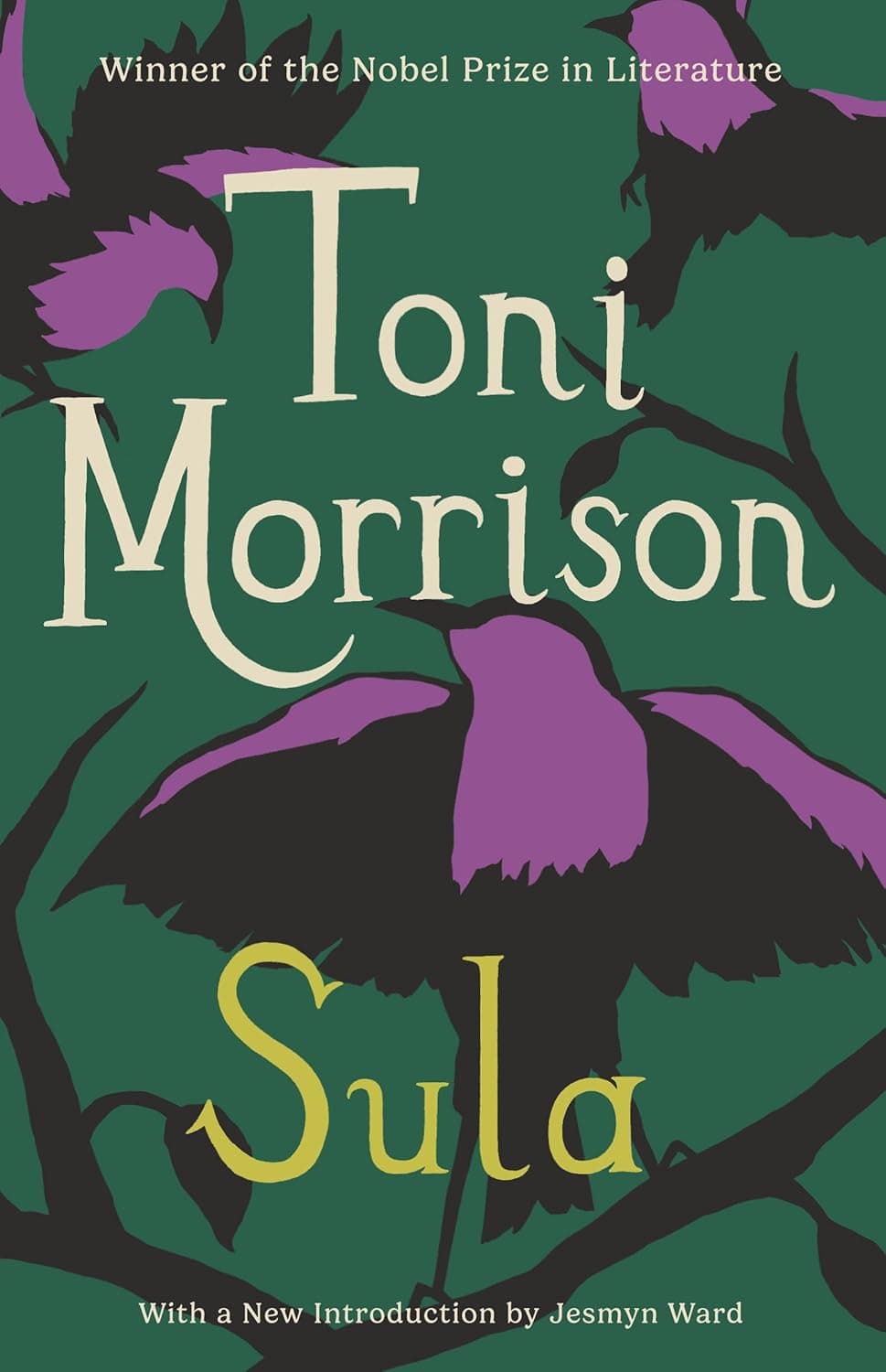
Nel stays in her Ohio town and marries. Sula leaves for ten years, returns, and the town settles on her as its evil. Morrison makes their friendship the deepest bond either will know.

Centuries from now, scholars in the cloistered province of Castalia play a game fusing music, mathematics, and all learning. Joseph Knecht rises to master it, then asks what the world outside is owed.

The monster ramming ships proves to be an electric submarine whose captain has renounced every nation above. Submarine builders read it as boys, and the first nuclear boat took the Nautilus name.

Out of prison and hunting the girl he lost eight years ago, Moose Malloy sets the private detective Philip Marlowe loose on Bay City, where the police belong to whoever is paying.

Grigory Melekhov loves his neighbor's wife and rides for the Reds, then the Whites, then neither, while war and revolution finish the Don Cossacks. Sholokhov wrote under Stalin and spared no side.
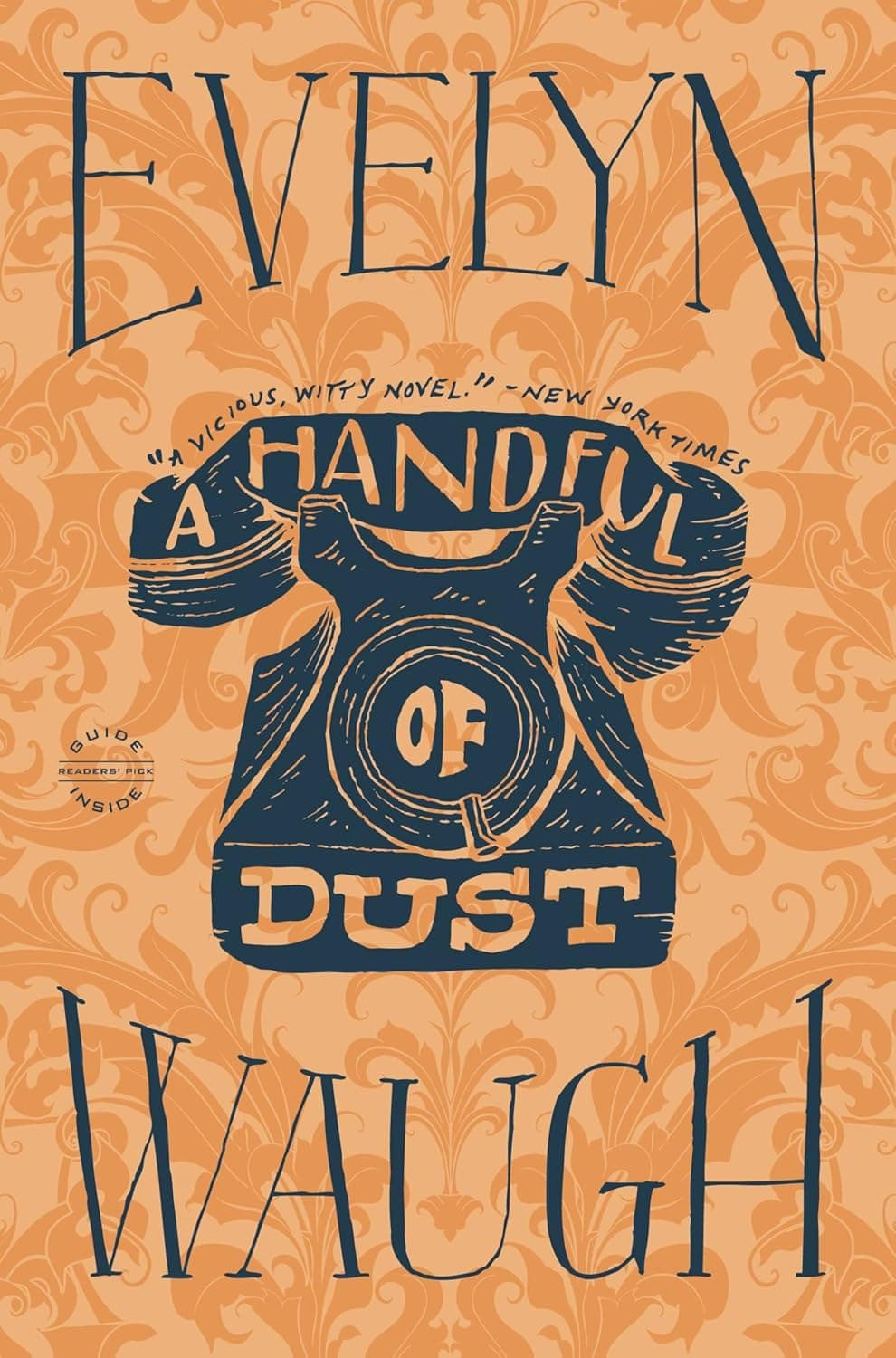
Tony Last loves his ugly Gothic house and believes his wife Brenda is content. Waugh gives her a dull London lover, kills the thing Tony cannot lose, and strands him far from England.