
The Name of the Rose
1980 · 579 pages
Monks are dying at an Italian abbey in 1327, the library is a labyrinth no one may enter, and a Franciscan detective and his novice go in. Eco made medieval theology a thriller.
★ 7.7
 skopia
Monks are dying at an Italian abbey in 1327, the library is a labyrinth no one may enter, and a Franciscan detective and his novice go in. Eco made medieval theology a thriller.

Walking home from Hampstead at night, a drawing master meets a woman all in white escaped from an asylum. Collins tells it as sworn testimony, and Victorian England bought Woman in White perfume.
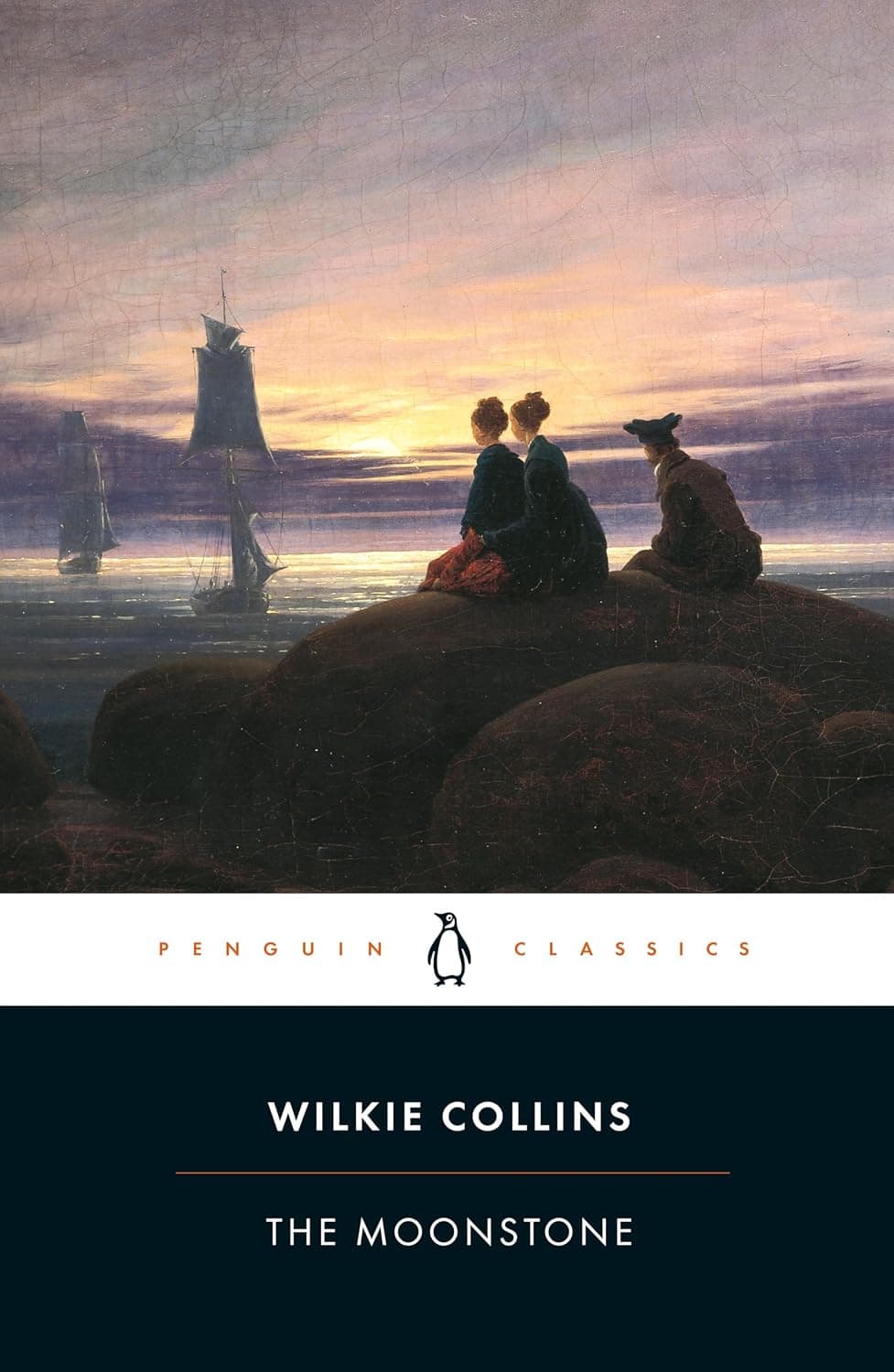
T.S. Eliot called it the first and best of modern English detective novels. A diamond looted from an Indian shrine arrives as a birthday present and vanishes that night.

On Dartmoor a legend says a demon hound hunts the Baskervilles, and Sir Charles lies dead with paw prints beside him. Doyle sends Watson onto the moor without Holmes.

A dumpy Catholic priest with an umbrella solves crimes by imagining himself into the criminal until he could have done it. Chesterton answered Sherlock Holmes with conscience rather than forensics.

The best-selling mystery ever written: eight guests and two servants on an island off Devon, accused by a gramophone of murders the law could not touch, then killed to a nursery rhyme.

Snow halts the Orient Express, and an American passenger is found dead in his compartment, stabbed twelve times. Poirot has no police and no laboratory, only what the other travelers tell him.
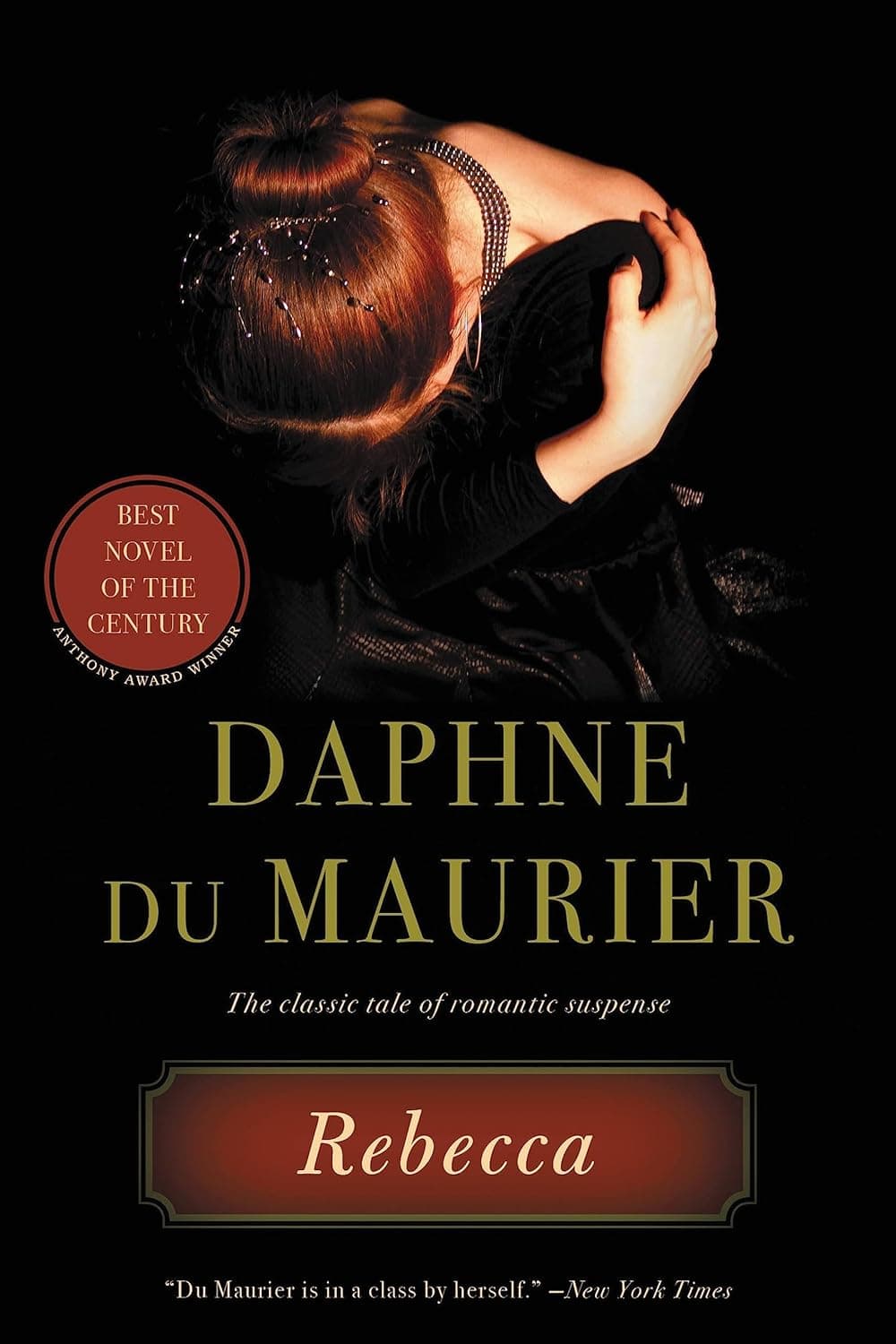
The second Mrs. de Winter is never given a name, which is the point. She marries a widower, arrives at his Cornish estate, Manderley, and finds the drowned first wife occupying every room.
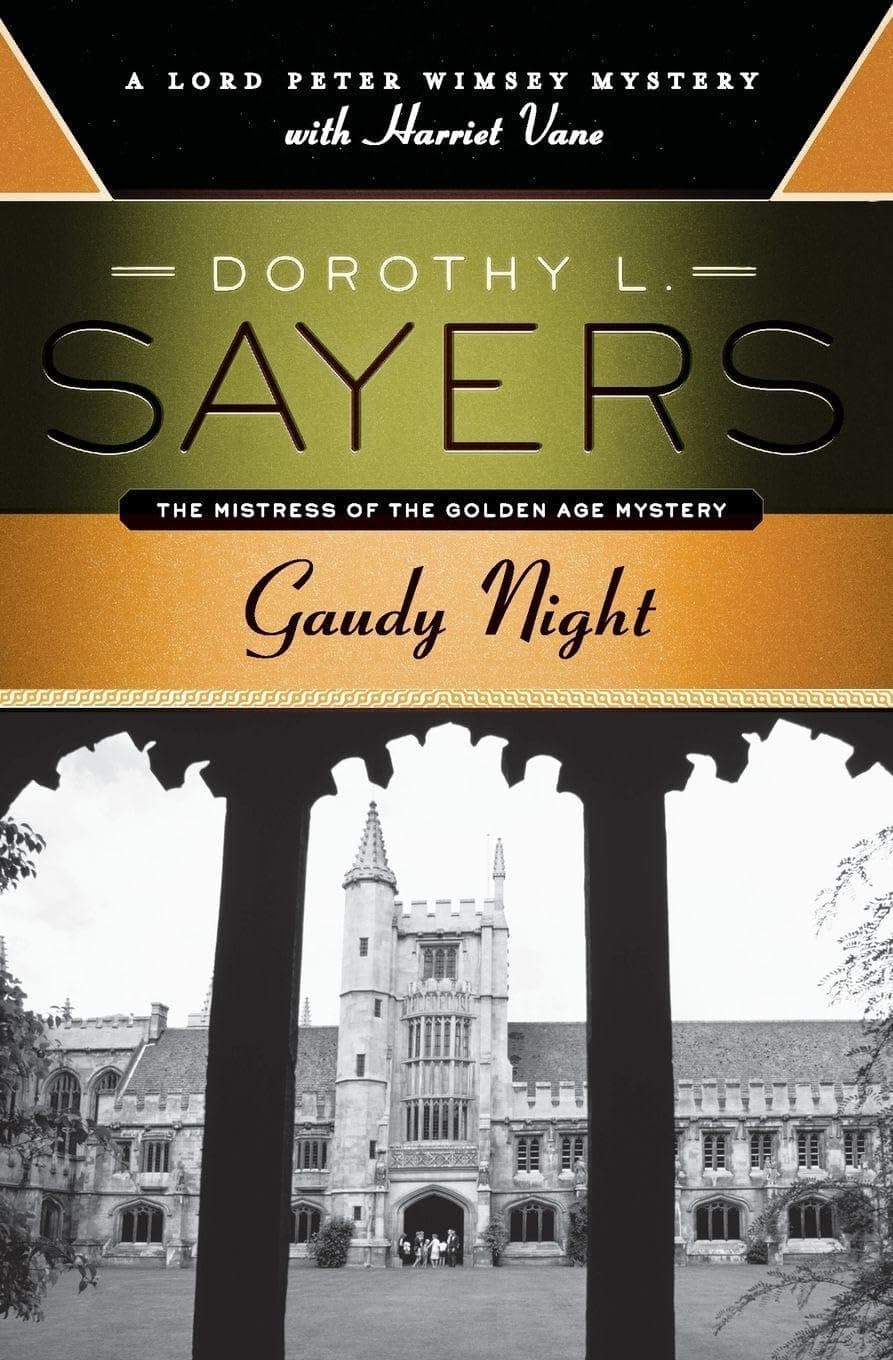
Harriet Vane, mystery novelist, returns to her Oxford women's college, where someone is sending obscene letters and destroying scholarship. Nobody dies. The question is whether a woman can have both work and love.

Bored in a hospital bed, a Scotland Yard inspector studies a portrait of Richard III and reopens the murder of the two princes, working entirely from chronicles and documents fetched to his bedside.

A war widow receives photographs of the husband she buried. The trail runs into a London fog where the killer Jack Havoc is loose, and Allingham makes the thriller an argument about evil.

Two bodies lie on a Kyushu beach, arranged as lovers who died together, and the case turns on four minutes at Tokyo Station. Matsumoto pointed Japanese crime fiction straight at government corruption.