
Philosophy in the Boudoir
1795 · 173 pages
Two libertines take a girl of fifteen through atheism, pleasure and cruelty, pausing for a pamphlet urging the Republic to abolish God with the king. Sade takes reason to its worst conclusion.
★ 4.2
 skopia
Two libertines take a girl of fifteen through atheism, pleasure and cruelty, pausing for a pamphlet urging the Republic to abolish God with the king. Sade takes reason to its worst conclusion.
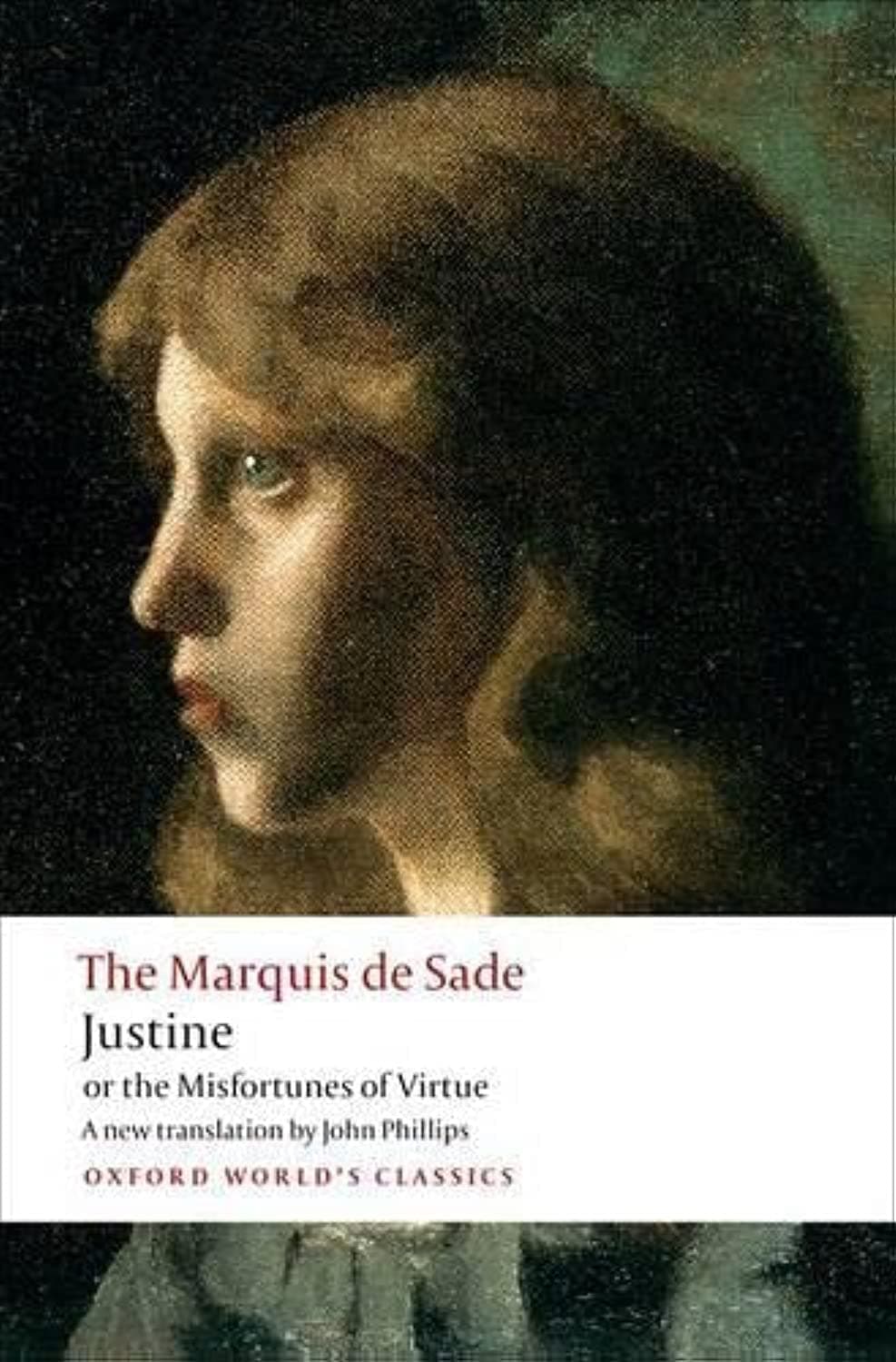
Twelve years old and orphaned, Justine chooses virtue and is punished for it by monks, surgeons, and noblemen who argue at length that nature rewards cruelty. Napoleon had Sade arrested for writing it.
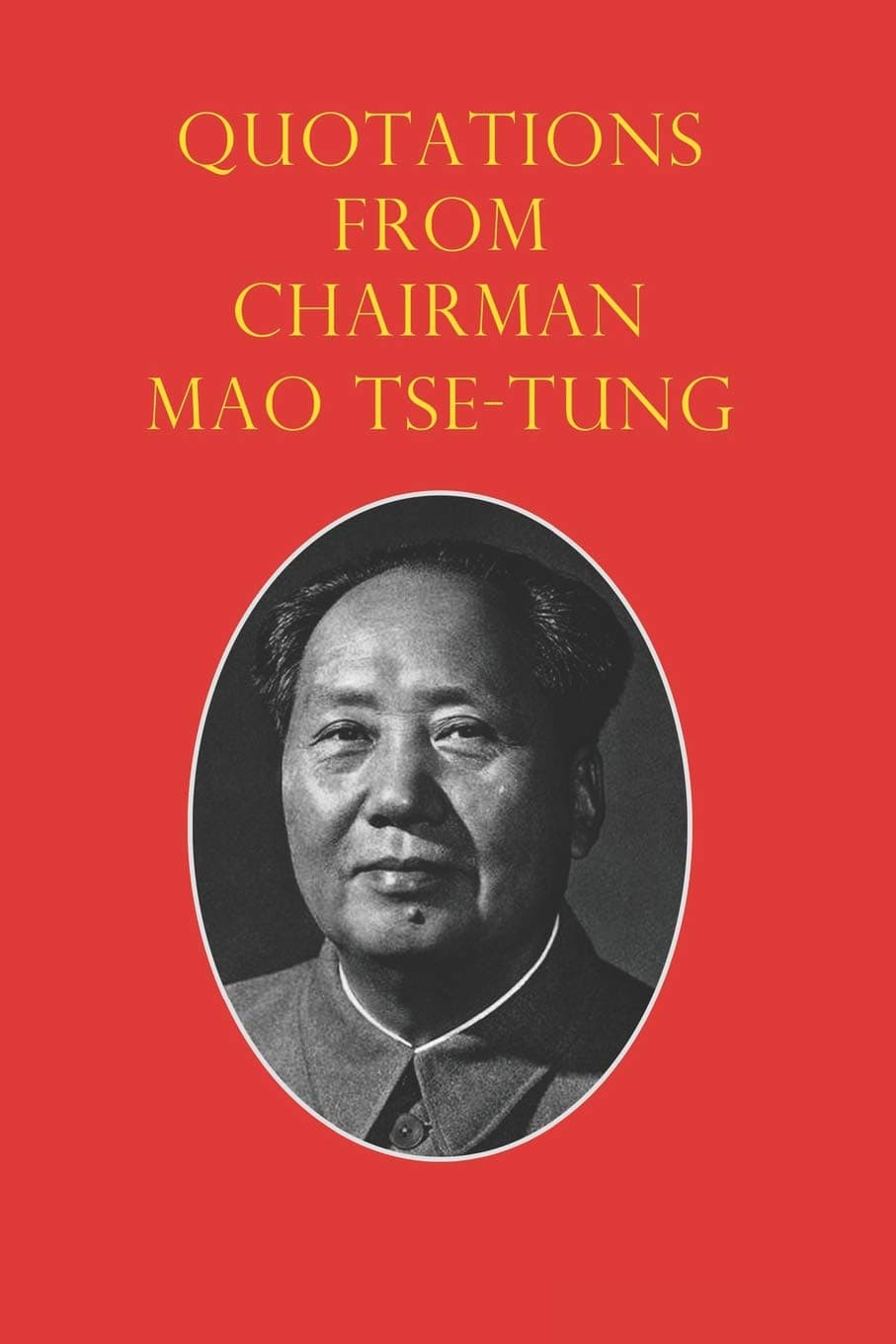
Printed by the billion and waved by Red Guards, Mao's pocket handbook compresses his politics into 427 quotations on struggle, self-criticism, and war. During the Cultural Revolution, not carrying one was dangerous.

Chin skied from the summit of Everest and hung off El Capitan to film Alex Honnold climbing it without a rope. His photographs come with what it cost to stand there.
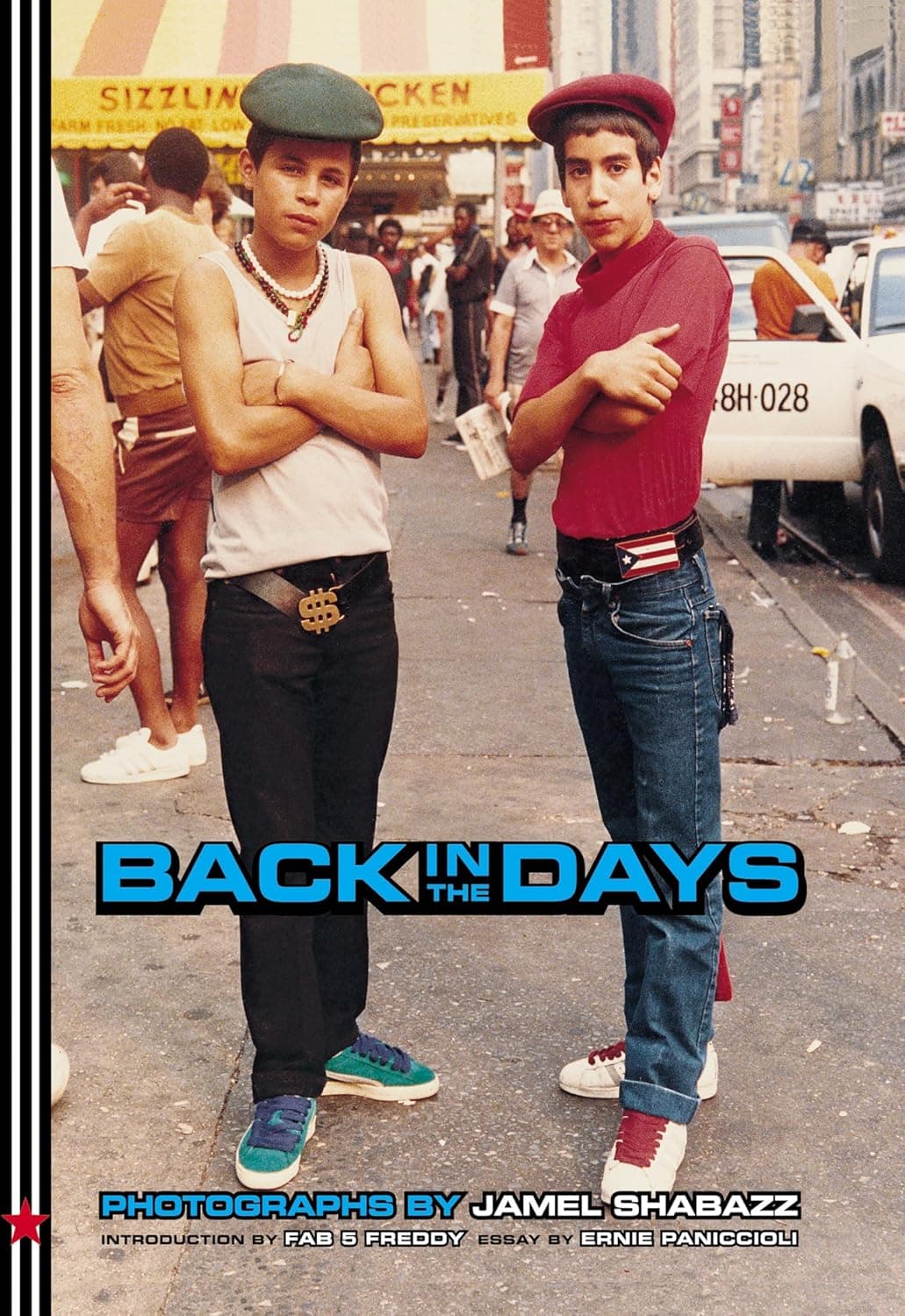
Between 1980 and 1989, Shabazz stopped young New Yorkers on the street and photographed them in shell-toe Adidas, sheepskin coats, and gold ropes. Everything hip hop later sold the world is already here.
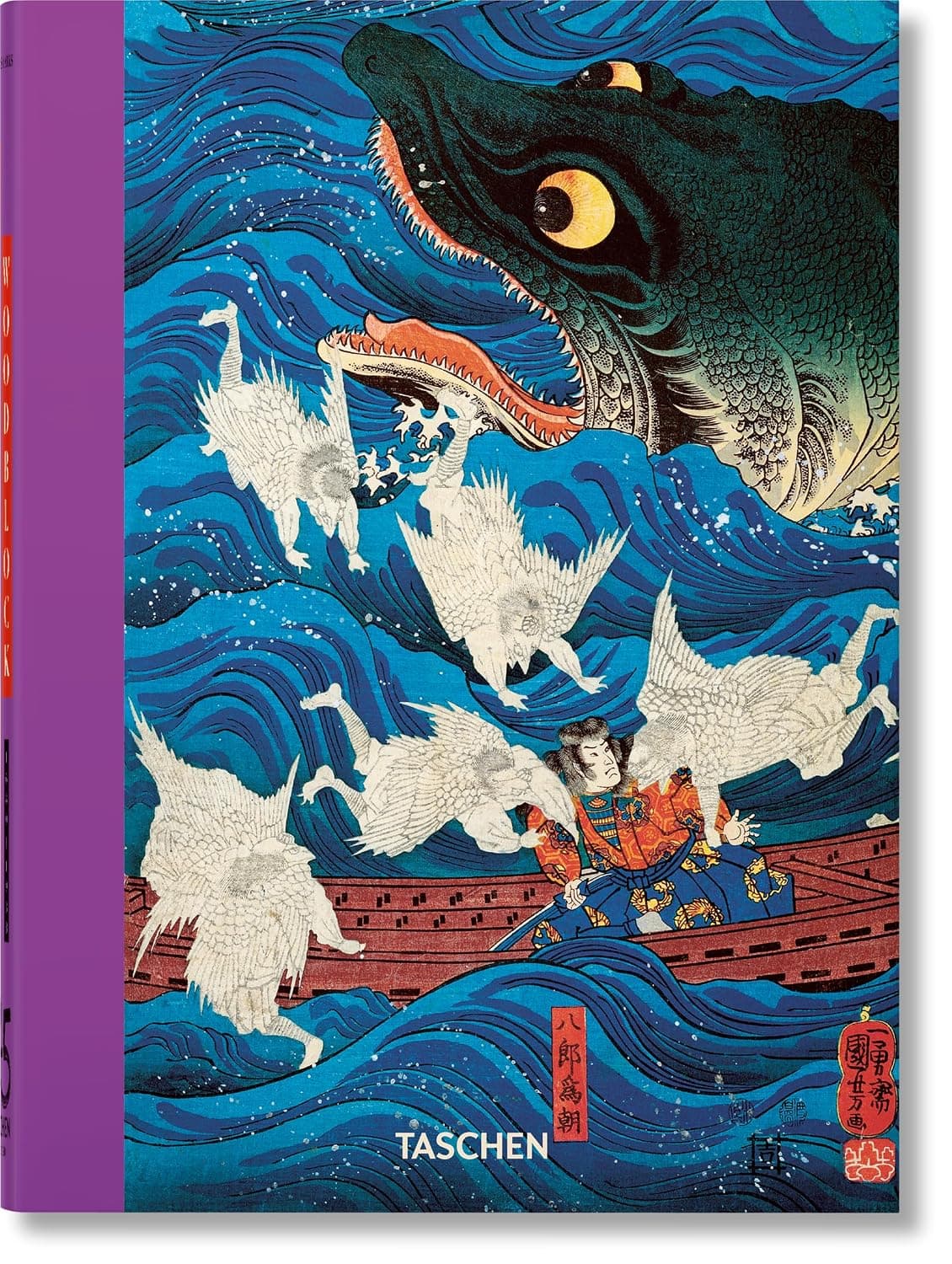
Two hundred prints run chronologically from 1680 to 1938, black-and-white sheets giving way to the full-color glut of Utamaro's beauties, Hiroshige's roads, and Hokusai's wave. Marks names the publisher behind every design.

A Los Angeles magazine asked architects how postwar America should live, and Eames, Koenig, and Neutra answered in steel and glass on hillsides. Julius Shulman's photographs sold California modernism to the world.
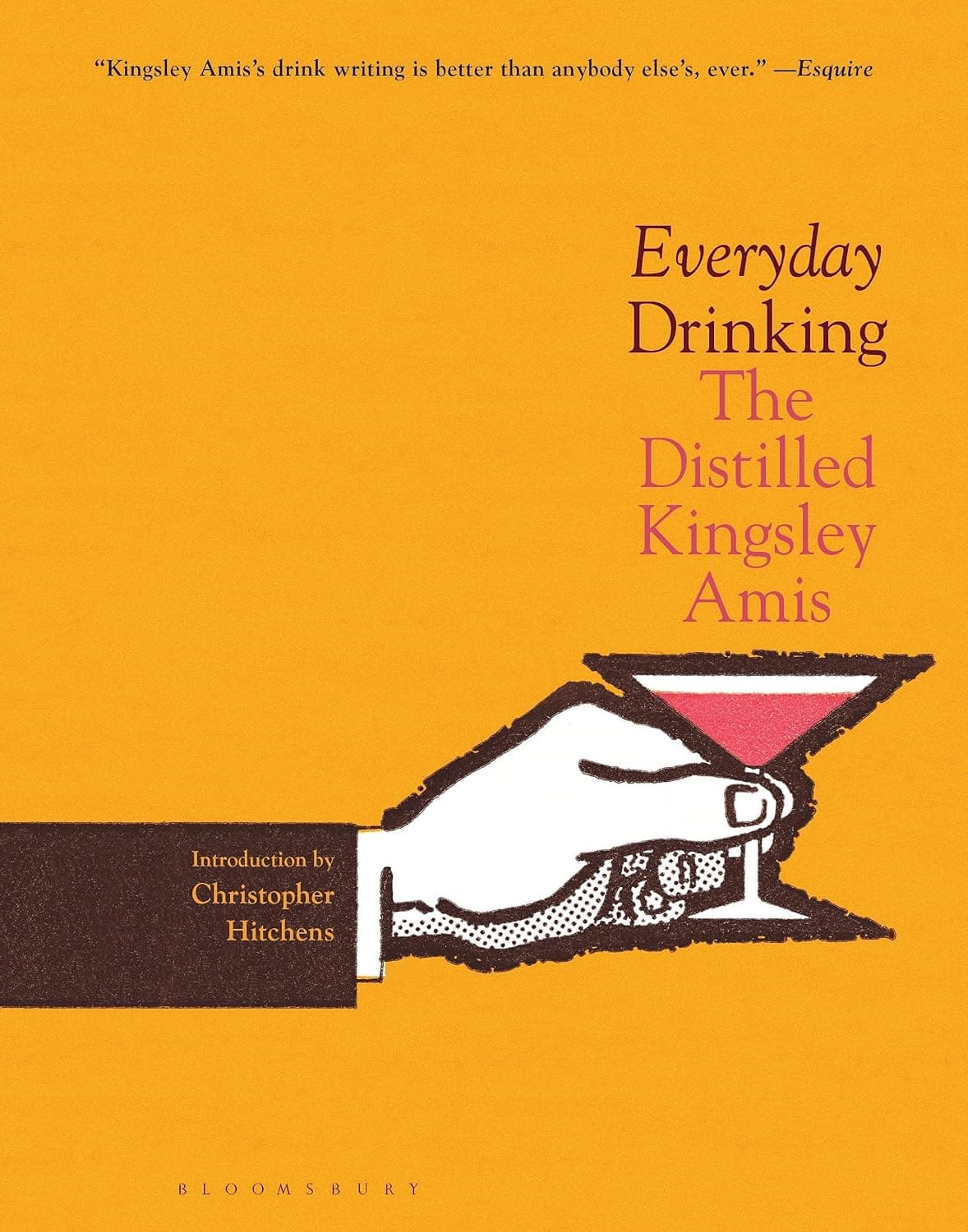
Nobody has written funnier prose about drink. Kingsley Amis separates the physical hangover from the metaphysical one, calculates what a party will actually consume, and hands down recipes he plainly tested.
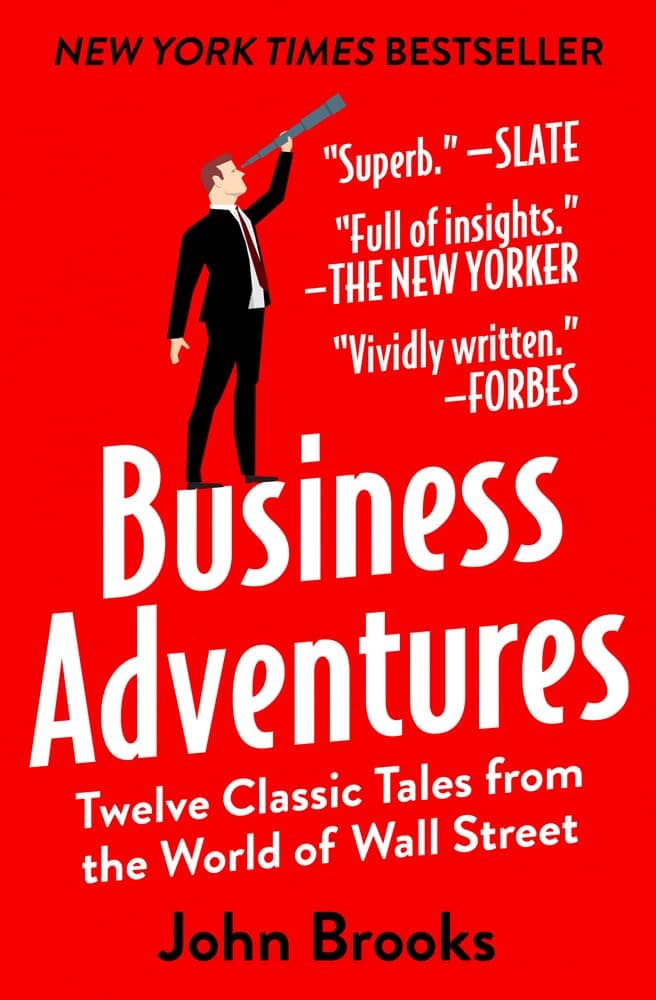
Twelve New Yorker reports on how companies behave: Ford burning millions on the Edsel, a grocer trying to corner his own stock. Bill Gates calls it the best business book he has read.

Hergé sent his boy reporter into a Soviet Union he had never visited, cribbed from one anti-Bolshevik tract of rigged elections and staged factories. Crude work, and the series it opened conquered Europe.

Give the mouse a cookie and he wants milk, then a straw, then a mirror to check his milk mustache. Numeroff taught four decades of children how one small yes becomes an afternoon.

Pendergrast traces coffee from an Ethiopian hillside to the corner cafe, through Brazilian slave plantations and the US-backed coup in Guatemala, and shows how grocery marketing wars made American coffee undrinkable.

In the great green room a rabbit says goodnight to the moon and the quiet old lady whispering hush, while the pictures darken page by page until the child hearing it is asleep.
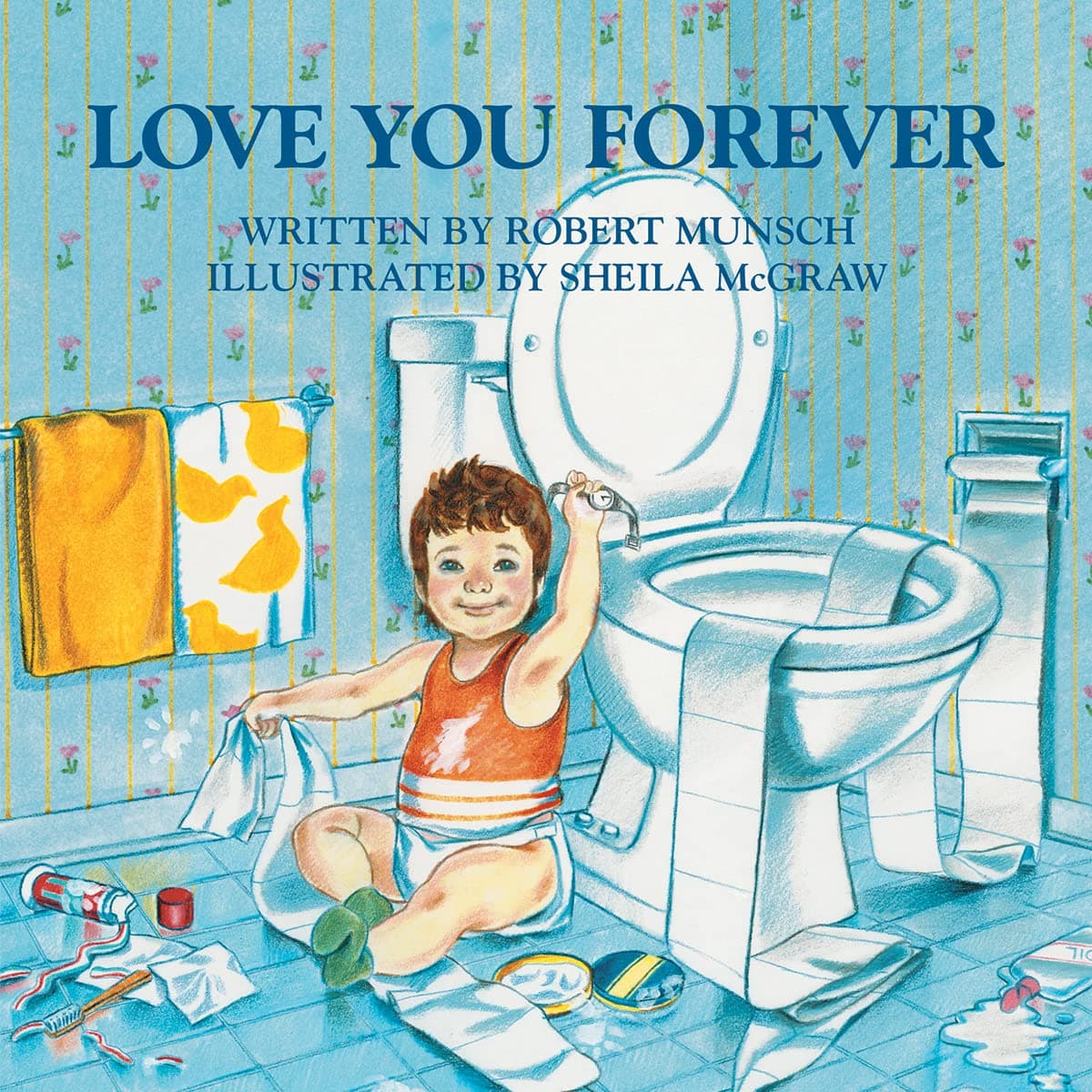
A mother sings the same four lines to her son at every age, and the years turn the song around. Munsch made it up after two stillborn children.
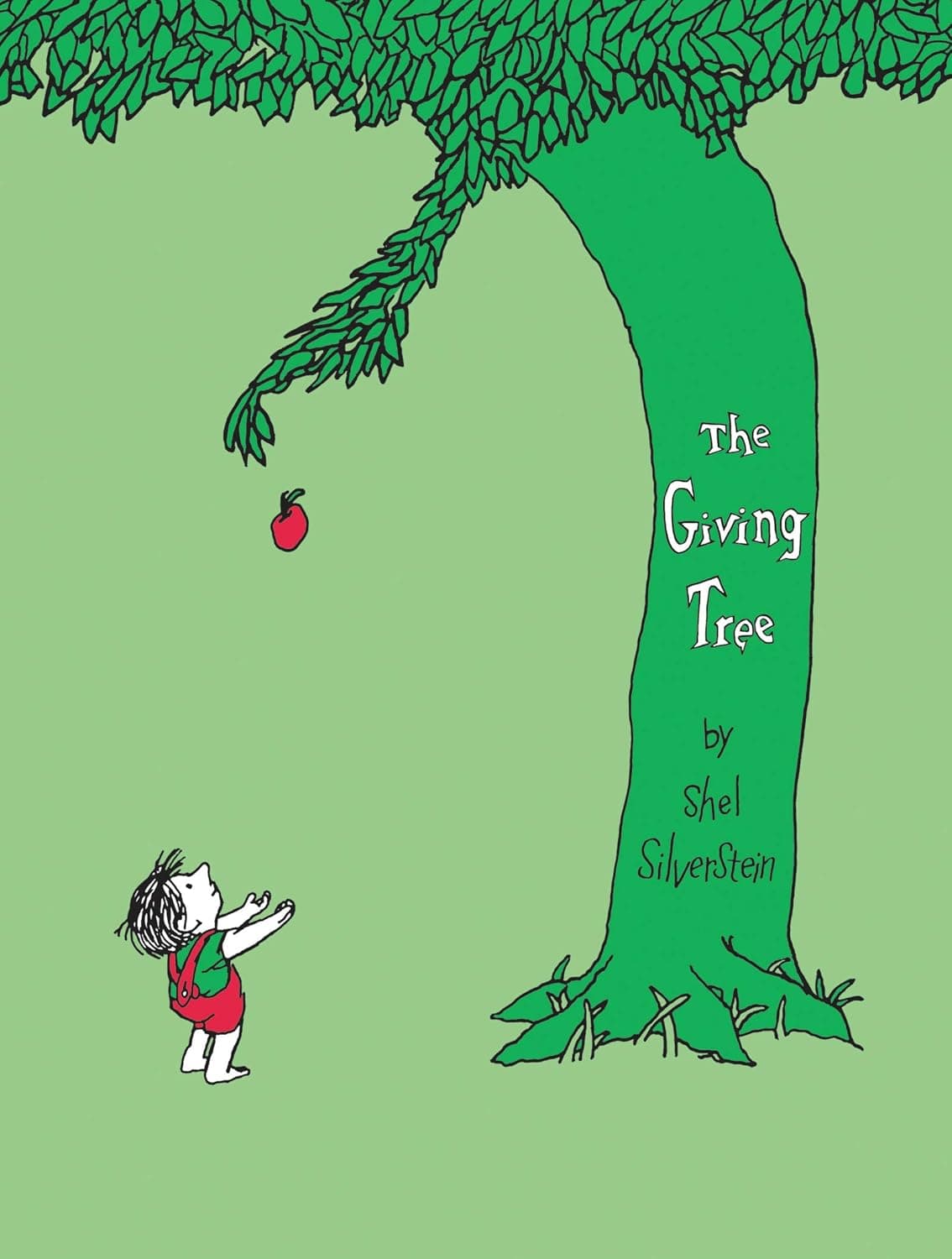
A tree loves a boy. She gives him her apples, then her branches, then her trunk, until she is a stump he sits on. Readers still cannot agree whether that is love.
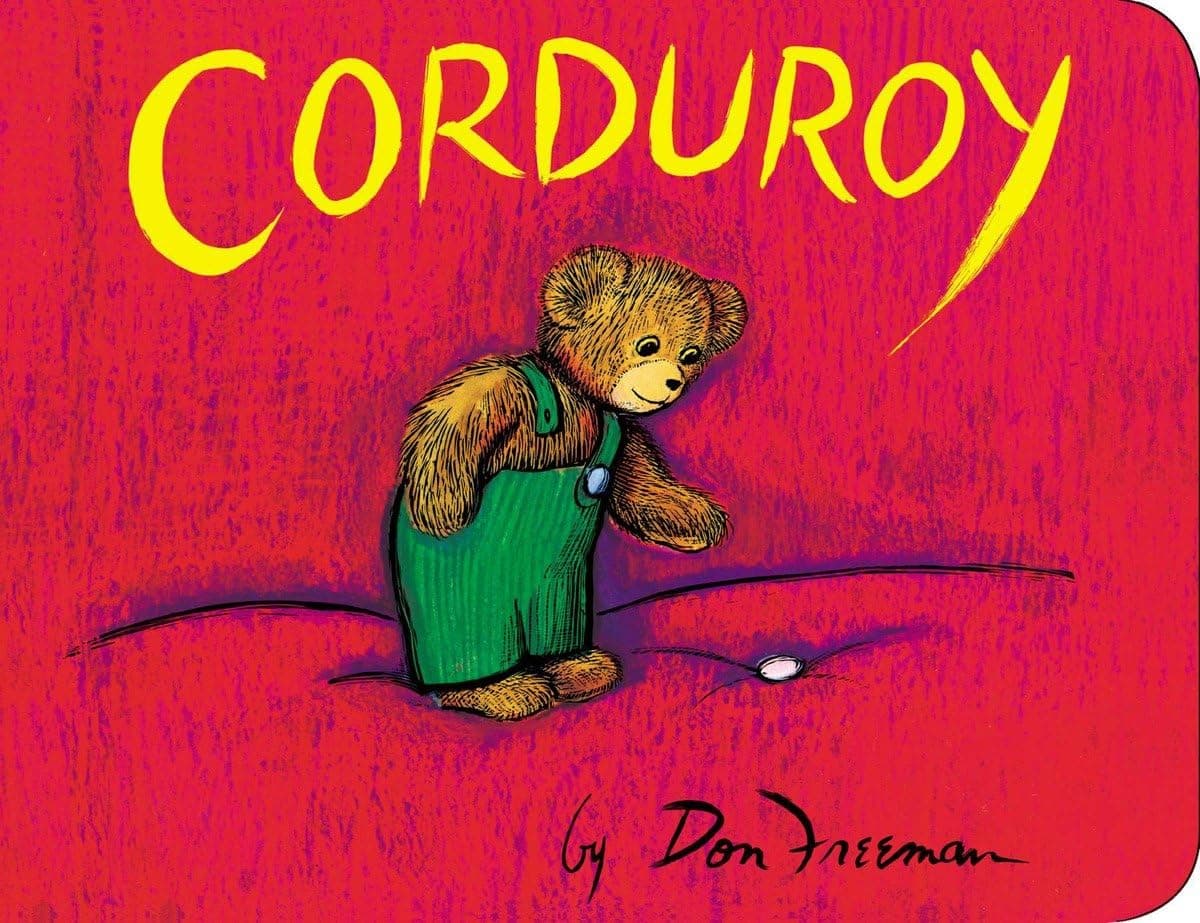
A department store bear hunts the dark for the button missing from his overalls. Lisa buys him with money she saved herself, a Black girl in a 1968 picture book, drawn without comment.

You leave town in a yellow suit and hit the Lurch, the Slump, and the Waiting Place, where nothing happens. Seuss made the standard graduation gift out of a warning about failure.

A young bull who would rather smell flowers than fight is hauled to the Madrid ring, where he sits down. Franco banned the book in Spain and the Nazis burned it in Germany.
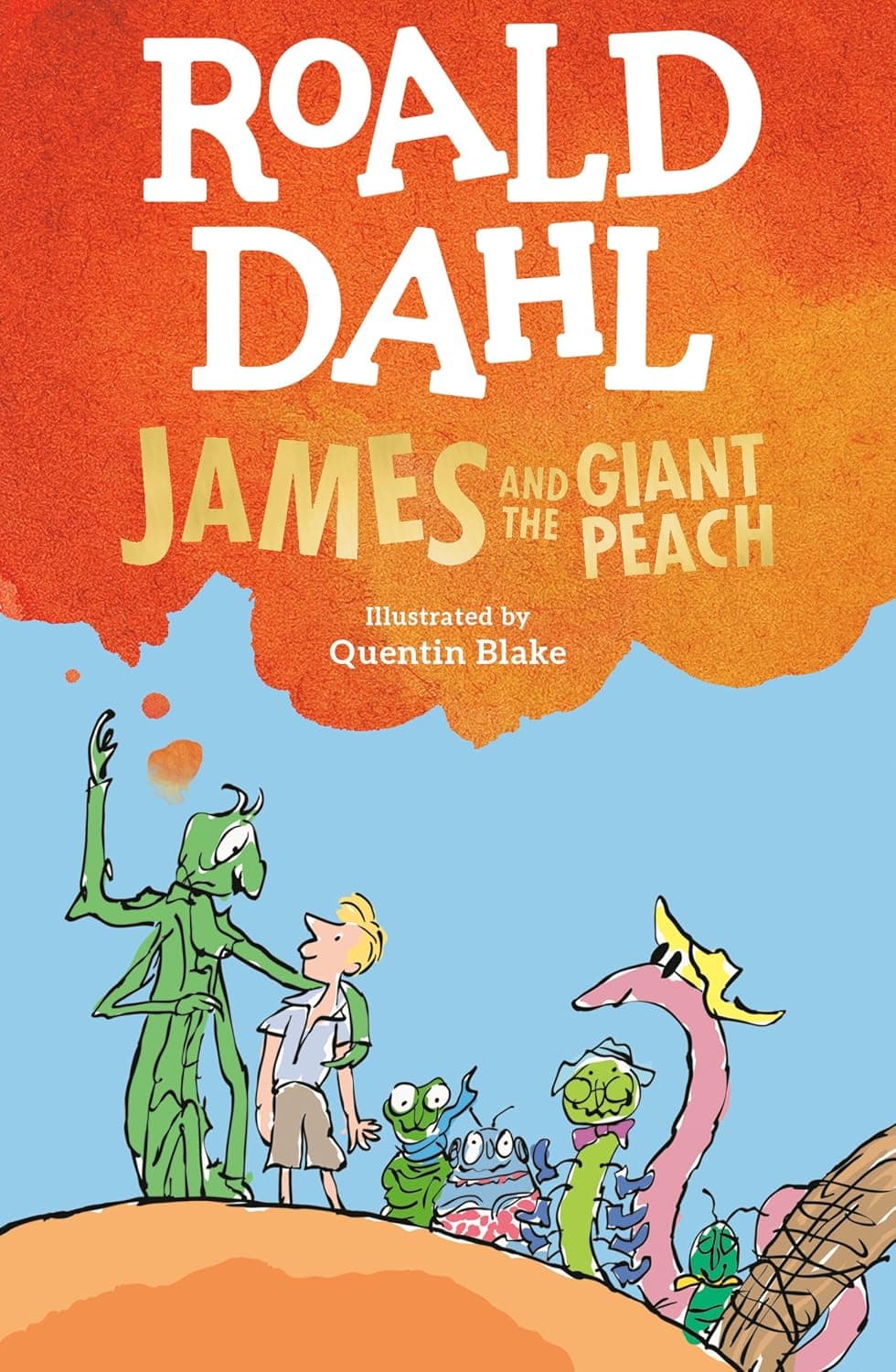
A rhinoceros escapes London Zoo and eats James's parents. Handed to two dreadful aunts, he crawls inside a house-sized peach and crosses the Atlantic with a crew of insects who become his family.

A toy becomes Real only when a child has loved it for years, by which time its fur is rubbed off and its eyes are gone. Williams's stuffed rabbit is loved that hard.