
Eternal Sunshine of the Spotless Mind
Directed by Michel Gondry
2004
No romance this century has come close: Kaufman's premise, that you could pay to have someone erased, turns out to be the most honest thing anyone has said about breakups.
★ 8.9
 skopia
No romance this century has come close: Kaufman's premise, that you could pay to have someone erased, turns out to be the most honest thing anyone has said about breakups.
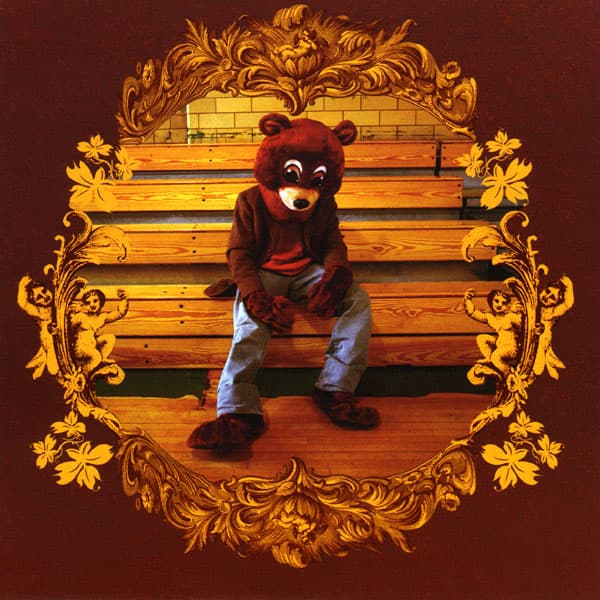
Kanye recorded one of the songs with his jaw wired shut after a car crash, which is exactly what it sounds like.
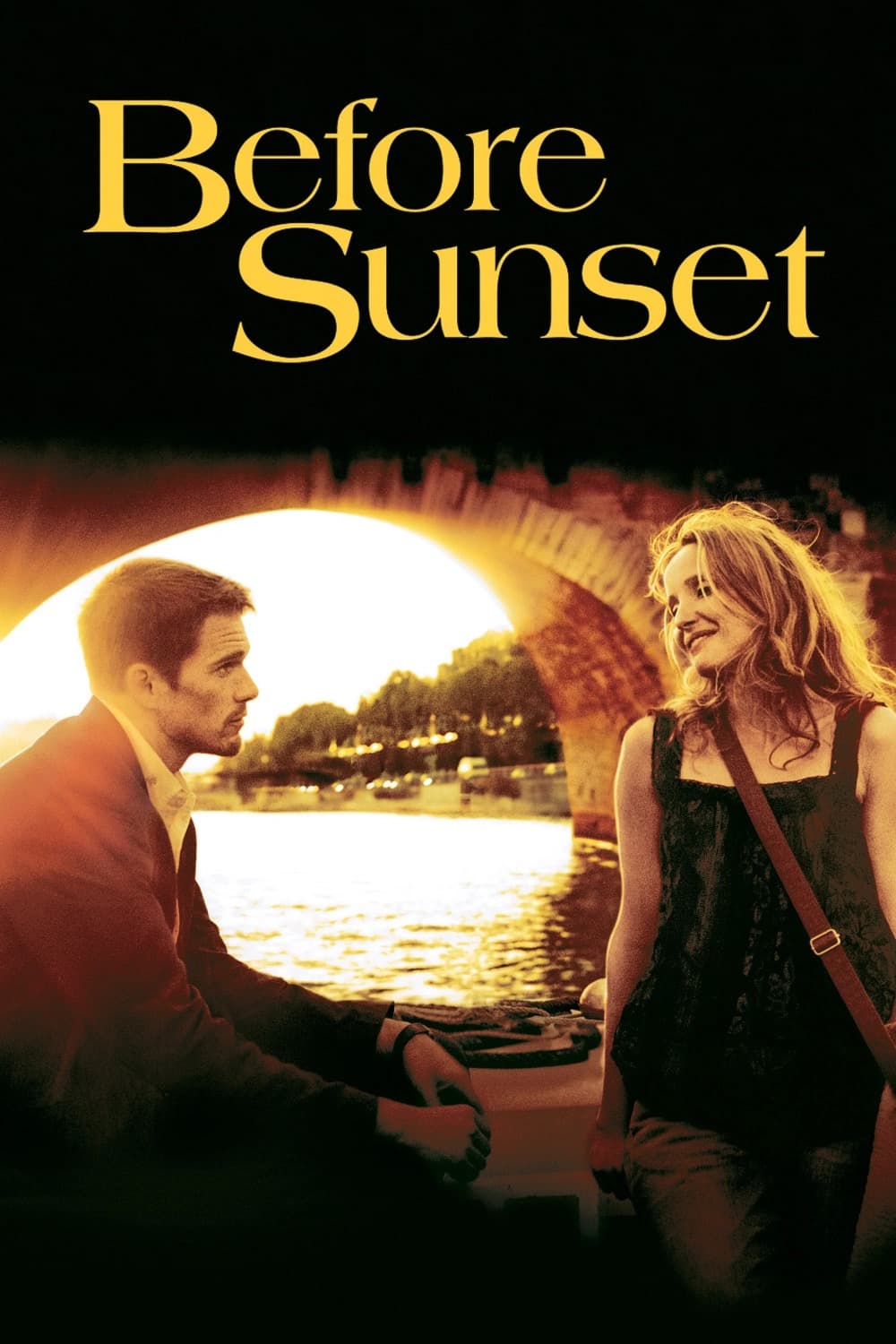
Very little else works the way this does: eighty minutes of two people walking around Paris talking, in close to real time, and it is over far too soon.
Rick Rubin's first rap production in years, a Billy Squier drum break, and a second verse about a traffic stop.
A marching ARC Choir sample, Rhymefest's co-write, and a label convinced nobody would play a rap record about God.
A dembow riddim from Luny Tunes, an uncredited hook from Glory, and a place in the National Recording Registry.
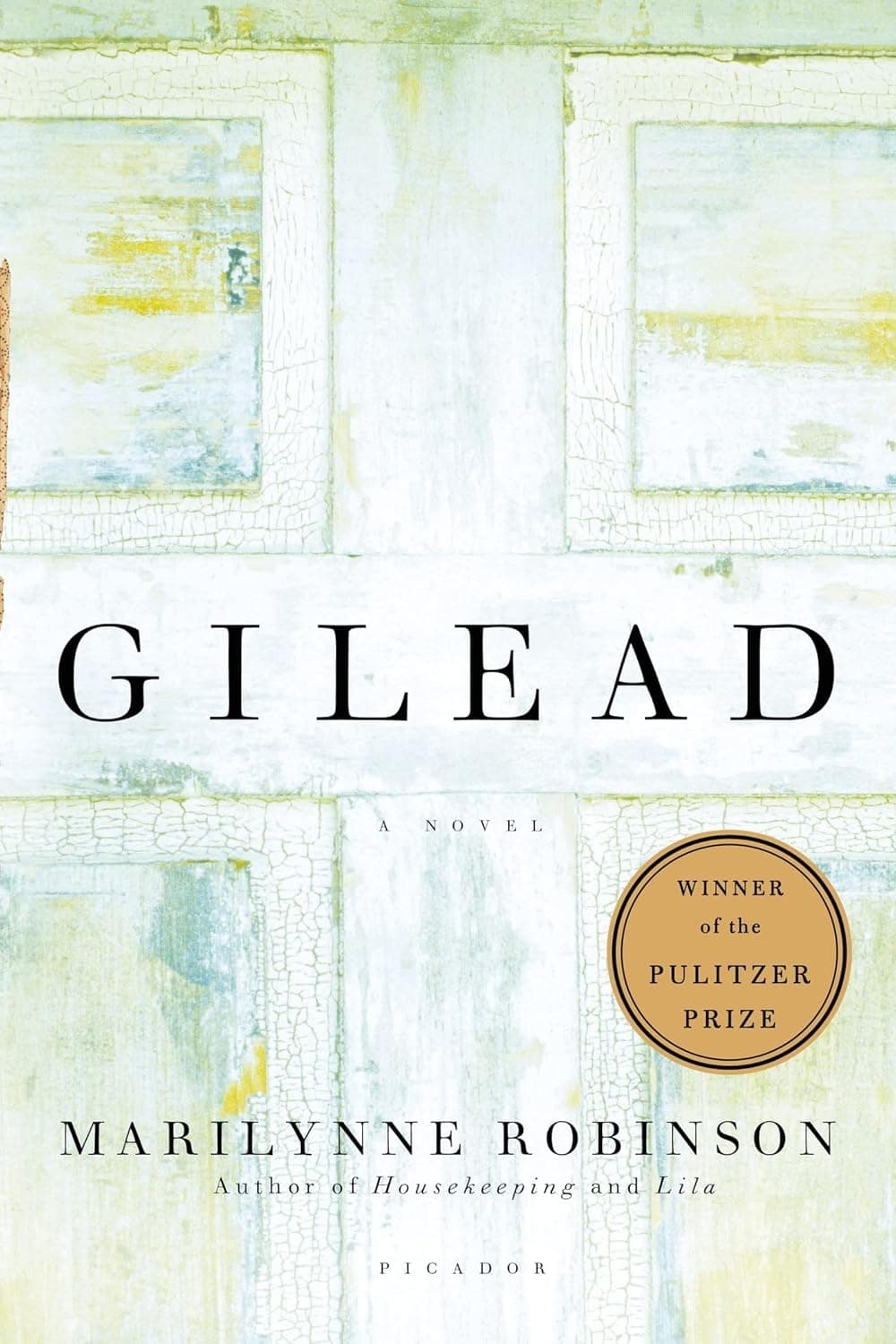
John Ames, an old preacher in Iowa, is dying and sets his life down for the seven-year-old son who will not remember him. Robinson makes an ordinary afternoon feel like grace.
Flowers wrote it after a bad night at a Vegas bar; Britain has kept it charting past 500 weeks.
The Neptunes built it from tongue clicks and almost nothing else, and it gave Snoop his first number one.
Pink passed on it and Duff couldn't hit the notes, so Clarkson asked for heavier guitars and won a Grammy.
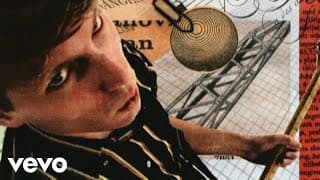
Two songs welded together, the tempo dropping a minute in, and a sniper film lending Kapranos his double-edged title.
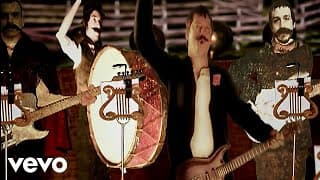
Brock wrote it in the final days of tracking, fed up with darkness, and built indie rock's warmest chorus.
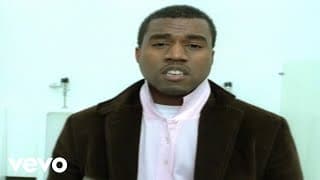
Denied the Lauryn Hill sample, West had Syleena Johnson sing the part, and got his first solo top ten.
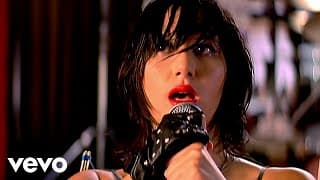
Zinner's looped riff, twenty minutes of writing from Karen O, and a video where the tears are real.
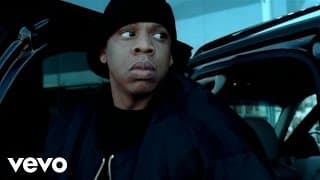
Timbaland's beat is all snap and space, and in 2008 a presidential candidate borrowed the shoulder-brush on a Raleigh stage.
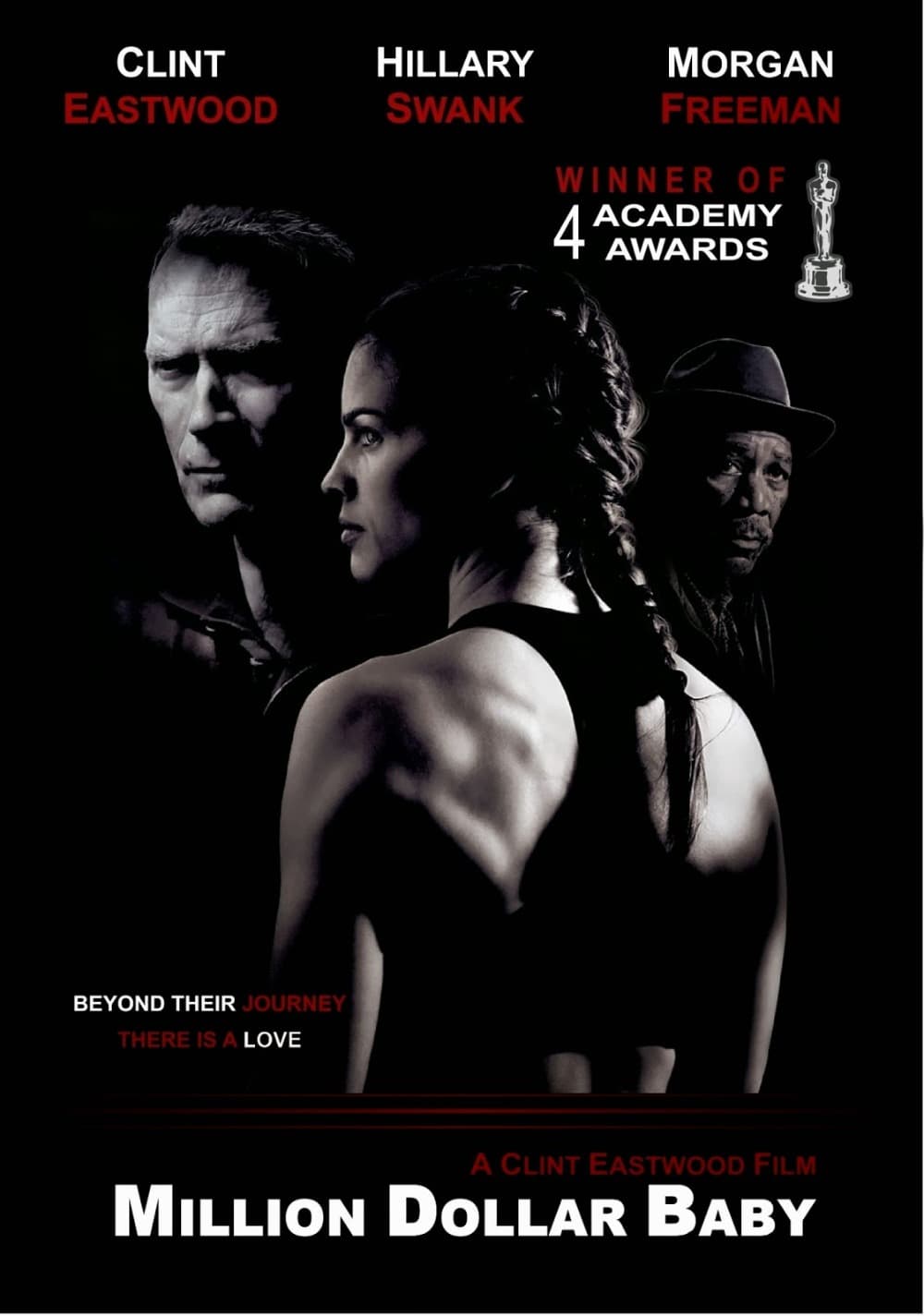
Eastwood spends an hour making you love a boxing underdog story and then does something else entirely: nothing in American film is tougher than where it ends up.
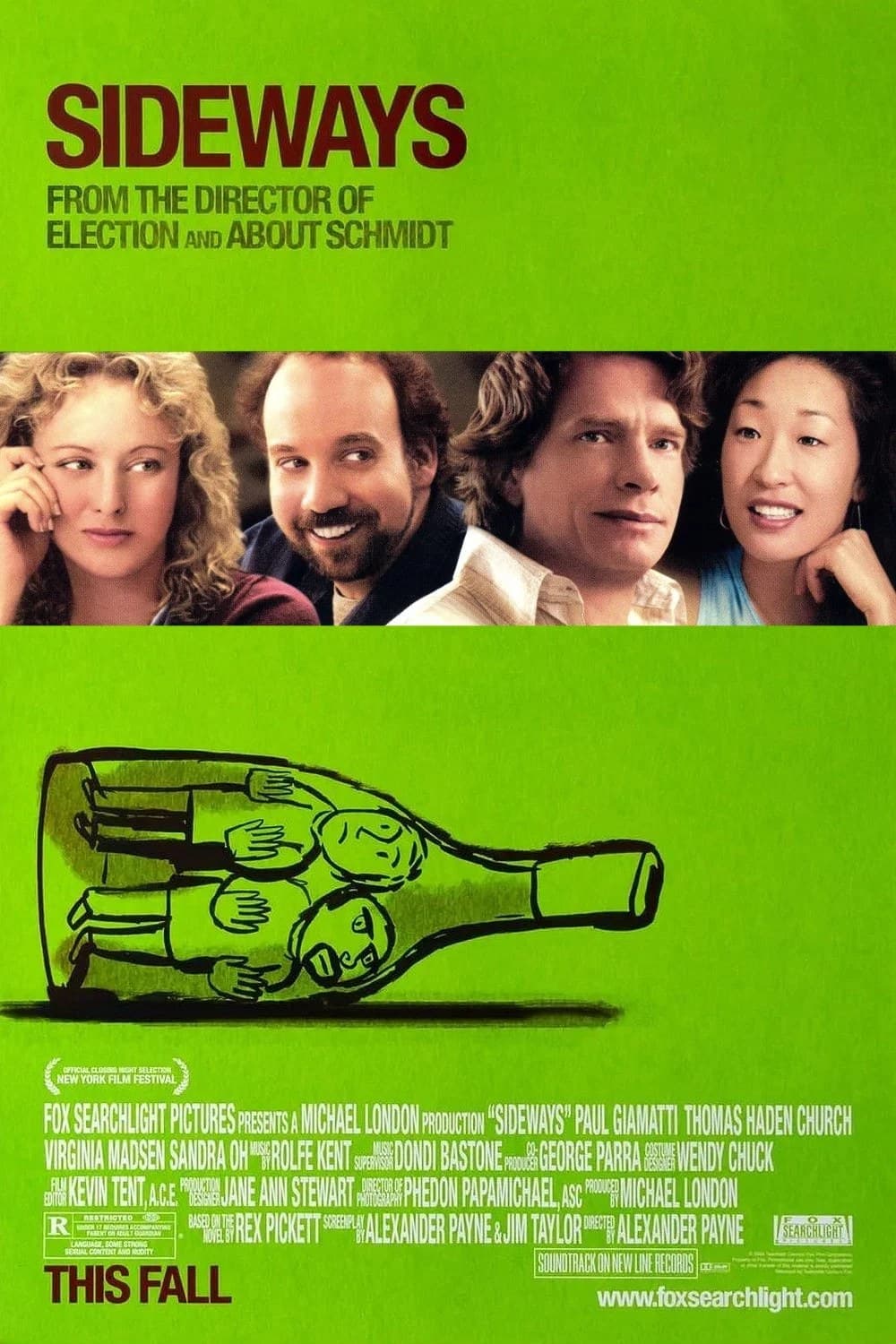
It measurably dented cheap merlot sales and sent pinot noir soaring: two middle-aged men drive through wine country, one about to be married and one unable to move on.
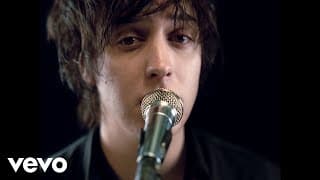
Nigel Godrich's sessions got scrapped, Gordon Raphael came back, and the descending twin-guitar riff turned everything into a sprint.
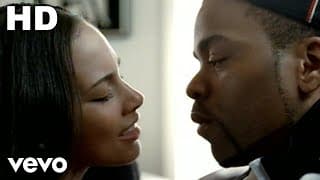
Aaliyah's death in 2001 clarified what mattered, and Keys answered with piano, gospel restraint and a Grammy-winning vocal.
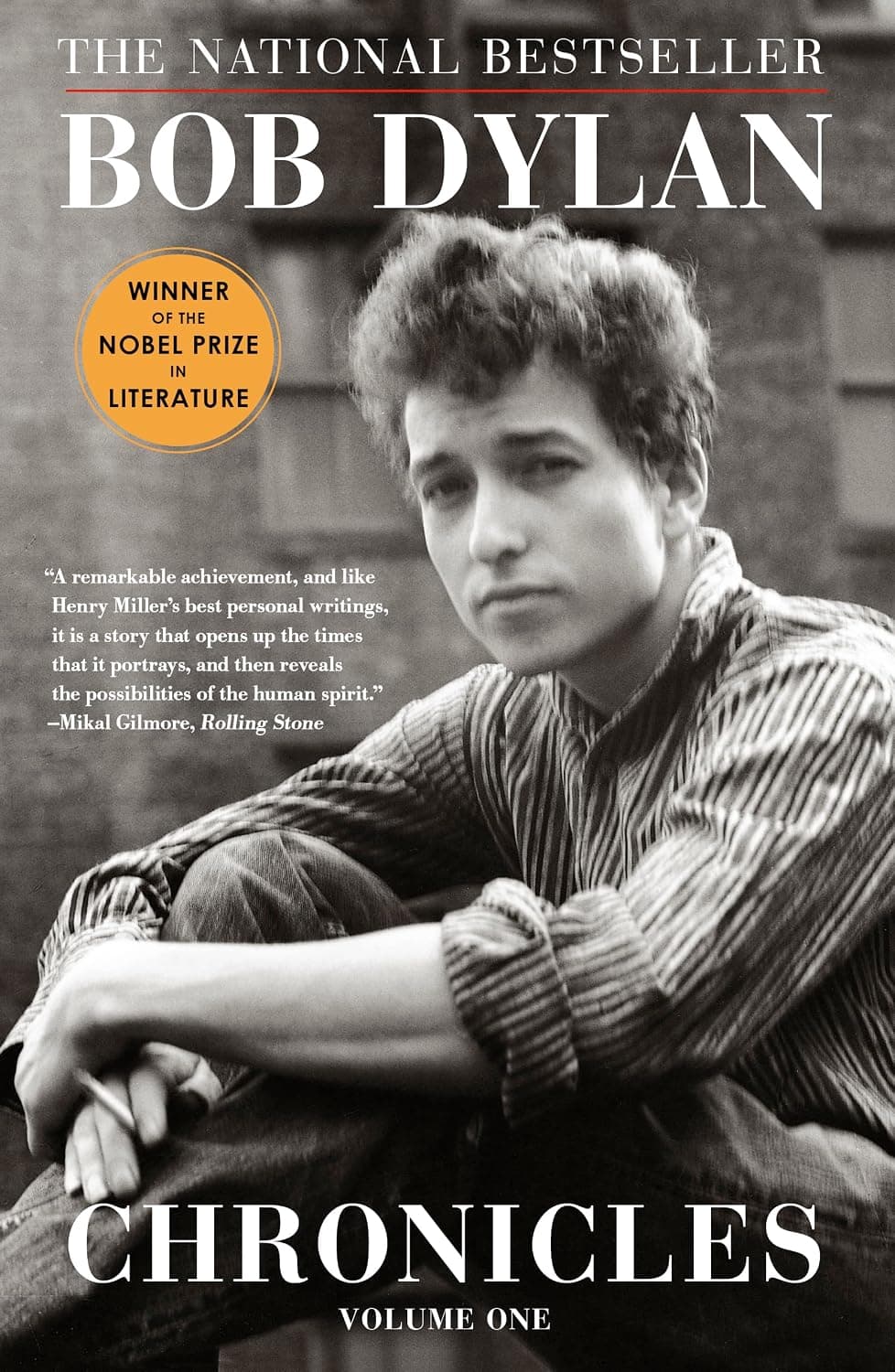
Dylan refuses the story everyone wants. He writes instead about borrowed couches in Greenwich Village in 1961 and a New Orleans studio in 1989, in prose as good as his songs.
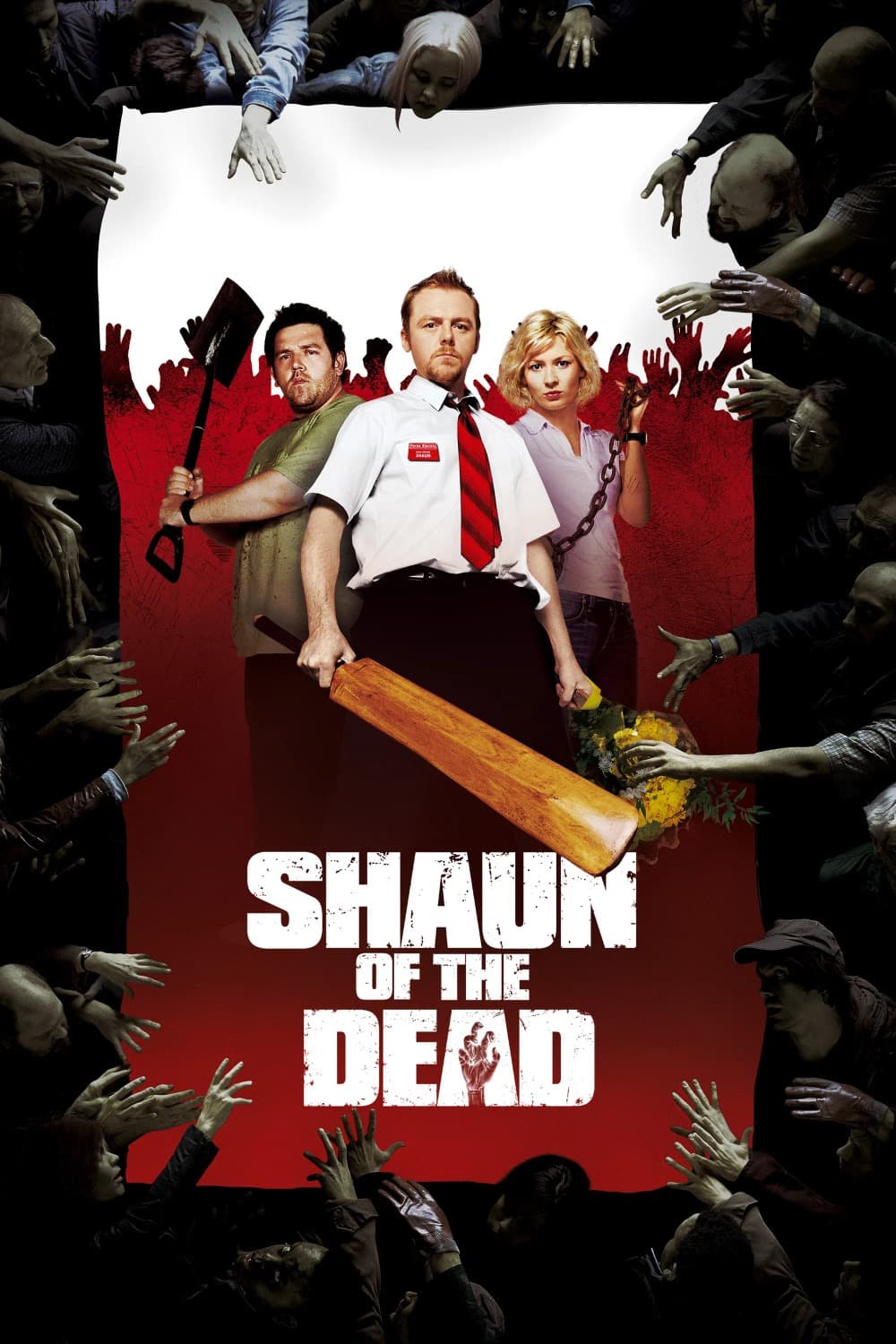
A zombie comedy that works as an actual zombie film: Wright plants every joke twice, so the second half pays off setups you laughed at an hour earlier without noticing they were setups.
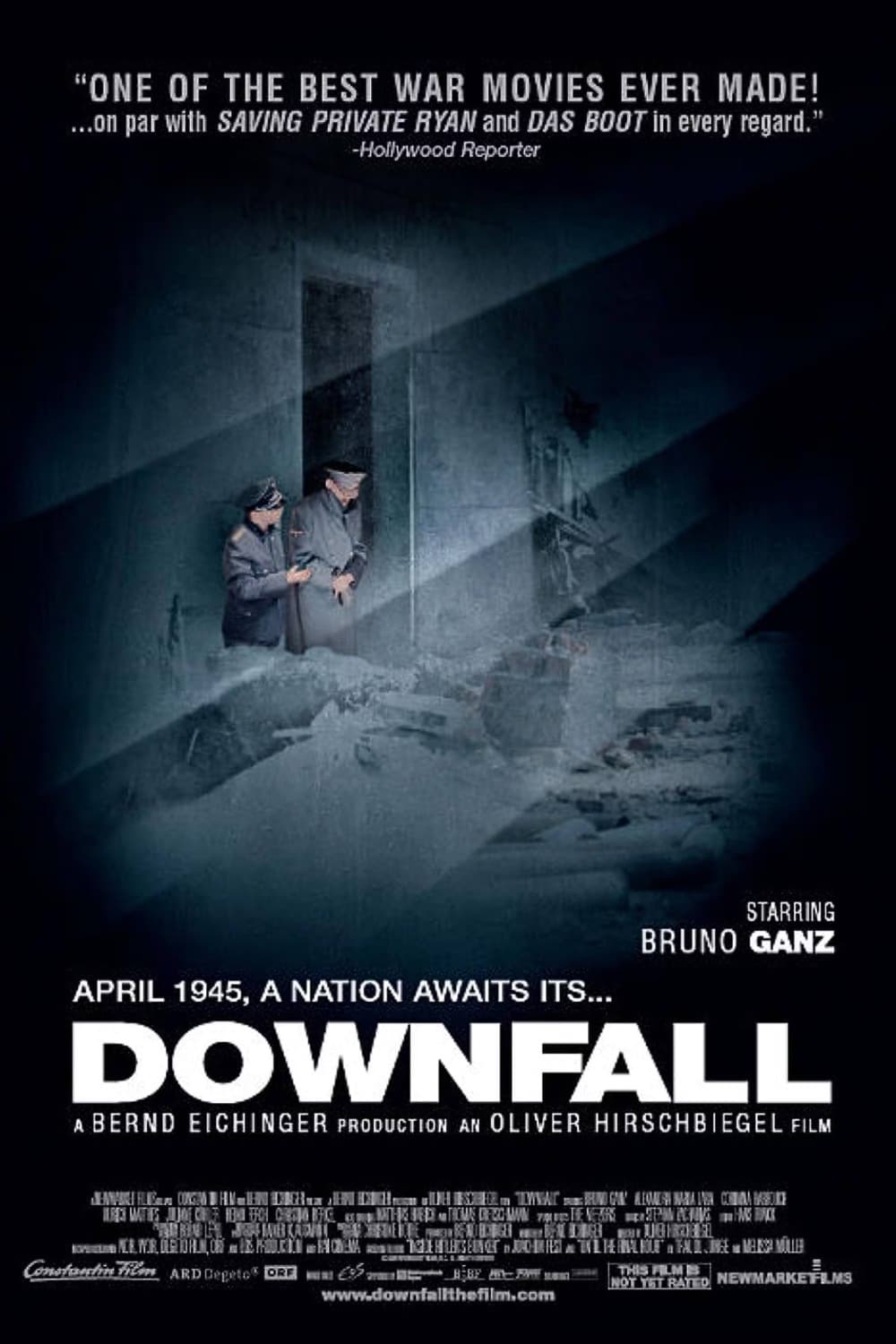
Bruno Ganz plays Hitler as a man rather than a symbol, and Germany argued about the film for a year: the last twelve days in the bunker, filmed without comment or consolation.
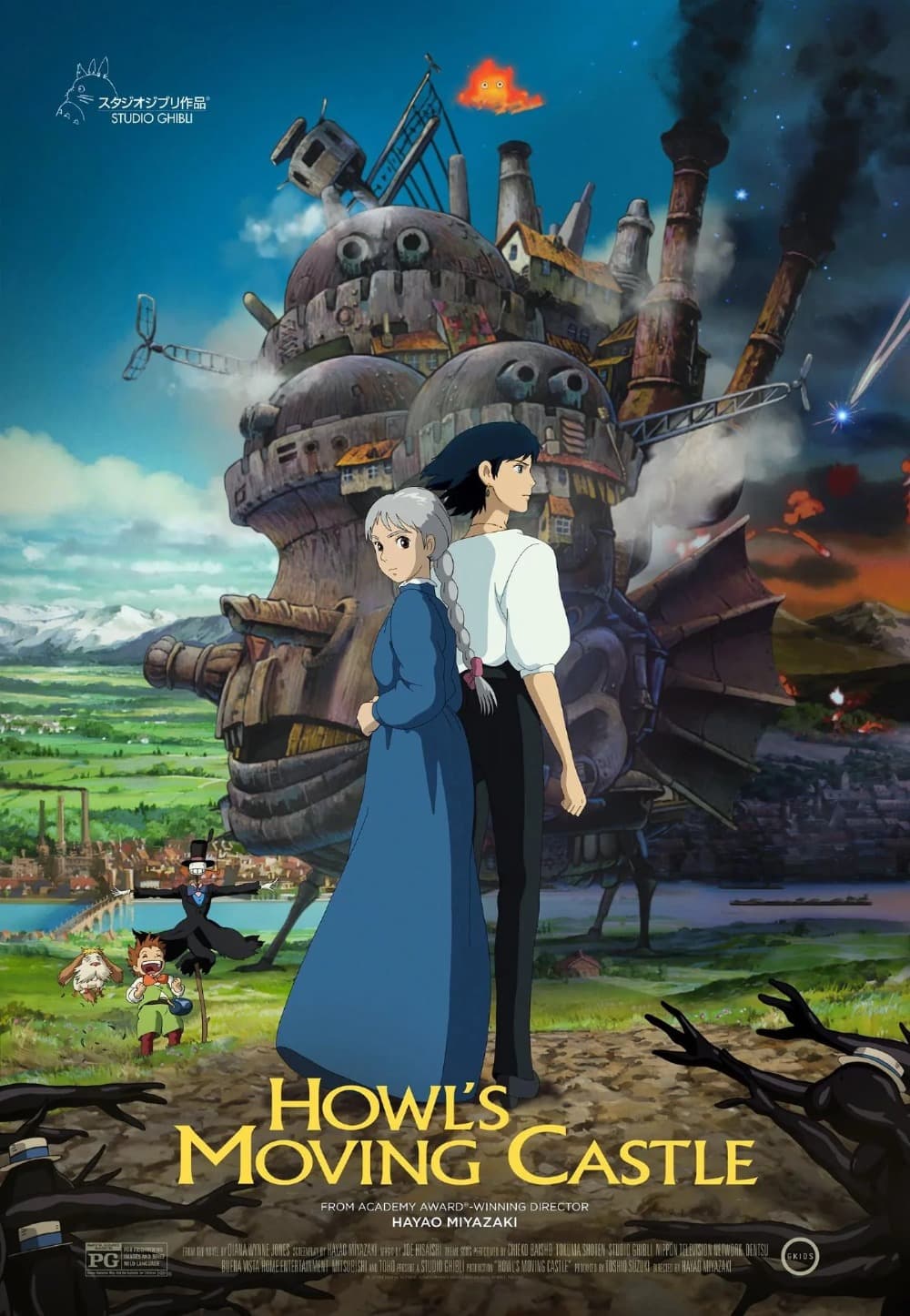
Miyazaki's most beautiful machine is a walking house held together by magic and bad temper: underneath the wonder is an angry anti-war film, made while he watched the invasion of Iraq.
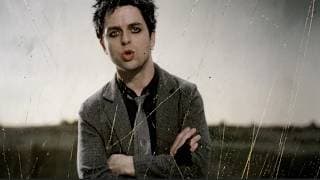
Armstrong wrote the lyrics alone in an East Village apartment, and that loneliness won Record of the Year.
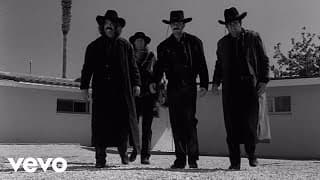
Gospel choir the Sweet Inspirations, a bassline Flowers traced to Bowie, and a refrain built for arenas.
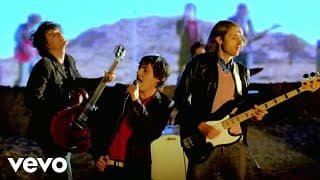
Flowers called it the story of trying to meet someone in a club; Keuning's hook does the flirting.
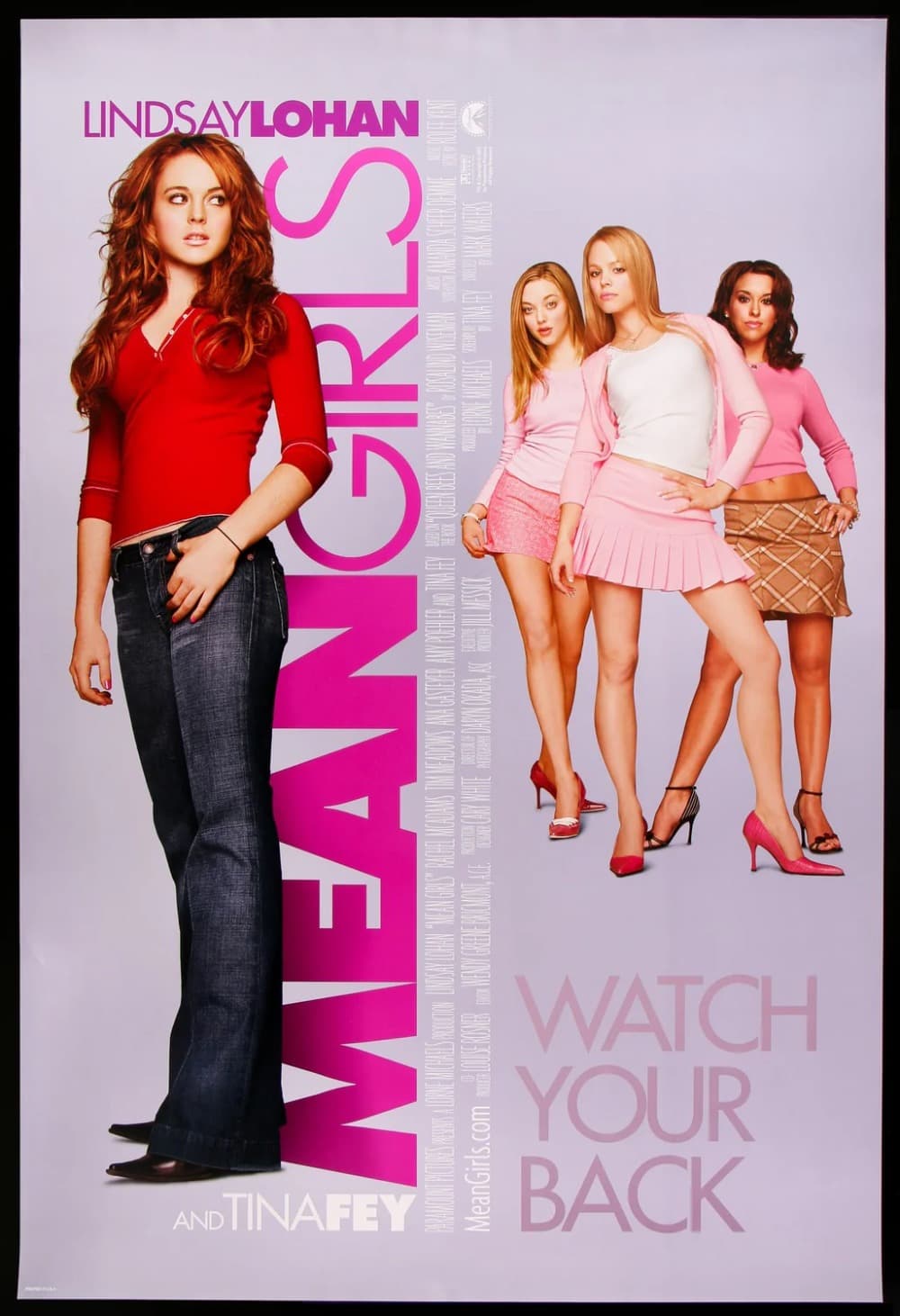
Tina Fey adapted a parenting book about teenage girls into the most quoted comedy of its decade: the anthropology is accurate, and the cruelty is presented as a system rather than a person.
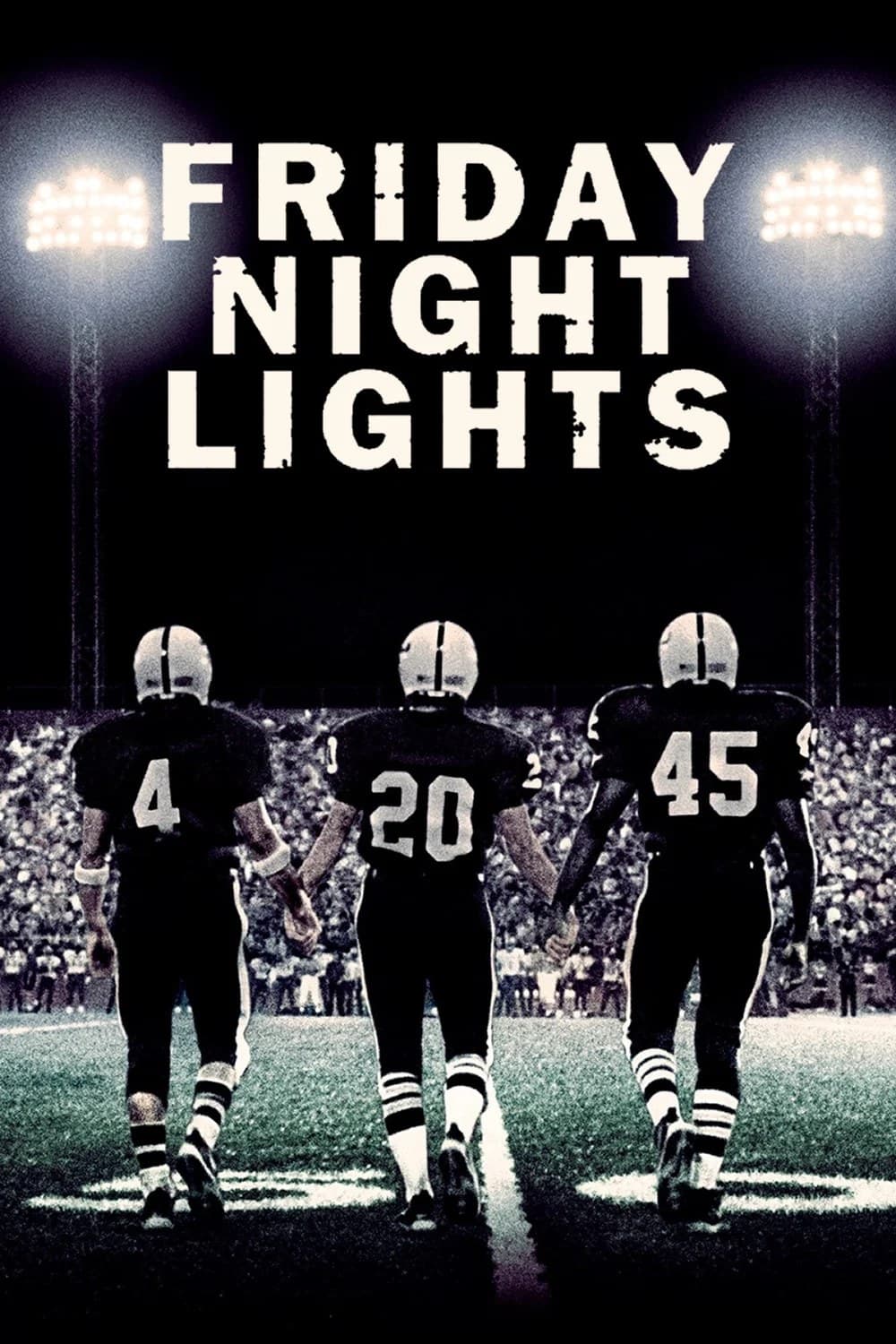
High-school football is the surface; the subject is a town with nothing else: Odessa, Texas in 1988, filmed handheld and close, where a losing season is a civic emergency.
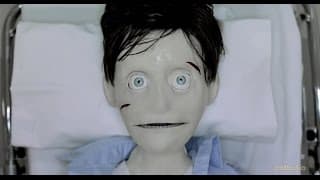
Charlie White's video put an animatronic puppet through a real emergency room, six puppeteers digitally erased; fans named it Norman.
Slade wrote it after mentoring a troubled teenager at a Denver camp, and Grey's Anatomy did the rest.
Two verses, two voices, and Jerry Douglas's Dobro; Bill Anderson and Jon Randall wrote country's bleakest modern ballad.
Cello, upright bass and brushed drums, roughly seventy acoustic tracks, and Hoppus and DeLonge trading verses about missing someone.
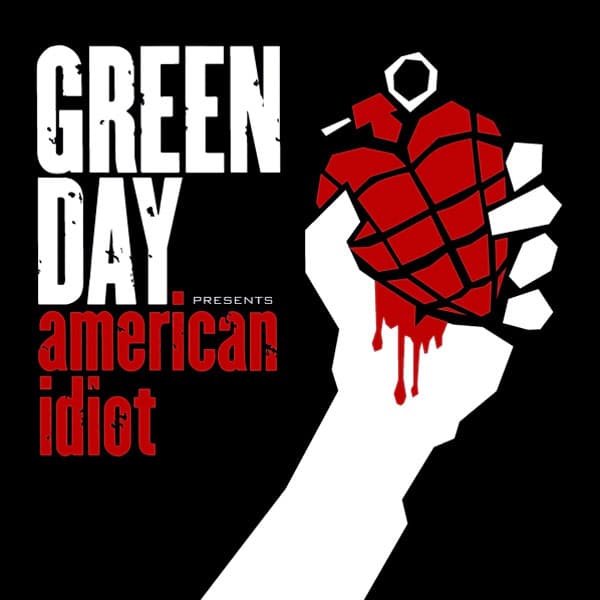
Someone stole the master tapes for the album they had just finished, so Green Day started over and wrote a punk rock opera instead.
Recorded at Sweet Tea in Oxford, Mississippi, and it turns a hard look at mortality into something close to serene.
Beam slowed Gibbard's synth-pop into hushed acoustic guitar for a Sub Pop B-side, then Garden State put it everywhere.
Jazze Pha built the beat on an Akai MPC3000, and Missy Elliott cut her verse before ever meeting Ciara.
Rice-Oxley hammered it out on piano after "Heroes", and Keane proved a rock band could skip guitars entirely.