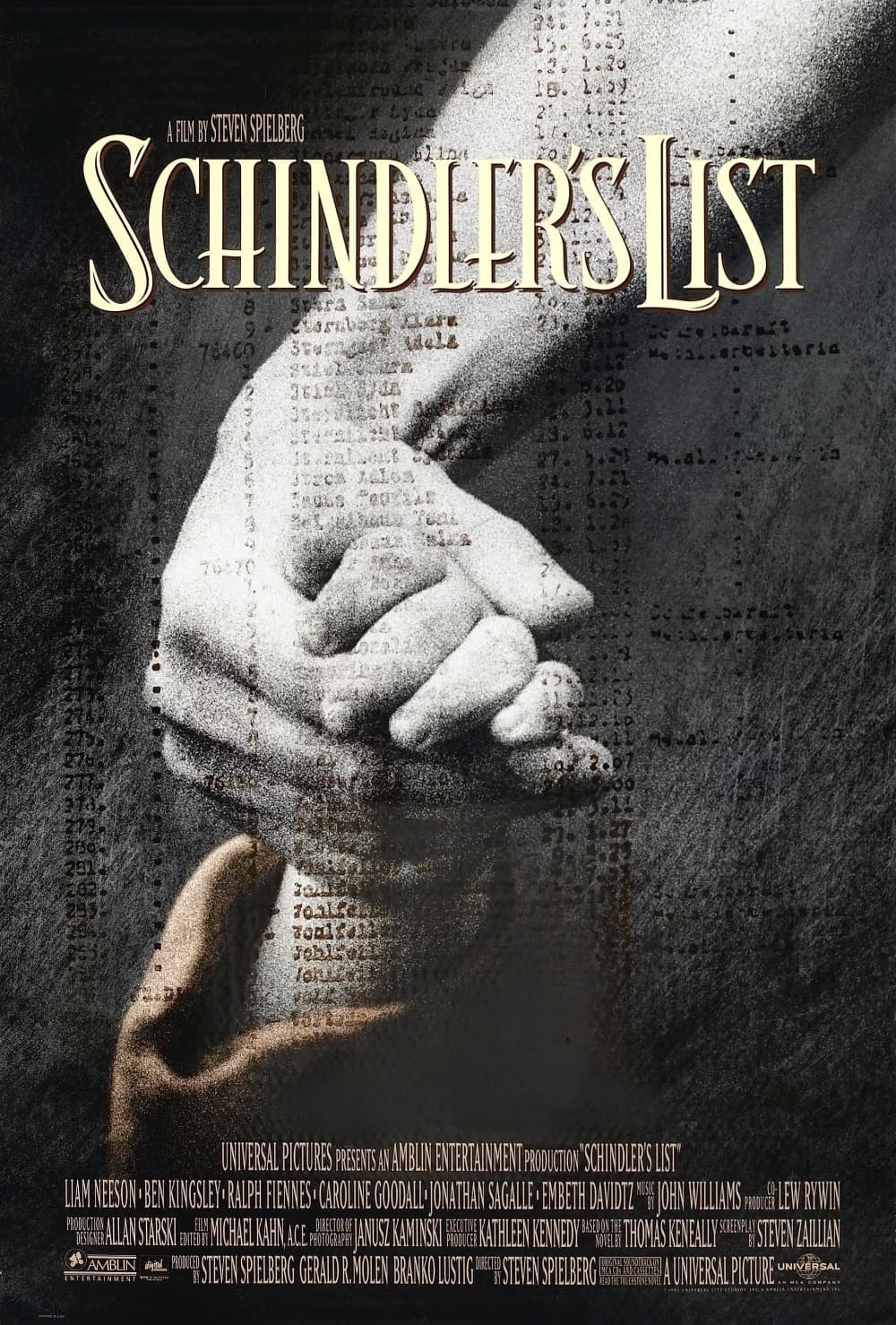
Schindler's List
Directed by Steven Spielberg
1993
More people have understood the Holocaust through this film than through any other: Spielberg took no fee, shot it in black and white, and gave the last word to the survivors.
★ 9.7
 skopia
More people have understood the Holocaust through this film than through any other: Spielberg took no fee, shot it in black and white, and gave the last word to the survivors.

RZA negotiated a deal letting every member sign solo elsewhere, then recorded the group in a basement on deliberately cheap, muddy equipment.
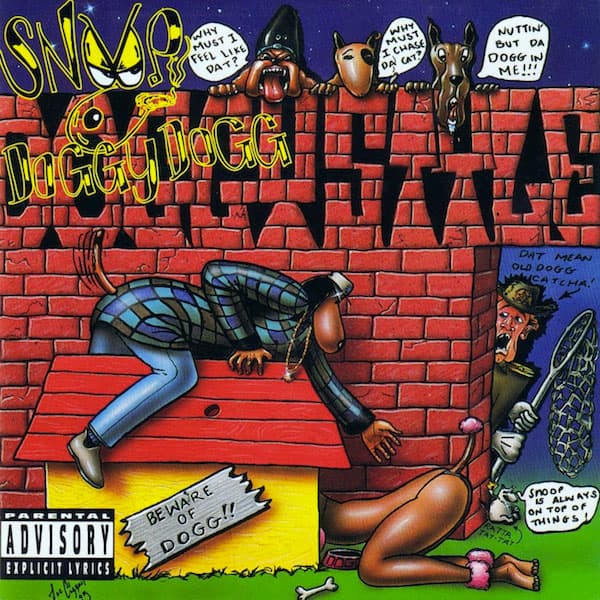
Snoop was on trial for murder while promoting it. It was the first debut album in history to enter the chart at number one.
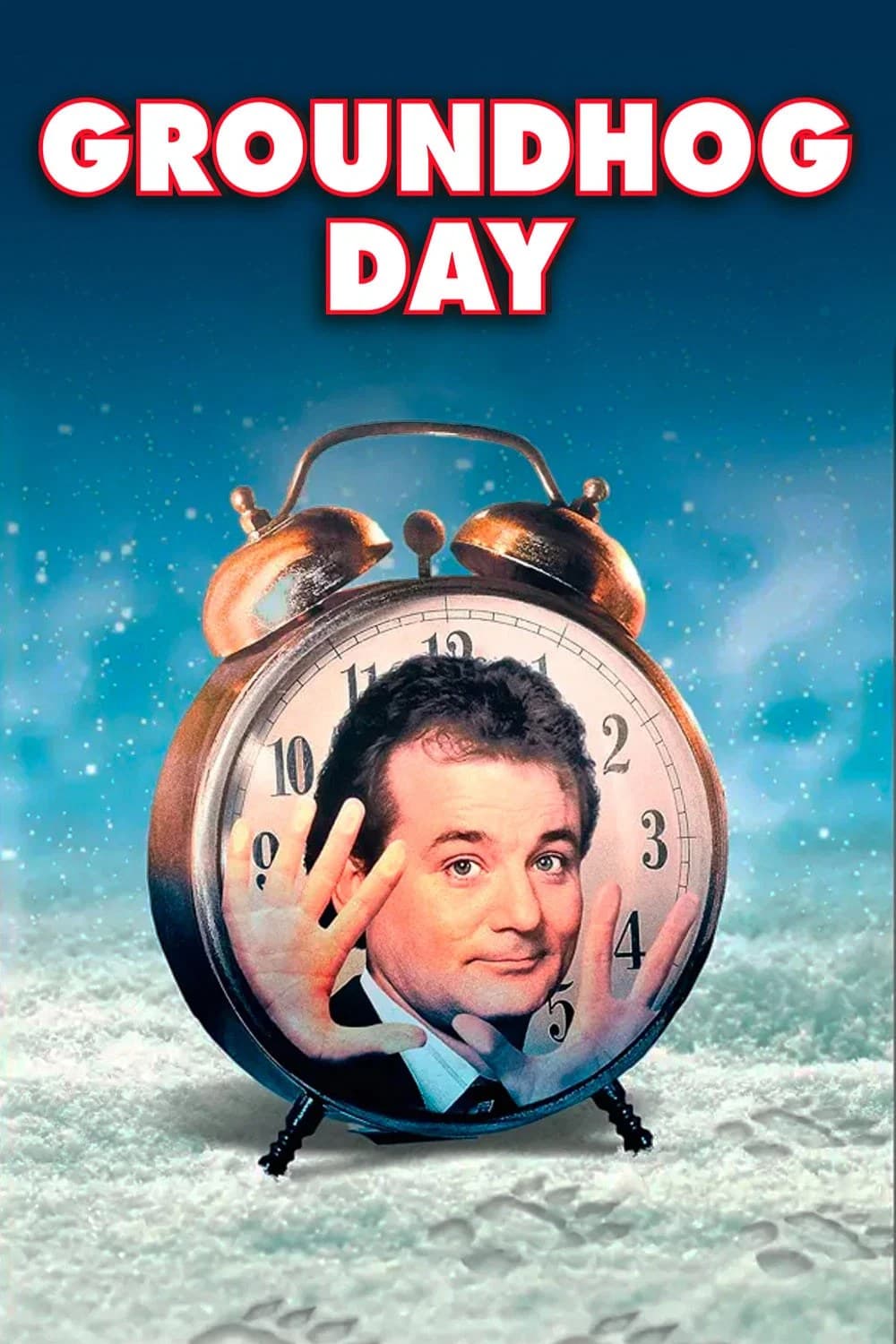
The title became a phrase people use without knowing the film: a comedy about repeating one day turned into the most quietly serious argument about how to live.
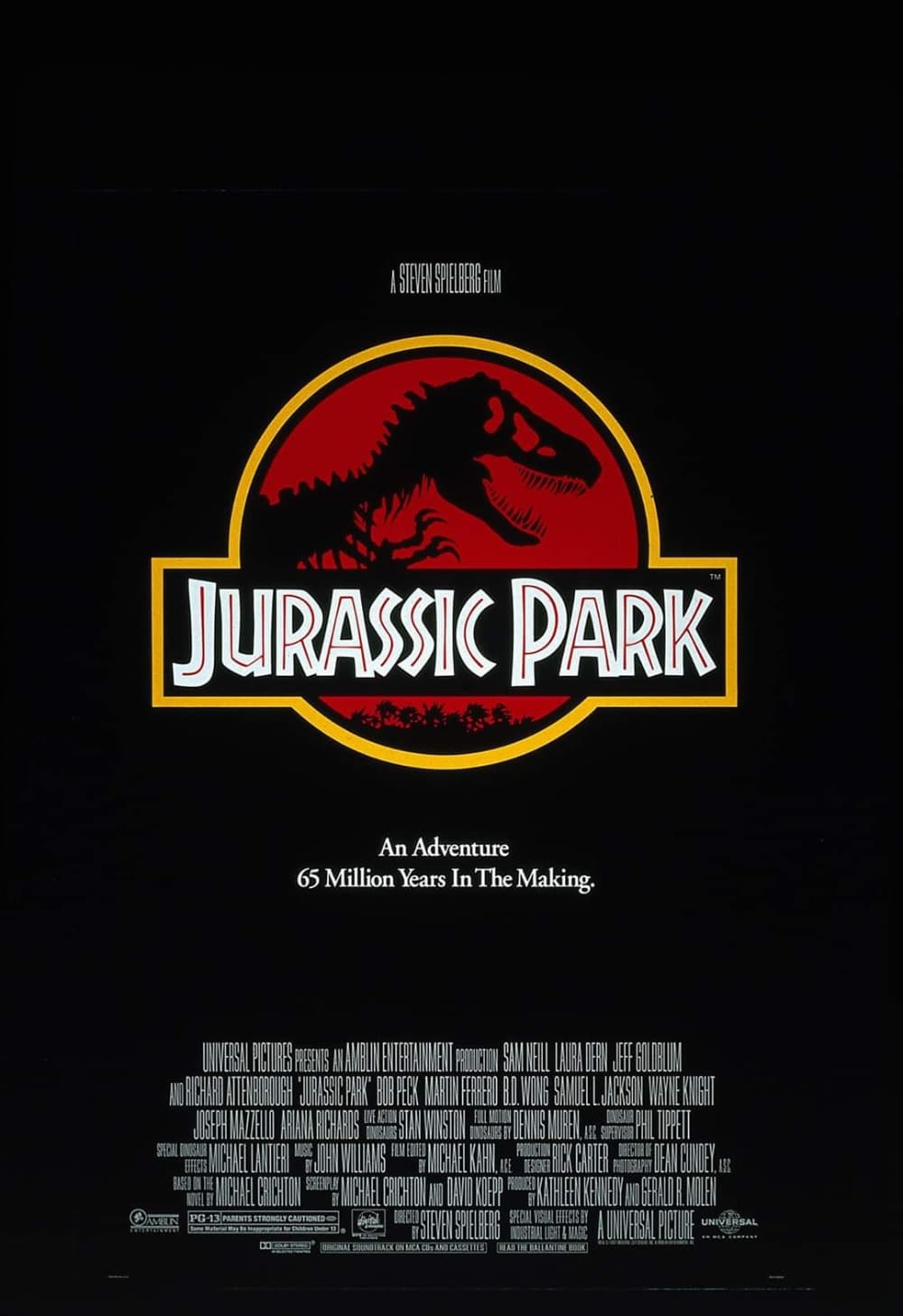
The moment the first dinosaur appears is the moment audiences stopped trusting their own eyes: Spielberg mixed puppets and computers so well that the seams still do not show.

A synthesized voice introduces the tracks like a museum tour guide, and the cover is a grid of about seventy other rappers' faces.
DJ Pooh looped the Isley Brothers' Footsteps in the Dark, and Ice Cube spent four minutes on an uneventful day.
Dr. Dre produced it, George McCrae supplied the sample, and Snoop's unhurried drawl became the West Coast blueprint.
Eight MCs, a beat RZA scrapped and rebuilt, and a 12-inch the group pressed themselves before any label would.
Albini recorded it at Pachyderm in a Minnesota winter, and Scott Litt later remixed it to lift Cobain's vocal.
Dre stacked Atomic Dog over Parliament and Funkadelic, and Snoop's debut single walked straight into the top ten.

Cobain asked for lilies and candles on the set, refused to play the hits, and was dead five months later.
A Zapp groove under the Five Stairsteps hook, dedicated to Latasha Harlins, and rap's warmest tribute to Black women.
Lori Goldston's cello beside Cobain at the November 1993 Unplugged taping, months before his death, apology turned farewell.
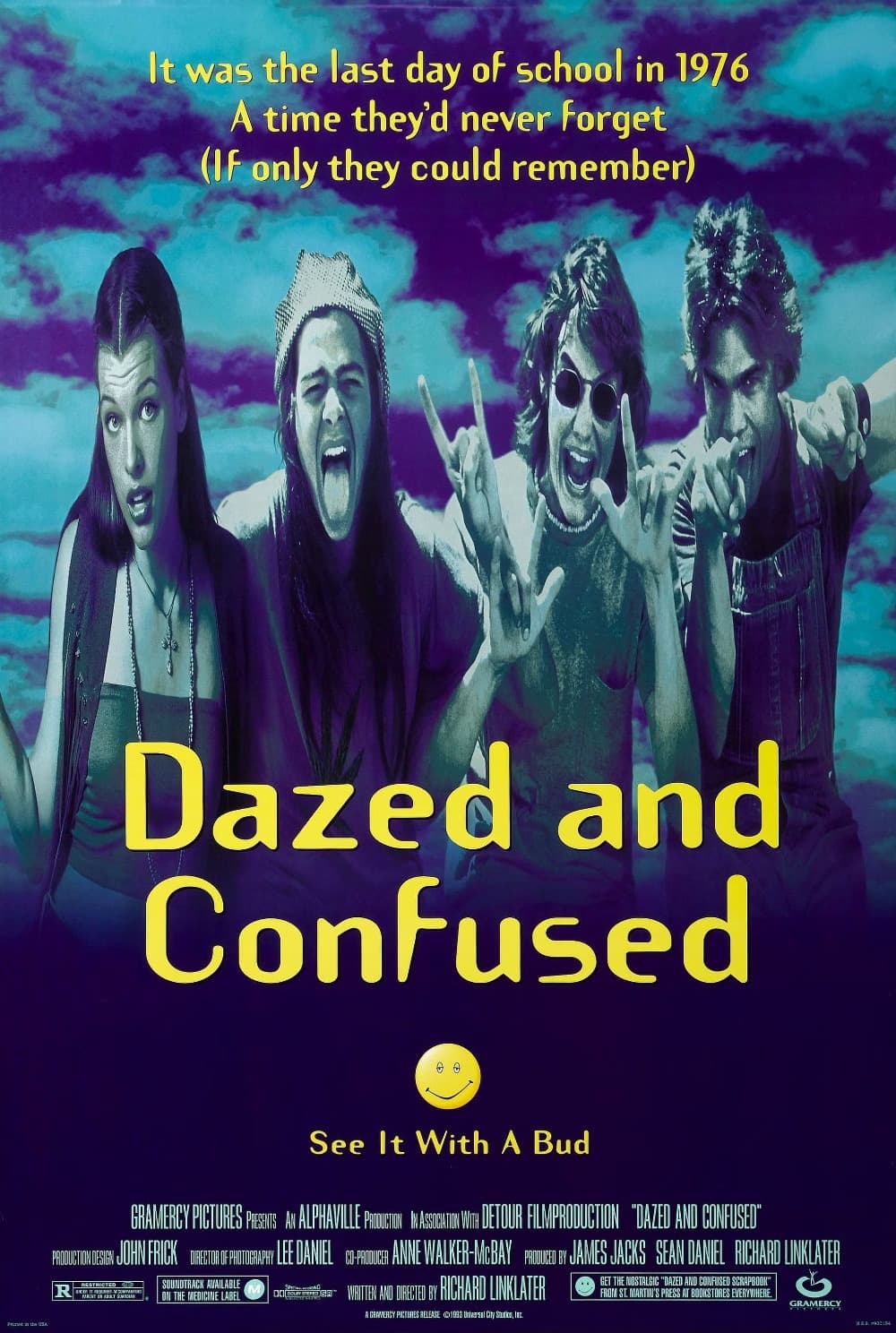
Nothing happens and that is the entire point: Linklater catches the last day of school in 1976 so exactly that people who were not there remember it anyway.
A diss aimed at Chubb Rock, by B-Real's account, over a squealing hook DJ Muggs still won't explain.
A-Plus flipped Billy Cobham's Heather into a beat he made in high school, and Oakland never sounded calmer.
There is nothing wrong with America that cannot be cured by what is right with America.
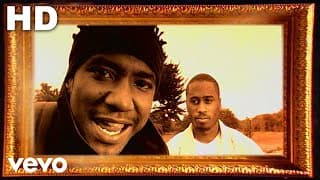
Q-Tip flipped a Weldon Irvine bassline, Trugoy took the hook, and the chorus name-checks cities from New York to Tokyo.
That's what I love about these high school girls, man. I get older, they stay the same age.
J-Swift looped Quincy Jones and Weather Report while four Pharcyde MCs traded verses about being turned down.
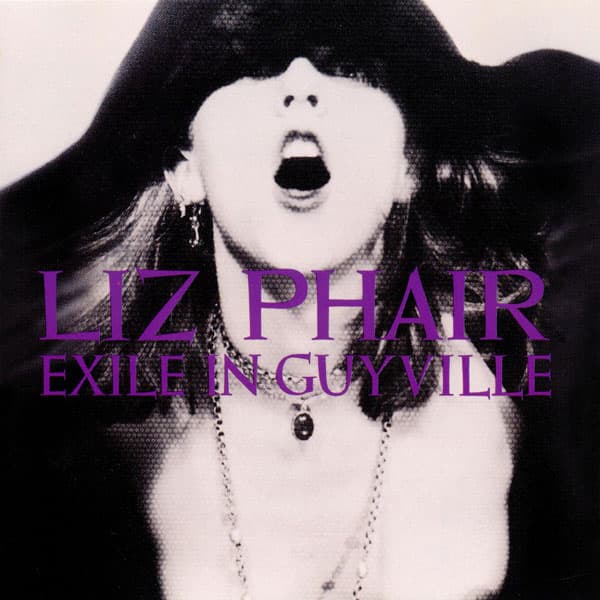
Phair wrote it as a song-by-song answer to Exile on Main St., in the same running order, from home cassettes she had made alone.
The siren is KRS-One's own voice, over Showbiz's loop of a Grand Funk Railroad cover cut at D&D.
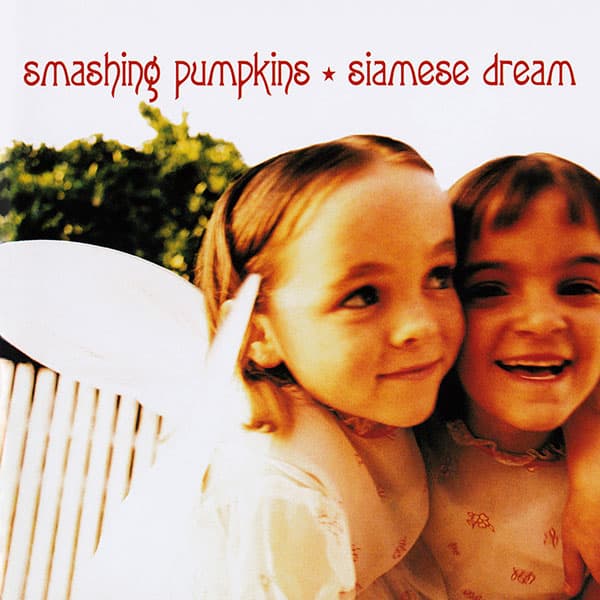
Billy Corgan played nearly all the guitar and bass himself, and some songs carry dozens of layered guitar tracks stacked on top of each other.
Originally called Indiana Girl, until Petty decided he couldn't sing that line; Stan Lynch's last sessions with the Heartbreakers.
Stephen Street produced it, the Duke Quartet supplied the strings, and O'Riordan wrote the melody at her audition.
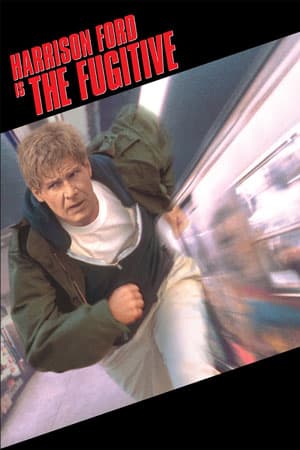
The train wreck was staged for real because it was cheaper than faking it: a surgeon convicted of his wife's murder runs, and Tommy Lee Jones's marshal is better company than the hero.
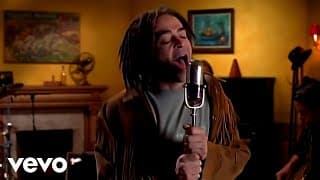
T-Bone Burnett replaced the band's own drummer with session man Denny Fongheiser, and Duritz got the fame he wished for.

Daniel Day-Lewis plays a man convicted of a bombing he had nothing to do with: the Guildford Four case, filmed while the wound in Britain was still fresh.
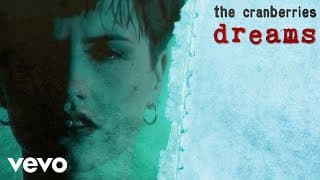
A debut single written about her first love, with Stephen Street producing and Mike Mahoney's voice climbing wordlessly out the top.
Three days to finish the music in Cuccurullo's home studio, and an elegy for a dead friend became their comeback.

Du Bois took the first Harvard doctorate given a Black American, wrote The Souls of Black Folk, and helped found the NAACP. Lewis won Pulitzers for this volume and for its sequel.