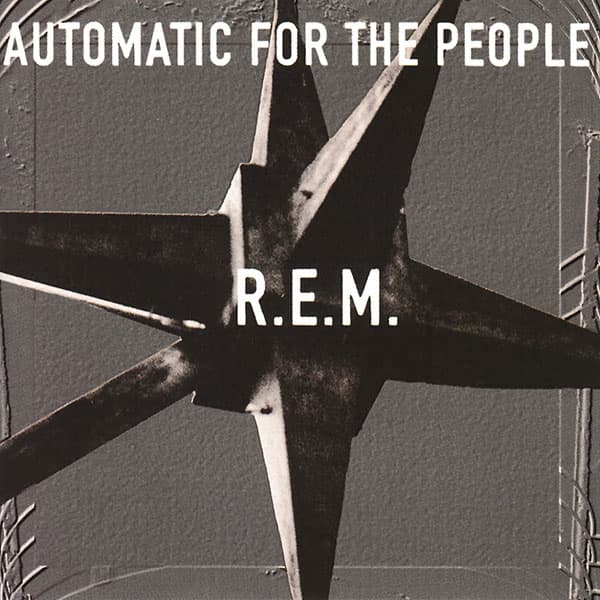
Automatic for the People
1992
They set out to make a loud record and ended up with a quiet one. John Paul Jones of Led Zeppelin wrote the string parts.
★ 8.9
 skopia
They set out to make a loud record and ended up with a quiet one. John Paul Jones of Led Zeppelin wrote the string parts.

Dre built G-funk on a Leon Haywood sample, handed Snoop the mic, and gangsta rap reached number two.

Dre had session players replay the funk records rather than sample them, which sidestepped clearance and made everything sound warmer and slower.
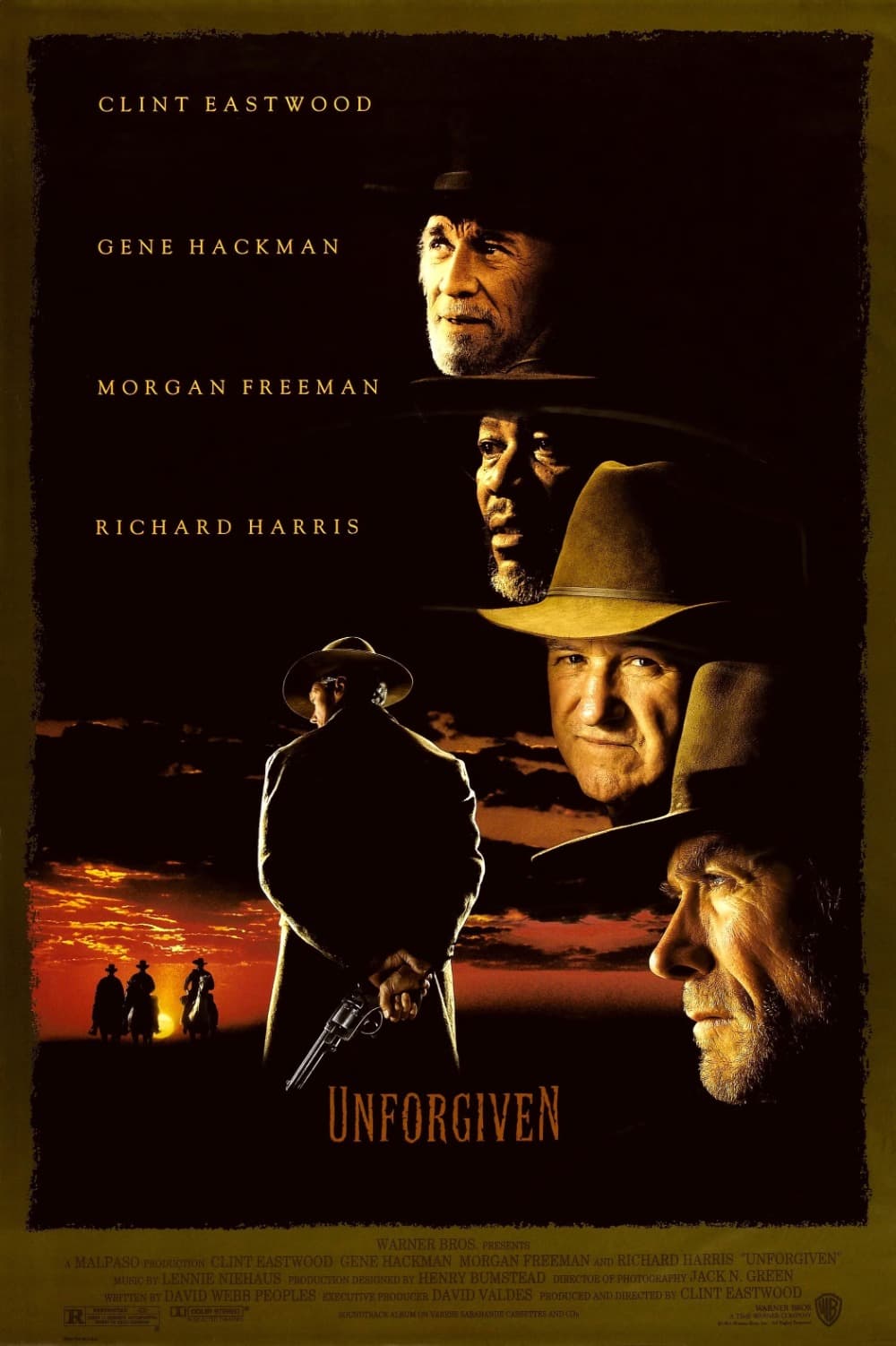
Eastwood spent thirty years building the myth this film takes apart: no western has been harder on the pleasure of violence, or on the men who deal it out.
Pete Rock looped a Tom Scott saxophone line, and CL Smooth's eulogy for a lost friend still aches.

Parton wrote it to leave Porter Wagoner; Houston opened a cappella and held the Hot 100 for fourteen weeks.
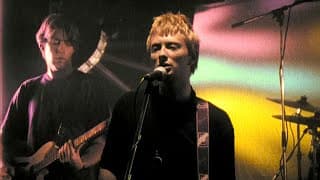
Greenwood meant those three dead notes before the chorus to wreck the song, and they are what makes it work.
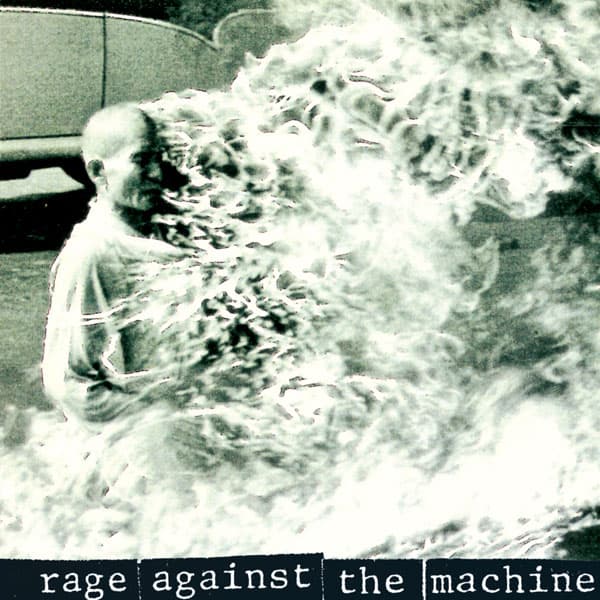
The sleeve insists there are no samples or keyboards anywhere. Every strange noise is Tom Morello working the pickup switch and scraping the strings.
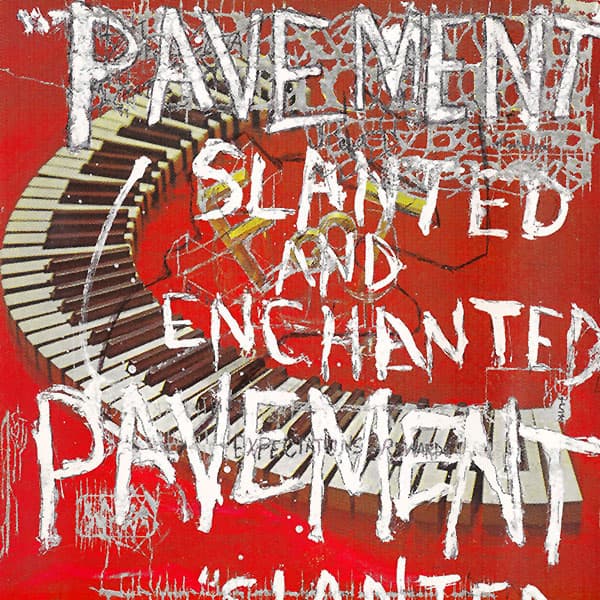
Recorded for about eight hundred dollars in the drummer's garage in Stockton. He later took to greeting the audience with handstands.
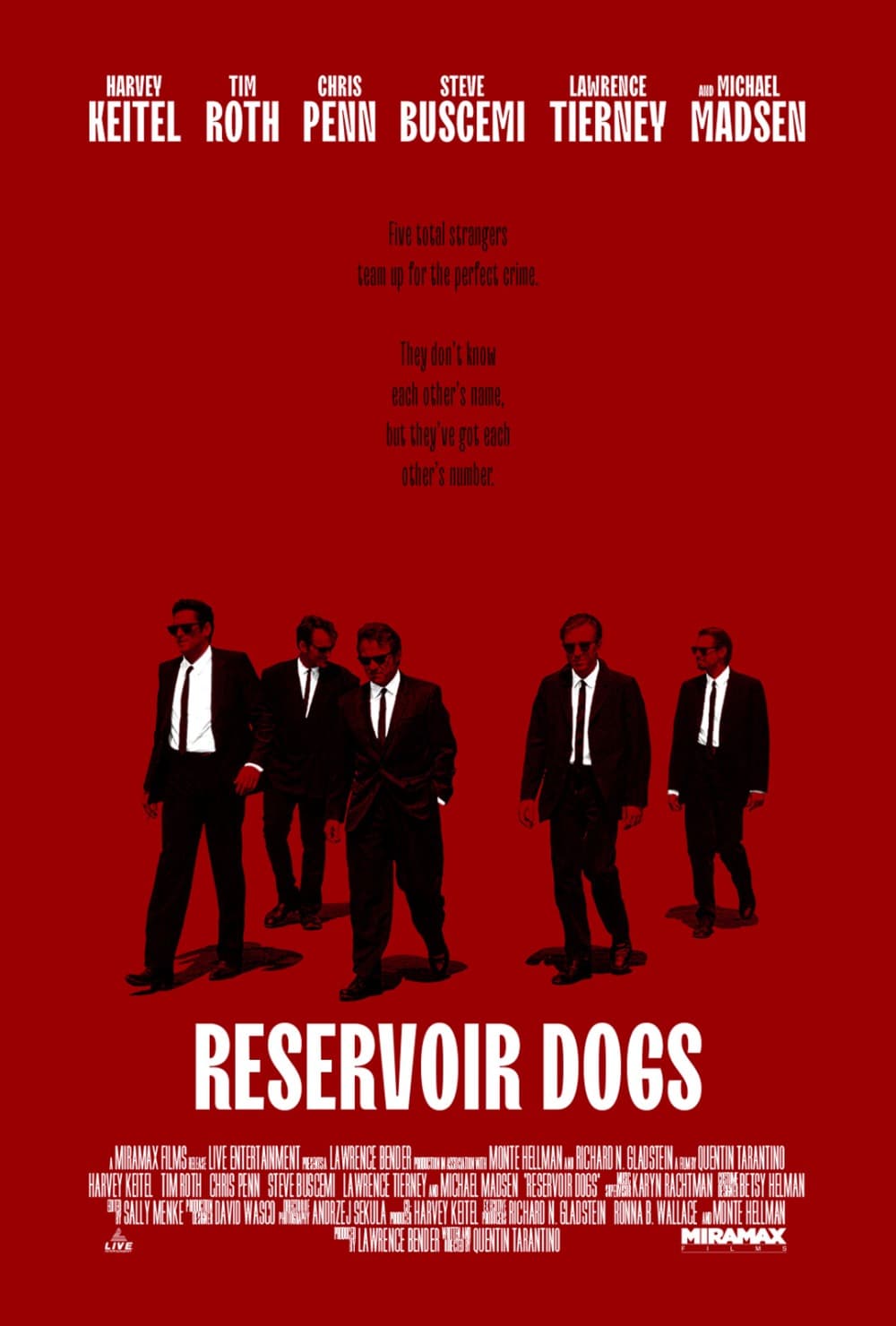
Tarantino arrived fully formed with a heist film that never shows the heist: everyone is in a warehouse afterward, suspecting everyone else and talking far too much.
Berry's chords, Buck's arrangement, and lyrics Stipe wrote at the last minute about Andy Kaufman, Elvis impression included.
Four snare hits, then two amps facing each other with tremolos fighting, sampled and reversed into shoegaze's founding roar.
Mills cut the piano at Criteria on the instrument heard on "Layla," and John Paul Jones arranged the strings.
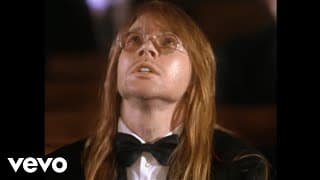
Slash's solo grew from an improvisation, Rose had chased the song since 1986, and nine minutes went top three.
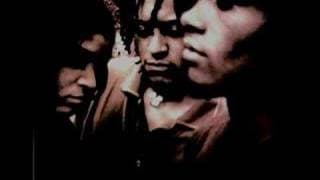
Butler built it from an Art Blakey bassline in his father's jazz records, three voices making cool sound effortless.